Dishes immigrants gave up to succeed in America

Immigration stories are often told through ambition, sacrifice, and reinvention, but food belongs in that conversation too. For many newcomers, success in America didn’t just mean learning English or landing a steady job. It also meant leaving certain dishes behind because they were too expensive, too time-consuming, too hard to explain, or simply too tied to a life they were trying to outgrow.
Handmade Dumplings
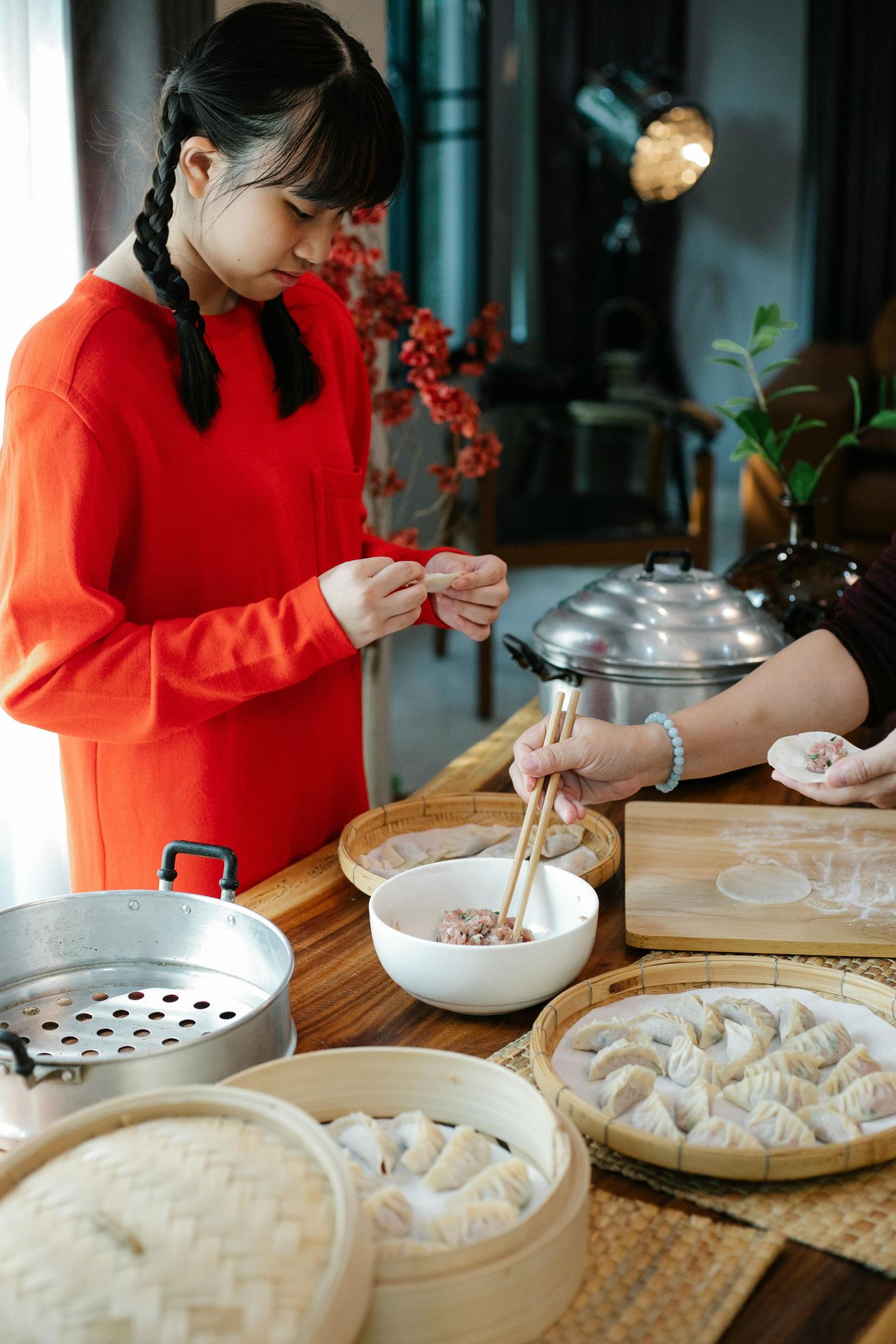
For many immigrant families from China, Korea, and Eastern Europe, handmade dumplings were never just dinner. They were a weekend ritual, a holiday tradition, and a group project that required time, patience, and usually several sets of hands around the table.
In America, that rhythm often broke down fast. Long shifts, school schedules, and cramped kitchens made all-day folding sessions feel impossible. Frozen versions stepped in, and while they solved the time problem, they rarely carried the same feeling.
Giving up handmade dumplings wasn’t really about taste. It was about losing the kind of unhurried family time that success in America often demanded people trade away.
Slow-Simmered Mole
Traditional mole can take hours and sometimes days to build properly, with toasted chiles, nuts, seeds, spices, and careful layering that turns into something deep and unforgettable. In many Mexican households, it’s a dish tied to celebration, memory, and serious labor.
Once families settled into American routines, mole often became a special-occasion food instead of an everyday one. The ingredients could be pricey, the process was demanding, and the payoff required time that working parents rarely had.
What disappeared wasn’t just a sauce. It was a slower way of cooking that made room for storytelling, tasting, adjusting, and staying close to the stove longer than modern life allowed.
Whole Fish Soups
Across immigrant communities from West Africa to Southeast Asia to the Caribbean, fish soup made with the whole fish was practical, flavorful, and deeply familiar. It used every part well and carried the kind of aroma that instantly made a kitchen feel like home.
In America, that same smell could become a source of embarrassment, especially in shared housing or tightly packed apartment buildings. Kids worried about friends noticing it on their clothes. Parents worried about complaints, judgment, or seeming too different.
So the soup often faded from weekly cooking. What replaced it was usually milder, faster, and less noticeable, even if it also meant giving up one of the most comforting tastes of home.
Tripe Stew
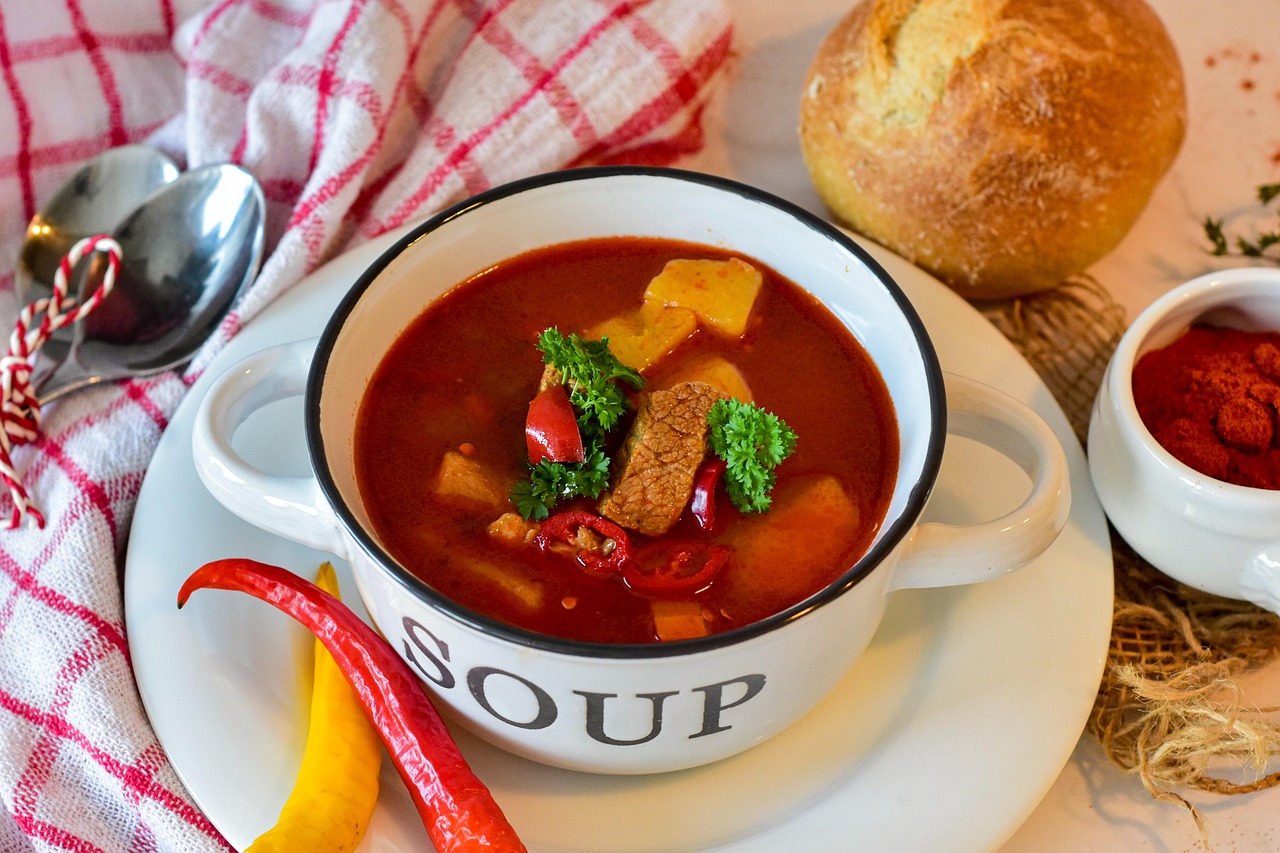
Tripe has long been a cornerstone ingredient in many immigrant kitchens, from Mexican menudo to Filipino goto to Italian trippa. It’s economical, rich with tradition, and proof that great cooking can come from cuts other people overlook.
But in America, offal has often carried a stigma. It could feel harder to serve to guests, harder to pack for lunch, and harder to defend in a culture that often equated mainstream foods with social mobility. For families trying to fit in, tripe sometimes became one of the first dishes to go.
The loss wasn’t minor. These dishes represented thrift, skill, and pride, yet many people learned to leave them behind in order to seem more polished, modern, or successful.
Fermented Vegetables Made at Home

Homemade kimchi, sauerkraut, torshi, and other fermented vegetables once depended on time, storage space, and a kitchen that could handle strong smells and large batches. They were living foods, but they were also markers of continuity, care, and domestic know-how.
That got harder in American apartments. Limited space, picky landlords, and busy schedules pushed many families toward store-bought jars instead of homemade crocks and buckets. The convenience was real, but so was the shift in what home cooking meant.
When fermentation moved out of the house, a whole process disappeared with it. So did the seasonal rituals, the inherited instincts, and the quiet confidence that came from making something from scratch over time.
Fresh Flatbreads
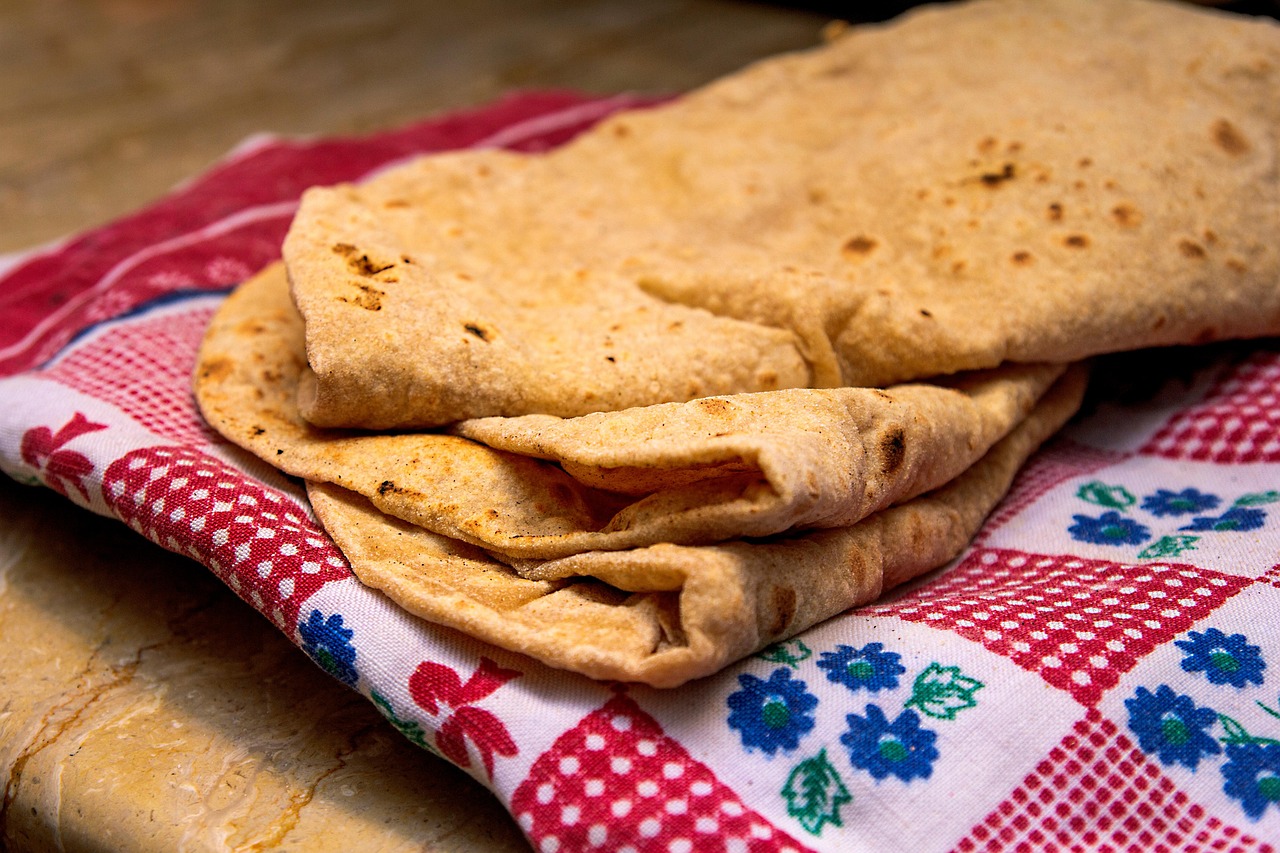
Fresh chapati, roti, lavash, and other flatbreads were once daily staples in many immigrant homes, made almost automatically by cooks who had done the motions for years. Warm bread at the table meant comfort, skill, and a meal that felt complete.
In America, breadmaking collided with the clock. Early commutes, second jobs, and kids’ packed schedules left little room for mixing, rolling, and cooking each round to order. Packaged sandwich bread, tortillas, or store-bought naan became the practical answer.
This change looked small from the outside, but it was huge at home. Replacing fresh flatbread often meant replacing the center of the meal with something quicker, less personal, and a little less rooted in daily tradition.
Labor-Intensive Holiday Tamales
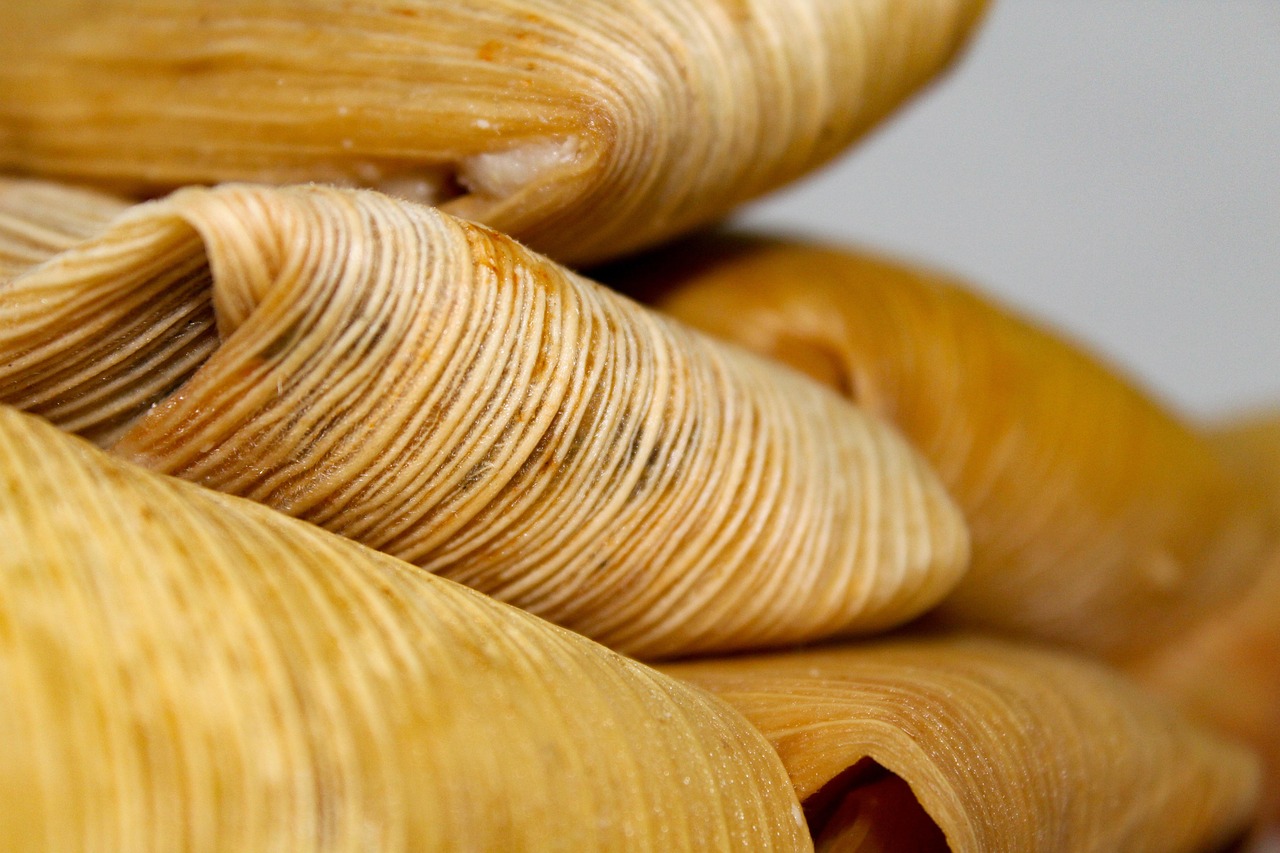
Tamales didn’t vanish completely, but for many families they became one of those dishes made less often with each passing year. The masa, the fillings, the soaking, the folding, and the steaming all ask for a crowd and for time people don’t always have anymore.
As families spread out across cities and states, the tamalada became harder to organize. Work schedules rarely lined up, older relatives got tired, and younger generations often grew up without learning the full process from start to finish.
That shift says a lot about immigrant success. A dish built for togetherness can be one of the first casualties of upward mobility, distance, and the kind of busyness that leaves very little room for collective cooking.
Porridges That Took All Morning
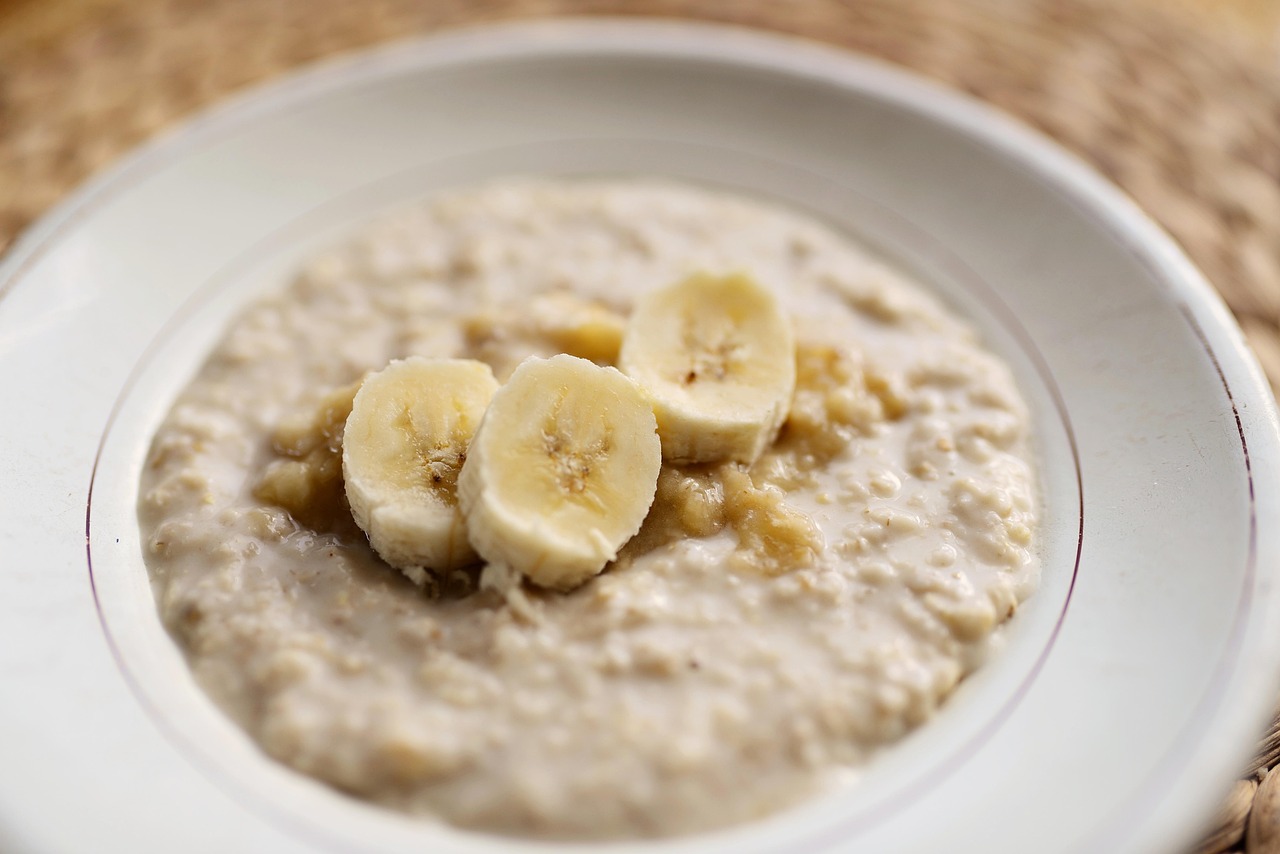
Savory congee, millet porridge, grits-like cornmeal dishes, and other slow morning meals once anchored the day in many immigrant households. They were affordable, filling, and comforting, especially for families used to starting the morning with something hot and substantial.
American life pushed breakfast in a different direction. Cereal, toast, protein bars, and drive-thru coffee fit the pace better than a pot that needed simmering and attention. Kids adapted quickly, and soon the old breakfast felt more like a weekend memory than a weekday staple.
Letting go of those porridges meant more than changing the menu. It marked a deeper adjustment to American time itself, where speed often mattered more than ritual, nourishment, or the slow ease of a shared morning.