11 Most Hated Foods in America That Everyone is Still Buying Anyway

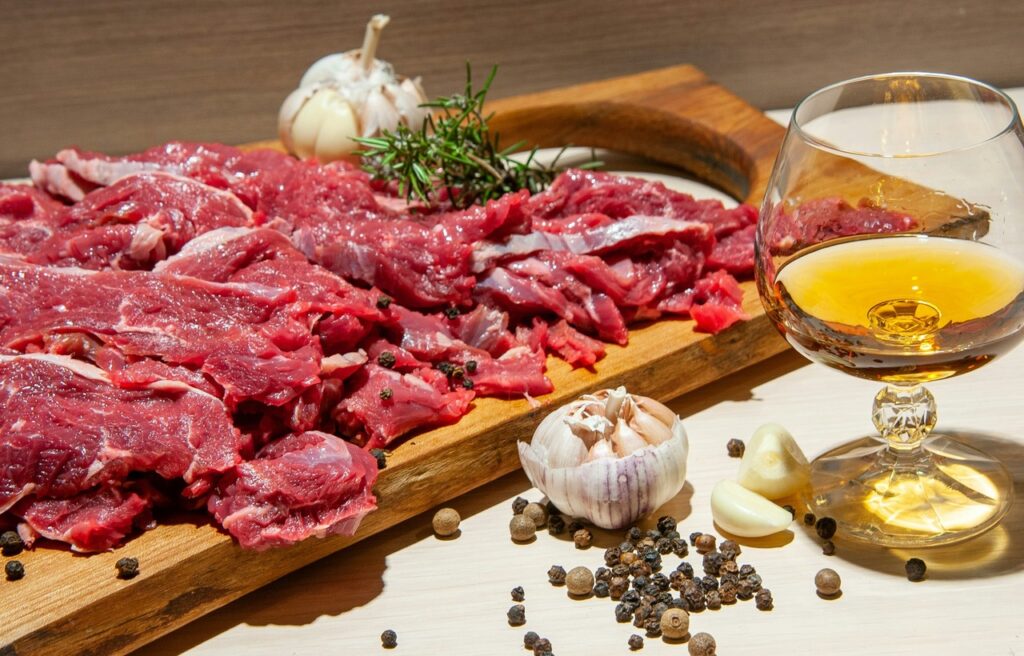
Certain foods consistently rank among America’s most disliked, yet they continue appearing in grocery carts and restaurant orders across the country. Strong flavors, unusual textures, and unfamiliar ingredients often create divided opinions, but steady demand keeps these items firmly on shelves and menus. From seafood and specialty cheeses to vegetables and organ meats, these foods reveal how personal taste, cultural tradition, and nutritional choices often outweigh widespread dislike in shaping what people still buy.
1. Anchovies Divide Diners Despite Widespread Use
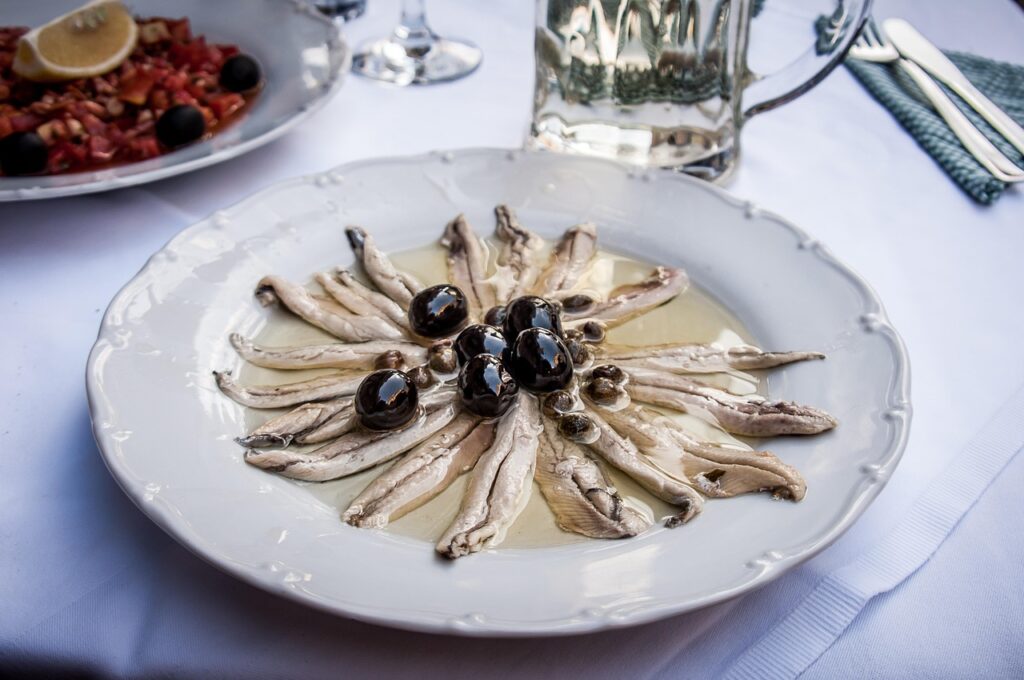
Tiny yet powerful in flavor, anchovies rank among America’s most disliked foods, largely because of their intense saltiness and fishy aroma. Many diners reject them outright, especially when served visibly on pizzas or salads, associating the ingredient with an overpowering taste.
Ironically, anchovies quietly appear in numerous popular foods without most people realizing it. Caesar dressing, Worcestershire sauce, and many savory sauces rely on anchovies for depth, contributing umami richness without obvious fish flavor when blended into recipes.
Even those claiming to dislike them often consume dishes enhanced by their presence, showing how culinary preferences sometimes conflict with hidden ingredients shaping familiar flavors.
2. Liver Remains Unpopular but Still Purchased

Liver once held a central place in American kitchens because it offered affordable nutrition packed with iron and vitamins. Yet many people developed a strong dislike for its metallic flavor and dense texture, pushing it down modern preference lists.
Despite declining popularity, liver remains available in grocery stores and restaurants serving traditional or health-focused meals. Some consumers continue purchasing it for nutritional benefits or cultural dishes passed through generations.
The divide reflects changing food habits rather than the disappearance of demand. While many reject liver’s taste, others appreciate its affordability and nutrient content, ensuring it still finds space in markets even as mainstream enthusiasm fades.
3. Sardines Challenge Taste but Stay Popular

Small canned sardines frequently appear on disliked food lists due to their oily texture and potent aroma. Many Americans avoid them after childhood experiences with strong-smelling tins opened at home or school lunches.
However, sardines remain a practical protein choice valued for convenience, affordability, and high omega-3 content. Health-conscious shoppers continue buying them, and culinary trends promoting Mediterranean diets have revived interest among certain consumers.
Sales persist because nutritional benefits and ease of storage outweigh hesitation for many buyers. Even those who dislike sardines recognize their practicality, keeping them stocked despite widespread flavor complaints.
4. Tofu Faces Resistance Despite Growing Demand
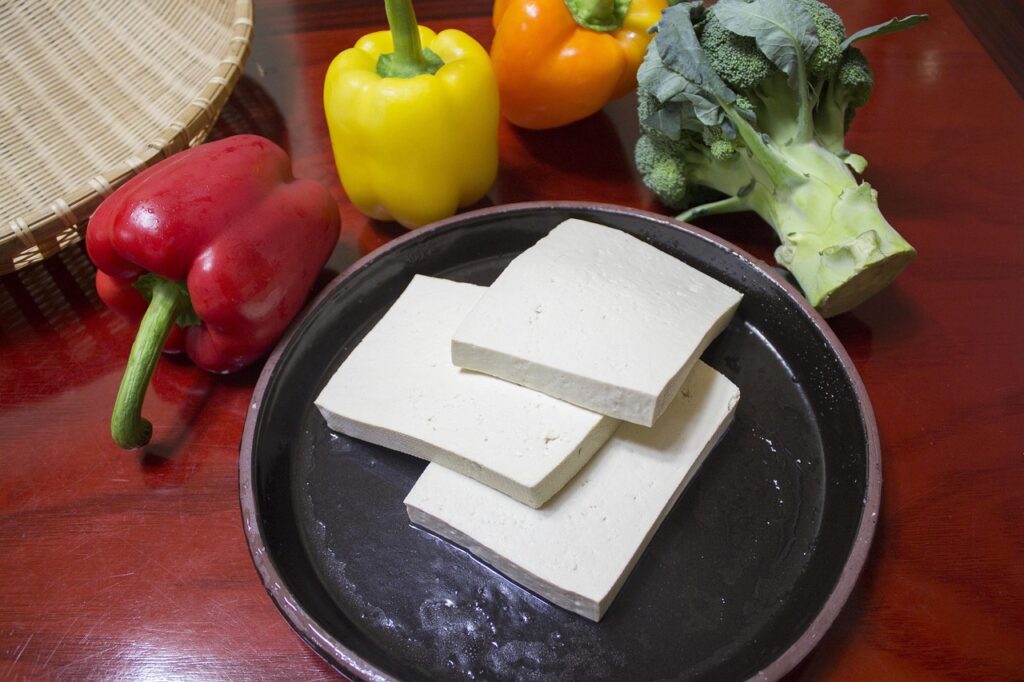
Tofu often earns criticism from people who perceive it as bland or rubbery, especially when eaten without seasoning or proper preparation. First impressions of poorly cooked tofu frequently cement a lasting dislike among new diners.
Yet tofu sales continue rising as plant-based diets expand and consumers seek alternatives to meat. Its ability to absorb flavors makes it versatile, though this strength only shines when prepared skillfully.
The contrast highlights evolving eating habits. Even as some reject tofu’s texture, others purchase it for health or environmental reasons, making it a regular supermarket staple despite persistent skepticism among certain shoppers.
5. Squid Challenges Comfort Zones Yet Sells Well
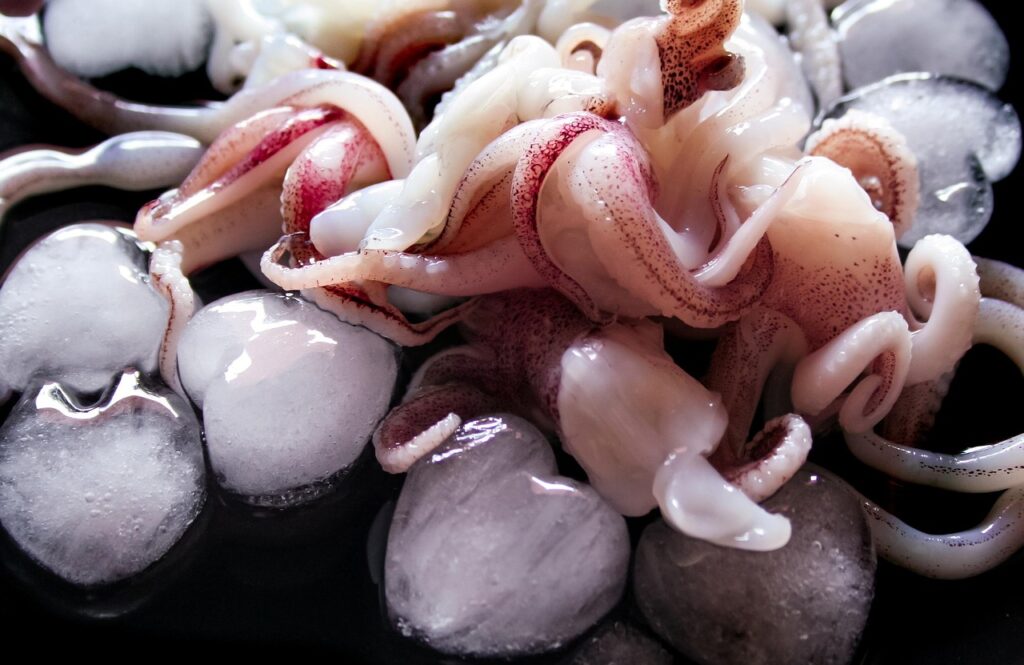
Squid, commonly served as calamari, often unsettles diners unfamiliar with seafood beyond traditional fish fillets. Its chewy texture and unfamiliar appearance discourage some consumers from embracing it as everyday food.
Restaurants nevertheless sell large quantities of fried calamari, often served in bite-sized pieces that disguise the ingredient’s original form. Prepared well, squid offers a mild flavor appealing to adventurous eaters.
Continued popularity shows how presentation shapes perception. Many who claim a dislike for squid still order calamari appetizers, proving resistance sometimes fades when food appears in familiar, approachable formats.
6. Caviar’s Texture Divides Luxury Diners

Caviar represents luxury dining, yet its small, popping fish eggs create a texture many Americans find off-putting. The briny flavor further polarizes consumers unfamiliar with roe-based cuisine traditions.
Despite mixed reactions, caviar maintains its status in upscale restaurants and gourmet markets, purchased by diners seeking special experiences or culinary prestige. Demand persists within niche markets and celebratory dining occasions.
The divide stems from unfamiliarity rather than rarity. Even as many avoid it, others embrace caviar’s exclusivity, ensuring continued sales despite widespread hesitation about its taste and texture.
7. Oysters Inspire Passion and Disgust Alike
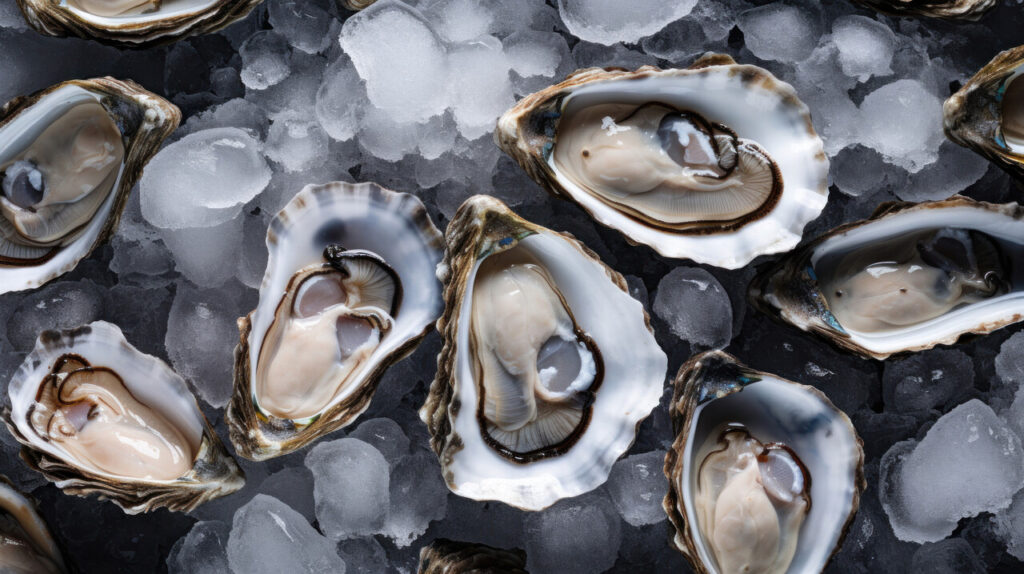
Few foods divide opinion as sharply as oysters, whose slippery texture and briny flavor provoke strong reactions. Some diners struggle with the idea of consuming raw shellfish, associating the experience with unusual mouthfeel.
Yet oyster bars thrive across coastal cities, drawing loyal fans who appreciate freshness and regional variety. Restaurants serve them raw, grilled, or fried, expanding appeal beyond traditional preparations.
Persistent popularity reflects cultural and regional influences. Even as many Americans avoid oysters entirely, others celebrate them as delicacies, sustaining steady demand in markets and restaurants nationwide.
8. Blue Cheese Repels and Attracts Shoppers
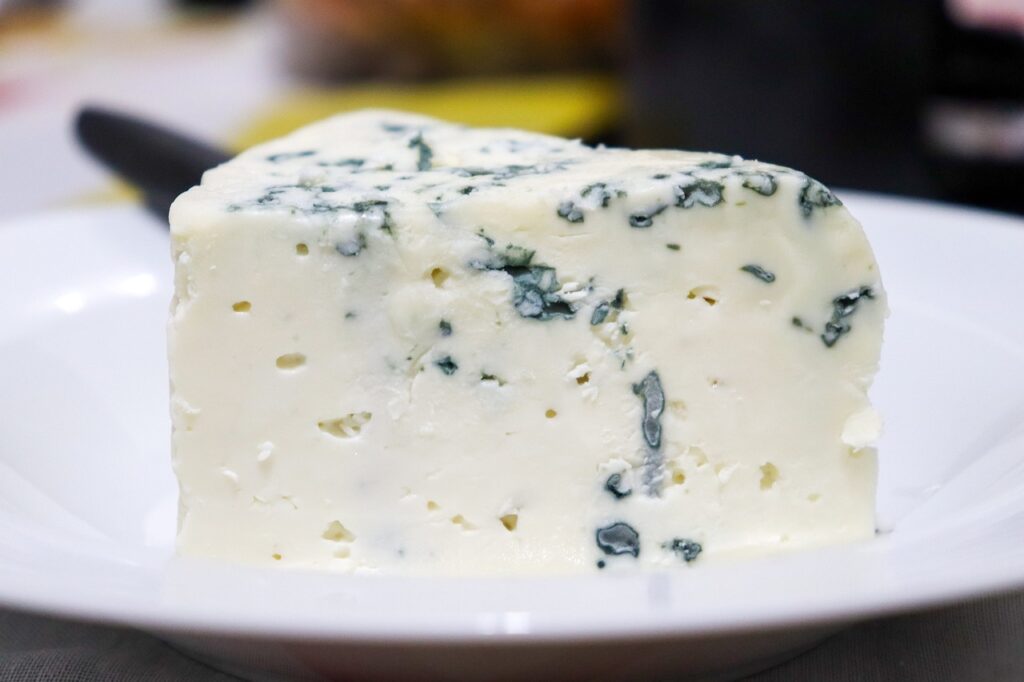
Blue cheese frequently repels newcomers due to its pungent smell and mold veins, characteristics that challenge expectations of mild, creamy cheeses. Many consumers avoid it after encountering its sharp flavor.
Despite criticism, blue cheese remains widely used in dressings, burgers, and salads. Fans value its bold taste, and restaurants continue featuring it in menu items catering to adventurous eaters.
Ongoing sales reveal how niche appeal sustains controversial foods. Even when disliked by many, loyal consumers continue purchasing blue cheese, allowing it to remain common in grocery stores and dining establishments.
9. Chitterlings Carry Cultural Loyalty Despite Criticism

Chitterlings, or cooked pig intestines, often generate negative reactions due to strong odors and unfamiliar texture. Preparation requires careful cleaning, making the dish intimidating for those outside communities where it holds tradition.
Still, chitterlings remain important within Southern and holiday culinary traditions, sustaining demand in certain regions. Families preparing heritage meals continue buying them despite broader public reluctance.
Their persistence reflects cultural continuity more than mainstream popularity. Even as many Americans reject the dish, regional and family customs ensure ongoing purchases each year.
10. Sushi Faces Skepticism Yet Dominates Dining Trends

Raw fish initially discouraged many Americans from trying sushi, creating a perception that the cuisine felt risky or unfamiliar. Texture concerns also contributed to early hesitation among new diners.
Over time, sushi restaurants adapted menus with cooked rolls and familiar ingredients, helping expand acceptance. Grocery stores now sell ready-made sushi, demonstrating how mainstream the cuisine has become.
Continued purchases show how exposure changes attitudes. Even people claiming a dislike for raw fish often enjoy modified rolls, proving sushi’s popularity persists despite lingering skepticism among certain consumers.
11. Beets Continue Selling Despite Polarizing Flavor
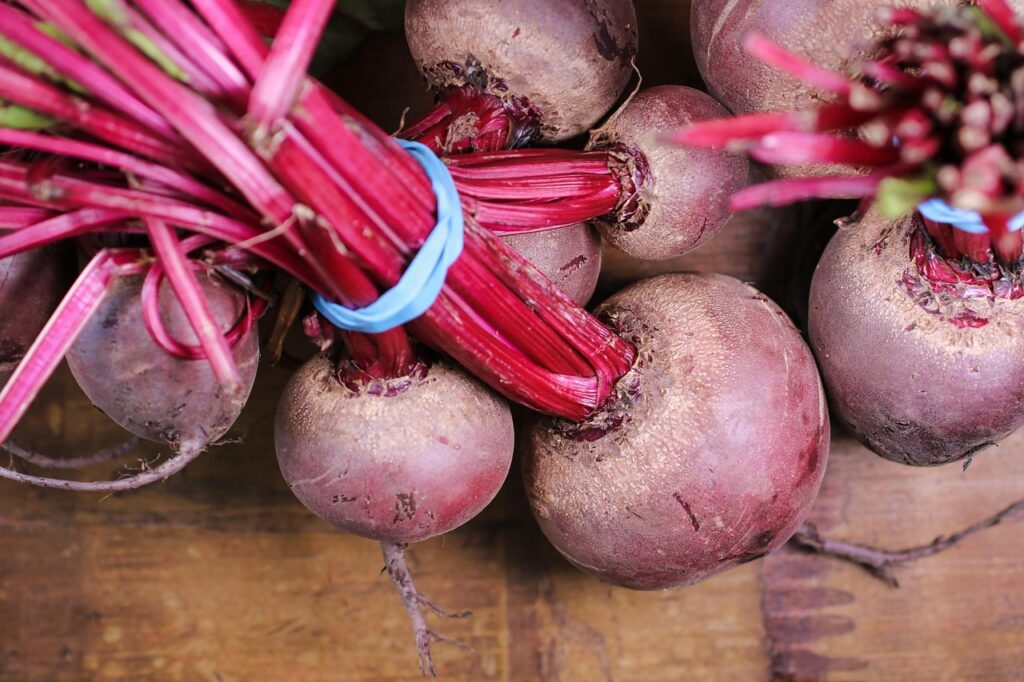
Beets often appear on disliked food lists because of their earthy flavor, which some describe as tasting like soil. Childhood experiences with canned beets frequently cement an aversion lasting into adulthood.
Nevertheless, beets remain common in salads and health-focused recipes due to their fiber and nutrient benefits. Roasting techniques and modern recipes have helped improve perception among new audiences.
Sales persist because health-conscious shoppers and chefs continue embracing the vegetable. Even though many reject their flavor, enough consumers appreciate beets to keep them firmly planted in supermarket produce sections.