11 Chain Restaurants Struggling to Keep Diners Happy

Chain restaurants built their success on familiarity, convenience, and consistency, but those strengths are being tested like never before. Rising food and labor costs, shifting diner expectations, and increased competition have exposed weaknesses that were once easier to overlook. Many well-known chains now face closures, restructurings, and customer frustration as they try to adapt without losing their identity. What was once reliable comfort has, for some diners, become uneven service or diminished value. These struggles reveal how difficult it is for established chains to stay relevant while keeping longtime customers happy.
1. Denny’s
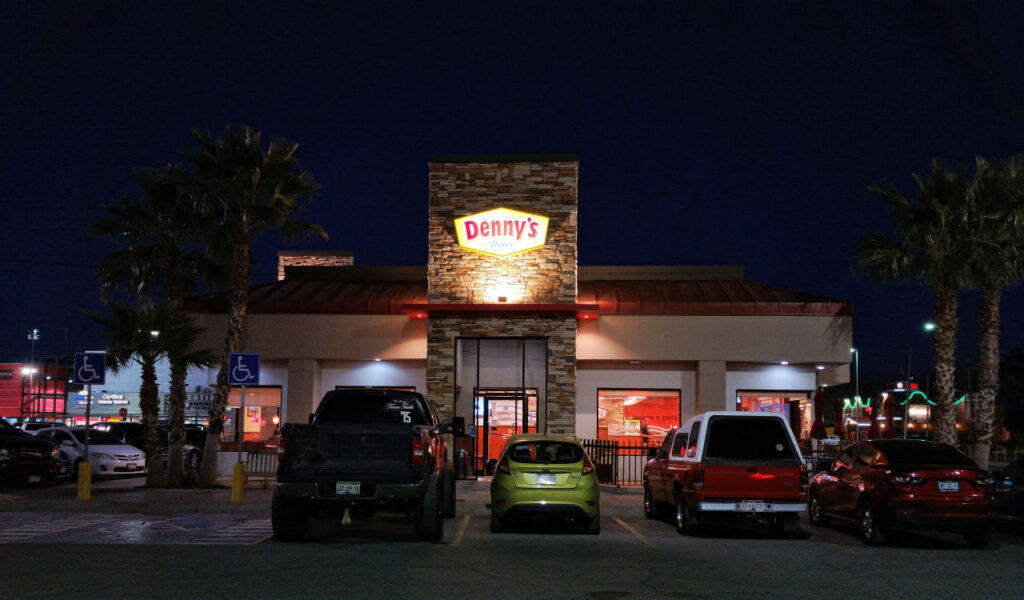
Denny’s was once the go-to 24/7 diner known for affordable comfort classics and pancakes at all hours, yet today the brand is facing a period of contraction and uncertainty as it works to win diners back. After decades of steady presence across the U.S., the company has announced plans to close up to 150 underperforming locations because they are no longer profitable or drawing enough traffic. This shift reflects broader challenges in casual dining, where rising costs, inflationary pressure, and changing consumer habits have left even beloved chains struggling to maintain relevance and foot traffic.
2. Wendy’s

Wendy’s remains one of the most recognizable names in fast food, but it has not been immune to recent industry pressures. In response to declining sales at older stores and a strategy aimed at resetting growth, the company is closing several hundred underperforming locations. These closures are part of a larger restructuring strategy intended to free up capital and focus on markets and properties with higher demand. Many long-time customers have noted inconsistent food quality and service in some markets, which has made it harder for Wendy’s to compete with rivals emphasizing speed, consistency, and innovation.
3. TGI Fridays
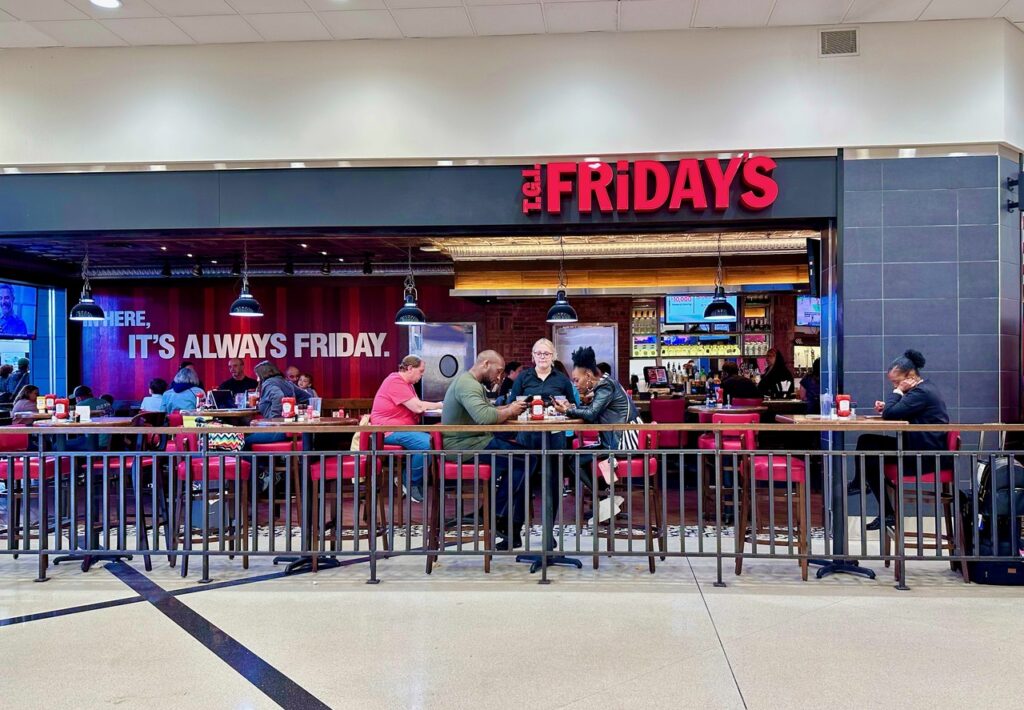
TGI Fridays has seen its share of popularity wane over recent years, transitioning from a hallmark casual dining destination to one trying to stave off deeper decline. Once known for its hearty appetizers, burgers, and bar culture, the chain filed for bankruptcy and has closed a significant number of locations as it works through restructuring efforts. These financial difficulties stem from rising operational costs, competitive pressures from other dining concepts, and a shift in diner preferences toward more modern or niche restaurants. The closures mean fewer local options for guests who once frequented Fridays for social dinners or drinks after work.
4. Cracker Barrel
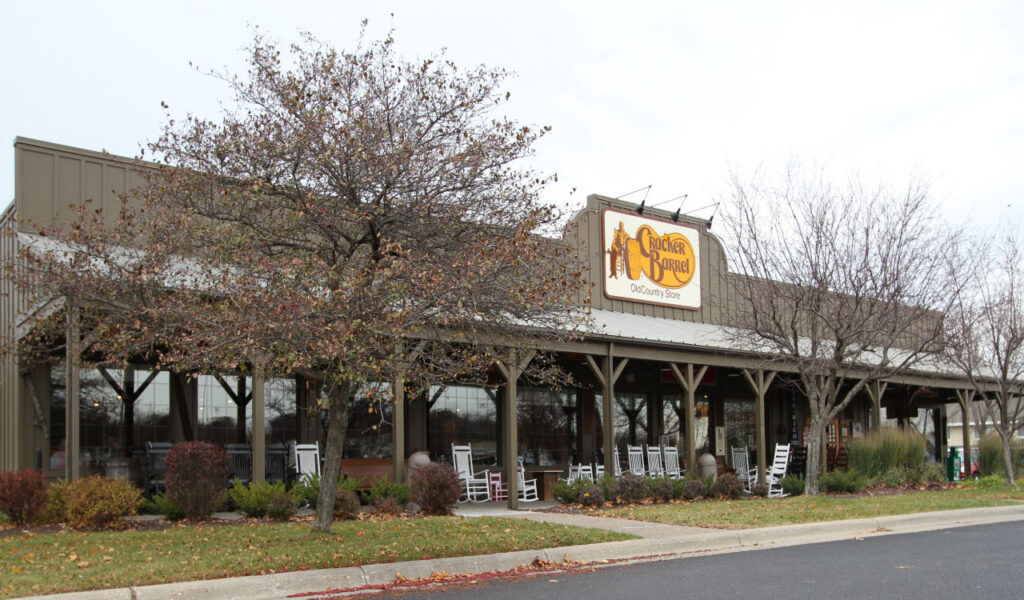
Cracker Barrel built its reputation on down-home Southern comfort food and a nostalgia-heavy retail store concept, yet recent attempts to modernize have drawn significant customer backlash. Changes to the menu and updates to long-standing traditions did not land well with patrons who valued the consistency and familiarity that defined the brand. Faced with criticism, Cracker Barrel has reversed some changes, bringing back classic menu items that longtime guests missed. This move highlights the delicate balance between evolving a brand and holding onto the legacy that originally inspired customer loyalty.
5. Outback Steakhouse
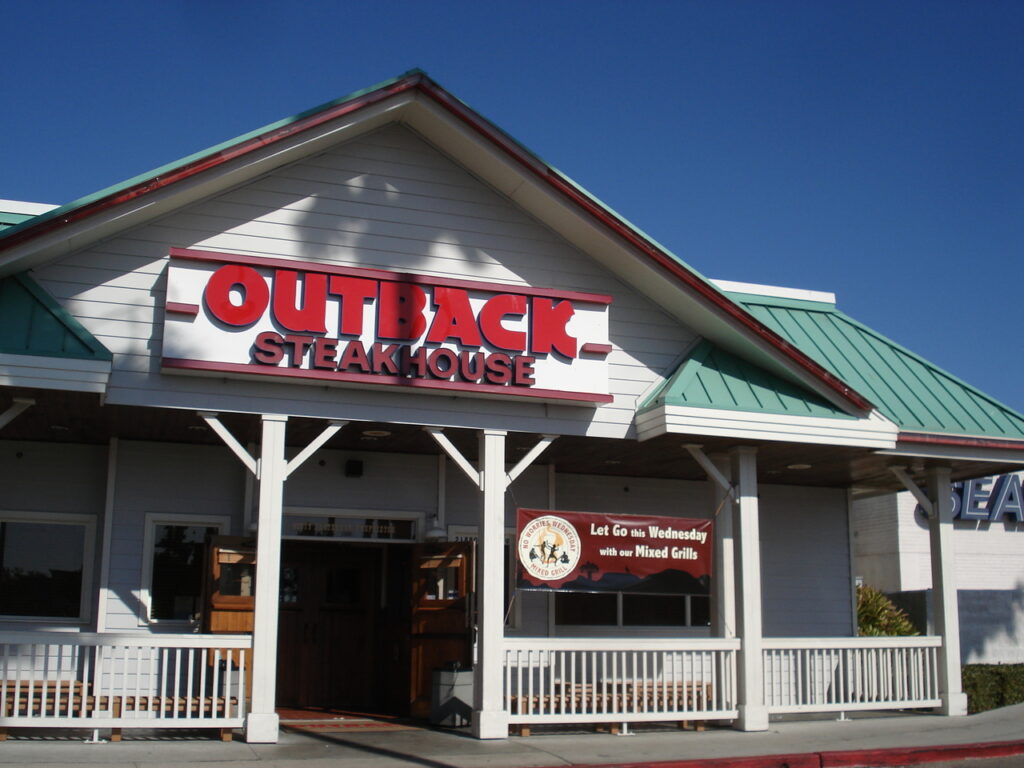
Outback Steakhouse remains a recognizable name in American casual dining, yet in recent years, it has faced challenges in maintaining market share and diner engagement. The chain announced plans to close more than 40 restaurants as part of a broader effort to restructure and refocus on core offerings like steak and seafood. These closures reflect a competitive environment in which rivals with fresher concepts or more aggressive expansion strategies are attracting diners more effectively. Outback’s attempts to simplify the menu and refresh its dining experience signal an awareness that past formulas are not delivering the same results.
6. Salad and Go
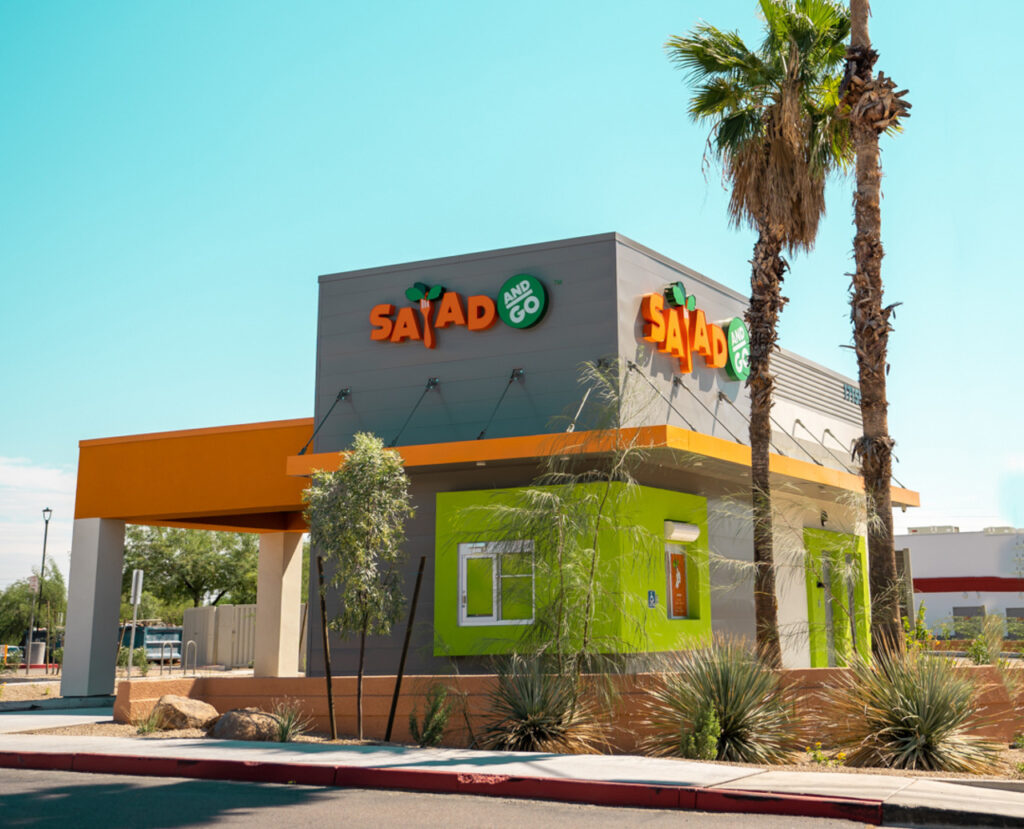
Salad and Go carved out a niche by offering affordable, convenient, and health-forward meals with a drive-thru format, yet the chain’s recent struggles show how even well-positioned concepts can falter. After rapid expansion, it announced the closure of all its locations in Texas and Oklahoma, retreating from those markets to focus on core regions where it sees stronger long-term growth. This decision followed earlier closures of dozens of stores, indicating that expansion outpaced sustainable demand. Diners in affected regions will need to seek alternatives, underscoring how demographic shifts and operational costs can disrupt popular fast-casual brands.
7. Amy’s Drive Thru
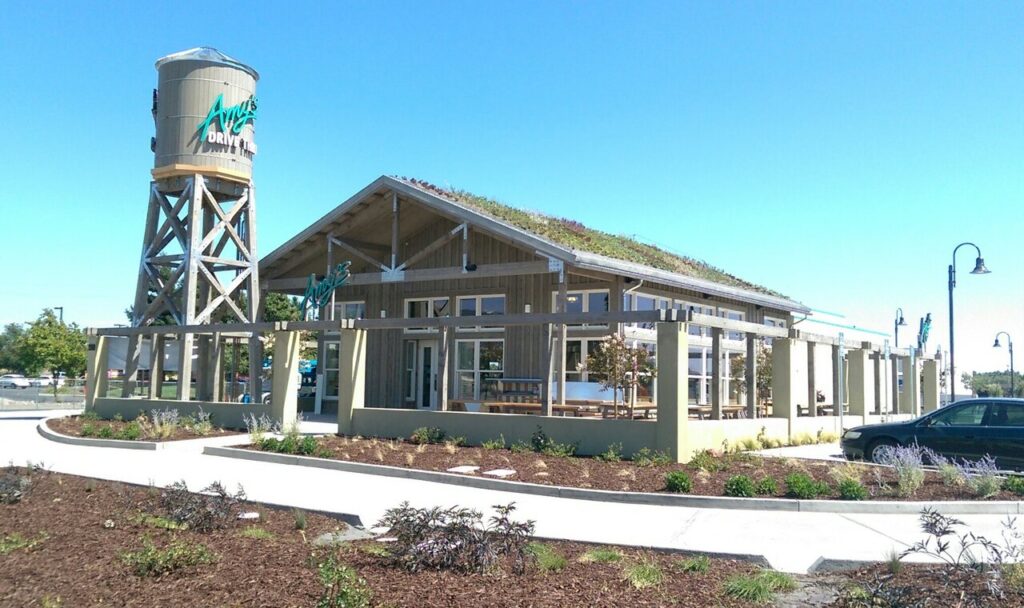
Amy’s Drive Thru built its identity on vegetarian and plant-based comfort foods, appealing to diners seeking health-driven alternatives in fast casual dining. Yet the closure of its last Bay Area location points to challenges in sustaining a footprint in highly competitive markets, especially where real estate costs and customer volume may not align with business economics. The restaurant’s brand aimed to offer flavorful, meat-free options that did not compromise on taste or quality, but shifting dining patterns and economic pressures have made location sustainability difficult. Reduced access can frustrate loyal followers who valued the concept’s unique approach.
8. Hooters
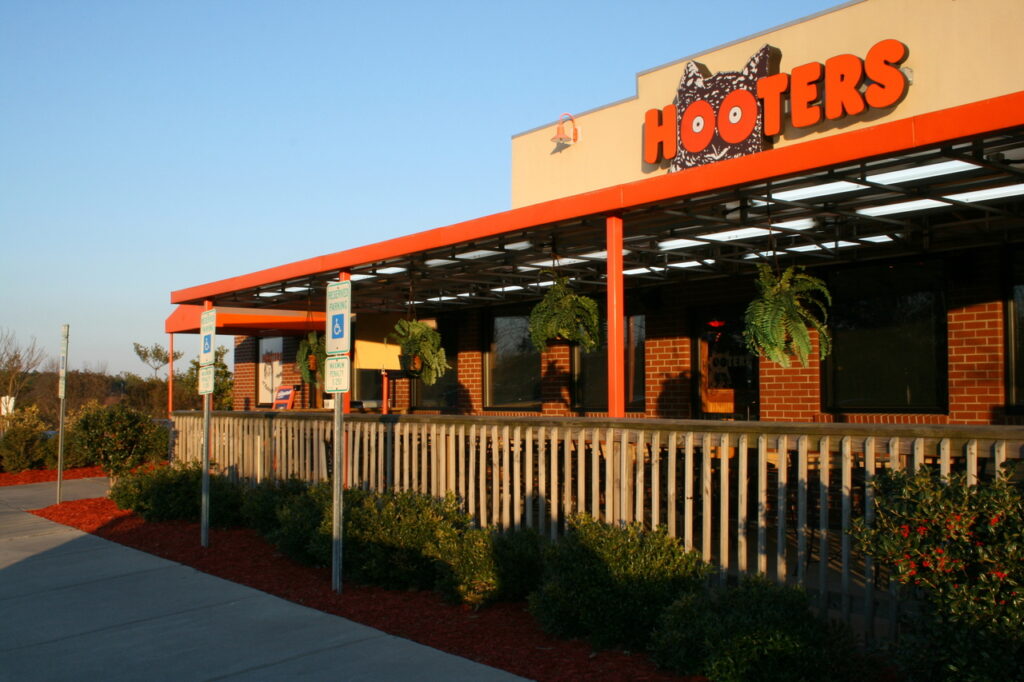
Once famous for its wings and bar-centric culture, Hooters faced both financial and reputational challenges that culminated in a bankruptcy filing and multiple location closures. Sales had declined significantly compared to past performance, pushing the chain to undertake restructuring efforts and rethink portions of its brand identity. New ownership has considered changes designed to broaden appeal by softening some of the brand’s more controversial elements and focusing on food quality and a friendlier atmosphere. The ongoing pivot indicates a struggle to keep pace with shifting consumer expectations.
9. Bahama Breeze
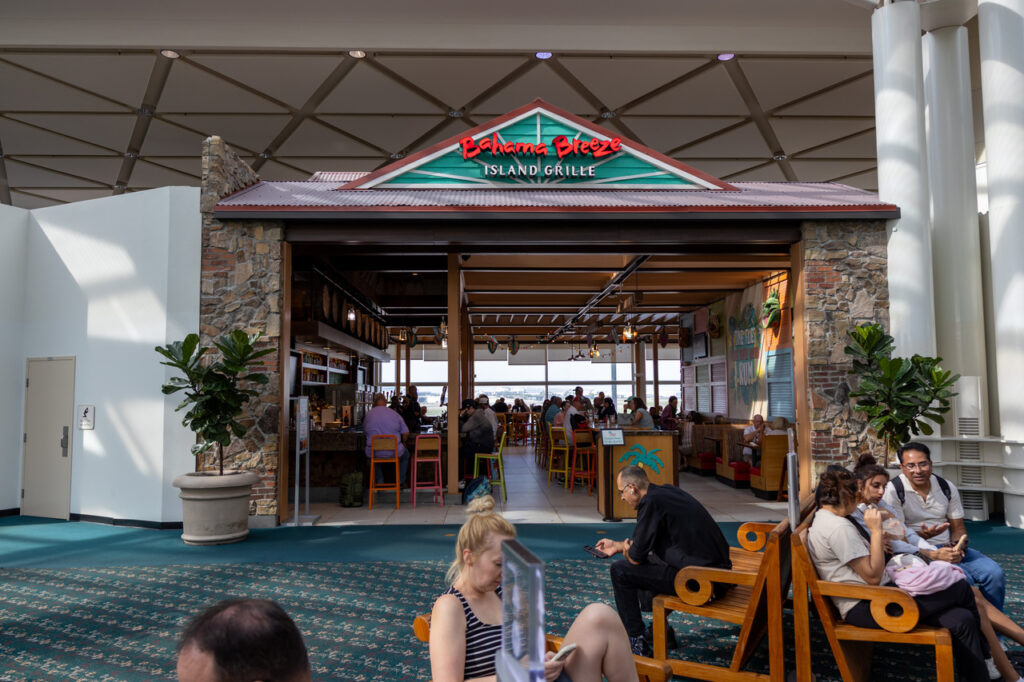
Bahama Breeze’s situation reflects how even themed casual dining concepts can lose traction when broader economic and guest preference trends evolve. The Caribbean-inspired chain shuttered a significant number of locations after reporting decreased sales, and its parent company indicated it would sell, rebrand, or close additional restaurants. Despite a loyal fan base that appreciated its vibrant atmosphere and island-style menu, reduced traffic made certain locations unsustainable. This contraction shows how thematic concepts, while distinctive, can struggle if diners prioritize cost, convenience, or familiarity over experiential themes.
10. Planta
Planta, known for its upscale plant-based offerings and stylish interiors, filed for bankruptcy and underwent restructuring after financial pressures made its earlier rapid growth difficult to sustain. The brand, which once commanded attention for bringing creative vegan cuisine into mainstream dining, struggled to maintain sales across its footprint. Diners may continue to support plant-based options elsewhere, but Planta’s challenges reflect a broader reality: even differentiated concepts must balance creativity with consistent traffic and efficient cost management to remain viable over time.
11. Abuelo’s Mexican Food Embassy

Abuelo’s struggled with declining sales and mounting financial obligations that led to a Chapter 11 bankruptcy filing. The chain’s contraction from a larger national presence to a much smaller footprint shows how difficult it has become for mid-tier casual dining chains to retain market share. Challenges included rising labor and food costs, competition from fast-casual Mexican concepts, and shifting consumer priorities. Diners who once saw Abuelo’s as a go-to for family meals now have fewer local choices, illustrating how competitive pressures and changing dining patterns have reshaped the landscape.