7 Chain Restaurants Testing AI Drive Thru Ordering

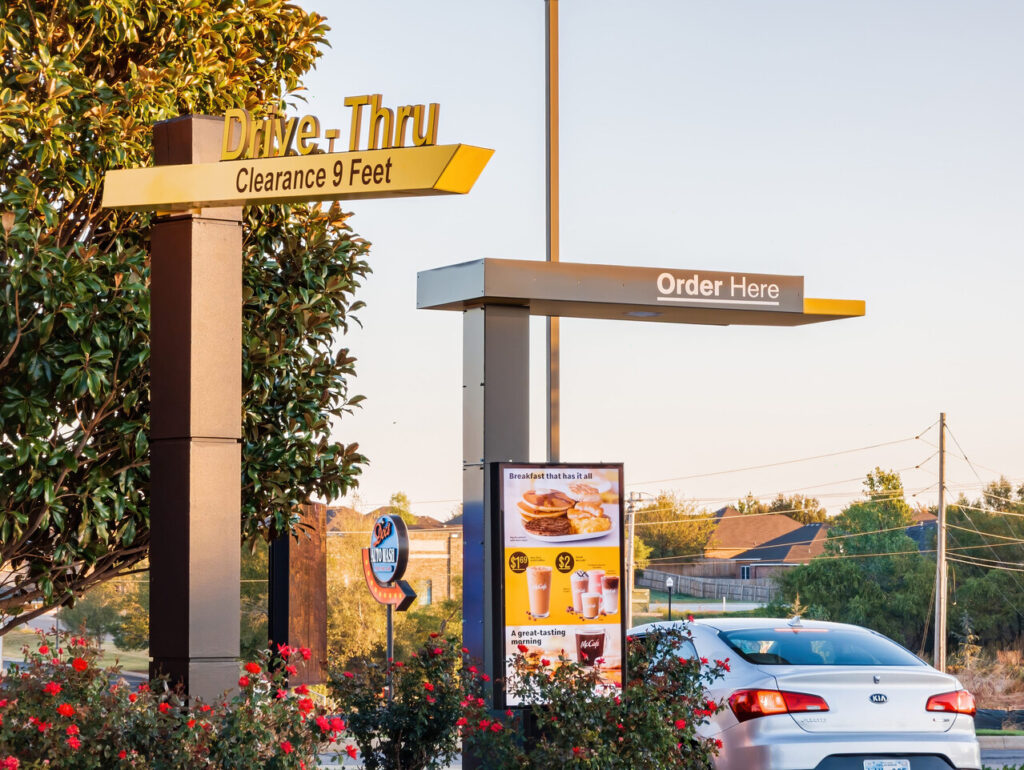
Drive-thru lanes have long been built around a simple exchange. A customer pulls up to the speaker, a worker takes the order, and the kitchen starts preparing the meal. In 2026, that familiar routine is beginning to change. Several major fast food chains are experimenting with artificial intelligence systems that can take orders, confirm menu items, and send requests directly to the kitchen without a human voice on the other end of the speaker.
The technology relies on voice recognition software trained to understand natural speech, menu terminology, and common ordering patterns. Restaurants hope these systems can shorten wait times, improve order accuracy, and help employees focus on food preparation and customer service during busy periods. For brands that process thousands of drive-thru orders each day, even small efficiency gains can have a significant impact.
Still, the rollout has not been seamless. AI systems sometimes struggle with complex customizations, background noise, or regional accents. As a result, many chains are testing the technology carefully before expanding it widely. These experiments show how restaurants are exploring automation while trying to maintain the speed and reliability customers expect.
1. McDonald’s Experiments With Voice AI to Speed Up Drive-Thru Orders
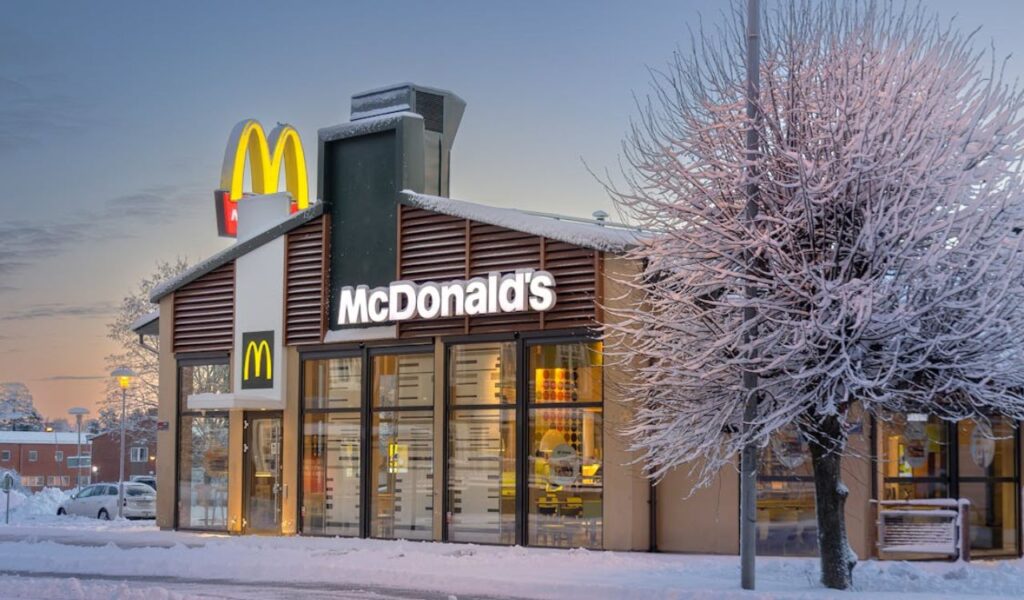
Few fast food chains operate drive-thrus at the scale of McDonald’s, which makes efficiency a constant priority. The company has spent several years testing artificial intelligence that can take customer orders through voice recognition instead of relying entirely on human staff. These systems aim to understand spoken orders, confirm them on digital screens, and send them directly to the kitchen.
Early pilots used voice technology designed to interpret natural speech patterns. The goal was to reduce wait times, increase order accuracy, and free employees to focus on food preparation and customer service. McDonald’s locations have experimented with the technology in limited trials, including tests in several U.S. markets.
Results have been mixed. Some trials demonstrated faster service, while others exposed challenges with complex orders or background noise in busy drive-thru lanes. Even with those hurdles, the company continues exploring AI-driven systems as part of a broader push to modernize operations and streamline ordering.
2. Taco Bell Tests AI Voices to Handle Busy Drive-Thru Lines
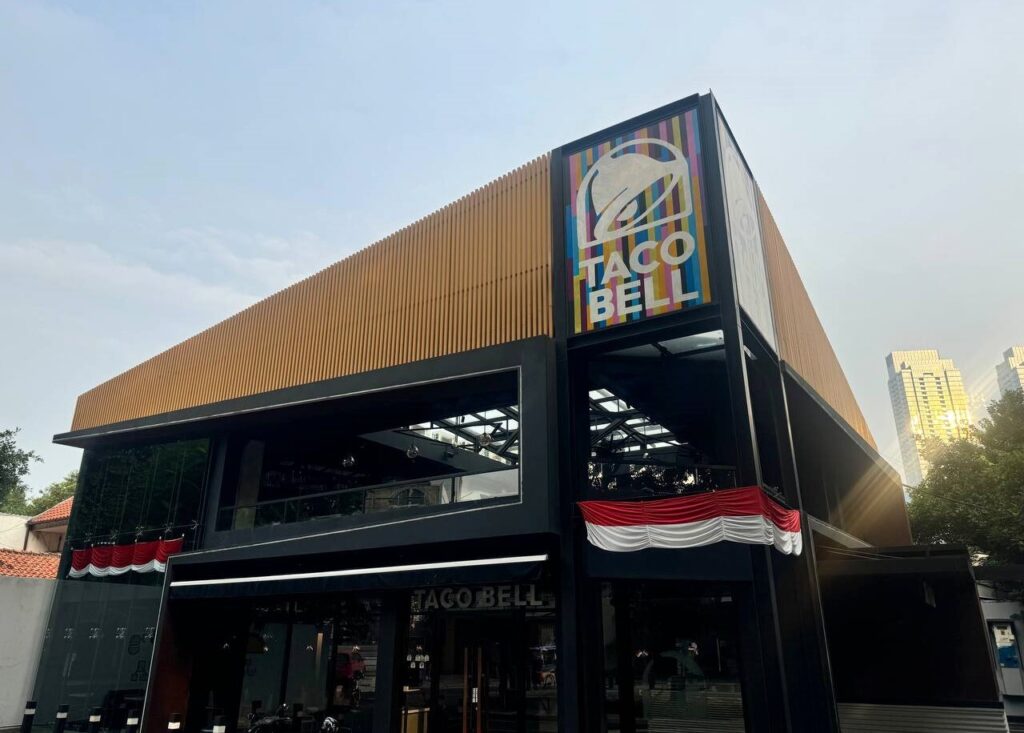
Taco Bell has leaned heavily into voice AI technology as part of its digital transformation strategy. In some locations, customers speak directly to an automated system that listens to the order, confirms it, and sends it to the kitchen before a human employee appears at the pickup window.
The system relies on machine learning models trained to recognize menu items and respond conversationally. Taco Bell expanded these tests to hundreds of drive-thru lanes in the United States to study whether automation can speed up service during peak hours.
While many orders are processed successfully, the technology still faces challenges with unusual requests or complex customizations. Company executives have acknowledged that the technology works better in certain locations than others, especially when drive-thru environments are noisy or when customers speak quickly.
3. Wendy’s FreshAI System Aims to Automate Ordering Conversations
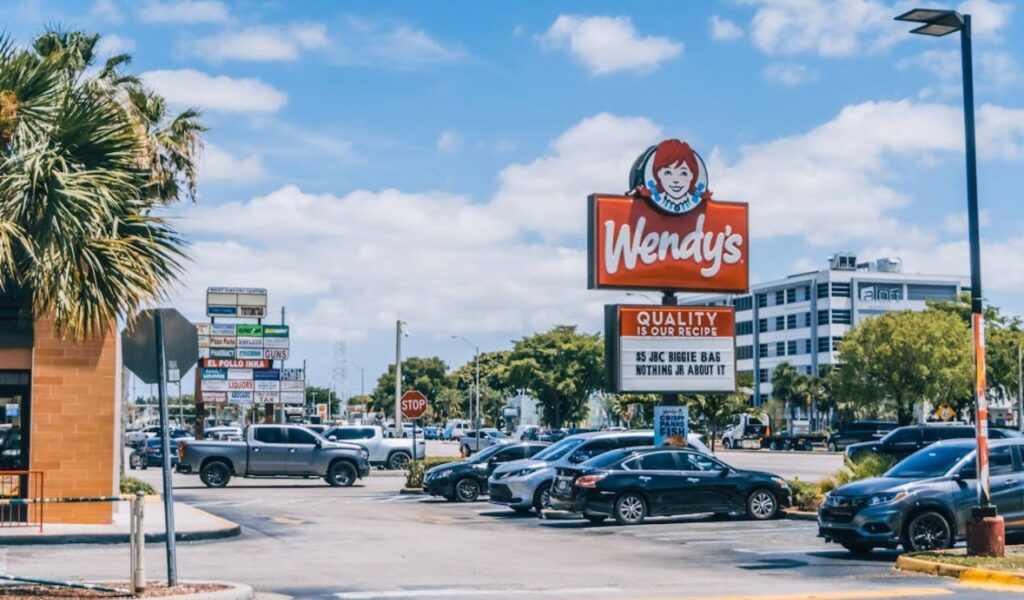
Wendy’s has developed one of the most widely deployed AI ordering systems in the fast food industry. Its voice assistant, known as FreshAI, was built with Google Cloud technology and designed to interact naturally with customers placing drive-thru orders.
The system listens to spoken orders, asks follow-up questions when necessary, and confirms selections on the digital menu board. Wendy’s began testing the technology in Ohio and gradually expanded the program as it refined the software. Some trials reported faster service times compared with traditional ordering methods.
Despite the promise of automation, Wendy’s continues to monitor customer reactions closely. Some guests appreciate faster ordering, while others prefer speaking to a human employee. As the system improves, the company expects AI to handle routine orders while staff remain available for complex requests.
4. Burger King Explores AI Tools to Improve Drive-Thru Service
Burger King is testing several forms of artificial intelligence designed to assist with drive-thru operations and employee workflows. One approach involves AI systems that analyze drive-thru conversations and help employees manage orders more efficiently.
These tools can integrate with restaurant headsets and digital menu boards to provide real-time guidance, such as alerting staff when ingredients run out or suggesting responses during customer interactions. The technology is part of a broader initiative to modernize operations and reduce service errors.
Although the company is still evaluating how widely to deploy these systems, pilot programs show how AI may support employees rather than replace them. The focus remains on improving order accuracy and helping restaurants keep lines moving during busy hours.
5. KFC Joins AI Drive-Thru Experiments Through Yum Brands
KFC participates in a larger technology push from its parent company, Yum Brands. The corporation has partnered with technology companies to build AI tools capable of taking orders and analyzing customer preferences at the drive-thru.
These systems combine voice recognition with data analysis. When customers speak their order, the software identifies menu items, confirms them, and can even suggest additional items based on ordering patterns. The aim is to make the drive-thru process faster and more consistent across locations.
Testing continues in selected restaurants as engineers refine the system’s accuracy. Because drive-thru environments vary widely, developers are still working to ensure the technology performs reliably during heavy traffic and in different acoustic conditions.
6. Chick-fil-A Studies Automation to Improve Ordering Speed
Chick-fil-A is known for some of the busiest drive-thru lanes in the restaurant industry. To manage that volume, the chain has explored several digital solutions, including AI-assisted ordering tools that could eventually handle portions of the drive-thru process.
The technology being studied focuses on understanding natural speech and quickly translating it into digital orders. Automated systems can reduce the time needed to capture each order while minimizing communication errors between customers and kitchen staff.
While Chick-fil-A still relies heavily on human employees taking orders outside the drive-thru lane, AI tools could eventually support those workers by processing orders more quickly and ensuring they reach the kitchen instantly.
7. White Castle Deploys Voice AI in Hundreds of Drive-Thru Lanes
White Castle has been one of the earliest adopters of voice AI in drive-thru environments. The company partnered with technology developers to build a system that can listen to customers, process orders, and respond conversationally through the speaker.
The voice assistant has been installed in dozens of restaurants and continues to expand as the company studies performance. The system aims to provide consistent service regardless of time of day while helping restaurants operate efficiently with smaller teams.
The rollout has also highlighted the challenges of automation. In some cases, AI systems have struggled with complicated orders or misunderstood customers, leading to viral stories online. Even so, White Castle continues refining the technology as part of its broader automation strategy.
Across the industry, AI-driven ordering remains a work in progress. The technology promises faster service and improved efficiency, but companies are still learning how to integrate automated systems without sacrificing accuracy or the human touch that customers expect.