10 School Lunch Changes Parents Are Questioning in 2026


School cafeterias are changing in ways many families are starting to notice. New nutrition guidelines, shifting food costs, and updated federal policies have pushed districts to rethink what appears on lunch trays. Some of the changes focus on improving nutrition, such as reducing sugar or lowering sodium. Others reflect budget realities, supply challenges, or new ideas about how schools should source and prepare food.
For parents, these updates often appear gradually. A favorite snack disappears, milk options change, or a familiar entrée is replaced with something new. While many of the adjustments aim to improve student health or expand access to meals, they can also raise questions about cost, taste, and practicality in busy school kitchens.
From the return of whole milk to more plant based dishes and smaller portions, the modern school lunch program looks different than it did just a few years ago. These shifts have sparked conversations among parents about what is working and what might need another look.
1. Whole Milk Returning to School Cafeterias

For years, school cafeterias across the United States offered only low-fat or skim milk. That policy came from federal nutrition standards designed to reduce saturated fat in student diets. In 2026, some districts began allowing whole and two percent milk again after policy revisions opened the door for expanded dairy options.
Supporters argue that whole milk can help improve student participation in meal programs. Some nutrition experts also point out that fat in milk can help children feel full longer and may support the absorption of certain nutrients. Dairy producers have also supported the change, saying it gives families more choice while maintaining milk consumption among students.
Parents have mixed reactions. Some welcome the return of fuller-flavored milk options that many children prefer. Others worry that reintroducing higher-fat dairy could conflict with long-standing nutrition goals. The discussion reflects a broader debate about balancing dietary guidelines with student preferences.
2. Limits on Added Sugar in School Meals

One of the most noticeable policy shifts affecting school cafeterias involves tighter limits on added sugars. Federal nutrition guidelines now encourage schools to reduce the amount of added sugar served across breakfasts and lunches. This includes flavored milk, breakfast pastries, and certain packaged foods that were once common in cafeterias.
Reducing sugar requires careful menu adjustments. Schools must work with suppliers to find lower sugar versions of familiar products or shift toward whole food ingredients that naturally contain less added sweetener. This process can be challenging because many existing school food contracts rely on large scale processed products.
Parents often support the goal of lowering sugar intake, but concerns arise about how these changes affect taste and student participation. If children reject new menu items, participation in school meal programs can decline, creating financial pressure for districts already operating on tight budgets.
3. Reduced Ultra-Processed Foods on Menus

Another shift in school lunch programs involves a gradual move away from highly processed foods. Items such as packaged pizza slices, breaded chicken patties, and heavily processed snack foods have been staples in cafeterias for decades because they are easy to prepare and cost-efficient.
Nutrition advocates argue that reducing ultra-processed foods can improve the overall quality of school meals. These foods often contain high levels of sodium, preservatives, and added sugars. Schools exploring alternatives may introduce simpler recipes built around whole grains, vegetables, and lean proteins.
Parents generally support healthier options but sometimes question how practical the changes will be. Preparing less processed meals often requires additional kitchen staff, equipment, and training. Many districts must balance these improvements with limited food service budgets.
4. More Scratch Cooked Meals Instead of Packaged Options
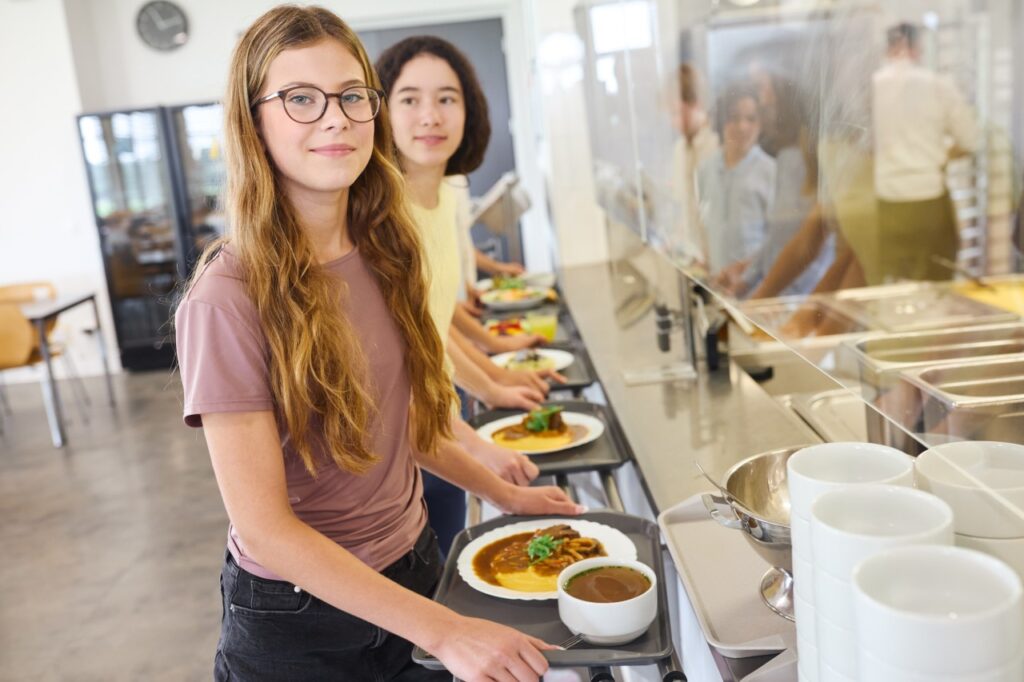
Some school districts are investing in scratch cooking, a model that focuses on preparing meals from raw ingredients rather than relying on packaged products. This approach allows cafeterias to control seasoning levels and incorporate fresh ingredients more easily.
Scratch cooking can improve flavor and nutritional quality while giving schools greater flexibility in menu design. Instead of reheating factory-produced meals, kitchen staff prepare items such as soups, roasted vegetables, or pasta dishes directly in school kitchens.
Parents often welcome the idea of freshly prepared meals, but implementation varies widely. Many schools were designed around reheating packaged food rather than full-scale cooking. Upgrading kitchens and hiring trained staff can require significant funding.
5. Smaller Portion Sizes in Some Districts
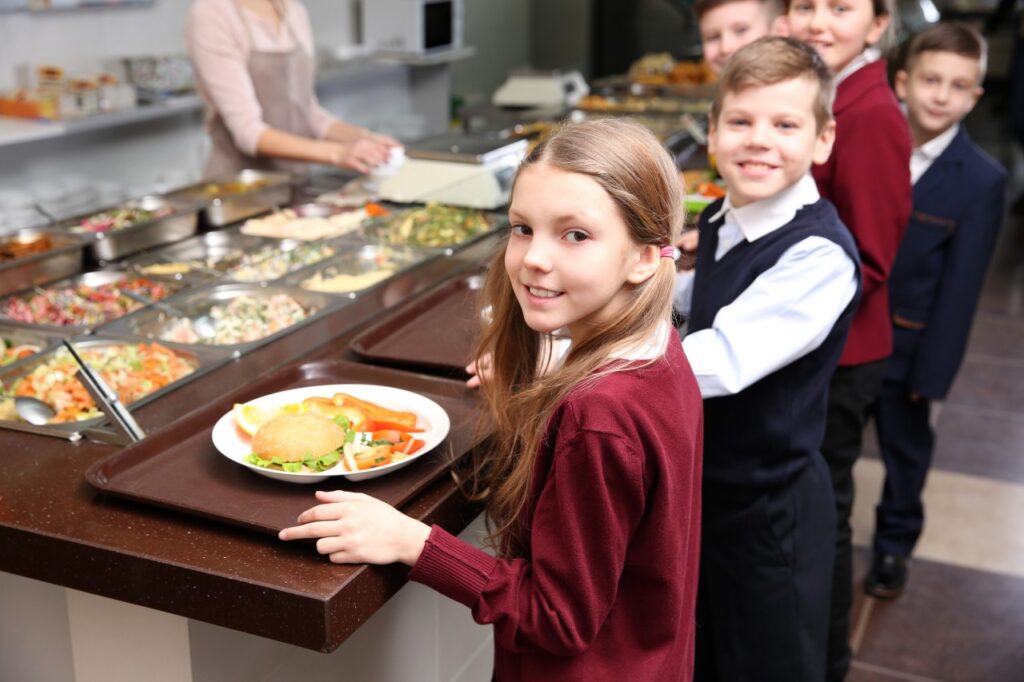
In an effort to manage food waste and align with updated nutrition standards, some schools have adjusted portion sizes. These changes may affect items like protein servings, grain portions, or dessert options within school lunches.
Nutrition planners use federal guidelines to determine appropriate serving sizes for different age groups. The goal is to provide balanced meals that meet calorie and nutrient requirements without excessive portions that lead to discarded food.
Parents sometimes question whether smaller portions leave students satisfied, especially for active teenagers who require higher calorie intake. Schools often address this concern by offering additional fruits or vegetables that students can take if they remain hungry.
6. Cuts to Fresh Fruit and Vegetable Snack Programs

Fresh fruit and vegetable snack programs were introduced in many schools to encourage healthier eating habits. These programs provide free produce snacks outside regular lunch periods, helping students access nutritious options during the school day.
In some areas, funding pressures have forced districts to reduce or eliminate these programs. Rising food costs and limited federal support can make it difficult to maintain daily fruit and vegetable distributions.
Parents often express concern about losing these programs because they provide easy access to healthy foods for students who may not have them readily available at home. Schools continue to look for alternative funding sources or partnerships with local farms to keep the programs alive.
7. Greater Use of Plant-Based Entrées

Plant-based meals are appearing more frequently on school menus. Options such as bean-based chili, vegetable stir fry, and meatless pasta dishes allow schools to offer protein while reducing reliance on animal products.
These meals often align with nutrition guidelines that encourage increased vegetable and legume consumption. They can also help districts manage costs because plant-based ingredients sometimes cost less than meat.
Parents respond to these changes in different ways. Some welcome the added variety and sustainability benefits. Others worry that children accustomed to traditional meat dishes may not find the alternatives appealing or filling enough.
8. Higher Reliance on Local Farm to School Ingredients

Farm to school programs connect local farmers with school cafeterias, allowing districts to purchase seasonal produce from nearby growers. This approach supports regional agriculture while introducing students to fresh fruits and vegetables grown close to home.
Using local ingredients can improve freshness and reduce transportation distances. It also gives schools opportunities to teach students about agriculture and nutrition through classroom activities tied to cafeteria menus.
However, relying on local farms can introduce logistical challenges. Seasonal availability means certain produce items may appear only at specific times of the year, requiring menu flexibility. Parents sometimes question how consistently these programs can operate throughout the school year.
9. More Strict Sodium Limits in School Lunches

Sodium reduction remains a central focus of school nutrition standards. Updated guidelines continue pushing schools to gradually lower the salt content in meals served to students.
Reducing sodium requires careful adjustments because many commonly used ingredients contain added salt. Schools may switch to lower-sodium versions of bread, sauces, and processed foods while experimenting with herbs and spices to maintain flavor.
Parents often support the health benefits of sodium reduction but sometimes worry about taste changes. If students reject lower-sodium meals, participation in lunch programs can drop, which can create financial strain for school food services.
10. Expanded Free Lunch Programs for All Students
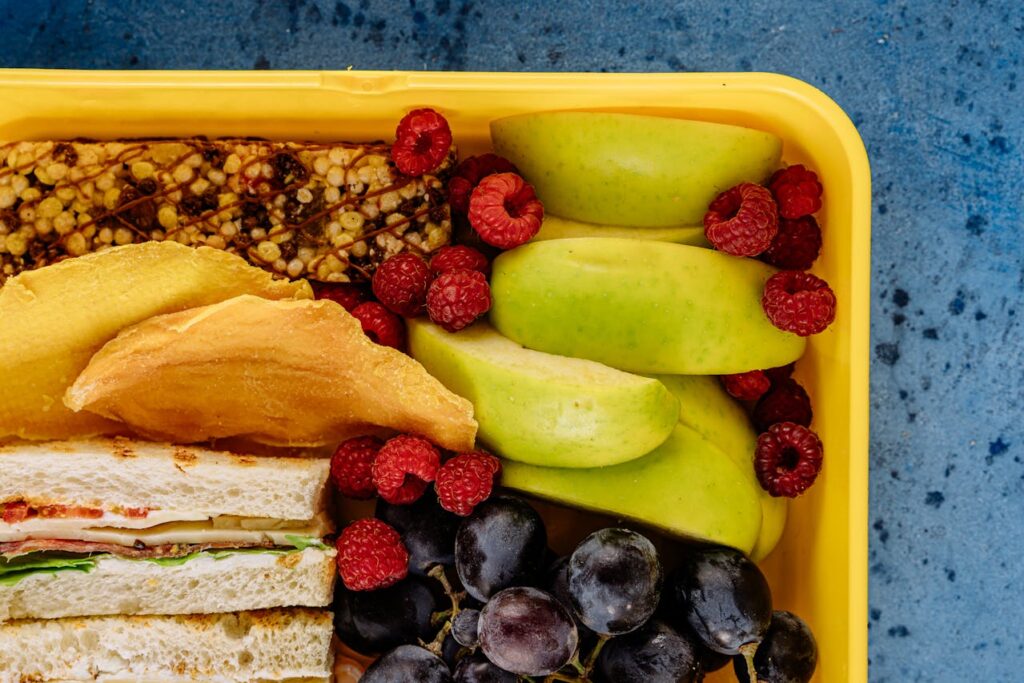
Several states and districts have expanded free school meal programs so that all students can receive breakfast or lunch without paying. These programs aim to remove stigma and ensure that no child goes without food during the school day.
Universal meal programs gained momentum during the pandemic and have continued in some regions. Supporters argue that free meals improve student focus, reduce administrative costs tied to eligibility verification, and support families facing rising living expenses.
Parents generally welcome the financial relief, but sometimes question how programs will be funded long term. Sustaining universal meal programs often requires ongoing state support or new budget allocations.
As school nutrition policies evolve, the goal remains consistent: provide students with meals that are balanced, accessible, and appealing. The challenge lies in balancing health guidelines, budget limitations, and the diverse preferences of millions of students across the country.