13 Foods Affected Most by Climate Shortages This Year

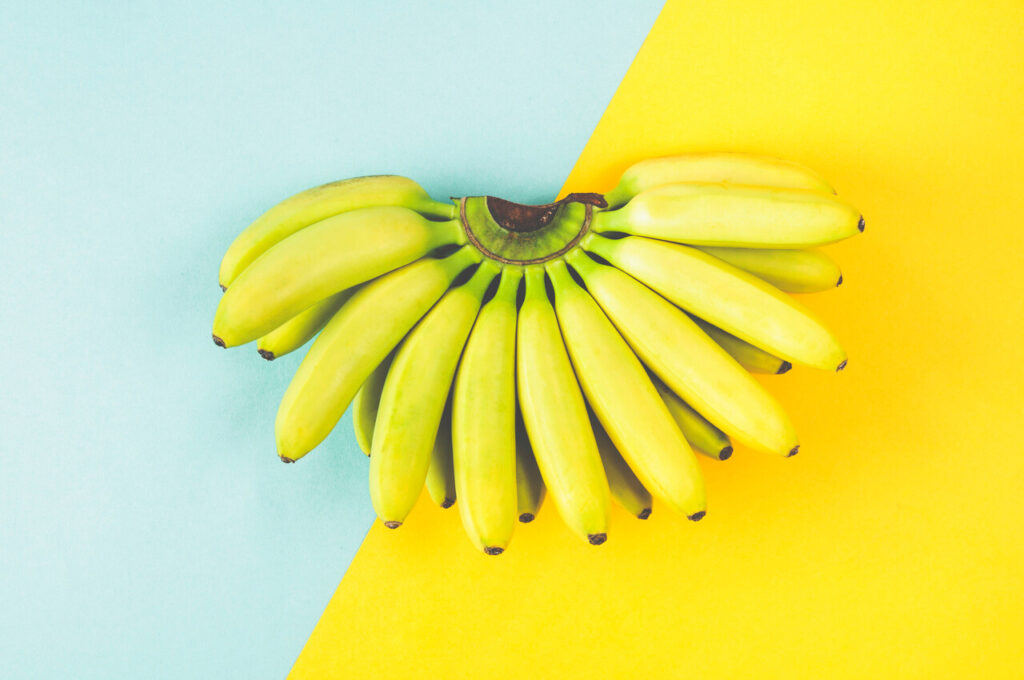
Many foods that fill grocery carts every week depend on very specific growing conditions. Crops like coffee, cocoa, rice, and wheat thrive within narrow temperature ranges and predictable rainfall patterns. When those conditions begin to shift, even slightly, harvests can quickly become less reliable. In recent years, farmers around the world have started to feel the pressure from rising temperatures, droughts, stronger storms, and changing growing seasons.
Climate disruptions do not affect just one crop at a time. They often ripple through entire agricultural systems, influencing everything from soil moisture and pollination to pest outbreaks and disease spread. When harvests shrink or become unpredictable, the effects travel through supply chains and eventually reach grocery store shelves. Consumers may notice it through higher prices, smaller harvests, or occasional shortages of familiar ingredients.
From staple grains to fruits and seafood, several widely consumed foods are already showing signs of climate stress. These examples highlight how environmental changes can reshape the future of everyday ingredients.
1. Coffee Harvests Under Pressure From Rising Temperatures
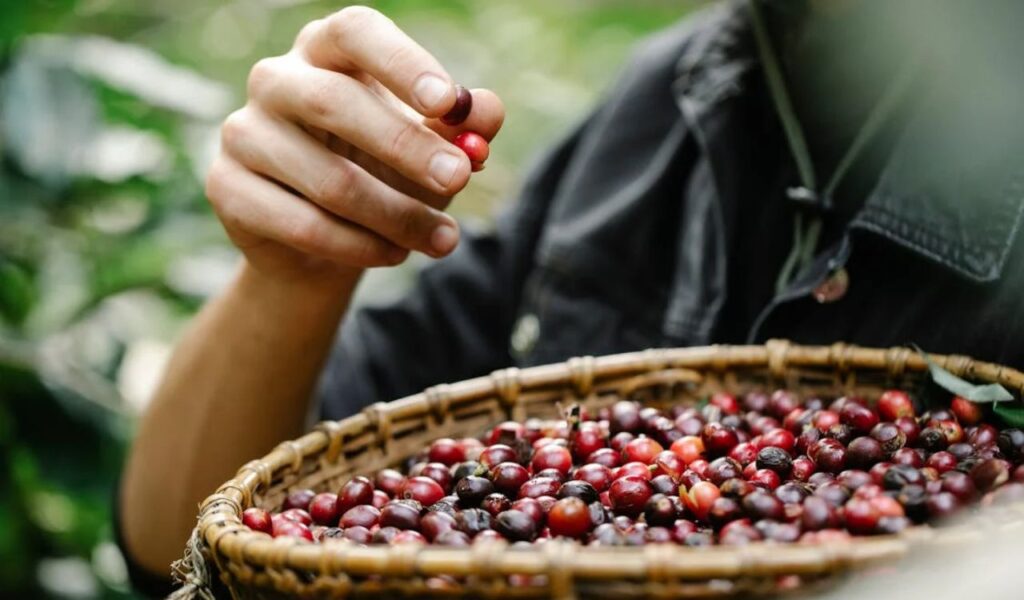
Coffee begins its journey on delicate plants that thrive within a narrow climate window. Arabica coffee, which makes up a large portion of the world’s premium beans, grows best in stable temperatures with predictable rainfall. In recent years, warming climates and shifting weather patterns have disrupted these conditions in major producing regions across South America, Africa, and Southeast Asia.
Higher temperatures stress coffee plants and encourage the spread of pests such as the coffee berry borer. At the same time, irregular rainfall can damage flowering cycles that determine how many cherries a tree produces. Even small shifts in climate patterns can lead to noticeable drops in yield.
For consumers, the impact appears through rising coffee prices and occasional supply concerns. Producers are experimenting with heat-resistant plant varieties and higher elevation farms, but these adaptations take years to scale across global coffee agriculture.
2. Cocoa Crops Facing Increasing Climate Stress
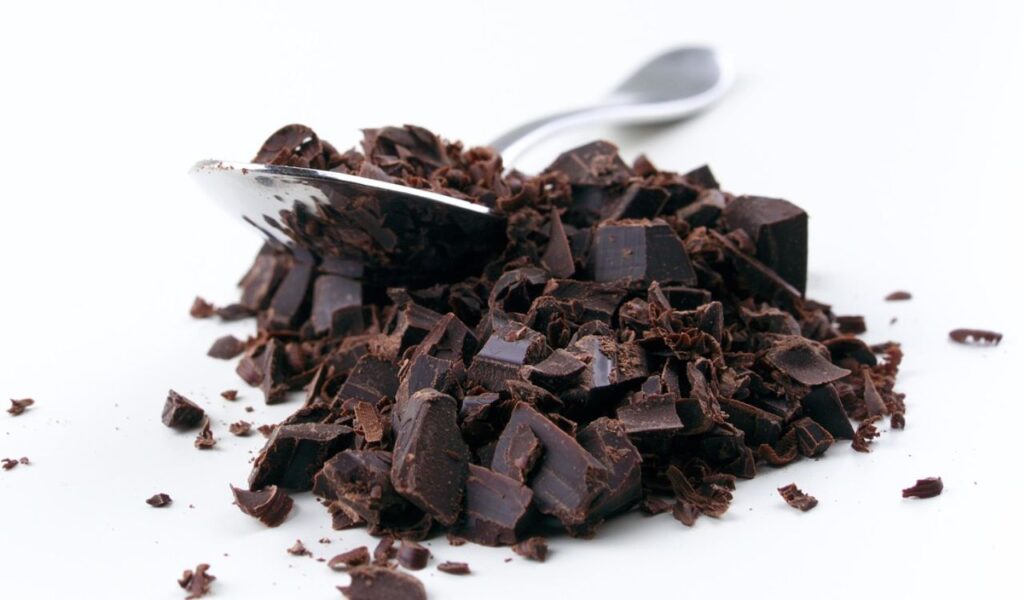
Chocolate begins with cocoa beans grown primarily in West Africa, where warm and humid conditions support cacao trees. These trees require very specific environmental stability, including consistent rainfall and shaded growing conditions. Climate fluctuations are making that stability harder to maintain.
Heat waves and droughts can weaken cacao trees and reduce bean production. Changing rainfall patterns also increases the risk of plant diseases that damage crops. As yields decline in certain areas, farmers face pressure to expand into new regions or adapt their farming methods.
The chocolate industry closely monitors these changes because cocoa supply directly affects global production. When harvests shrink, manufacturers face higher costs and must balance pricing, sourcing, and reformulation to maintain consistent products.
3. Bananas Threatened by Disease and Climate Instability
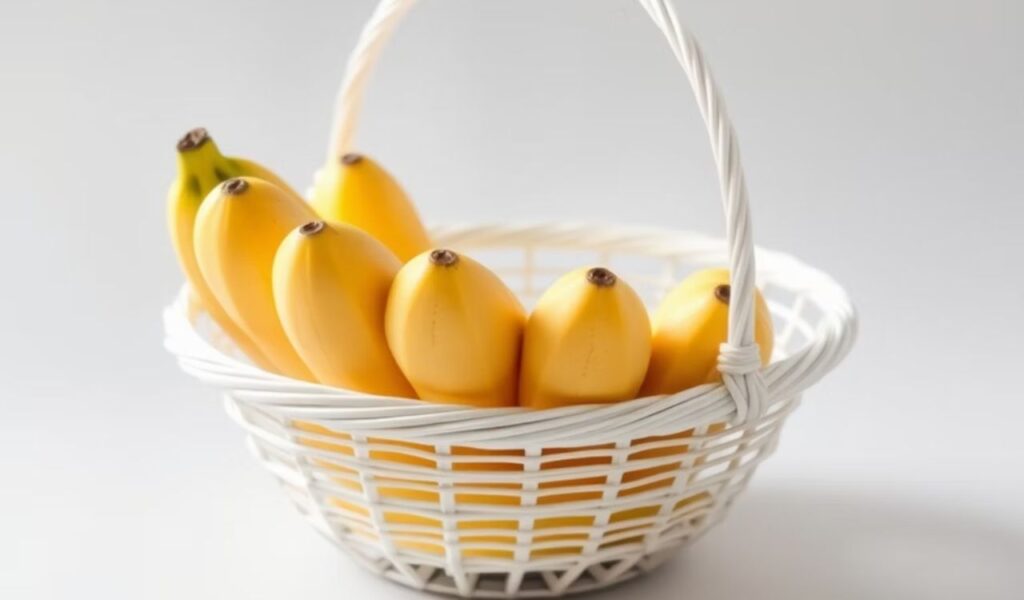
Bananas may seem like one of the most reliable fruits in the grocery store, but their production relies on fragile agricultural systems. The widely exported Cavendish banana grows in tropical climates that are becoming more vulnerable to extreme weather.
Warmer conditions and increased humidity help spread fungal diseases such as Tropical Race 4, which attacks banana roots and destroys entire plantations. Flooding and drought can also disrupt growing cycles, reducing overall harvest volumes in key producing countries.
Because most global exports depend heavily on a single banana variety, the industry faces limited genetic diversity. Researchers are working on disease-resistant cultivars, but widespread adoption remains slow.
4. Potato Crops Struggling With Heat and Water Stress
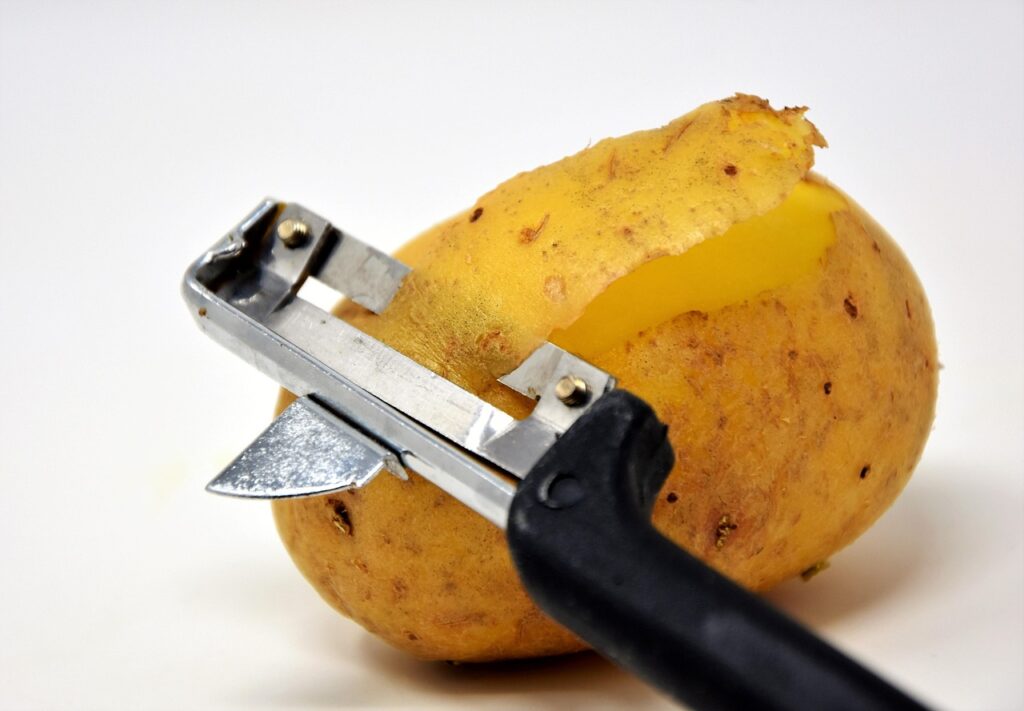
Potatoes are one of the world’s most widely consumed staple crops. Despite their hardy reputation, they are sensitive to temperature extremes. High heat during the growing season can reduce tuber formation and affect crop quality.
Water availability also plays a major role. Potatoes require consistent soil moisture during key development stages. Drought conditions in major agricultural regions can shrink yields and increase the cost of irrigation.
When potato harvests fall short, the effects ripple through multiple industries. Potatoes are essential for fresh produce markets as well as processed foods such as chips and frozen fries. Even modest supply changes can influence prices.
5. Rice Production Impacted by Heat and Flooding
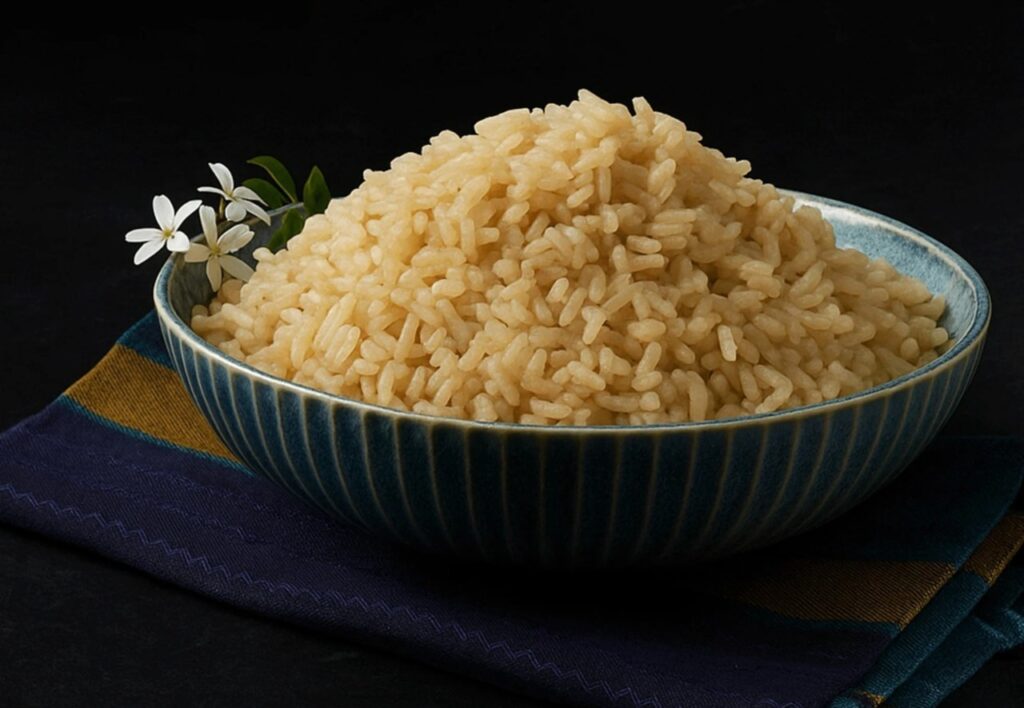
Rice feeds billions of people and depends heavily on stable water systems. Many rice fields are grown in flooded paddies that rely on predictable rainfall and river flows. Climate disruptions are altering these water patterns.
Higher temperatures can reduce grain formation and lower yields during the growing season. Floods can damage crops before harvest, while drought conditions limit irrigation availability in certain regions.
Because rice is a primary staple in many countries, supply fluctuations have significant implications. Governments and agricultural researchers are investing in climate-resilient rice varieties to maintain long-term food security.
6. Corn Harvests Adjusting to Shifting Growing Conditions
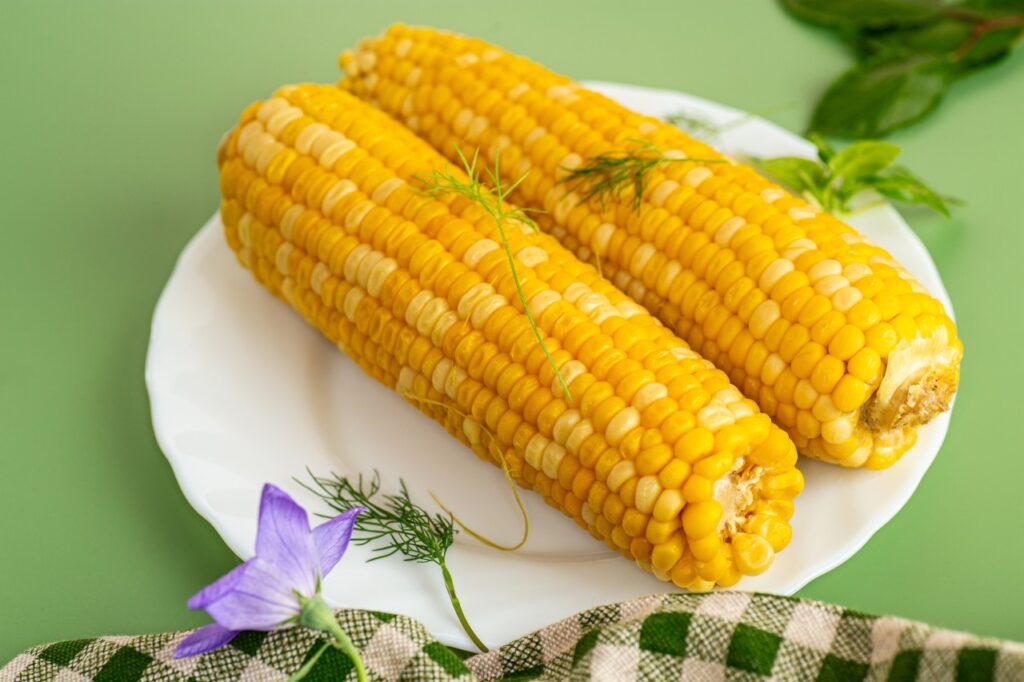
Corn thrives in warm environments, but extreme heat can damage pollination during critical growth stages. In regions experiencing stronger heat waves, the crop can struggle to produce full ears of grain.
Corn is also highly dependent on consistent rainfall or irrigation. Droughts in major producing areas reduce yields and strain water resources needed for agriculture. This combination creates volatility in global corn markets.
The importance of corn extends far beyond food products. It is used for livestock feed, cooking oils, and biofuels. As climate conditions affect harvests, the economic impact spreads across multiple sectors.
7. Wheat Fields Confronting Drought and Heat Waves
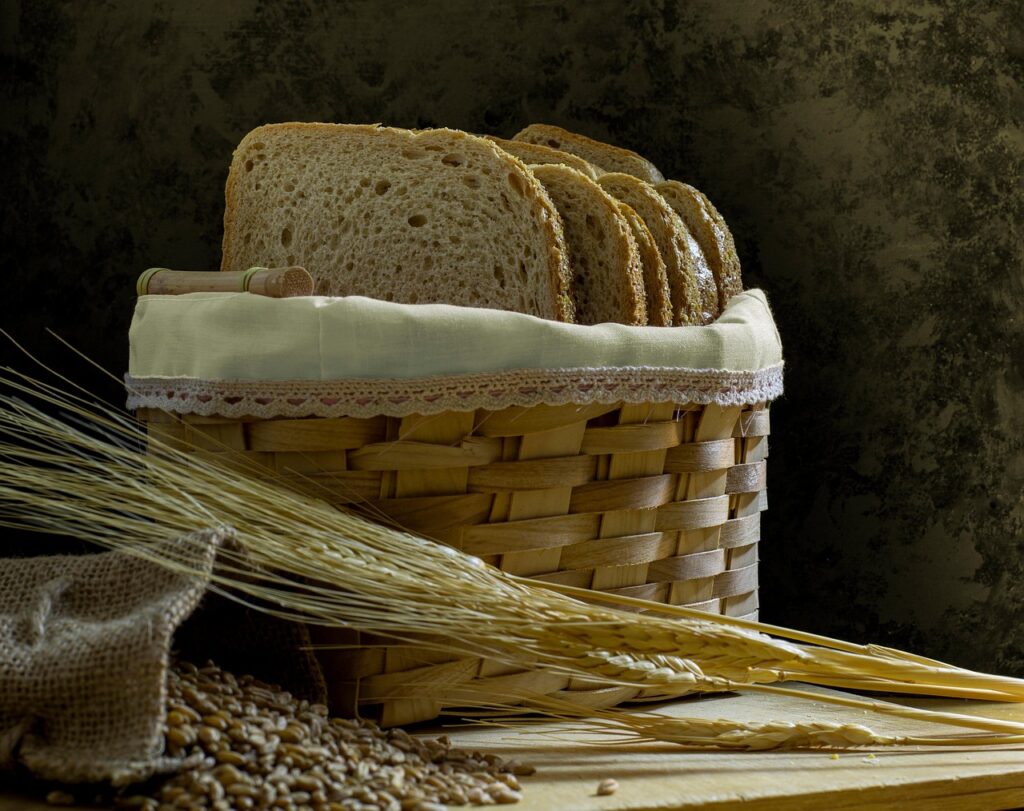
Wheat forms the foundation of many staple foods, including bread and pasta. The crop grows across diverse climates, but it remains sensitive to extreme weather during the flowering and grain filling stages.
Drought conditions can stunt plant development, while intense heat accelerates maturation before kernels fully develop. These factors reduce both yield and grain quality.
When major wheat-producing regions experience climate stress at the same time, global markets feel the effects quickly. Price spikes often follow poor harvest seasons, affecting food costs around the world.
8. Wine Grapes Experiencing Changing Growing Seasons
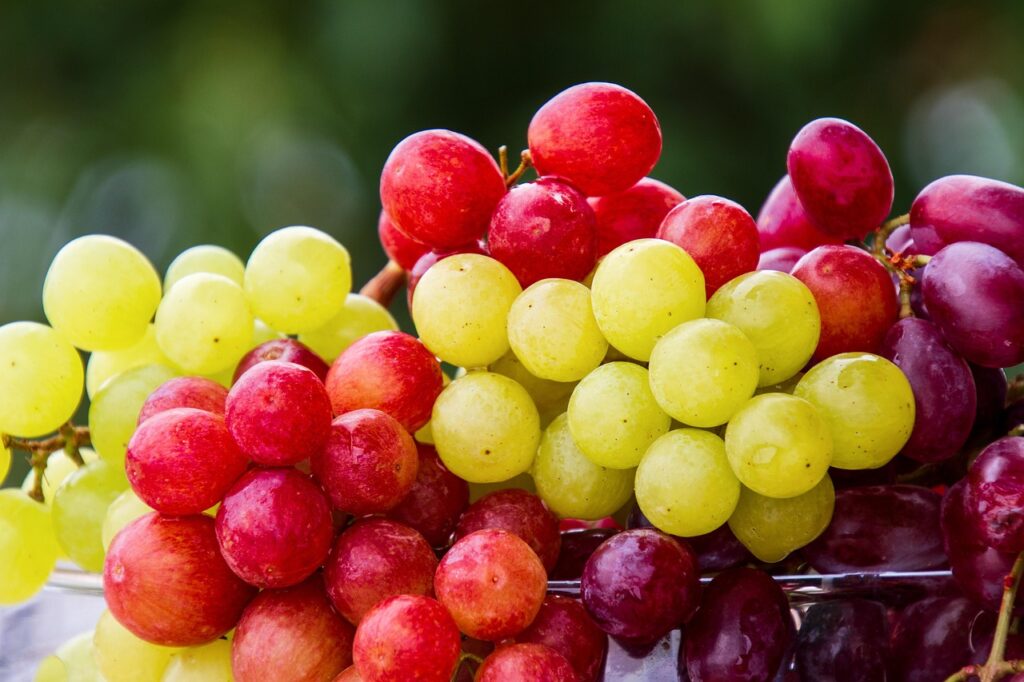
Wine grapes are among the most climate-sensitive crops. Each grape variety thrives within a narrow temperature range that shapes its flavor, acidity, and sugar levels. Climate shifts are altering those delicate balances.
Warmer temperatures can cause grapes to ripen earlier, changing the chemistry that winemakers rely on for traditional styles. In some regions, excessive heat reduces acidity and affects overall grape quality.
Vineyards are responding by experimenting with new grape varieties or relocating vineyards to cooler elevations. These adaptations require long-term planning because grapevines take years to mature.
9. Tomato Crops Responding to Heat and Water Challenges
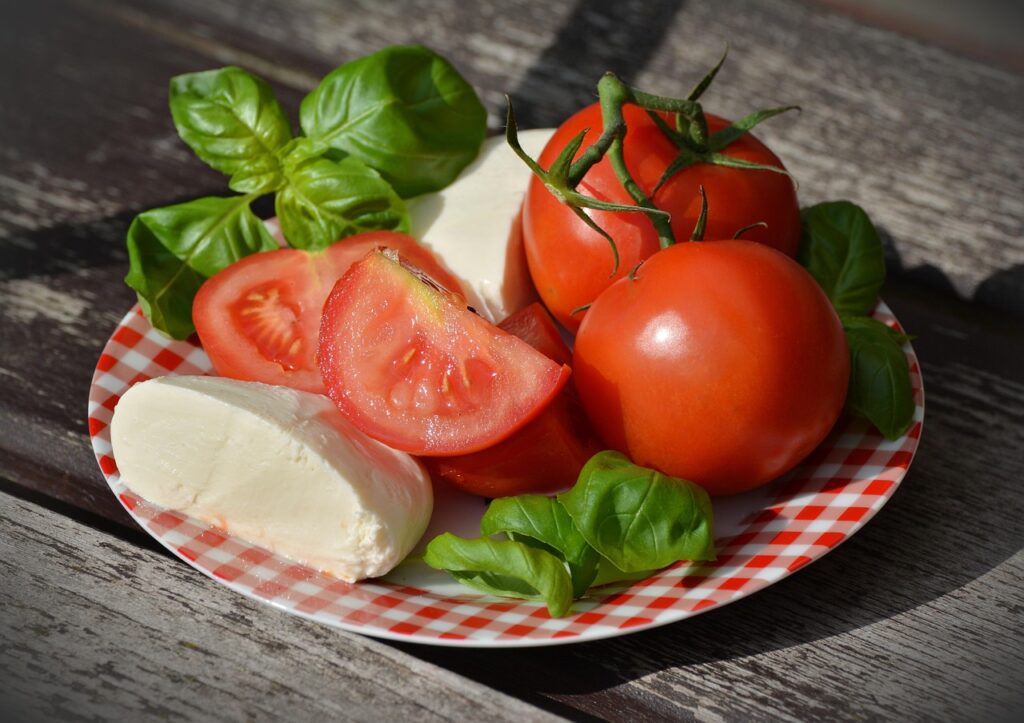
Tomatoes require warm temperatures, but excessive heat can interfere with fruit formation. When temperatures climb too high, tomato plants may produce fewer blossoms or drop developing fruit.
Water stress adds another layer of difficulty. Tomatoes rely on consistent irrigation to develop properly. Drought conditions can reduce yields and impact the size and flavor of harvested fruit.
Because tomatoes are used across the fresh produce and processed food industries, shortages can influence everything from grocery produce sections to sauces and canned goods.
10. Chili Pepper Harvests Facing Temperature Extremes

Chili peppers grow well in warm climates, yet extreme heat can still disrupt their development. Very high temperatures can cause flowers to drop before peppers form, reducing harvest volume.
Changing rainfall patterns also affect pepper crops. Too much moisture can encourage fungal diseases, while drought conditions limit plant growth. Farmers must constantly adapt irrigation and crop management techniques.
Peppers play a significant role in cuisines around the world. When harvests decline, the supply of fresh and dried chili products can tighten in global markets.
11. Avocado Production Challenged by Water Demands
Avocados have become one of the fastest-growing produce categories globally. The trees require large amounts of water, making them vulnerable during prolonged drought periods in major growing regions.
Water shortages in places such as Mexico and parts of California have created challenges for farmers trying to maintain orchard health. Insufficient irrigation can reduce fruit size and overall yields.
As climate pressures affect water availability, avocado growers are exploring improved irrigation systems and drought-tolerant rootstocks to maintain production.
12. Honey Supplies Linked to Bee Health

Honey production depends entirely on healthy bee populations. Climate change influences the availability of flowering plants that bees rely on for nectar. Shifts in blooming patterns can disrupt the food supply for pollinators.
Extreme weather events also damage habitats and reduce the number of plants available for pollination. Combined with pesticides and disease, these pressures threaten bee colonies in many regions.
When bee populations decline, honey production often drops as well. The effects extend beyond honey itself because bees play a crucial role in pollinating many other food crops.
13. Seafood Stocks Responding to Warming Oceans
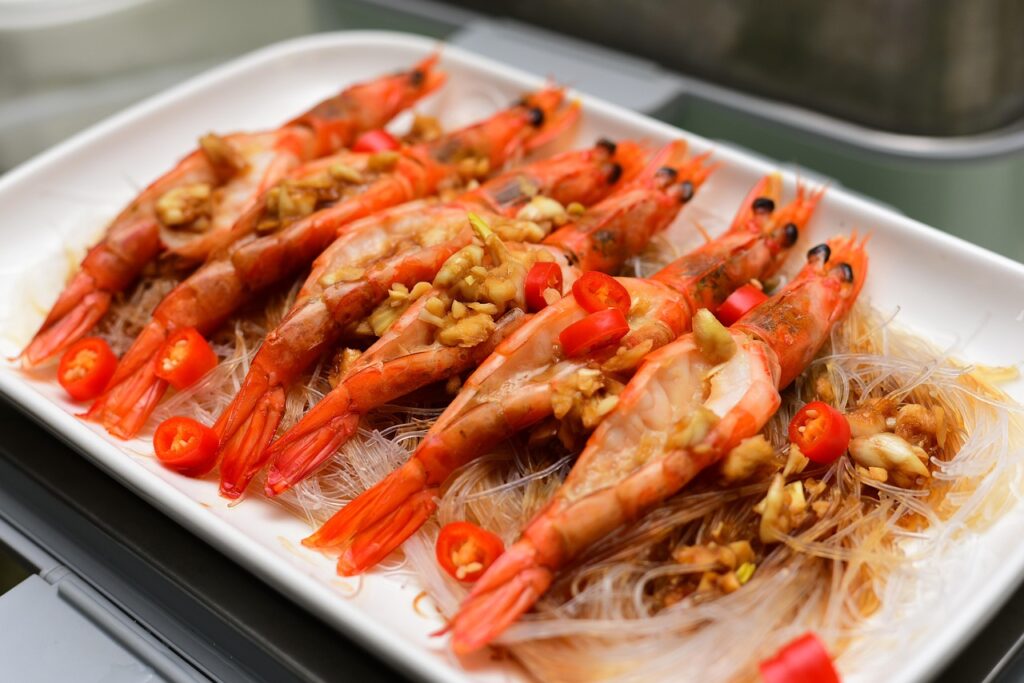
Ocean temperatures are rising in many parts of the world, and marine ecosystems are responding in complex ways. Some fish species migrate toward cooler waters, altering traditional fishing grounds.
Warmer oceans also affect plankton populations, which form the base of the marine food chain. When plankton levels shift, the entire ecosystem that supports commercial fisheries can change.
These environmental changes influence the availability of certain seafood species. Fisheries and coastal communities must adapt to shifting fish populations while maintaining sustainable harvesting practices.