8 Restaurant Desserts That Are Often Pre Made Rather Than Fresh

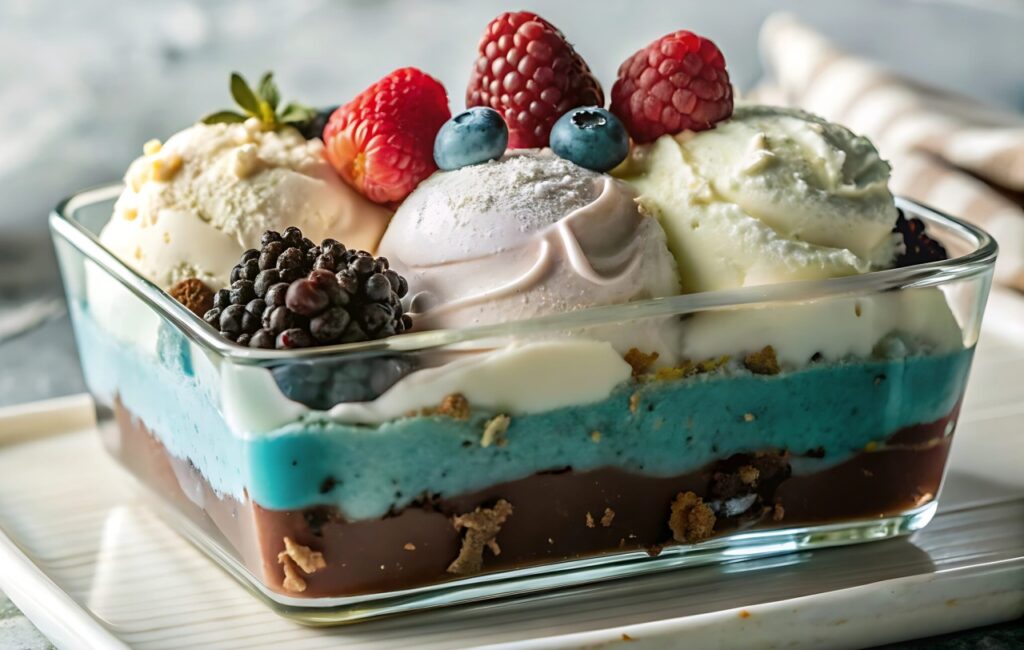
The dessert menu often feels like the most tempting part of a restaurant meal. Rich cakes, creamy pies, and warm chocolate treats promise a sweet finish that feels freshly prepared just for the table.
In reality, many restaurants rely on desserts that are made hours earlier or even produced by specialized bakeries. Preparing sweets ahead of time helps kitchens maintain consistency, control costs, and serve desserts quickly during busy dining hours.
That does not mean these treats are any less enjoyable. Many classic desserts are actually designed to rest or chill before serving. Still, the slice or spoonful arriving at your table may have been made long before the meal even began.
1. Cheesecake
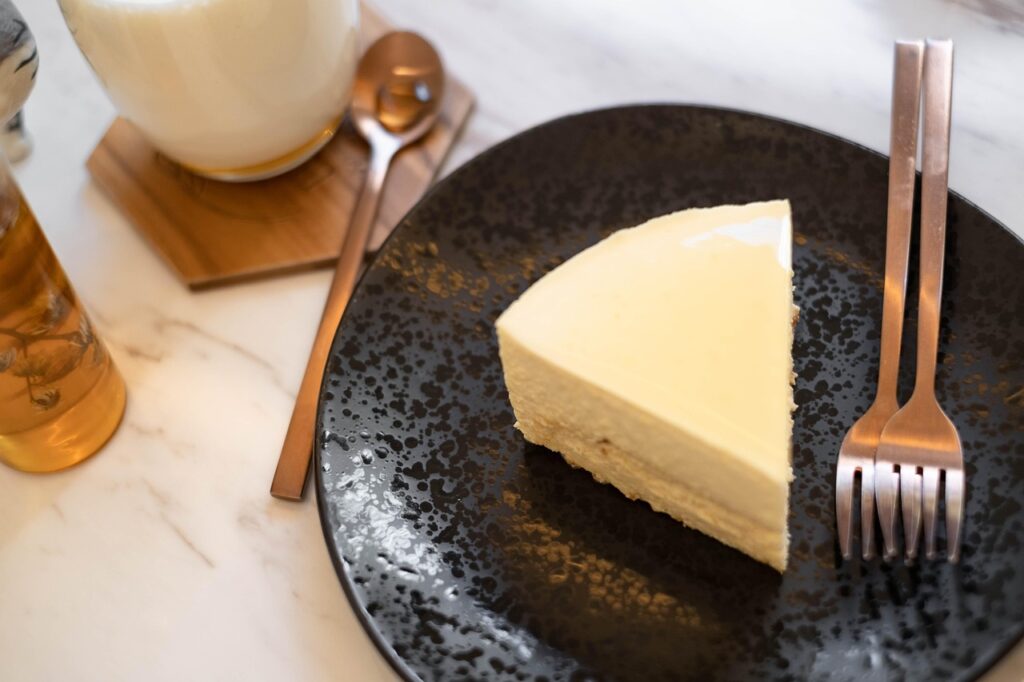
Few desserts appear on restaurant menus as often as cheesecake. Its rich texture and familiar flavor make it a reliable choice for diners ending a meal with something sweet. Yet many restaurants do not bake these cakes in their own kitchens.
Large cheesecakes require careful baking, cooling time, and significant refrigeration space. Because of this, many restaurants purchase fully prepared cheesecakes from commercial bakeries or distributors. The cakes arrive frozen or chilled and are thawed and plated when ordered.
This method helps kitchens maintain consistency while reducing labor and prep time. It also allows restaurants to offer multiple flavors without baking several batches, even though the dessert was prepared well before service.
2. Chocolate Lava Cake
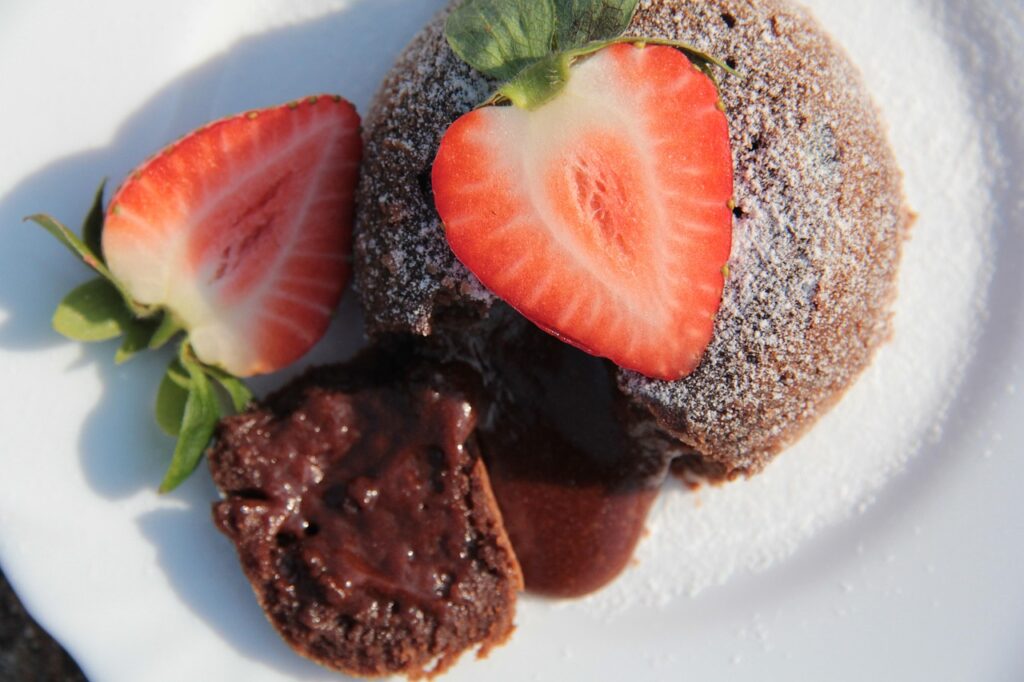
Chocolate lava cake often feels like a dramatic dessert because of its warm center that flows when the cake is cut. The effect suggests that the cake was freshly baked moments before arriving at the table.
In many restaurants, however, the cakes are prepared ahead of time in individual molds. They are partially baked, chilled or frozen, and then reheated quickly in an oven or microwave when ordered. This process ensures that the center stays soft and molten.
Preparing them in advance also allows kitchens to serve the dessert quickly during busy service. The reheating step finishes the baking process, creating the same flowing center that diners expect without requiring the pastry team to make each cake from scratch during service.
3. Tiramisu
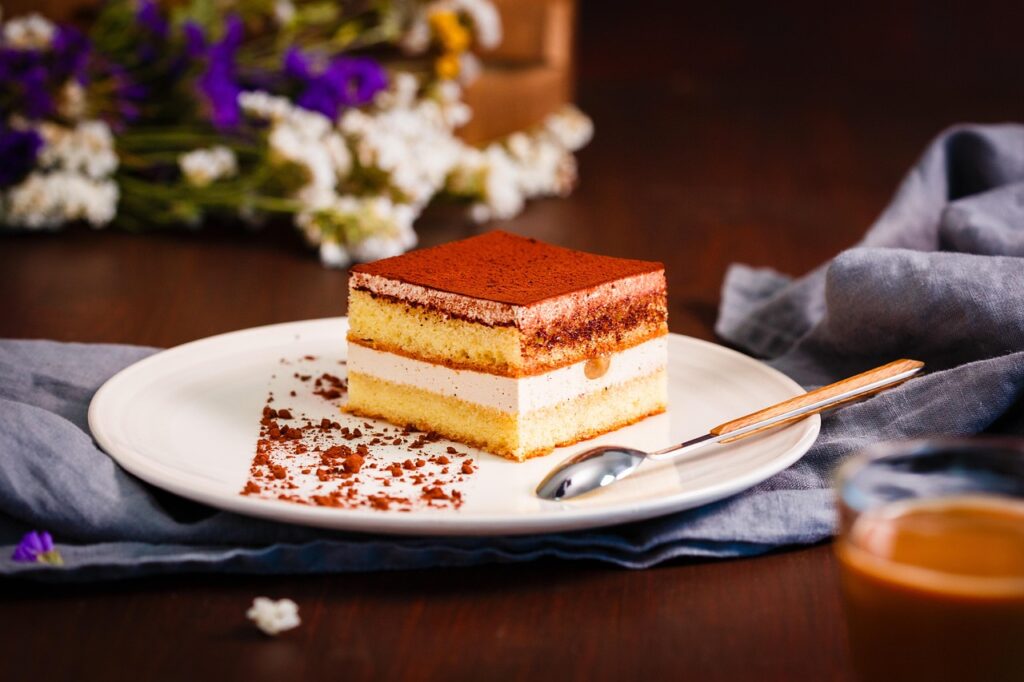
Tiramisu is known for its delicate layers of coffee-soaked ladyfingers, mascarpone cream, and cocoa powder. The dessert must rest in the refrigerator for several hours so the flavors can blend and the texture can set properly.
Because of this required resting time, tiramisu is almost always made well before it appears on a menu. Many restaurants prepare it in large trays earlier in the day or purchase ready-made versions from specialty dessert suppliers.
The dessert is then cut into neat portions and plated when ordered. Preparing it in advance is not necessarily a shortcut but part of the traditional method. Still, in many dining rooms, the slice served to guests was assembled long before the meal began.
4. Key Lime Pie
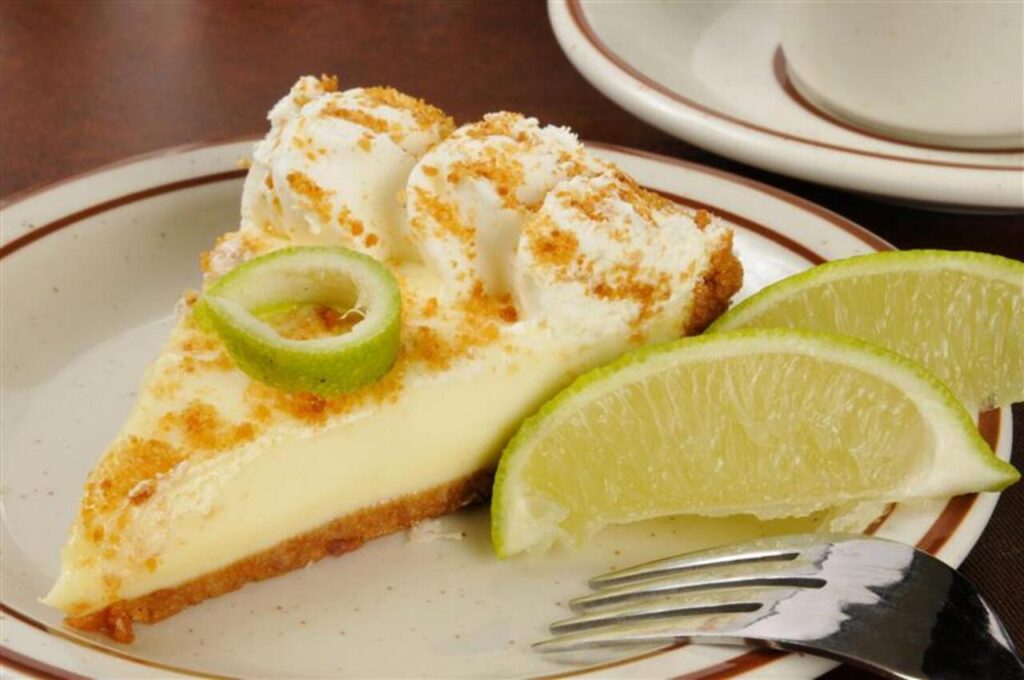
Key lime pie is valued for its bright citrus flavor and creamy filling. Despite its fresh-tasting profile, the dessert is often produced outside the restaurant kitchen.
The filling relies on a simple mixture of lime juice, egg yolks, and sweetened condensed milk baked in a crumb crust. Many commercial bakeries produce these pies in large batches because the recipe adapts well to bulk preparation.
Restaurants often purchase whole pies that arrive frozen or refrigerated. Staff simply slice and garnish them with whipped cream before serving. This method helps ensure consistent flavor and texture while avoiding the need to bake multiple pies during busy service hours.
5. Bread Pudding
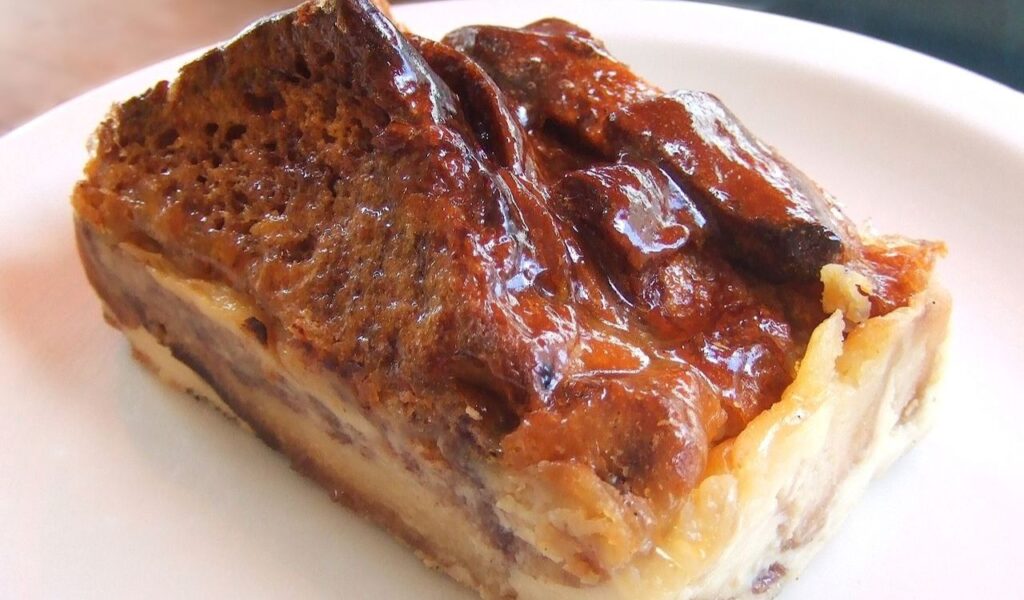
Bread pudding feels like a rustic dessert that might be prepared fresh each day. The dish traditionally uses day-old bread soaked in custard and baked until soft and caramelized.
While some restaurants do make their own versions, many prepare large pans well before dinner service begins. The pudding is baked, cooled, and then reheated in portions when guests order dessert.
This preparation actually improves flavor because the custard fully absorbs into the bread during resting time. The reheating process warms the dessert and allows sauces such as caramel or bourbon glaze to be added just before serving.
6. Chocolate Mousse
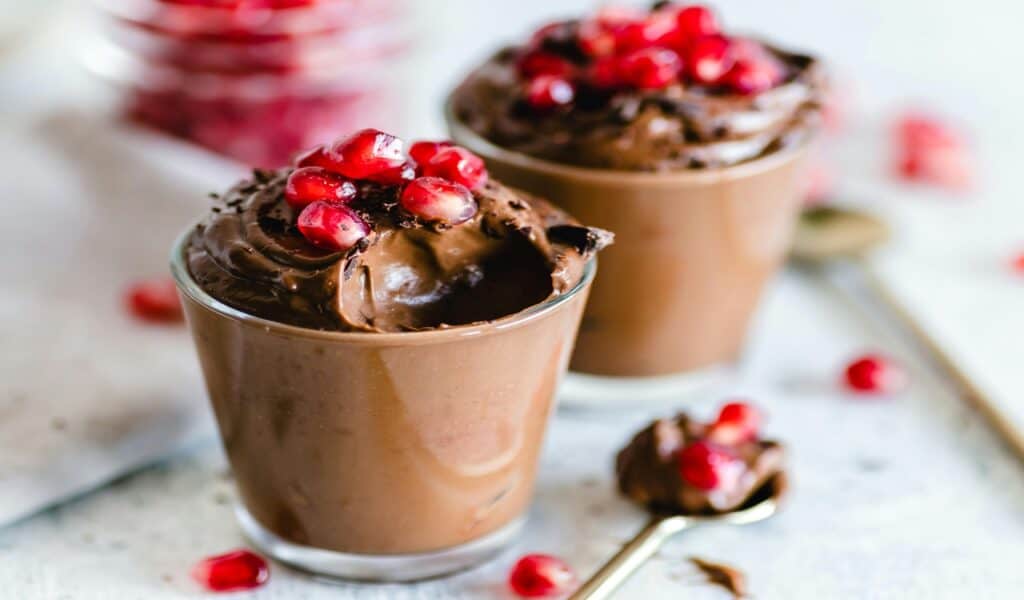
Chocolate mousse is known for its light texture created by folding whipped cream or egg whites into melted chocolate. Achieving that airy consistency requires careful mixing and proper chilling.
Because mousse must set in refrigeration to hold its shape, it is typically made hours before service. Restaurants often prepare batches in advance and store them in individual cups or larger containers.
Some establishments also purchase pre-made mousse from dessert suppliers. Whether prepared in-house or bought ready to serve, the dessert is rarely mixed to order. Instead, it is chilled ahead of time so the texture remains smooth and stable when plated.
7. Carrot Cake
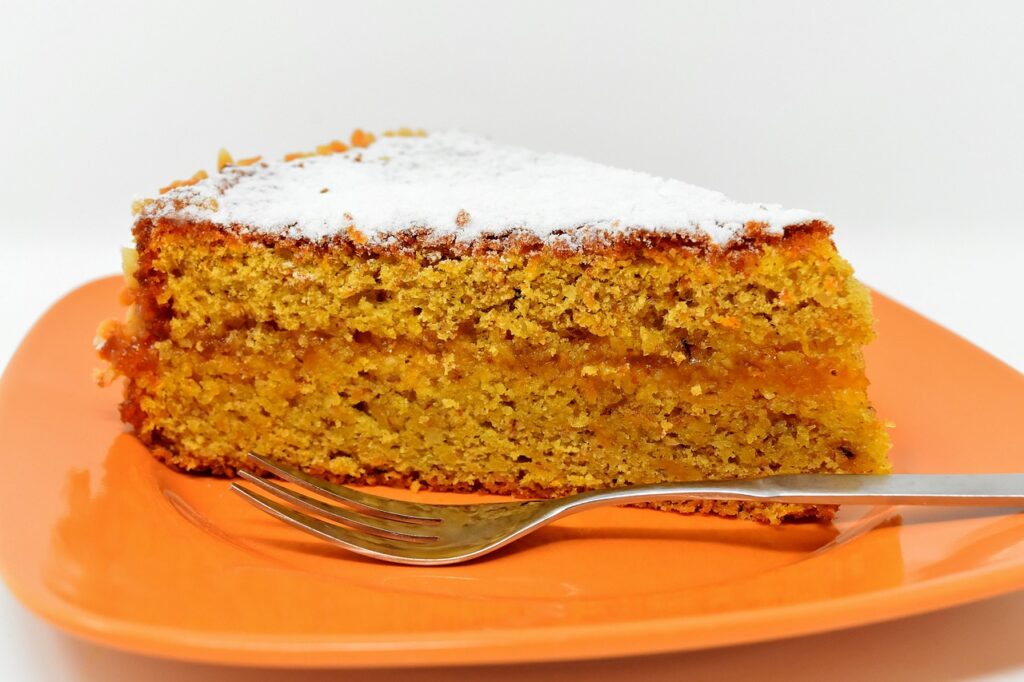
Carrot cake is a dense dessert filled with shredded carrots, spices, and cream cheese frosting. Its moist texture and layered structure make it a popular option for restaurant menus.
Baking a full cake requires time for mixing, baking, cooling, and frosting. For this reason, many restaurants rely on commercial bakeries that specialize in large layered cakes. These cakes are delivered whole and sliced as needed.
Even when baked in-house, carrot cake is almost always prepared earlier in the day. The flavors actually improve after resting because the spices settle and the cake retains moisture, making preparation a practical choice.
8. Ice Cream Sundaes

An ice cream sundae might seem like the simplest dessert on a menu. Scoops of ice cream topped with sauces, whipped cream, and garnishes create a classic treat.
While the assembly happens when the order is placed, most of the ingredients are pre-made. Restaurants usually rely on commercially produced ice cream, packaged syrups, and prepared whipped toppings rather than making each component from scratch.
This approach ensures consistent flavor and saves time in busy kitchens. The sundae is assembled quickly at the moment of service, but nearly every ingredient used to create it was produced well before the diner placed the order.