11 Bed and Breakfast Morning Spreads That Cut Back on Portions


Bed and breakfasts have long been known for generous morning tables filled with warm pastries, stacked pancakes, and hearty sides. That sense of abundance used to be part of the charm. Recently, though, many inns have shifted toward smaller, more curated plates. The presentation still feels thoughtful and inviting, but the portions often tell a different story.
Rising ingredient costs, growing attention to calorie awareness, and a desire to reduce food waste all play a role. Instead of overflowing baskets and heaping bowls, guests are more likely to see mini pastries, half bagels, and carefully plated fruit. The experience feels refined, yet the total volume has quietly decreased.
Here is a closer look at the breakfast spreads that look beautiful on the table but reflect a clear move toward trimmed portions.
1. The Mini Pastry Trio Replacing the Classic Bread Basket

There was a time when a bed and breakfast table meant a generous basket of croissants, muffins, and danishes. Now, many spreads feature a curated trio of miniature pastries instead. The shift looks elegant on the plate, but the total volume is noticeably smaller.
Mini pastries reduce ingredient cost, limit leftovers, and align with growing interest in lighter breakfasts. Smaller baked goods also photograph well and fit neatly on individual plates rather than requiring a shared basket. That presentation makes the spread feel refined even if the overall quantity has decreased.
Guests still get variety, which softens the perception of reduction. Instead of abundance, the emphasis moves to selection. It is a subtle way to manage portions without openly advertising smaller servings.
2. The Single Pancake Stack That Looks Taller Than It Is

Pancakes have traditionally arrived in stacks of three or four. Many B&Bs now serve one or two pancakes styled with fruit and syrup for height. The plate looks composed, but the total batter used is lower.
This approach reflects calorie conscious dining trends. Smaller portions align with lighter morning eating habits and reduce food waste. A single thick pancake also cooks faster and allows kitchens to serve multiple guests more efficiently.
The visual design plays a key role. Garnishes, powdered sugar, and layered toppings create a sense of indulgence. Yet the serving size is trimmed compared to the hearty stacks that once defined inn breakfasts.
3. Slimmer French Toast Portions With Refined Plating

French toast used to be cut from thick slices of brioche or challah, served in generous portions. Many morning spreads now feature narrower slices or fewer pieces arranged carefully with fruit or yogurt.
Reducing slice size lowers bread and egg usage while still delivering the same flavor profile. It also keeps calorie counts closer to modern wellness standards. Guests seeking lighter options may prefer a smaller plate that feels balanced rather than heavy.
The plating makes up for the reduction. Strategic stacking and decorative toppings create height and texture. The dish feels intentional rather than scaled back, even though the actual bread volume has decreased.
4. The Smaller Yogurt Parfait That Emphasizes Layering

Parfaits are popular for their freshness and visual appeal. In many B&Bs, the portions have become more compact. Instead of large glasses layered with yogurt and granola, guests often receive smaller cups with controlled topping amounts.
Granola can be calorie-dense and costly when made with nuts and seeds. Reducing the ratio while maintaining visual layering lowers food costs and supports lighter breakfast trends. Smaller glassware reinforces the idea of a mindful serving.
The appeal remains intact because parfaits are about presentation as much as volume. Clear layers of fruit and yogurt look abundant even when the portion is modest.
5. The Mini Frittata or Egg Cup Instead of a Full Quiche Slice

Large quiche wedges once dominated breakfast tables. Many B&Bs now offer individual egg cups or mini frittatas. These bite-sized portions feel modern and easier to serve.
Individual molds allow precise portion control and reduce leftover waste. They also cook more quickly and evenly than large pans. Smaller servings align with guest expectations for lighter protein portions in the morning.
While the ingredients remain similar, the presentation changes perception. A mini frittata looks curated and thoughtful, yet contains less overall egg and filling than a thick slice of traditional quiche.
6. The Lightened Fruit Plate With Controlled Variety
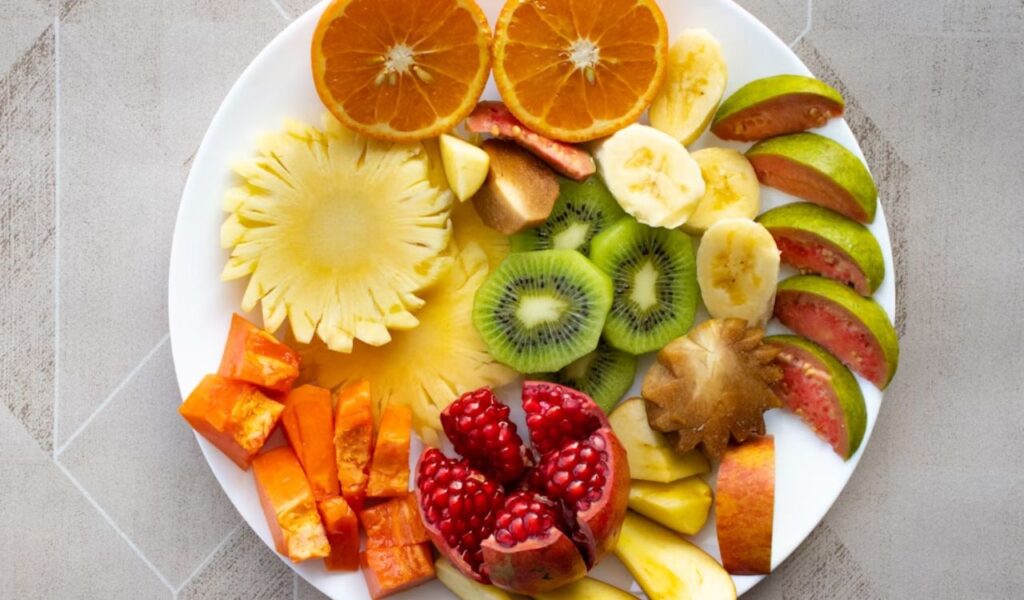
Fruit bowls were once heaped generously, often refilled throughout service. Now, many spreads feature neatly arranged fruit plates with smaller quantities.
Fruit prices fluctuate seasonally, and reducing volume helps manage cost. At the same time, portion awareness encourages guests to enjoy fruit as a complement rather than the main element. Carefully cut pieces arranged artistically give the impression of abundance.
The shift is subtle. The plate still appears colorful and fresh, but the total weight is often lighter than that of older-style buffet bowls. Presentation replaces sheer quantity.
7. The Half Bagel Standard Instead of the Whole

Serving half a bagel has become common in many B&B settings. Bagels are dense and filling, and a full portion can feel heavy. By offering half, establishments reduce both cost and calorie load.
Bagels also require spreads such as cream cheese or butter. Halving the base automatically trims the amount of spread served. This keeps the breakfast balanced while maintaining familiar comfort.
Guests rarely question the portion because half a bagel feels reasonable in a plated meal. The change seems practical rather than restrictive, even though it represents a measurable reduction.
8. The Modest Oat Bowl With Measured Toppings

Oatmeal is inexpensive, but toppings like nuts, dried fruit, and honey can raise costs. Many B&Bs now serve controlled bowls with measured add-ons instead of heaping servings.
Smaller bowls help align with health-focused breakfast trends that emphasize moderation. Portion-controlled oats also reduce waste when guests do not finish larger bowls.
The bowl still appears wholesome and satisfying. Thoughtful garnish placement makes it feel generous. Yet the overall volume is calibrated more carefully than in traditional family-style settings.
9. The Scaled Back Breakfast Meat Side

Classic inn breakfasts often included multiple strips of bacon or several sausage links. Many modern spreads limit servings to two slices of bacon or a single link.
Meat prices fluctuate significantly, and trimming portions helps stabilize food costs. Smaller servings also reflect broader dietary shifts toward lighter morning meals. Guests often prioritize eggs or grains over heavier proteins.
The reduction rarely feels drastic because meat remains present on the plate. However, the total protein portion is notably smaller than what past generations might expect.
10. The Half-Size Muffin or Scone That Feels Thoughtful

Large bakery-style muffins once symbolized hospitality. Today, many B&Bs bake smaller versions. Mini scones or half-size muffins control sugar intake and ingredient usage.
Baked goods are often served alongside other breakfast items, so a smaller pastry prevents excess consumption. It also allows guests to sample multiple options without overwhelming the plate.
The hospitality message shifts from abundance to intention. Smaller baked goods suggest care and balance rather than extravagance. The visual effect remains inviting, but the volume is trimmed.
11. The Tasting Style Cheese and Jam Plate

Some morning spreads include a curated cheese and jam offering. Instead of generous wedges, guests receive small slices arranged attractively.
Artisanal cheeses can be costly. Serving tasting portions allows hosts to feature quality ingredients without large quantities. The emphasis moves to flavor pairing rather than size.
Guests still experience variety and craftsmanship. The plate feels sophisticated and deliberate. Yet compared to traditional continental spreads, the portion is intentionally restrained.
Across these breakfast tables, the shift is consistent. Portion control, cost management, and wellness trends have reshaped the morning spread. What once centered on abundance now leans toward refinement and moderation.