9 Ingredients Professional Chefs Recommend Using Carefully

Great cooking is often less about complicated recipes and more about balance. Professional chefs know that even the simplest ingredients can completely transform a dish when used with care and precision. A small splash, pinch, or drizzle can elevate flavors in ways that feel effortless.
Yet some ingredients carry more power than others. Their flavors are bold, concentrated, or highly aromatic, which means a little goes a very long way in the kitchen.
Understanding how to handle these ingredients is part of what separates careful cooking from accidental overpowering. When used thoughtfully, they add depth, brightness, and complexity without taking over the entire dish.
1. Truffle Oil
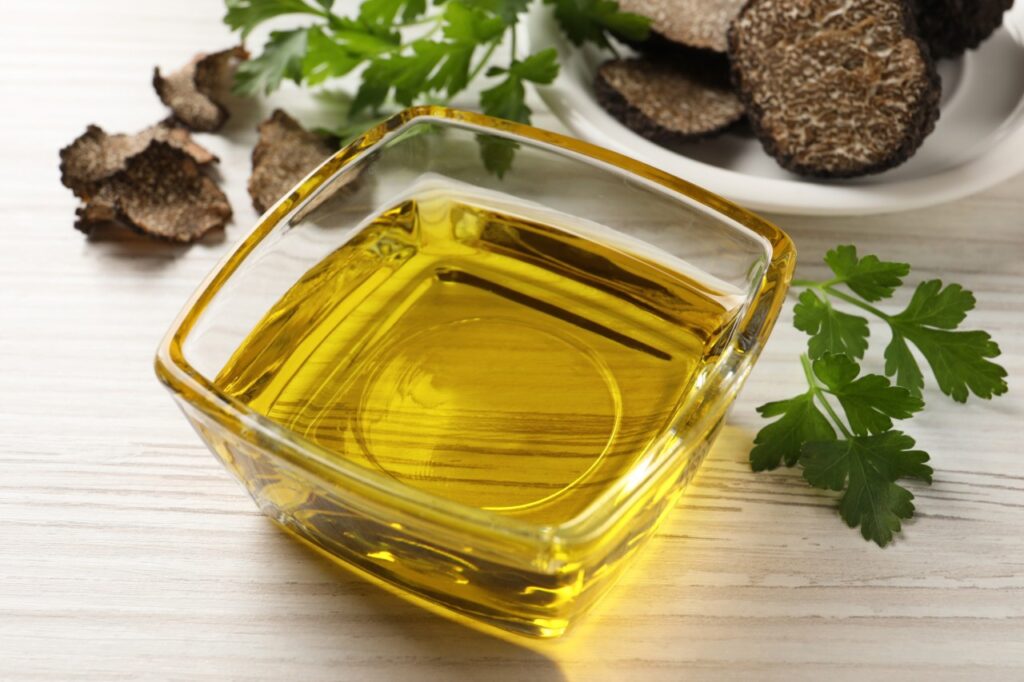
Truffle oil has a reputation for turning simple dishes into something luxurious. Just a drizzle over pasta, fries, or risotto can release a deep, earthy aroma that feels instantly gourmet. Because of this strong fragrance, chefs treat it more like a finishing accent than a regular cooking oil.
Many commercial truffle oils are flavored with aromatic compounds rather than real truffles. These compounds are powerful and can easily dominate the overall flavor of a dish if used too generously.
Professional kitchens often use only a few drops at the very end of cooking. This allows the aroma to enhance the dish without masking the ingredients underneath. When used carefully, truffle oil adds depth and elegance instead of overwhelming the plate.
2. Salt

Salt may be one of the simplest ingredients in the kitchen, yet it is also one of the most powerful. Chefs rely on it not just to make food salty but to highlight the natural flavors of vegetables, meats, and grains.
Proper seasoning often happens in stages during cooking. Adding small amounts throughout the process helps flavors develop more evenly than adding everything at the end.
Too much salt can quickly ruin a dish by making it harsh and one-dimensional. Professional cooks frequently taste their food as it cooks, adjusting seasoning gradually. This careful approach ensures that salt enhances flavor rather than overpowering it.
3. Chili Oil
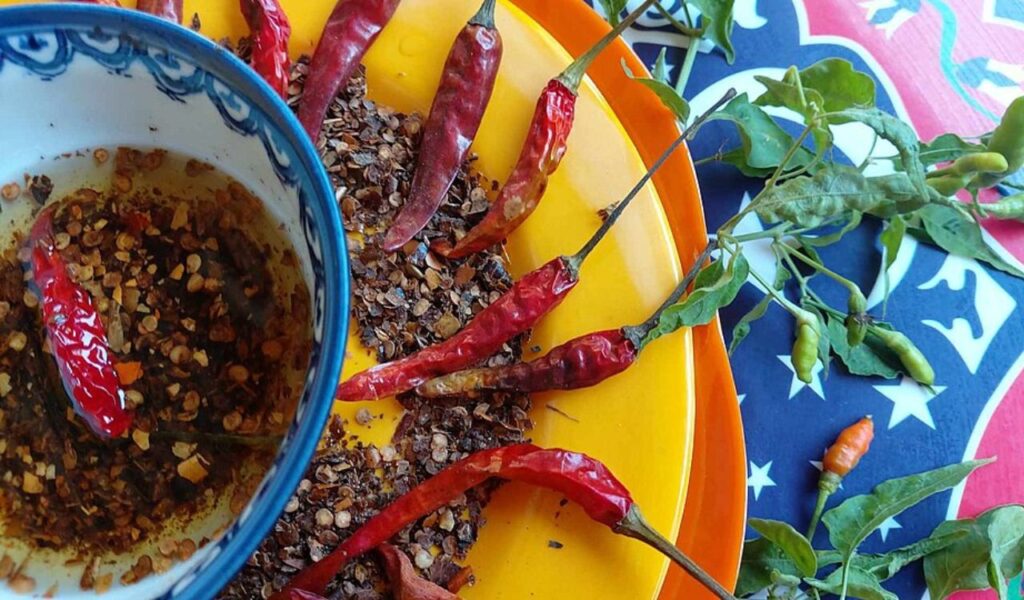
Chili oil brings heat, color, and fragrance to many dishes, especially in Asian cooking. A spoonful can transform noodles, dumplings, or stir-fries by adding layers of spice and aromatic oils.
The challenge is that chili oil can vary greatly in strength. Some versions contain very hot peppers along with garlic, spices, and infused oils that intensify the flavor.
Because of this variability, chefs usually add chili oil slowly and taste as they go. Even a small extra splash can make a dish much hotter than intended. Careful use allows the heat to complement other flavors rather than dominate them.
4. Liquid Smoke
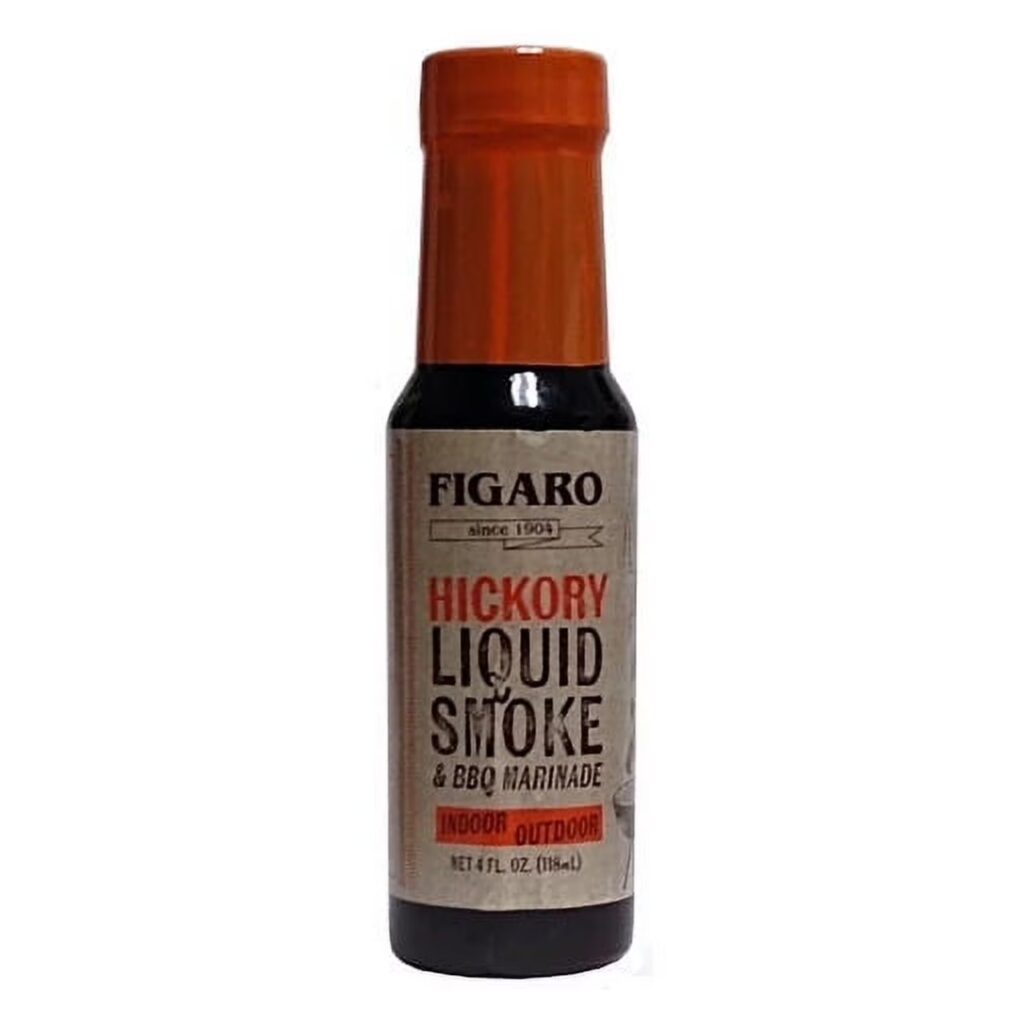
Liquid smoke is designed to recreate the flavor of wood smoke without the need for grilling or smoking equipment. A few drops can give sauces, marinades, or barbecue dishes a deep smoky character.
The flavor is highly concentrated because it is made from condensed smoke captured during the burning of wood. This intensity means a small amount goes a very long way.
Chefs often recommend using it sparingly and blending it into other ingredients. When used carefully, it adds a subtle smokiness that enhances the dish. Too much, however, can create an artificial flavor that overshadows everything else.
5. Sesame Oil
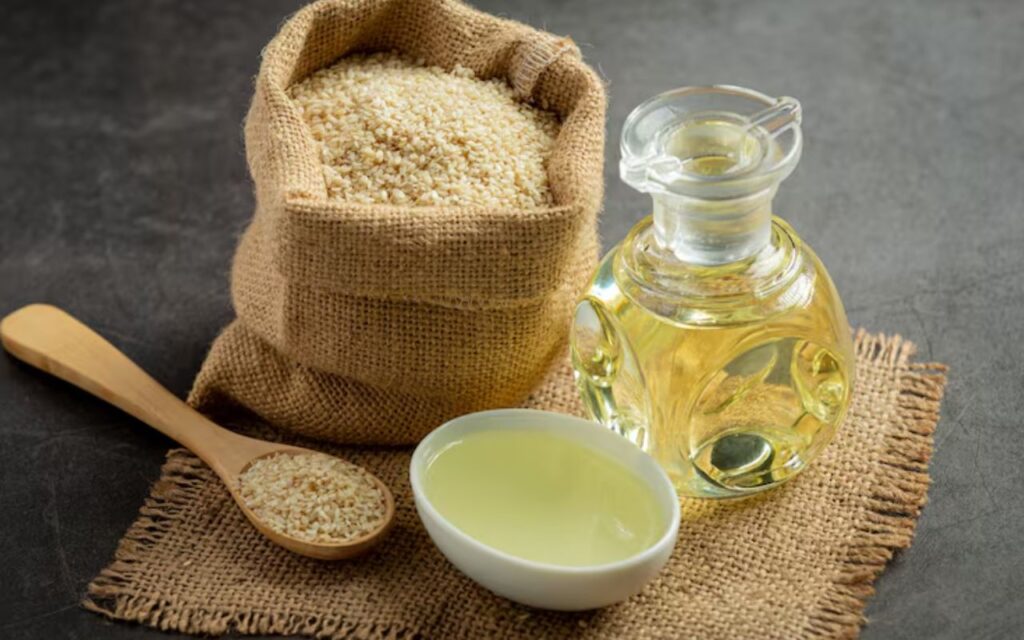
Sesame oil is known for its rich, nutty aroma and deep flavor. In many Asian cuisines, it is used as a finishing ingredient rather than a cooking oil. A small drizzle can instantly make a dish smell warm and toasted.
Because the flavor is so concentrated, it can easily dominate other ingredients if too much is added. Even a teaspoon can significantly change the overall taste of a dish.
Professional cooks often add sesame oil at the very end of cooking or mix it into sauces and dressings in small amounts. This method allows the oil to provide fragrance and depth without masking the other flavors.
6. Vinegar

Vinegar is a quiet power player in the kitchen. Its bright acidity can lift flavors that might otherwise feel heavy or dull. A small splash in sauces, marinades, or dressings can balance rich meats, creamy dishes, and roasted vegetables.
Different vinegars offer unique qualities. Rice vinegar is mild and slightly sweet, while apple cider vinegar adds gentle fruitiness. Balsamic vinegar brings deeper sweetness and complexity that works well in glazes and reductions.
Because vinegar is acidic, it can quickly overpower other ingredients if used heavily. Professional chefs add it slowly and taste as they cook. When used carefully, vinegar brightens flavors and helps a dish taste more balanced and complete.
7. Saffron
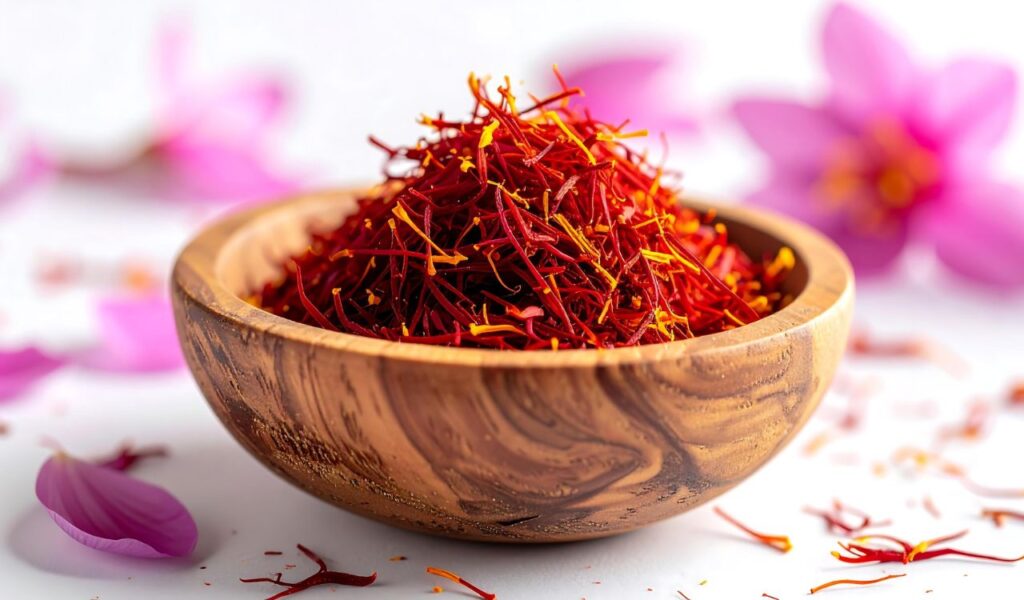
Saffron is often called one of the most treasured spices in the culinary world. Its thin crimson threads add a warm golden color and delicate aroma that can transform simple rice, seafood dishes, and desserts into something memorable.
The spice is powerful because it comes from the dried stigmas of the crocus flower. Harvesting saffron requires careful handwork, which also explains its high price. Fortunately, only a very small amount is needed to flavor an entire dish.
Chefs typically steep saffron threads in warm water, broth, or milk before adding them to food. This gentle step helps release both color and flavor. Using too much saffron can lead to bitterness, so careful measurement helps preserve its subtle floral character.
8. Garlic
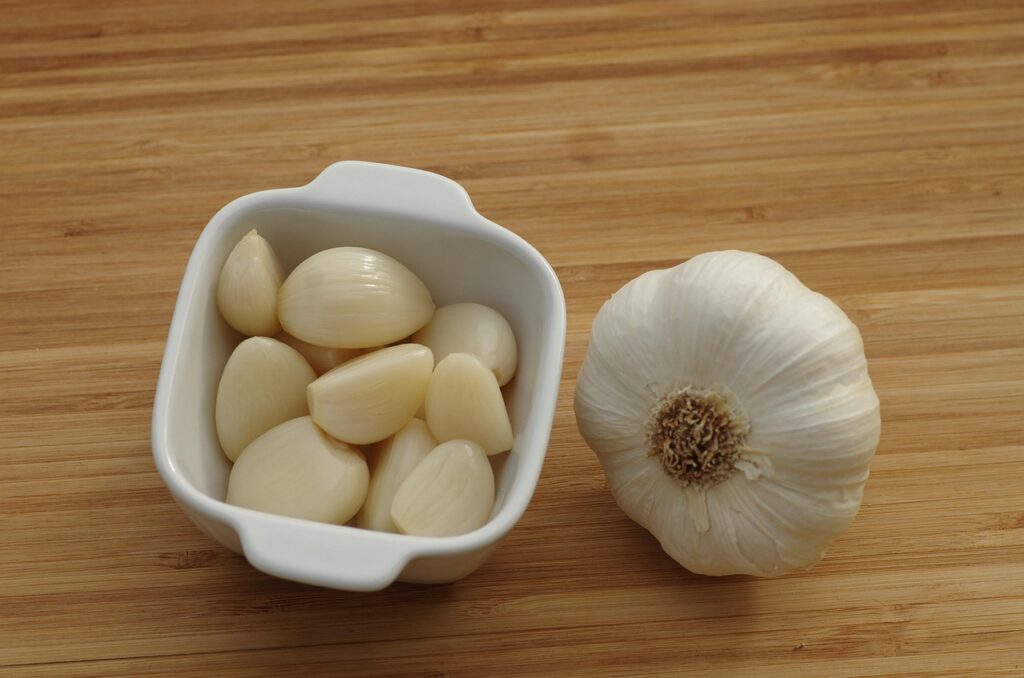
Garlic is one of the most widely used flavor foundations in cooking. Its rich aroma can deepen sauces, soups, and roasted dishes while adding warmth and savory complexity. Even a small amount can dramatically influence the taste of a recipe.
The flavor of garlic changes depending on how it is prepared. Raw garlic has a sharp and pungent bite, while gently cooked garlic becomes mellow and slightly sweet. Roasting it slowly creates an even softer, almost buttery flavor.
Because garlic is so potent, chefs pay close attention to how much they add and when they add it. Too much garlic can dominate every other ingredient on the plate. Used carefully, it builds depth and richness without overpowering the dish.
9. Fish Sauce
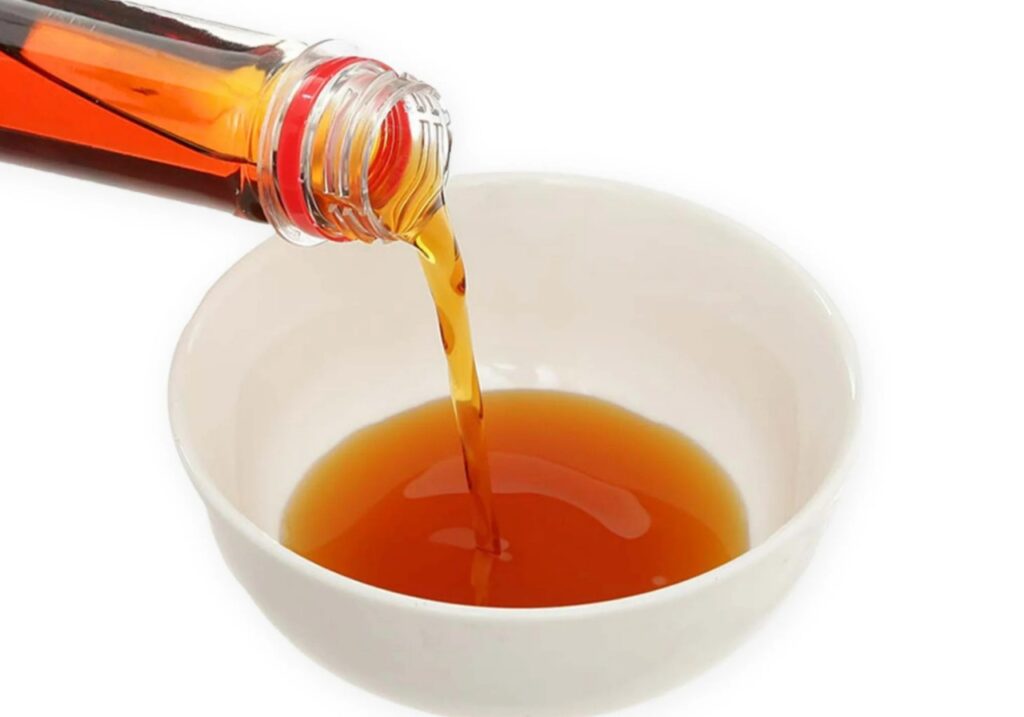
Fish sauce is a deeply savory seasoning that plays a central role in many Southeast Asian kitchens. Made from fermented fish and salt, it develops a strong umami flavor that enhances soups, stir fries, marinades, and dipping sauces.
Its aroma can seem intense when smelled directly from the bottle. However, once blended into a dish, fish sauce often disappears into the background while boosting overall flavor and richness.
Because it is highly concentrated and salty, chefs add fish sauce gradually while tasting. Even a small spoonful can change the character of a dish. Used carefully, it creates balance and depth without making the food taste strongly of fish.