10 Classic Potluck Dishes That Rarely Show Up at Modern Gatherings

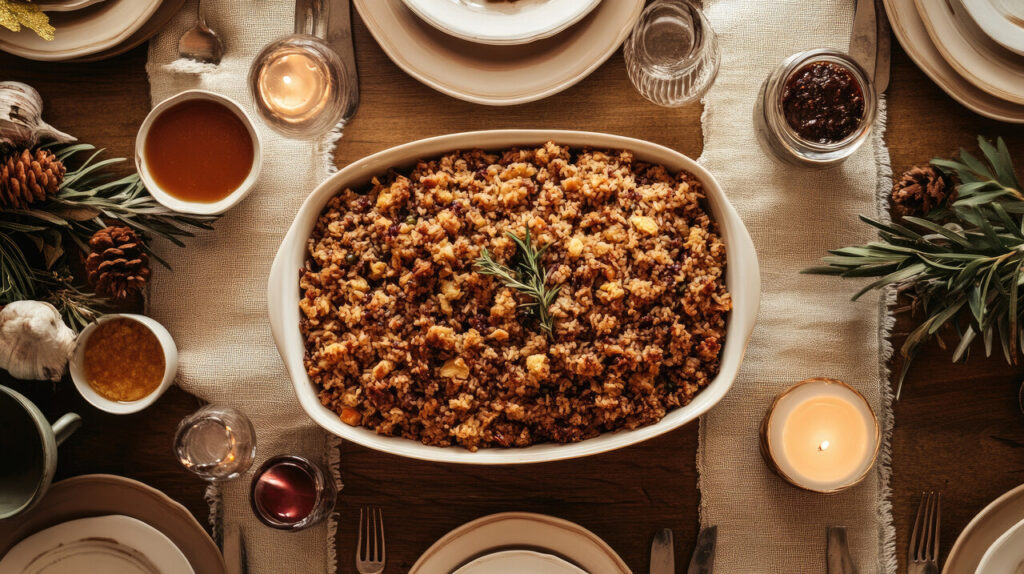
Potlucks used to be predictable in the best possible way. Long tables filled with gelatin salads, creamy casseroles, and slow-cooker staples that everyone recognized before the lids even came off. But tastes change, and so do expectations around freshness, texture, and presentation. Many dishes that once defined shared gatherings now feel heavy, dated, or simply impractical in a world where people juggle dietary needs, food safety concerns, and a desire for lighter flavors. These classic potluck foods haven’t disappeared because they were bad. They faded because modern gatherings reward dishes that travel better, hold up longer, and feel more intentional. What was once comforting now often reads as nostalgic, and nostalgia alone rarely earns a spot on today’s potluck table.
1. Jell-O Salads (Gelatin Molds)
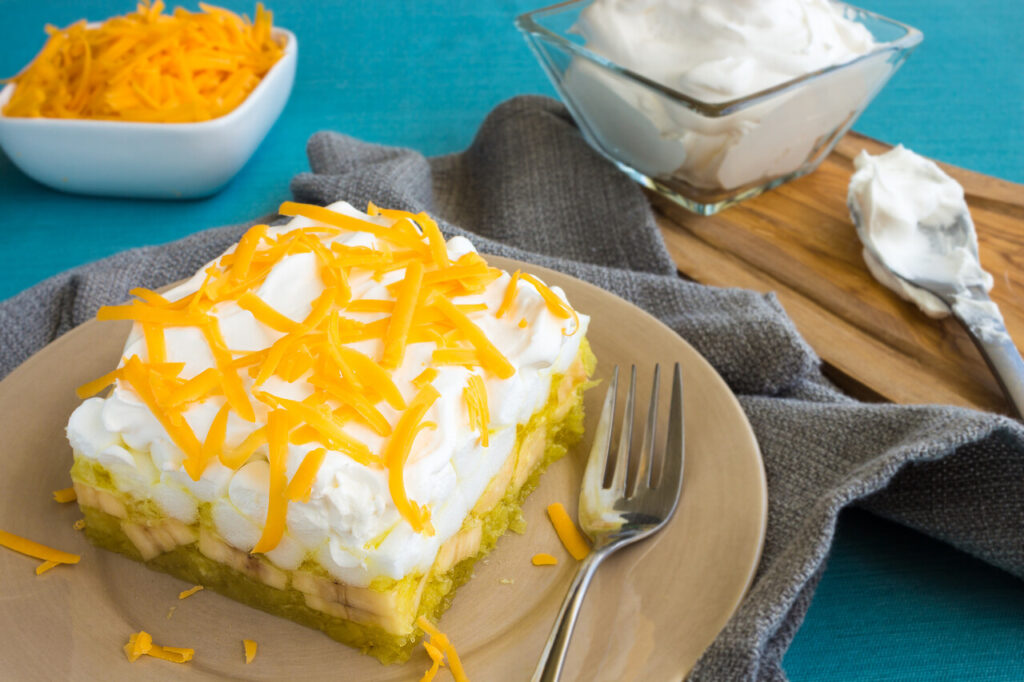
There was a time when a shimmering gelatin mold was considered both practical and impressive. Jell-O salads earned their place at potlucks because they were cheap, easy to make ahead, and visually striking on a crowded table. The problem is that modern palates changed faster than the recipe. These salads often mix sweet gelatin with canned fruit, marshmallows, whipped topping, or even vegetables and mayonnaise, which now reads as confusing rather than clever. Texture plays a big role in their decline. The bouncy, slippery consistency clashes with today’s preference for fresher, more natural mouthfeel. Food safety also matters. Gelatin dishes need steady refrigeration, and potlucks are rarely precise about temperature control. Add in dietary shifts away from artificial colors and boxed mixes, and the classic Jell-O mold starts to feel more like a museum piece than a crowd-pleaser. Nostalgia keeps it alive in memory, but not on the modern buffet line.
2. Watergate Salad
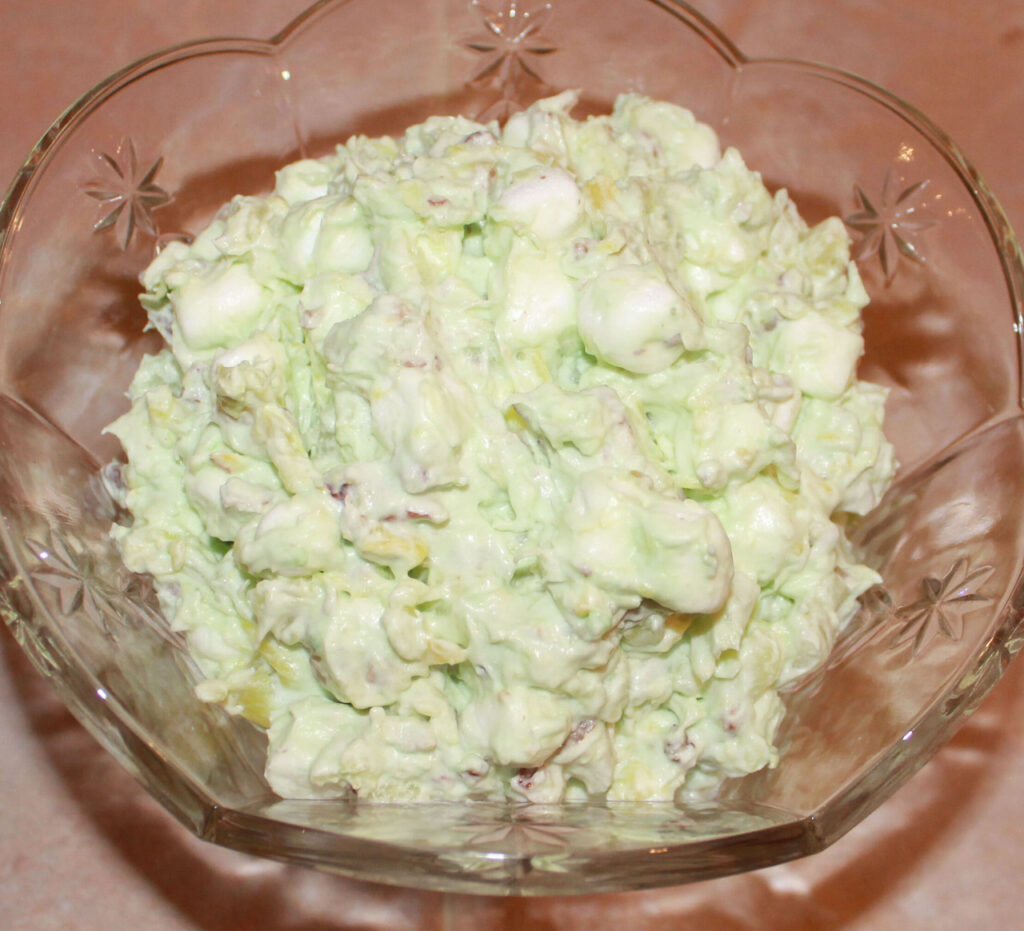
Watergate salad once thrived because it solved several potluck problems at once. It was sweet enough to double as dessert, required no baking, and used pantry staples that almost everyone had on hand. Pistachio pudding mix, crushed pineapple, marshmallows, nuts, and whipped topping created a fluffy green bowl that stood out immediately. What worked then feels excessive now. The sweetness is intense, the texture is uniformly soft, and the ingredient list leans heavily on processed products. Modern gatherings favor desserts with clearer structure and fewer artificial flavors. There is also a perception issue. Dishes tied strongly to a specific era can feel dated, especially when younger guests have no emotional connection to them. While Watergate salad still shows up at family reunions or holiday tables, it rarely survives the cut when someone is choosing what to bring to a contemporary potluck with diverse tastes.
3. Frog Eye Salad
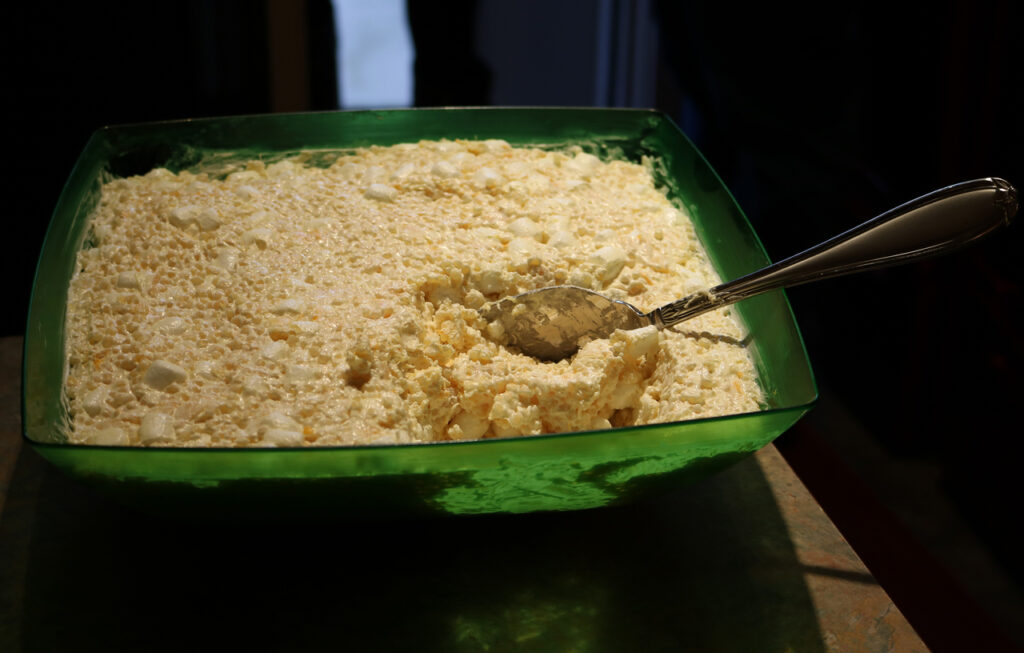
Frog Eye salad is a good example of how clever once meant surprising rather than refined. Made with tiny pasta, fruit, pudding or custard, and whipped topping, it was meant to be playful and filling at the same time. At large gatherings, it functioned almost like a dessert-pasta hybrid that could stretch to feed many people. Today, that same identity works against it. Pasta in sweet applications has become less popular in mainstream American cooking, especially outside of baked desserts. The salad also requires careful timing. Too much refrigeration can make it dense, while too little can raise food safety concerns. In an era when potluck guests often scan labels for allergens or dietary preferences, Frog Eye salad feels unpredictable. It is neither clearly a side nor clearly a dessert, which makes hosts hesitant to put it out.
4. Seven-Layer Salad
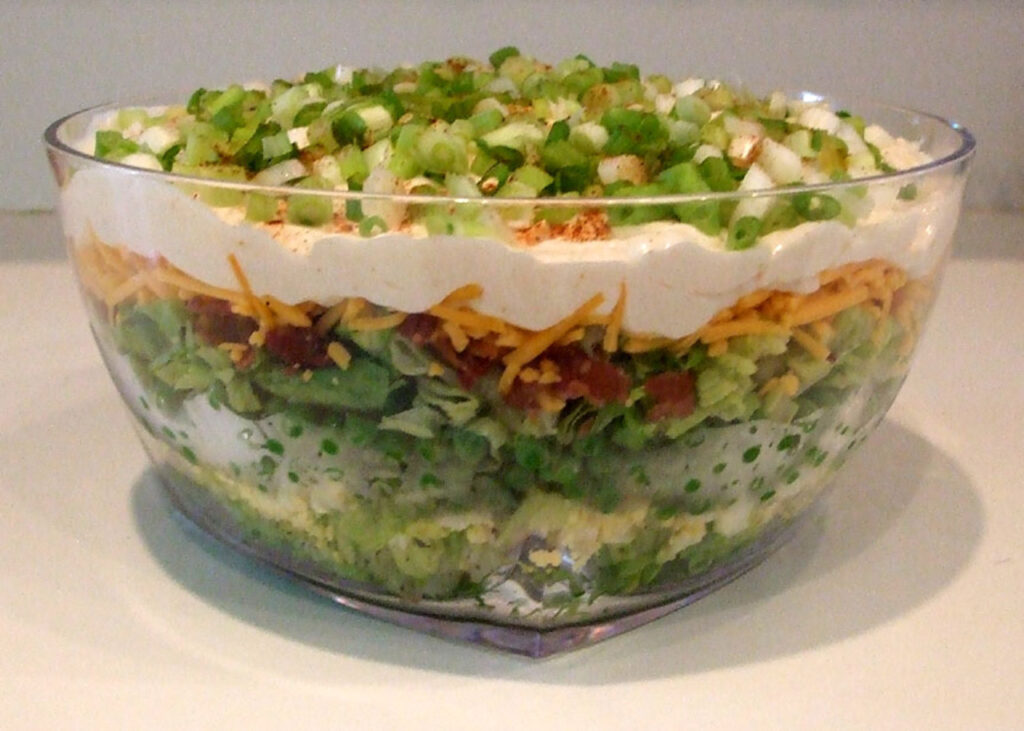
Seven-layer salad looks impressive when assembled in a glass bowl, but appearance alone no longer carries it. This salad relies heavily on mayonnaise or creamy dressings layered between vegetables, cheese, eggs, and bacon. While it once symbolized abundance, modern eaters tend to prefer lighter, better-mixed salads where each bite tastes balanced. The layered structure creates uneven eating. Early scoops are mostly lettuce, while later ones become dense and heavy. Transport is another issue. Any tilt or shake can blur the layers, undermining the whole point of the dish. There is also a freshness problem. Once dressed, the vegetables lose their crispness quickly. With today’s emphasis on texture and clean flavors, seven-layer salad often feels like more effort than reward for both the person bringing it and the people eating it.
5. Snickers Salad
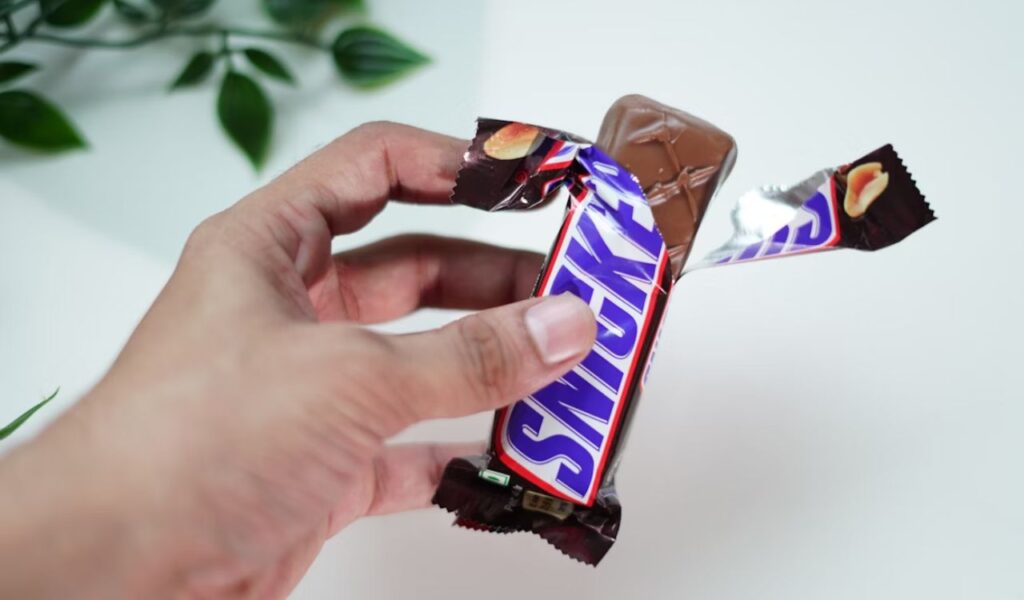
Snickers salad gained popularity because it felt rebellious and indulgent. Mixing chopped candy bars with apples, pudding, and whipped topping turned dessert into a talking point. At potlucks, it was memorable because it crossed a line between snack and joke. Over time, novelty wore off. The sweetness is overwhelming for many people, especially when served alongside other desserts. There is also a shift in perception toward candy-based dishes. As conversations about sugar and processed foods became more common, desserts built around candy bars fell out of favor. Snickers salad also struggles with timing. Apples can brown, whipped topping can deflate, and candy pieces can soften into an unappealing texture. It still appeals to nostalgia, but modern potlucks tend to reward desserts that feel intentional rather than ironic.
6. Cheese Balls
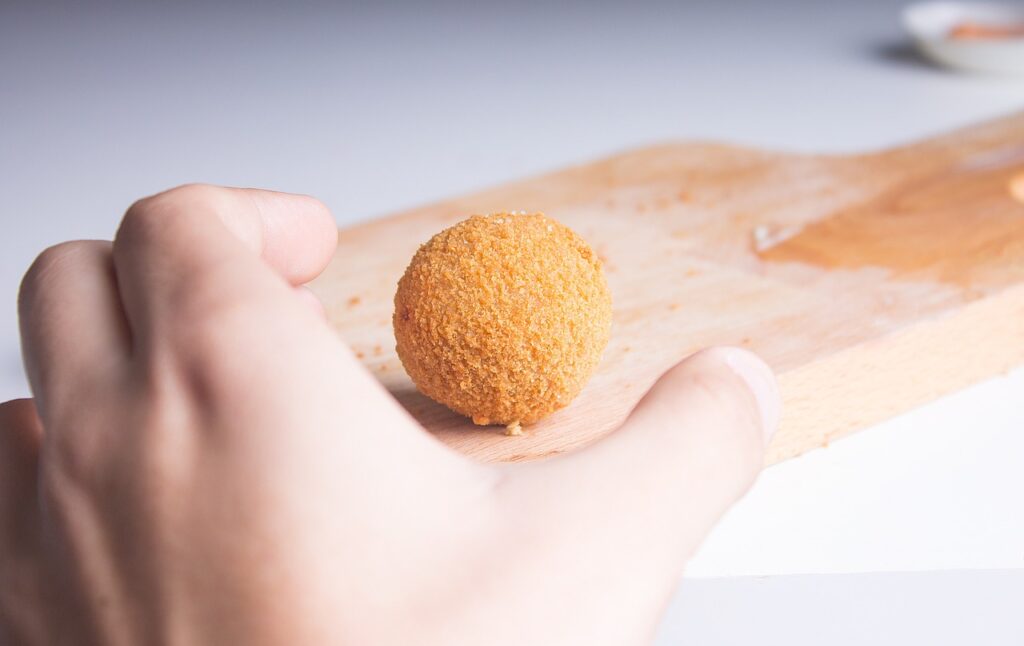
Cheese balls once represented convenience and generosity. A single large cheese ball could feed dozens of guests with minimal effort, especially when paired with crackers. The issue today is not flavor but presentation and practicality. Cheese balls sit out for long periods, raising concerns about temperature and food safety. Texture changes quickly as the exterior dries and the interior softens. Modern gatherings often favor dips that can be refreshed or charcuterie boards that offer variety and visual appeal. Cheese balls also tend to be one-note in flavor. Contemporary hosts lean toward spreads with herbs, heat, or contrasting textures. While cheese itself remains popular, the spherical, nut-coated format feels outdated compared to more flexible and interactive options.
7. Chicken à la King
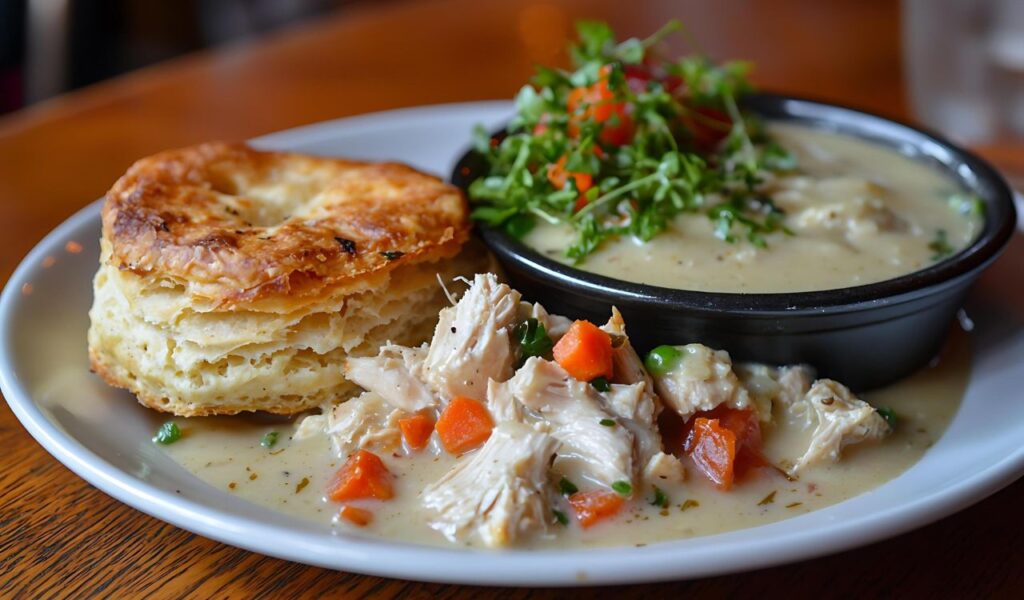
Chicken à la King was once a symbol of comfort and convenience. Creamy sauce, tender chicken, and vegetables served over toast or rice made it filling and familiar. At potlucks, however, it presents problems that modern cooks avoid. The sauce thickens as it cools and can separate when reheated. Transporting it without spills is difficult, and serving requires additional starches, which complicates setup. Taste preferences also shifted. Many people now associate heavy cream sauces with restaurant food rather than shared gatherings. Lighter casseroles or composed dishes travel better and hold their texture longer. Chicken à la King still has fans, but it no longer fits the logistical reality of modern potluck dining.
8. Potatoes au Gratin
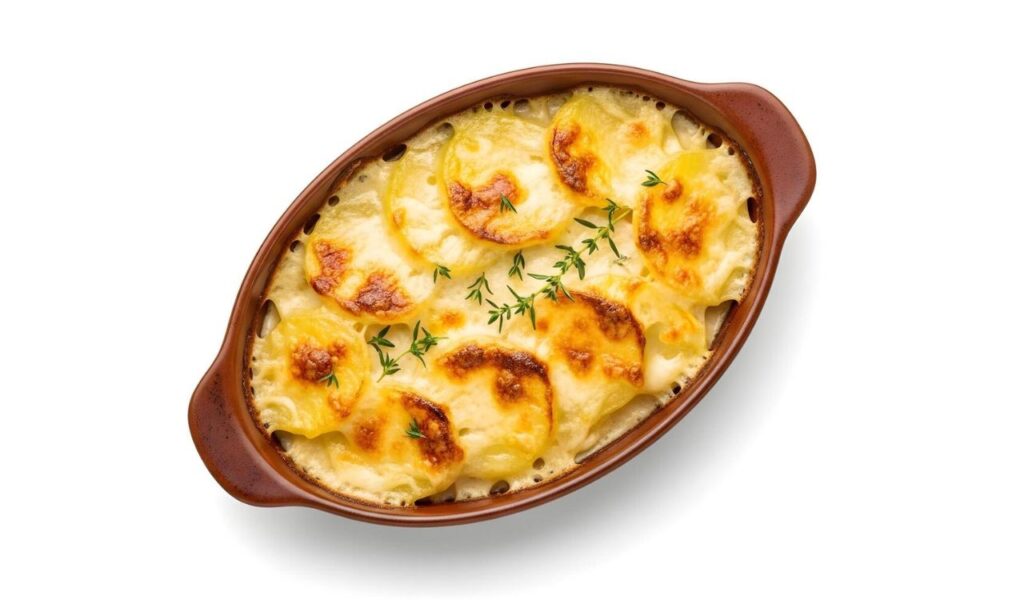
Potatoes au gratin sound timeless, but potluck practicality tells a different story. This dish relies on precise cooking to achieve tender potatoes without curdling the dairy. Once baked, it needs to stay warm to maintain its appeal. Cold gratin becomes dense and greasy, while reheating risks separation. In crowded kitchens or event spaces, maintaining the right temperature is rarely guaranteed. Portioning is another challenge. Gratins are heavy, and guests often prefer smaller servings at potlucks where many dishes compete for attention. Today’s potato dishes tend to be roasted, smashed, or served as salads, all of which handle travel and temperature changes more gracefully.
9. Cocktail Wieners With Grape Jelly Sauce
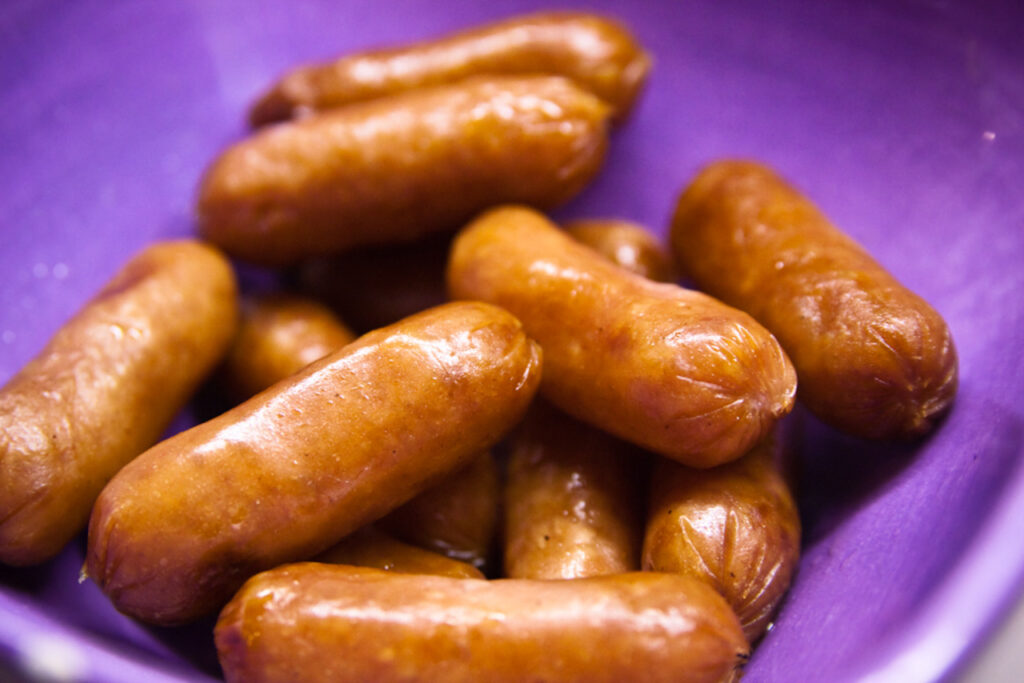
Cocktail wieners with grape jelly and chili sauce once felt like magic. The combination was sweet, savory, and shockingly effective. They were cheap, filling, and easy to keep warm in a slow cooker. Over time, familiarity dulled the surprise. Many guests now see them as predictable rather than comforting. Ingredient expectations also evolved. People look for cleaner sauces and more distinctive flavors. The glossy, sugary coating that once felt indulgent now reads as excessive. While they still appear at casual gatherings, they rarely make it to potlucks, aiming for broader appeal or more modern flavor profiles.
10. Crown Jewel Dessert
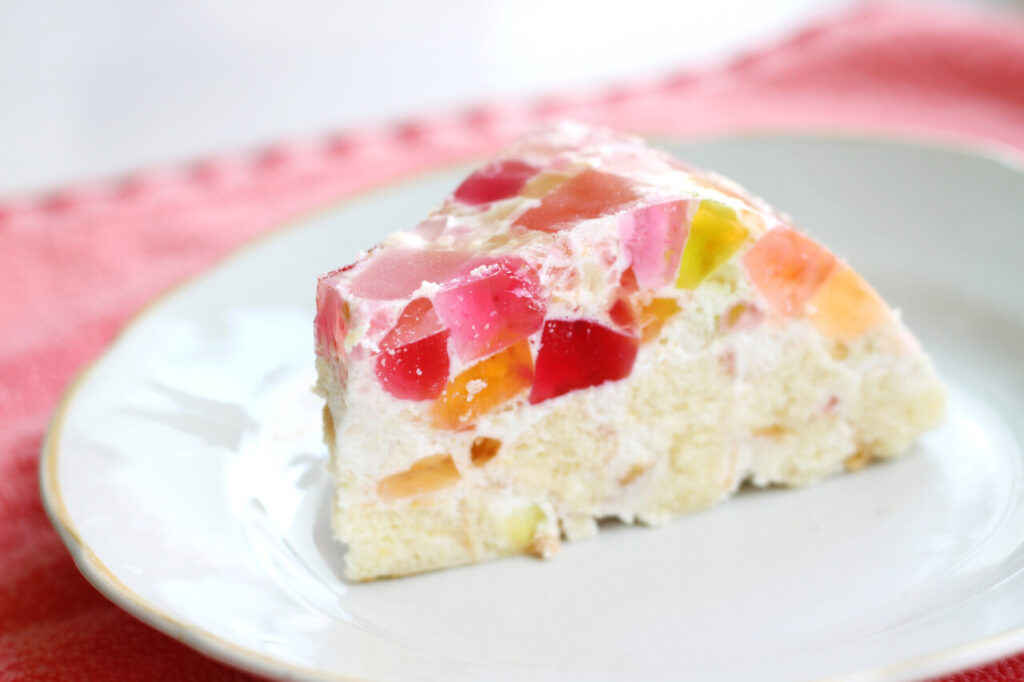
Crown Jewel dessert, also known as broken glass gelatin, was designed to impress visually. Cubes of colorful gelatin suspended in a creamy base created a stained-glass effect that drew attention immediately. Its downfall is not aesthetics but the eating experience. The contrast between firm gelatin cubes and soft cream can feel awkward. Like other gelatin desserts, it depends heavily on artificial colors and flavors, which many people now avoid. It also requires careful assembly and chilling, making it less forgiving than other desserts. In a world where potluck desserts often compete on simplicity and clarity, the Crown Jewel dessert feels more like a display piece than something guests genuinely crave.