8 Frozen Meals Chains Don’t Want You Copying

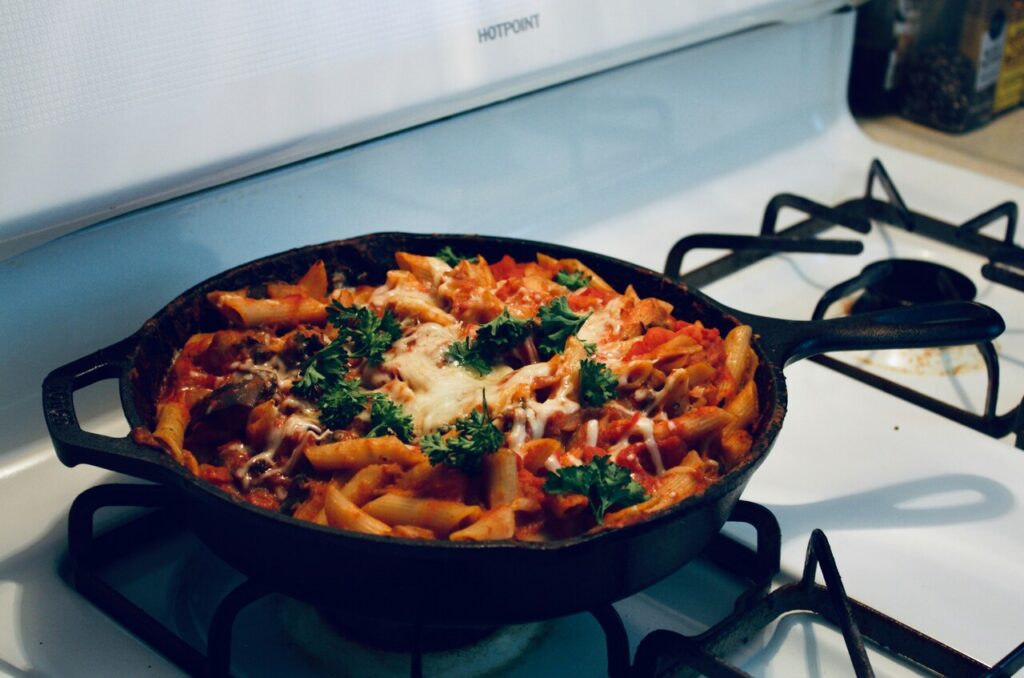
Frozen dinners may look simple, yet the meals filling supermarket freezers rely on food science, moisture control, and precise cooking methods that home kitchens rarely replicate. From pasta dishes to hearty casseroles, brands design recipes to survive freezing and reheating without losing texture or flavor. Attempts to copy them often end with dry meats or watery sauces, revealing how much engineering quietly supports convenience meals that feel effortless once heated at home.
1. Lean Cuisine Entrées
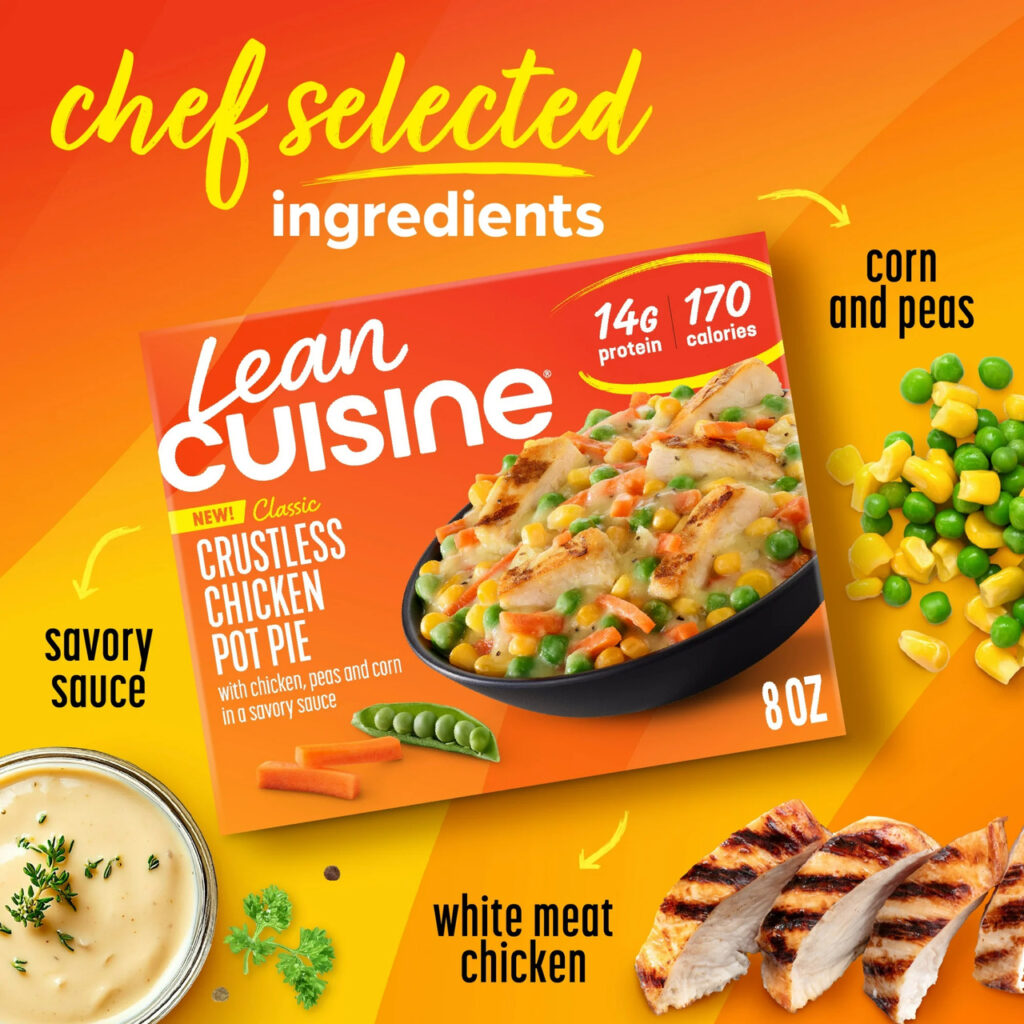
Lean Cuisine carved out a niche by promising calorie-controlled meals that still deliver satisfying flavor and texture, yet replicating them at home is harder than it looks. Precise steam injection, controlled chilling, and formula blending keep proteins palatable even after freezing and reheating.
At home, simple boiled or baked lean proteins often turn dry or underseasoned without careful timing and brining. Lean Cuisine meals use proprietary spice blends and emulsifiers that preserve flavor stability through freezing.
The result feels both healthy and hearty, with sauces and sides that remain cohesive after microwave heating. Brands achieve this through complex formulation and equipment, which is why attempts are made to create copycat versions in ordinary kitchens.
2. Kid Cuisine Kids’ Meals
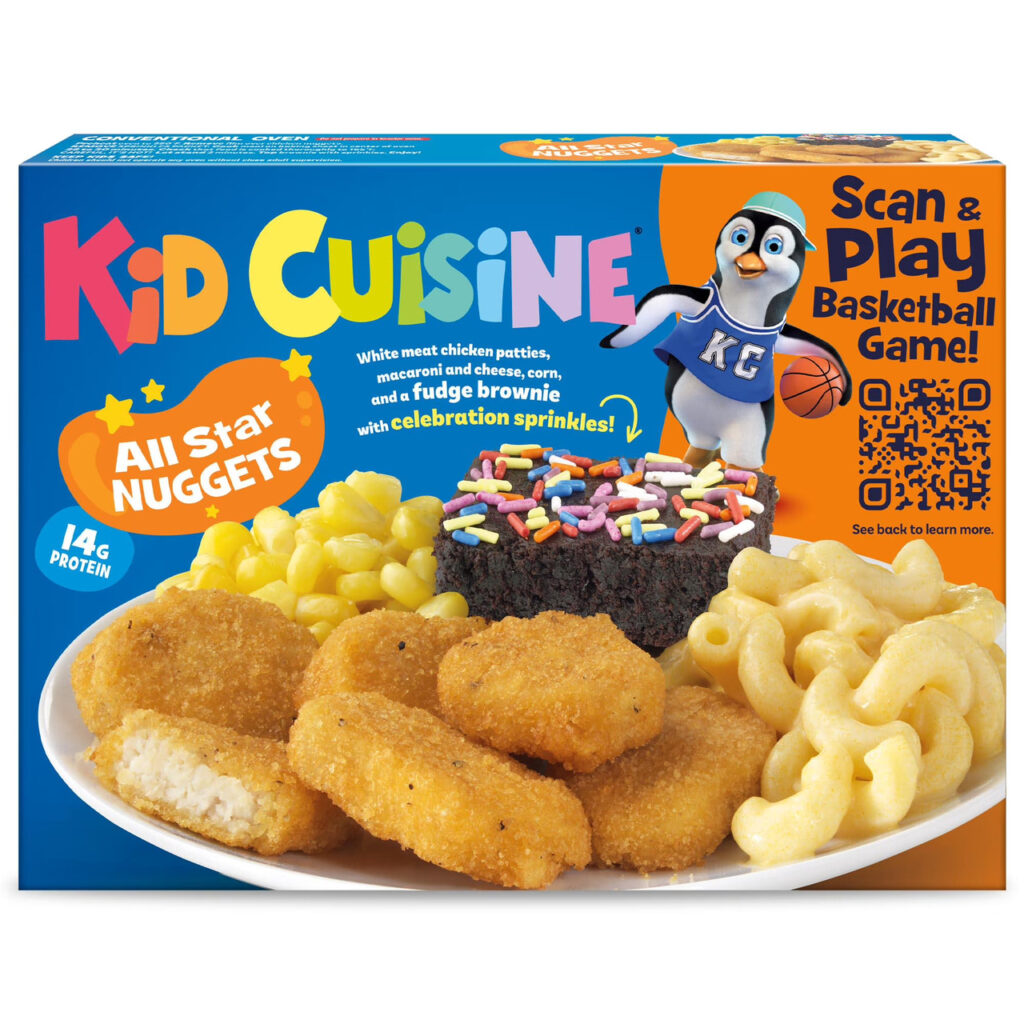
Kid Cuisine meals master the art of kid-friendly textures and colors, pairing simple proteins with playful sides and sauces designed to appeal visually and sensorially. At home, assembling comparable compartmentalized meals may seem easy, yet duplicating that nostalgic appeal is surprisingly difficult.
Freeze-processed foods use stabilizers and texture enhancers that keep different components separate during freezing, preventing soggy mash or limp vegetables.
Portion consistency also matters. Each compartment receives measured amounts of sauce, protein, and starch to deliver predictable flavor in every bite. Home cooks often over-sauce or undercook components, leading to an imbalance that Kid Cuisine’s R&D teams have already optimized.
3. Swanson TV Dinners
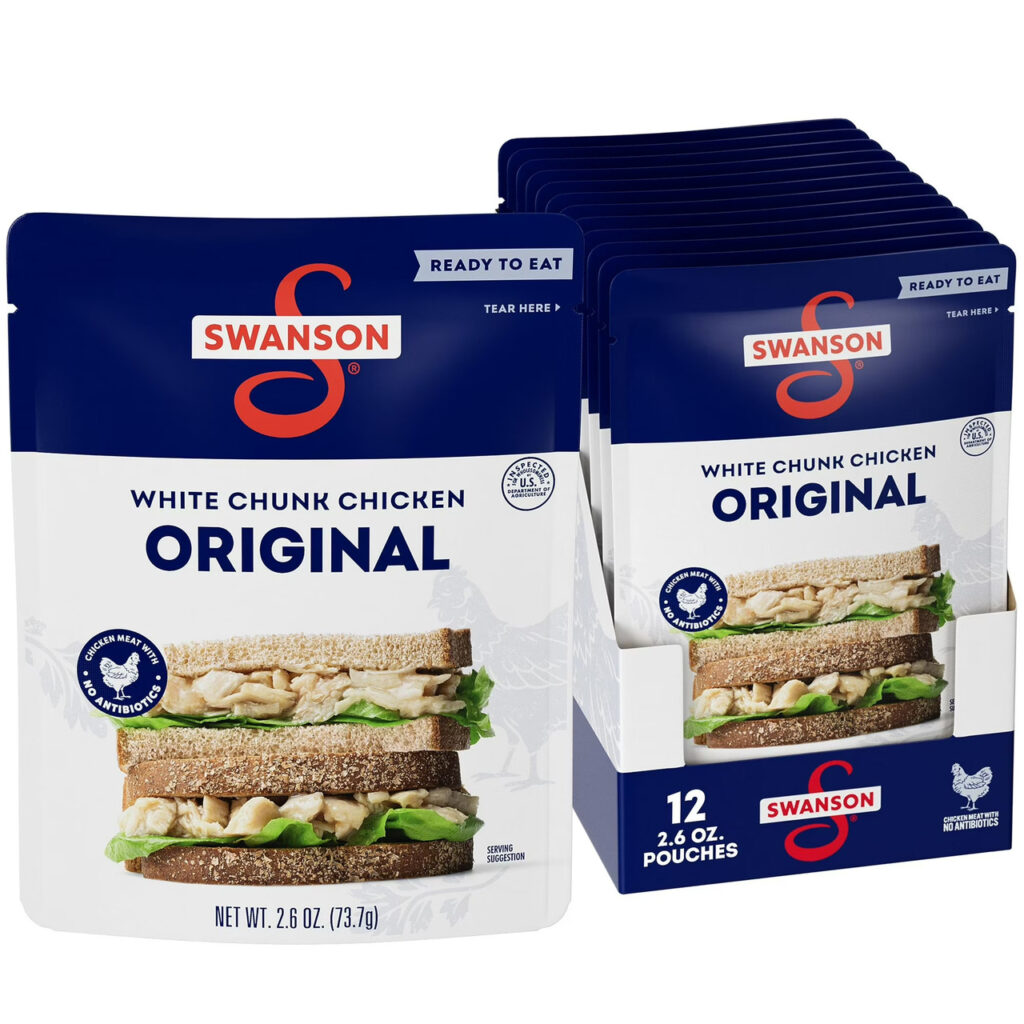
Swanson TV dinners defined frozen meals with neatly arranged proteins and sides, yet copying them at home underestimates the science behind even heating and sauce consistency. Manufacturers use precise steam and blast-freezing techniques that lock in flavor while preserving texture.
Swanson’s process ensures each compartment warms evenly, a function of airflow in industrial freezers and microwave-friendly formulation that home ovens cannot replicate easily.
Sauces and gravies also depend on emulsifiers and thickeners that behave consistently through freezing and reheating. Without these additives, homemade sauces can separate or become grainy when thawed, leaving home versions less satisfying than the original TV dinner experience.
4. Hungry-Man Classics
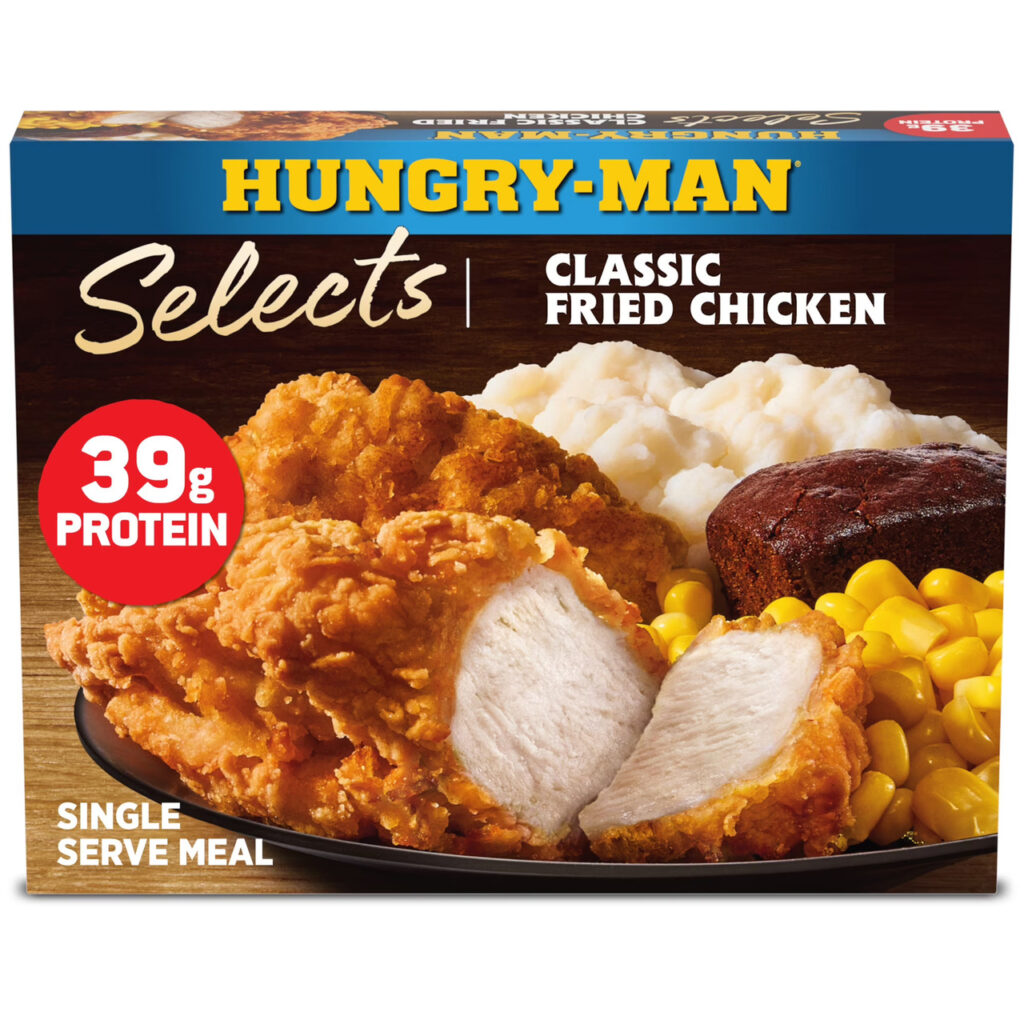
Hungry-Man dinners promise hearty portions and robust flavor, yet home cooks attempting oversized frozen meal copies often struggle with moisture management. Industrial kitchens layer starches, proteins, and gravies in ways that balance fat release and water migration through controlled pre-cooking.
Hungry-Man meals utilize sealed cooking environments during production to trap steam and fold it back into foods, preserving moisture without making dishes greasy.
Seasoning balance is another challenge. Thorough blending at scale ensures bold flavor without overwhelming any one component. At home, adding extra salt or sauce to mimic intensity often tips dishes toward unbalanced saltiness rather than the harmonious profiles found in these frozen classics.
5. Specialty “Fresh Taste” Ready Meals
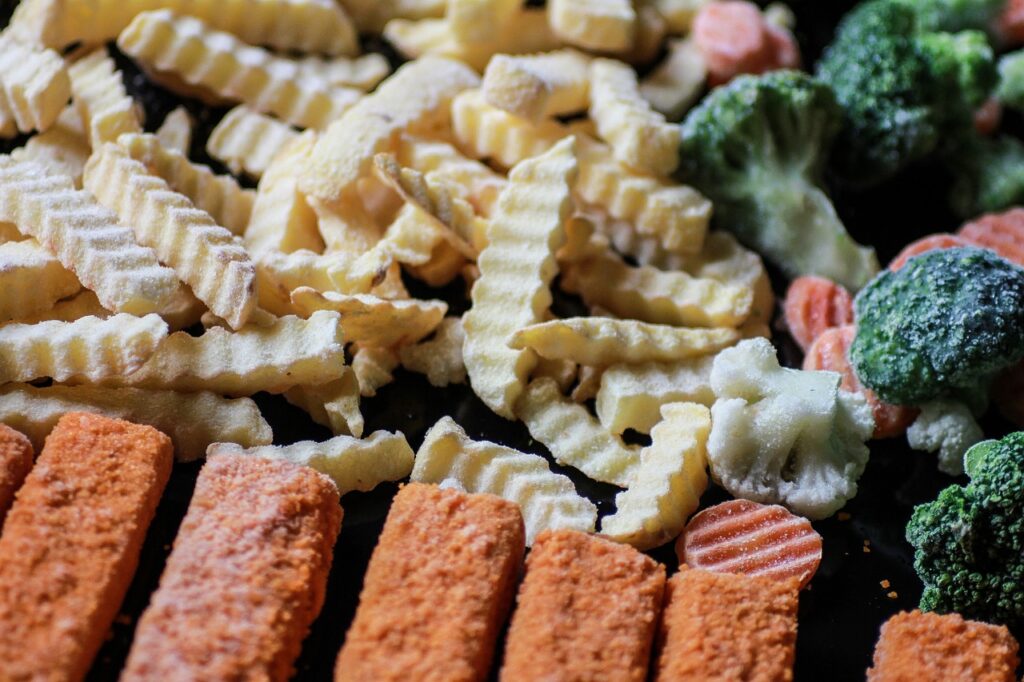
Premium frozen meals marketed around clean labels and fresh taste lean on ingredient science that stabilizes delicate flavors through freezing. Blanching vegetables ahead of freezing stops enzymatic breakdown, preserving color and nutrient perception, while sauces often include natural stabilizers.
Home cooks trying to replicate freshness often blanch and shock produce, but without controlled chilling and rapid freezing, cell walls burst as ice crystals form, leading to mushy textures once reheated.
Flavor balance is meticulously tuned, with acidity and fat calibrated so dishes taste vibrant rather than flat after thawing. Replicating this at home requires careful sequencing and chilling, techniques that go beyond simple sauté and freeze methods most people use.
6. Frozen Pasta Entrees
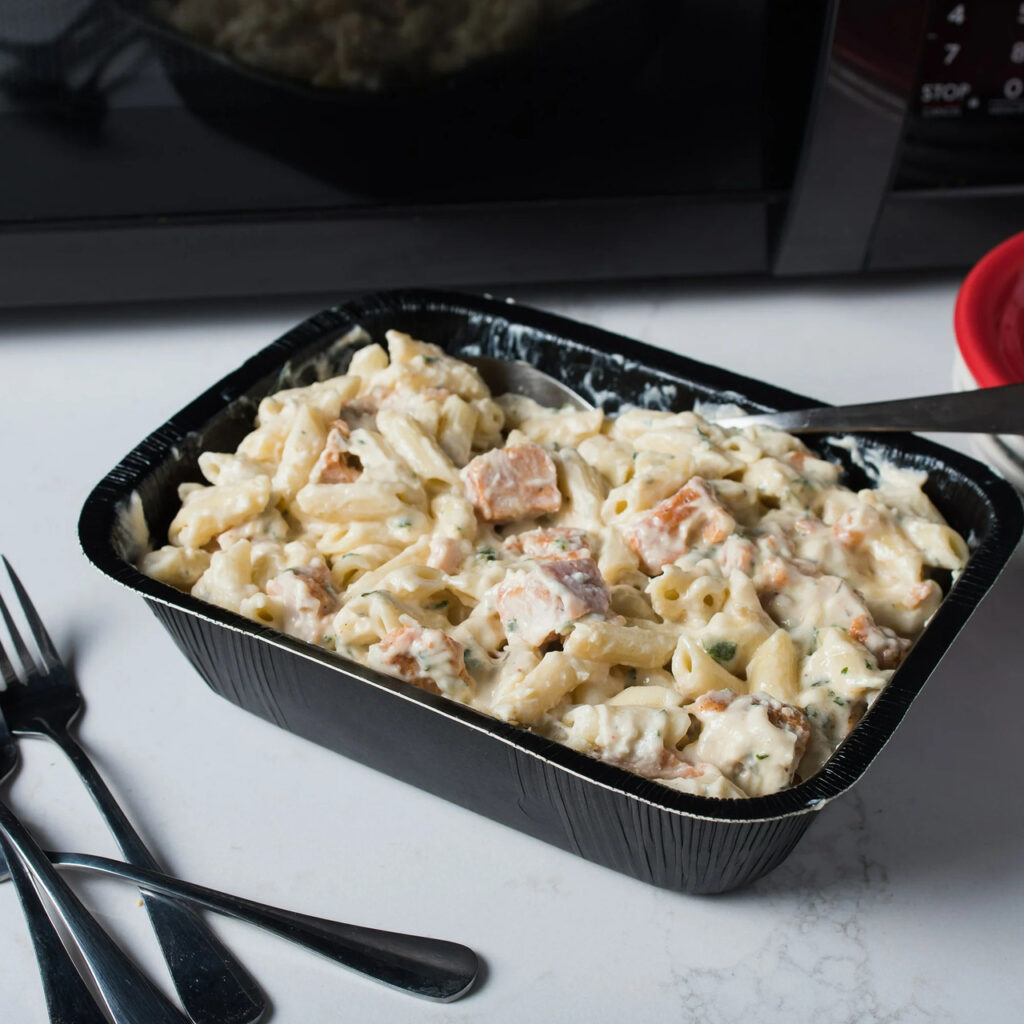
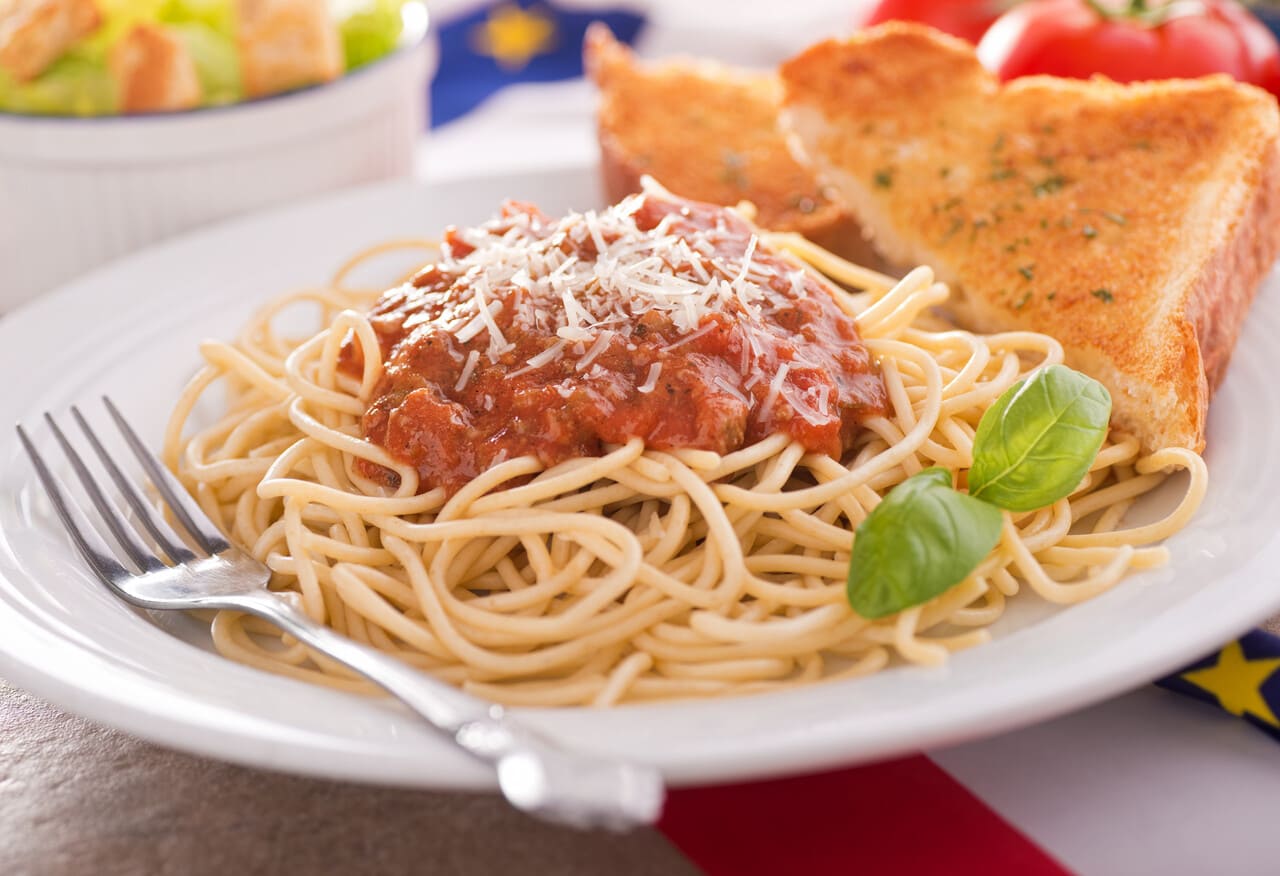
Frozen pasta dishes appeal because they deliver al dente texture and rich sauces even after microwaving, yet at home, pasta keeps softening if not managed precisely. Manufacturers blanch pasta at controlled stages so it retains bite after freezing and reheating, rather than turning mushy like home batches often do.
At home, quickly cooling sauce and pasta before freezing without these aids often results in watery or grainy mixtures once heated.
Balancing starch release and sauce adhesion also depends on industrial timing. Pasta is cooked just under al dente, then shocked to halt cooking, a step that requires both skill and equipment most home kitchens don’t possess, making truly great frozen pasta harder to copy.
7. Frozen Lasagnas and Casseroles
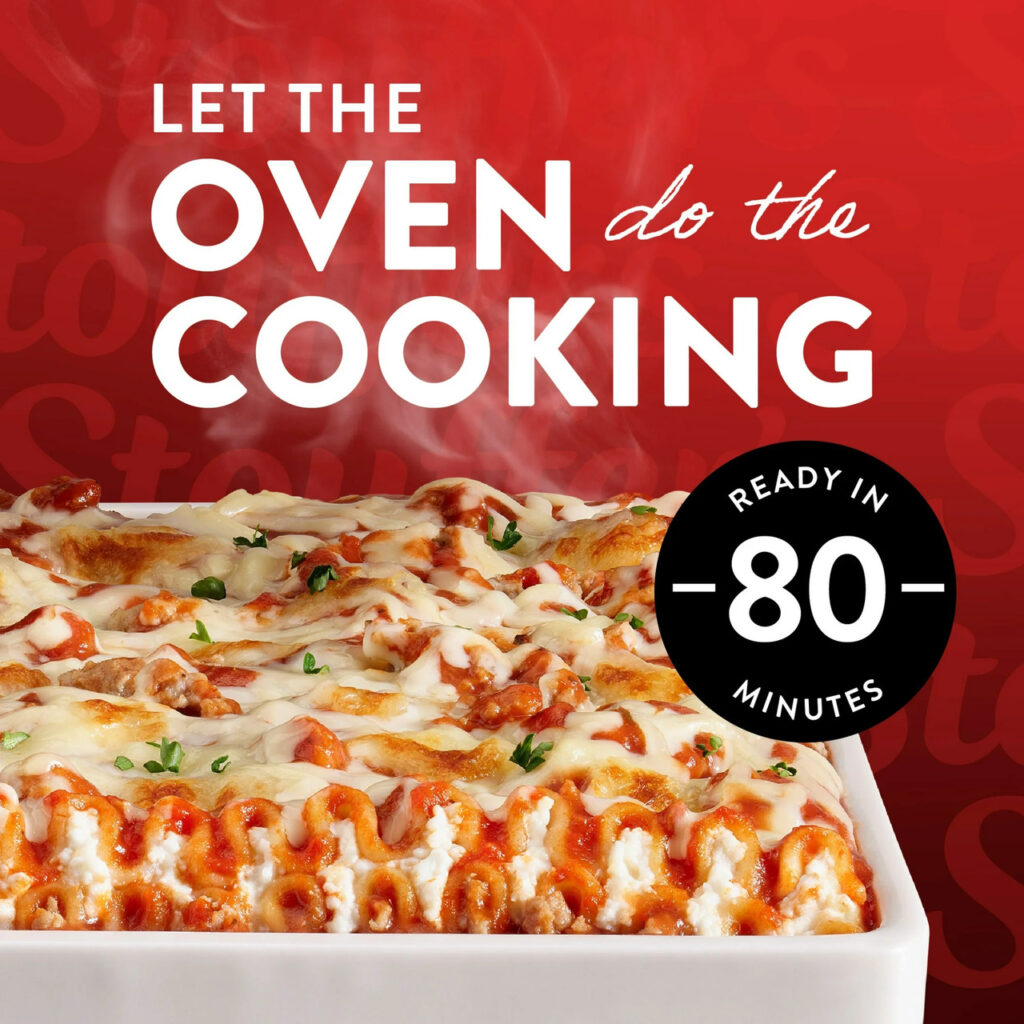
Lasagnas and multi-layered casseroles seem perfect for home replication, yet the industrial approach includes moisture barriers and layering techniques that prevent sogginess. Home versions often suffer from watery sauces or limp noodles when frozen without proper staging.
They also calibrate béchamel and tomato sauces so they thicken and set instead of separating or watering out when reheated in microwaves.
Professional kitchens control ice crystal formation through rapid blast freezing, preserving cellular structure in pasta and vegetables. Without this, home attempts almost always result in texture breakdown that makes the dish feel less cohesive and fresh than its commercial counterpart.
8. Microwaveable Ethnic Inspired Meals
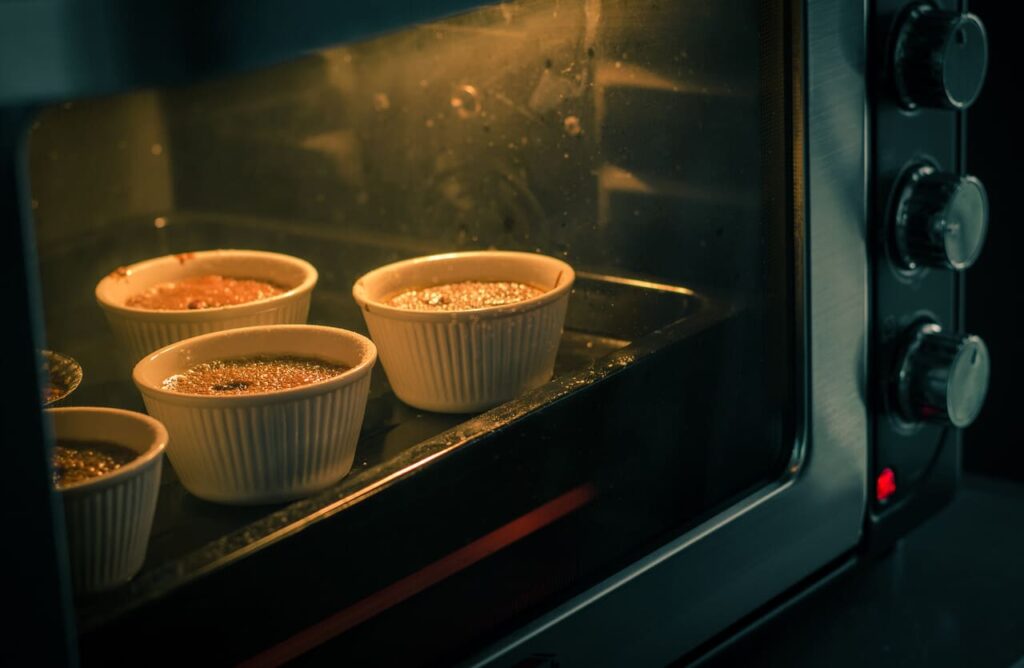
Frozen ethnic meals, from enchiladas to curries and stir-fries, highlight complex spice blends that remain stable through freezing, yet recreating these at home is difficult without specialized spice encapsulation and heat profiling.
Many home cooks toss spices into sauces without considering how freezing dulls heat and aroma. Commercial kitchens adjust seasoning intensity pre-freeze so the final reheated dish hits expected flavor notes without becoming overpowering or weak.
Vegetables in frozen ethnic meals undergo pre-blanching and shock chilling to retain bite without turning mushy. These steps, paired with carefully calibrated sauces, produce meals that eat well even after freezing, a level of control that home kitchens rarely match without trial and error.