Why the Food Halls Replacing Shopping Mall Food Courts Are a Completely Different Business Model

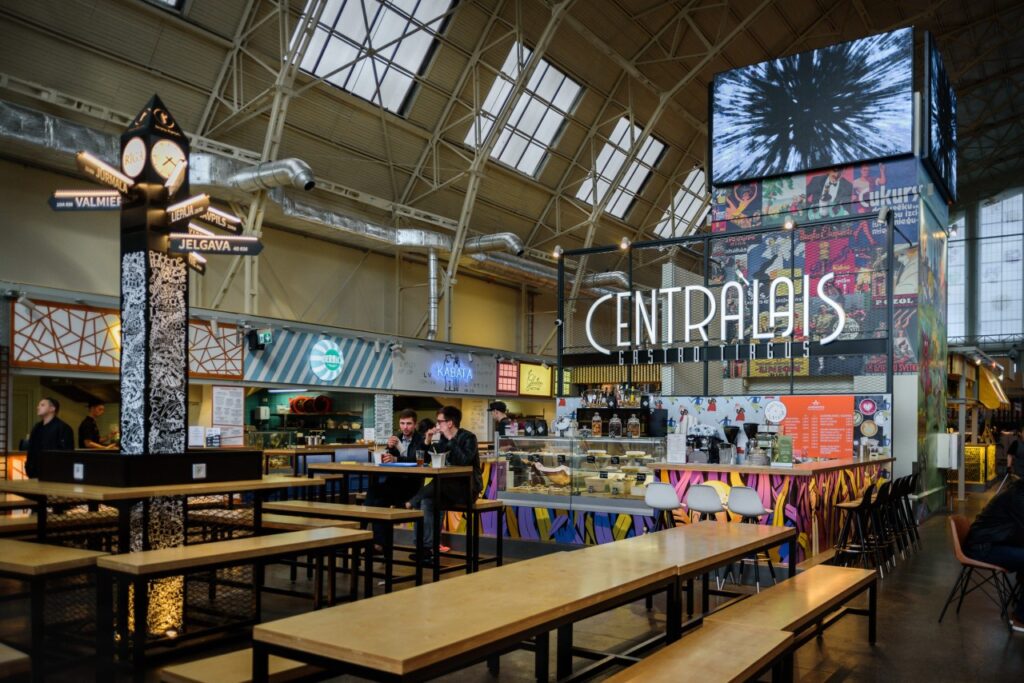
At first glance, they may look like familiar food courts, with rows of vendors, shared seating, and a steady flow of people moving through the space. But the similarity fades the moment you spend a little more time there. The spaces replacing traditional mall food courts are no longer built around quick, predictable meals. Instead, they are designed to capture attention, encourage exploration, and create an environment where people feel comfortable staying longer. Every detail, from layout to vendor selection, is considered to make the experience feel engaging rather than routine. What appears to be a simple upgrade is a rethinking of how these dining spaces function.
Behind this transformation is a business model that places equal importance on experience, variety, and identity rather than relying only on speed and familiarity. Food halls bring together a curated mix of vendors, often featuring independent brands and unique concepts that stand out from standardized offerings. The environment itself is designed to feel intentional, with open seating, visual appeal, and a sense of energy that invites people to gather. This reflects a broader change in how people approach dining, where the setting matters as much as the food. What was once a mall space has evolved into a destination built around discovery and interaction.
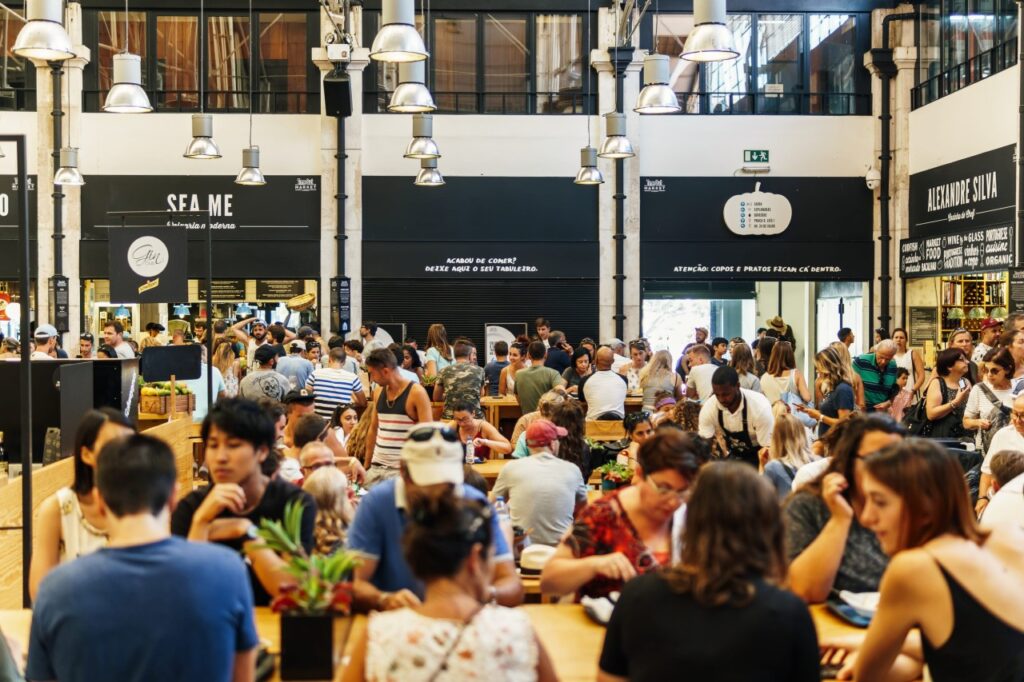
What once functioned as a quick and predictable stop for meals has gradually evolved into a space designed with intention and experience at its core. Food halls are not simply modernized versions of food courts, but a reimagining of shared dining environments. Instead of relying on uniform chains and repetitive menus, these spaces bring together a curated selection of vendors, often highlighting local chefs, independent brands, and specialized cuisines. This approach shifts the focus away from convenience alone and toward a blend of quality, variety, and atmosphere. As a result, people are no longer just stopping to eat but choosing to stay, explore, and engage with the space.
This transformation is driven by a clear emphasis on differentiation and thoughtful design. Each vendor is chosen to offer something unique, reducing overlap and encouraging visitors to try something new with each visit. Seating arrangements are open and flexible, often designed to support both casual dining and social interaction. Many food halls also incorporate elements like events, music, or cultural features that enhance the overall experience. The environment feels intentional rather than functional, turning what was once a simple service area into a destination. In this setting, food becomes part of a broader experience that is both inviting and memorable.
Why the Old Model No Longer Works
Traditional mall food courts were built around a simple idea, serve food quickly to shoppers who needed a convenient break. For a long time, this model worked because it matched how people used malls, moving from store to store with limited time to sit down. The menus were predictable, the brands familiar, and the focus was on efficiency rather than experience. But as consumer expectations began to change, this approach started to feel outdated. People became more interested in variety, freshness, and authenticity, which made standardized offerings seem repetitive. Declining foot traffic in many malls reduced the steady flow of customers that food courts once depended on.
As dining habits evolved, people began seeking out food experiences that felt more intentional and engaging, even if it meant traveling beyond traditional retail spaces. Restaurants and street food concepts outside malls started offering unique menus, local flavors, and a stronger sense of identity, raising the bar for what customers expected. In comparison, food courts struggled to adapt quickly due to reliance on large chains and fixed formats. This made them less competitive, especially among younger audiences who value discovery and individuality. Over time, these limitations made it clear that the old model could no longer meet modern expectations.
The Shift Toward Experience-Driven Spaces
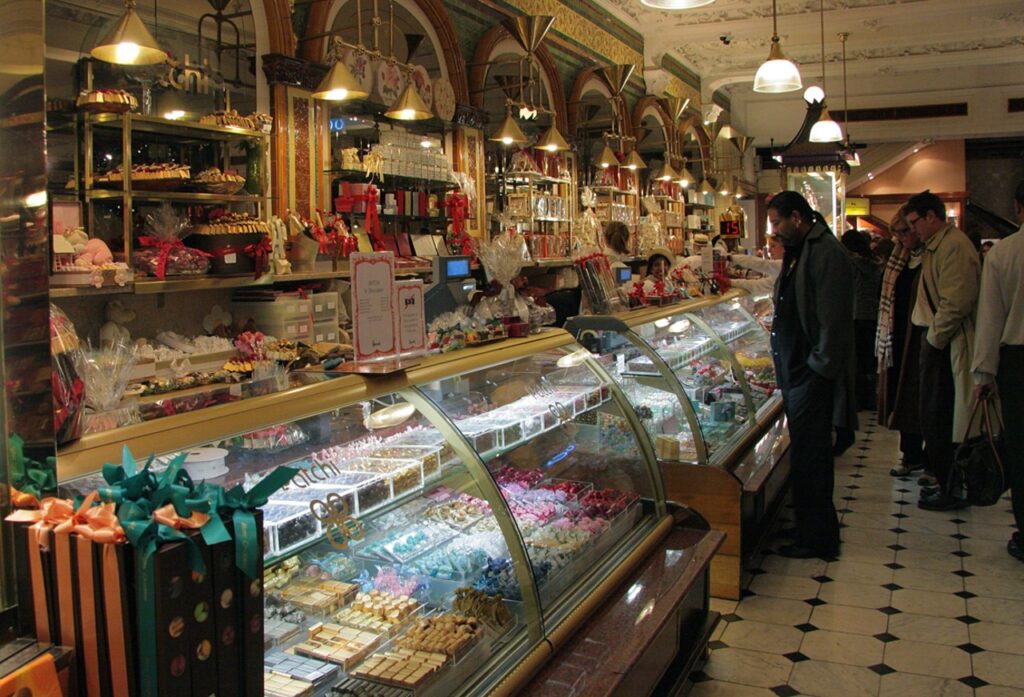
Modern food halls are built on the idea that dining is no longer just about eating, but about the overall experience that surrounds it. Every element, from layout to lighting, is carefully planned to create a space that feels inviting and visually engaging. Open kitchens allow visitors to see food being prepared, adding a sense of transparency and energy to the environment. Communal seating encourages people to gather, interact, and share the space rather than move through it quickly. Vendor stalls are arranged thoughtfully to guide movement and spark curiosity, turning a simple meal into an experience that feels social, immersive, and intentionally designed.
This shift reflects broader lifestyle changes where people seek more than convenience from their dining choices. Meals are increasingly seen as opportunities to relax, connect with others, and spend meaningful time in a comfortable setting. To support this, many food halls introduce elements such as live events, music, or rotating vendors that keep the space fresh and engaging. These features create a sense of variety and anticipation, encouraging repeat visits. By focusing on atmosphere and interaction, food halls draw in a diverse audience, including those who may not be there for shopping but are instead looking for a place to unwind and enjoy the experience.
What It Means for Future Retail
The role of retail spaces is undergoing a noticeable transformation, with food halls becoming a central part of that change. As traditional shopping patterns shift and foot traffic becomes less predictable, malls and commercial properties are rethinking how they attract and retain visitors. Dining has emerged as a strong solution, offering a reason for people to visit that goes beyond purchasing goods. Food halls provide a dynamic and adaptable format, where multiple vendors can operate within a shared space while keeping the overall experience fresh. This flexibility allows landlords to update offerings regularly, ensuring the space remains relevant and appealing over time.
At the same time, this model creates meaningful opportunities for smaller food businesses that may not have the resources to run full-scale restaurants. By sharing infrastructure such as seating, utilities, and foot traffic, vendors can focus more on their food and concept rather than operational costs. This lowers the barrier to entry and encourages experimentation, allowing new ideas to take shape in a supportive environment. For retail spaces, this marks a shift away from purely transactional layouts toward mixed-use destinations that combine shopping, dining, and social interaction into a more engaging and sustainable experience.
The Direction Food Halls Are Taking
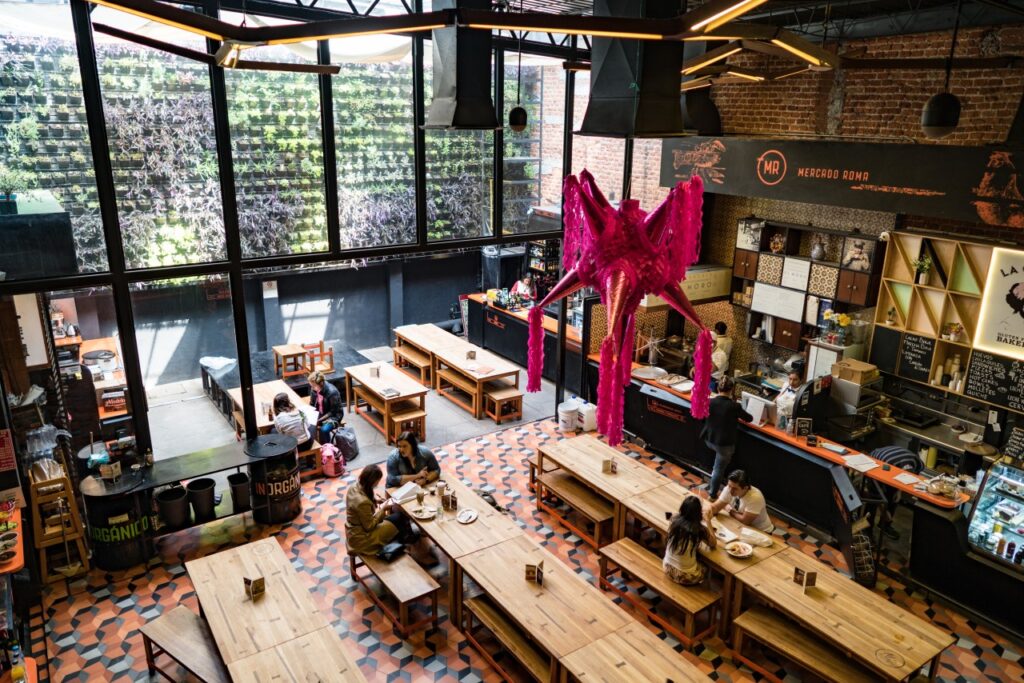
The future of food halls is being shaped by a steady shift toward adaptability, sustainability, and closer alignment with changing consumer preferences. As people become more conscious about what they eat and where it comes from, many food halls are beginning to prioritize local sourcing and seasonal ingredients. This not only supports regional producers but also keeps menus fresh and relevant throughout the year. Flexibility is also becoming a key feature, with vendors rotating in and out or experimenting with limited-time concepts. This allows spaces to evolve continuously, giving visitors a reason to return while ensuring the overall experience does not become repetitive or predictable.
Technology is also expected to play a more prominent role in how food halls operate and grow. Digital ordering systems, smart payment options, and data-driven insights can help vendors understand customer preferences and adjust their offerings more effectively. At the same time, maintaining a balance between innovation and consistency will be essential as competition increases. Visitors may seek new and exciting options, but they also expect a certain level of quality and reliability. Food halls that manage to offer both will stand out, reinforcing their position as long-term dining destinations rather than short-lived trends.