The Reason Your Farmers Market Strawberries Taste Better Has Nothing to Do With Being Local

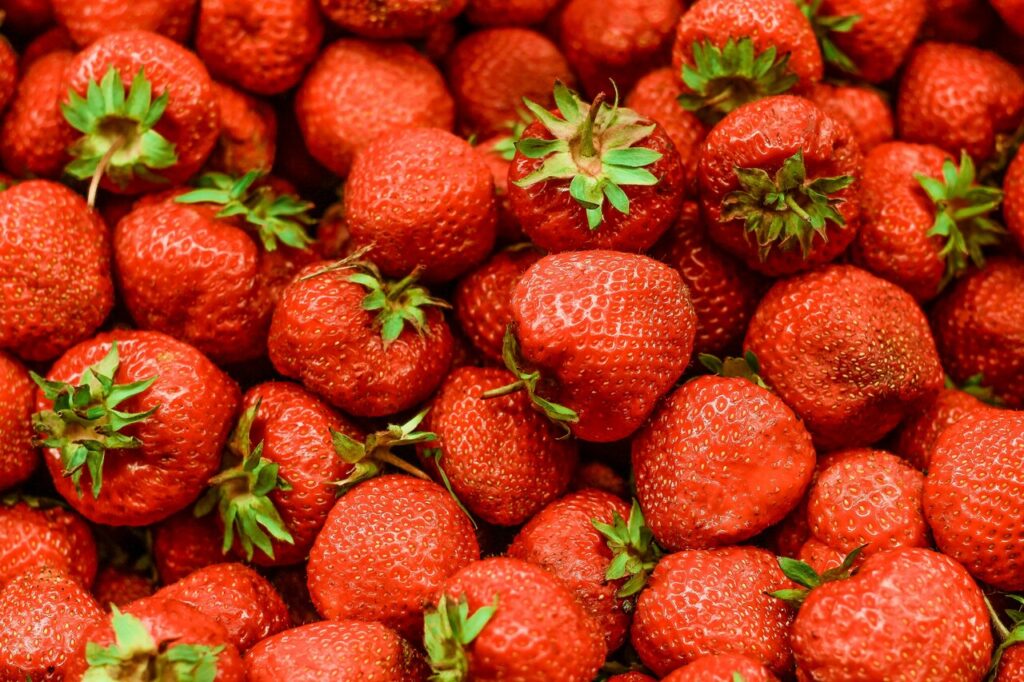
The idea that strawberries from a farmers market taste better simply because they are local is widely accepted, yet the real explanation lies in factors that are often overlooked, such as how ripe the fruit is when picked, how long it takes to reach the consumer, and the conditions under which it was grown, because strawberries do not continue to ripen after harvest and lose flavor quickly once picked, which means the difference in taste is shaped more by timing, handling, and environmental conditions than by distance, making locality more of a convenient signal than a true cause of better flavor.
The Illusion of Local Superiority
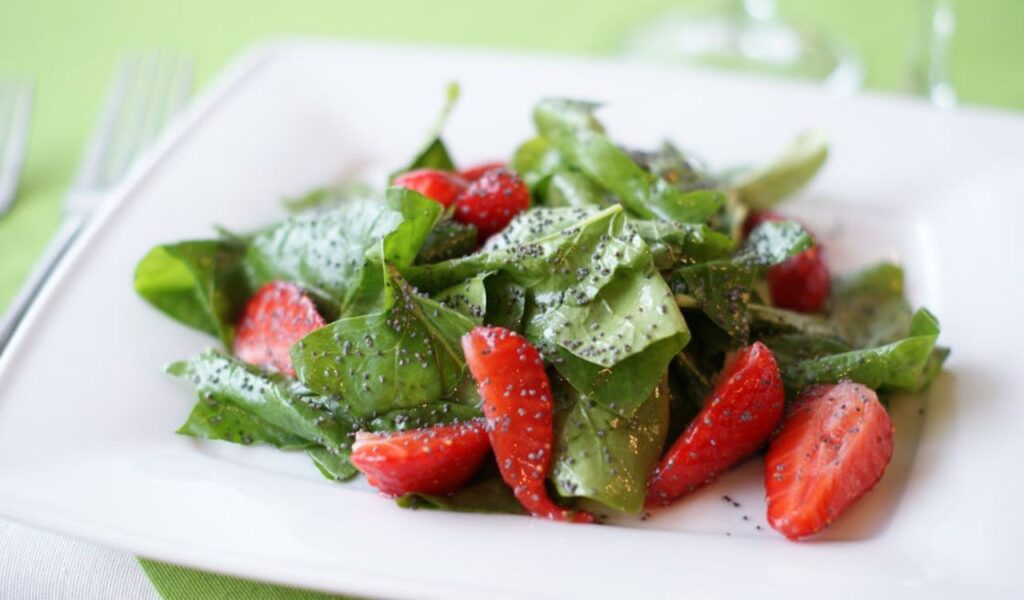
The belief that local strawberries taste better often begins in the mind before it reaches the tongue, because consumers tend to associate farmers’ markets with freshness, care, and authenticity, which creates a powerful expectation that the fruit will taste superior. This expectation shapes perception in subtle ways, making the same strawberry seem sweeter or more flavorful simply because of where it was purchased rather than how it was grown or harvested. This mental framing can influence sensory evaluation even before the first bite is taken. People often approach local produce with a sense of anticipation that primes their taste response.
Psychological bias plays a significant role in food experience, as people naturally connect local produce with ideas of purity, sustainability, and traditional farming practices, which makes the eating experience feel more meaningful. This emotional connection can heighten sensory perception, leading to stronger impressions of taste even when measurable differences are minimal. Consumers also tend to trust smaller producers more than large commercial systems. This trust translates into a belief that the product must be of better quality. The act of purchasing directly from a grower adds a layer of authenticity that enhances perceived value.
Marketing narratives further reinforce this idea by promoting local food as inherently better, often overlooking the actual scientific drivers of flavor, such as ripeness and chemical composition. The result is a widely accepted assumption that locality itself improves taste, when in reality it is often just a proxy for other factors that genuinely influence quality. Branding and storytelling around local food create a strong emotional appeal. Labels and signage often emphasize freshness without explaining the underlying reasons. Over time, these repeated messages solidify into widely held beliefs about taste.
Ripeness Determines Flavor
A strawberry’s flavor is largely decided before it is even picked, because unlike many fruits, strawberries do not continue to ripen once harvested, meaning their sugar content and aroma compounds are fixed at the moment they leave the plant. This makes the timing of harvest one of the most critical factors in determining how good the fruit will taste. The plant supplies sugars and flavor compounds only while the fruit remains attached. Once picked, the development process effectively stops. This creates a narrow window where optimal taste can be achieved. Missing this window results in noticeable differences in flavor quality.
Commercial strawberries are often picked early while they are still firm and partially unripe to withstand long-distance transport, but this comes at a cost to flavor since the fruit has not fully developed its natural sugars and aromatic compounds. As a result, these strawberries may look ripe due to their color but lack the depth of sweetness and fragrance associated with fully matured fruit. Color development can occur before full flavor maturity is reached. This creates a misleading visual cue for consumers. The firmness required for transport limits how long the fruit can remain on the plant.
In contrast, strawberries sold at local markets are more likely to be harvested closer to peak ripeness, allowing the fruit to accumulate higher sugar levels and a richer profile of flavor compounds. This difference in harvest timing explains much of the perceived taste advantage, making ripeness a far more important factor than geographic proximity. Farmers supplying local markets can afford to wait longer before picking. This allows the fruit to reach its full flavor potential. The shorter supply chain reduces the need for early harvesting. As a result, consumers receive strawberries that are closer to their natural state.
The Science of Sweetness
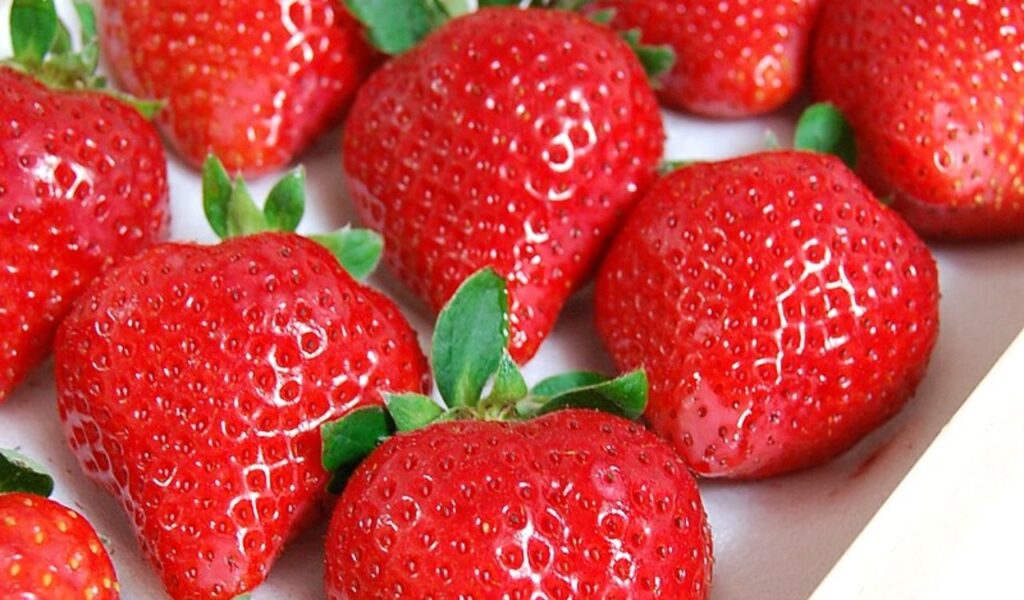
The sweetness of a strawberry is not just about sugar content but about how sugars interact with acids and aromatic compounds to create a balanced flavor profile that feels rich and satisfying. The ratio between sugars like glucose, fructose, and sucrose and organic acids such as citric and malic acid plays a central role in how the fruit is perceived. A well-balanced strawberry delivers both sweetness and slight tanginess. This balance prevents the taste from feeling flat or overly sharp. The interplay between these elements creates depth in flavor. Even small changes in this ratio can alter the overall experience.
Beyond basic taste, aroma compounds significantly influence perceived sweetness, as certain volatile molecules can enhance the sensation of sweetness even when sugar levels remain unchanged. These compounds develop primarily during the final stages of ripening and contribute to the complex, layered flavor that people associate with high-quality strawberries. Aroma travels through both taste and smell pathways. This makes it a powerful contributor to flavor perception. A strawberry with a strong aroma can feel sweeter than one with higher sugar content but a weaker scent. This highlights the importance of full ripening in flavor development.
Scientific studies show that consumer preference is strongly tied to both sweetness intensity and overall flavor complexity, which depend on the presence of specific volatile compounds and sufficient sugar accumulation. This explains why strawberries that are allowed to fully ripen tend to taste significantly better, as they achieve the optimal balance of chemical components. Flavor complexity is often what distinguishes exceptional fruit from average produce. Consumers may not identify individual compounds but can sense the difference. The presence of diverse flavor notes enhances satisfaction.
Seasonal Conditions Shape Quality
Strawberries are highly sensitive to their growing environment, and factors such as temperature, sunlight, and soil conditions directly influence how much sugar and flavor compounds develop in the fruit. Warmer days combined with adequate sunlight allow the plant to produce and store more sugars, resulting in sweeter and more aromatic strawberries. Light exposure drives photosynthesis and sugar production. Temperature affects how efficiently these sugars are formed. Soil quality also contributes nutrients essential for development. Even slight variations in climate can lead to noticeable differences in sweetness and aroma.
Seasonality also determines how efficiently the fruit matures, as strawberries grown during their natural peak season tend to develop better texture, color, and internal chemistry compared to those produced out of season. Environmental conditions during the growing period can either enhance or limit the fruit’s ability to reach its full flavor potential. Off-season production often relies on controlled environments. These conditions may prioritize yield over flavor development. Natural seasonal cycles allow for more balanced growth. Peak season fruit consistently delivers a more complete and satisfying taste profile.
Research highlights that variables like irrigation, fertilization, and cultivar choice further affect taste quality, showing that flavor is shaped by a combination of environmental and genetic factors rather than location alone. This makes seasonality a key driver of taste, often overshadowing the simple idea of local versus non-local produce. Water availability influences fruit size and sweetness. Fertilization impacts nutrient balance within the plant. Different cultivars respond differently to environmental conditions. This combination of influences explains why even nearby farms can produce very different-tasting strawberries.
Freshness Versus Locality
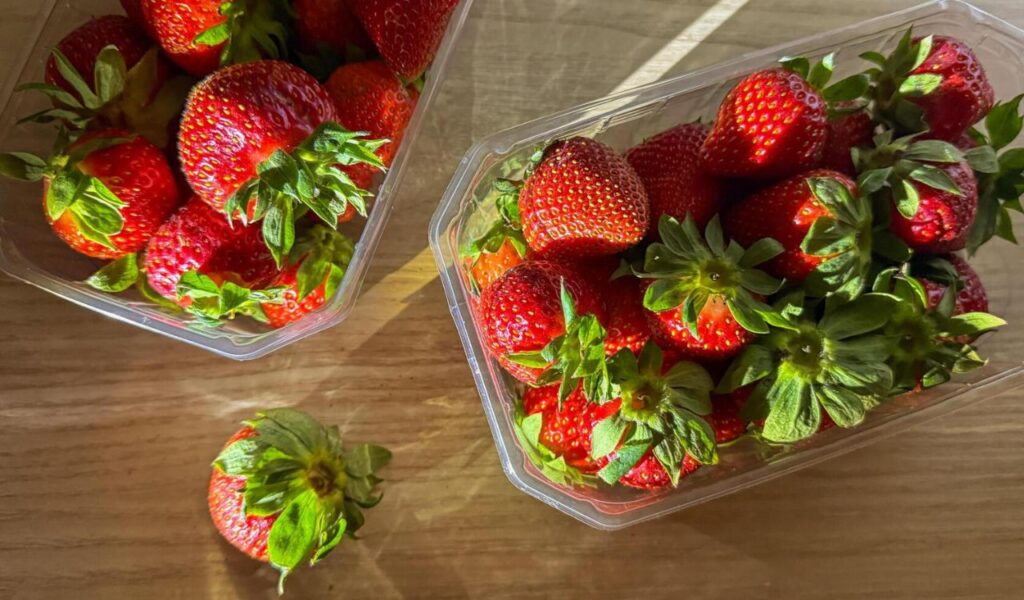
Freshness is often mistaken for locality, but the two are not always the same, as what truly matters is the time elapsed between harvest and consumption rather than the distance traveled. A strawberry picked yesterday and transported efficiently can taste better than one picked several days earlier and sold locally. Time directly affects flavor retention. Even a short delay can lead to noticeable changes. Efficient logistics can preserve freshness despite distance. This challenges the assumption that local always means better. The speed of distribution plays a crucial role in maintaining quality.
Once harvested, strawberries begin to lose moisture, firmness, and aromatic compounds, which gradually reduces their flavor intensity and overall appeal. The delicate structure of the fruit makes it particularly vulnerable to degradation during storage, especially if it is exposed to fluctuating temperatures or extended handling. Moisture loss leads to a softer texture. Temperature changes can accelerate spoilage. Handling increases the risk of bruising. These factors collectively reduce quality over time. The longer the storage period, the more pronounced these changes become.
This means that the real advantage of farmers’ market strawberries often lies in reduced time since harvest rather than their local origin. When consumers experience better flavor, they are often tasting freshness at its peak rather than locality itself, even though the two are commonly linked in perception. Faster turnaround from farm to table preserves key flavor compounds. Shorter storage periods maintain texture and aroma. Consumers benefit from minimal handling and processing. This reinforces the importance of freshness over distance. Immediate consumption further enhances the overall taste experience.
Breeding and Commercial Trade-Offs
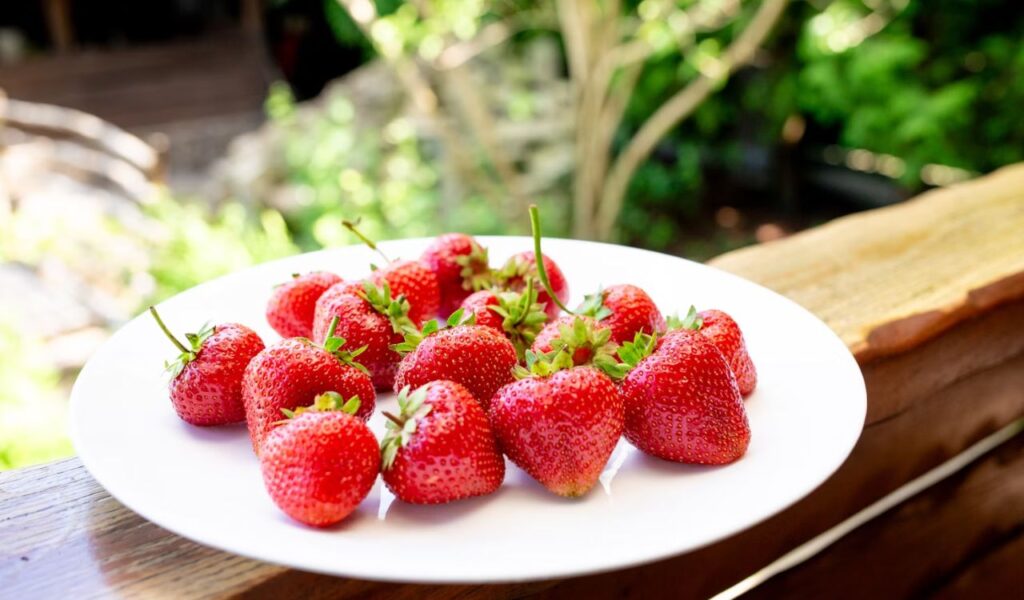
Modern strawberry varieties are often bred with priorities that do not always align with flavor, as commercial growers need fruits that can withstand transport, resist disease, and maintain a visually appealing appearance on store shelves. These priorities can lead to compromises in sugar content and aromatic complexity. Durability is essential for large-scale distribution. Disease resistance reduces crop loss. Visual appeal influences consumer choice at the point of sale. These factors often take precedence over taste. This shift in priorities has gradually changed consumer expectations of flavor.
Breeding programs frequently focus on yield, size, and firmness, which are essential for large-scale distribution but can dilute the characteristics that make strawberries taste exceptional. While these traits improve efficiency and reduce losses, they can result in fruit that lacks the depth and intensity of naturally ripened varieties. Larger fruits may have diluted flavor concentration. Firmer textures can reduce juiciness. High-yield varieties may prioritize quantity over quality. These trade-offs impact overall taste. Over time, this has led to a noticeable gap between commercial and peak flavor strawberries.
Scientific research shows that factors such as cultivar selection significantly influence taste, as different genetic profiles produce varying levels of sugars, acids, and volatile compounds. This explains why some strawberries taste better than others regardless of where they are grown, highlighting the importance of genetics alongside cultivation practices. Certain cultivars are known for superior flavor profiles. Others are optimized for storage and transport. Genetic diversity plays a key role in taste variation. This makes cultivar selection a critical decision for growers focused on flavor.
What Actually Makes Strawberries Taste Better
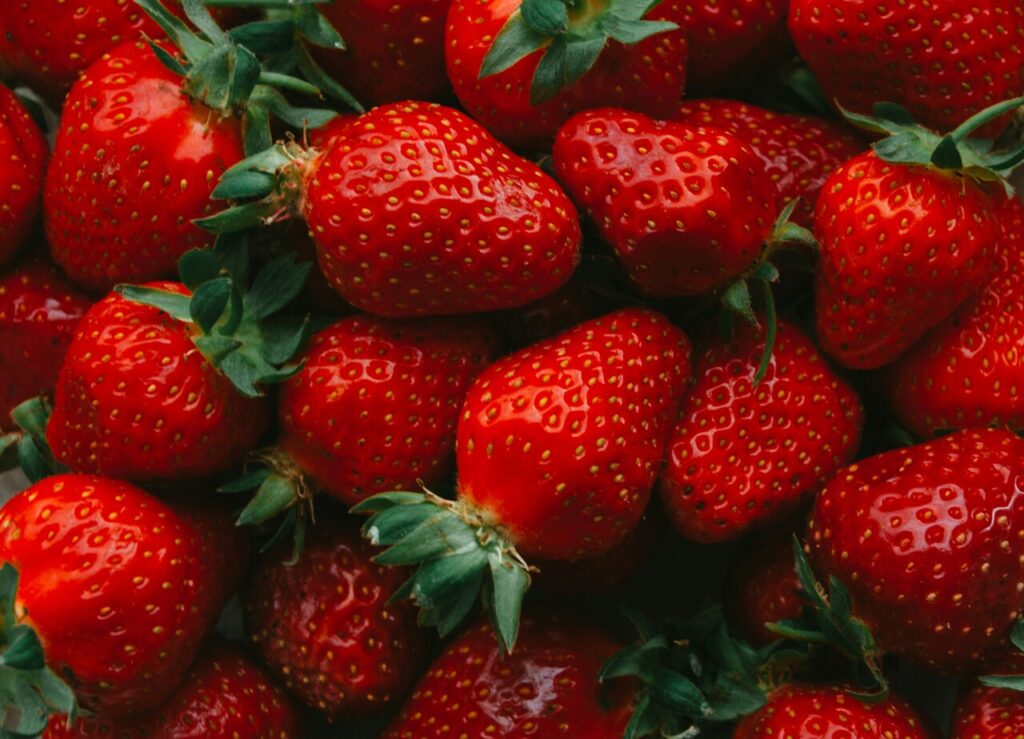
When all factors are considered together, the true drivers of strawberry flavor become clear, as ripeness, chemical composition, freshness, and growing conditions collectively determine how the fruit will taste. Locality often acts as an indirect indicator of these qualities rather than being the cause itself. Each factor contributes to the final sensory experience. Ignoring one element can reduce overall quality. The interaction between these factors defines taste. Understanding this helps clarify common misconceptions. It also shifts attention toward measurable aspects of quality rather than assumptions.
Strawberries that are allowed to fully ripen on the plant develop higher sugar levels, more complex volatile compounds, and a better balance between sweetness and acidity, all of which contribute to a richer and more satisfying flavor. These characteristics are supported by both environmental conditions and careful handling after harvest. Proper timing ensures optimal sugar accumulation. Environmental support enhances flavor development. Gentle handling preserves structural integrity. These combined practices lead to better-tasting fruit. Consistency in these practices is key to maintaining high quality.
In the end, the reason farmers’ market strawberries often taste better is not because they are local, but because they are more likely to be fresh, fully ripened, and less optimized for long-distance transport. Understanding this distinction helps explain why taste varies so widely and why the best strawberries are defined by how they are grown and handled rather than where they come from. This insight allows consumers to make more informed choices. It shifts focus from location to quality indicators. Better awareness leads to better purchasing decisions. Recognizing this can change how people evaluate and select produce.