Chefs From These 11 Countries Have Opinions About How America Does Their Food


Food travels easily, but it rarely arrives unchanged. As dishes move across borders, they adapt to new tastes, ingredients, and expectations, often becoming something both familiar and entirely different.
In the United States, global cuisines have been reshaped to suit convenience, portion size, and local flavor preferences. These changes are not always obvious, but they quietly transform how dishes are prepared and experienced.
Chefs from around the world often notice these differences immediately. Their perspectives reveal how American versions compare to traditional roots, offering a closer look at what is gained, what is simplified, and what is reimagined along the way.
1. Italy
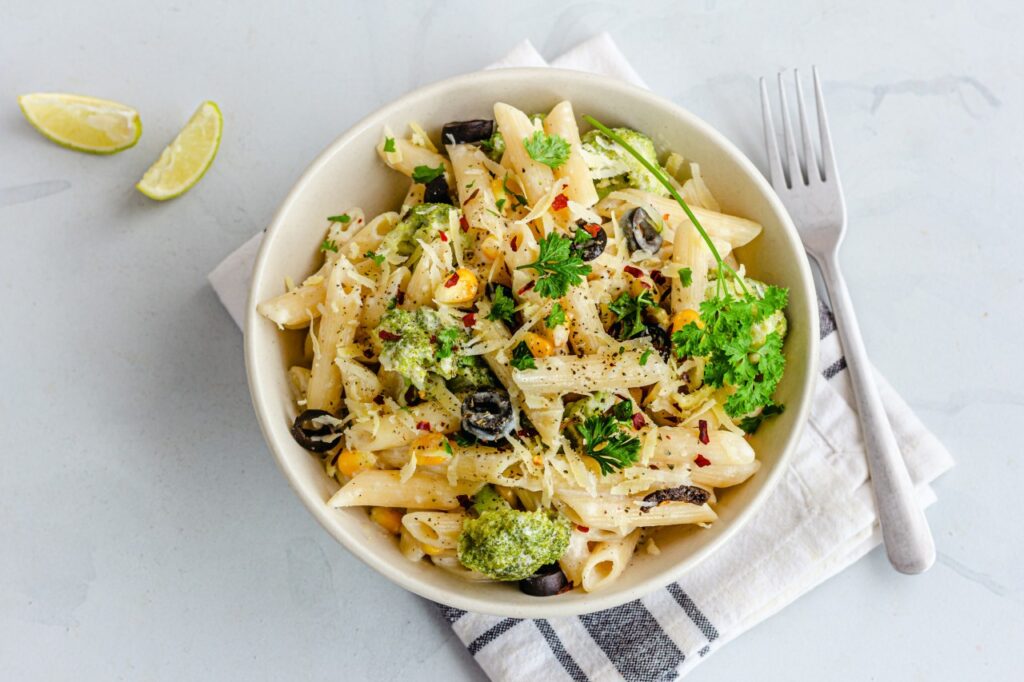
For Italian chefs, the biggest surprise in American kitchens is not the ingredients, but how much is added to them. The core idea of Italian cooking is restraint, letting a few high-quality elements stand on their own.
In the United States, dishes like pasta Alfredo or heavily topped pizzas often include extra cream, cheese, and proteins. These additions make the food richer, but they also move it away from the original balance.
Traditional Italian cuisine relies on simplicity, seasonality, and precise technique. When those elements are replaced with heavier combinations, the result feels familiar in name but quite different in philosophy and taste.
2. Mexico

Mexican chefs often notice that American versions focus on a narrow set of ingredients, even though the cuisine itself is incredibly diverse and regionally distinct.
In many American adaptations, cheese, sour cream, and ground meat dominate the plate. Hard-shell tacos and combo platters have become common, even though they are not widely used in traditional cooking.
Authentic Mexican food highlights fresh salsas, herbs, and soft corn tortillas, with each region offering unique flavors. The simplification seen in the United States makes the cuisine more accessible, but it leaves out much of its depth and variety.
3. China

Chinese chefs often point out that American Chinese food emphasizes bold sweetness and deep frying more than traditional cooking methods.
Dishes like orange chicken are designed to appeal to local preferences, using thick sauces and strong flavors. In contrast, many traditional Chinese dishes focus on balance, texture, and subtle seasoning.
Regional cuisines within China vary widely, but they often prioritize harmony between ingredients rather than one dominant taste. The American versions are recognizable, yet they represent a small and heavily adapted portion of a much broader culinary tradition.
4. France

For French chefs, the difference often begins with technique rather than ingredients. French cooking is built on precision, where timing, temperature, and method shape the final result as much as the ingredients themselves.
In American kitchens, many French dishes are simplified to save time and suit larger portions. Sauces may be thicker, richer, or prepared more quickly, which can change both texture and balance.
Traditional French cuisine focuses on harmony and control, where no element overwhelms another. When adapted, the dishes can feel heavier and less refined. The flavors remain appealing, but the layered technique that defines French cooking is not always fully preserved.
5. Japan

Japanese chefs often notice that American sushi looks more complex but feels less focused. The difference lies in how simplicity is treated as a strength in traditional preparation.
In Japan, sushi highlights the quality of fish and the precision of rice seasoning. Each piece is carefully balanced, with minimal additions that allow the main ingredients to stand out clearly.
In the United States, rolls often include multiple fillings, sauces, and toppings. This creates bold flavor combinations, but it can mask the subtle details that define traditional sushi. The result is visually striking, yet very different in intent and execution.
6. India
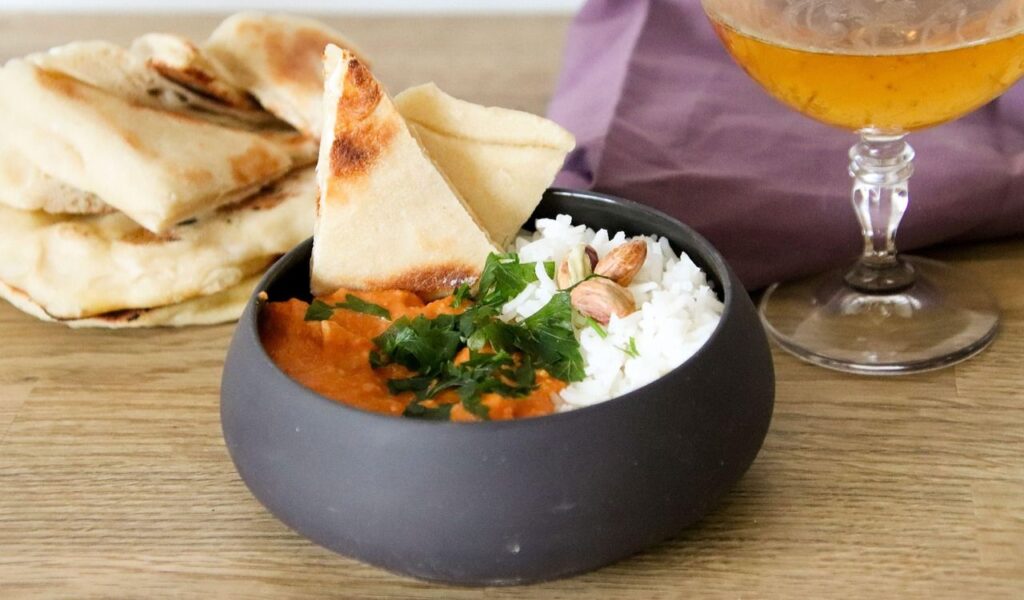
Indian chefs often point out that what is labeled as Indian food in the United States represents only a small portion of a much broader culinary landscape. The diversity is often reduced for familiarity.
Many American versions focus on creamy, mild curries with simplified spice blends. This approach makes dishes more accessible but removes the complexity created by layered spices and regional techniques.
Authentic Indian cuisine varies widely across regions, with distinct flavors, cooking styles, and ingredients. The American adaptations capture a general idea, but they often miss the depth and variety that define the cuisine as a whole.
7. Thailand
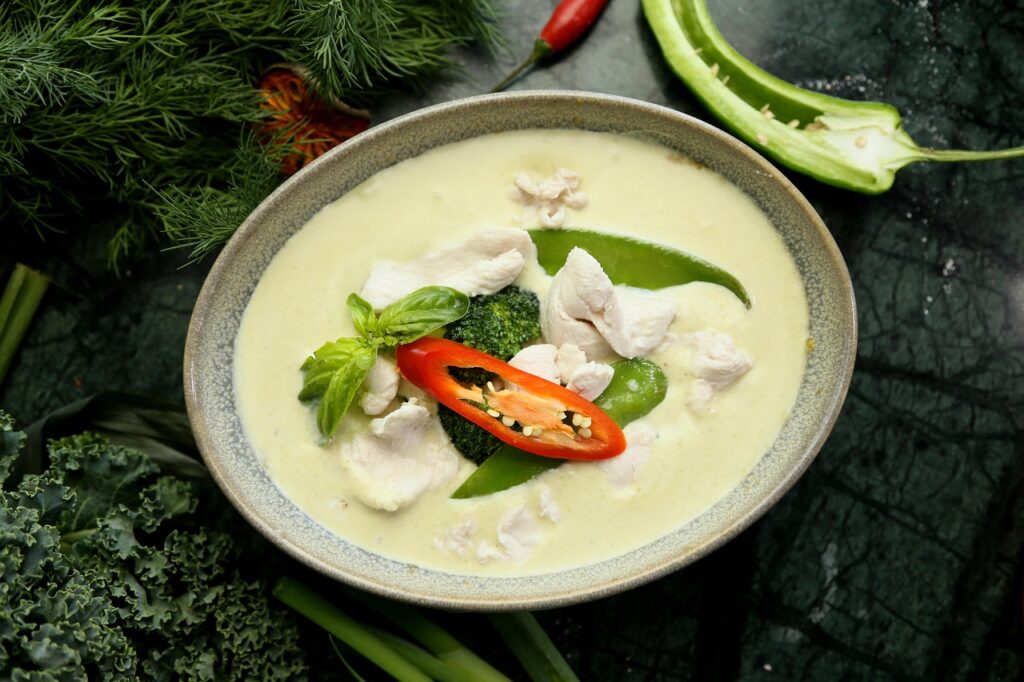
Thai chefs frequently observe that American versions of their cuisine lean toward sweetness, which shifts the balance that traditional dishes are known for.
Authentic Thai cooking carefully combines sweet, sour, salty, and spicy elements in precise proportions. Each component is meant to complement the others without dominating the dish.
In the United States, spice levels are often reduced while sweetness is increased to suit broader preferences. This makes the food more approachable, but it alters the intended balance. The result is enjoyable, yet different from the layered taste structure found in Thailand.
8. Greece
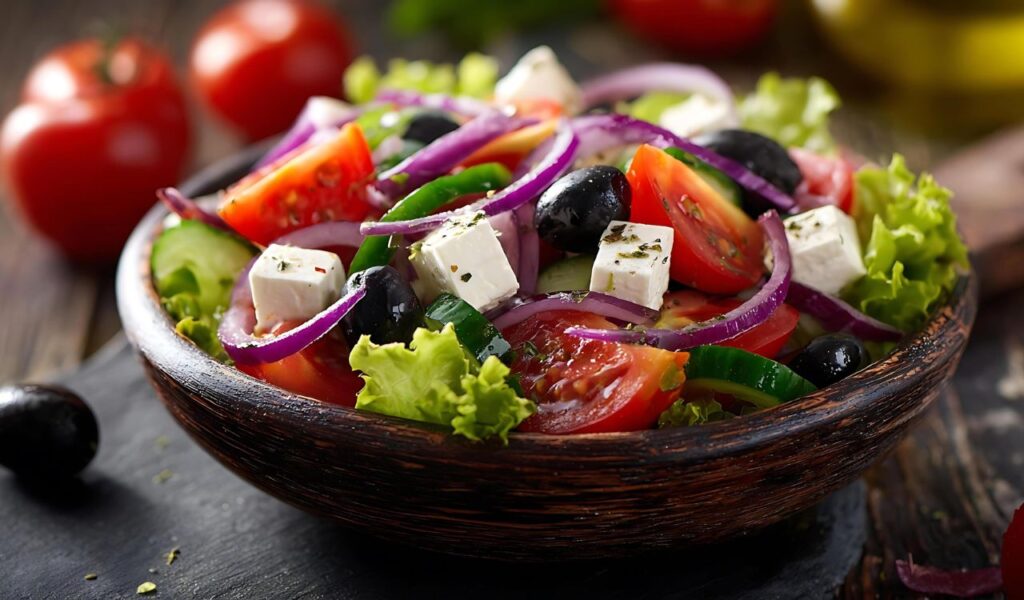
Greek chefs often recognize the shift immediately, not in ingredients but in how much is added to them. Traditional Greek cooking is built on restraint, where simplicity allows each element to remain clear and balanced.
Classic dishes rely on fresh vegetables, olive oil, herbs, and careful seasoning. The goal is not to layer flavors heavily, but to let each ingredient contribute without overpowering the others.
In American adaptations, extra sauces, fillings, and heavier portions are common. This creates a richer experience, but it moves away from the clean and straightforward approach that defines Greek cuisine, where less is intentionally more.
9. Turkey
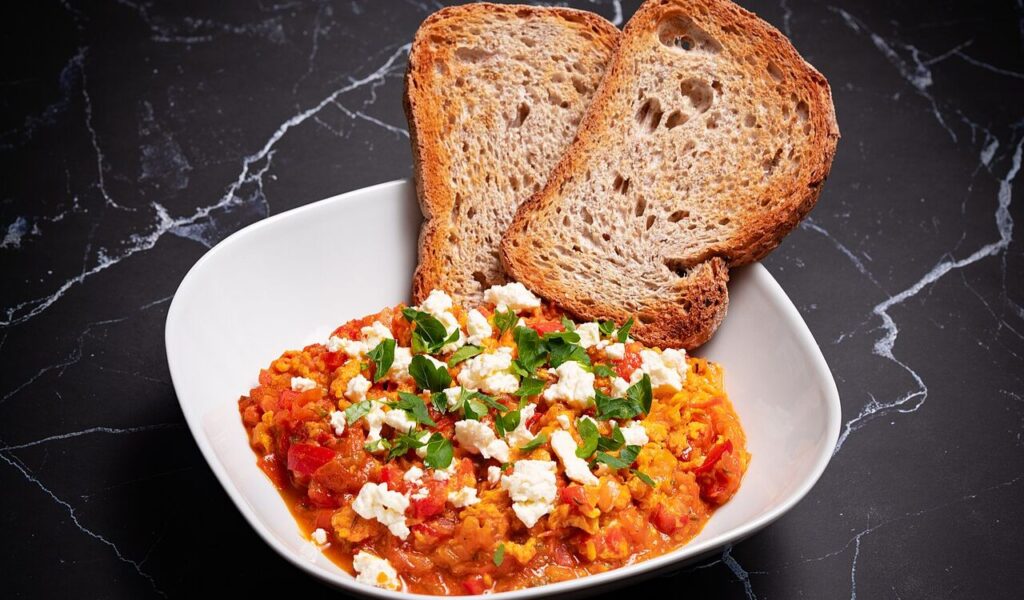
Turkish chefs often focus on technique when comparing versions, noting that depth of flavor comes from preparation rather than just ingredients. The process is what shapes the final result.
In traditional cooking, meats are carefully marinated and grilled using methods that enhance both texture and taste. Spice blends are balanced to build flavor gradually rather than dominate it.
In the United States, these steps are often simplified for speed and consistency. While the food remains enjoyable, the reduced emphasis on technique can lead to a flatter flavor profile compared to the layered depth found in authentic Turkish dishes.
10. South Korea
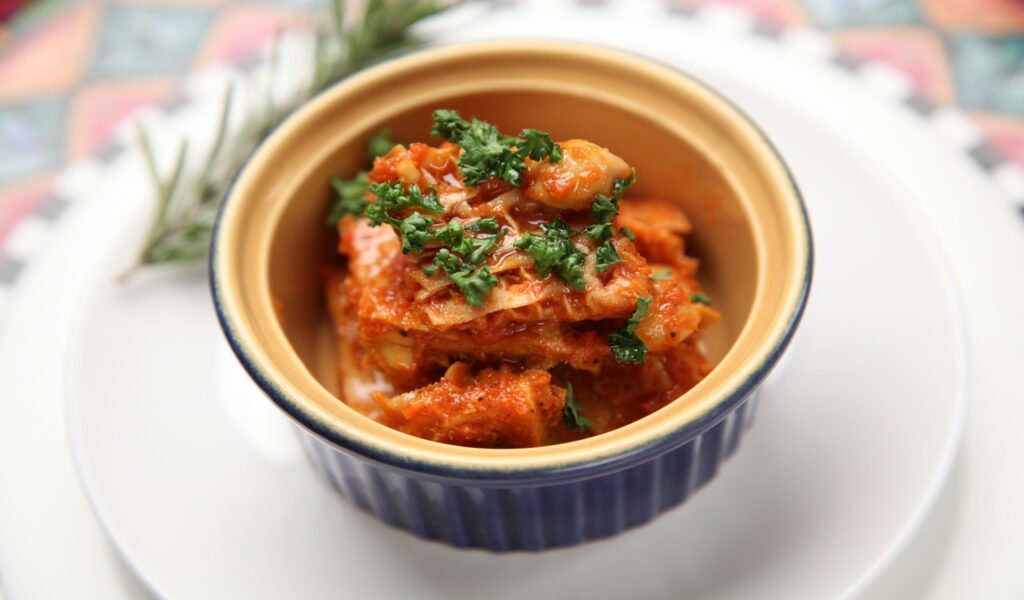
Korean chefs often point out that the first thing to change abroad is intensity. The bold, fermented, and spicy elements that define Korean cuisine are often softened in American adaptations.
Traditional dishes rely heavily on ingredients like kimchi and gochujang, which develop deep, layered flavors through fermentation and careful preparation. These elements are not optional; they are central to how the cuisine is built.
In the United States, these flavors are often reduced to suit broader tastes. This makes the food more accessible, but it also limits the depth and complexity that give Korean cuisine its distinct character and lasting impact.
11. Lebanon
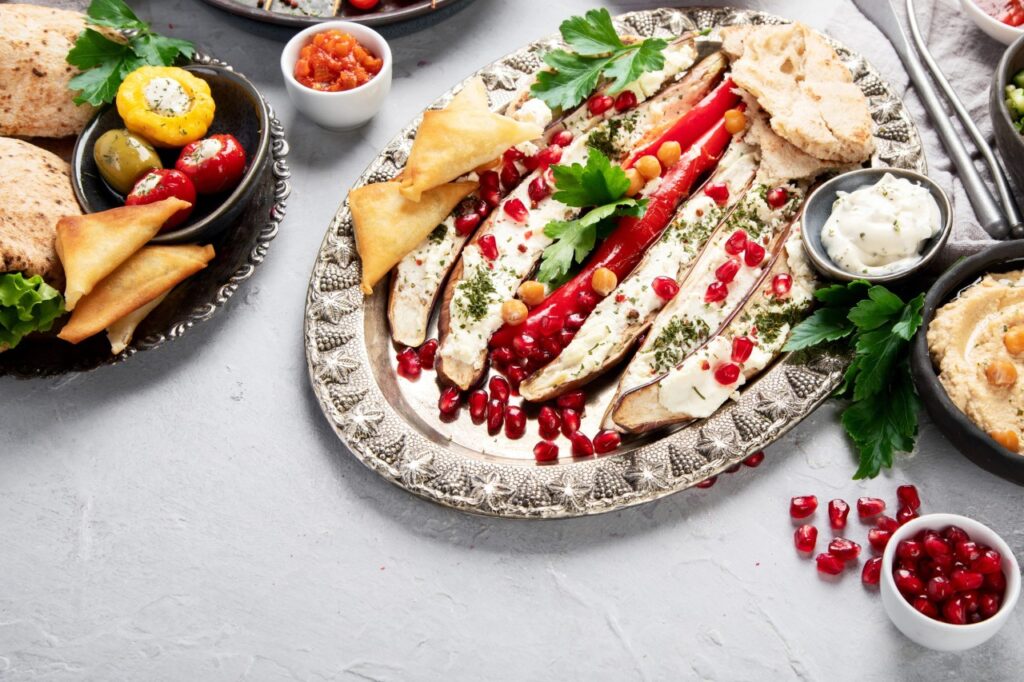
Lebanese chefs often observe that their cuisine is grouped broadly under Middle Eastern food in the United States, which can blur its unique identity and specific regional traditions.
Authentic Lebanese dishes emphasize freshness, herbs, and balanced seasoning. Ingredients like parsley, lemon, garlic, and olive oil are used to create light, bright, and vibrant flavors that feel clean and well-structured.
In adaptation, heavier sauces and mixed influences can overshadow this simplicity. While the dishes may still be enjoyable, the clarity and freshness that define Lebanese cooking are often less pronounced, making the cuisine feel richer but less distinctly Lebanese in character.