8 Grocery Store Pricing Tactics Shoppers Frequently Notice

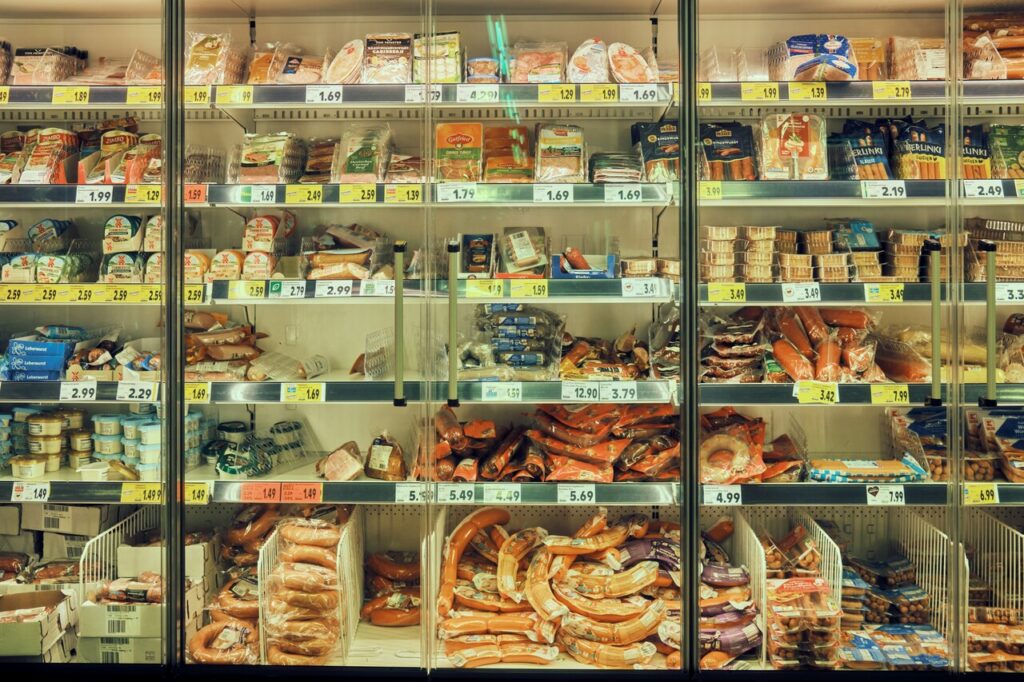
Grocery shopping may feel straightforward, but many pricing strategies are carefully designed behind the scenes. Retailers use a variety of techniques to influence how customers perceive value, compare products, and make decisions in the aisle. From subtle price endings to strategic shelf placement and promotional deals, these tactics can shape buying habits without shoppers fully realizing it. Understanding these pricing strategies can help shoppers make more informed choices during their grocery trips.
1. Prices Ending in .99 or .95
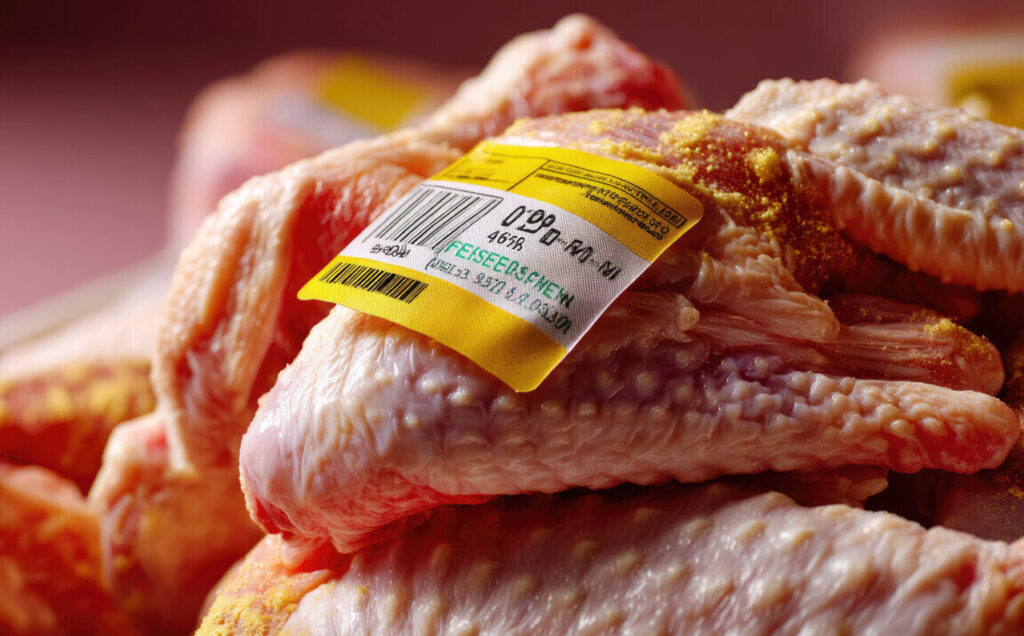
Take a close look at most grocery price tags, and a pattern quickly appears. Many items end in numbers like .99 or .95 rather than round figures. This technique is one of the most widely used pricing strategies in retail, and grocery stores rely on it heavily.
Psychological research has shown that shoppers often focus more on the first digit in a price than on the last few cents. This small adjustment can make products appear noticeably cheaper during quick decisions made in a busy aisle.
Over time, retailers have learned that these tiny changes can influence buying behavior on a large scale. Even when the difference is minimal, the strategy helps reinforce the feeling that shoppers are getting a deal.
2. Loss Leader Pricing on Popular Staples
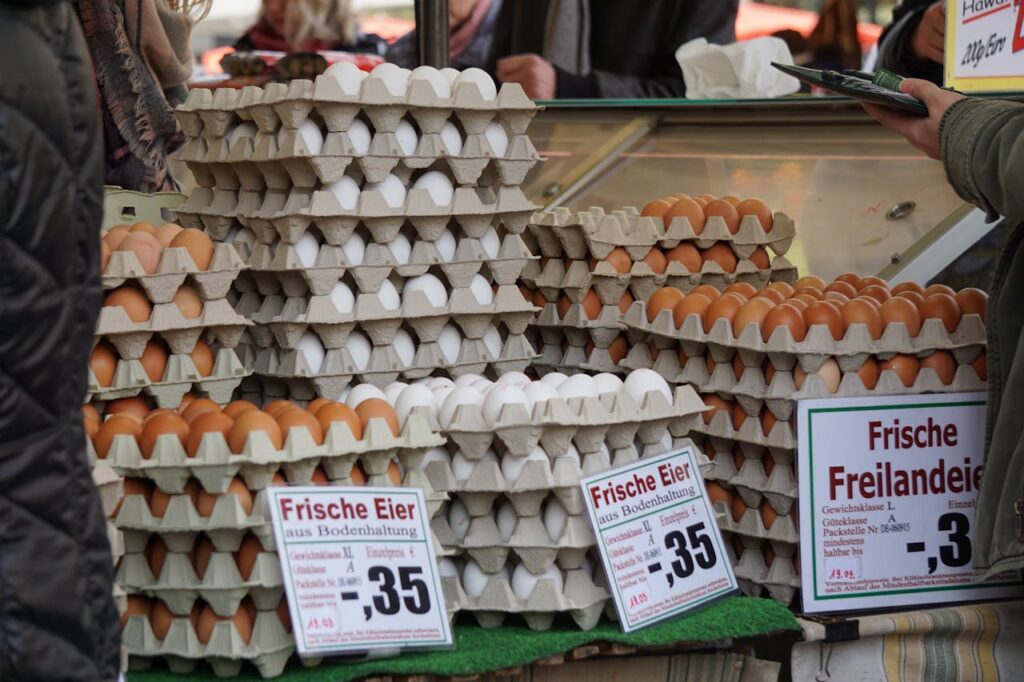
Walk into a grocery store during a major promotion, and certain staples often stand out with unusually low prices. Items such as milk, eggs, or bread are sometimes discounted heavily.
The idea is simple but effective. Shoppers rarely visit a grocery store to buy only one item. Once inside, they typically pick up additional products that are sold at normal profit margins. The low price on the staple item becomes a way to start the shopping trip rather than the entire purchase.
Retailers rely on the predictable behavior of customers filling their carts with several products. Even if the store earns little from the discounted item itself, the surrounding purchases make the visit profitable.
3. Temporary Sales and Limited-Time Discounts
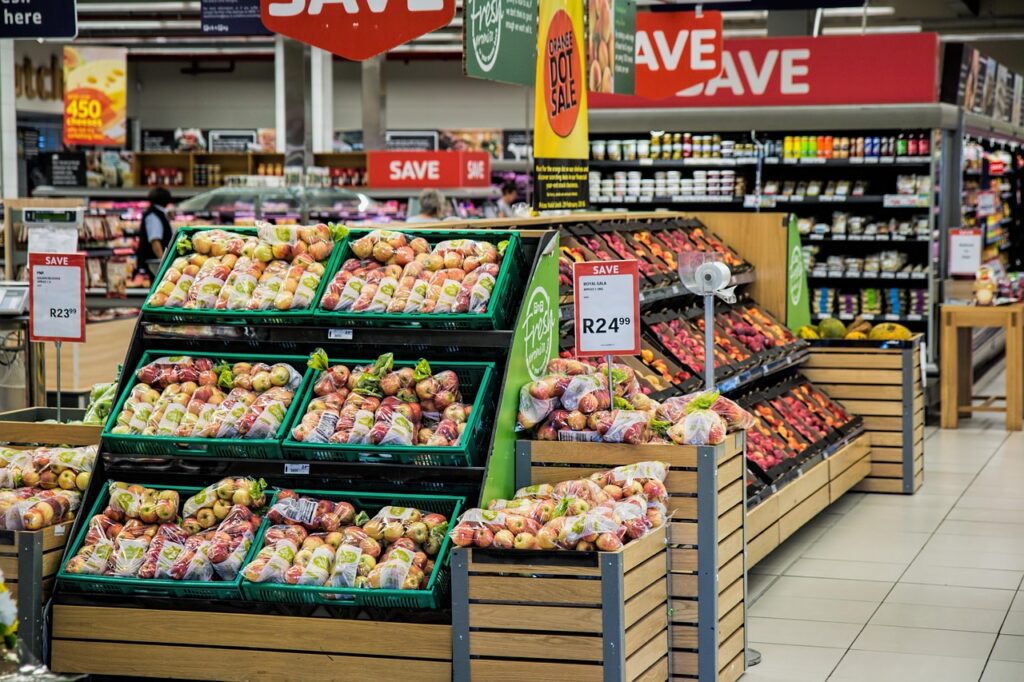
Bright signs announcing limited-time deals are a familiar sight in grocery aisles. Promotions such as weekly specials or weekend discounts create a sense of urgency that encourages shoppers to act quickly. The time limit is an important part of the strategy.
When customers believe a deal will disappear soon, they are more likely to purchase the spot. The limited window reduces the time people spend comparing alternatives or deciding whether they truly need the item. As a result, promotions often trigger impulse purchases.
These temporary discounts also shape how shoppers perceive regular prices. The standard price may seem higher by comparison, even if it was originally the normal market price.
4. Bundle Pricing Deals
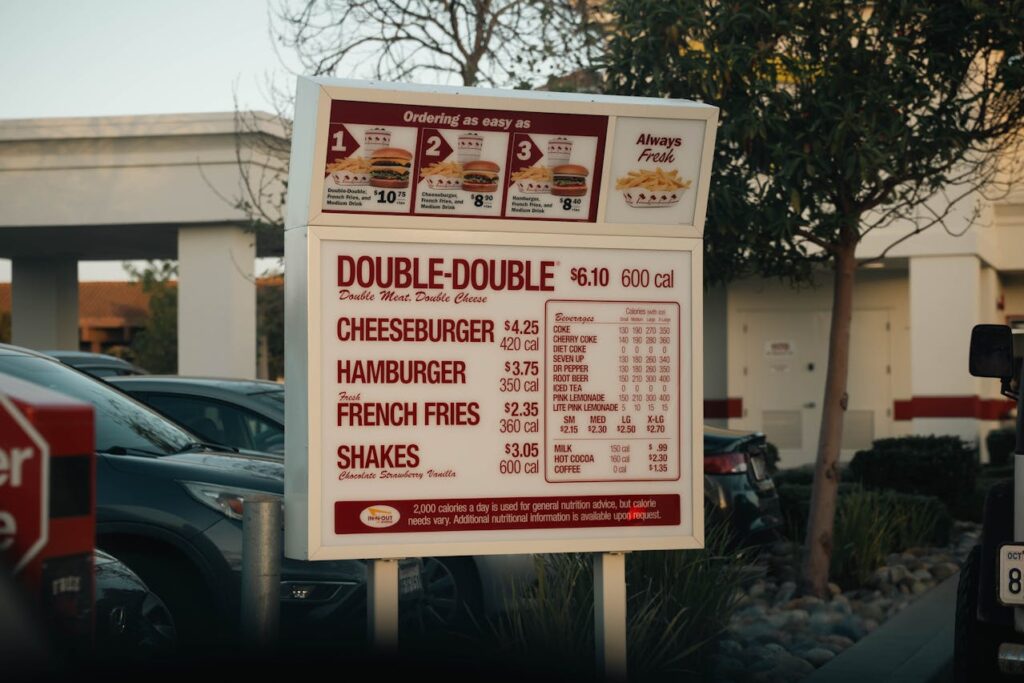
Many grocery stores offer promotions that encourage customers to buy several items at once. Signs that advertise deals like two for five dollars or buy one get one free are common examples of bundle pricing.
Bundles work by shifting the focus from the price of one product to the perceived value of several items together. Customers often feel they are saving money by purchasing multiple units, even if they originally planned to buy only one.
Retailers benefit because the promotion increases the total quantity sold. Products that might otherwise sit on shelves move more quickly when bundled together. The approach can also introduce shoppers to new items that they may not have tried without the combined deal.
5. Price Anchoring with Higher Reference Prices
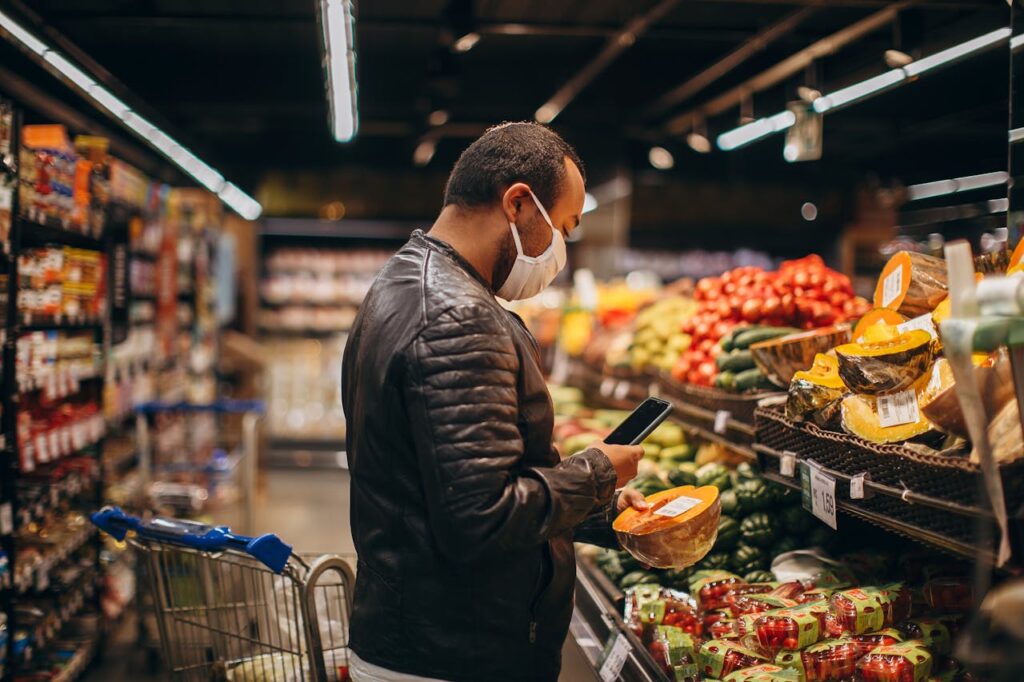
Another tactic often used in grocery stores involves presenting a product alongside a higher reference price. A label may show the original price crossed out with a lower sale price displayed beside it. This comparison helps shoppers evaluate the value of the discount.
The higher number acts as an anchor that shapes the customer’s perception of what the product should cost. When the new price appears significantly lower than the original, the deal can feel more appealing even if the difference is relatively small.
This technique relies on how people naturally judge value through comparison. The method is especially effective during promotions when shoppers are already looking for bargains.
6. Everyday Low Price vs Frequent Promotions
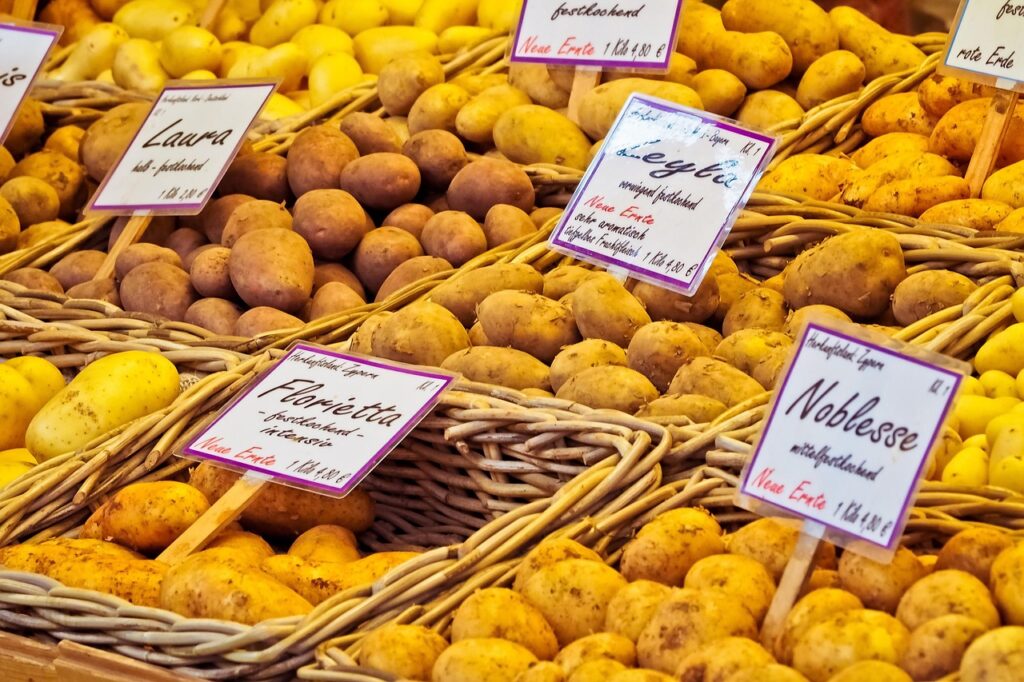
Grocery retailers often follow one of two major pricing philosophies. Some emphasize everyday low prices, where items remain consistently affordable without frequent sales.
Stores that use everyday low pricing focus on building long-term trust with customers. The idea is that shoppers will return regularly because they expect stable prices without needing to hunt for special offers.
In contrast, stores that use frequent promotions create excitement around weekly deals. Customers visit to take advantage of specific discounts and may purchase additional items while shopping. Both approaches shape how shoppers perceive value, even though the underlying prices may not differ dramatically.
7. Strategic Shelf Placement of Higher Priced Items
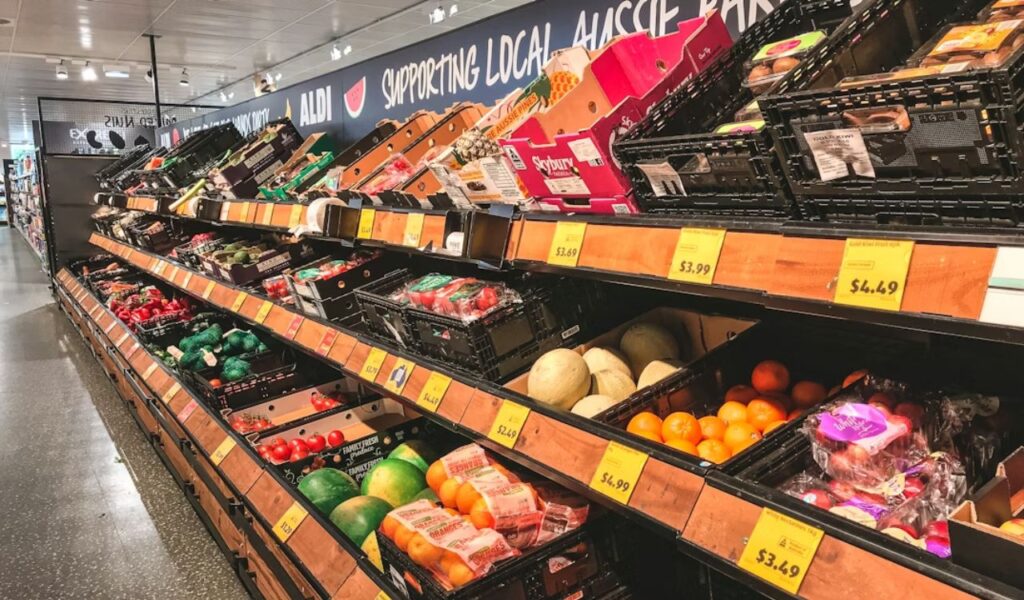
The way products are arranged on grocery shelves often reflects careful planning. Items placed directly at eye level tend to receive the most attention because shoppers naturally look straight ahead while walking through aisles.
Retailers often position higher-priced or higher-margin products in these prime locations. By placing them where customers are most likely to notice them, stores increase the chances that shoppers will reach for those items first.
Less expensive alternatives are often placed on higher or lower shelves that require extra effort to reach. Shoppers who take the time to look around may discover better deals, but many customers select the product that is easiest to see and access.
8. Cross-Merchandising with Premium Products
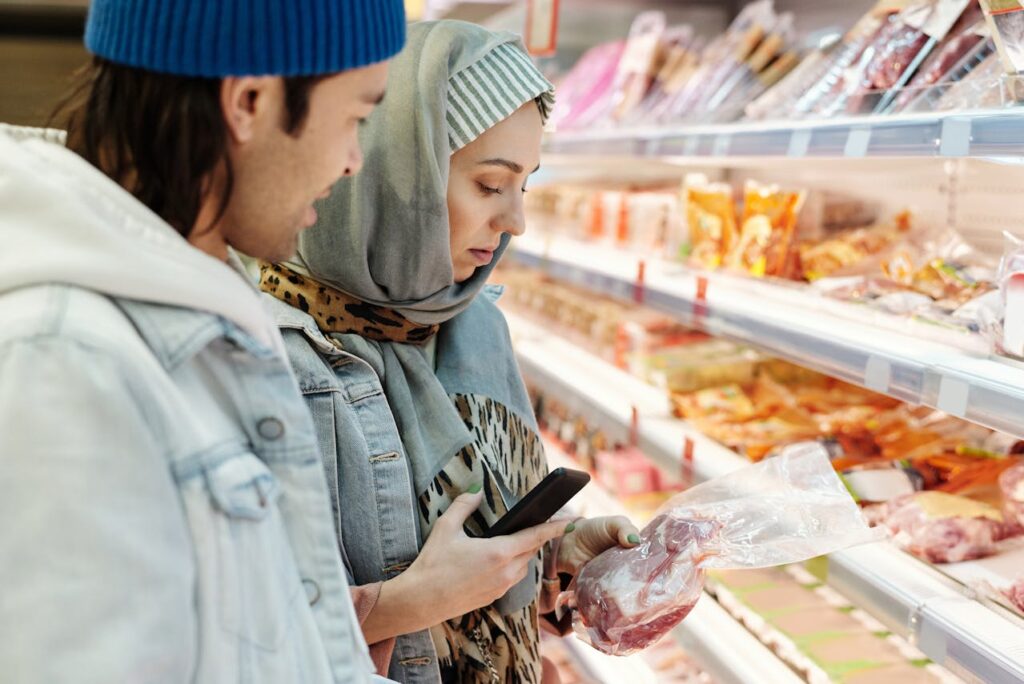
Another subtle strategy appears when certain products are placed next to items that complement them. Grocery stores often display related foods together so shoppers can easily imagine using them in the same meal.
For example, pasta may be placed near premium sauces or specialty cheeses. A shopper who intended to buy only the pasta may notice the nearby ingredients and decide to add them to the cart.
This arrangement makes shopping feel convenient while also increasing the average purchase value. By grouping products that work well together, retailers encourage customers to think about complete meal ideas rather than individual items. Over time, this strategy quietly boosts sales without relying on direct discounts.