
Why the German Method Makes the Best Bratwurst

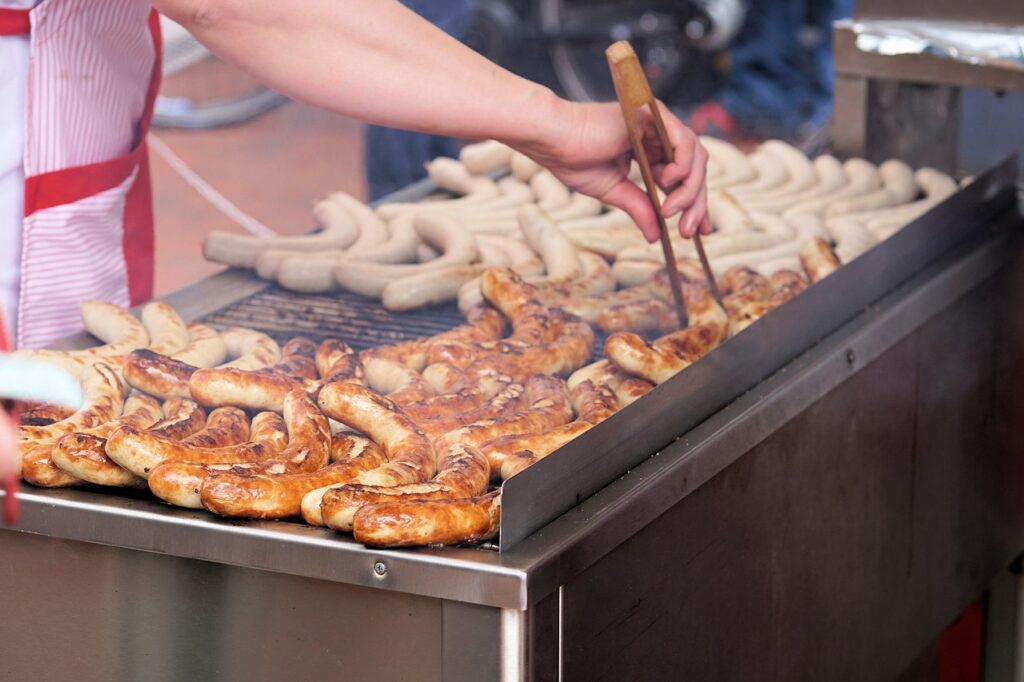
The German method of making bratwurst is built on the idea that great food comes from consistency rather than improvisation. Instead of chasing bold flavors or dramatic grill marks, the focus remains on balance, moisture, and control. This philosophy developed because bratwurst has long been an everyday food, eaten often and expected to taste right every time. When something is consumed regularly, shortcuts quickly reveal themselves. German cooks refined a method that removes guesswork and replaces it with repeatable results. The German method prioritizes how the sausage feels when bitten as much as how it tastes.
Cooking is treated as a sequence, not a single action. Heat is introduced gradually, allowing the sausage to cook through without stress. By the time browning begins, the bratwurst is already structurally stable. This prevents splitting, fat loss, and uneven doneness. The result is a sausage that feels composed rather than hurried, which is why the German method continues to outperform more aggressive approaches. This approach also preserves moisture, keeping the interior tender even after the exterior crisps. It reflects a broader cooking philosophy that values patience and control over speed, producing consistently reliable results.
Bratwurst Preparation Method
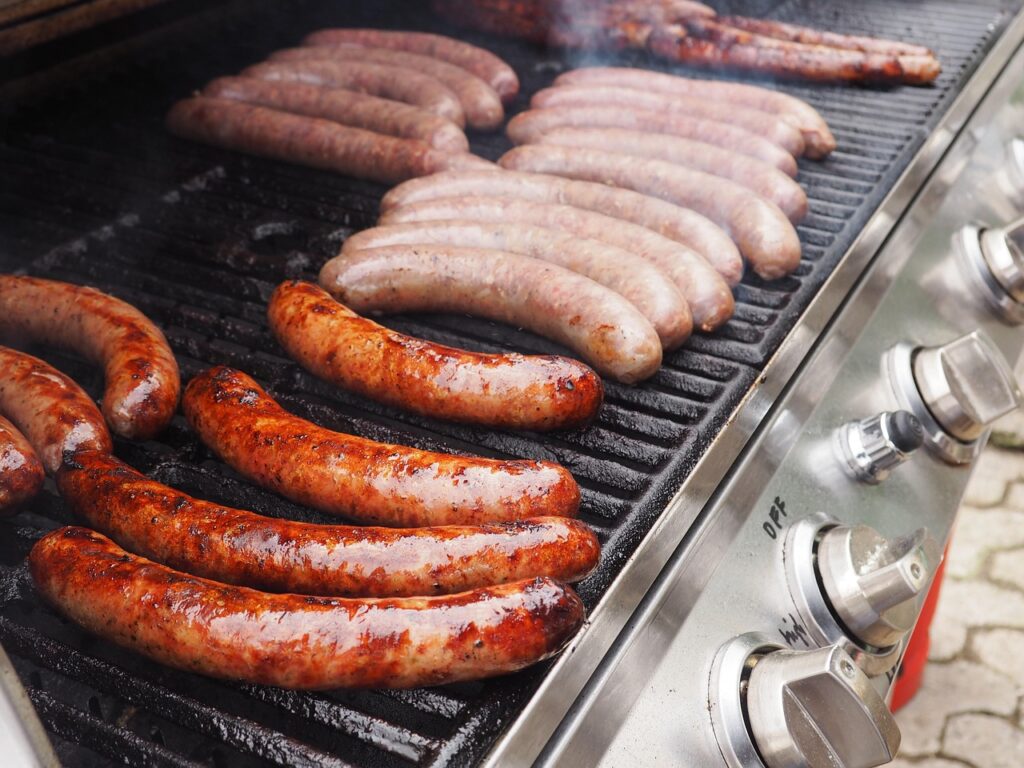
Traditional German bratwurst begins with finely ground meat that is mixed just enough to bind without becoming dense. The grind size is intentional. Too coarse and the sausage falls apart. German butchers aim for a texture that holds together while still releasing juices during cooking. Seasoning follows the same philosophy. Salt is measured carefully to support structure and flavor. White pepper adds warmth without sharpness. Nutmeg or mace introduces a soft sweetness that rounds the profile. These spices are never meant to announce themselves. Instead, they exist to support the pork, not compete with it.
Flavor is enhanced by avoiding extremes. Slow fat rendering coats muscle fibers instead of escaping. Because the casing expands gradually, moisture remains trapped. Each bite tastes evenly seasoned from surface to center. This restraint allows the sausage to remain versatile. It pairs easily with mustard, bread, or sauerkraut because no single element dominates. The flavor feels complete without needing additions. This balance also prevents bitterness or dryness, issues common with high-heat cooking. By letting flavor develop naturally, the sausage retains clarity and depth that feels intentional rather than forced.
Ingredients That Make the Difference
German bratwurst places extraordinary importance on ingredients because the traditional method leaves almost no room for correction later. There are no heavy sauces, coatings, or aggressive seasonings to hide flaws once cooking begins. Every choice made at the ingredient stage carries through to the final bite. If the meat is dull, the sausage tastes flat. If the fat balance is off, texture immediately suffers. This is why ingredient quality is treated as non-negotiable rather than optional.
Fresh meat provides clean flavor and the right protein structure needed for binding. Proper fat content ensures moisture retention as the sausage cooks slowly. Natural casings control expansion and help regulate heat exposure. Each component plays a specific role, and none exists in isolation. When even one element is compromised, the sausage loses balance, becoming either dry, greasy, or uneven in texture. This discipline also explains why German bratwurst avoids fillers and excessive binders. When made correctly, the sausage holds together naturally and releases juices gradually during cooking instead of all at once.
Quality Meat and Natural Casings
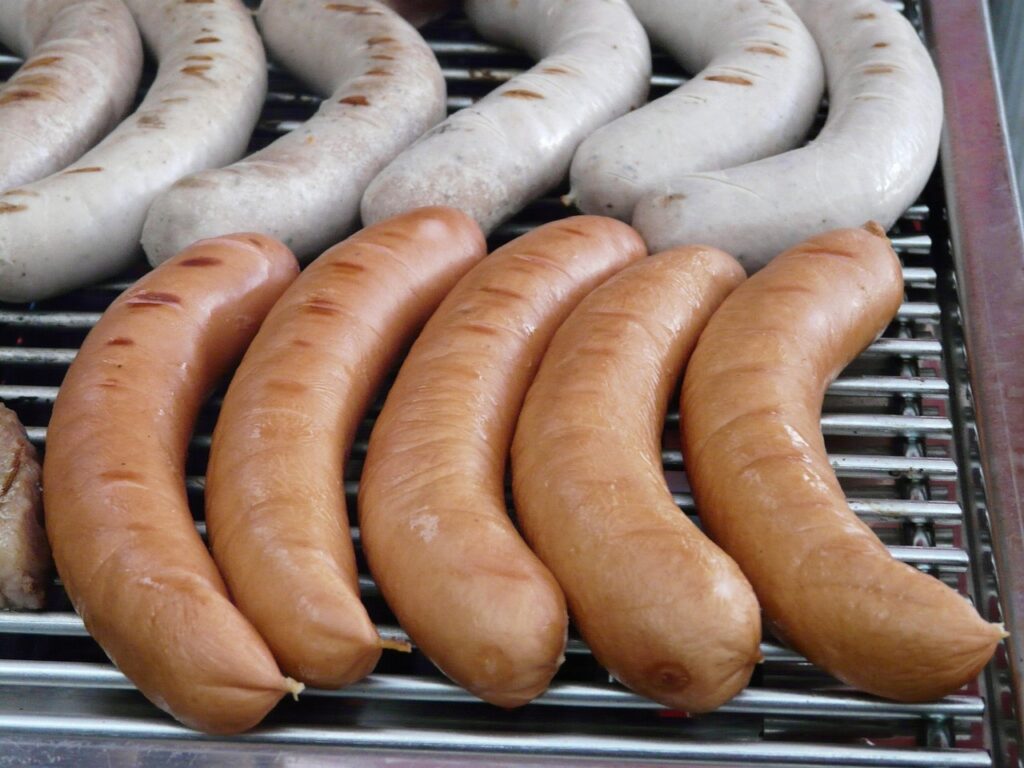
German bratwurst places extraordinary importance on ingredients because the traditional method leaves almost no room for correction later. There are no heavy sauces, coatings, or aggressive seasonings to hide flaws once cooking begins. Every choice made at the ingredient stage carries through to the final bite. If the meat is dull, the sausage tastes flat. If the fat balance is off, texture immediately suffers. This is why ingredient quality is treated as non-negotiable rather than optional. Freshly ground meat, properly seasoned fat, and natural casings are expected standards rather than upgrades.
Natural casings are just as important as the meat itself. Unlike synthetic casings, they stretch gradually as heat builds, allowing steam to escape without tearing. This prevents sudden bursts that release juices and ruin texture. The casing also contributes a subtle snap when bitten, which signals quality and proper preparation. Without natural casings, the bratwurst loses one of its defining sensory traits. That snap provides contrast to the tender interior, creating balance in each bite. It also helps regulate moisture retention during cooking, ensuring the sausage remains juicy without becoming greasy.
Classic Spice Blends and Regional Variations
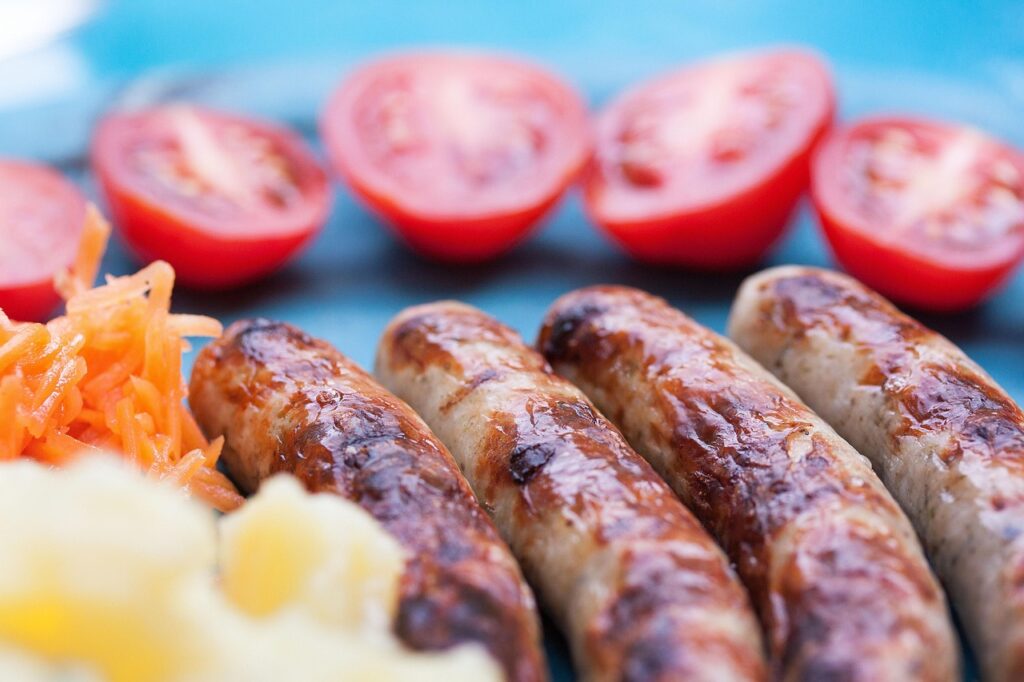
Spice blends in German bratwurst vary slightly by region, but restraint is consistent everywhere. Garlic is used sparingly, if at all. Herbs remain subtle. Heat is almost always minimal. These blends are designed to support the pork rather than compete with it. No single spice is meant to stand out on its own. Because the seasoning remains balanced, the bratwurst stays adaptable. It tastes appropriate at a casual lunch, a market stall, or a festival meal without modification. The flavor profile remains steady and dependable, allowing regional identity to come through gently rather than forcefully.
Cooking the German Method Step by Step
The cooking process is where the German method truly separates itself from casual grilling approaches. Instead of relying on direct heat alone, bratwurst is cooked in stages that protect both texture and moisture. Heat is treated as a controlled variable, applied gradually rather than aggressively. This approach reduces stress on the casing and interior structure. When proteins are exposed to high heat too quickly, they contract and squeeze out juices. German cooking methods avoid this by allowing the sausage to warm evenly from the inside out. This keeps moisture where it belongs and preserves tenderness. Each step prepares the bratwurst for the next.
Why Pre-Simmering Sets Up Success
Preheating gently brings the bratwurst to temperature without boiling. The liquid remains below a rolling boil, allowing heat to transfer evenly without agitation. During this stage, fat begins to soften, and proteins relax, creating a stable interior structure. This controlled start reduces internal pressure, which is a common cause of split casings. This step firms the sausage slightly on the outside while keeping the inside moist. It also ensures thorough cooking without relying on high surface heat. Pre-simmering reduces the risk of splitting during finishing and improves consistency across batches, especially when cooking multiple sausages at once.
Once pre-simmered, the bratwurst is finished over moderate heat to develop surface color and aroma. Browning happens slowly, allowing the casing to crisp gently rather than blister. Because the interior is already cooked, attention can remain fully on texture and appearance. The sausage can be turned calmly without fear of splitting or juice loss. This controlled finishing step creates even browning and a firm but yielding bite. The bratwurst emerges intact, aromatic, and ready to serve without resting or correction. The result is a sausage that looks composed on the plate and tastes evenly developed from casing to center.
Regional Traditions Shape the Sausage
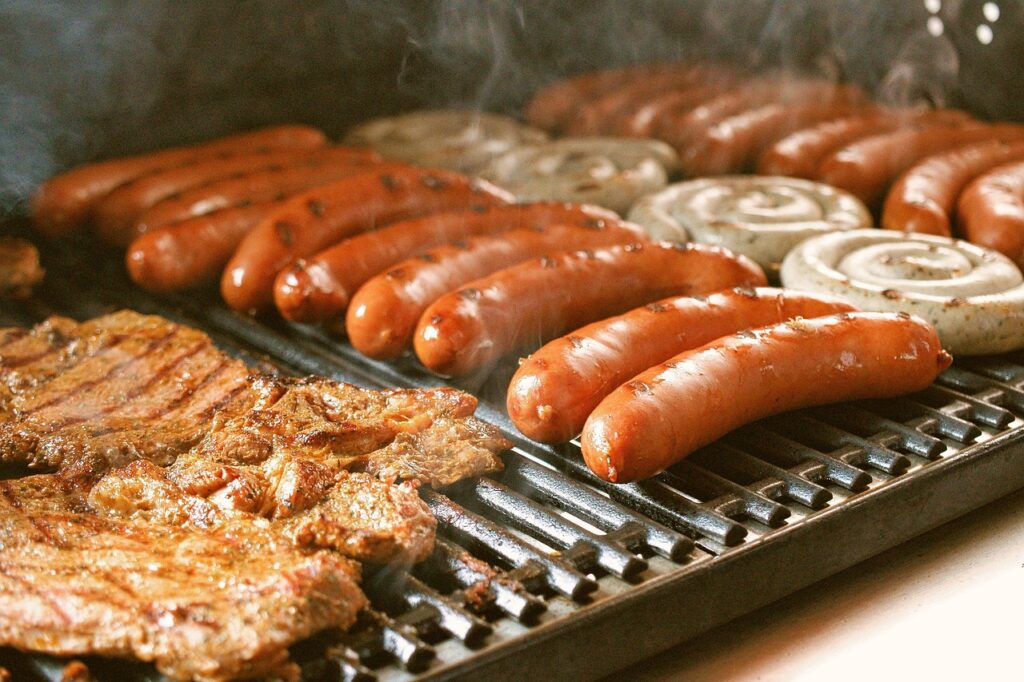
Germany does not treat bratwurst as a single product. Instead, it is a family of sausages shaped by geography, climate, and local taste preferences. These variations developed organically over time rather than through competition or reinvention. Despite their differences, all regional bratwursts share the same foundation. Balance, restraint, and careful cooking remain central. The variations express identity without abandoning technique. Some regions favor thin, delicate sausages that cook quickly and emphasize subtle spice. Others prefer thicker, heartier versions meant for slower cooking and fuller bites.
Local customs influence how bratwurst is served and finished rather than how it is fundamentally made. Some regions prefer grilling over open heat, while others favor pan finishing. Mustard styles vary widely, from sharp to sweet. These traditions complement the sausage rather than dominate it. The bratwurst remains central, with accompaniments designed to enhance rather than distract. This consistency across regions reinforces the idea that technique matters more than presentation. No matter the garnish or setting, the sausage is expected to stand on its own merit, carrying flavor, texture, and balance without external support.
German Culture and Bratwurst Appreciation
In Germany, bratwurst is everyday food. It is expected to be reliably good rather than impressive or experimental. This cultural mindset reinforces technique, consistency, and repetition over novelty. Because bratwurst is eaten often, mistakes are noticed quickly. Poor quality does not survive long in daily rotation. This expectation keeps standards high across homes, markets, and festivals. Whether served at home or outdoors, the method remains consistent. This reliability builds trust between the cook and eater. The sausage does not change to suit the occasion. Instead, the occasion adapts around the sausage.
Bratwurst is served simply to keep focus on the sausage itself. Bread provides structure and absorbs juices. Mustard adds acidity and contrast. Sauerkraut contributes brightness and balance. Nothing competes with the bratwurst. This simplicity reflects confidence in the product and respect for the method behind it. Each accompaniment plays a supporting role rather than acting as a centerpiece. Together they frame the sausage, reinforcing its flavor instead of masking it, which is the clearest sign of trust in traditional technique. Portioning stays modest, reinforcing that satisfaction comes from balance rather than excess.
References
German Bratwurst in Beer- germanfoods.org