A Simple Guide to Buying and Enjoying Champagne


Champagne often feels intimidating, wrapped in tradition, unfamiliar terms, and price tags that can make even confident wine buyers hesitate. Yet at its heart, Champagne is meant to be joyful, approachable, and versatile. Understanding what sets it apart helps remove the guesswork and allows you to choose bottles with confidence rather than anxiety. Once the basics are clear, Champagne becomes less about rules and more about enjoying a beautifully made sparkling wine from one specific place. Learning how styles differ, how sweetness levels work, and when price reflects craftsmanship rather than hype makes the category far easier to navigate.
Only sparkling wine produced in the Champagne region of France using approved methods can legally carry the name. Sparkling wines made elsewhere may be excellent, but they are labeled differently because they do not share the same origin. Champagne labels often include terms that indicate sweetness, grape composition, or aging style. Words like Brut, Extra Brut, and Demi-Sec describe sugar levels, not flavor intensity. Non-Vintage means the wine blends multiple harvest years for consistency, while Vintage Champagne comes from a single exceptional year. Understanding these terms helps you quickly narrow choices based on taste preference.
Choosing the Right Champagne
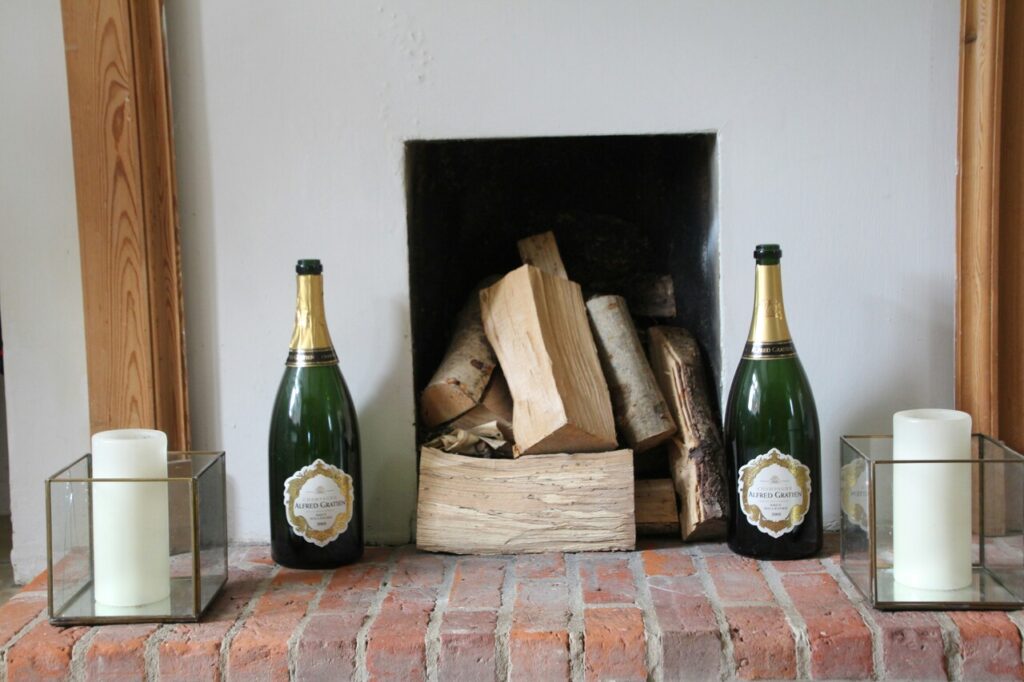
Buying Champagne becomes far easier once you focus on structure instead of labels that promise luxury. Style, sweetness, and grape makeup influence taste more than brand fame. When you understand these elements, you can choose the Champagne that suits best for your palate best rather than relying on guesswork or price alone. Sweetness in Champagne is defined by dosage, the small amount of sugar added after aging. Brut is the most common and tastes dry with crisp acidity. Extra Brut and Brut Nature are even drier and highlight minerality. Demi-Sec and Doux are noticeably sweeter and pair well with desserts.
Most Champagne is made from Chardonnay, Pinot Noir, and Pinot Meunier. Blanc de Blancs uses only Chardonnay and tends to be lighter, brighter, and more citrus-driven. Blanc de Noirs uses dark grapes and produces richer, fuller-bodied wines. Blended styles combine all three grapes, offering balance and versatility for many occasions. Labels often include clues about quality, such as aging time or producer type. Grower Champagnes come from producers who grow their own grapes and often reflect unique vineyard character. Both styles can be excellent, but understanding the difference helps align expectations.
How to Shop for Champagne With Confidence
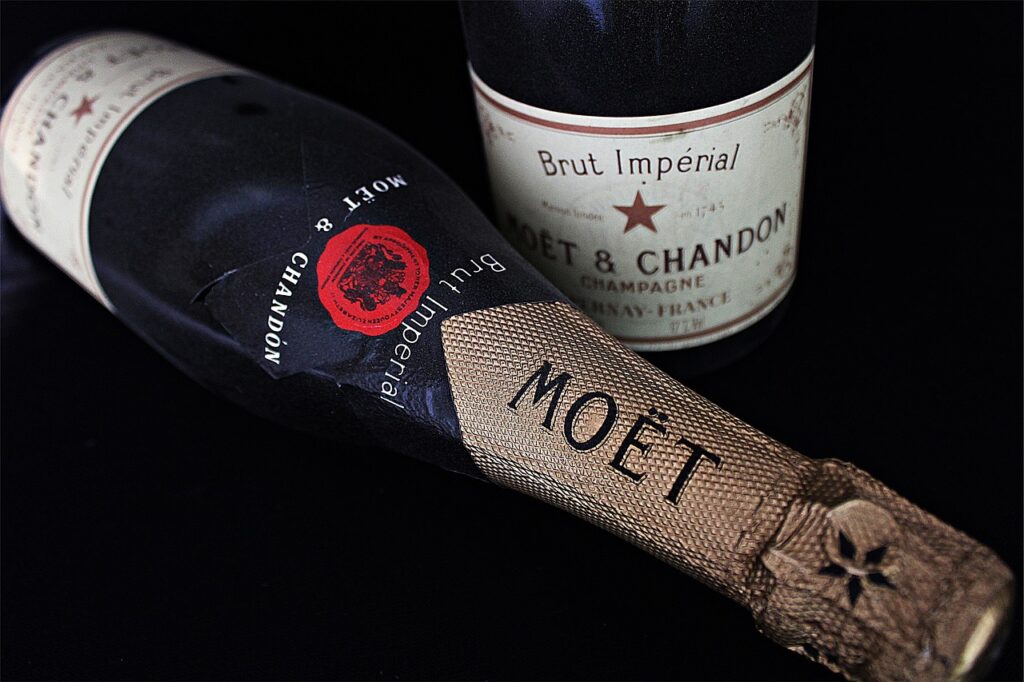
Walking into a wine shop without a plan can feel overwhelming, especially with Champagne shelves packed with unfamiliar names. A thoughtful approach focused on budget, purpose, and retailer guidance makes the process smoother and more enjoyable. Quality Champagne exists across a wide price range. Entry-level bottles can deliver excellent structure and balance, while higher prices often reflect longer aging or smaller production. Setting a realistic budget helps narrow options and prevents overpaying. Letting the occasion guide your choice also helps, since a casual toast and a centerpiece bottle for a celebration call for different styles.
Not every moment calls for the same style of Champagne. Crisp, dry styles work well for aperitifs and celebrations, while richer bottles shine at dinner tables. Sweeter styles suit desserts and brunches. Matching Champagne to the moment enhances enjoyment without increasing cost. Wine professionals recommend asking about freshness and storage conditions. Champagne should be stored cool and away from light. Online purchases benefit from reading detailed descriptions and producer notes rather than relying on the brand. Paying attention to tasting notes and recommended food pairings often reveals whether a bottle will suit your preferences.
Storing and Serving Champagne
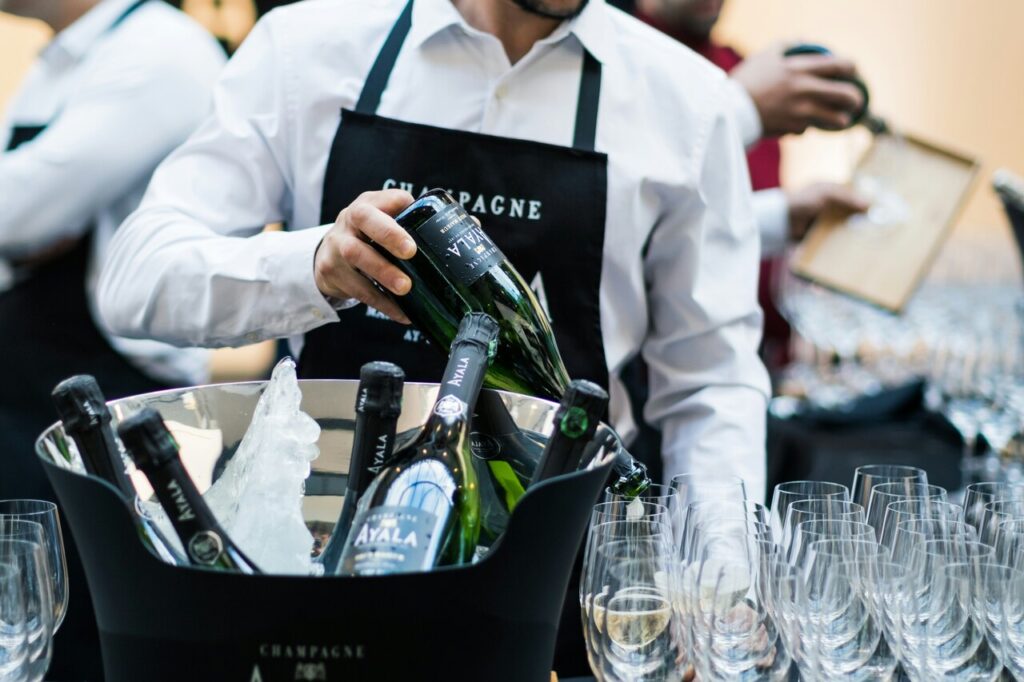
Champagne’s character can be diminished by improper storage or serving, even if the bottle itself is excellent. Correct handling preserves freshness, bubble structure, and aroma, ensuring the wine shows its best side when opened. Unopened Champagne should be stored horizontally in a cool, dark place. Upright storage is acceptable for short periods but not ideal long-term. Avoid heat and light, which accelerate aging and dull flavors. Serving temperature matters just as much, with most Champagnes showing best when chilled but not icy cold. Taking a few minutes to handle and serve Champagne properly protects the care that went into making it.
Champagne tastes best when chilled but not icy. A refrigerator chill of several hours or an ice bucket with water and ice for about 30 minutes works well. Over-chilling numbs aromas and flattens texture, reducing complexity. Contrary to tradition, narrow flutes are not always ideal. Tulip-shaped glasses allow aromas to develop while preserving bubbles. Wider openings enhance flavor perception and make tasting more expressive. This small shift in glassware helps reveal layers that might otherwise remain hidden. Paying attention to temperature and vessel turns Champagne from a visual celebration into a fuller sensory experience.
Pouring and Pairing Champagne Like a Pro
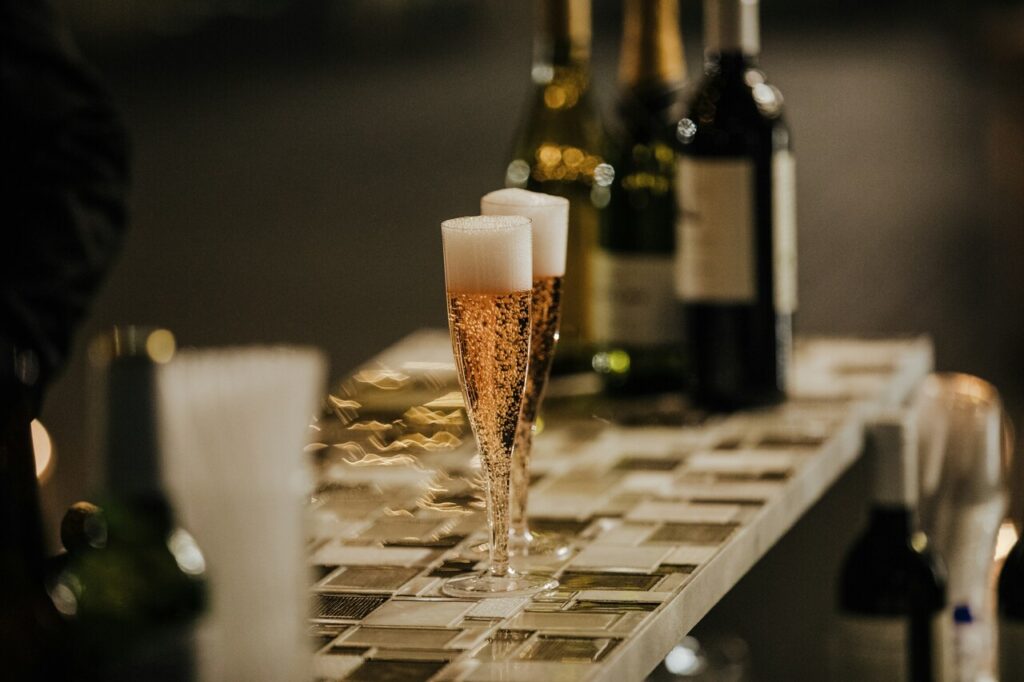
Champagne is as much about experience as it is about flavor. Proper opening, pouring, and tasting techniques protect the wine’s structure and elevate the moment without requiring specialized tools or training. Opening Champagne should be controlled and quiet. Holding the cork while twisting the bottle allows gentle release of pressure. Pouring slowly along the side of the glass reduces foam overflow and maintains bubble integrity. Filling in stages allows the wine to settle and ensures a clean presentation. Champagne often displays notes of citrus, pear, brioche, and almond. Paying attention to balance rather than intensity helps appreciate quality.
Champagne’s acidity and bubbles make it one of the most food-friendly wines available. It complements flavors rather than overpowering them, making it suitable for entire meals, not just toasts. Champagne pairs naturally with seafood, oysters, fried foods, and salty snacks. The acidity cuts through richness while bubbles cleanse the palate. Dishes like fried chicken, sushi, and creamy pastas work surprisingly well with Champagne. The contrast between texture and freshness enhances both food and wine. Lighter styles suit appetizers, while fuller-bodied Champagnes match main courses. Sweeter styles pair best with desserts.
Common Champagne Mistakes to Avoid
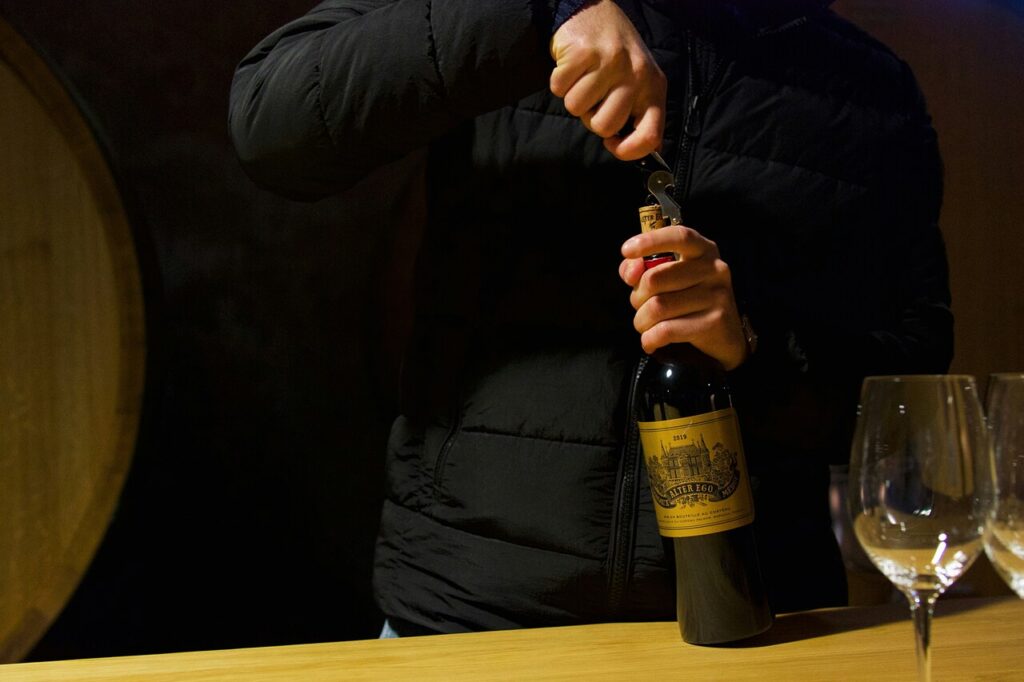
Many Champagne disappointments stem from simple errors rather than poor quality bottles. Avoiding these mistakes ensures the wine performs as intended. Not all sparkling wines are Champagne, and price does not always equal quality. Heat exposure, freezing, and aggressive pouring damage Champagne’s structure. Gentle handling preserves flavor and bubbles. Once opened, Champagne loses carbonation quickly. Using a proper stopper and refrigeration helps retain freshness. Being mindful of these details allows the wine’s balance and character. When Champagne is treated with care, even modest bottles can deliver a memorable experience.
Final Thoughts on Buying and Relishing Champagne
Champagne does not require expertise to enjoy, only a basic understanding of its structure and care. When chosen thoughtfully, stored correctly, and served with intention, Champagne delivers elegance, balance, and celebration in every glass. The more familiar you become with its fundamentals, the more confidently you can enjoy it in everyday moments as well as special occasions. This confidence removes the pressure to “get it right” and shifts the focus back to pleasure. Over time, Champagne becomes less of a special-occasion puzzle and more of a reliable, expressive wine you can return to with ease.
Refereneces
- Champagne Types and Categories- Expensive Champagne Org
- Delve into the fascinating world of Champagne- Champagne.fr