11 Classic 90s Snacks That Were Actually Just Cheap Chemicals

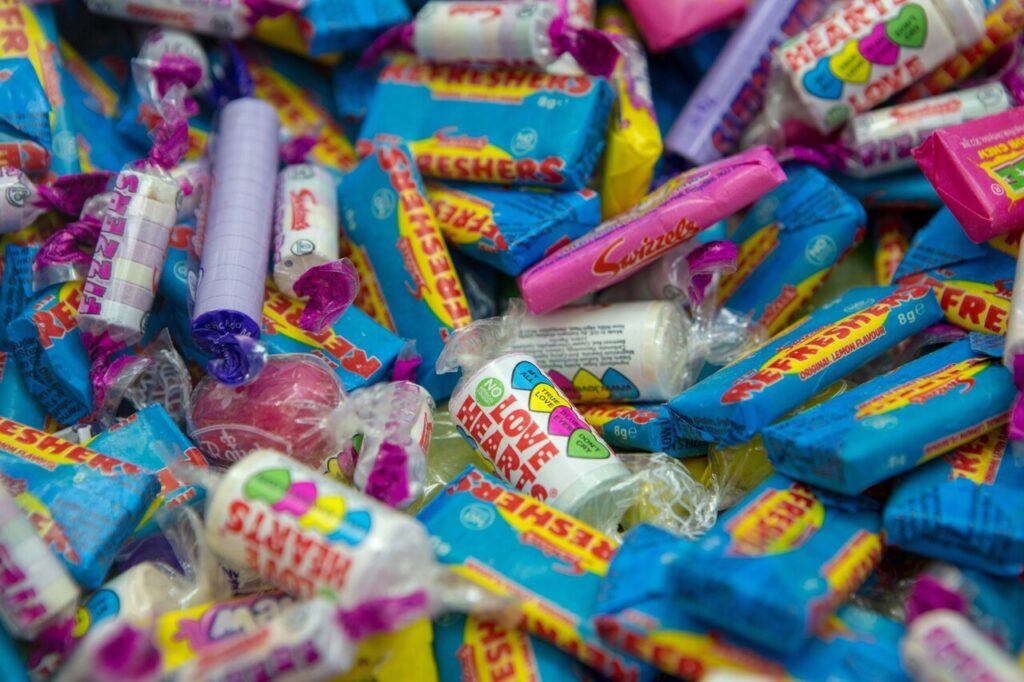
The snacks that defined childhood in the 1990s were colorful, fun, and unforgettable, yet many relied more on engineered flavors and shelf-stable chemicals than real ingredients. From frosting-filled cookies to fruit snacks bursting with syrupy centers, these treats were designed for convenience and long shelf life rather than nutrition. Looking back, nostalgia still makes them appealing, but ingredient lists reveal how heavily processed many favorites truly were, reshaping how we remember those lunchbox staples today.
1. Dunkaroos
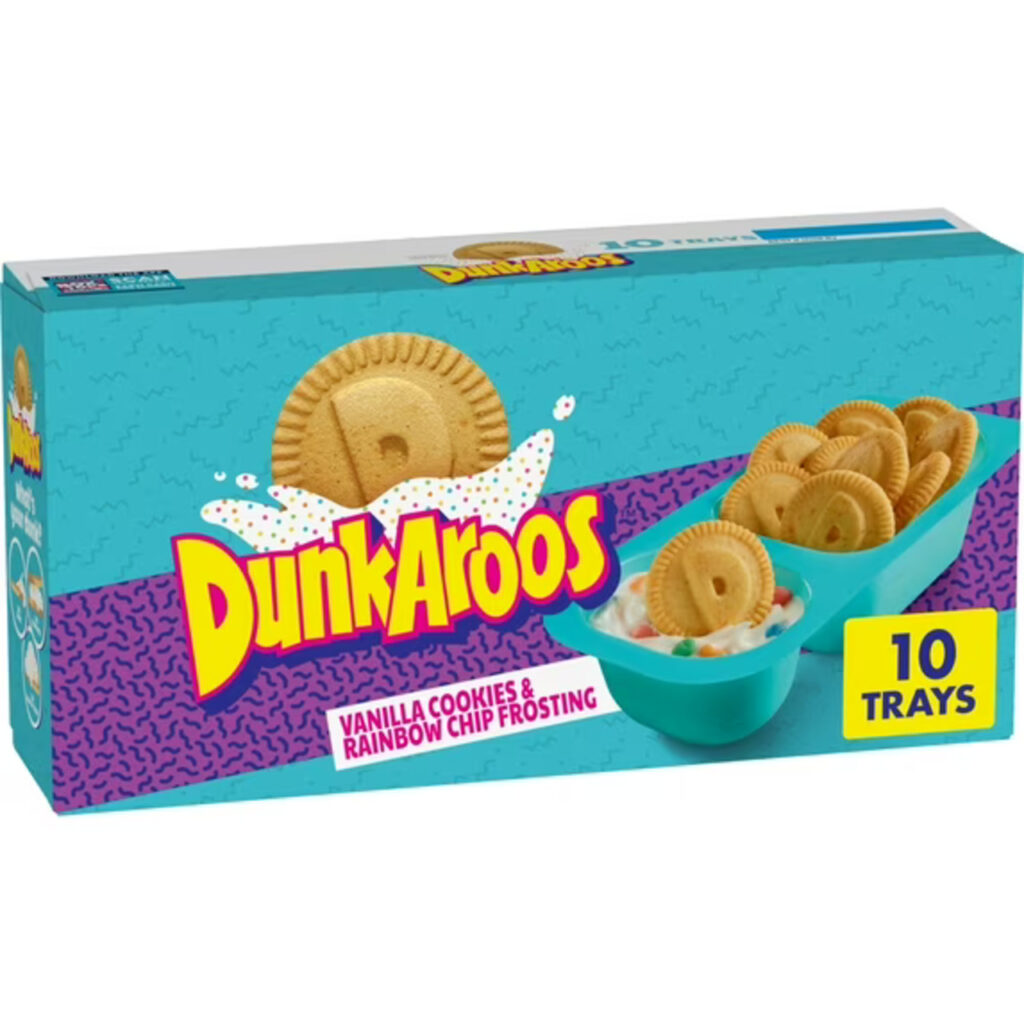
Few snacks captured 90s lunchbox excitement like Dunkaroos, those tiny cookies paired with colorful frosting meant for dipping. The appeal came from interaction and sweetness, but the ingredient list revealed how engineered the snack was.
Most flavor came not from real ingredients but from laboratory-developed additives mimicking vanilla or chocolate notes. Preservatives and stabilizers kept the product consistent during storage and shipping across markets.
Dunkaroos succeeded by matching kids’ desire for novelty and sweetness rather than nutrition. Adults now remember them fondly while recognizing how much of the flavor relied on processed ingredients.
2. Fruit Gushers
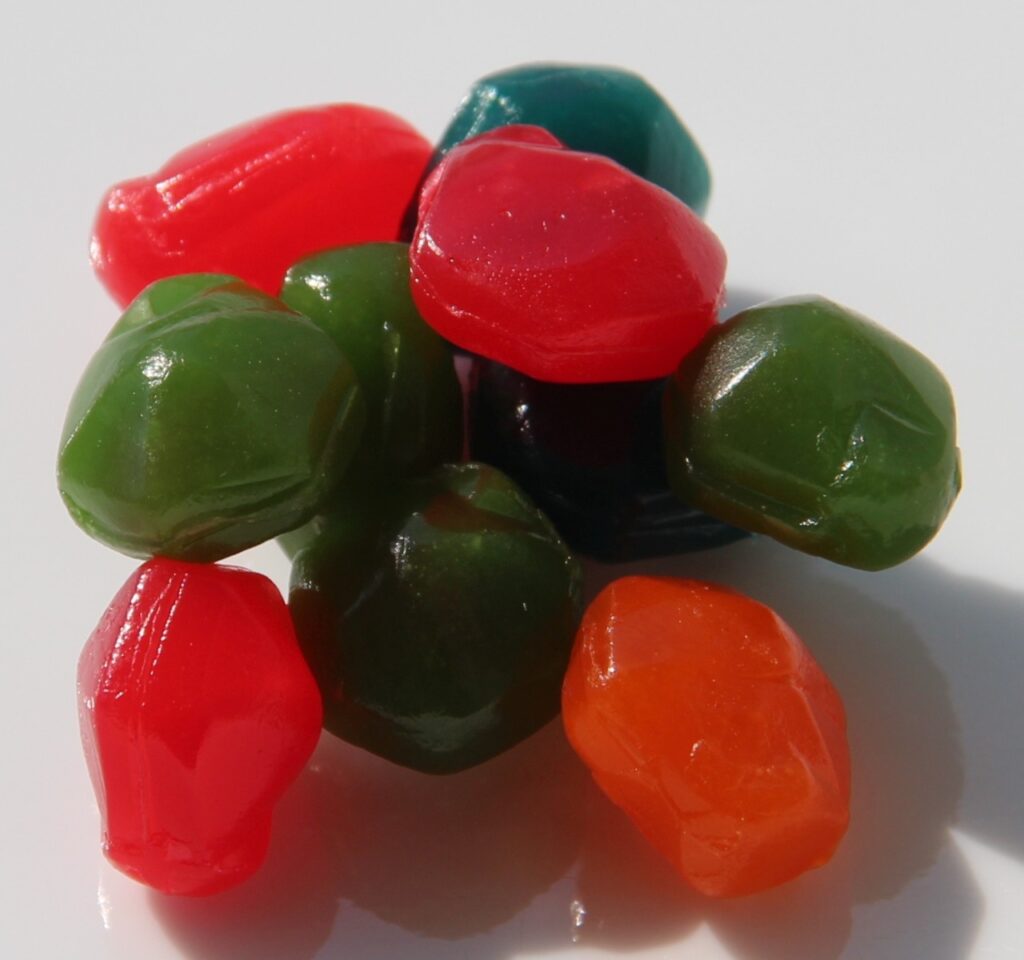
Fruit Gushers became iconic thanks to the burst of sweet liquid inside each gummy piece. Marketed as fruit snacks, they suggested fruit content, yet their ingredients leaned heavily on corn syrup, sugar, and artificial flavors. The gooey center was engineered to deliver intense sweetness in a single bite.
These additives created a candy experience disguised as fruit-based snacks. Real fruit ingredients existed but remained minimal compared with sugar content, driving appeal.
The snack reflected marketing that blurred the lines between candy and healthier-sounding options. Nostalgia remains strong, but many adults now recognize how flavor engineering played a larger role than genuine fruit ingredients.
3. Fruit by the Foot
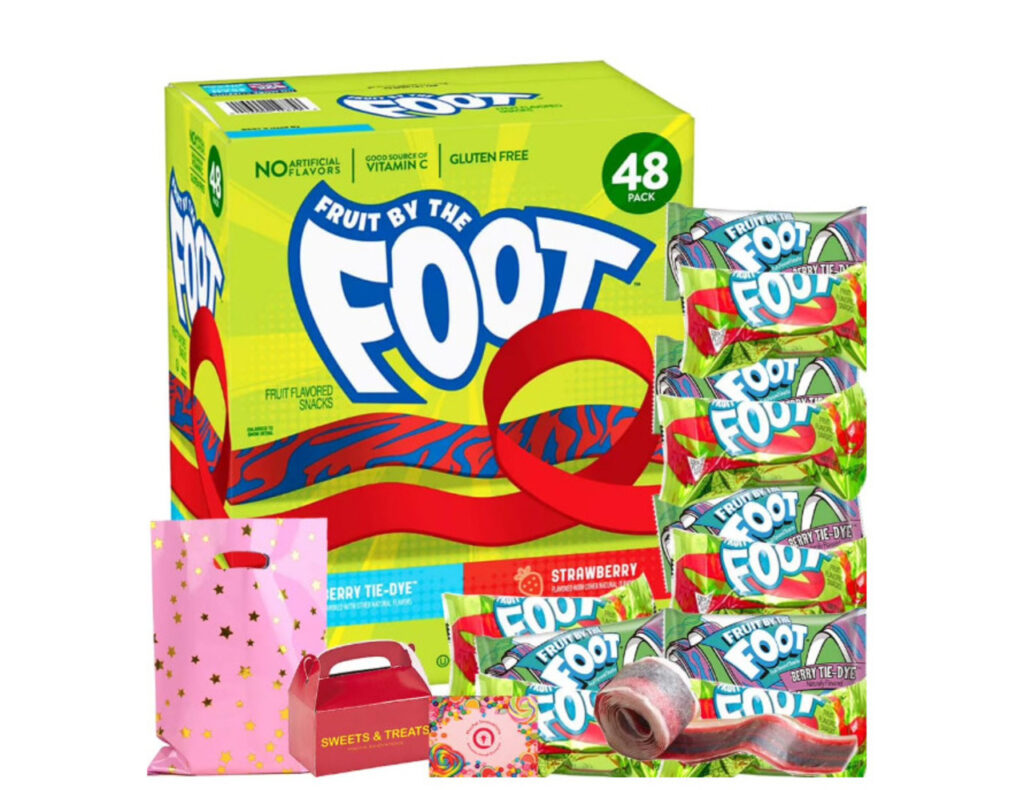
Fruit by the Foot stood out through its playful, long rolls of brightly colored candy marketed as fruit snacks. The fun came from stretching and unrolling, yet the ingredients centered on sugar, corn syrup, and artificial dyes, designed to attract children.
Preservatives and stabilizers helped maintain flexibility so the snack could be packaged without breaking. Consistency remained crucial for mass production across markets.
Although memorable for novelty, the snack functioned closer to candy than fruit. Parents sometimes viewed it as slightly healthier than sweets, yet sugar dominated its composition. Nostalgia today reflects clever marketing and playful design rather than nutritional value.
4. Lunchables
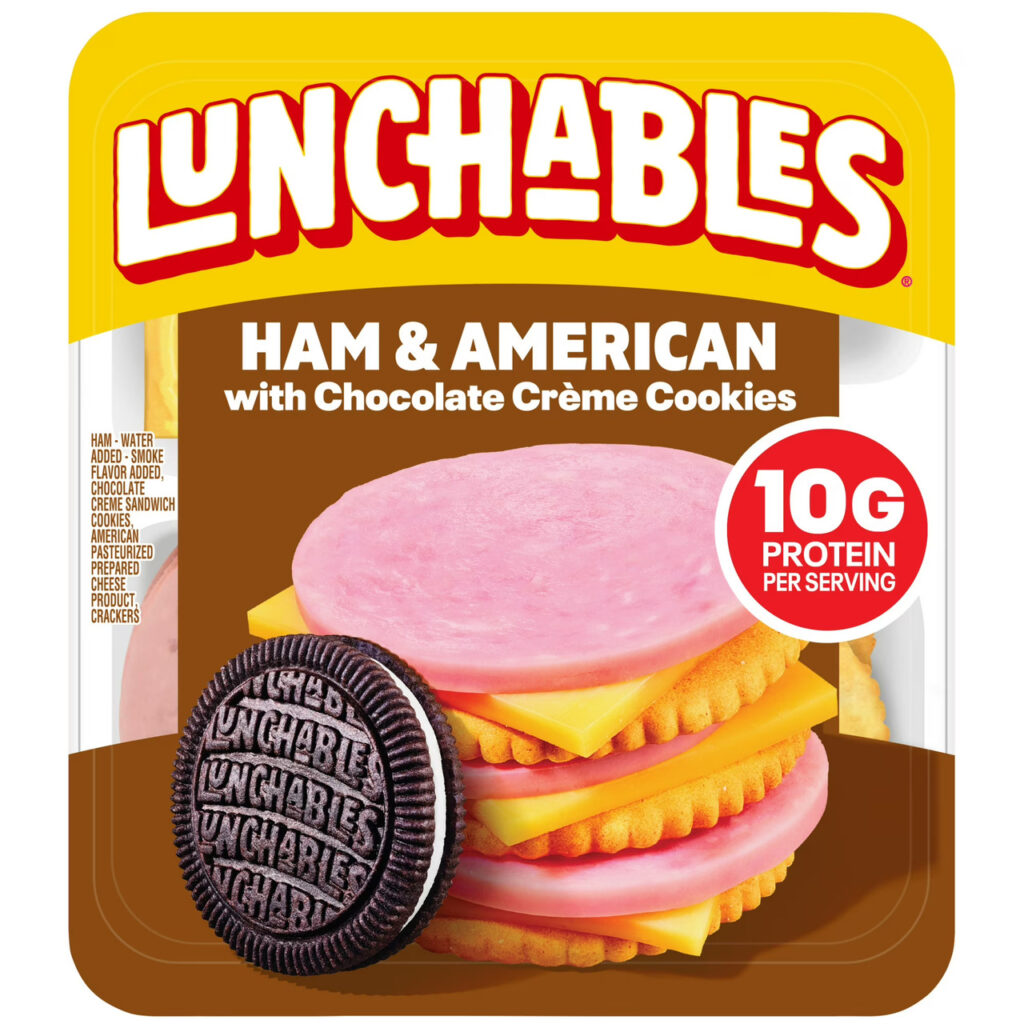
Lunchables reshaped school lunches by packaging crackers, processed meats, and cheeses into convenient kits that children assembled themselves. The appeal centered on independence and convenience, yet components relied heavily on preservatives and sodium to maintain safety and shelf life.
Processed meats often contain curing agents and flavor enhancers, preserving color and taste. Ingredients prioritized consistency and portability over freshness or balanced nutrition.
Despite concerns, Lunchables thrived because they matched busy family schedules and children’s desire for customizable meals. Nostalgia remains strong even as awareness of sodium and additives reshapes adult perceptions.
5. Pop-Tarts
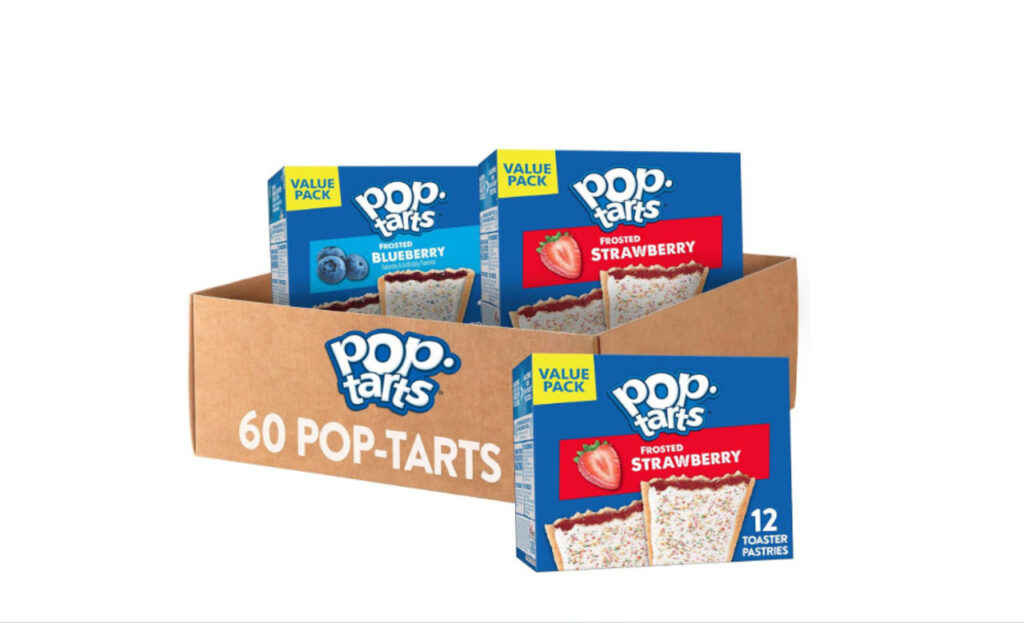
Pop-Tarts became breakfast staples thanks to their convenience and dessert-like flavors. Artificial flavors and colors delivered recognizable tastes without relying on fresh ingredients.
Preservatives kept pastries soft despite long storage times, while stabilizers maintained frosting during shipping and heating. Many flavors mimicked fruits or desserts but depended on synthetic compounds for consistent sweetness and aroma. Nutritional value remained limited.
For children, Pop-Tarts often felt like treats disguised as breakfast. Their popularity reflected busy morning schedules and demand for ready-to-eat foods. Many adults now see them as nostalgic indulgences rather than regular breakfast choices.
6. Crystal Pepsi
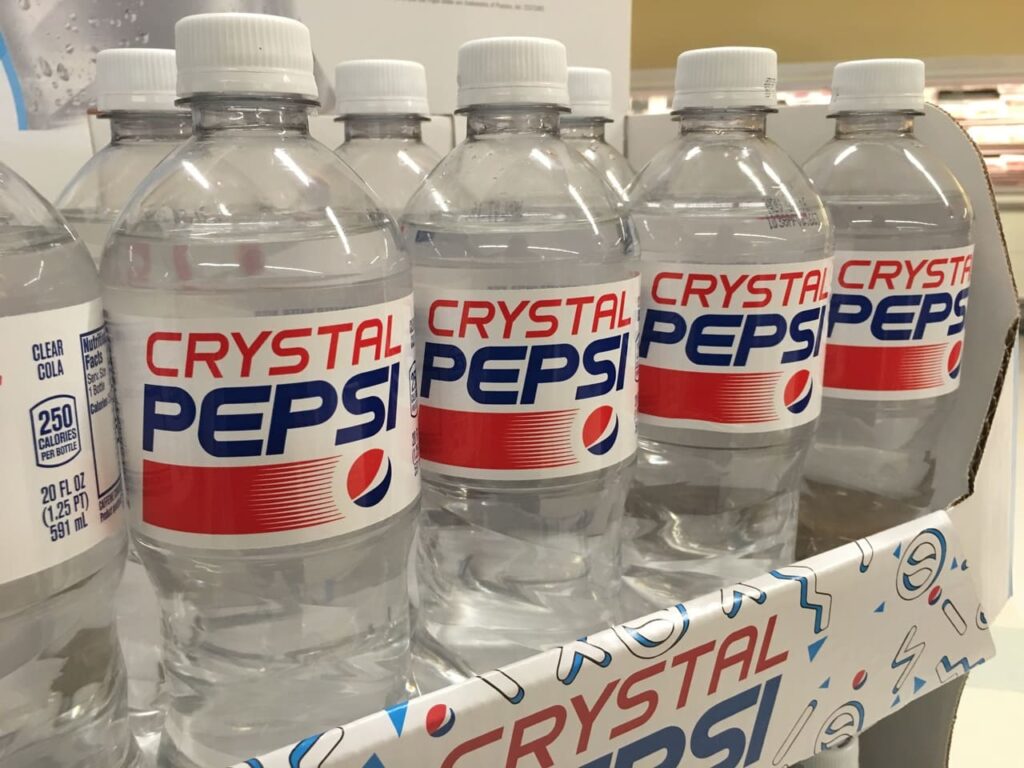
Crystal Pepsi attracted attention by offering a clear cola marketed as cleaner than traditional dark sodas. Despite appearances, the drink still relied on sweeteners, artificial flavors, and carbonation similar to other soft drinks of the era.
The formula removed caramel coloring but retained chemical flavor compounds, replicating cola taste. Marketing emphasized purity, though sugar content remained comparable to competing sodas.
In retrospect, Crystal Pepsi demonstrated how branding could overshadow ingredient realities. Many associated clarity with healthfulness even though the drink offered no nutritional advantage. Its brief popularity shows novelty often drives trends more than composition changes.
7. Chewy Spree
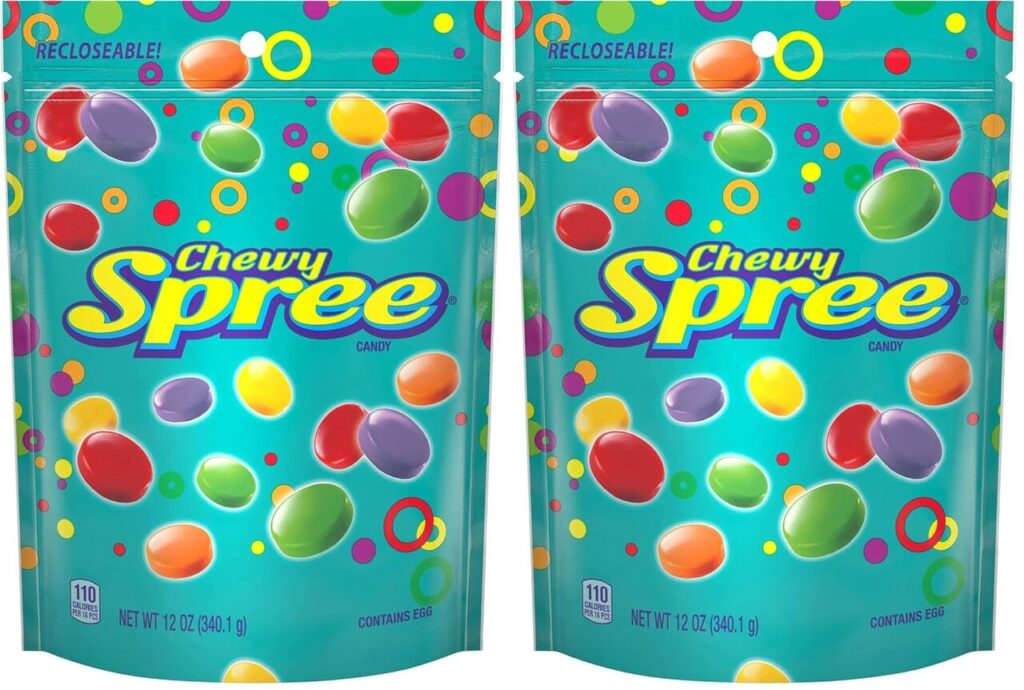
Chewy Spree candies became popular for colorful shells and soft centers delivering intense sweetness. These candies relied heavily on artificial colors, sugar coatings, and flavor enhancers engineered for strong sensory impact. Real fruit ingredients played a little role.
The chewy interior used stabilizers to maintain texture after prolonged storage. Bright dyes ensured visual appeal, reinforcing playful identity. Manufacturers prioritized consistency and shelf life over natural ingredient sourcing.
Although fun, Chewy Spree fit squarely within confectionery rather than snacks, offering nutrition. Adults now recognize how much flavor depends on engineered ingredients rather than genuine fruit elements.
8. Ring Pops
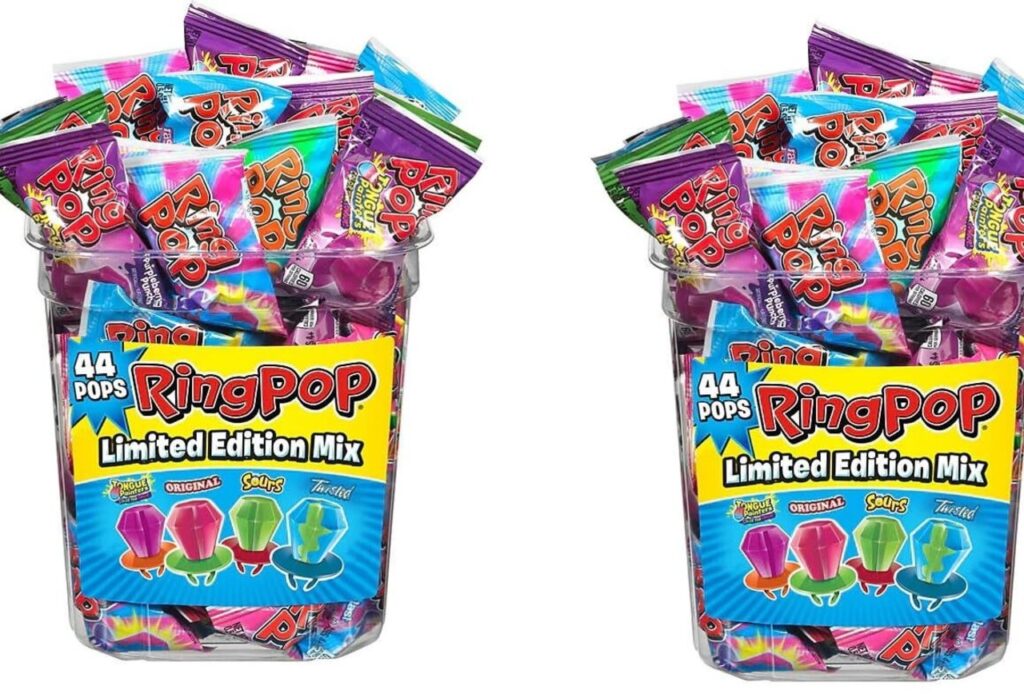
Ring Pops combined candy with wearable novelty, turning sugary treats into playful accessories. Their appeal stemmed from bright colors and bold flavors, yet ingredients largely consisted of sugar, corn syrup, and artificial flavor compounds.
Maintaining hardness required processed sugars and dyes, keeping candy stable under varying temperatures. Novel packaging made them popular party favors among children attracted to playful food experiences.
Ring Pops reveal how candy companies used fun concepts to market sugar-heavy products. Experience mattered more than flavor, authenticity, or nutrition. Nostalgia persists mainly due to novelty rather than ingredient quality.
9. 3D Doritos
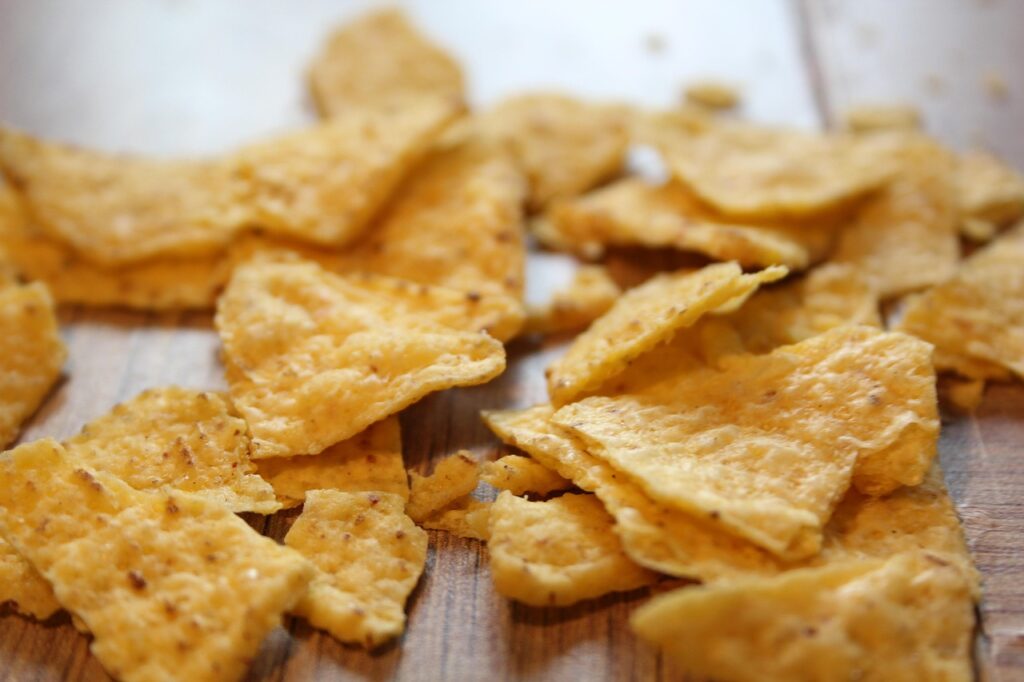
3D Doritos added excitement to chips by puffing them into hollow shapes, enhancing crunch and seasoning delivery. Flavor coatings relied on artificial cheese flavors, preservatives, and enhancers, ensuring consistent taste across batches.
The snack’s appeal came from texture innovation and bold seasoning, encouraging repeat consumption. Ingredients included refined corn products and oils stabilized to extend shelf life while maintaining crunch.
Though loved for texture, 3D Doritos reflected processed snack trends focused on maximizing flavor impact rather than nutrition. Their memory persists because of the shape and seasoning intensity that defined snack aisles in the decade.
10. Push Pops
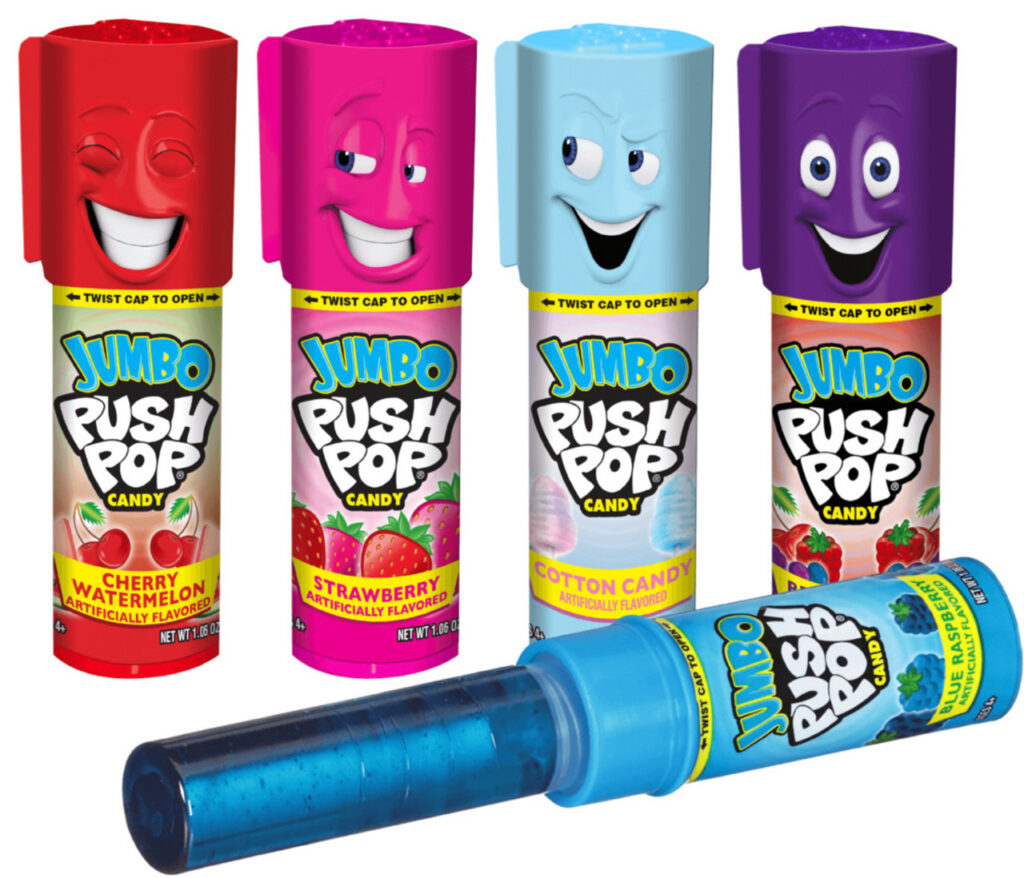
Push Pops stood out through retractable candy designs, allowing children to save treats for later. Like many novelty candies, ingredients centered on sugar, artificial flavors, and dyes create vibrant colors and sweetness appealing to young consumers.
Stabilizers maintained the candy’s structure despite repeated exposure to air and handling. Packaging innovation drove popularity as much as flavor, turning candy into an interactive experience.
Push Pops show how companies used playful packaging to boost appeal. Nutritionally, they offered little beyond sugar, yet novelty ensured popularity. Adults now remember design more than flavor quality.
11. Hi Chew
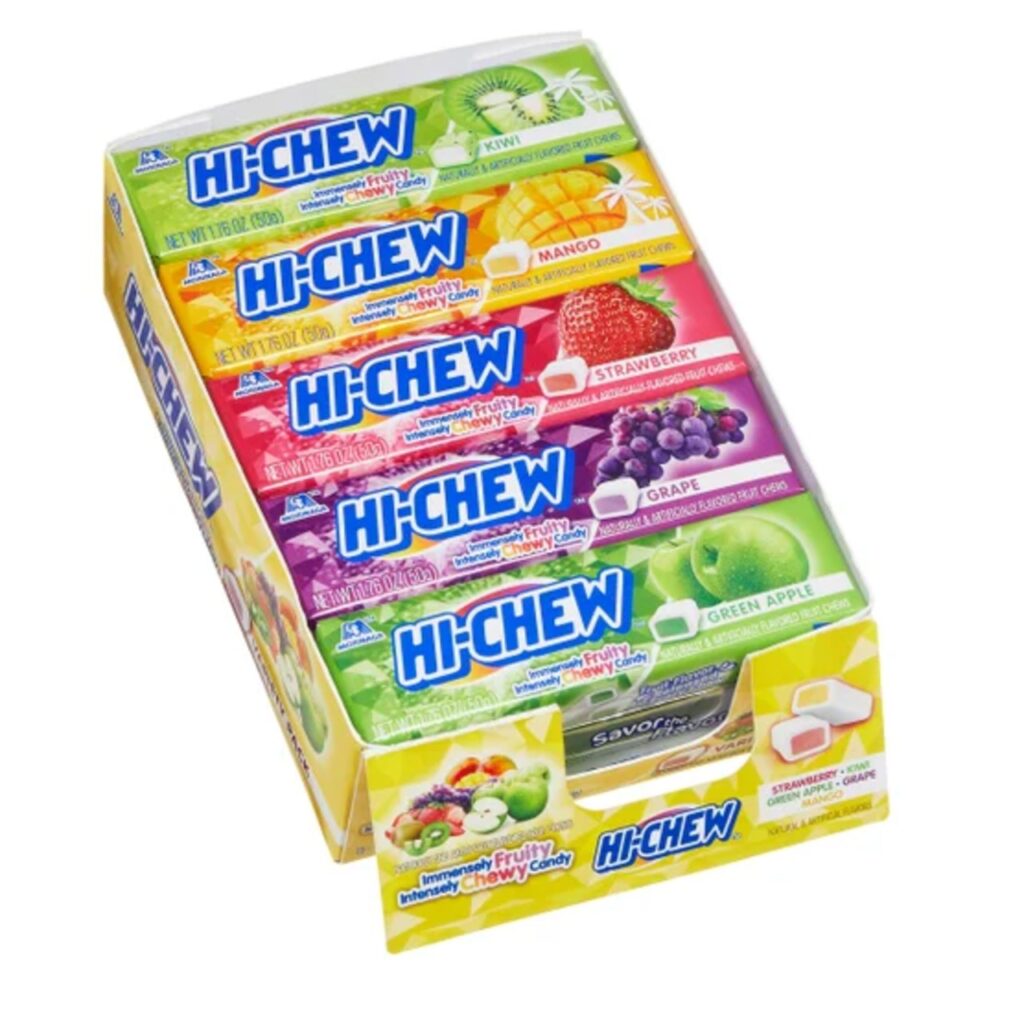
Hi-Chew candies gained popularity for their soft texture and long-lasting fruity flavors. Despite fruit-inspired marketing, candies relied mainly on sugar, glucose syrup, and artificial flavorings, producing consistent sweetness. Real fruit played minor roles.
Maintaining chewiness requires emulsifiers and stabilizers, preventing melting or hardening during storage. Flavor variety encouraged repeat purchases among younger consumers drawn to bold fruit tastes.
Though still popular, early versions reflect candy production built on engineered sweetness rather than natural ingredients. Nostalgia stems from texture and flavor intensity more than nutritional benefit.