Are Seasonal Flavors Starting Too Early Every Year

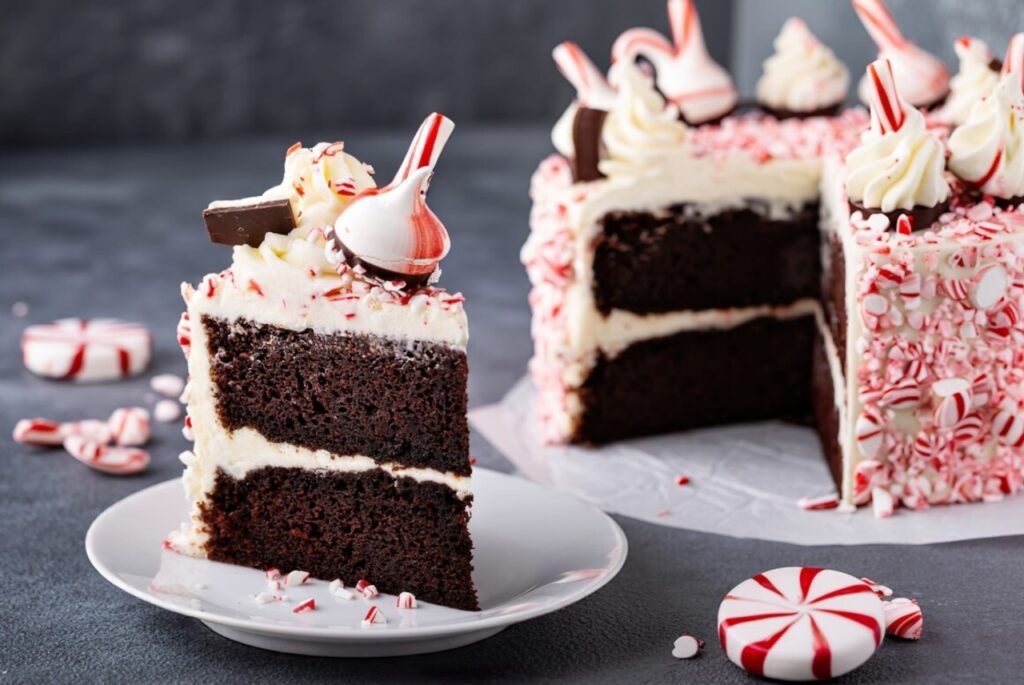
That first hint of a seasonal flavor used to feel like a signal. It marked a shift in weather, mood, and routines, arriving right on time with a sense of occasion.
Now, those familiar tastes are showing up earlier than expected. What once felt timely now appears, while the previous season still lingers.
This shift is not accidental. It reflects how brands compete for attention and how quickly trends move across platforms and stores.
For many, the excitement is still there, but it feels different. The anticipation is stretched, and the moment arrives sooner than it used to.
Looking closer reveals how timing, demand, and strategy are quietly reshaping the way we experience seasonal flavors today.
Why Seasonal Flavors Are Showing Up Sooner
Seasonal flavors are no longer waiting for their moment. Products tied to certain times of the year now appear weeks or even months earlier. This reflects how businesses aim to capture attention sooner than before.
Retail calendars have shifted forward. Brands introduce fall flavors in late summer and holiday items well before winter to secure early interest before competition rises.
Consumer behavior also plays a role. Many enjoy the anticipation of seasonal items and respond well to early releases, encouraging companies to move timelines ahead.
Digital platforms amplify this effect. Once early launches gain traction online, other brands quickly follow to stay visible and relevant.
What once felt like a timely treat is now part of a longer cycle, where timing is driven more by strategy than the actual season.
How Competition Is Stretching the Calendar
Competition has intensified across the food and retail industries. Brands are constantly looking for ways to stand out, and launching seasonal flavors early has become a common tactic.
By entering the market sooner, companies gain a head start in capturing consumer interest. Early visibility often translates into stronger sales before competitors even begin their campaigns.
This strategy also helps brands dominate shelf space. Retailers prioritize products that arrive first, giving early launches an advantage in both physical stores and online listings.
The effect creates a chain reaction. When one brand moves earlier, others follow to avoid being left behind, gradually stretching the entire seasonal calendar.
Over time, this competitive push reshapes expectations, making early releases feel normal rather than unusual.
The Growing Disconnect Between Seasons and Timing
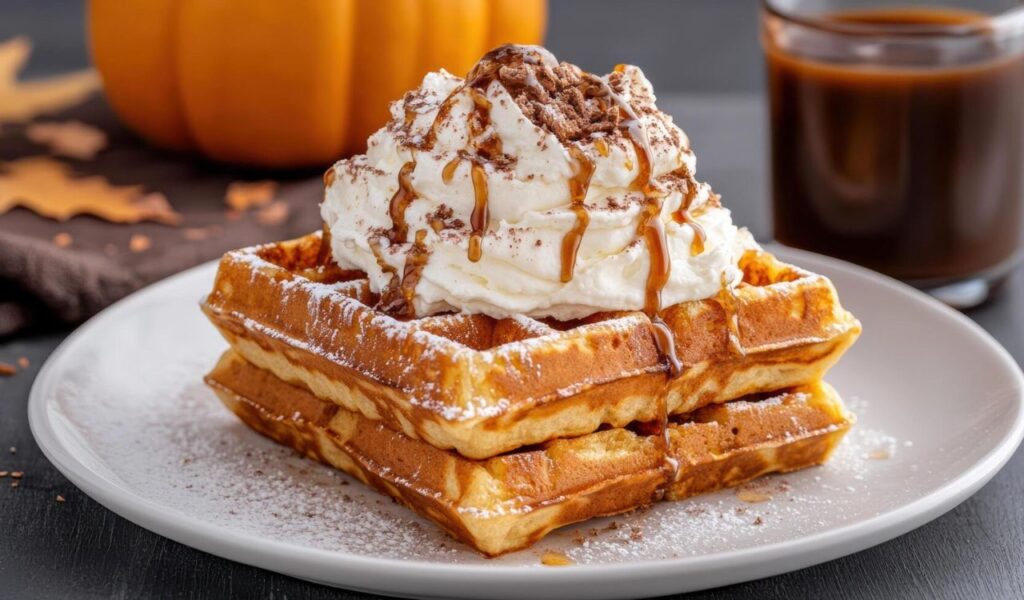
Seasonal flavors were once closely tied to weather, holidays, and cultural moments. Today, that connection is becoming less clear as products appear far ahead of their natural context.
Consumers might encounter autumn-inspired items during hot summer days or winter-themed products long before the temperature drops. This mismatch can feel disorienting.
Despite this, many still engage with early releases. The emotional association with certain flavors remains strong, even when the timing does not align with reality.
Brands rely on this emotional link rather than actual seasonal cues. Familiar tastes and scents trigger memories that override the need for perfect timing.
As a result, the idea of “seasonal” is shifting from a real-world experience to a marketing concept shaped by availability rather than timing.
When Excitement Turns Into Fatigue
The early arrival of seasonal products can initially feel exciting, but over time, constant exposure may reduce that sense of novelty. What once felt special begins to feel routine.
When flavors are available for longer periods, their uniqueness fades. Consumers may lose interest because the limited-time appeal no longer feels truly limited.
Repetition also plays a role. Seeing the same products repeatedly across stores and online platforms can lead to reduced engagement and lower enthusiasm.
Some consumers begin to delay purchases, knowing the items will remain available for extended periods. This changes buying behavior and weakens urgency.
Fatigue becomes a real risk for brands. Without careful timing, the very strategy meant to boost excitement can gradually diminish it.
What the Future of Seasonal Trends Might Look Like
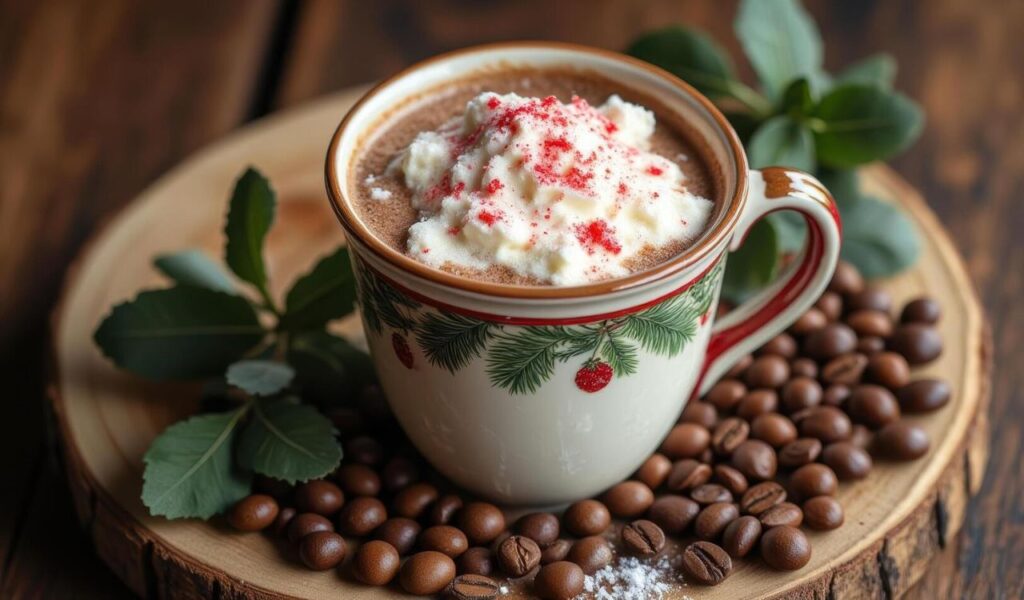
Seasonal trends are likely to continue evolving as brands balance early releases with maintaining interest. Finding the right timing will become increasingly important.
Some companies may experiment with shorter, more controlled release windows to restore a sense of exclusivity. This approach could help rebuild excitement around seasonal items.
Personalization may also shape the future. Data-driven strategies can allow brands to target specific audiences with seasonal products at different times.
Sustainability and mindful consumption are gaining attention as well. Consumers may begin to prefer fewer, more meaningful seasonal experiences rather than prolonged availability.
The future of seasonal flavors will depend on how well brands adapt to changing expectations while preserving the sense of anticipation that made these products special.