Gen Z Started These 10 Grocery Habits; and Older Shoppers Are Quietly Catching On

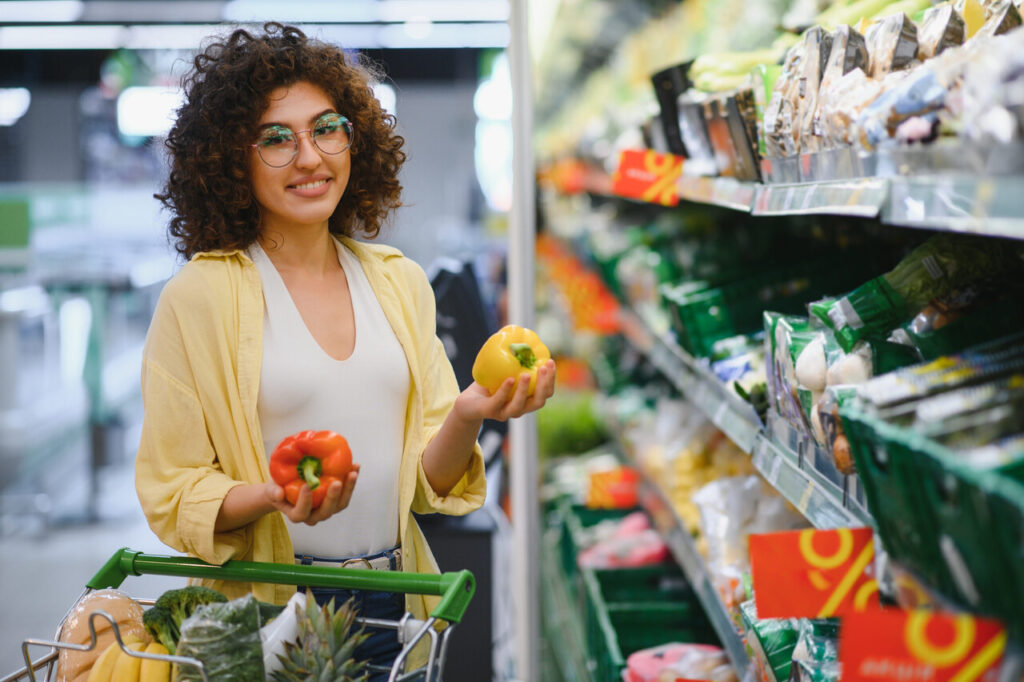
Grocery shopping has started to look very different from what it used to be. What was once a quick, routine task is now shaped by technology, shifting priorities, and a more flexible approach to how people buy food. Younger shoppers have led much of this change, turning everyday habits into something more intentional and, at times, even enjoyable.
What’s interesting is how quickly these habits are spreading. Older shoppers are not just noticing them, they are starting to adopt them in practical ways. Whether it is planning meals, mixing online and in-store shopping, or paying closer attention to value and experience, the shift is happening quietly but steadily.
1. Grocery Shopping Has Quietly Turned Into a Social Outing
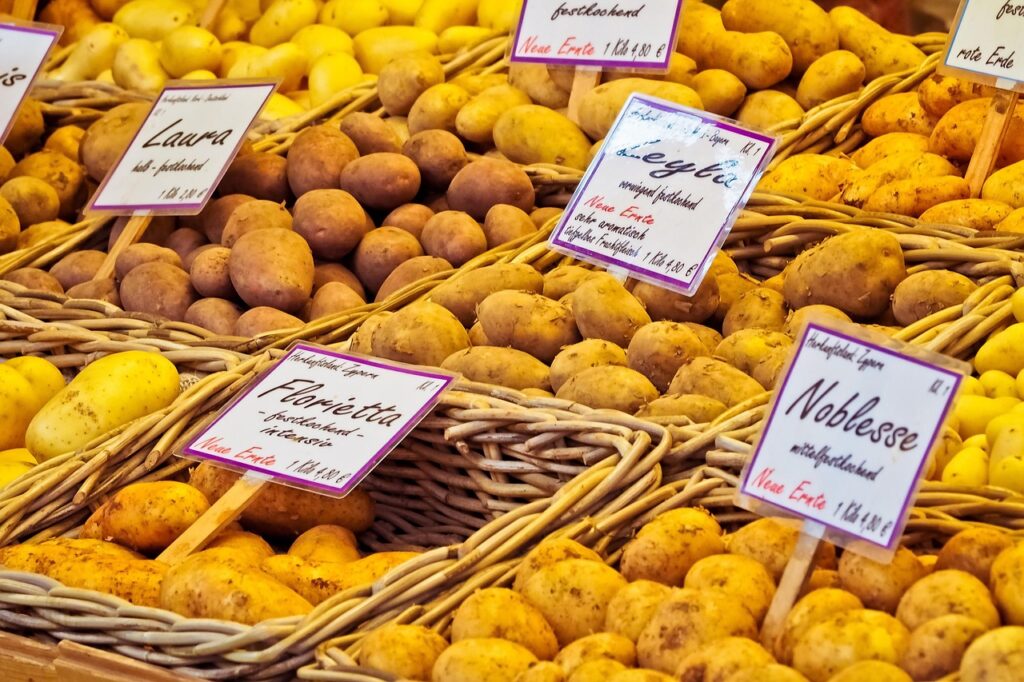
For many younger shoppers, grocery shopping is no longer just a routine errand. It has become something closer to a casual outing, where people browse, explore new products, and even spend time with friends. Stores with well-designed layouts, sampling stations, and ready-to-eat sections make the experience feel less transactional.
This shift reflects a broader change in how time is spent. Instead of rushing through a list, shoppers are more open to walking the aisles, discovering new items, and treating the trip as part of their day rather than a task to finish quickly. The environment of the store plays a bigger role than it once did.
Older shoppers are starting to adopt this mindset as well. As stores evolve to feel more engaging, the idea of slowing down and enjoying the process becomes more appealing across age groups. What used to be purely functional is now something people choose to spend time on.
2. Blending Online Ordering With In-Store Pickup Feels Like the New Normal

Shopping habits are no longer split between online and in-store. Instead, many people now combine both, ordering groceries digitally and picking them up in person. This approach keeps the convenience of online browsing while avoiding delivery fees and delays.
The system also allows for better control. Shoppers can compare prices, check availability, and plan their purchases before arriving at the store. At the same time, picking up orders ensures freshness and reduces the uncertainty that sometimes comes with delivery.
This hybrid method is spreading beyond younger shoppers. As more stores invest in pickup infrastructure, it becomes easier for everyone to adopt. The convenience and flexibility make it a practical option for a wide range of households.
3. Planning Meals First Is Replacing Impulse Shopping
Rather than walking into a store and deciding what to buy on the spot, many shoppers now plan meals. This approach helps create a focused shopping list, reducing unnecessary purchases and making better use of ingredients.
Meal planning also connects closely with budgeting. Knowing exactly what is needed helps avoid overspending and reduces food waste. It turns grocery shopping into a more intentional process rather than a reactive one.
This habit is gradually spreading to older shoppers who are looking for more efficiency. As food prices fluctuate, planning offers a clearer sense of control. It is a simple change that makes shopping more predictable and cost-effective.
4. Social Media Is Quietly Shaping What Ends Up in the Cart

Platforms filled with recipes, product reviews, and cooking trends have become a major source of inspiration. People discover new ingredients, brands, and meal ideas while scrolling, often leading them to try something they might not have considered otherwise.
This influence changes how products gain attention. Instead of relying only on in-store displays, items can become popular through online exposure. A single viral recipe can drive demand for specific ingredients almost overnight.
Older shoppers are beginning to follow these trends as well, even if indirectly. Recipes shared by family members or seen online start to influence buying decisions. The path from screen to shopping cart is becoming more common across generations.
5. The Store Experience Matters More Than It Used To
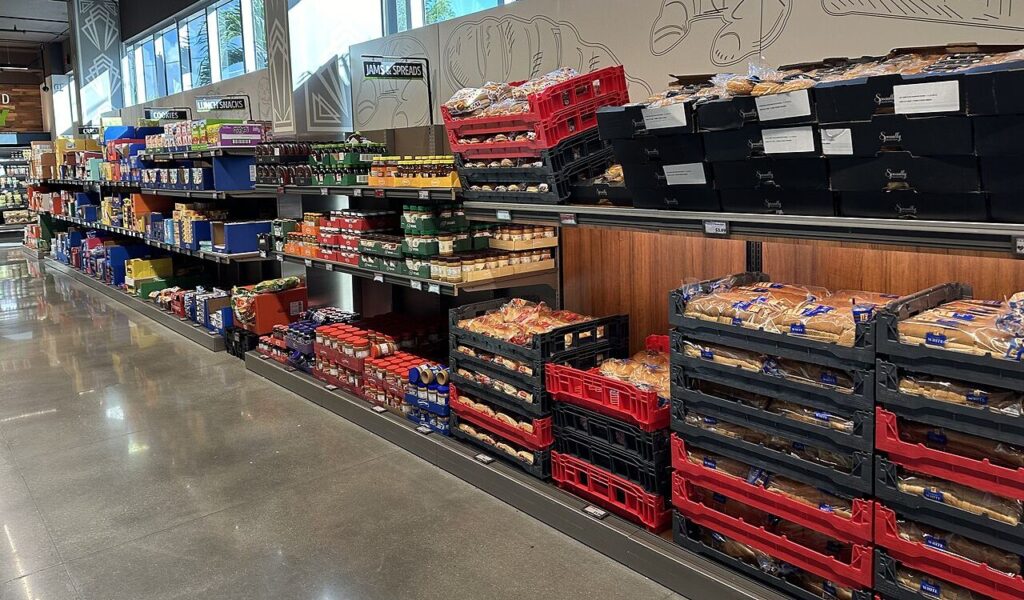
The atmosphere of a grocery store now plays a bigger role in where people choose to shop. Clean layouts, clear organization, and appealing displays make the experience more enjoyable and less stressful.
This focus on experience goes beyond appearance. It includes how easy it is to find items, how quickly checkout works, and how the store feels overall. A positive environment encourages people to spend more time browsing and exploring.
As expectations shift, older shoppers are also paying more attention to these factors. Convenience is still important, but the overall experience is becoming just as influential in deciding where to shop.
6. Convenience Foods Are Becoming a Practical Choice, Not a Shortcut
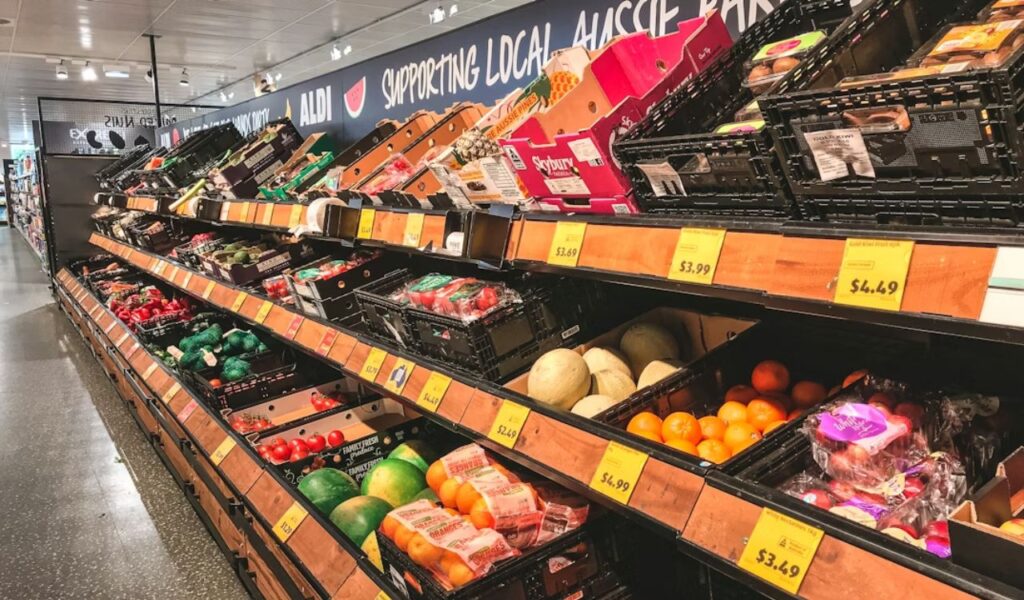
Ready meals and grab-and-go options have become more popular, especially for people with busy schedules. These items offer a way to save time without completely relying on takeout or restaurant meals.
The quality of these products has also improved. Many now include better ingredients and more balanced options, making them a more acceptable part of regular grocery shopping. They are no longer seen as a last resort.
This change is being noticed across age groups. Older shoppers who once focused on cooking everything from scratch are starting to include convenience items when it makes sense. It is less about replacing cooking and more about managing time.
7. Brand Loyalty Is Giving Way to Flexibility
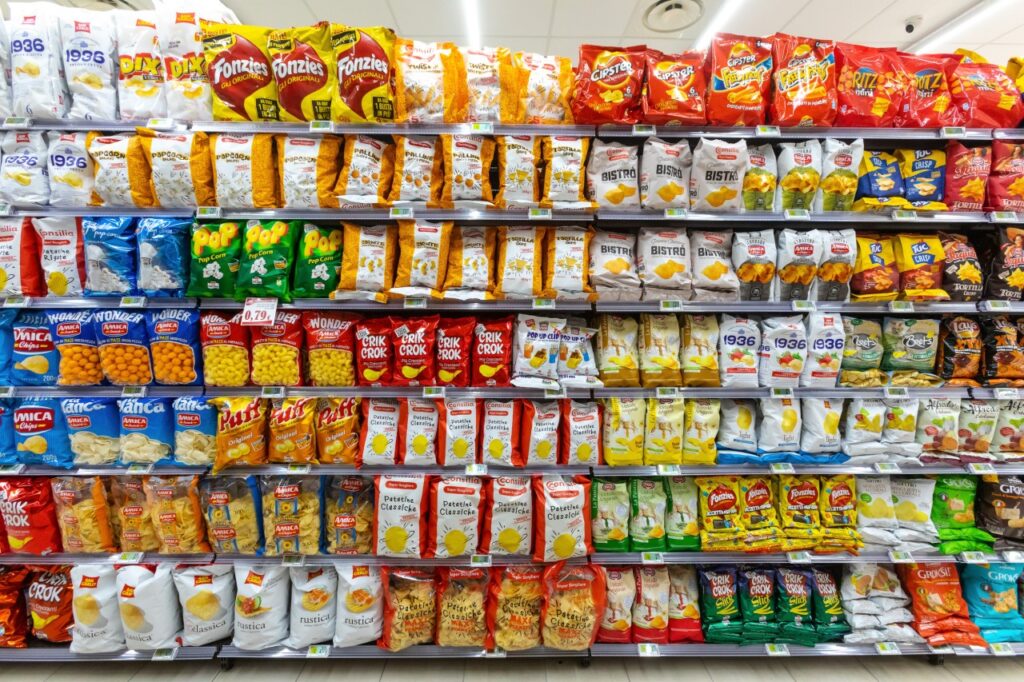
Younger shoppers tend to be more open to trying different brands rather than sticking to the same ones. Price, availability, and product features often matter more than long-standing brand recognition.
This flexibility is partly driven by access to information. Reviews, comparisons, and social media exposure make it easier to evaluate options quickly. Shoppers feel more confident switching if something better or more affordable is available.
Older shoppers are gradually adopting this approach as well. As prices fluctuate and new products enter the market, sticking to one brand becomes less practical. Being open to alternatives allows for better value and variety.
8. Mixing Budget Choices With Occasional Splurges Feels Balanced
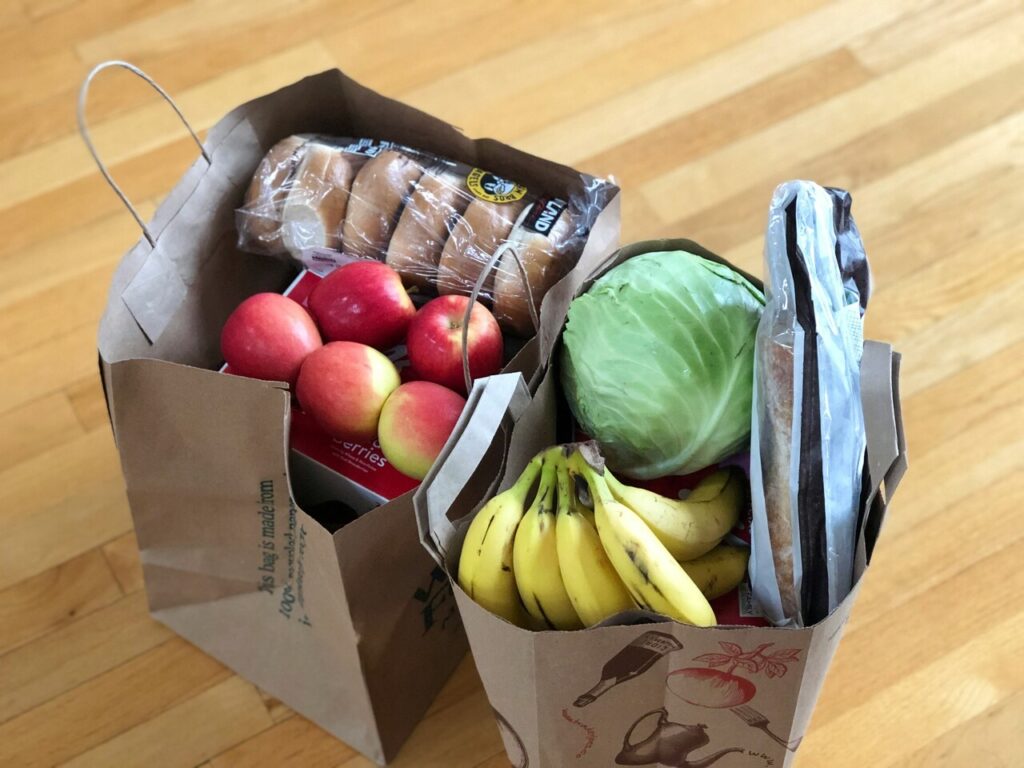
Rather than choosing between saving and spending, many shoppers now combine both. They may buy basic items at lower prices while occasionally spending more on products they see as worth it, such as specialty foods or higher-quality ingredients.
This approach reflects a more flexible mindset. It allows people to stay within a budget without feeling restricted. Spending is adjusted based on what matters most to the individual.
Older shoppers are beginning to follow this pattern as well. Instead of consistently buying either budget or premium items, they mix both depending on the situation. It creates a sense of balance that feels more sustainable.
9. Health and Wellness Are Driving More Everyday Decisions
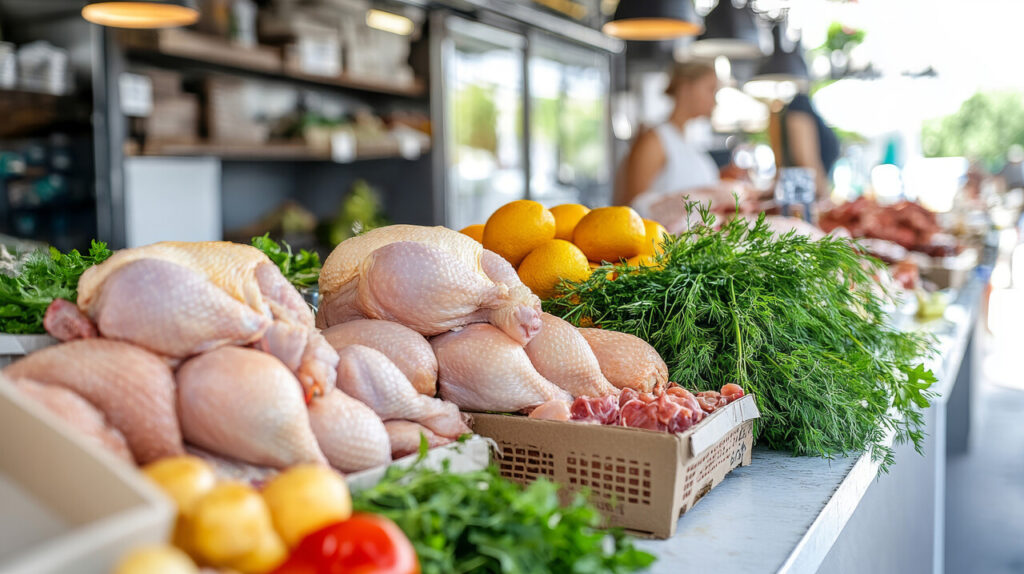
There is a growing focus on foods that support overall well-being. Shoppers are paying more attention to ingredients, nutritional value, and how products fit into their daily routines.
This does not always mean strict diets. It often involves small choices, such as selecting items with more protein, fewer additives, or added functional benefits. The goal is to make better decisions without overcomplicating the process.
This mindset is spreading across generations. As information becomes more accessible, older shoppers are also becoming more aware of these factors. Health is no longer a separate concern; it is part of everyday grocery decisions.
10. Grocery Shopping Is Becoming a Way to Slow Down and Reconnect
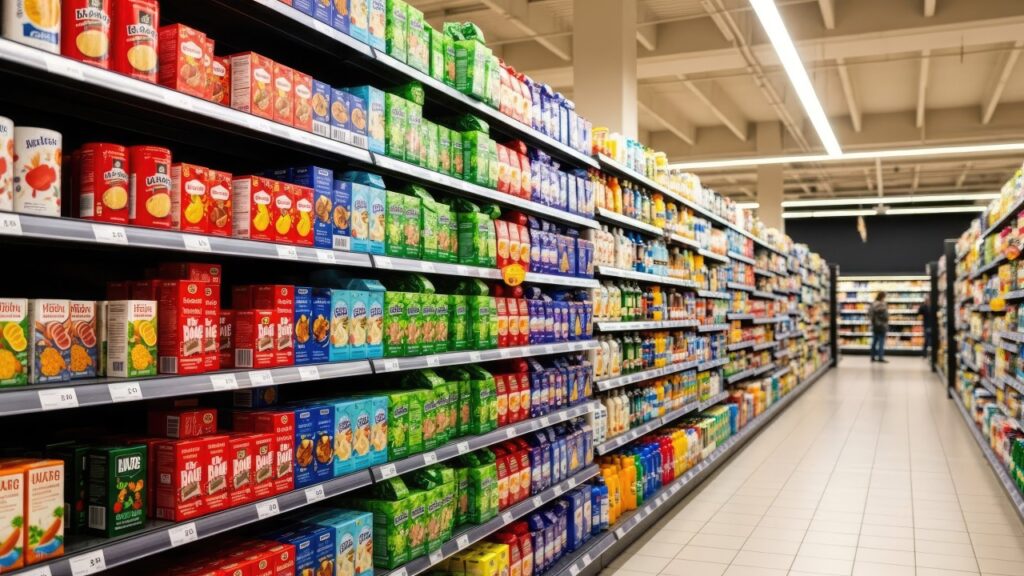
In a fast-paced routine, grocery shopping is starting to feel like a moment to pause. Walking through aisles, choosing ingredients, and thinking about meals creates a sense of structure that contrasts with more digital activities.
This experience offers a form of connection to daily life. It brings attention back to food, routine, and simple decisions that shape the day. For many, it becomes a grounding activity rather than just another task.
Older shoppers are rediscovering this aspect as well. What was once routine can feel meaningful again when approached differently. The act of shopping itself becomes part of a larger rhythm, not just a step in getting food home.