7 Smashed Potato Trends Chefs Secretly Hate

Smashed potatoes dominate social feeds with promises of ultra-crispy edges and easy preparation, yet many viral shortcuts skip the small techniques that make them truly delicious. From over-smashing to drowning potatoes in toppings too early, popular trends often sacrifice texture and flavor for dramatic visuals. Chefs argue that perfect smashed potatoes depend on careful boiling, seasoning, and roasting methods, proving that simple technique matters far more than flashy twists when chasing crisp, creamy perfection at home.
1. Over-Smashing Potatoes Until They Fall Apart
Smashed potatoes became popular because they promise crisp edges with soft centers, yet many home cooks flatten potatoes too aggressively, turning them into broken piles instead of structured rounds ready for roasting. Viral videos often encourage extreme smashing for dramatic visuals.
Chefs prefer gentle pressure that cracks potatoes open while keeping pieces connected. Over-smashing releases excess starch, creating sticky patches that brown unevenly rather than forming crisp crusts.
Proper technique keeps enough thickness to create creamy centers while maximizing surface area for crisping. When potatoes fall apart entirely, roasting produces dry fragments instead of satisfying bites, frustrating chefs who value texture control.
2. Dropping Potatoes Straight Into Boiling Water
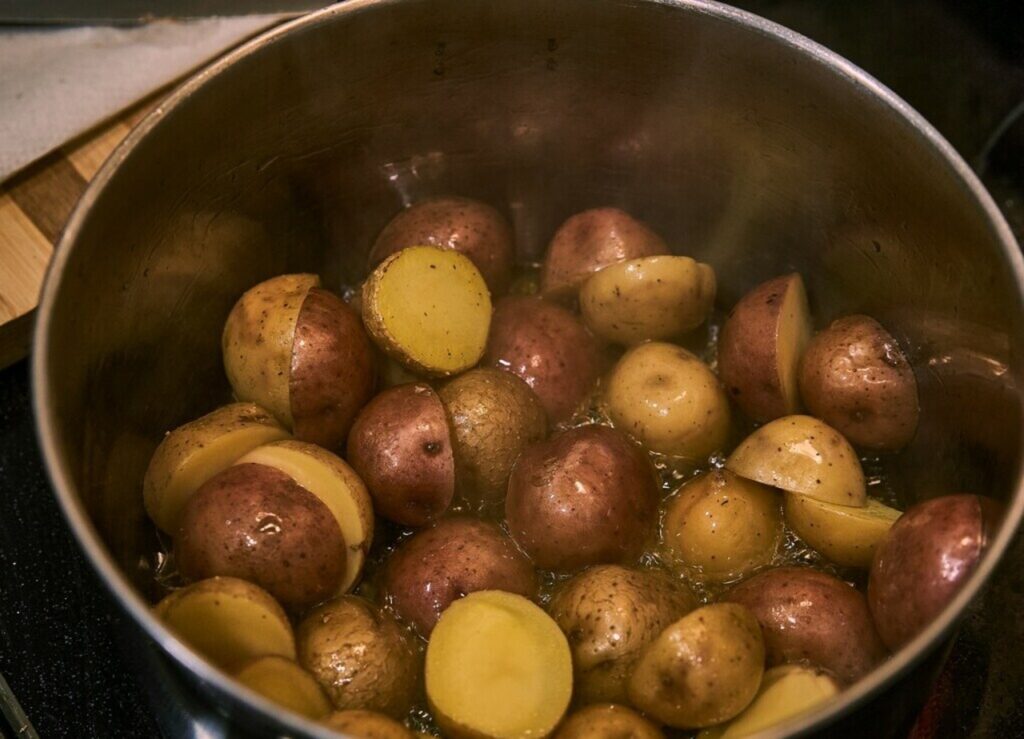
Many cooks speed up preparation by tossing potatoes into already boiling water, yet this shortcut often produces uneven cooking. Outer layers soften quickly while centers remain firm, creating an inconsistent texture once smashed.
Professional kitchens begin cooking potatoes in cold, salted water so heat rises gradually, allowing interiors and exteriors to cook evenly. Uniform cooking ensures potatoes smash smoothly without crumbling or resisting pressure.
Skipping this step creates unpredictable results later. Some potatoes become mushy while others stay dense, leading to uneven crisping in the oven. Chefs see this mistake often because proper boiling feels less dramatic than viral shortcuts, yet it makes the biggest difference.
3. Forgetting to Properly Salt Cooking Water
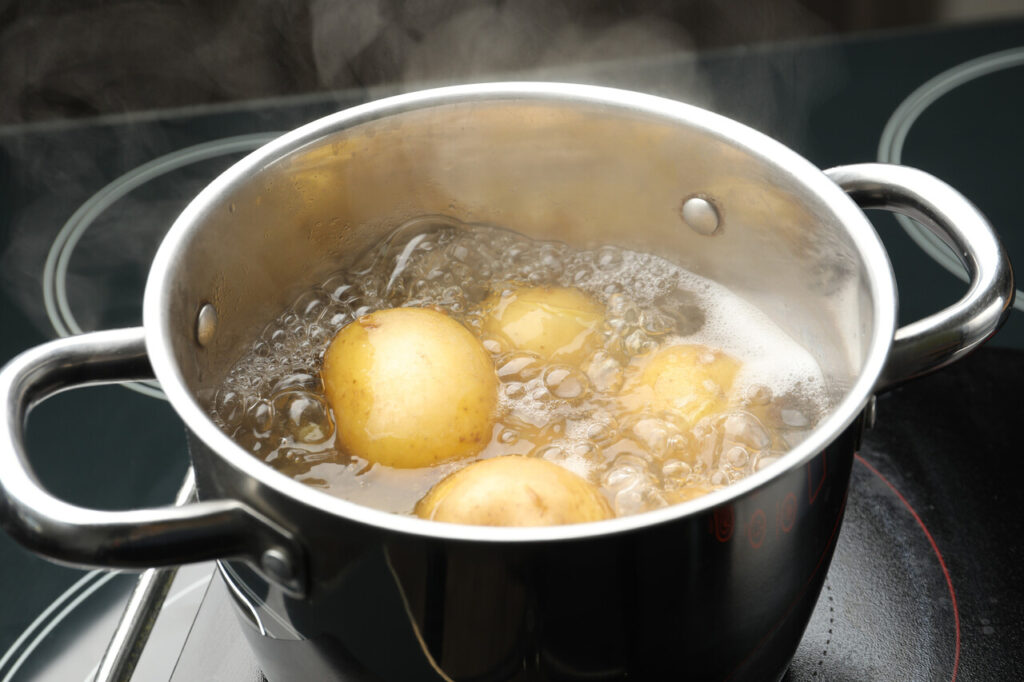
Smashed potatoes sometimes taste bland despite generous toppings because seasoning never reaches the interior. Many cooks rely only on salt sprinkled after roasting, which fails to penetrate dense potato flesh.
Chefs season boiling water heavily so potatoes absorb salt while cooking. This technique distributes flavor throughout the potato, meaning even simple oil and crisping later produce a satisfying taste without heavy sauces.
When water remains under-seasoned, cooks compensate with excess cheese or sauces that mask rather than enhance flavor. Proper internal seasoning allows crisp potatoes to taste rich and complete even with minimal toppings, something professionals insist upon.
4. Using the Wrong Potato Variety
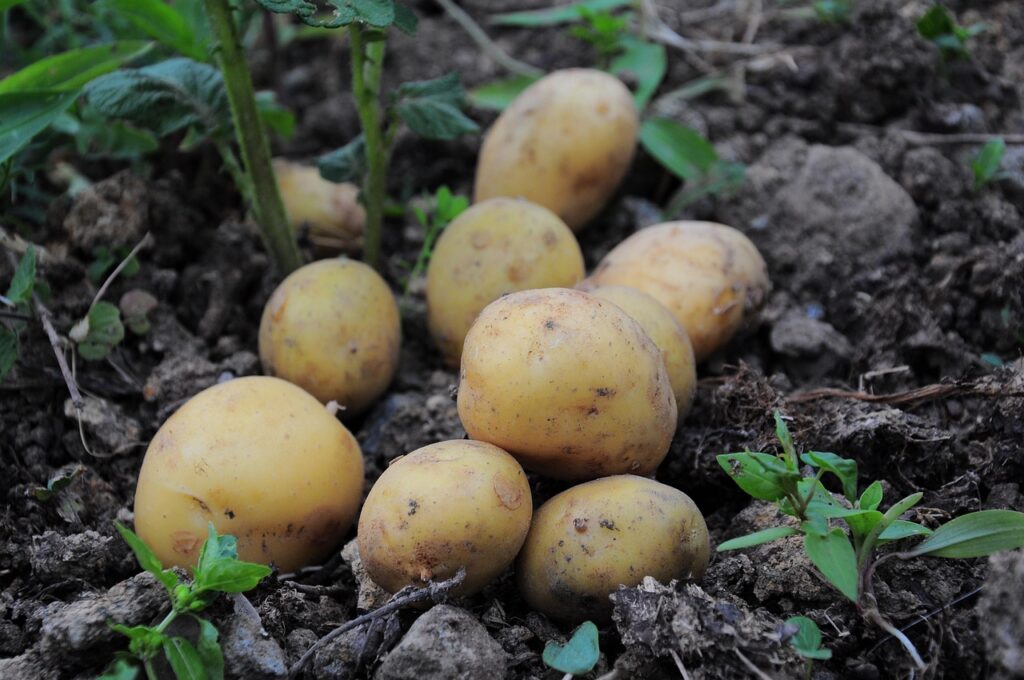
Not all potatoes behave the same, yet many recipes ignore variety differences, leading cooks to use whatever sits in the pantry. Some potatoes crumble excessively, while others refuse to crisp properly when smashed.
Waxy varieties hold shape well but sometimes resist crisping, while starchy types break apart too easily if mishandled. Chefs typically choose small, balanced varieties that maintain structure while still producing fluffy interiors.
Ignoring potato type leads to disappointing results, blamed on technique rather than ingredient choice. Proper selection ensures smashed potatoes deliver crisp exteriors and creamy centers, showing why chefs pay attention to produce details often overlooked at home.
5. Roasting on Dry or Lined Baking Sheets
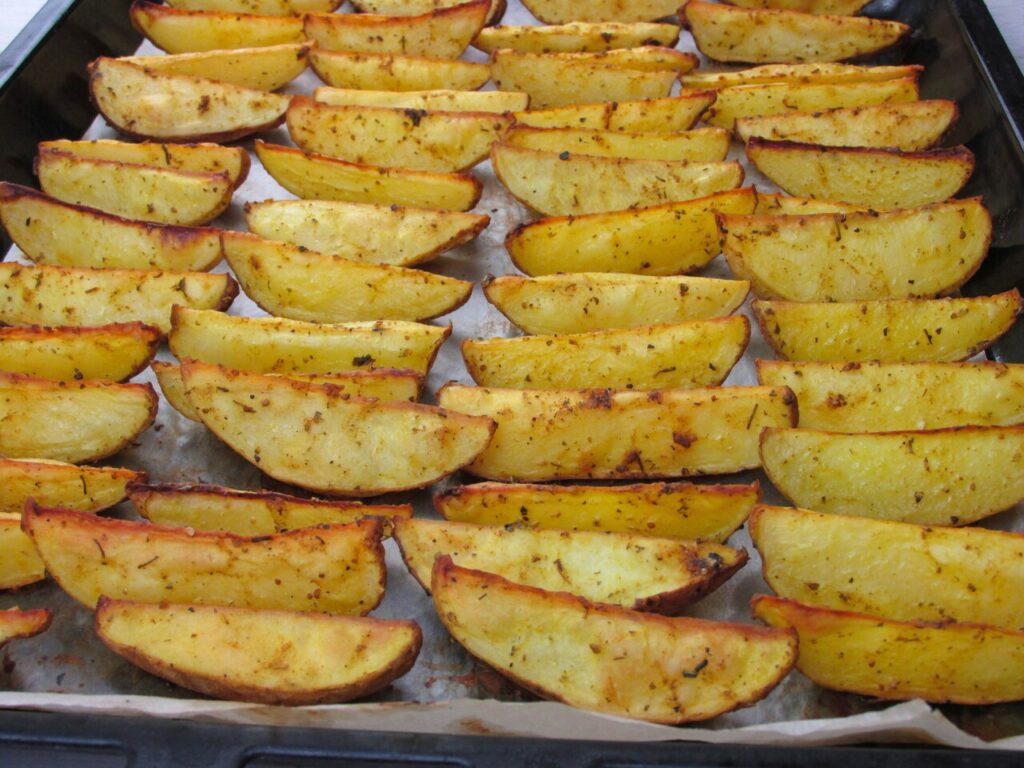
Many cooks place potatoes on parchment-lined trays without oil, believing it simplifies cleanup, yet this habit prevents proper crisping. Potatoes need direct contact with hot oil and metal surfaces to develop golden crusts.
Chefs preheat trays with oil so potatoes sizzle immediately upon contact. This jump-starts browning and prevents sticking while encouraging crunchy edges rather than steamed surfaces.
Lining sheets blocks direct heat and reduces browning potential. While convenient, it sacrifices texture quality. Professionals prefer slightly messier trays if it means achieving crisp potatoes that match restaurant-level expectations.
6. Adding Heavy Toppings Before Crisping
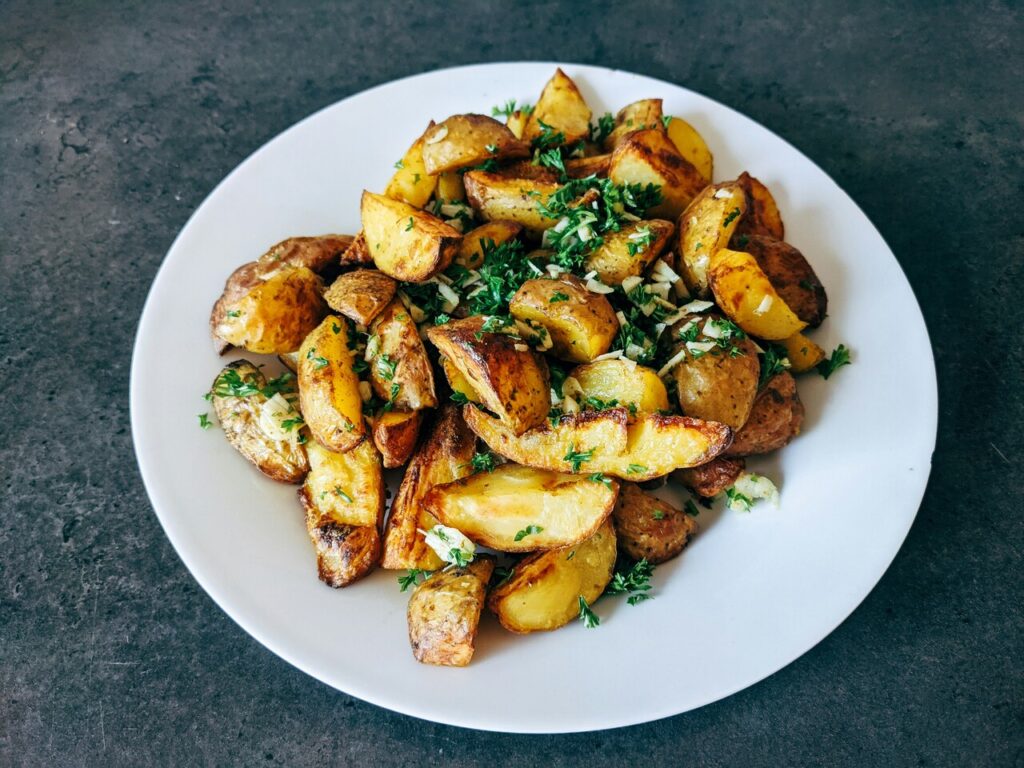
Social media versions often pile cheese, sauces, or creamy toppings onto potatoes before roasting, yet early additions trap moisture, steaming potatoes instead of allowing them to crisp.
Chefs add toppings after crisping, so potatoes first develop crunchy surfaces. Once crisp, toppings melt or coat without interfering with texture, creating contrast between crunchy potato and creamy additions.
Early topping application causes soggy surfaces that collapse under moisture. While visually appealing online, such methods frustrate chefs who prioritize texture first and decoration second when preparing smashed potatoes properly.
7. Turning Smashed Potatoes Into Overloaded Trend Plates
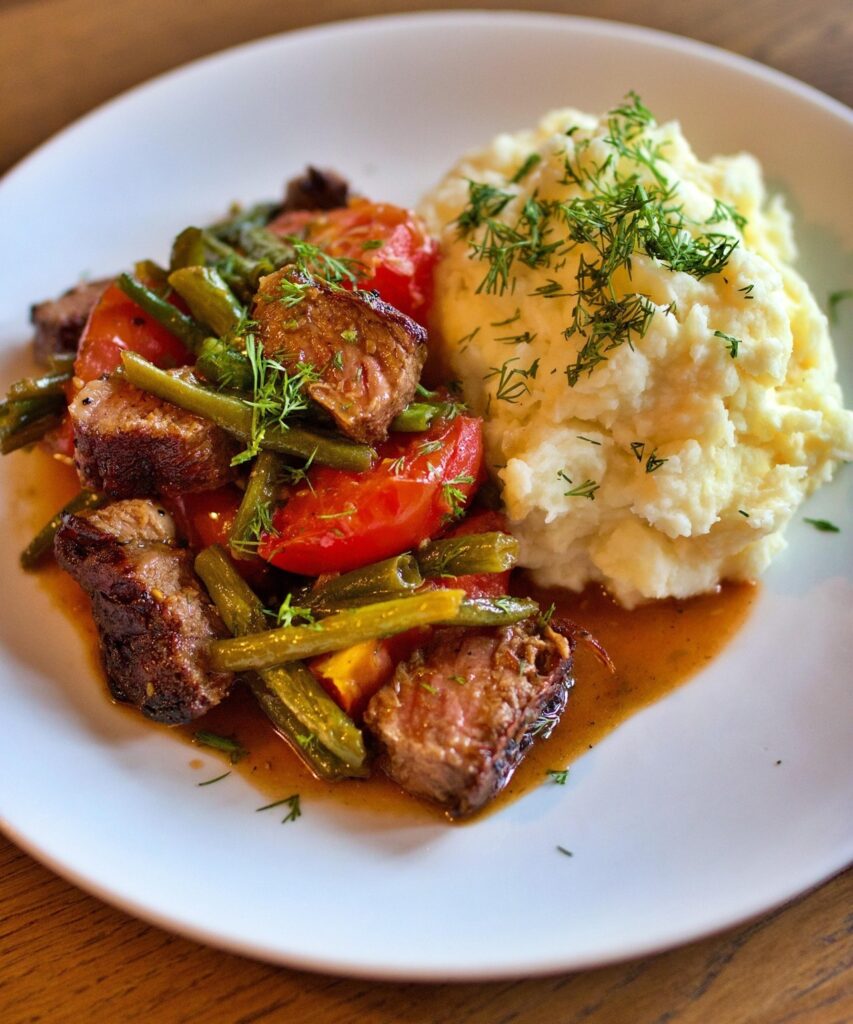
Smashed potatoes sometimes become vehicles for excessive toppings, from heavy sauces to unrelated ingredients piled high for dramatic presentation. Viral recipes often chase spectacle instead of flavor harmony.
Chefs argue that potatoes already provide comfort through simplicity. When overloaded with toppings, crisp texture disappears beneath sauces, and flavors compete rather than complement each other.
The best smashed potatoes highlight potato flavor with balanced seasoning and light garnishes. Professionals often dislike trends that bury good technique beneath unnecessary additions, preferring dishes where texture and flavor remain the stars rather than props for online attention.