7 Reasons Searing Seals in Juices Is a Lie Chefs Need to Admit

In kitchens everywhere, certain phrases are treated as unquestionable truth. One of the most repeated is the claim that a hard sear locks juices inside meat. It sounds precise and scientific, and it has shaped cooking habits for generations.
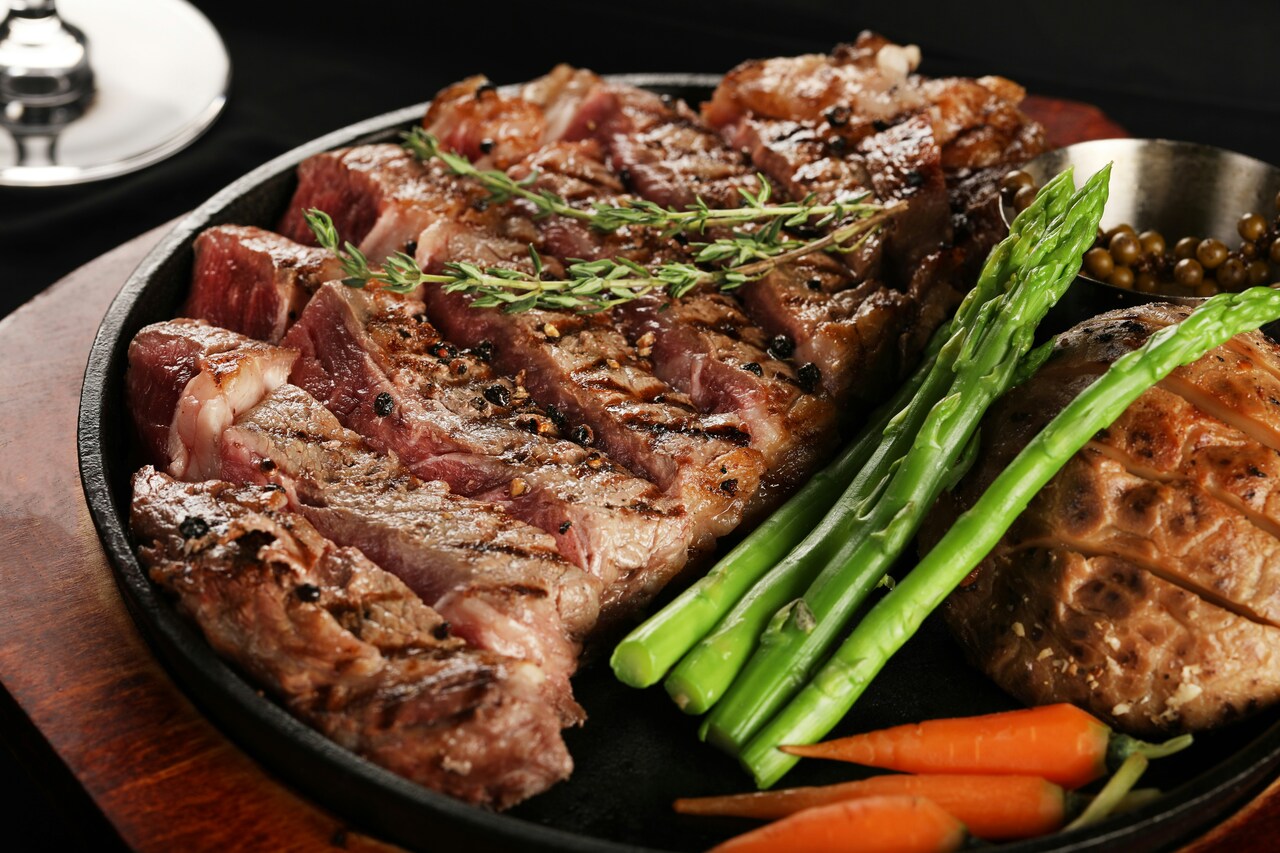
The sizzle of meat hitting a hot pan feels like proof that something powerful is happening. A browned crust forms quickly, and it is easy to believe this layer protects what is inside. The explanation is simple and satisfying.
But cooking is driven by chemistry, structure, and temperature, not tradition alone. When we look closely at how heat affects muscle fibers and moisture, the story becomes clearer. What searing truly does is valuable, just not in the way many were taught.
1. It’s a Persistent Culinary Myth
Some cooking ideas survive because they are easy to repeat. The belief that searing seals in juices took hold in the 19th century, when writers promoted high heat as a way to trap moisture inside meat. The explanation sounded practical, though testing was limited.
As culinary schools formalized training, the phrase became standard instruction. Repetition gave it authority. Cooks heard it from mentors, read it in books, and saw it in professional kitchens. Over time, it shifted from suggestion to accepted fact.
Modern food science has tested the claim under controlled conditions. Results show that searing does not create a moisture barrier. The idea persists not because it is proven, but because it sounds logical and has been repeated for years.
2. Searing Does Not Create a Waterproof Barrier
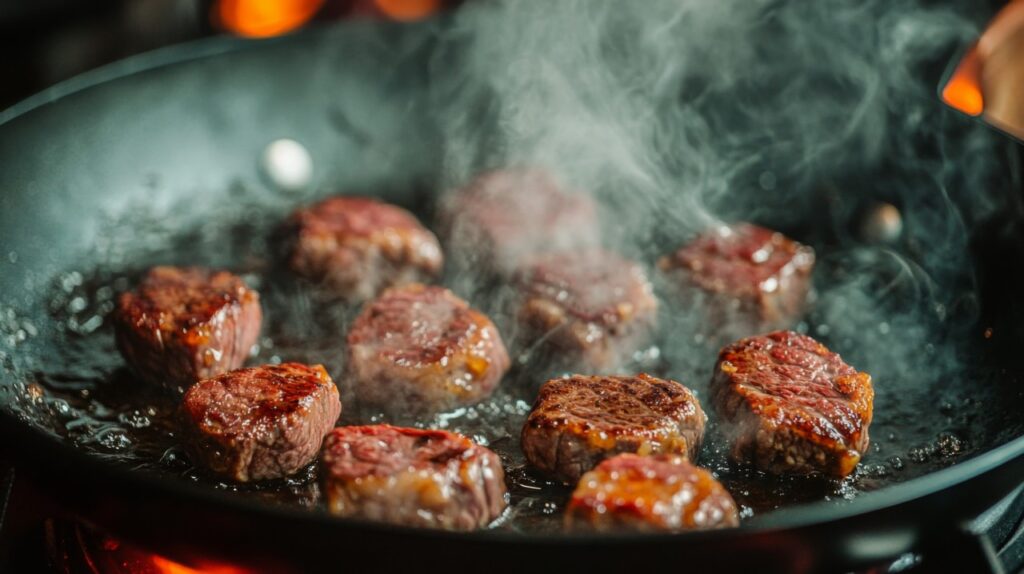
The moment meat touches a hot pan, surface proteins denature and tighten. This reaction contributes to browning and firmness, but it does not form a sealed coating. The crust that develops is structured and flavorful, yet it remains porous at a microscopic level.
Steam continues to escape during cooking. If a true seal existed, internal pressure would build dramatically, which does not occur in properly cooked meat. Instead, moisture gradually migrates outward as heat penetrates the muscle fibers.
Side-by-side comparisons of identical cuts, one seared and one not, show nearly identical moisture loss when cooked to the same internal temperature. The crust improves taste and texture, but it does not function as a waterproof shield.
3. Moisture Loss Depends on Temperature and Time
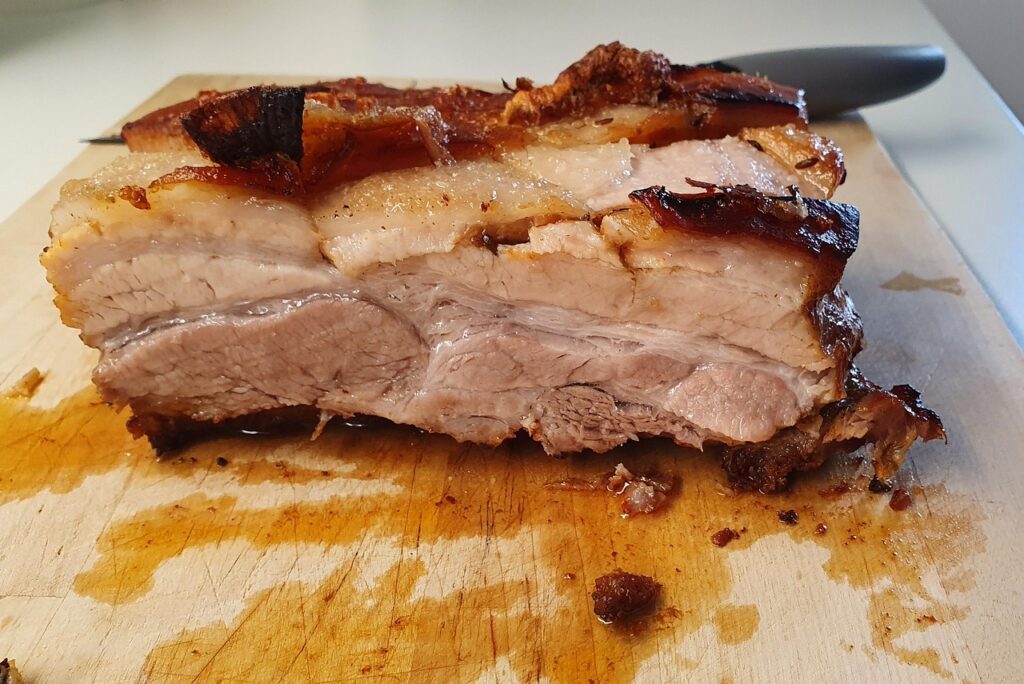
Juiciness is closely tied to internal temperature. As meat heats, muscle fibers contract. The higher the temperature rises, the more tightly those fibers squeeze, pushing water out of their structure.
Cooking time compounds the effect. Extended exposure to heat allows more moisture to escape, especially at higher doneness levels. A steak cooked to medium rare retains more internal water than one taken to well done, regardless of whether it was seared first.
Managing heat carefully has a measurable impact on tenderness and moisture retention. Precision with temperature and timing does far more to preserve juiciness than an initial burst of high heat on the surface.
4. The Maillard Reaction Is About Flavor, Not Sealing
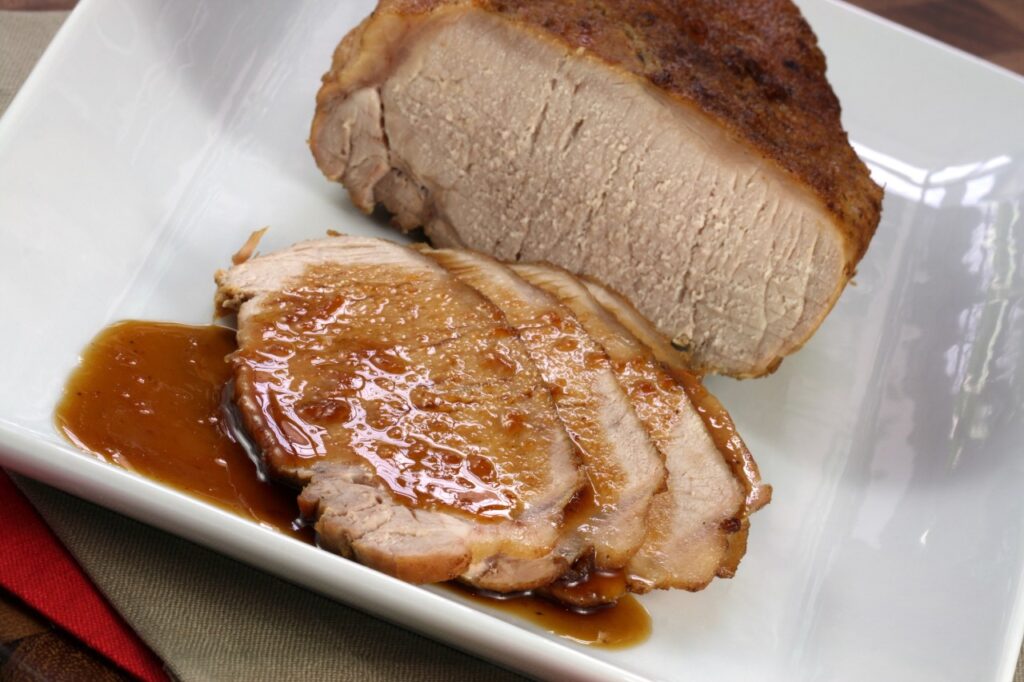
The deep brown crust formed during searing is the result of the Maillard reaction. This chemical process occurs when amino acids and natural sugars interact under high heat, producing complex flavor compounds and appealing aromas.
For the reaction to happen efficiently, surface moisture must evaporate. Browning begins only after the exterior dries enough for temperatures to rise above the boiling point of water. The result is enhanced flavor and color, not a structural seal.
The Maillard reaction transforms taste and texture but does not alter how water behaves inside the meat. Its contribution is culinary and sensory. It enriches flavor while leaving internal moisture dynamics unchanged.
5. Juices Move Because of Protein Structure
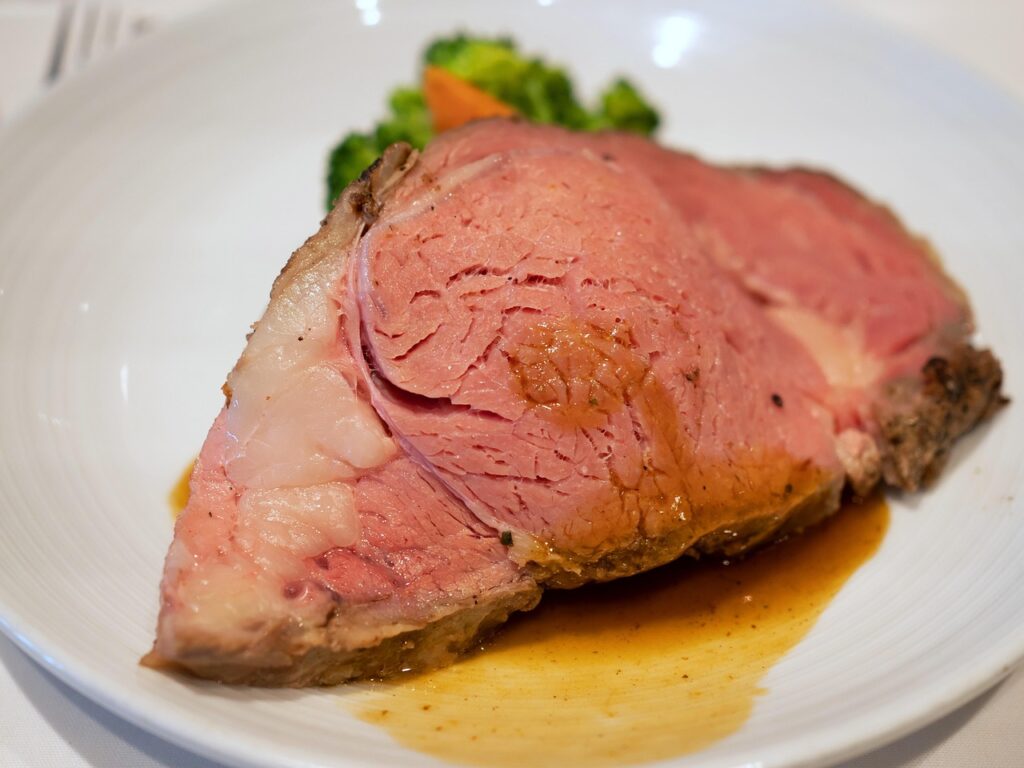
Meat is composed of bundles of muscle fibers filled with water and supported by connective tissue. As heat increases, proteins such as myosin and actin denature and shrink. This contraction forces water out from within the fibers.
The process is internal and unavoidable. It occurs throughout the cut as heat travels inward. Surface browning does not interfere with the tightening of proteins deeper inside.
Factors like marbling, cut selection, and final internal temperature influence how much moisture remains. Fat can improve the perception of juiciness by adding lubrication, but the primary driver of moisture loss is protein contraction, not the presence or absence of a seared crust.
6. Resting Is What Actually Helps
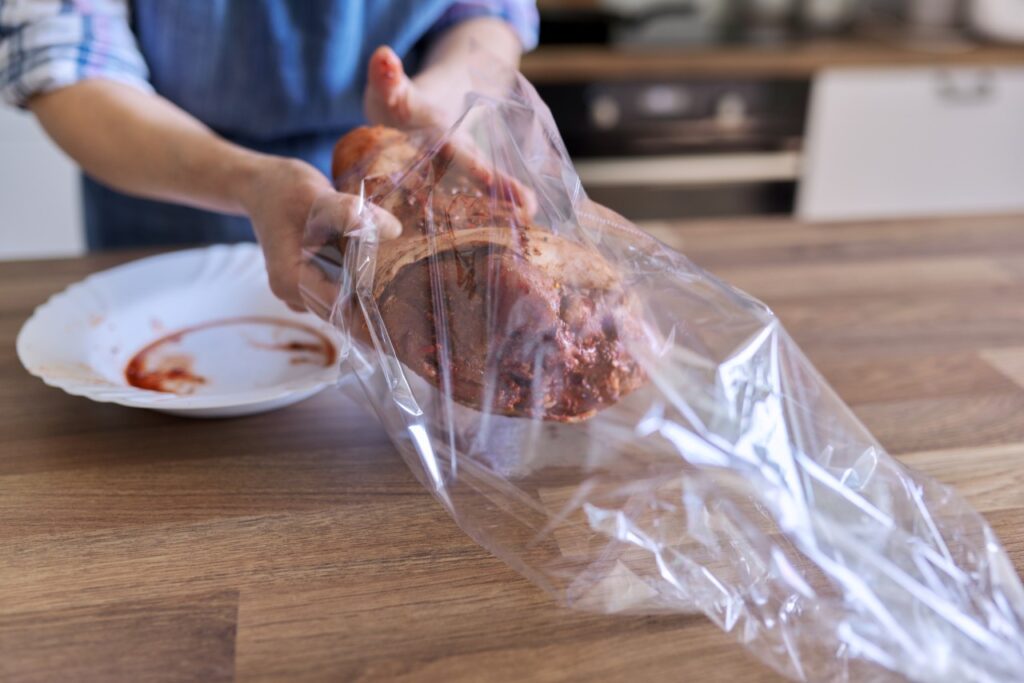
The most overlooked step in cooking meat happens after the heat is turned off. As the meat rests in the pan or on a board, changes continue inside. During cooking, muscle fibers tighten and push moisture toward the center, creating pressure that needs time to settle.
If the meat is sliced right away, that pressure forces juices onto the plate. What looks like lost flavor is moisture that did not have time to redistribute. The result is meat that tastes drier, even when cooked properly.
Resting lets temperatures even out and fibers relax slightly. As pressure drops, moisture spreads back through the meat instead of escaping. This short pause has a clear effect on tenderness and juiciness, more than any surface sear ever could.
7. Tests Have Proven the Myth Wrong
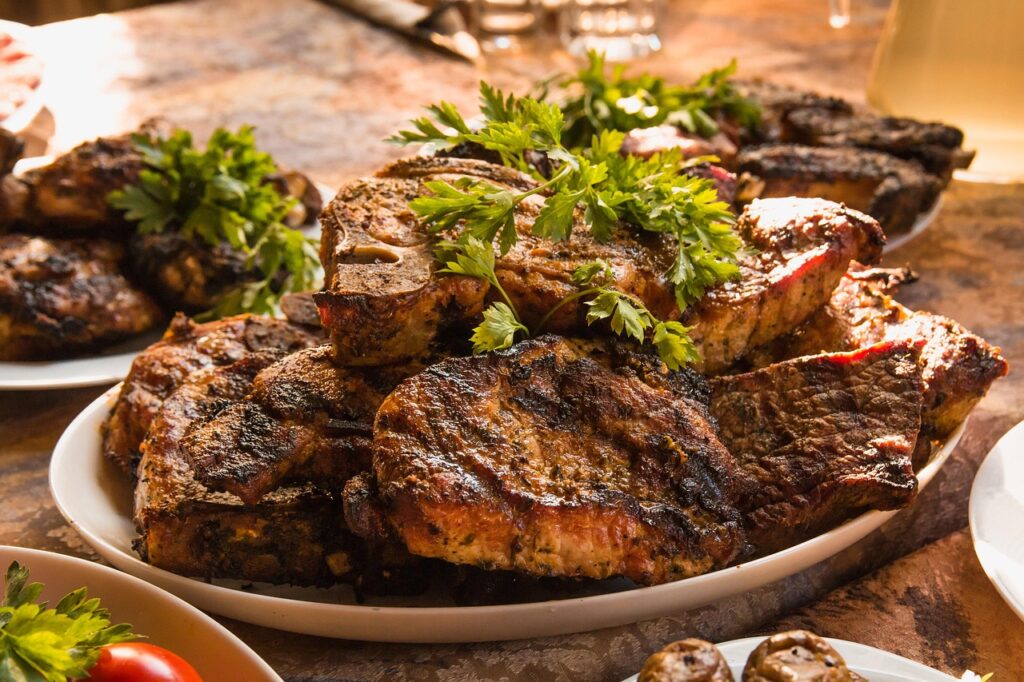
Controlled kitchen experiments have directly compared seared and unseared cuts cooked to the same internal temperature. By weighing meat before and after cooking, researchers can measure total moisture loss with precision.
Results consistently show little to no meaningful difference in retained moisture between the two methods. The seared version often tastes richer due to browning, yet its water content is comparable.
The conclusion is straightforward. Searing enhances flavor, aroma, and surface texture. It does not trap juices inside. Understanding this distinction allows cooks to focus on techniques that truly influence tenderness and moisture.