9 Vegetable-Forward Main Dishes Worth Building Dinner Around

Vegetable-forward dinners work best when they feel intentional rather than restrictive. These dishes treat vegetables as the foundation rather than a supporting act, using technique, texture, and thoughtful seasoning to create meals that feel complete and satisfying. Roasting, simmering, and layering allow natural flavors to deepen, while grains, legumes, and sauces provide balance and structure. The result is food that feels comforting, nourishing, and worthy of the center of the table. These are the kinds of meals that stand on their own, proving that vegetables can anchor dinner with confidence and ease.
1. Eggplant Parmesan
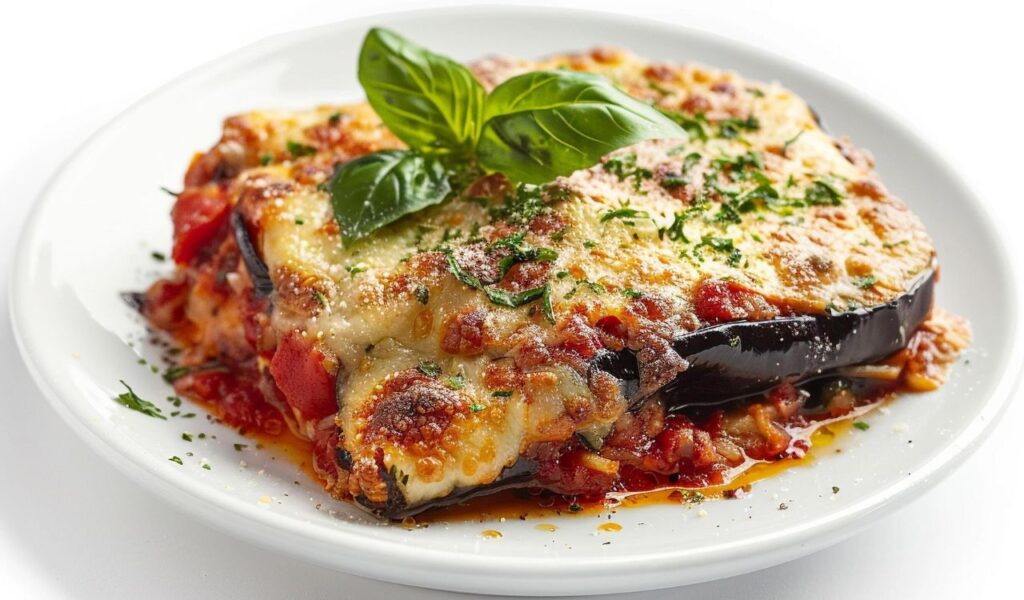
Eggplant parmesan works as a main dish because it transforms a mild vegetable into something rich, structured, and deeply satisfying. Eggplant has a spongelike texture that absorbs flavor easily, which makes proper preparation essential. Salting slices before cooking draws out excess moisture and reduces bitterness, allowing the flesh to soften without becoming greasy. Light breading and pan-frying or baking create a firm exterior that holds up under sauce. Tomato sauce provides acidity that balances the eggplant’s softness, while cheese adds fat and structure as it melts and sets. Layering matters. Too much sauce overwhelms the vegetable, while too little leaves it dry.
2. Chickpea and Vegetable Curry
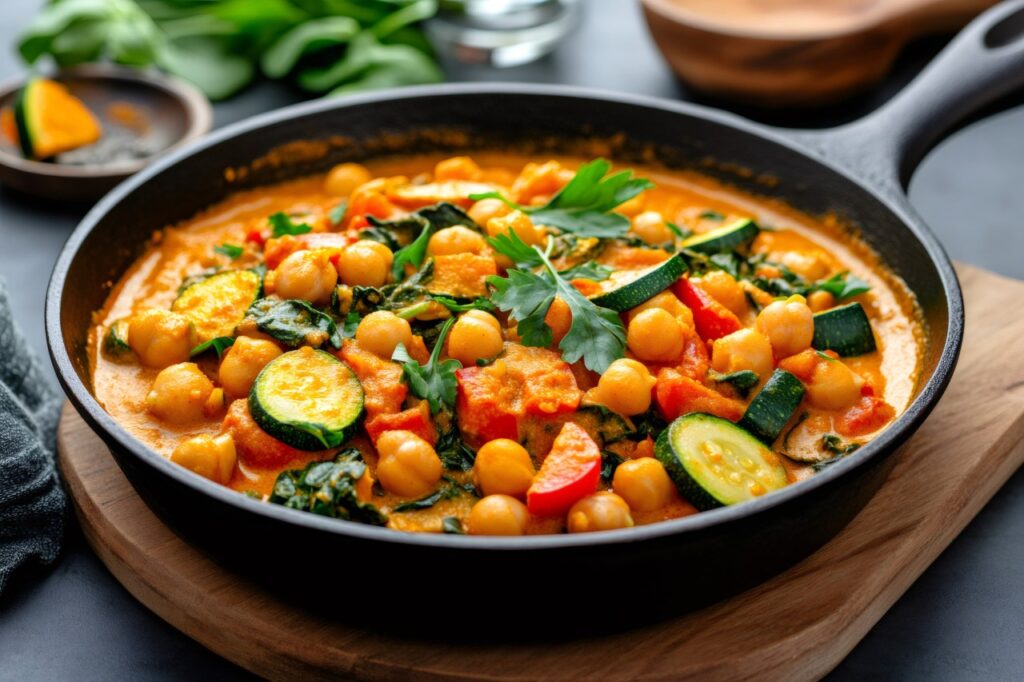
A chickpea and vegetable curry succeeds because it delivers protein, fiber, and depth without relying on meat. Chickpeas hold their shape during simmering, providing a hearty bite that anchors the dish. Vegetables such as cauliflower, potatoes, or spinach absorb the spiced sauce, becoming flavorful rather than secondary. Blooming spices in oil at the beginning releases fat-soluble aromas, which is key to building complexity. Coconut milk or tomatoes add body and balance heat, while slow simmering allows flavors to merge. The result feels complete because it satisfies multiple textures and nutrients in one bowl.
3. Mushroom Risotto
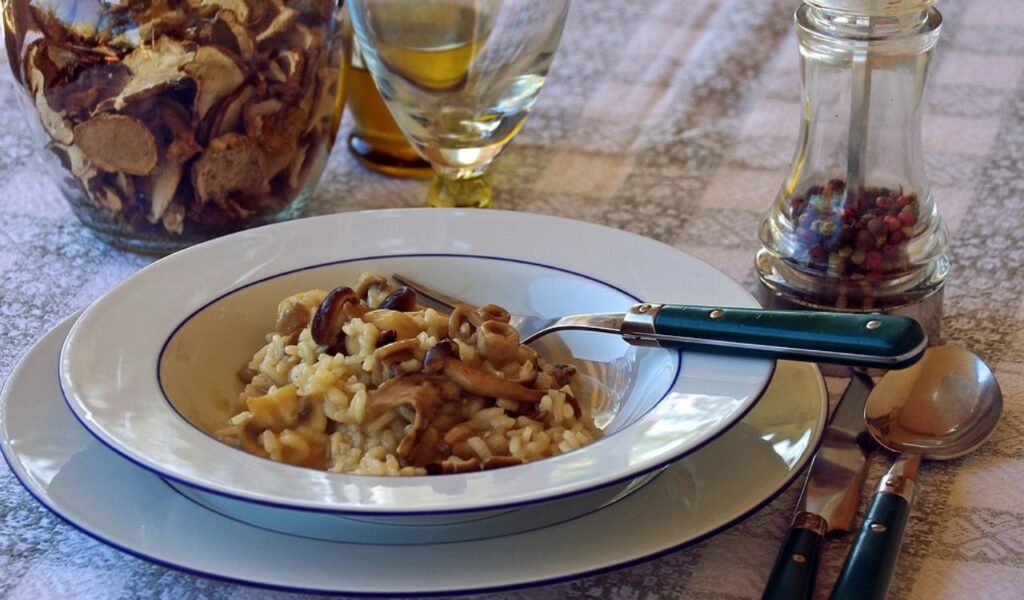
Mushroom risotto earns its place as a main dish through texture and umami. Arborio or similar rice releases starch gradually, creating creaminess without dairy-heavy sauces. Mushrooms contribute savory depth through natural glutamates, especially when sautéed until browned before adding liquid. Warm broth added slowly allows the rice to cook evenly while absorbing flavor. Stirring encourages starch release, building body and cohesion. Butter or cheese added at the end enhances richness but should support rather than dominate. The finished risotto feels luxurious and filling, with each bite offering softness, chew, and depth, making it substantial enough to stand alone.
4. Stuffed Bell Peppers
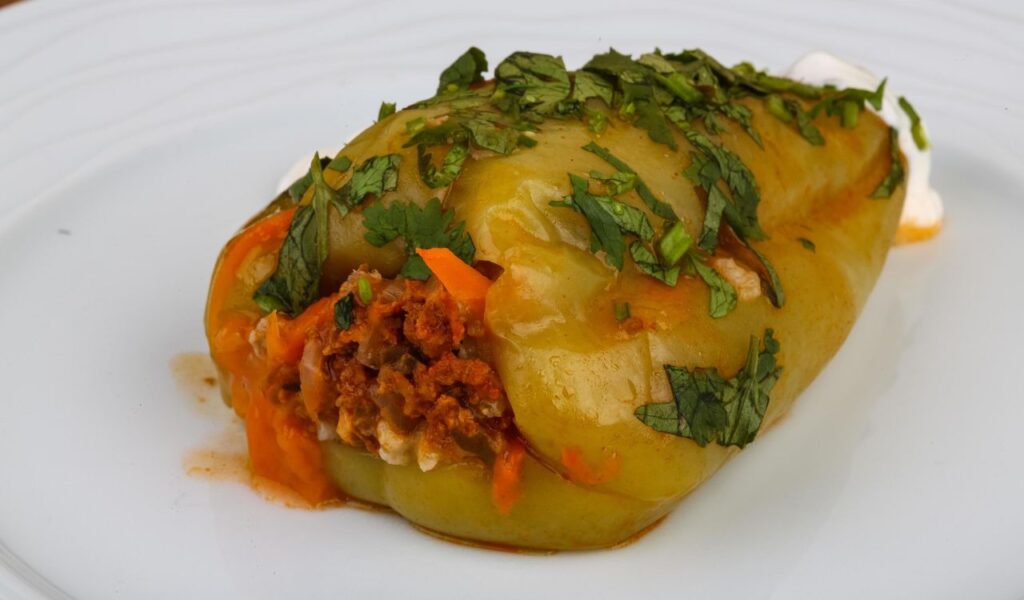
Stuffed bell peppers succeed because they combine structure and flexibility. The pepper acts as both container and ingredient, softening as it bakes while holding the filling together. Grain-based fillings such as rice or quinoa provide substance, while beans, vegetables, or cheese add protein and moisture. Seasoning the filling thoroughly is essential, as the pepper itself is mild. Baking allows flavors to meld and juices to circulate inside the pepper, creating a cohesive dish. When done correctly, each pepper becomes a self-contained meal with balanced texture and nutrition, making it an easy and satisfying centerpiece.
5. Cauliflower Steaks with Herb Sauce
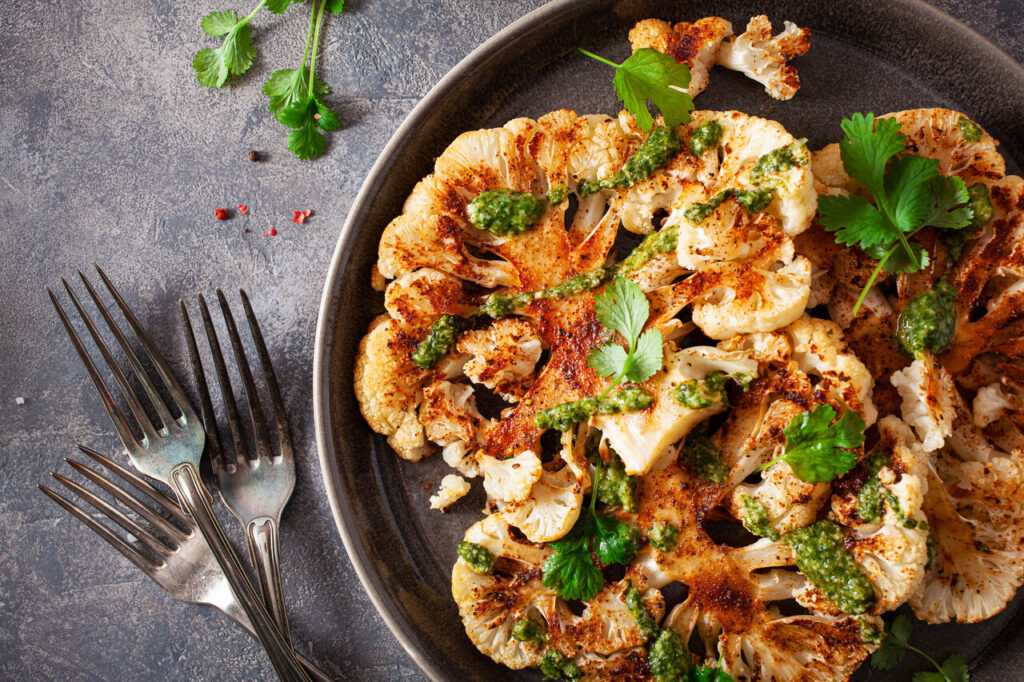
Cauliflower steaks prove that vegetables can feel intentional and bold when treated with care. Thick slices roasted at high heat develop caramelization, which adds sweetness and complexity. The dense core helps the slices hold together, giving them presence on the plate. Seasoning before roasting enhances browning, while proper spacing prevents steaming. An herb-based sauce adds contrast through acidity and freshness, balancing the roasted flavors. This dish works as a main because it emphasizes technique and presentation, turning a familiar vegetable into something deliberate and filling rather than incidental.
6. Vegetable Lasagna
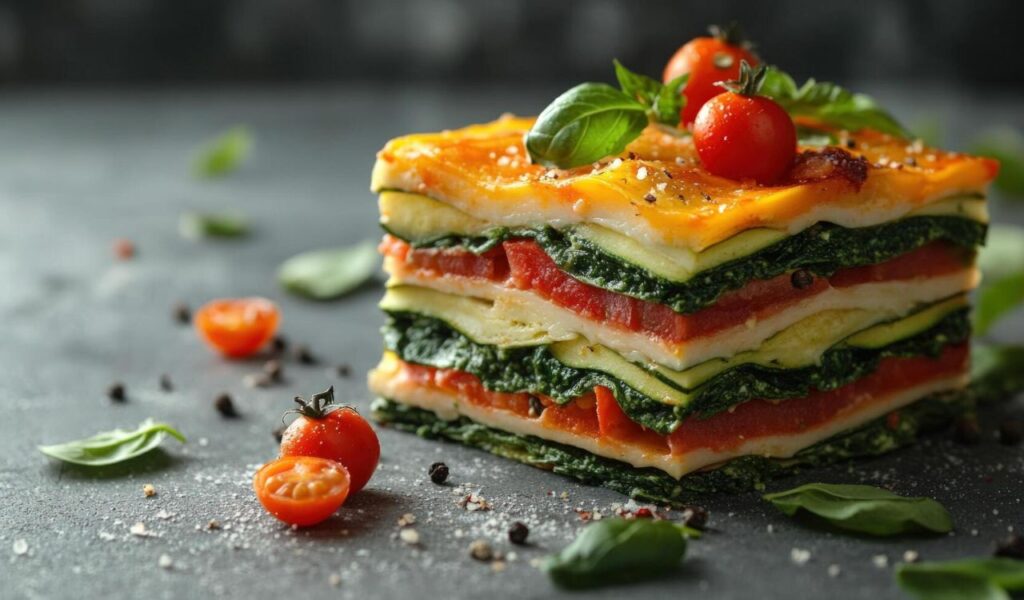
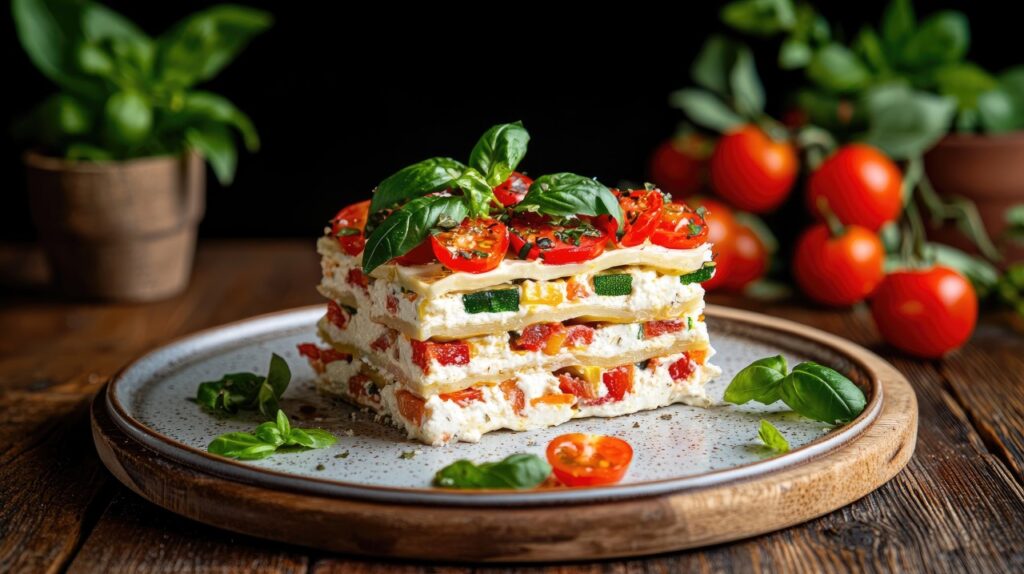
Vegetable lasagna works as a main dish because it layers texture, flavor, and structure in a way that feels complete. Roasted vegetables release moisture and develop sweetness before assembly, preventing a watery final dish. Pasta sheets provide framework, while cheese binds layers together as it melts and sets. A balanced sauce adds acidity and richness without overpowering the vegetables. Resting after baking is crucial, allowing layers to firm up for clean slices. Each portion delivers vegetables, carbohydrates, and fat in harmony, making the dish satisfying and substantial enough to anchor a meal.
7. Lentil Shepherd’s Pie
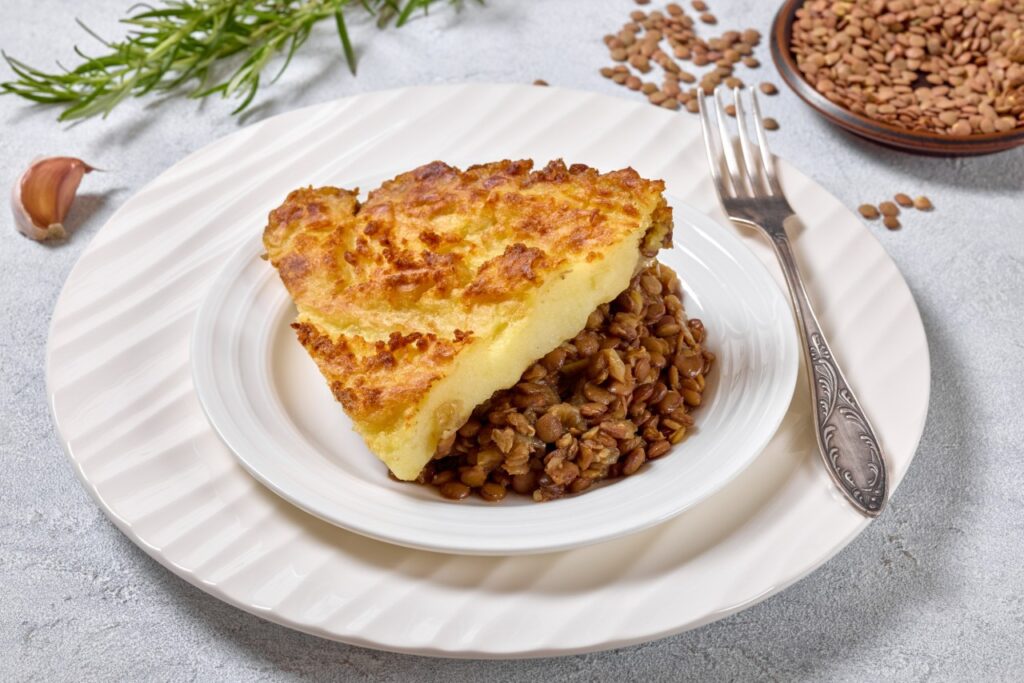
Lentil shepherd’s pie succeeds by replacing meat with structure rather than imitation. Lentils break down slightly as they cook, thickening the filling and creating body. Aromatics and vegetables add sweetness and depth, while broth ties everything together. The mashed potato topping provides insulation during baking, sealing in moisture and adding richness. Baking allows the filling to set and flavors to deepen. This dish feels hearty because it delivers warmth, texture, and protein in every bite, making it a true main rather than a substitute. It also reheats exceptionally well, often tasting even more cohesive the next day.
8. Zucchini Noodle Bowls with Roasted Vegetables
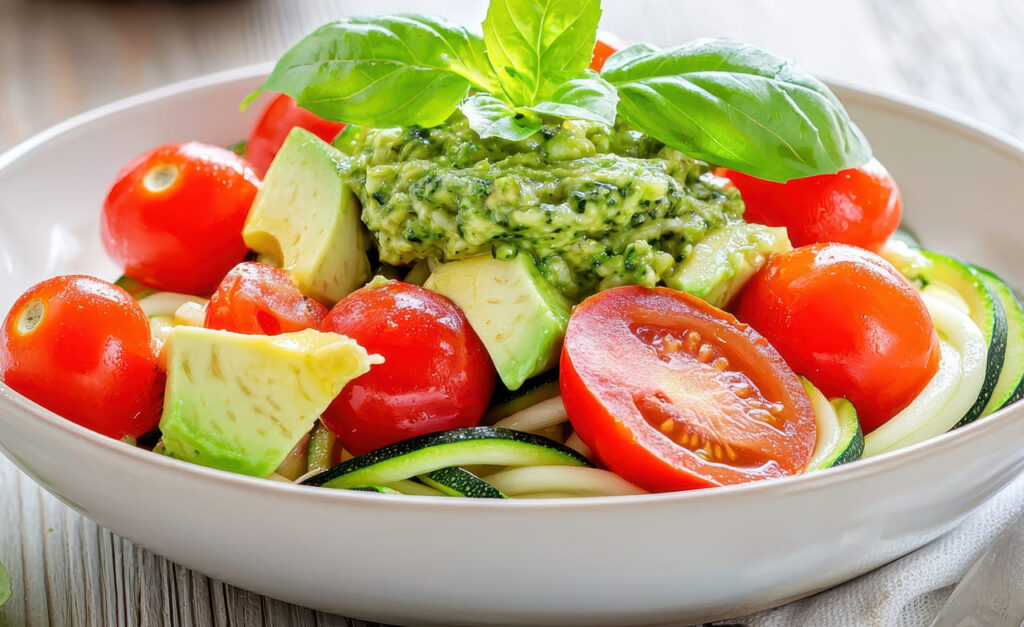
Zucchini noodle bowls work when balance is prioritized. Zucchini provides freshness and volume but must be handled gently to avoid excess moisture. Roasted vegetables add density, sweetness, and contrast through caramelization. A well-seasoned sauce ties the components together, providing fat and acidity. Protein additions, such as beans or nuts, enhance satiety without overshadowing the vegetables. This dish feels complete because it combines lightness with substance, making it satisfying while still vegetable-forward. Serving the components warm rather than piping hot helps preserve texture and prevents sogginess.
9. Roasted Vegetable Grain Bowls
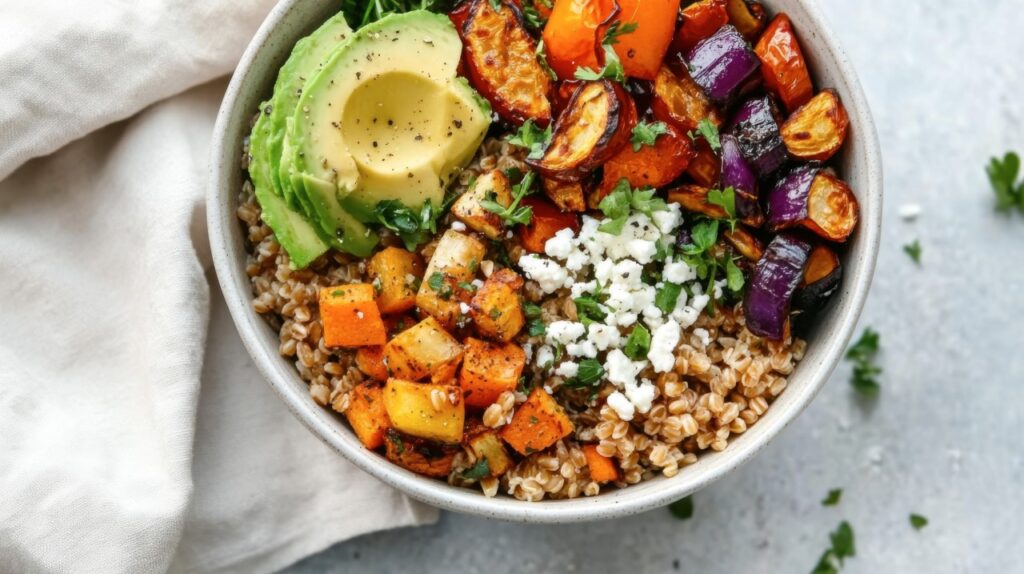
Roasted vegetable grain bowls succeed because they build meals from components that complement each other. Grains such as farro, barley, or rice provide chew and energy. Roasted vegetables add flavor concentration and texture through browning. A simple dressing adds acidity and fat, unifying the bowl. Layering elements thoughtfully ensures each bite includes contrast and balance. These bowls work as main dishes because they deliver sustained fullness, varied textures, and nutritional completeness, all anchored by vegetables treated with intention. They are also highly adaptable, making them ideal for using seasonal produce or leftovers without sacrificing structure.