10 Easy Gourmet Sandwiches You Can Make in Minutes

Gourmet sandwiches often sound like something reserved for cafés with linen napkins and long menus, but the truth is much simpler. At its core, a gourmet sandwich is about smart ingredient pairing, balance, and restraint rather than complexity. When textures contrast, flavors support each other, and each component has a clear purpose, even the most basic sandwich can feel intentional and elevated. Cheese boards, classic bistro menus, and traditional food science all point to the same principle: richness needs acidity, softness needs crunch, and bold flavors work best when they are carefully measured. These sandwiches follow that logic closely.
1. Brie & Apple Honey Sandwich
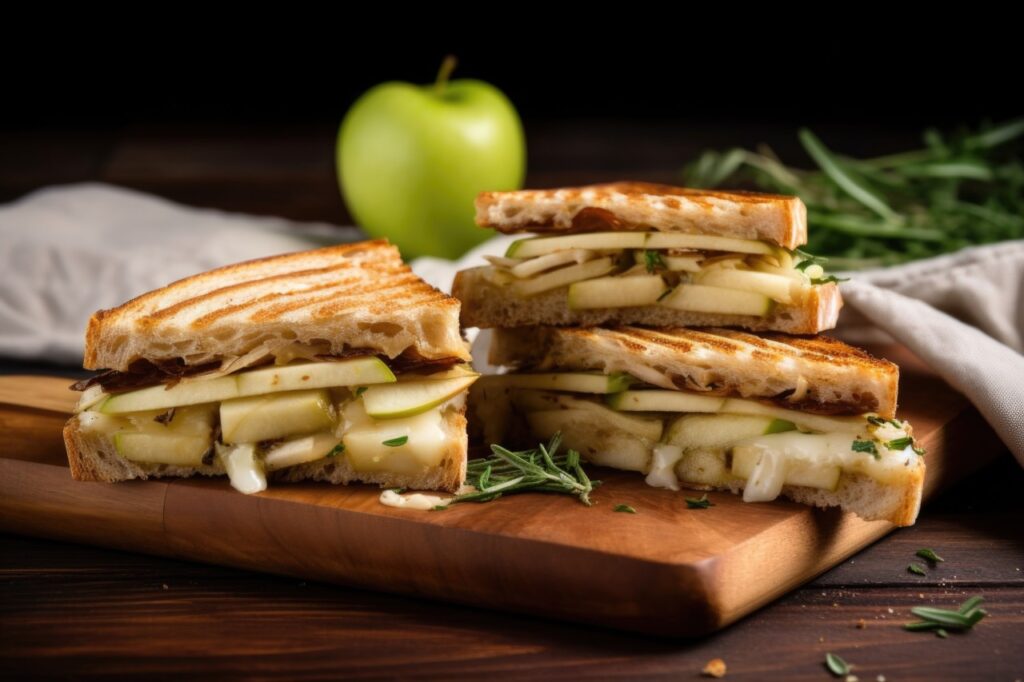
This sandwich works because it plays with contrast rather than complexity. Brie is a soft-ripened cheese with a high butterfat content, which gives it a mild, creamy profile that melts easily against warm bread. That richness needs something crisp and slightly acidic to stay balanced, which is where apples come in. Varieties like Honeycrisp or Granny Smith provide both crunch and brightness, cutting through the fat without overpowering it. Honey ties the two together, reinforcing the apple’s natural sweetness while smoothing out the cheese’s earthy notes. Toasted sourdough is ideal here because its tang and sturdy crumb prevent the sandwich from feeling heavy.
2. Prosciutto & Fig Jam Sandwich
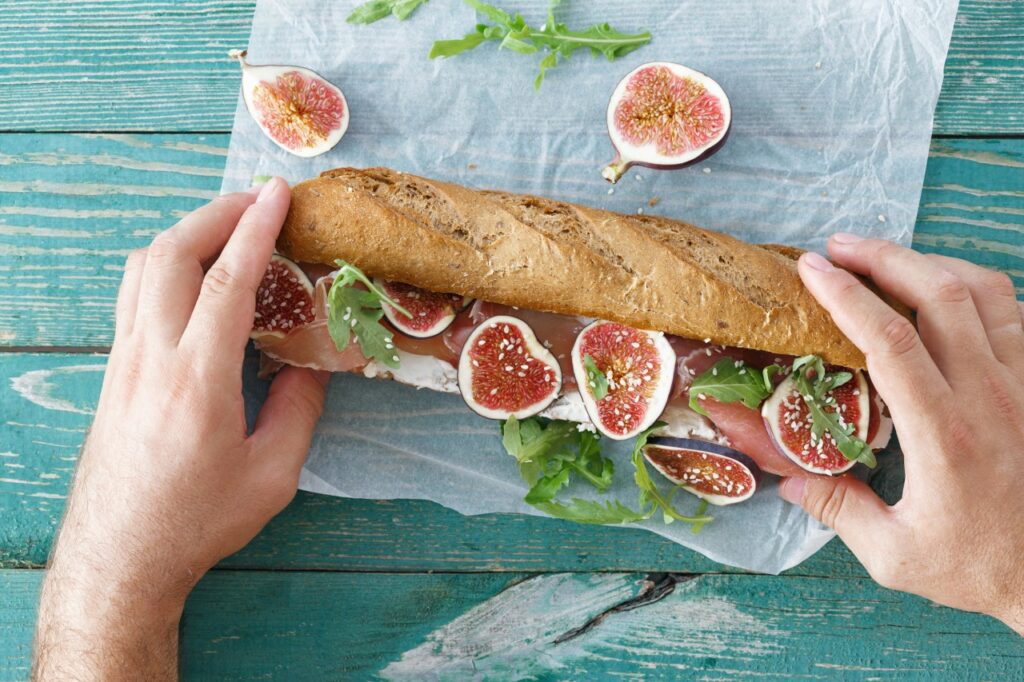
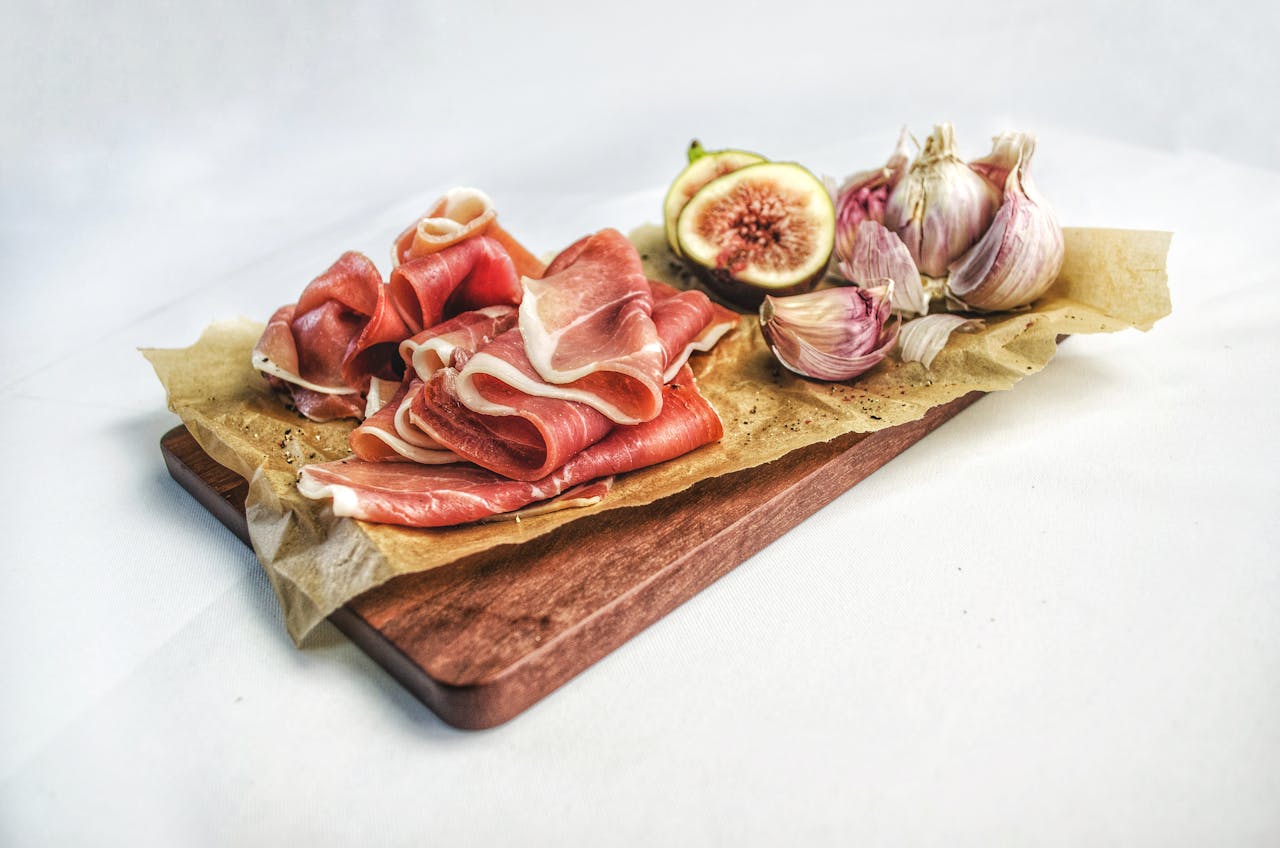
This sandwich leans on the centuries-old pairing of cured meat and fruit. Prosciutto is dry-cured, not cooked, which concentrates its savory, slightly sweet flavor while keeping the texture tender. Fig jam adds sweetness and depth from the fruit’s seeds and caramelized sugars, preventing the meat from tasting overly salty. Peppery arugula adds a fresh bite that keeps the sandwich from feeling rich or flat. Soft bread like ciabatta or a lightly toasted baguette works best because it supports the fillings without stealing attention. The key here is restraint. A thin layer of jam is enough. Too much masks the prosciutto instead of complementing it.
3. Caprese Sandwich
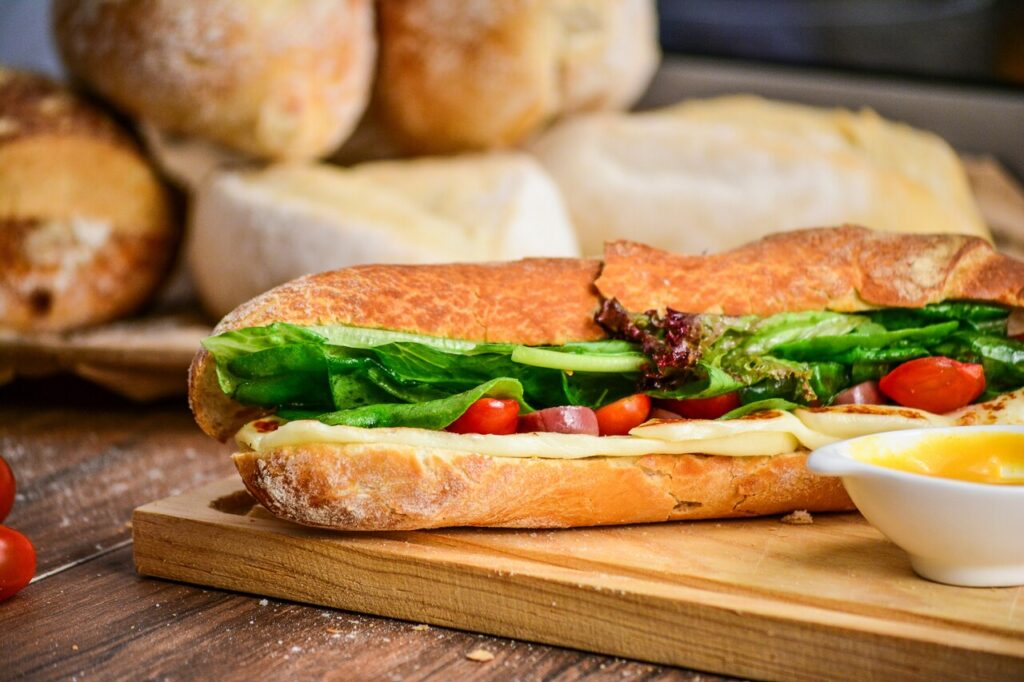
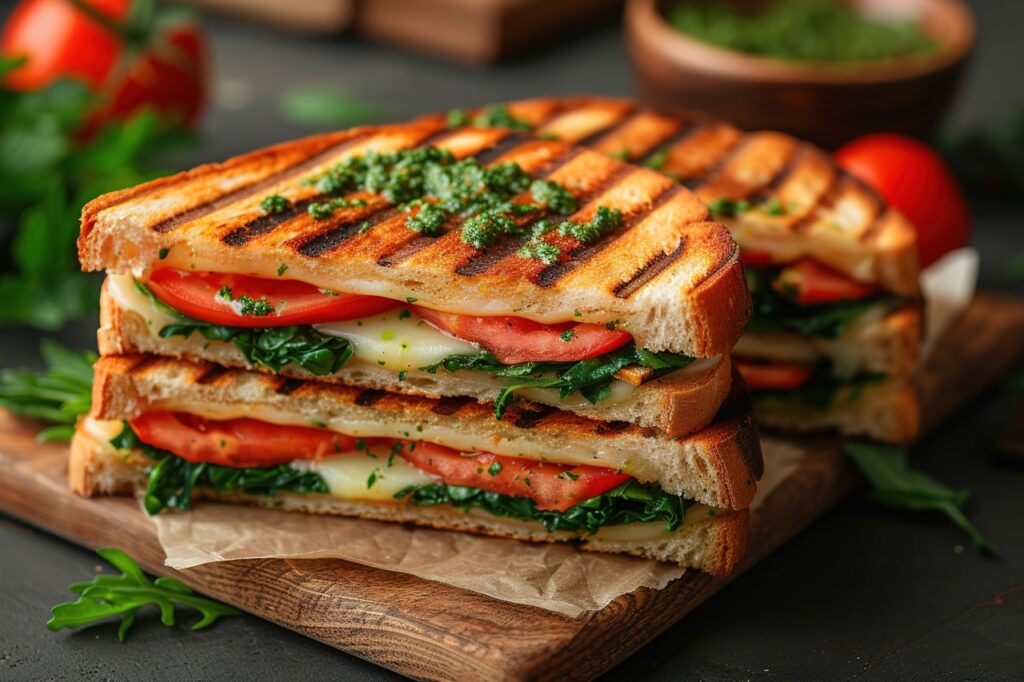
The appeal of a Caprese sandwich comes from ingredient quality rather than technique. Fresh mozzarella has a high moisture content and a delicate milk flavor, which pairs naturally with ripe tomatoes that bring acidity and juiciness. Basil adds aromatic freshness, releasing oils when torn rather than chopped. Olive oil enhances mouthfeel and carries flavor across the palate, while balsamic glaze adds a controlled sweetness and gentle tang. Using crusty bread creates contrast between a crisp exterior and soft interior, preventing sogginess when layered properly. Tomatoes should be sliced and lightly seasoned before assembly to draw out excess moisture.
4. Smoked Salmon Cream Cheese Sandwich

Smoked salmon brings depth through curing rather than heat. The smoking process concentrates flavor while preserving the fish’s silky texture. Cream cheese acts as a neutral base, smoothing out the salmon’s saltiness and carrying herbs or citrus zest evenly across the bread. Capers add sharp bursts of brine that wake up the palate, while lemon zest contributes aroma without excess acidity. Bread choice matters. Dense rye or multigrain offers structure and mild bitterness that pairs well with smoked fish. This sandwich works because every element serves a specific role: fat for richness, acid for balance, and salt for intensity.
5. Chicken Pesto Mozzarella Sandwich
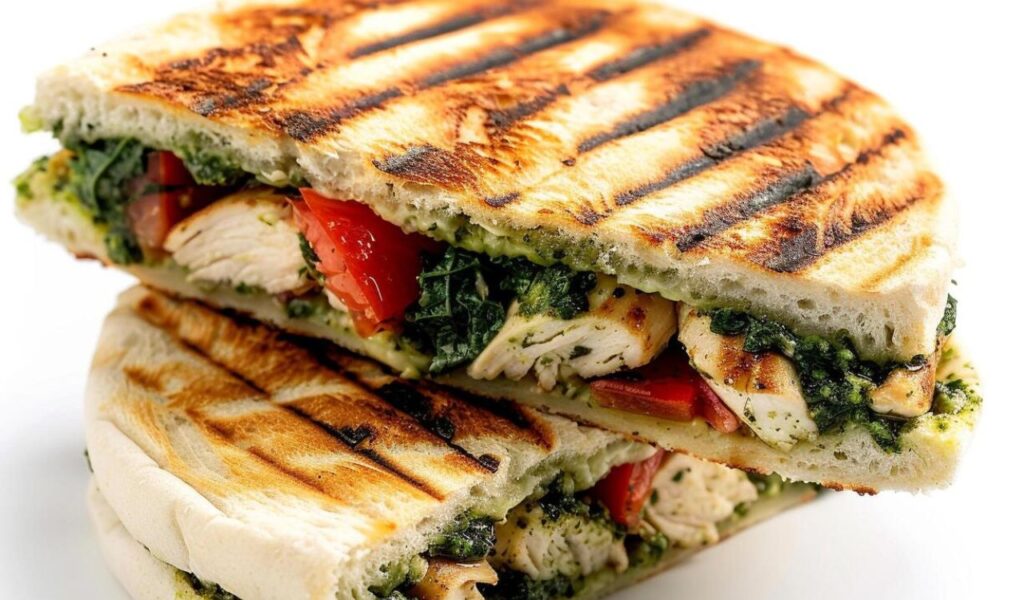
This sandwich is built around efficiency without sacrificing flavor. Using rotisserie chicken provides seasoned, tender protein with minimal prep. Pesto contributes complexity through basil, garlic, nuts, cheese, and olive oil in a single spread. Mozzarella adds a mild, stretchy richness that melts quickly when warmed. Toasting the sandwich briefly activates aromas in the pesto and softens the cheese, creating cohesion between layers. Bread with an open crumb, such as focaccia or rustic Italian loaf, absorbs flavor without becoming dense. This combination works because pesto already contains balanced fat, salt, and herbaceous notes, reducing the need for extra ingredients.
6. Pear & Blue Cheese Sandwich

This sandwich relies on controlled intensity. Blue cheese has a strong flavor driven by mold cultures that create sharp, salty notes. Pears counter this with clean sweetness and high water content, which refreshes the palate between bites. Walnuts add texture and a mild bitterness that bridges the two main components. Choosing a soft bread or lightly toasted whole grain prevents the sandwich from becoming too aggressive. The key is portion balance. Blue cheese should be used sparingly so it enhances rather than dominates. This pairing is common in salads and cheese plates because it satisfies both savory and sweet cravings at once.
7. Gourmet Tuna Melt
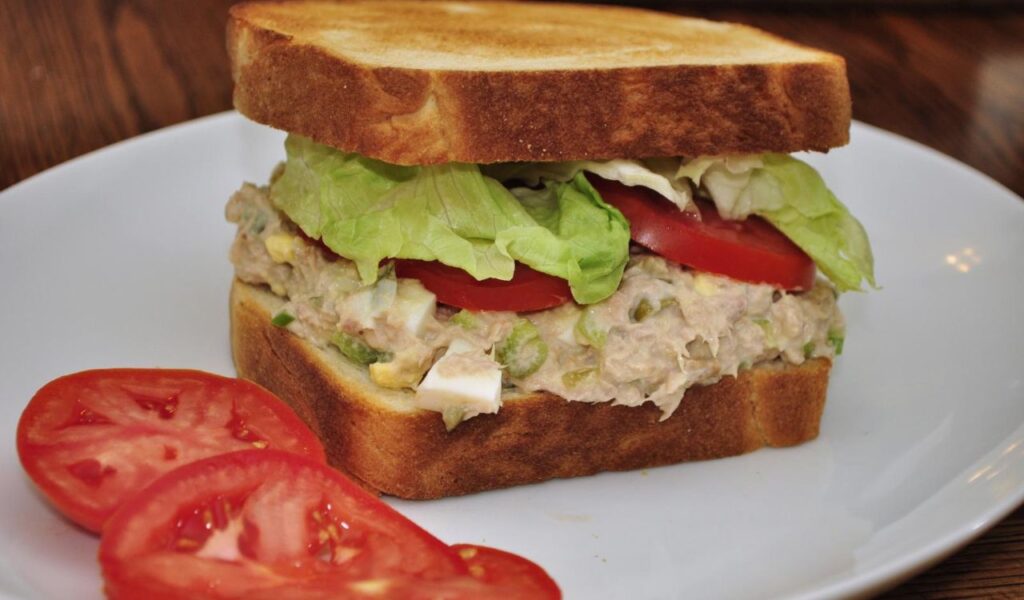
A gourmet tuna melt improves on the classic by adjusting texture and seasoning rather than reinventing it. Using high-quality canned tuna packed in olive oil keeps the fish moist and flavorful. Dijon mustard adds acidity and mild heat, while fresh herbs lift the mixture and reduce heaviness. Sharp cheddar melts smoothly while providing enough bite to stand up to the tuna. Sourdough bread contributes structure and tang, preventing the sandwich from tasting flat. Cooking it slowly allows the cheese to melt evenly without drying out the filling. This sandwich feels elevated because it respects the original comfort-food format while refining ingredient choices and ratios.
8. Ham & Gruyère Croissant Sandwich
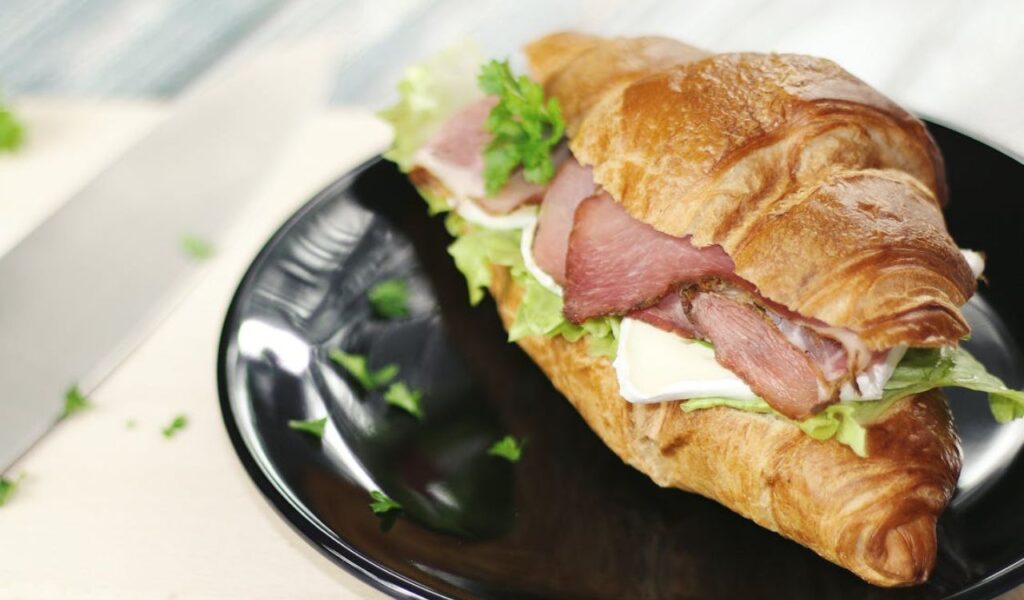
This sandwich succeeds because of fat layering and temperature. Croissants are laminated with butter, creating crisp outer layers and a tender interior. Gruyère melts smoothly and carries nutty, slightly sweet notes that complement salty ham. Warming the sandwich allows the cheese to bind the meat to the bread, enhancing cohesion. The croissant’s richness means no sauces are necessary. Everything needed for balance is already present. This sandwich feels gourmet because it reflects classic French café combinations, where quality dairy and careful baking do most of the work. A light reheating also revives the croissant’s flakiness, ensuring the texture stays delicate rather than dense.
9. Avocado Mozzarella Panini
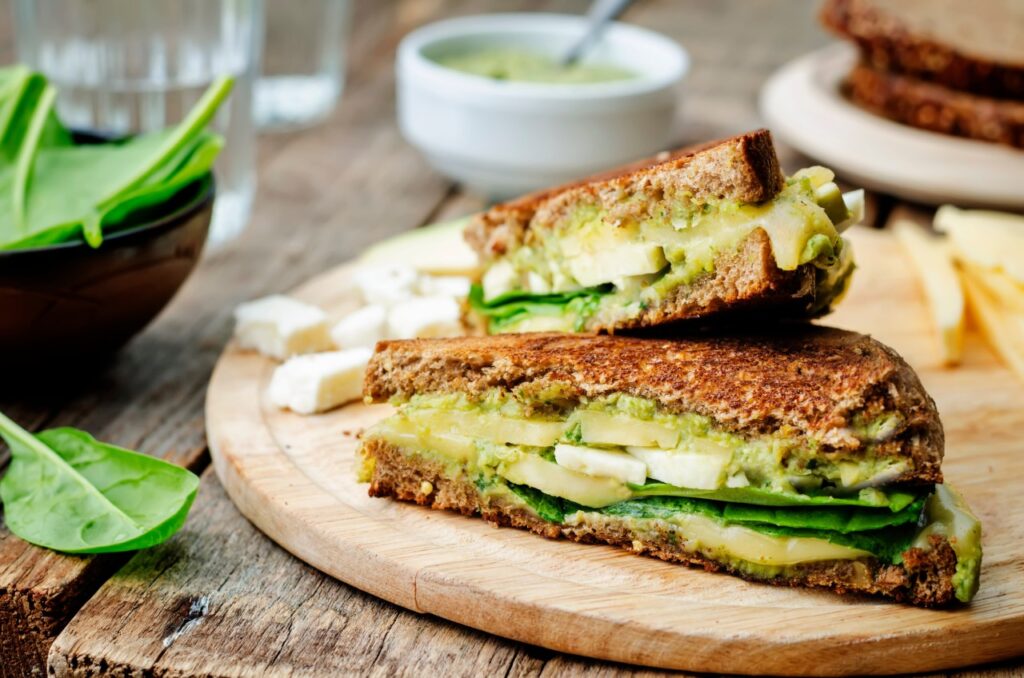
This sandwich focuses on texture and subtle heat. Avocado provides creaminess and healthy fats, while mozzarella offers mild flavor and meltability. Chili flakes introduce gentle heat that keeps the sandwich from tasting bland. Pressing or toasting compresses the ingredients, improving bite consistency and warming the fats so flavors spread evenly. Bread with a firm crust ensures structure after pressing. This sandwich feels elevated because it relies on controlled simplicity and proper heat application rather than heavy seasoning. A brief rest after pressing helps the layers settle, preventing the fillings from sliding when sliced or bitten into.
10. Turkey & Cranberry Sandwich

This sandwich works by balancing lean protein with sweetness and acidity. Turkey has a mild flavor and low fat content, which makes it a blank canvas. Cranberry sauce adds brightness and contrast through natural tartness and sugar. Cream cheese softens both elements, adding richness and preventing dryness. Soft bread keeps the sandwich cohesive and easy to eat. This pairing is familiar from holiday meals, which gives it emotional appeal, but its flavor balance is rooted in sound food science. Sweet, savory, fat, and acid are all present. That structure is what makes it feel gourmet even when assembled in seconds.