12 White Chocolate Desserts Perfect for Sweet Cravings

White chocolate has a reputation for being overly sweet, but when used intentionally, it becomes one of the most versatile dessert ingredients in the kitchen. Its high cocoa butter content gives it a smooth, creamy texture that melts easily and carries other flavors exceptionally well. Unlike dark or milk chocolate, white chocolate does not compete for attention. Instead, it supports fruits, dairy, citrus, and nuts, allowing each ingredient to shine while adding richness and body. That quality makes it ideal for desserts that aim to comfort without feeling heavy. From baked classics to chilled, spoonable treats, white chocolate adapts to a range of techniques and textures with ease.
1. White Chocolate Raspberry Cheesecake
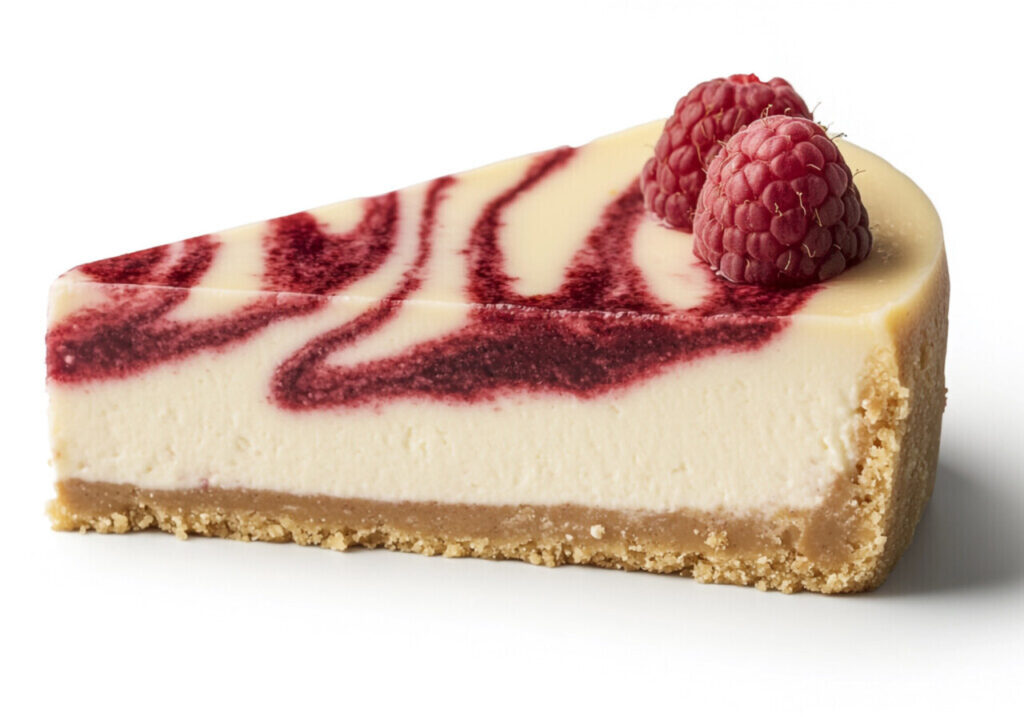
This dessert works because it balances richness with acidity at every stage of flavor and texture. White chocolate contains a high percentage of cocoa butter and milk solids, which gives it a smooth, creamy mouthfeel but also a strong sweetness that can dominate if not managed carefully. Cheesecake counters that sweetness through cream cheese, which provides tang, density, and structure. Raspberries play a functional role rather than a decorative one. Their natural acidity and slight bitterness cut through fat and sugar, preventing the dessert from feeling heavy after a few bites. Baking temperature is critical.
2. White Chocolate Brownies
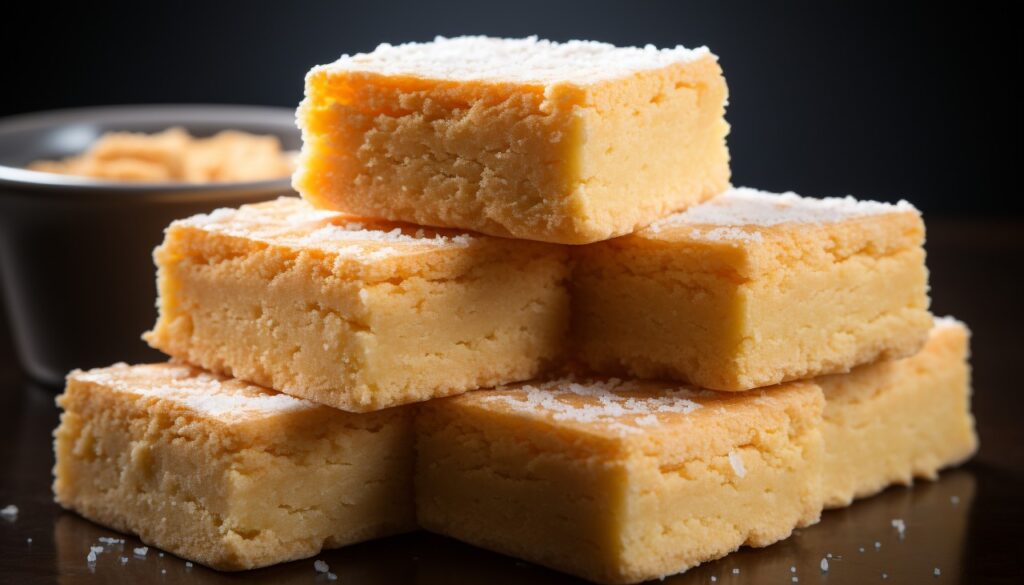
White chocolate brownies are driven by fat and sugar rather than cocoa solids, which changes both flavor and structure. Butter, eggs, and white chocolate create a batter that is naturally rich, glossy, and prone to drying out if baked too long. Because there is no cocoa powder to provide structure, timing becomes essential. Pulling the brownies while the center is just set preserves moisture and creates a soft, dense crumb. White chocolate melts smoothly and binds with butter, forming a creamy base that highlights vanilla and dairy notes. The sweetness can feel intense, so salt plays an important role by sharpening flavor and reducing flatness.
3. White Chocolate Macadamia Cookies
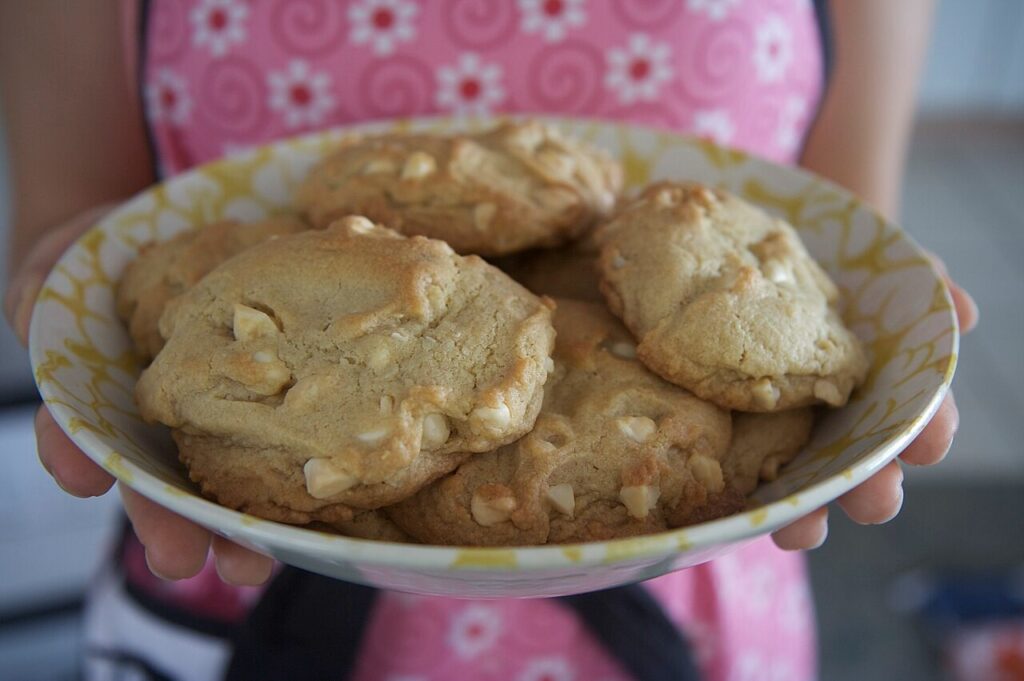
This cookie succeeds by layering sweetness, fat, and texture in a controlled way. White chocolate brings creamy sweetness that melts into the dough, while macadamia nuts add buttery richness and a gentle crunch. Macadamias are naturally high in fat, which mirrors the cocoa butter in white chocolate and creates cohesion rather than contrast. Proper creaming of butter and sugar introduces air, allowing the cookies to spread evenly while staying tender at the center. Baking until the edges are set but the middle remains pale preserves moisture and chew. Salt is essential, not optional, as it sharpens flavor and keeps the sweetness from tasting dull.
4. White Chocolate Mousse
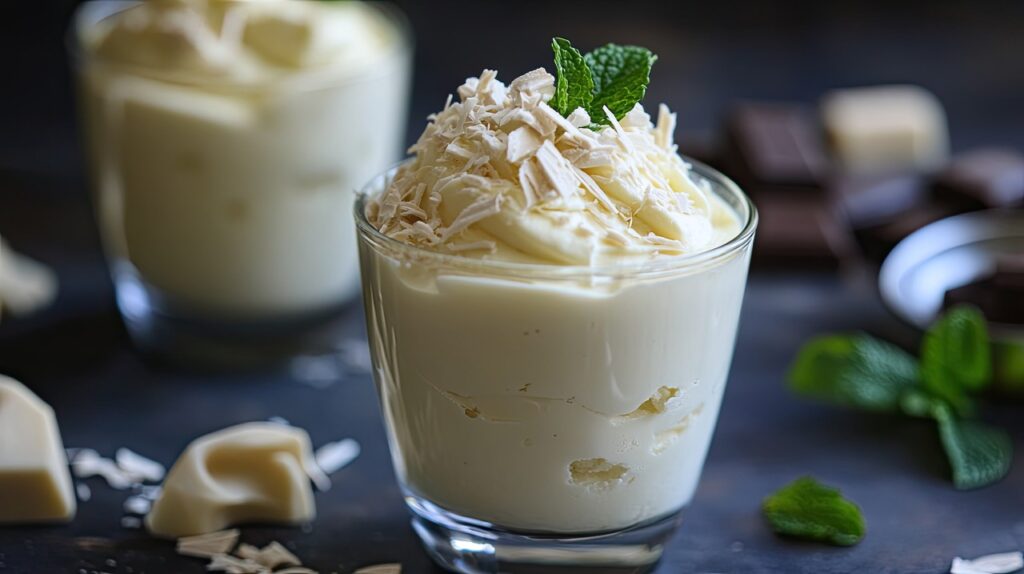
White chocolate mousse relies on careful aeration rather than baking for its structure. White chocolate provides flavor and richness, but stability comes from whipped cream or egg whites that trap air. Temperature control is crucial. The melted chocolate must cool slightly before folding so it does not collapse the foam. Because white chocolate lacks cocoa solids, its flavor is subtle, which allows vanilla and dairy notes to stand out more clearly. Air replaces mass, giving the mousse a light texture while cocoa butter maintains creaminess. Chilling allows the fats to set gently, creating a spoonable consistency without firmness.
5. White Chocolate Strawberry Truffles
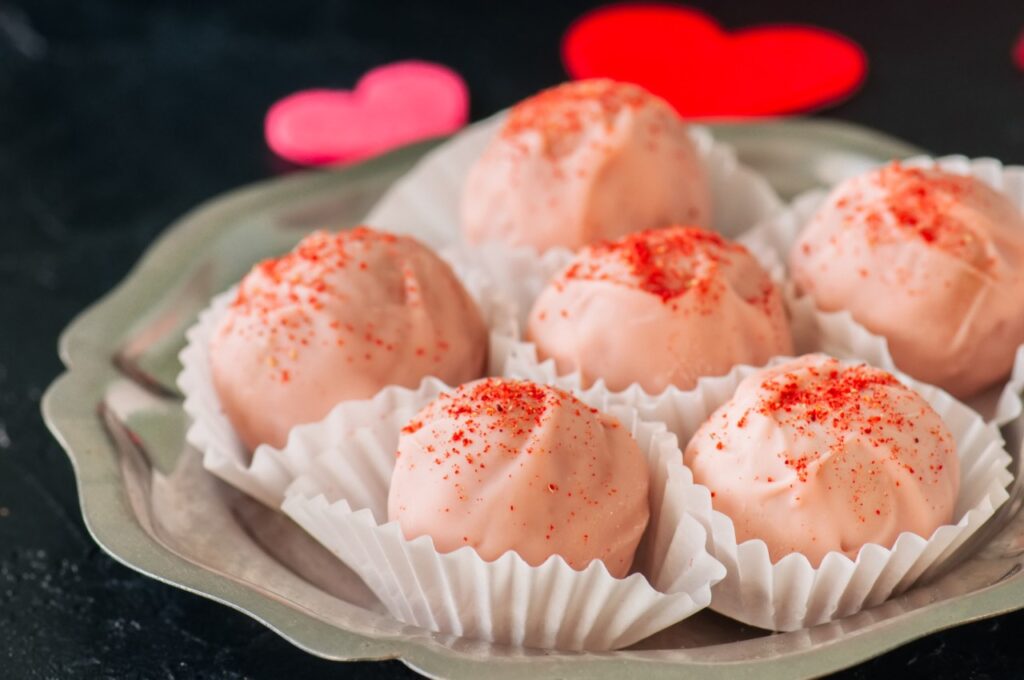
These truffles depend on a stable emulsion between fat and liquid. Ganache forms when warm cream is combined with white chocolate, allowing cocoa butter and dairy fat to bind smoothly. Strawberries are typically added as puree or freeze-dried powder, which provides acidity and aroma without excess moisture. This balance is important because water can cause white chocolate to seize or separate. As the ganache cools, it firms enough to roll while remaining soft inside. Coating the truffles adds texture contrast and protects the filling from moisture. The finished truffle feels luxurious because it melts quickly on the tongue, releasing sweetness and fruit flavor in a balanced way.
6. White Chocolate Lava Cake
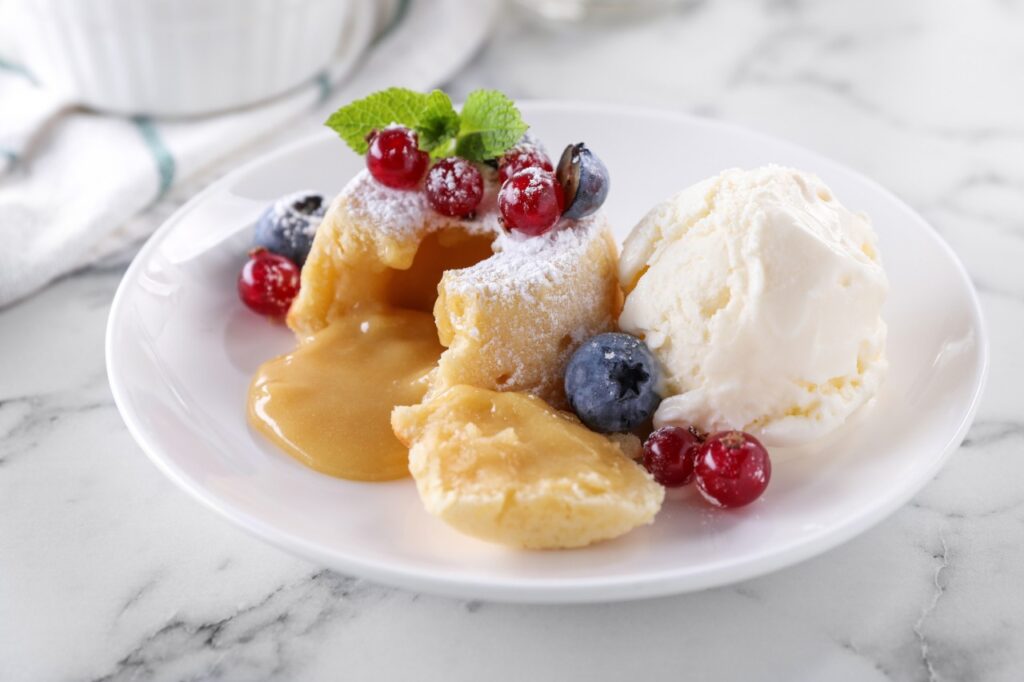
This dessert is defined by timing rather than complexity. White chocolate lava cake uses a batter similar to sponge cake but with higher fat content, which slows setting in the center. The exterior firms during baking while the interior remains fluid due to short cooking time. White chocolate melts evenly and retains heat, helping maintain the molten core after removal from the oven. Eggs provide structure, while sugar controls tenderness and moisture. Properly greasing the molds ensures clean release without tearing the cake. The appeal comes from contrast, warm cake against flowing center, delivering richness in a brief, satisfying burst rather than prolonged sweetness.
7. White Chocolate Blondies
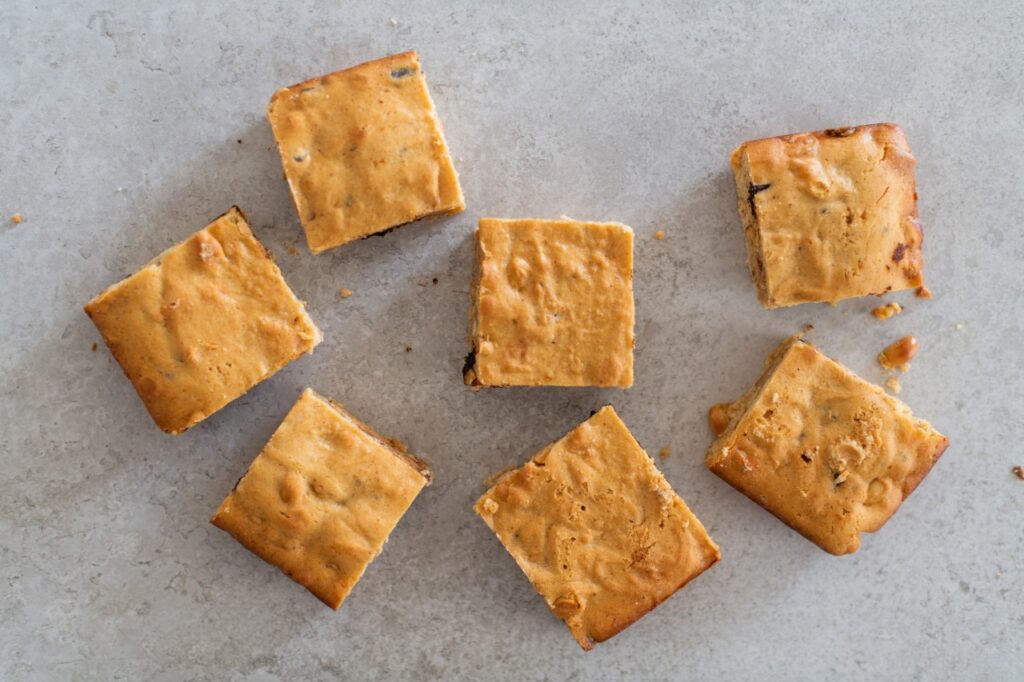
Blondies highlight butter and caramelized sugar instead of cocoa. White chocolate reinforces those flavors by adding milkiness and smooth sweetness. Brown sugar contributes moisture and depth through its molasses content, while eggs create chew and structure. Mixing technique matters more than it appears. Overmixing develops gluten and results in toughness, while gentle folding preserves tenderness. White chocolate should be evenly dispersed so it melts into soft pockets rather than forming a uniform sweetness. Baking until just set keeps the interior soft and cohesive. These bars feel comforting because they lean into familiar dairy and caramel flavors rather than sharp contrast.
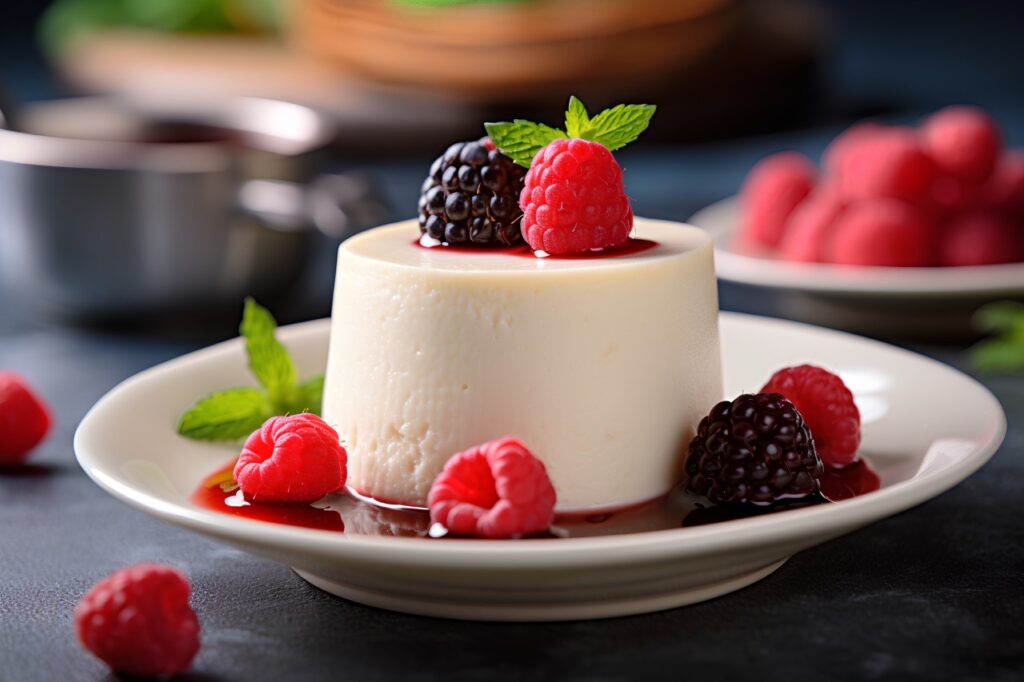
8. White Chocolate Panna Cotta
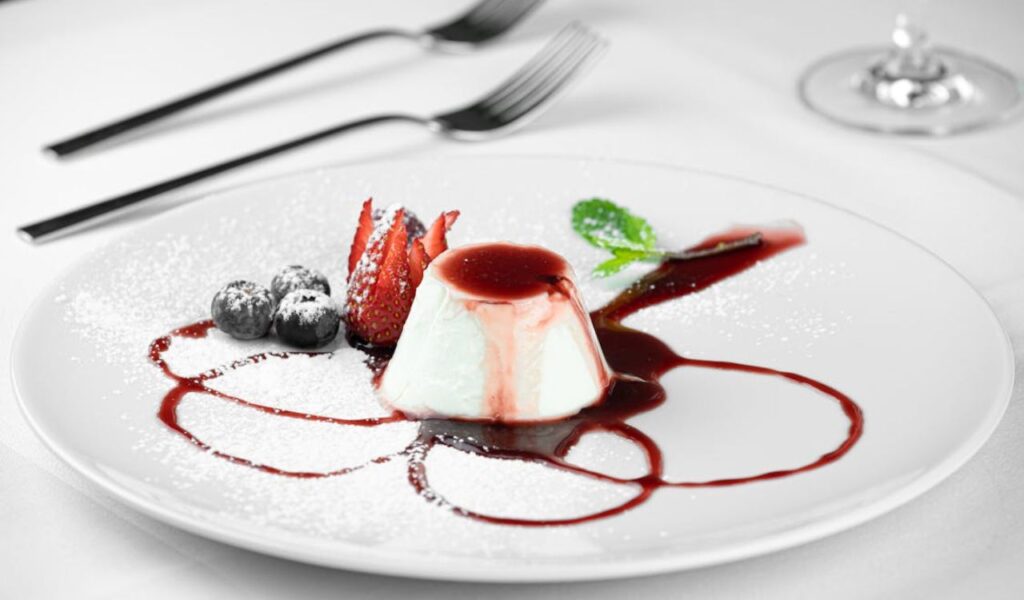
White chocolate panna cotta relies on precise ratios for proper texture. Panna cotta is a set cream stabilized with gelatin rather than eggs, which gives it a clean, smooth mouthfeel. White chocolate adds body through cocoa butter, allowing for slightly less gelatin without sacrificing structure. Heating the cream gently prevents scorching and preserves natural dairy flavor. Once chilled, the dessert should wobble softly instead of holding rigid form. White chocolate’s sweetness pairs best with acidic toppings like berries or citrus zest, which prevent the dessert from tasting flat. Its appeal lies in its delicate texture and restrained richness.
9. White Chocolate Cranberry Bark
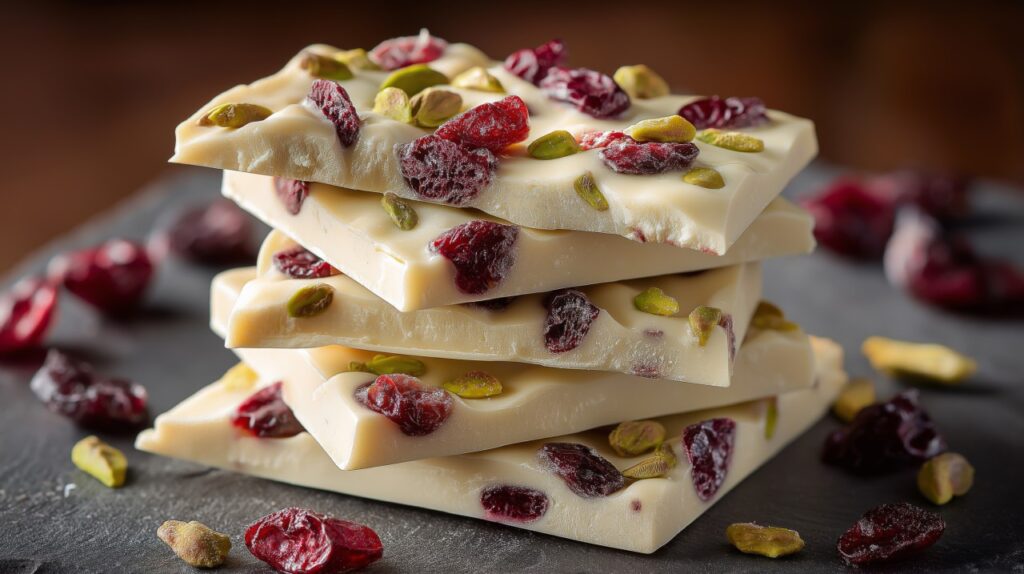
This dessert is built around contrast and snap. White chocolate forms the base, offering sweetness and firmness once properly cooled or tempered. Dried cranberries add chew and sharp acidity that cuts through the fat. Spreading the chocolate thin ensures clean breaks and prevents overly thick pieces. Temperature control is essential to maintain gloss and avoid bloom, which can dull both appearance and texture. Bark feels indulgent because it delivers concentrated flavor in small portions, making it easy to satisfy a sweet craving without excess or heaviness. A light sprinkle of salt can further sharpen the flavors and keep the sweetness feeling crisp rather than flat.
10. White Chocolate Bread Pudding
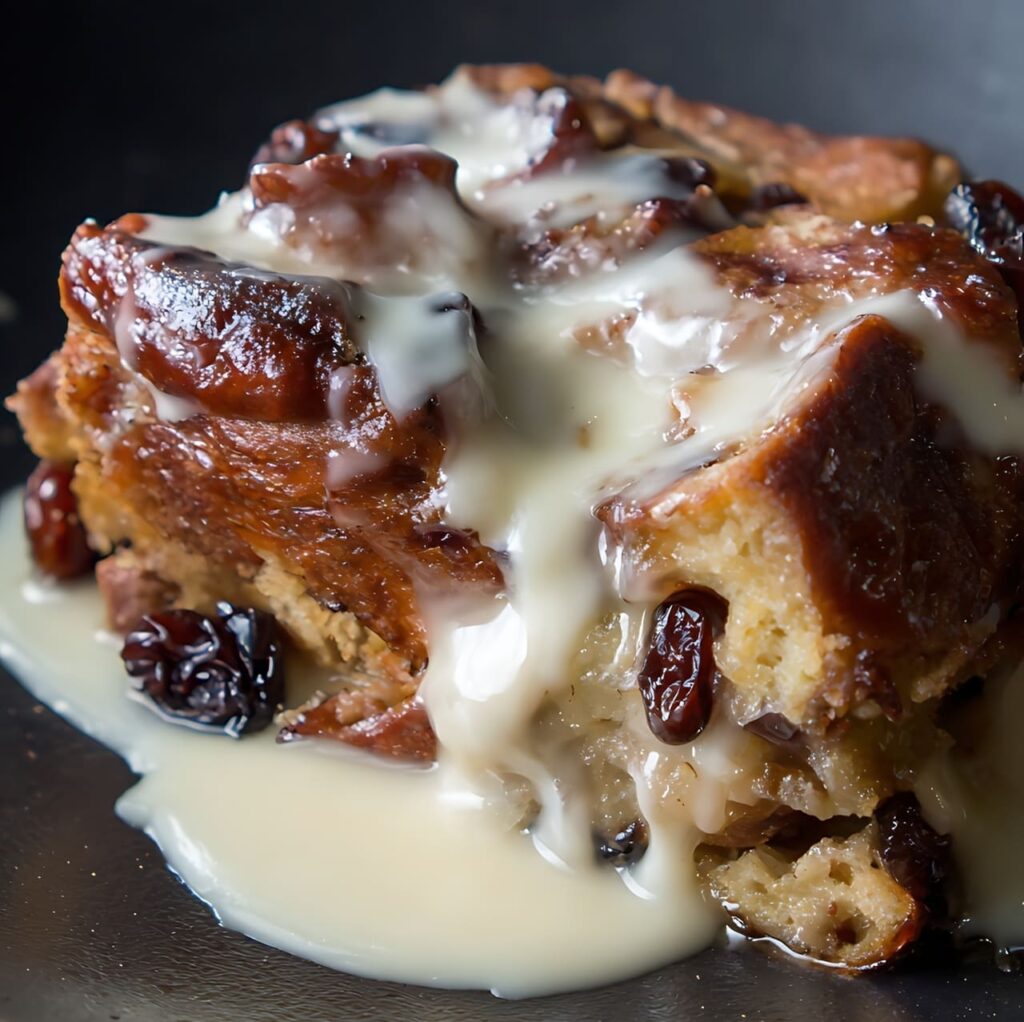
White chocolate bread pudding transforms leftover bread into a cohesive, comforting dessert. White chocolate melts into the custard, enriching milk and eggs without overpowering them. Bread absorbs the mixture, swelling and softening while maintaining structure. Slow baking allows the custard to set evenly, preventing curdling or separation. Egg proteins and dairy fat moderate sweetness, creating balance across each bite. This dessert works because richness is distributed throughout rather than concentrated in one layer, resulting in warmth and satisfaction instead of heaviness.
Using sturdier bread helps the pudding hold its shape while still delivering a soft, spoonable texture.
11. White Chocolate Lemon Bars
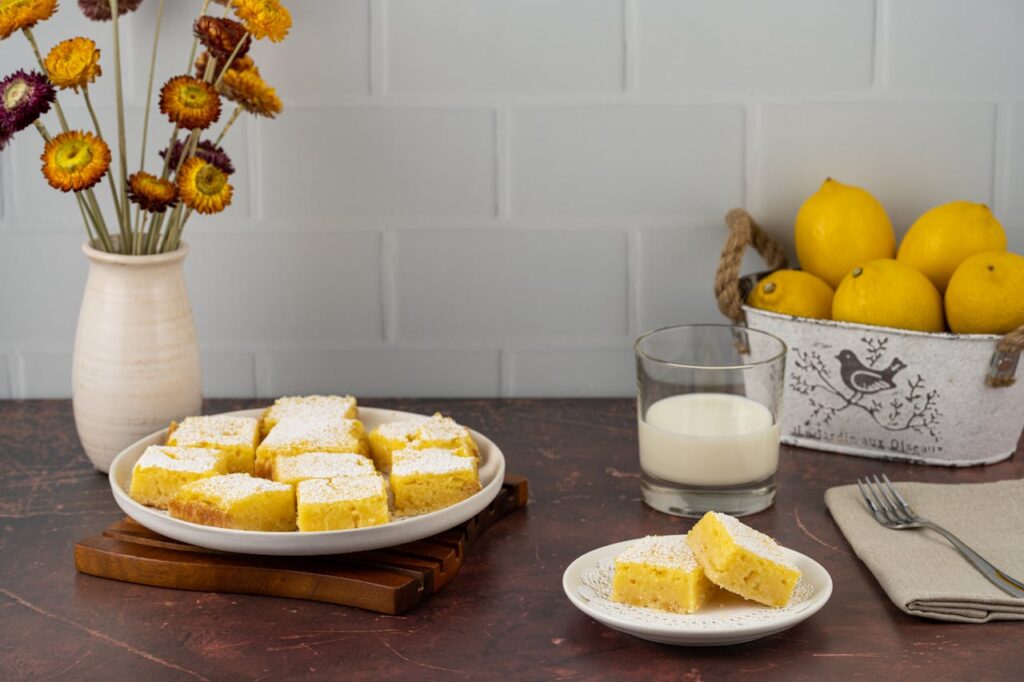
These bars succeed because acidity leads the flavor profile. Lemon juice and zest provide sharpness that offsets white chocolate’s creamy sweetness. The shortbread crust adds texture and a buttery base that anchors the filling. White chocolate is often incorporated into the filling or glaze, smoothing the citrus bite without masking it. Proper chilling allows the bars to set cleanly for slicing and improves texture. The final result feels bright and refreshing, making the richness easy to enjoy even after a heavy meal. A thin dusting of powdered sugar enhances presentation without adding unnecessary sweetness.
12. White Chocolate Cheesecake Bars
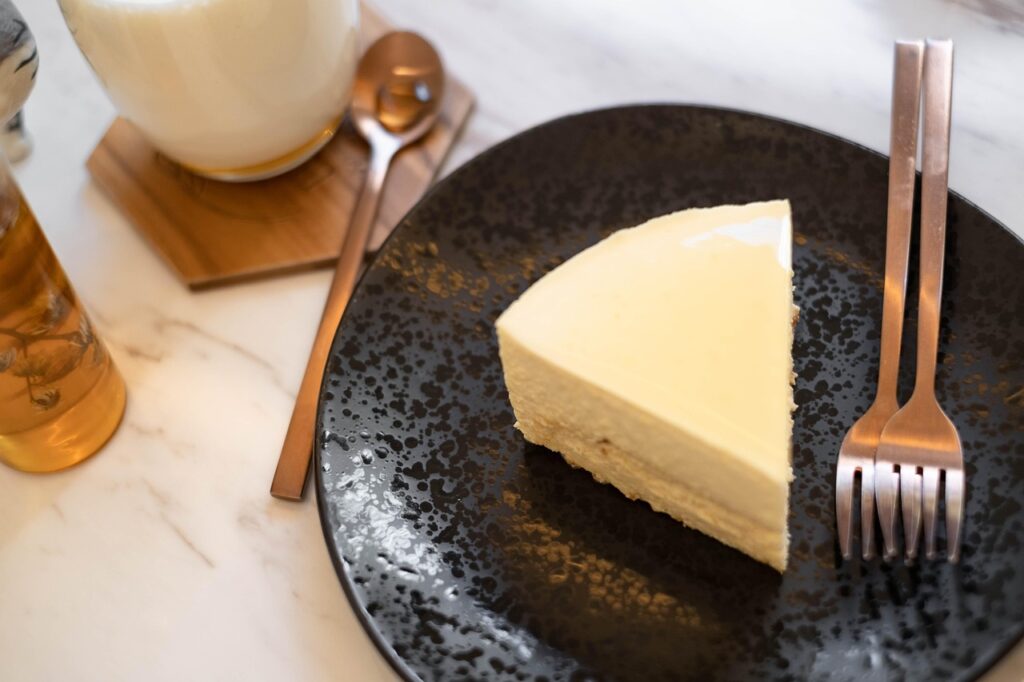
These bars focus on balance and practicality. White chocolate enriches the cheesecake layer by enhancing creaminess and sweetness without needing additional sugar. A firm crust supports the filling and prevents collapse when sliced. Baking in a shallow pan promotes even heat distribution, reducing cracks and uneven texture. Gradual cooling helps the bars set cleanly and slice neatly. Their appeal lies in controlled portions and consistent structure, delivering indulgence in a manageable, polished format. Chilling the bars fully before cutting ensures sharp edges and a smooth, professional finish.