9 Foods Americans Avoid Cooking Now Because Cleanup Is Such a Headache

Some foods sound comforting and satisfying right up until the moment you imagine cleaning the kitchen afterward. Oil splatters, baked-on sauce, hardened sugar, lingering smells, and sinks full of oversized cookware have quietly reshaped what Americans are willing to cook at home. It is not a lack of skill or interest that stops people anymore. It is the time, effort, and frustration that come once the plates are cleared. As schedules grow tighter and kitchens become shared, cleanup matters more than ever. This look explores the foods many Americans still love but increasingly avoid making themselves, because the mess left behind turns a good meal into an exhausting chore.
1. Fried Chicken
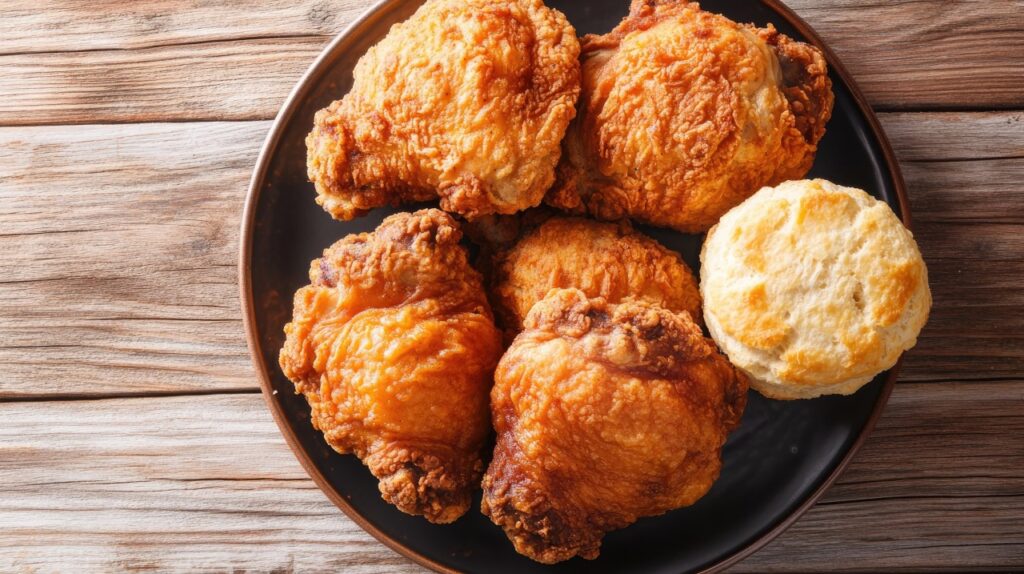
Fried chicken remains one of the most avoided home-cooked meals not because it is difficult to make, but because of what happens afterward. Frying requires large amounts of oil heated to high temperatures, which leads to splattering that coats stovetops, nearby counters, and even walls. Once cooking is done, the oil cannot simply be poured down the drain and must be cooled, strained, and disposed of properly. Breading stations add multiple bowls, racks, thermometers, and utensils that quickly pile up in the sink. The smell of hot oil and fried batter also lingers in fabrics and ventilation systems long after the meal is over.
2. Lasagna
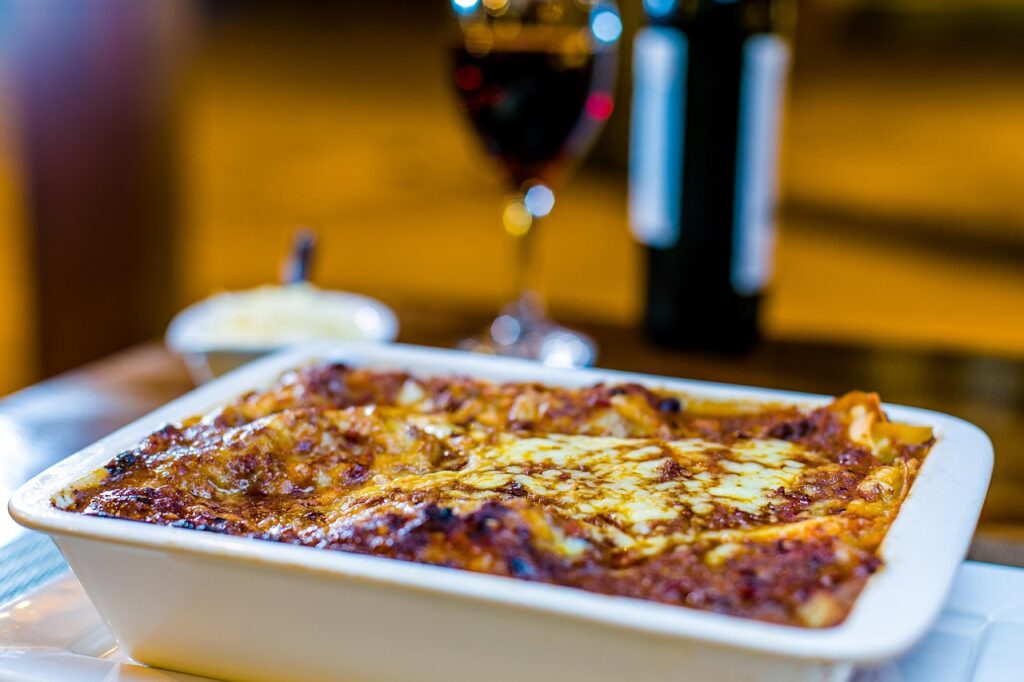
Lasagna delivers comfort, but the cleanup often outweighs the reward. Preparing it typically involves boiling noodles, simmering sauce, mixing cheeses, and layering everything into a deep baking dish. Each step adds pots, pans, bowls, and utensils. During baking, sauces bubble and spill over, burning onto the dish and oven floor. Melted cheese hardens into a stubborn layer that resists normal washing and often requires soaking. The size and weight of lasagna pans make them awkward to scrub in standard sinks. While lasagna feeds many people efficiently, modern cooks often choose frozen or restaurant versions because the cleanup turns one meal into a lengthy kitchen project.
3. Whole Fish
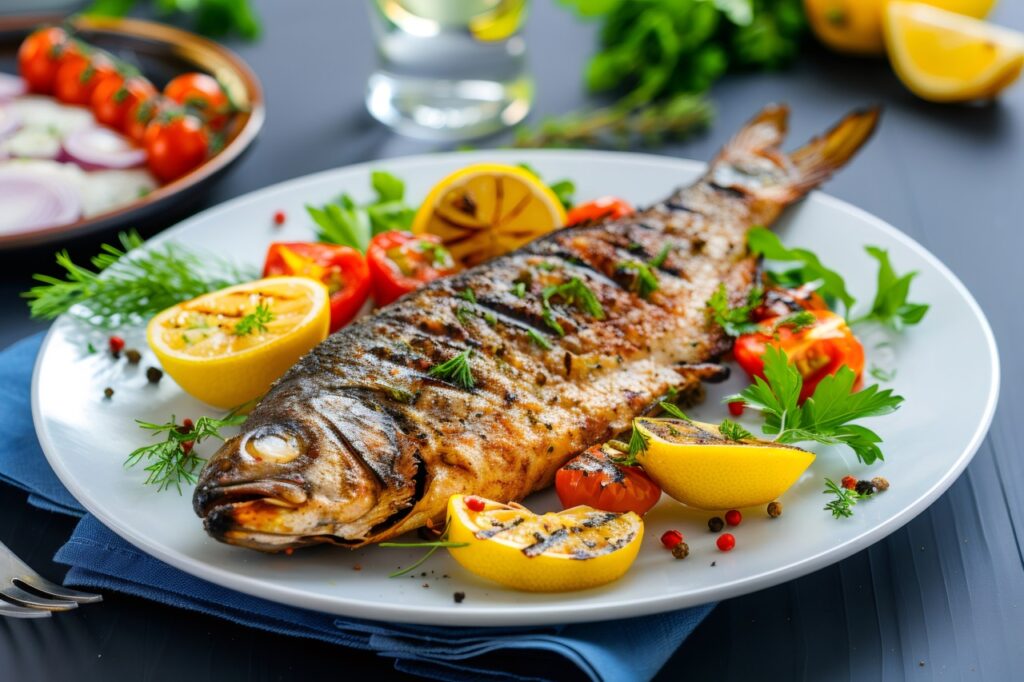
Whole fish cooking intimidates modern home cooks largely because of the mess it creates before and after cooking. Scaling and gutting release strong odors and leave slippery surfaces that require thorough sanitation. Fish oils cling to cutting boards, sinks, and sponges, spreading smell throughout the kitchen. During cooking, skin sticks to pans and grills, while bones complicate plating and cleanup. Disposal of heads, scales, and bones adds another layer of inconvenience, especially in indoor trash bins. Although whole fish offers superior flavor and value, many Americans opt for fillets or restaurants to avoid the extensive cleanup and sensory discomfort.
4. Sticky Barbecue Ribs
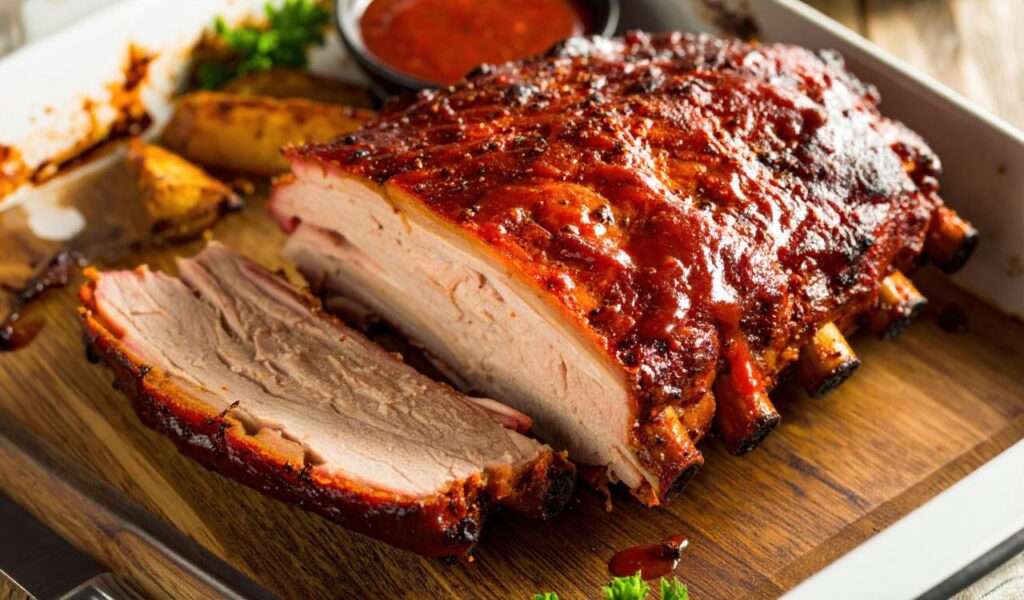
Barbecue ribs are defined by sticky sauces that become stubborn messes once heat is applied. Sugars in marinades caramelize and burn onto baking sheets, roasting pans, and grill grates. Sauce splatters coat oven walls, foil liners, and outdoor grills. Brushes, tongs, and cutting boards quickly become coated in hardened residue. Cleaning often requires soaking overnight or aggressive scraping. Ribs also produce greasy drippings that spread easily when transferring trays. While ribs are not technically difficult to cook, the aftermath discourages many people from making them at home. Restaurants and backyard gatherings shift the burden of cleanup away from individual kitchens.
5. Homemade Gravy
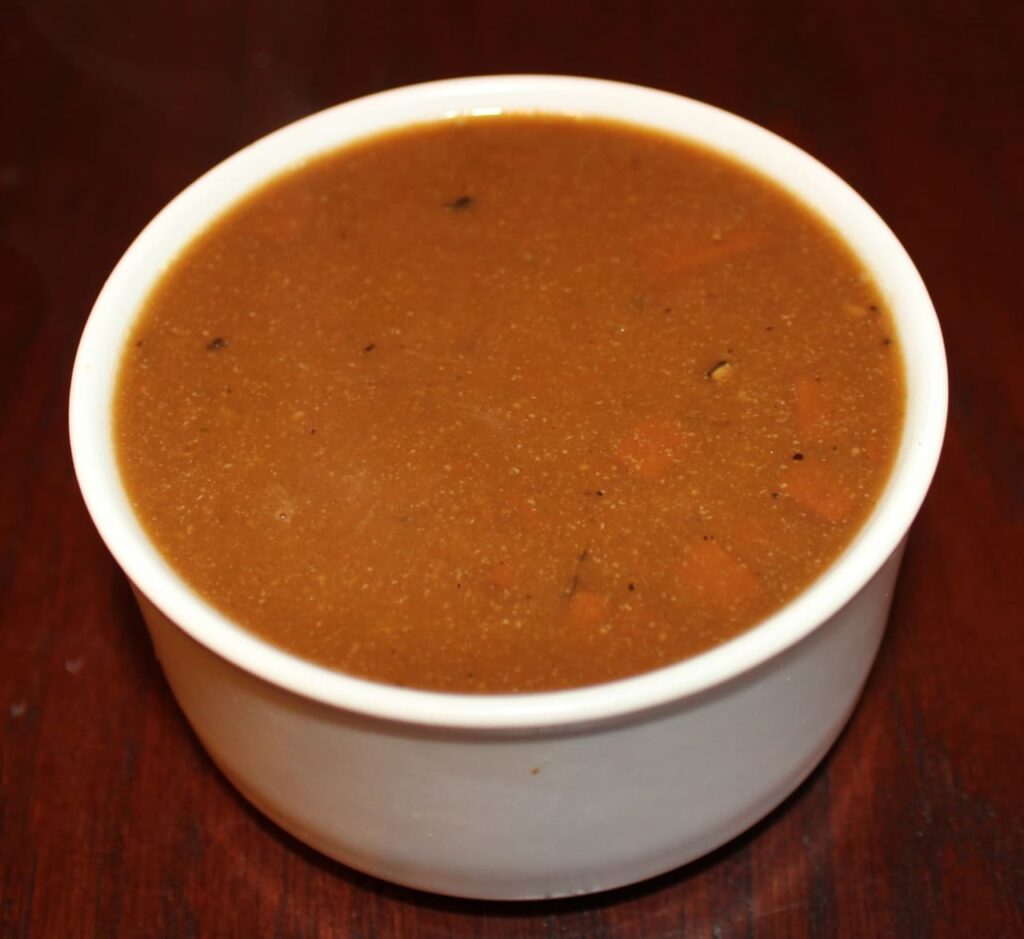
Gravy appears simple but creates a surprisingly stubborn cleanup. Roux-based gravies involve fat and flour, which cling to pans if not constantly stirred. Small splashes leave floury streaks on stovetops that harden quickly. Whisks, ladles, strainers, and measuring cups become coated in thick residue. If gravy scorches even slightly, the pan requires prolonged soaking. Timing mistakes can lead to lumps that stick and burn. Many cooks now rely on jarred or powdered gravy not because of inferior taste, but because these options eliminate multiple dirty tools and the risk of stuck-on residue that slows cleanup.
6. Stuffed Peppers
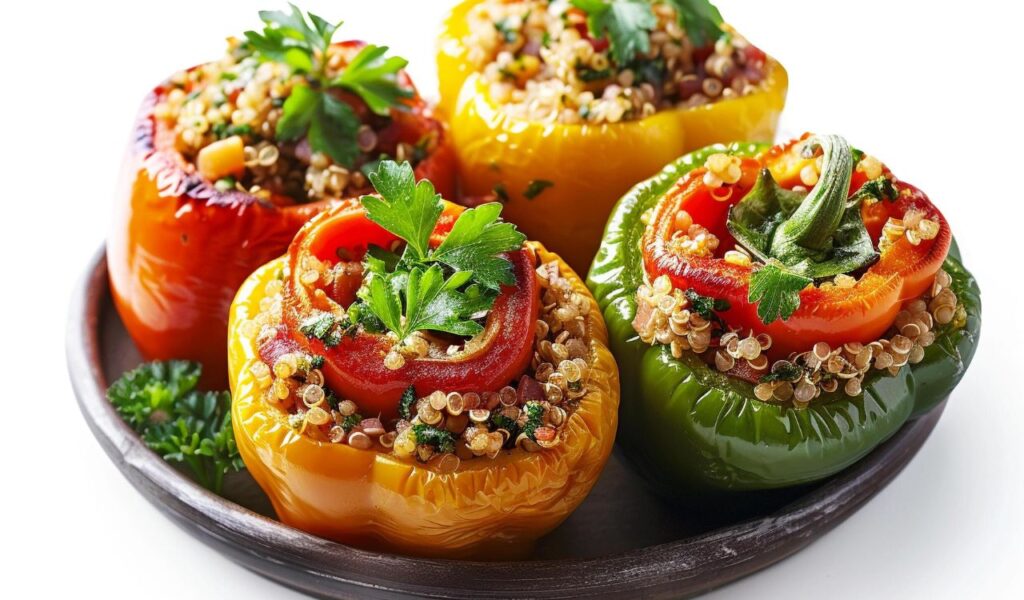
Stuffed peppers combine several messy cooking methods into one dish. Preparing the filling requires bowls, cutting boards, and utensils. During baking, peppers release liquid that mixes with melted cheese and starches, burning onto pans and leaving dark stains. Rice and filling lodge inside pepper walls and crevices, making scrubbing difficult. Cheese hardens quickly once cooled. The dish tastes wholesome and satisfying, but cleaning baked-on residue from deep pans feels disproportionate to the meal. Many cooks now favor skillet versions or deconstructed bowls that offer similar flavors with far fewer dishes to wash.
7. Deep-Fried Desserts
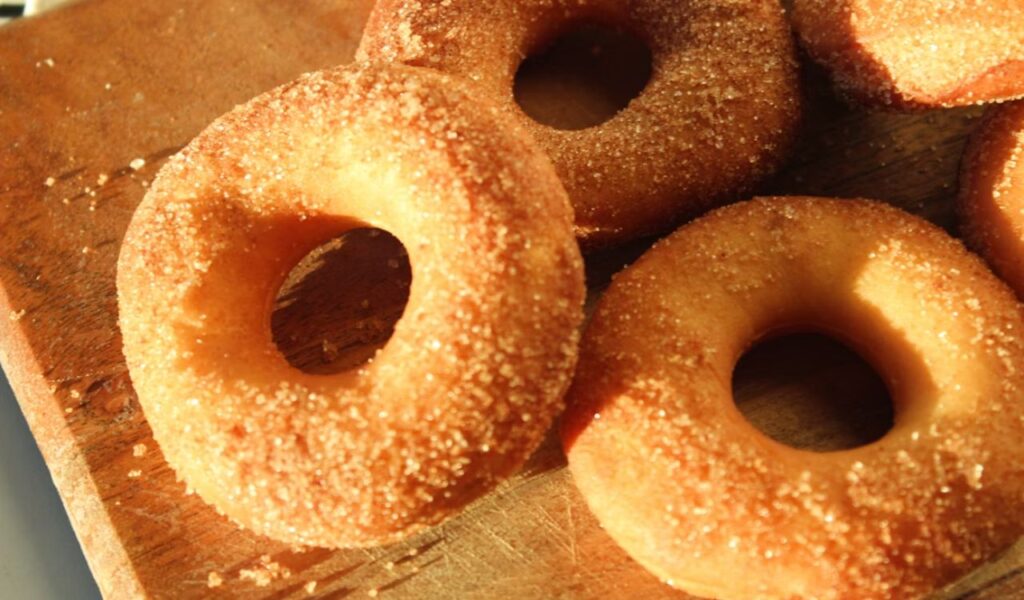
Deep-fried desserts create a cleanup problem that rivals savory frying with added complications from sugar. Batters drip and harden rapidly on counters, utensils, and burners. Sugar caramelizes in oil, leaving sticky residue that coats pots and thermometers. Sweet oils absorb strong aromas that linger longer than savory smells. Managing hot oil safely after dessert feels exhausting, especially late at night. The cleanup includes greasy surfaces and hardened sugar that resists scrubbing. As a result, many Americans reserve fried desserts for fairs, bakeries, or restaurants where the mess stays outside their homes.
8. Caramel Sauce
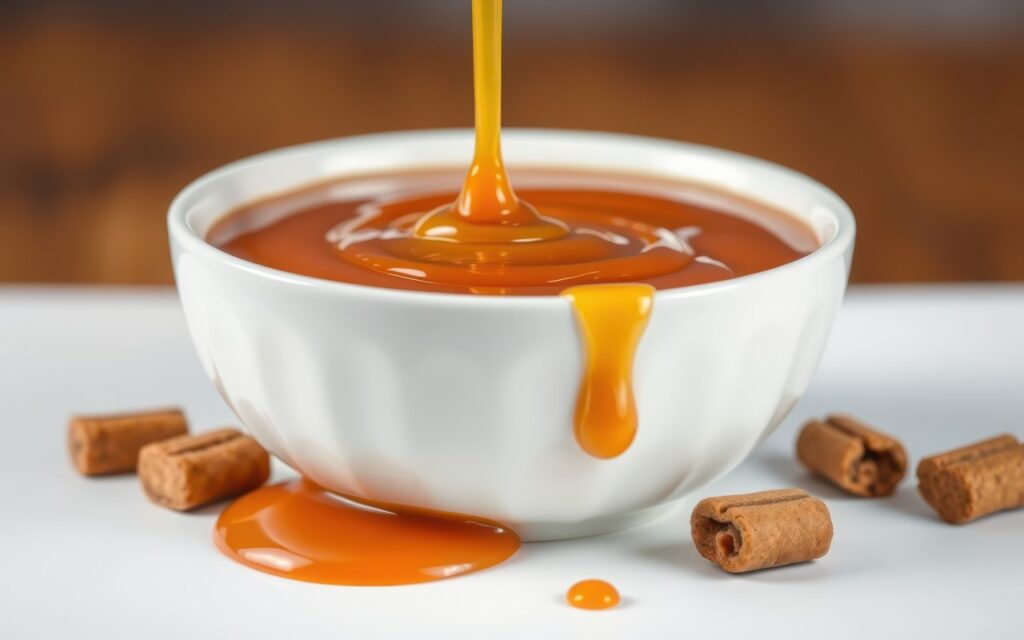
Caramel sauce is infamous for its cleanup challenges. Melted sugar hardens almost instantly when cooled, bonding to pans and utensils with a glass-like grip. A single splash can leave permanent-looking residue on stovetops. Cooling pans often appear ruined until soaked in hot water for extended periods. Stirring tools become coated and require immediate attention before the sugar sets. Even experienced cooks approach caramel cautiously, knowing that a moment of distraction leads to extensive cleanup. Store-bought caramel offers a practical alternative that avoids the stress of hardened sugar and prolonged soaking.
9. Seafood Boils
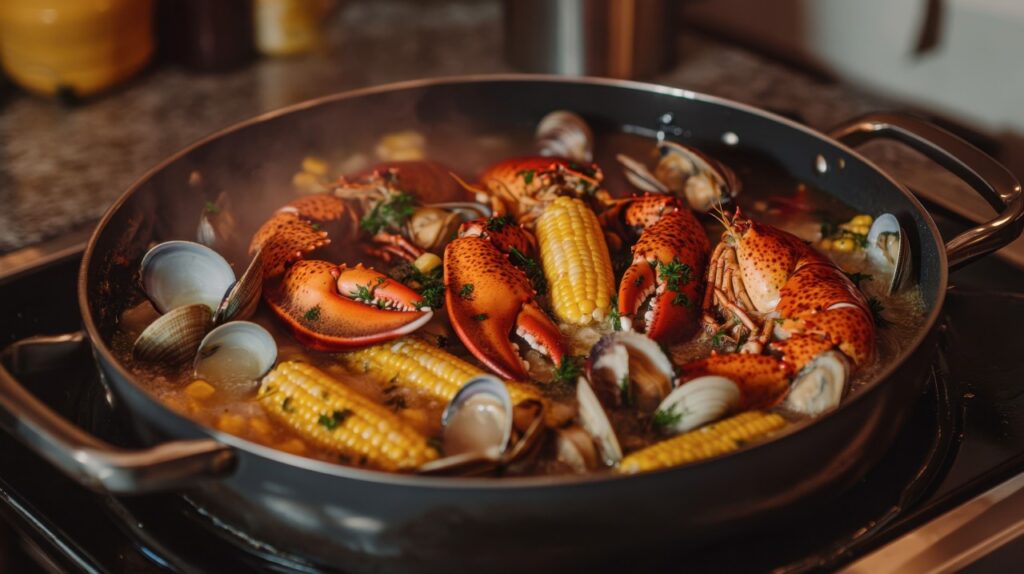
Seafood boils are festive but create widespread mess. Large stockpots, strainers, and trays dominate the kitchen. Shells pile up quickly, releasing strong odors and leaking liquid. Butter and seasoning coat tables, counters, and floors. Cleanup involves washing oversized cookware and managing shell disposal. Odors can linger in trash bins and drains. While seafood boils remain popular for gatherings, many Americans choose restaurants or outdoor setups to avoid turning their kitchens into large-scale cleanup zones. The appeal of sharing the meal often remains, but the cleanup burden is something most people prefer to leave behind.