9 Regional American Foods Visitors Often Misjudge Until They Taste Them

Some regional American foods get judged long before they are tasted. A name sounds strange, a plate looks unfamiliar, or an ingredient list sparks doubt. Visitors often rely on expectations shaped by their own food traditions, not realizing how much local technique and history shape flavor. These dishes were built to satisfy the people who grew up with them, not to impress outsiders at first glance. Once tasted, many reveal balance, comfort, and surprising familiarity. This look explores regional American foods that are commonly misunderstood, and why a single bite is often all it takes to change a skeptical mind.
1. Scrapple
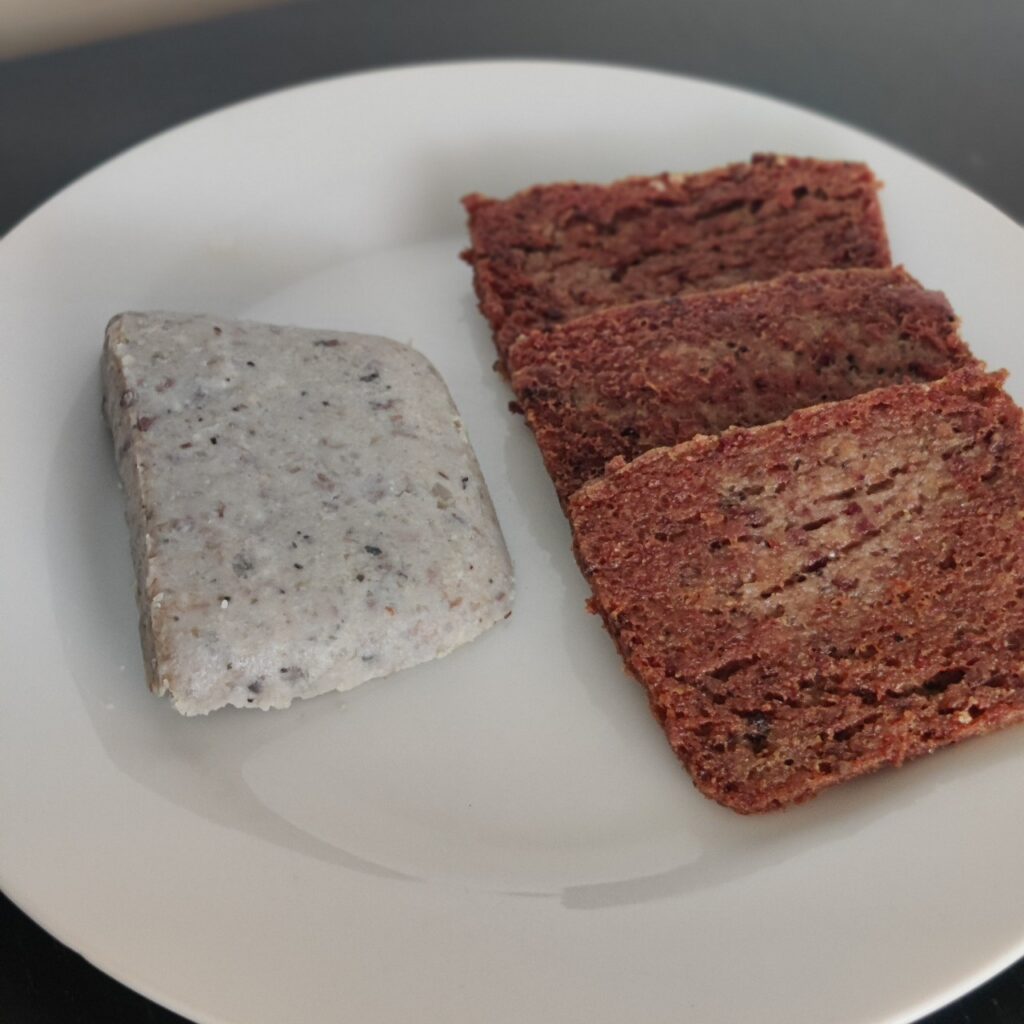
Scrapple is often dismissed before it ever reaches the plate because visitors focus on how it is made rather than how it is eaten. Traditionally developed as a way to avoid waste, scrapple blends pork trimmings with cornmeal and spices, then sets into a loaf that can be sliced and fried. When cooked properly, scrapple forms a crisp, browned crust while staying soft and savory inside. The seasoning leans peppery and balanced, closer to a well-spiced breakfast sausage than anything unfamiliar. Visitors often realize that their hesitation came from assumption, not flavor, and scrapple quickly becomes a comforting, familiar-tasting breakfast rather than the oddity they expected.
2. Cincinnati Chili
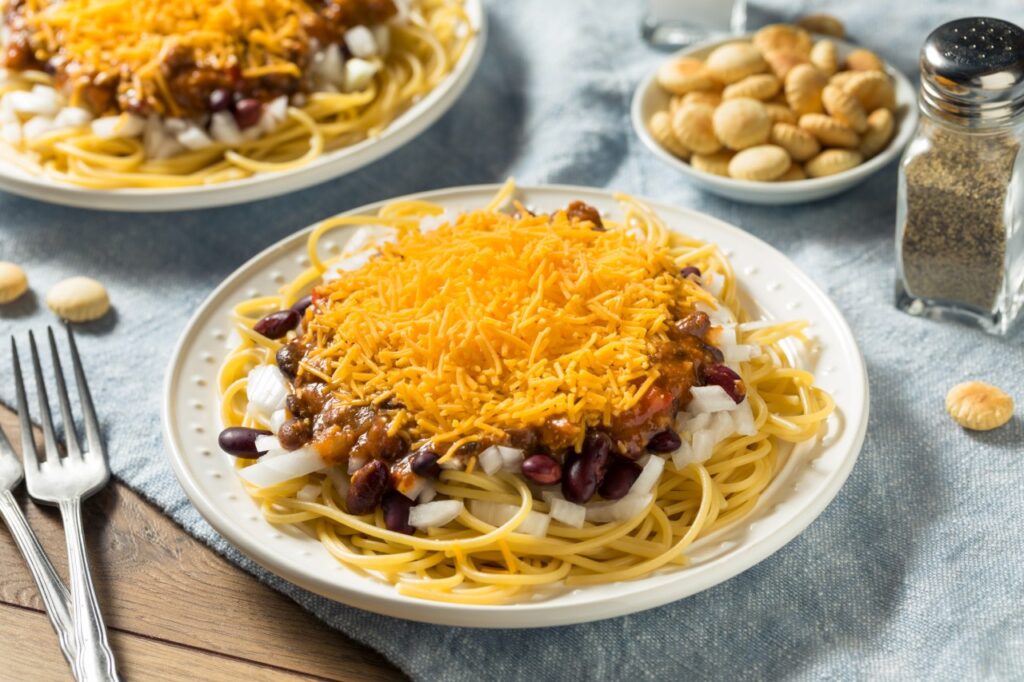
Cincinnati chili confounds visitors because it breaks nearly every rule they associate with chili. Instead of a thick, chunky stew, it arrives as a smooth sauce poured over spaghetti and topped with shredded cheese. The spice profile raises even more eyebrows. Cinnamon, clove, and allspice suggest dessert rather than dinner to the uninitiated. The misunderstanding comes from expecting it to behave like Texas or Midwestern chili. Cincinnati chili evolved from Mediterranean-inspired meat sauces, and once tasted with that context, it makes sense. The sweetness is restrained, the spices warm rather than sugary, and the meat finely textured for even coating.
3. Boiled Peanuts
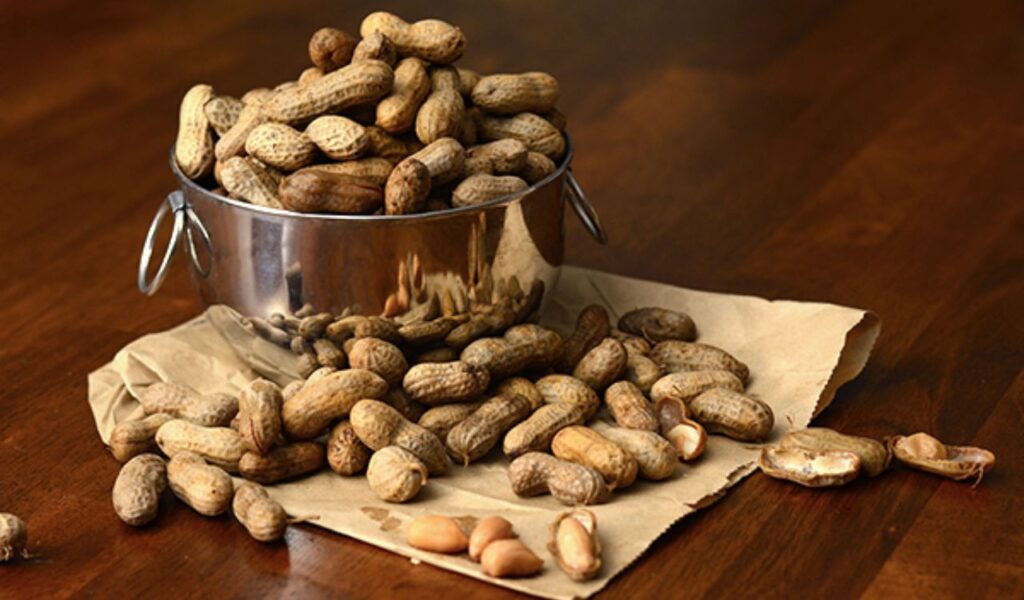
Boiled peanuts suffer from poor first impressions. To someone used to crunchy roasted peanuts, the soft, swollen shells look overcooked or soggy. The texture inside is closer to a bean than a nut, which surprises many people. What visitors miss is that boiled peanuts are meant to be eaten warm and freshly seasoned. Salt penetrates the shell during boiling, seasoning the nut throughout instead of just on the surface. The flavor becomes earthy and deeply satisfying rather than snack-like. In Southern regions, they are treated as comfort food rather than bar snacks. Once tasted fresh from a roadside stand or pot, visitors often understand why appearance alone fails to tell the story.
4. Fried Green Tomatoes
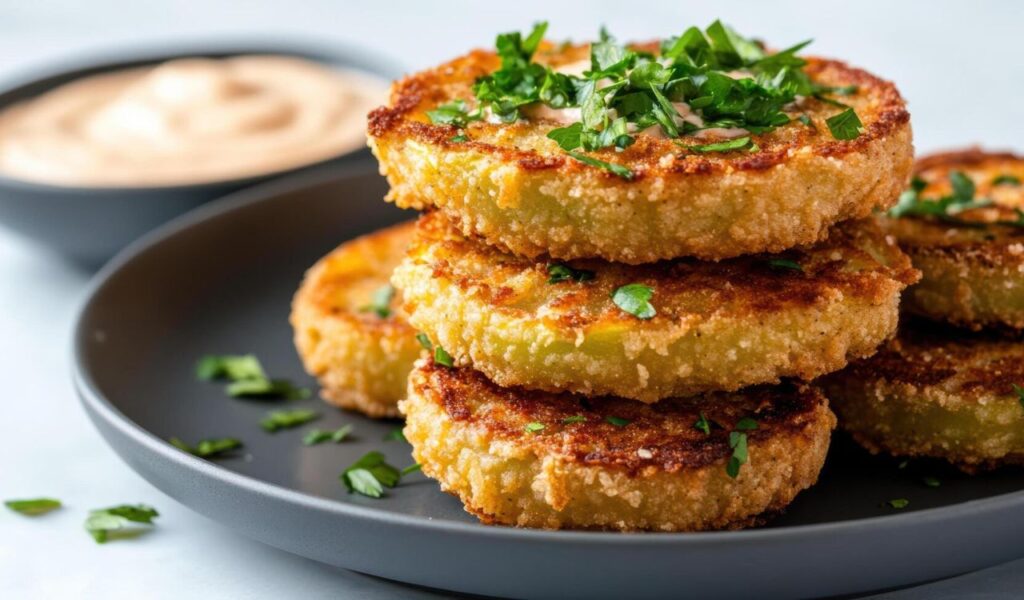
Unripe tomatoes do not sound appealing to many visitors, especially when described without context. Green tomatoes are firm and tart, leading people to expect bitterness. Frying changes everything. Sliced tomatoes are coated and cooked until the exterior turns crisp while the inside softens just enough to mellow the acidity. The contrast between crunchy coating and tangy interior creates balance rather than sharpness. Fried green tomatoes are not meant to taste like ripe tomatoes. They are their own thing, with structure and brightness that hold up to frying. Visitors often realize the dish is less about novelty and more about technique.
5. Goetta
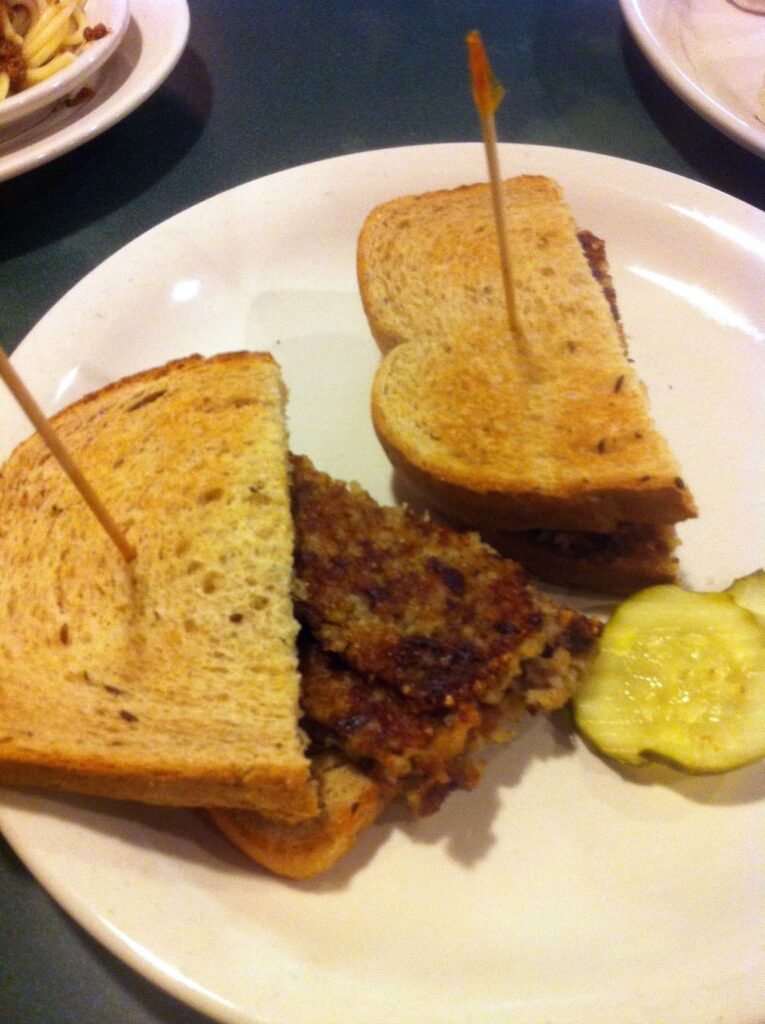
Goetta is often misjudged because it looks heavy and dense before cooking. Made from pork, oats, and spices, it resembles a compact loaf that does not immediately suggest breakfast food. The transformation happens in the skillet. When sliced and pan-fried, goetta develops a crisp exterior while remaining tender inside. The oats absorb fat and seasoning, creating a texture that feels hearty without being greasy. Flavor-wise, it is mild, savory, and approachable, closer to sausage than meat loaf. Visitors often expect something overpowering or unusual and are surprised by how familiar it tastes.
6. Texas Brisket
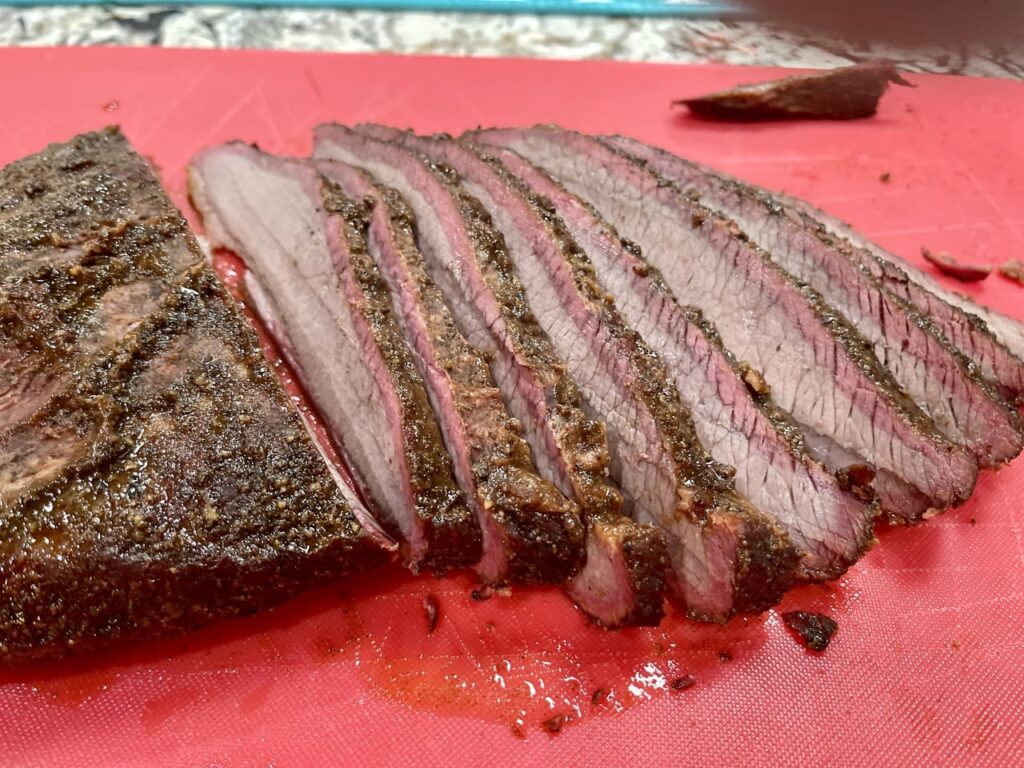
Texas brisket is often misunderstood by visitors who associate barbecue with heavy sauce or dry meat. Brisket starts as a tough cut, which leads some to expect chewiness. Proper smoking changes that entirely. Long exposure to low heat breaks down connective tissue, turning the meat tender and juicy without needing sauce. Seasoning is intentionally simple, usually salt and pepper, allowing the smoke and beef flavor to dominate. Visitors expecting sweetness or sticky glaze sometimes mistake restraint for blandness. Once tasted, the depth becomes clear. The smoke is present but not harsh, and the fat melts into the meat.
7. New England Clam Chowder
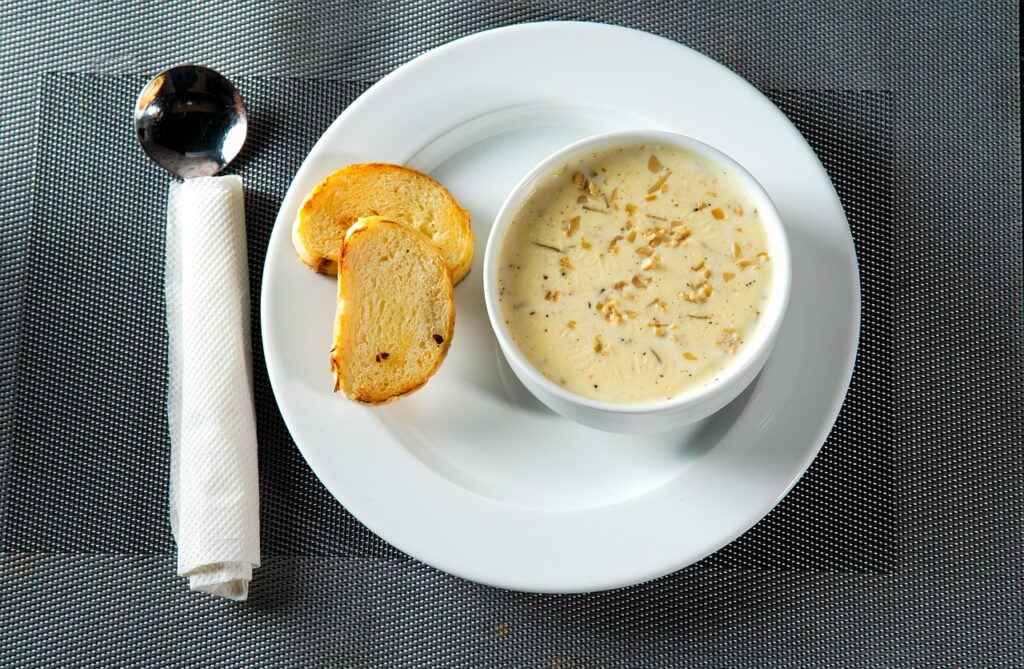
Cream-based soups can look heavy and unappealing to those unfamiliar with them. New England clam chowder often gets labeled bland or overly thick before it is tasted. In reality, well-made chowder is carefully balanced. Briny clams provide salinity, potatoes add body, and cream softens without overwhelming. The soup is meant to be savory and warming, not rich for richness sake. Texture matters here as much as flavor. Chowder should feel smooth but not gluey, with clearly defined ingredients. Visitors often expect something dull and instead find depth, especially when chowder is served hot with fresh clams. The misjudgment usually comes from appearance rather than execution.
8. Loco Moco
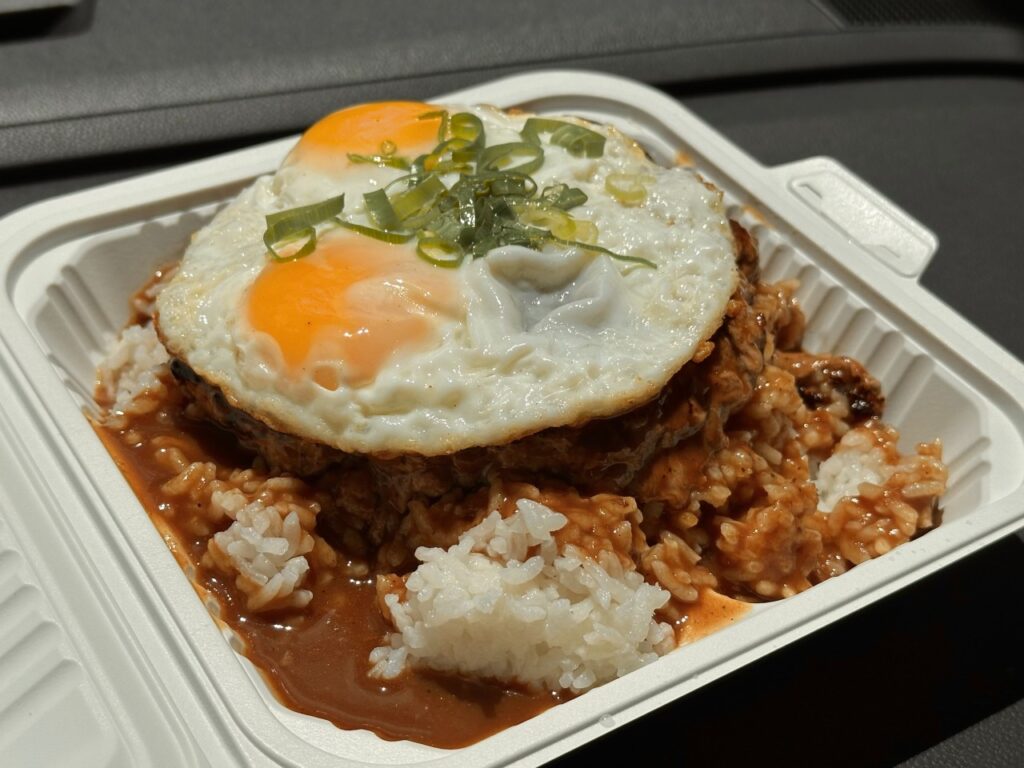
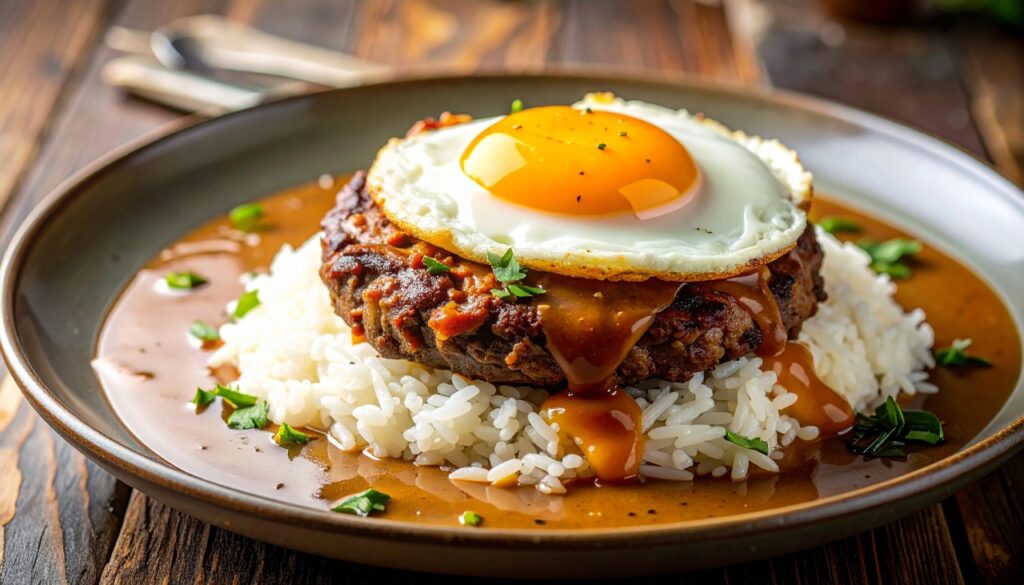
Loco moco looks chaotic at first glance. Rice, a hamburger patty, gravy, and a fried egg stacked together do not suggest refinement. Visitors often assume it will taste heavy or sloppy. What surprises people is how well the elements work together. Rice absorbs gravy, the egg adds richness, and the beef provides simple savory flavor. The dish reflects its origins as working food meant to be filling and satisfying. There is nothing accidental about it. When eaten properly, each bite feels balanced rather than overwhelming. Visitors often find that what looked excessive actually delivers comfort and cohesion, turning skepticism into appreciation quickly.
9. Green Chile Stew
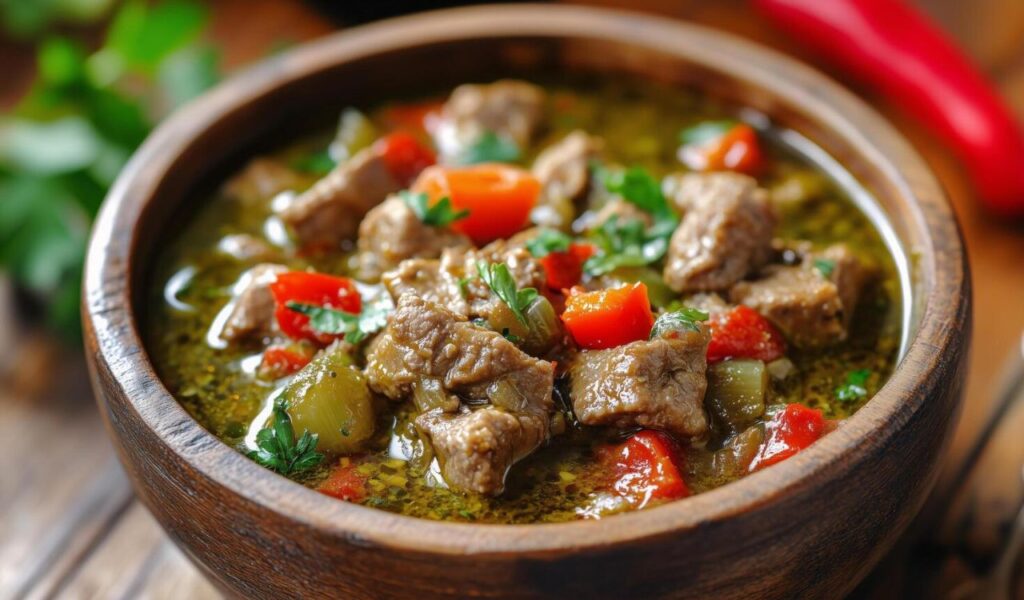
Green chile stew intimidates visitors who equate green chiles with extreme heat. The color alone suggests fire. In reality, the dish is about depth rather than spice. Roasted green chiles bring smokiness and mild heat that spreads evenly instead of spiking. Pork and potatoes anchor the stew, creating a savory base that softens the chiles’ bite. The result is warming and aromatic rather than aggressive. Visitors often brace for intensity and are surprised by how approachable it is. Green chile stew shows how regional food prioritizes balance and familiarity over shock, rewarding those willing to taste before judging.