The Truth About Why Some Foods Suddenly Go Viral Overnight

Food trends don’t just happen anymore; they explode. One moment, a dish is unknown, and the next, it’s everywhere you look, shared, recreated, and talked about across millions of screens.
This sudden rise isn’t random. It’s shaped by powerful digital forces that decide what gets seen, saved, and craved. Every scroll quietly influences what feels irresistible.
What makes it fascinating is how quickly ordinary ingredients turn into global sensations. A simple idea, when presented the right way, can capture attention almost instantly.
Behind these viral moments lies a mix of psychology, storytelling, and timing. Each element works together to turn curiosity into obsession in a matter of hours.
Understanding this shift reveals more than trends; it shows how modern cravings are created, shared, and amplified in ways we’re only beginning to notice.
The Algorithm That Decides What You Crave
What appears on your feed is rarely random. Viral food trends are shaped by systems that track how long you watch, pause, or engage. When a dish sparks curiosity or surprise, it is quickly pushed to wider audiences.
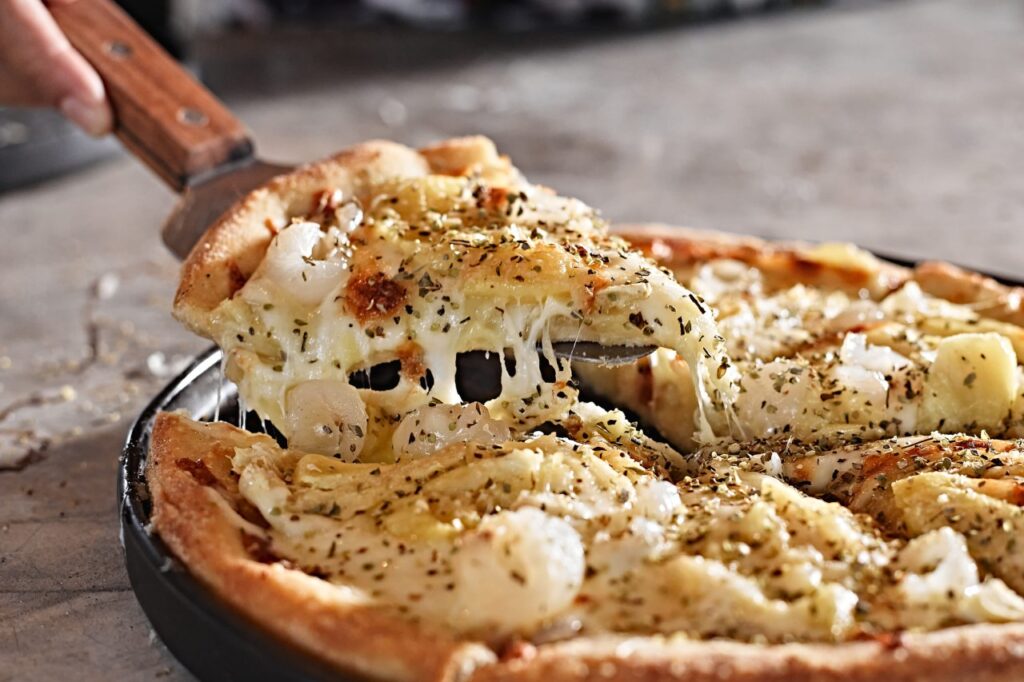
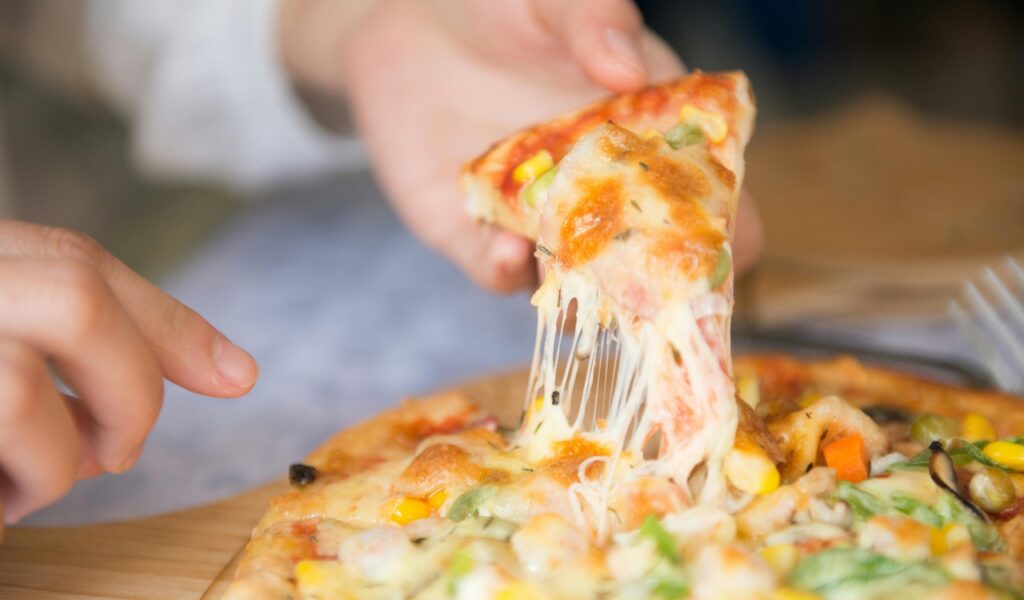
Food content performs strongly because it is relatable across cultures. Short clips like cheese pulls or sauce pours grab attention fast. This quick engagement signals platforms to boost visibility further.
Timing matters. If a post gains traction early, it spreads rapidly. This creates the illusion that a food trend appears everywhere overnight, even if it started small.
Repetition strengthens the effect. Interacting with one video leads to more similar content, making the trend feel unavoidable and larger than it is.
Most viral foods grow through digital momentum. What seems like a global craze is often a highly amplified moment driven by engagement patterns.
Why Visual Appeal Turns Meals Into Click Magnets
The look of a dish often matters more than its taste online. Bright colors and glossy textures catch attention instantly. Contrast, like crispy and soft combinations, adds visual interest that keeps viewers watching.
Close shots enhance the experience. Zooming into bubbling or dripping textures creates a sensory illusion, making the viewer imagine taste and texture without trying the food.
Movement increases engagement. Actions like slicing, pouring, or stretching hold attention longer, which boosts visibility. Many viral foods are built around one satisfying visual moment.
Presentation plays a key role. Good lighting and clean backgrounds make even simple dishes appear appealing. Styling often matters as much as the recipe itself.
Viral food is driven by visual storytelling. If it looks irresistible on screen, people will watch and share, even without tasting it.
How Influencers Transform Dishes Into Obsessions
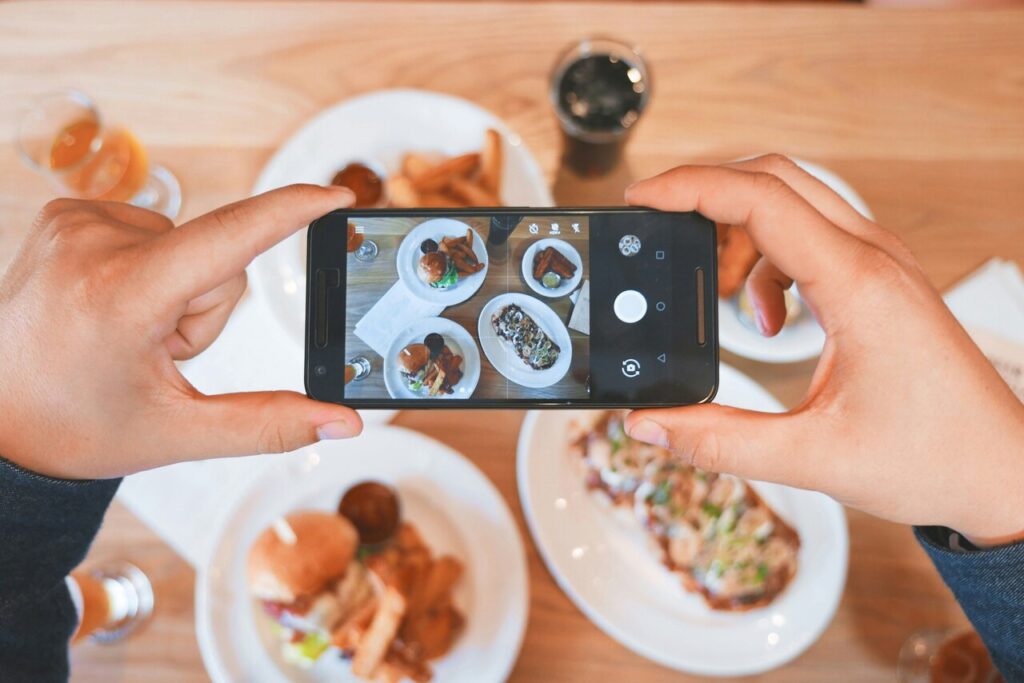
Most viral foods need a familiar face to gain attention. Influencers present dishes in ways that feel relatable and exciting, making them easier to trust and share.
Their credibility matters. Followers are more likely to try a trend when it comes from someone they already trust. This speeds up how quickly a food spreads.
They also shape perception. By simplifying recipes or reacting strongly, they turn simple dishes into memorable experiences. Storytelling makes the content more engaging.
Collaboration increases reach. When many creators share the same trend, it feels widespread. Each version keeps the idea fresh while reinforcing its popularity.
Influencers often create trends, not just follow them. Their ability to present food creatively can turn ordinary ideas into global sensations.
The Psychology Behind Sudden Food Cravings
Viral foods tap into how the brain responds to novelty. Seeing something new triggers excitement, making unusual or exaggerated dishes more appealing online.
Social proof plays a role. When a food appears repeatedly, it signals popularity. People are naturally drawn to what others are enjoying.
Urgency increases interest. Limited trends create a sense of missing out, pushing people to engage quickly before the moment fades.
Nostalgia adds emotional value. Familiar flavors or childhood-inspired foods feel comforting, especially when presented in a new way.
Together, these triggers create a cycle of curiosity and desire. A simple video can quickly turn into a widespread craving driven by perception.
Why Viral Food Trends Rise Fast and Disappear Faster
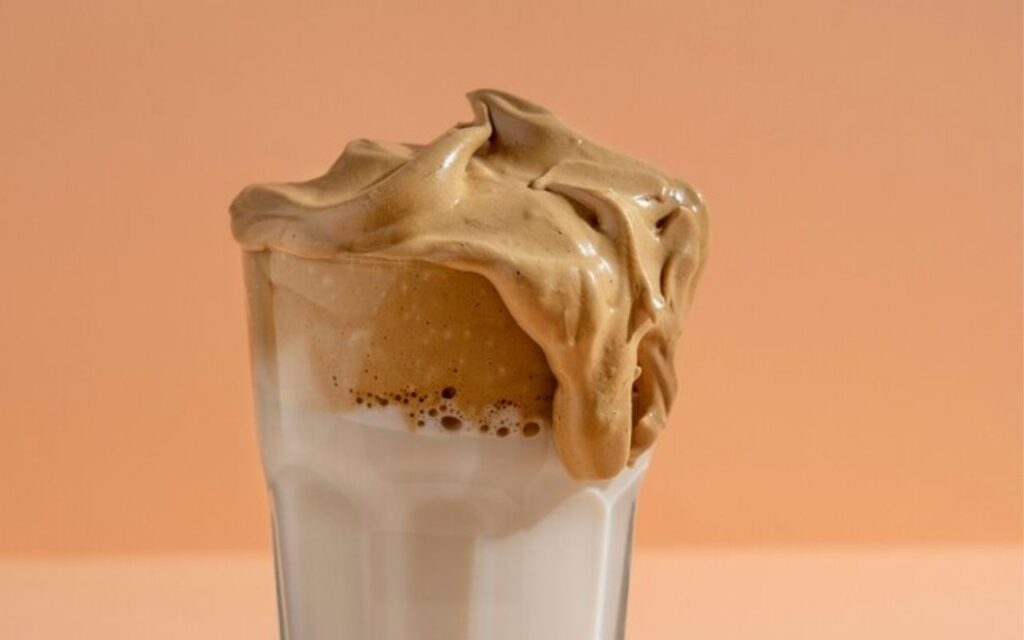
Trends fade as quickly as they rise. Once a dish becomes too common, it loses its novelty and people move on to something new.
Overexposure reduces interest. Repeated versions of the same idea lead to lower engagement, causing platforms to shift focus elsewhere.
Practicality limits longevity. Many viral foods are designed for visuals, not daily use. They can be time-consuming or difficult to recreate.
Expectations also matter. Some foods look better than they taste, and honest feedback can reduce their appeal over time.
Viral trends depend on attention, not consistency. They thrive on novelty, making them powerful but short-lived in a fast-moving digital space.