11 Chain Restaurants That Gave Up on Cooking and Microwave It All

Walk into a busy chain restaurant and the kitchen feels alive with motion. Flames flare, timers beep, and plates move quickly from pass to table. The atmosphere suggests everything is being cooked fresh the moment you order.
But behind the swinging doors, efficiency often shapes the menu more than tradition. Centralized prep kitchens, pre portioned proteins, and rapid reheat ovens help large brands deliver identical meals across hundreds of locations.
This does not mean nothing is cooked on site. It means much of the heavy lifting may have happened long before the dish reached your table. Here is a closer look at how convenience and consistency quietly reshaped the chain dining experience.
1. Applebee’s
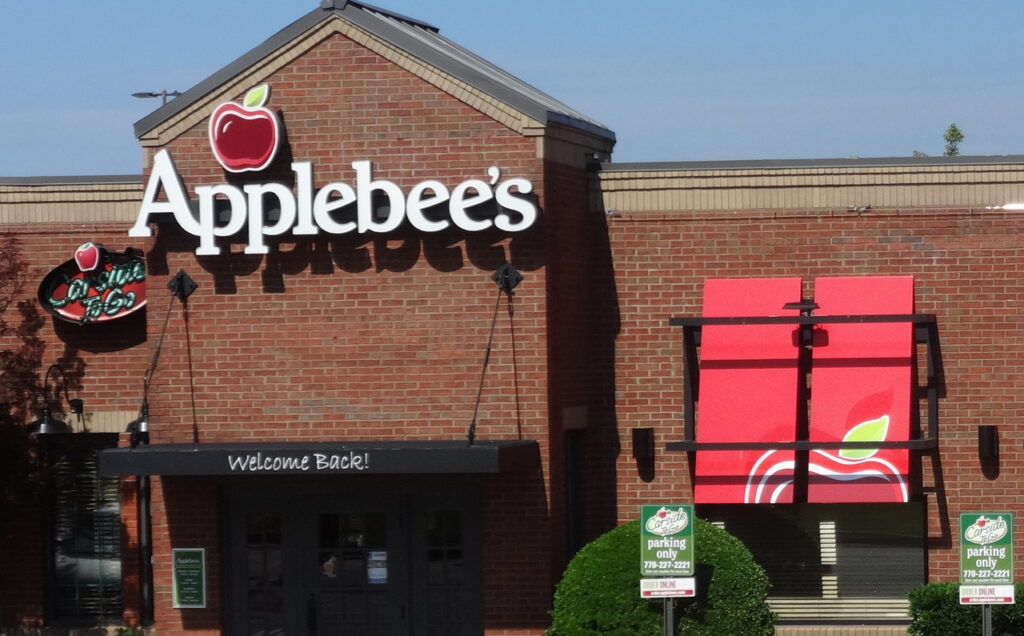
Speed defines the modern casual dining model. At Applebee’s, many entrées and components arrive pre cooked or partially prepared from centralized suppliers before being finished in store. Rapid cook ovens and microwaves are commonly used to heat items quickly and consistently during service.
Pasta dishes, appetizers, and some proteins may be reheated rather than started from raw ingredients. This reduces labor demands and simplifies training across hundreds of locations.
Grills and fryers are still active in the kitchen, but much of the final preparation involves warming and plating. The result favors uniformity and timing over fully from-scratch cooking.
This structure allows predictable output even during peak dinner rushes.
2. Chili’s
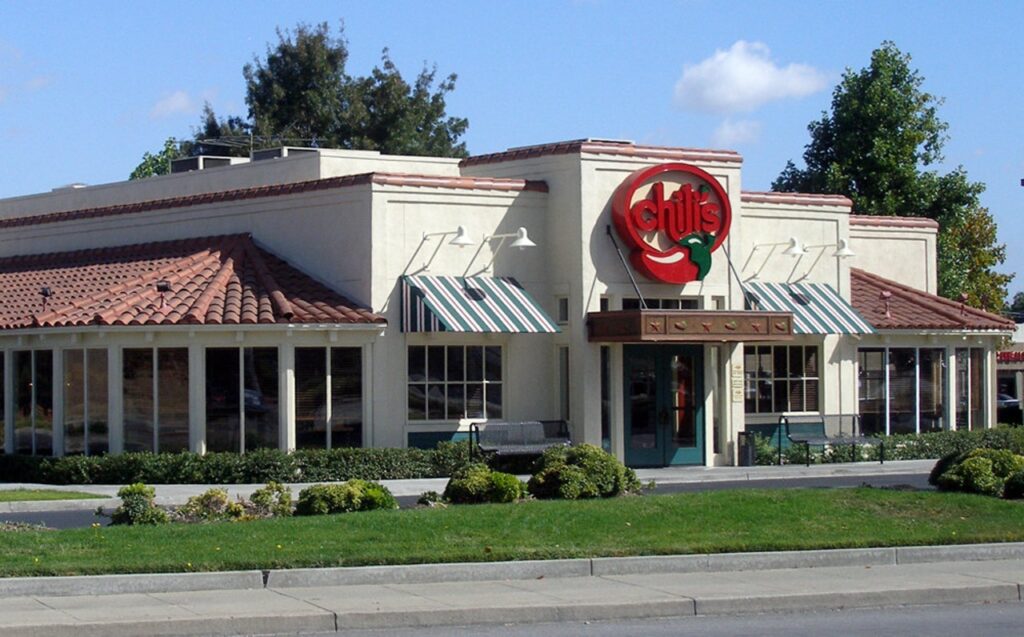
Standardization is central to Chili’s operating model. Many ingredients are pre-seasoned, pre-portioned, and shipped ready for finishing, ensuring a similar flavor whether you dine in Texas or Tennessee.
While burgers and select meats are grilled on site, soups, sauces, and several sides are typically prepared and reheated to order. Rapid ovens help maintain pace during busy periods.
This approach creates dependable consistency across locations. It also means a significant portion of the cooking process happens before the food reaches the restaurant kitchen. Efficiency often outweighs individualized preparation at the unit level.
3. Olive Garden
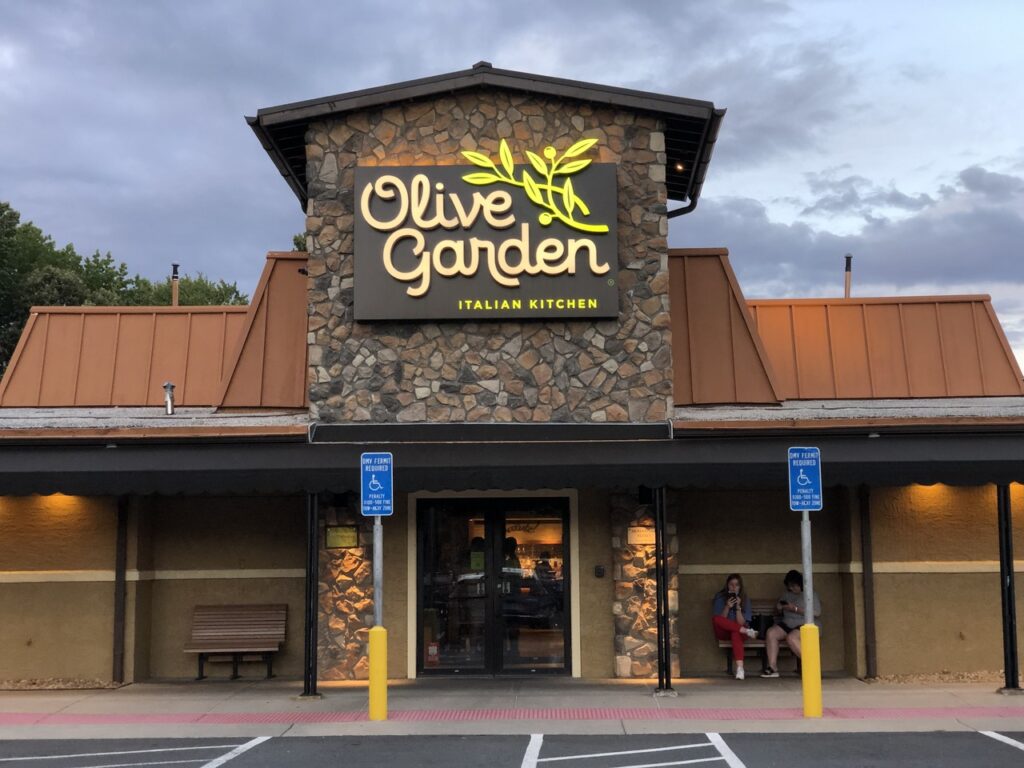
Italian inspired menus suggest simmering sauces and hand assembled plates crafted to order. In practice, Olive Garden depends heavily on batch preparation and centralized production to manage its high volume traffic across hundreds of locations nationwide.
Soups are produced in large quantities, and many pasta components arrive pre cooked and portioned. Final assembly often involves reheating sauces and combining prepared elements rather than building dishes from raw ingredients on site.
This structure ensures consistent taste and reliable speed of service. However, much of the foundational cooking takes place before ingredients reach the restaurant kitchen, prioritizing predictability over traditional scratch preparation.
4. TGI Fridays
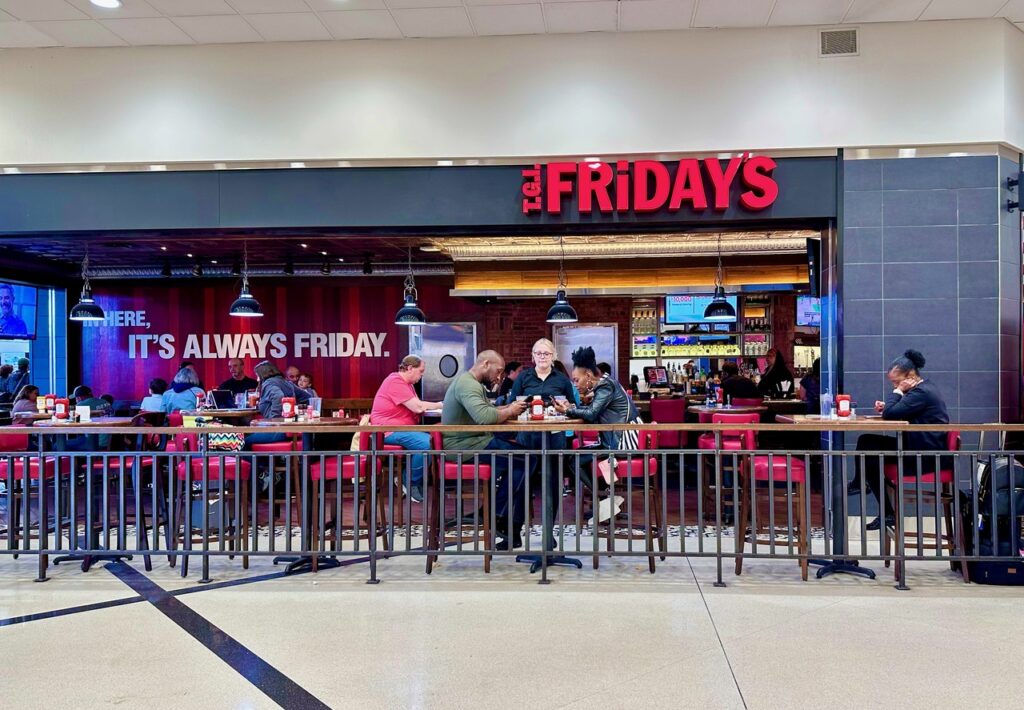
A broad appetizer-focused menu requires operational efficiency. TGI Fridays has long relied on frozen and factory-prepared items that are finished in-store using fryers, convection ovens, and microwave systems to meet demand quickly.
Mozzarella sticks, wings, and several entrées often begin as pre-manufactured products shipped ready for heating. Kitchen staff focus on frying, warming, and plating instead of building recipes from raw components.
The model reduces waste and speeds output during busy shifts. At the same time, much of the flavor development occurs off-site, limiting true in-house cooking at individual locations.
5. Red Lobster
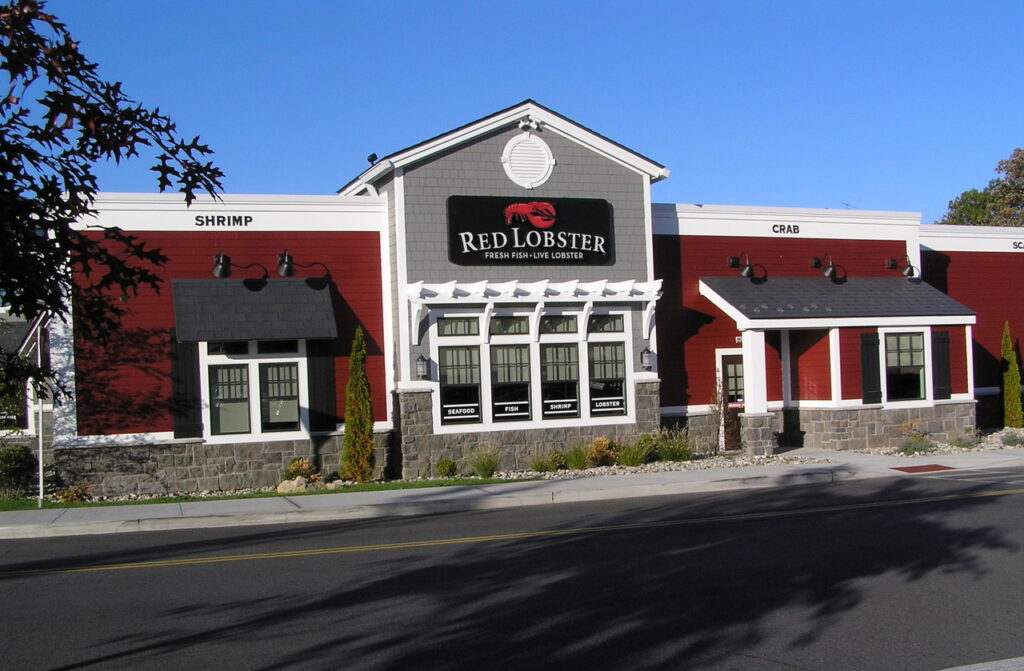
Seafood chains prioritize safety and portion control to manage consistency. At Red Lobster, many proteins arrive cleaned and pre portioned, while select soups, sauces, and sides are prepared centrally before shipment to individual restaurants.
Grilling and frying occur in store, yet reheating plays a regular role in finishing several menu components. This system helps standardize flavor and streamline kitchen execution during busy service periods.
The approach supports dependable results across locations. However, it also means that much of the preparation takes place before ingredients ever reach the restaurant kitchen itself.
6. Denny’s
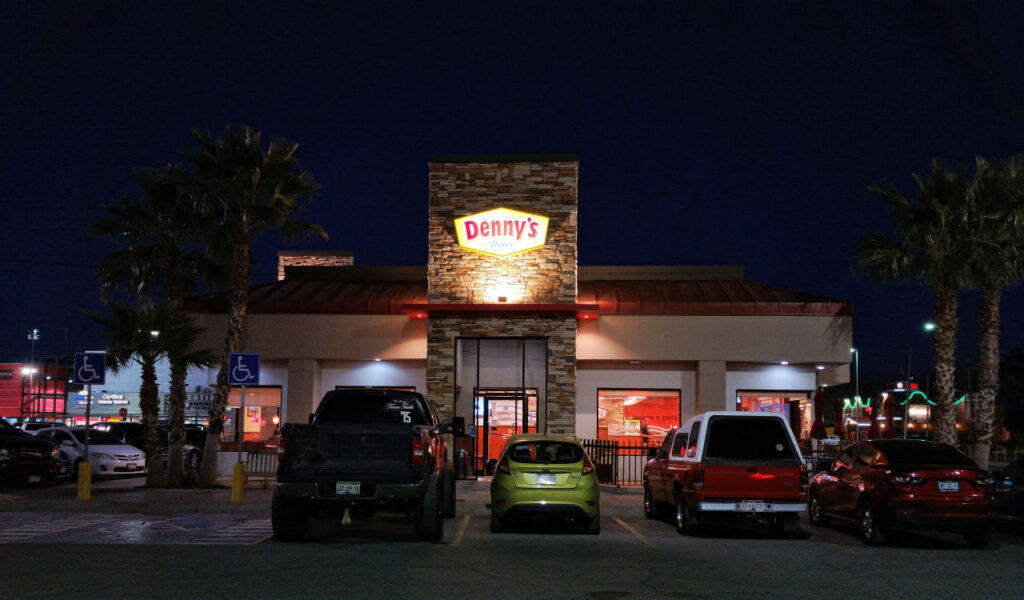
Diner culture suggests nonstop short order cooking, and at Denny’s many breakfast staples such as eggs, bacon, and pancakes are prepared fresh on flat tops throughout the day. These core items help reinforce the classic roadside diner image the brand promotes.
However, numerous supporting components rely on centralized preparation. Gravies, soups, and certain meats may arrive pre cooked and are reheated as needed, particularly during overnight service when speed and staffing efficiency are critical.
This blended system allows twenty four hour operation with predictable timing. It combines visible fresh cooking with prepared elements to maintain consistency and manageable labor demands across shifts.
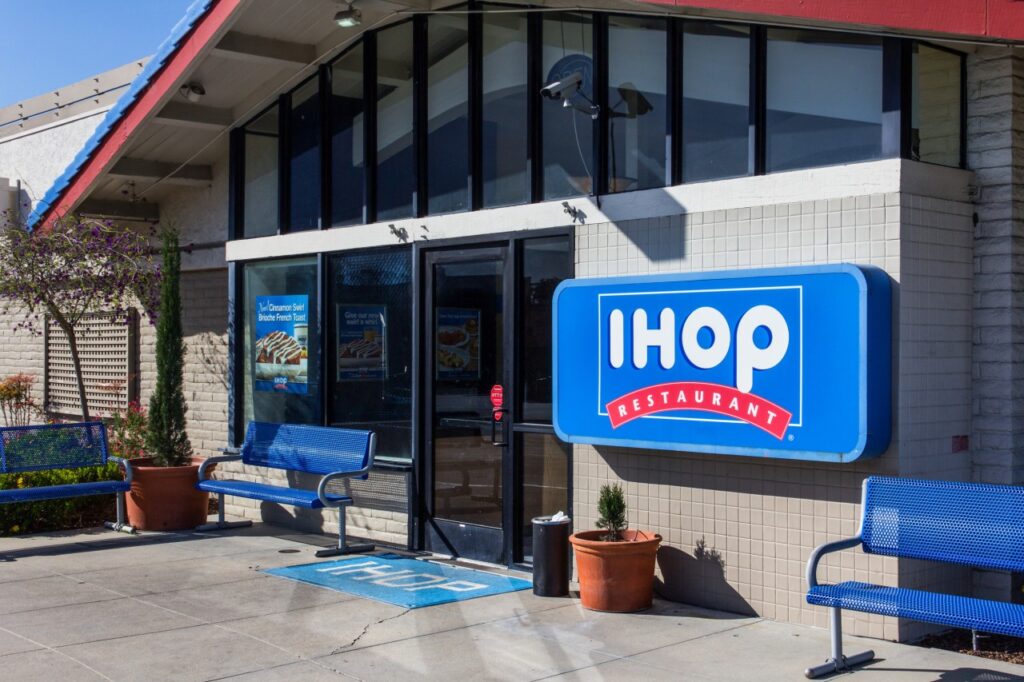
7. IHOP
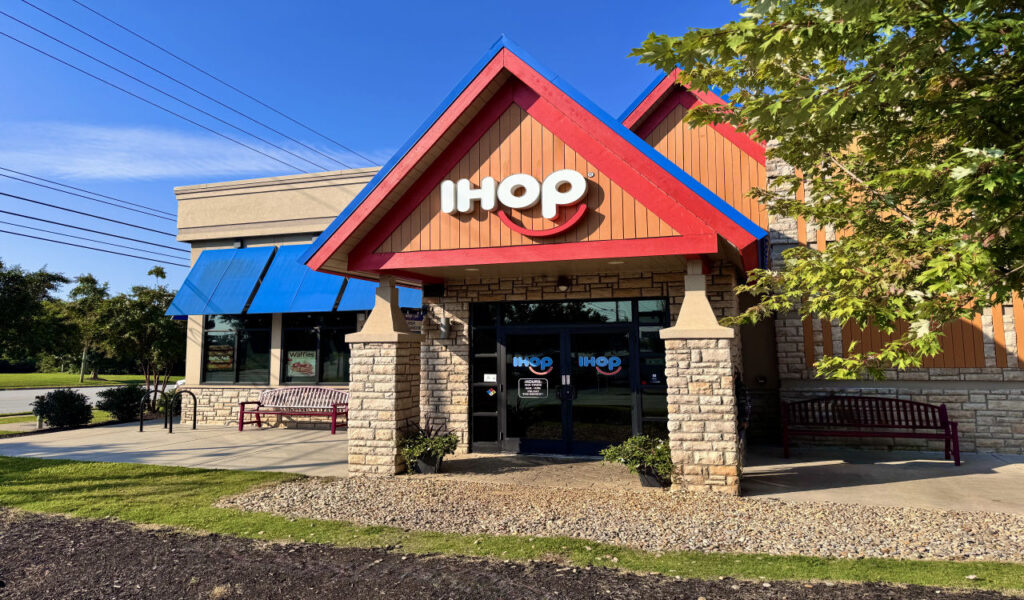
IHOP is widely known for pancakes cooked to order on in house griddles. These fresh items remain central to the brand’s identity and are prepared directly at each restaurant location throughout service hours.
At the same time, many fruit toppings, syrups, and specialty fillings are delivered pre made and ready for quick use. Microwaves and warming equipment help speed assembly during heavy breakfast and weekend rush periods.
The structure supports rapid service and uniform taste nationwide. While the griddle remains active, much of the flavor foundation is created through centralized production rather than fully scratch preparation.
8. Buffalo Wild Wings
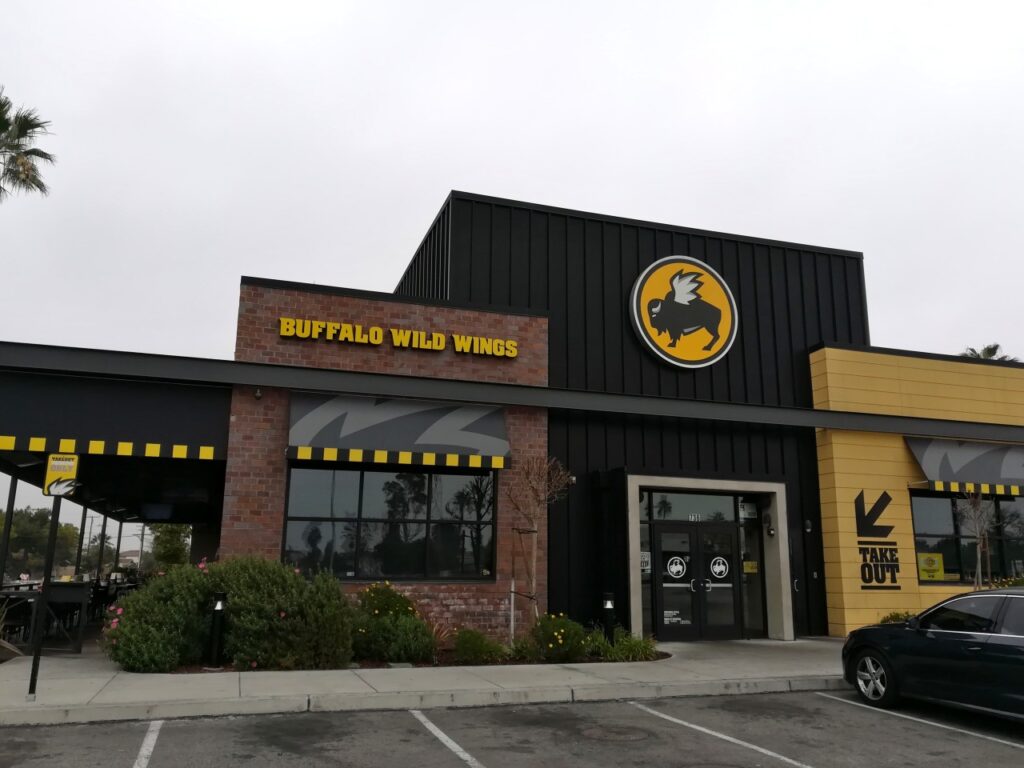
Wings are fried fresh in store and remain the defining feature of Buffalo Wild Wings. The frying process takes place on site, particularly during high volume sporting events when demand rises sharply and speed becomes essential.
Beyond the wings, many sauces and side dishes are standardized and delivered ready for use. Several appetizers arrive frozen or partially prepared, requiring reheating or quick finishing before service.
This structure supports efficiency and consistent flavor across locations. Centralized production shapes much of the broader menu, allowing kitchens to handle large crowds without relying on complex scratch preparation.
9. Cheesecake Factory
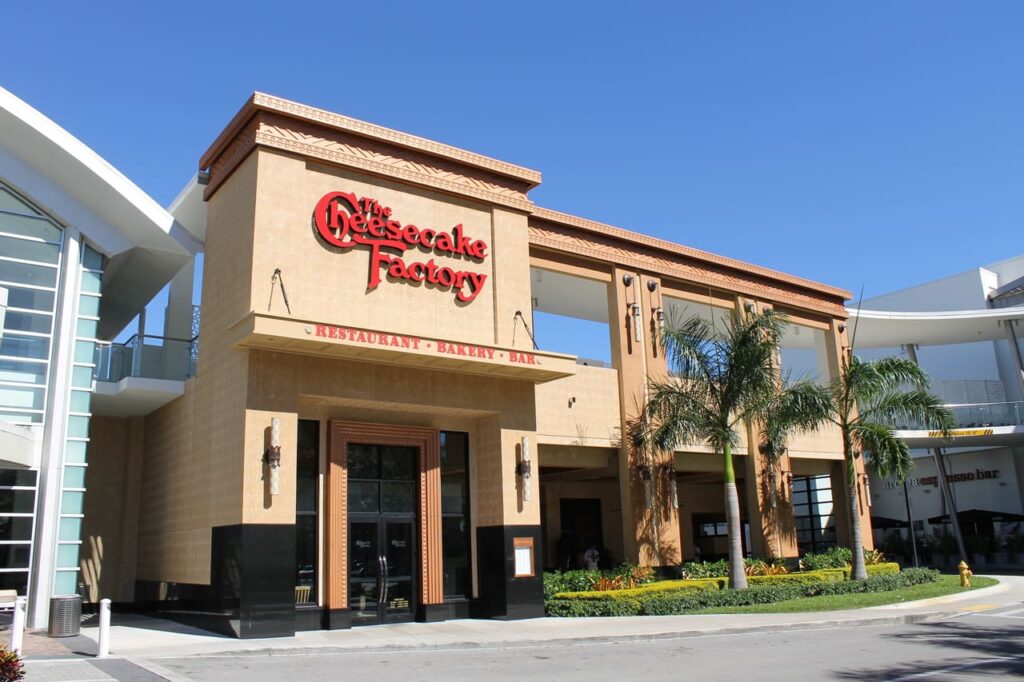
An expansive menu requires structured logistics and centralized coordination. Cheesecake Factory uses dedicated production facilities to prepare many sauces, cheesecakes, and specialty components that are distributed to restaurants nationwide.
While certain proteins are cooked to order, numerous dishes are assembled from pre prepared elements and reheated to maintain timing and presentation standards across locations.
The advantage lies in dependable variety and uniform flavor. The compromise is that a substantial share of culinary preparation occurs outside the individual restaurant kitchen rather than entirely on site.
10. Outback Steakhouse
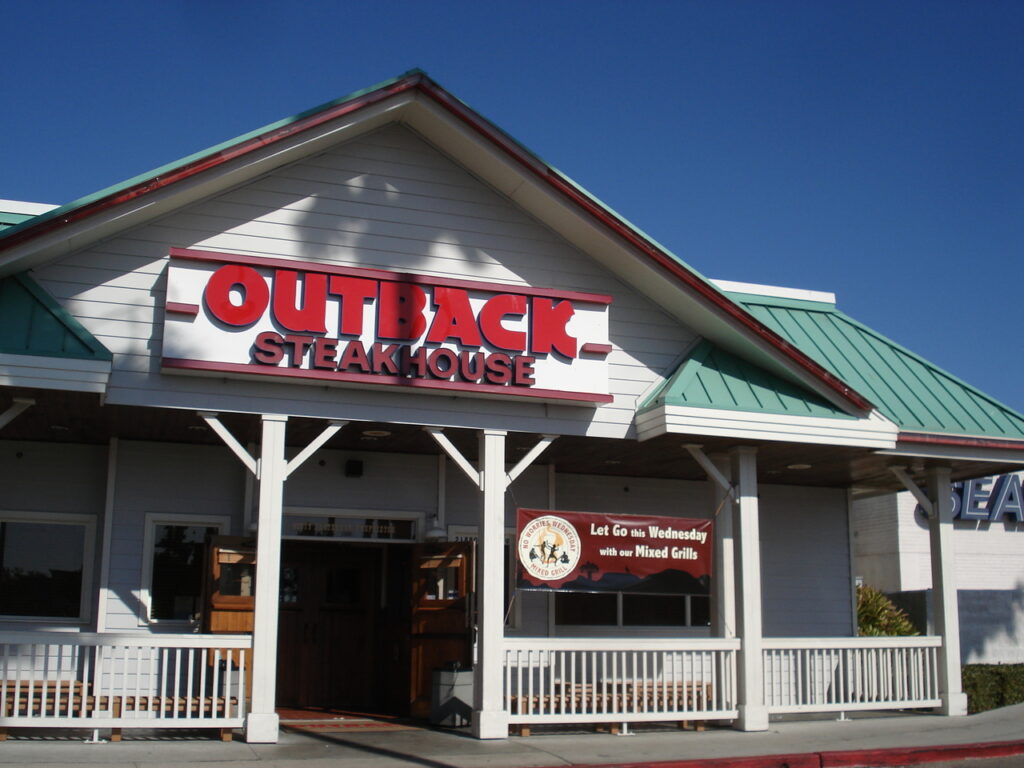
Outback Steakhouse builds its reputation around steaks grilled in-house. Open flames and visible grill stations reinforce the steakhouse identity and signal fresh cooking during peak dinner service. This front facing preparation supports the brand’s premium positioning.
Behind that focus, many soups, sauces, and side dishes are prepared off site and shipped ready for reheating. Pre portioned ingredients simplify execution and help maintain consistent sizing and cost control across locations.
The result is a hybrid system. Fresh grilling anchors the experience, while centralized production ensures speed, predictability, and uniform flavor from one restaurant to the next.
11. Cracker Barrel
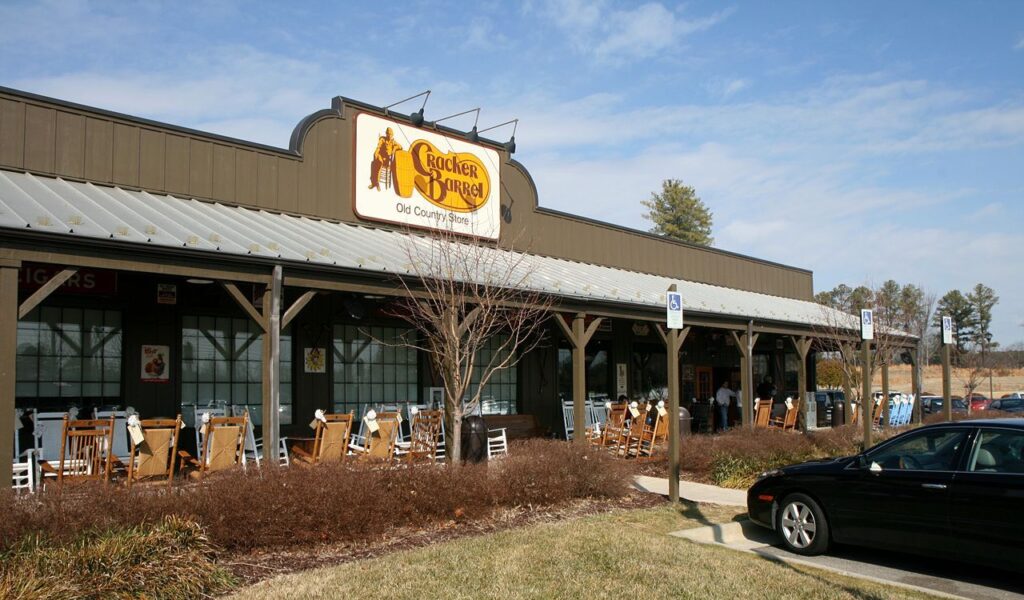
Cracker Barrel markets itself around home-style comfort food and nostalgic Southern dining. The menu emphasizes familiar classics designed to evoke slow cooking traditions and country kitchen simplicity.
In practice, several menu components are batch prepared in advance and held warm or reheated to meet steady daily demand. Gravies, casseroles, and many side dishes are often produced in large quantities before service periods begin.
This structure allows reliable output during busy meal times. It reflects how large restaurant chains balance traditional branding with preparation systems built for efficiency and volume.