9 Reasons Bagged Salad Is a Waste of Money That Turns to Slime

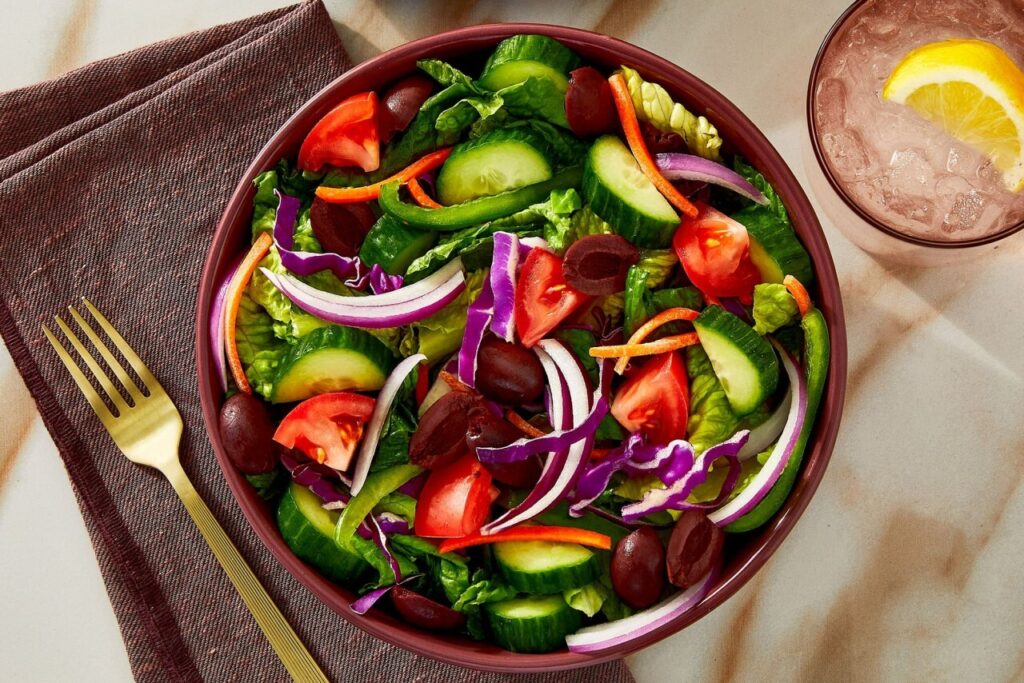
Bagged salad promises convenience at its best. It is washed, chopped, and ready to toss straight into a bowl, saving precious minutes on busy days. The clear packaging even lets you see those bright green leaves, suggesting freshness and simplicity.
But convenience has a hidden tradeoff. Pre cut greens are more fragile, more handled, and often more expensive per ounce than whole heads of lettuce. What looks crisp in the store can quickly turn limp or slimy in your fridge.
Before you drop another bag into your cart, it is worth looking closer at what you are really paying for. Sometimes the easiest option quietly creates more waste than it prevents.
1. Short Shelf Life
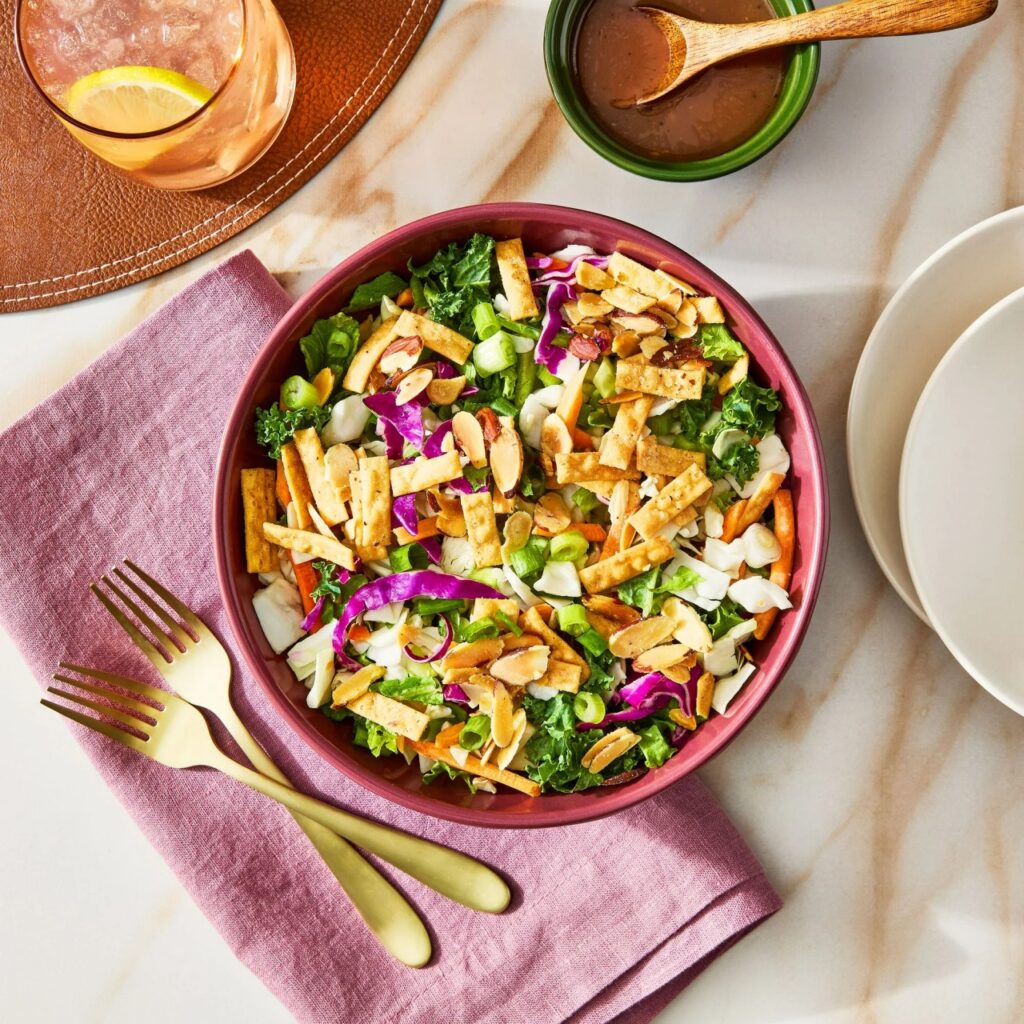
Freshness is fragile once leafy greens are cut. Bagged salads are harvested, chopped, washed, and sealed days before they reach your refrigerator. Even under refrigeration, delicate leaves begin to respire and break down soon after packaging.
The moment you open the bag, oxygen rushes in and speeds deterioration. Within a short window, edges darken, moisture builds, and texture softens. What looked crisp at purchase can turn limp in just a few days.
Whole heads of lettuce naturally protect their inner leaves. Pre cut greens lack that barrier, which means you are paying more for produce that often declines faster than the unprocessed alternative.
2. Pre-Washed Means Pre-Handled
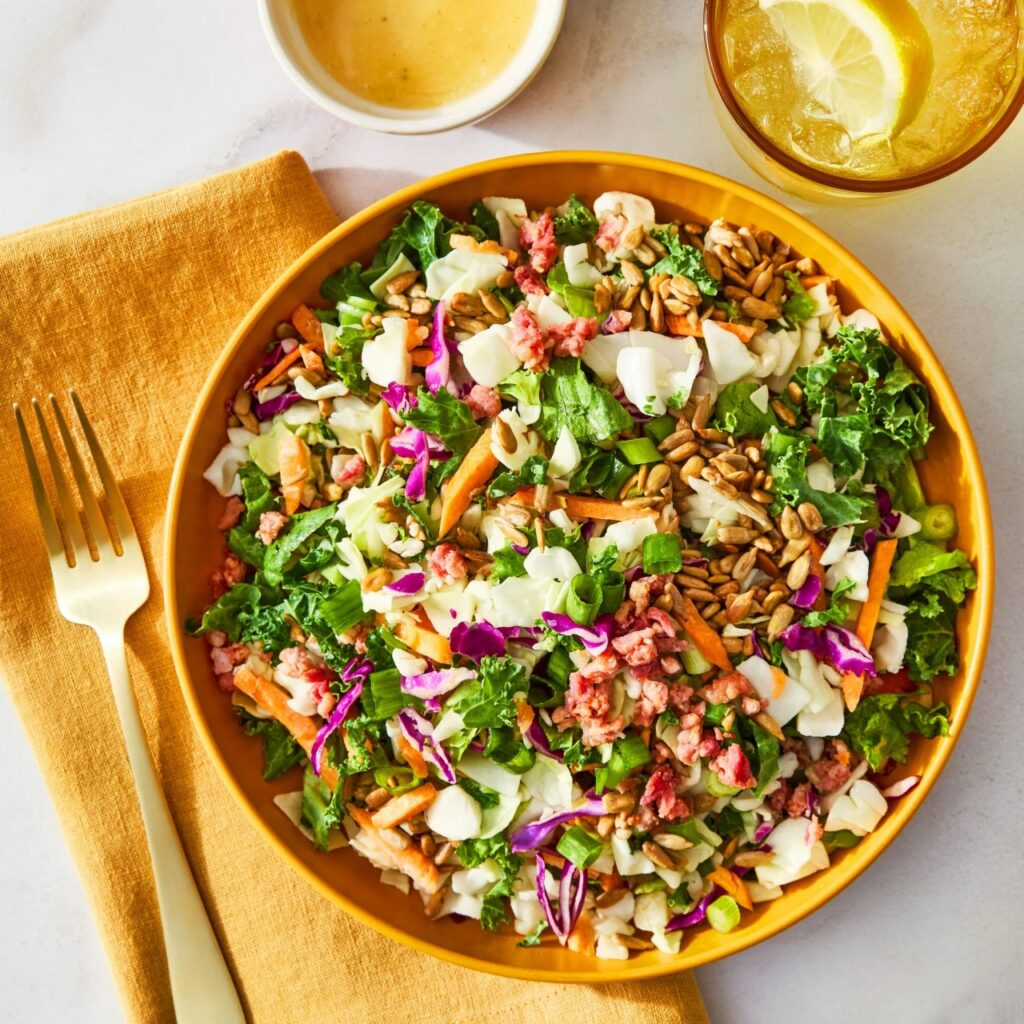
Convenience sounds harmless, but every extra step matters. Bagged greens are washed, sorted, chopped, and moved along processing lines before they ever reach the shelf. Each stage increases physical contact and the chance of bruising delicate leaves.
Tender greens such as baby spinach and spring mix are especially vulnerable. Small tears in their cell walls release moisture and enzymes that speed up breakdown and shorten shelf life.
While multiple washes reduce visible dirt, the added handling weakens the structure. The leaves may look clean and ready to eat, yet they are often more fragile than intact heads prepared fresh at home.
3. Excess Moisture in the Bag
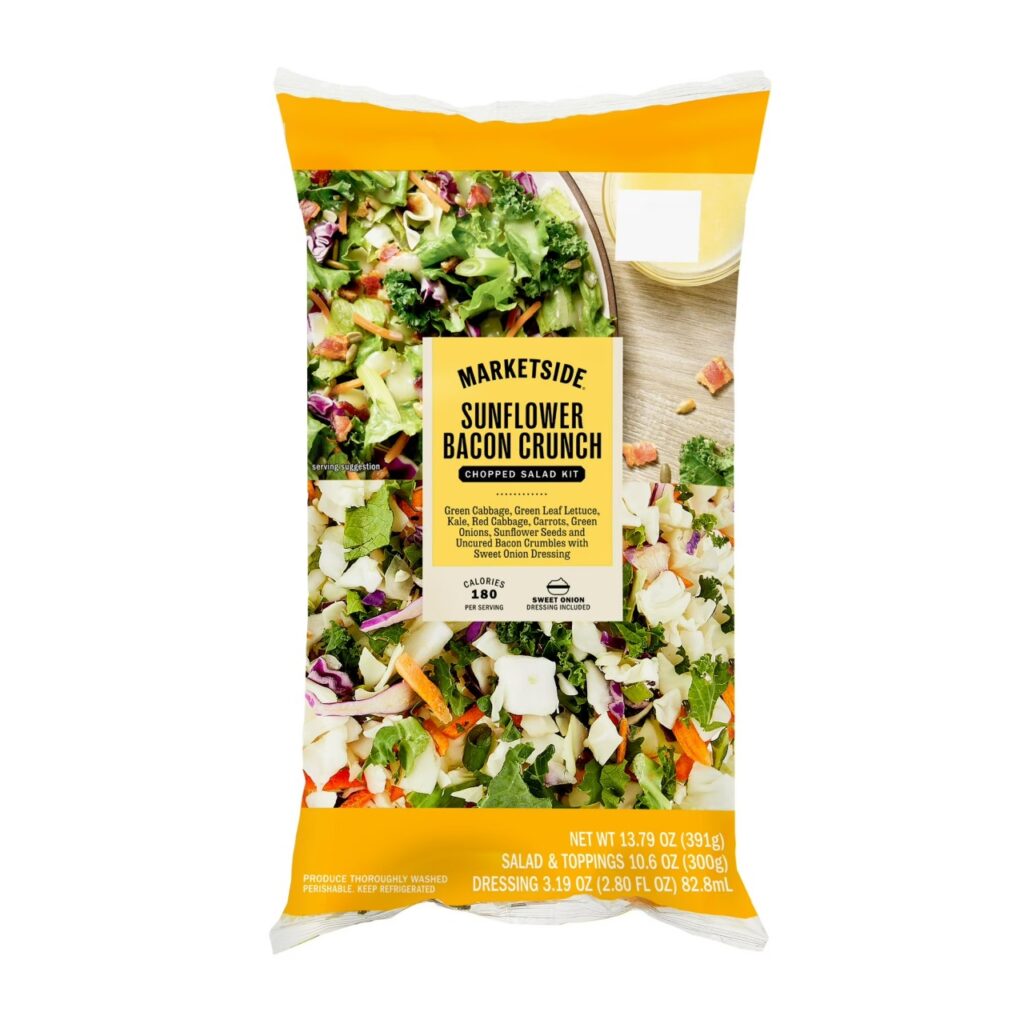
Open a bag of salad and condensation often coats the inside of the plastic. That trapped moisture creates a humid environment where delicate greens struggle to stay crisp. Because the leaves have already been cut, their exposed surfaces release water more quickly than intact heads of lettuce.
Inside sealed packaging, that moisture has nowhere to escape. It settles directly onto the leaves, weakening their structure and accelerating cellular breakdown. Even careful refrigeration cannot fully counteract this built in humidity.
Damp conditions encourage sliminess and faster microbial growth. Greens that looked vibrant at purchase can turn limp within days, making the promise of ready-to-eat convenience feel disappointingly brief.
4. Higher Price Per Ounce
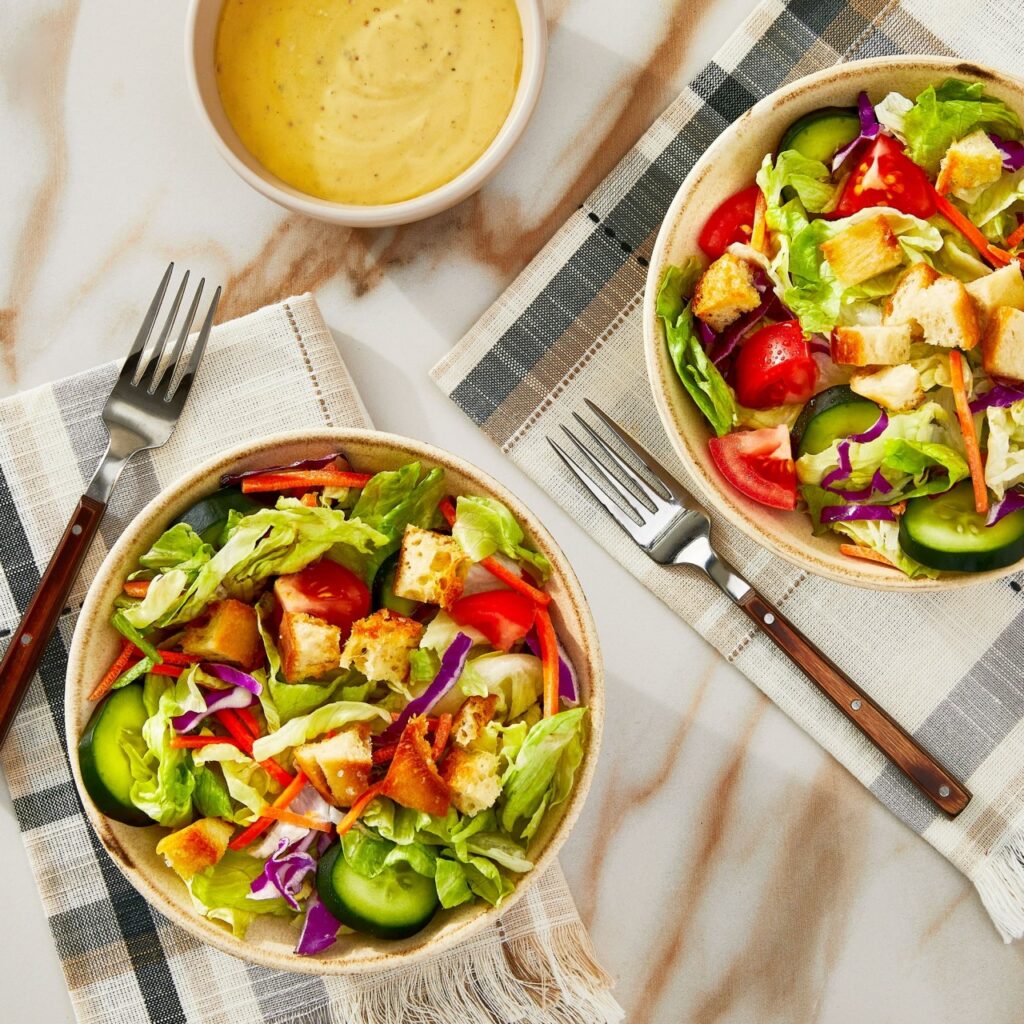
Bagged salad often looks affordable at first glance, but the price per ounce tells a different story. Compared side by side with whole heads of lettuce or bunches of greens, pre cut mixes typically cost noticeably more for the same weight. The convenience is built into the markup.
That extra cost covers trimming, washing, chopping, packaging, cold storage, and transportation. The greens themselves are rarely higher grade or more nutrient dense than whole produce sitting nearby in the same section.
Because bagged greens spoil quickly, part of that premium price can end up discarded. Whole heads usually last longer and yield more servings, offering stronger overall value for the same grocery budget.
5. Limited Freshness Control
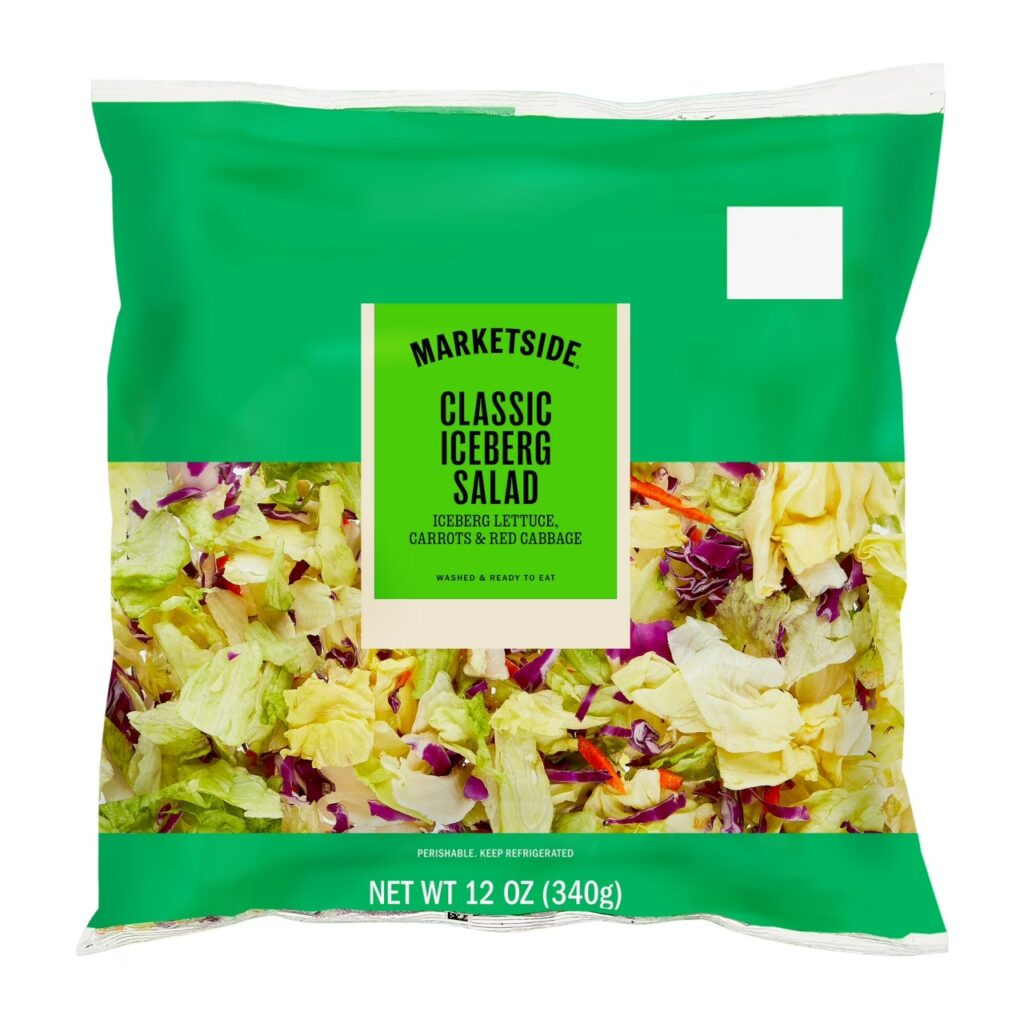
A sealed plastic bag limits what you can truly inspect before buying. The top layer may look crisp and vibrant, yet damaged or aging leaves deeper inside can quietly speed up the breakdown of the entire mix. What you cannot see often determines how long the salad will actually last.
When a single leaf begins to deteriorate, it releases moisture and microbes into the confined space. In a tightly packed environment, that spread happens quickly. By the time visible slime appears, much of the contents may already be compromised.
With whole lettuce, outer leaves can be removed while the inner core remains protected. Bagged blends offer far less flexibility, increasing the likelihood that one weak spot turns into total loss.
6. Gas Flushed Packaging
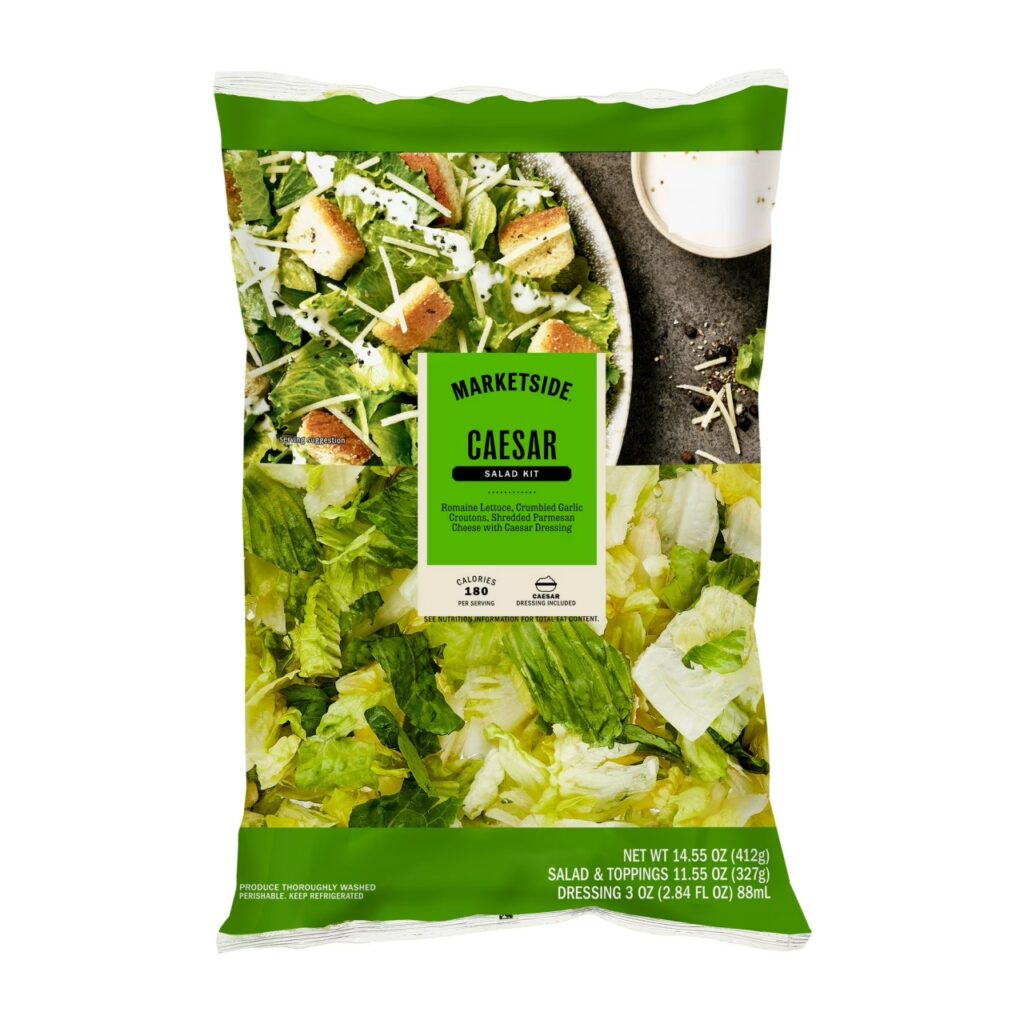
Many bagged salads rely on modified atmosphere packaging to slow visible spoilage. Oxygen is reduced and replaced with gases such as nitrogen to delay browning and respiration during transport and display.
This method can extend shelf life while the bag remains sealed, but it does not stop natural aging. Once opened, normal oxygen levels return and deterioration accelerates. The protective balance disappears quickly.
Greens that seemed stable inside the unopened bag can decline within a short window after first use. The change often feels sudden, shrinking the usable timeframe and increasing the risk of waste.
7. Delicate Leaf Blends
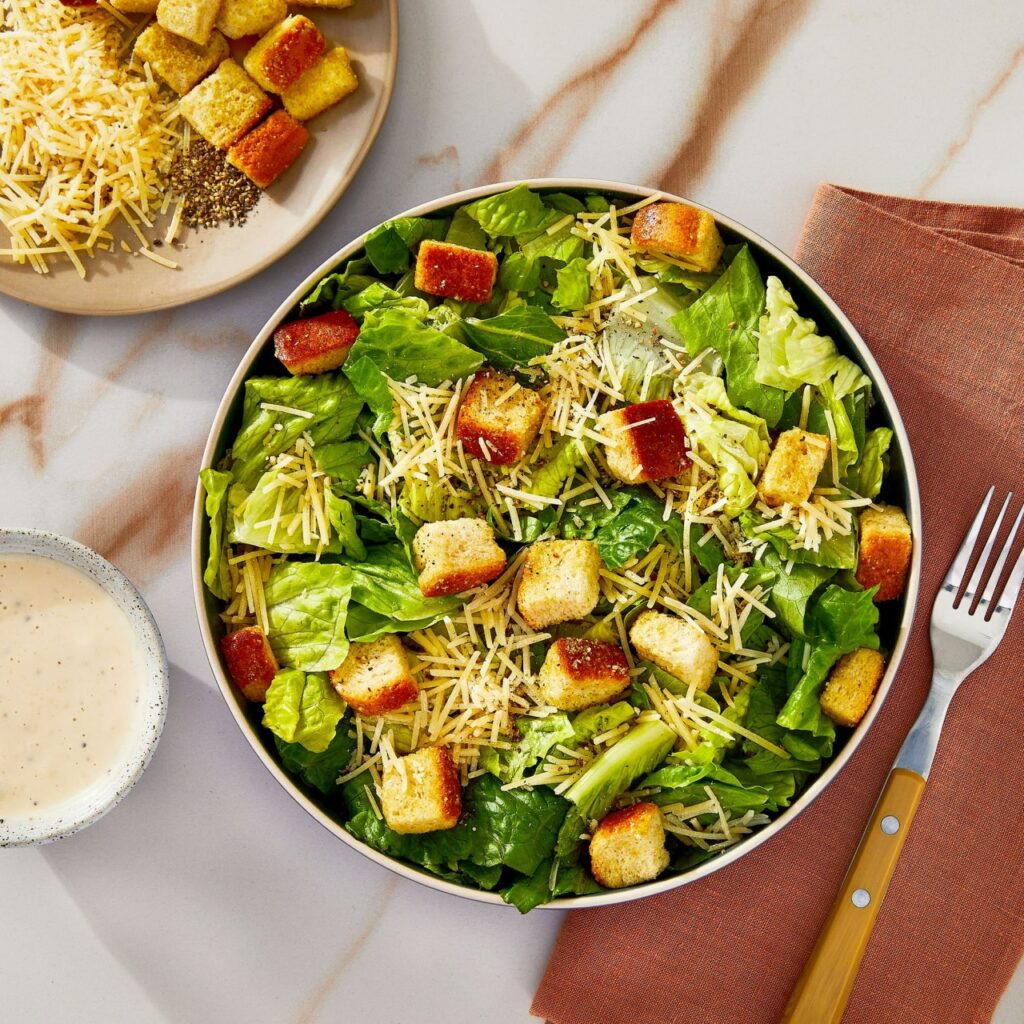
Spring mix is marketed as variety in a single handful. Baby spinach, arugula, chard, and tender lettuces are harvested young for color and flavor, but their youth makes them structurally fragile. Thin cell walls and high moisture content mean they respond quickly to pressure and temperature shifts.
During harvesting, washing, and transport, even light compression can bruise these leaves. Once bruised, they release moisture and enzymes that speed up wilting and surface breakdown inside the sealed bag.
What tastes vibrant on day one can soften noticeably within a short time. Paying premium prices for delicate blends often means accepting a narrower window of peak freshness compared with sturdier whole heads.
8. Recalls and Safety Concerns
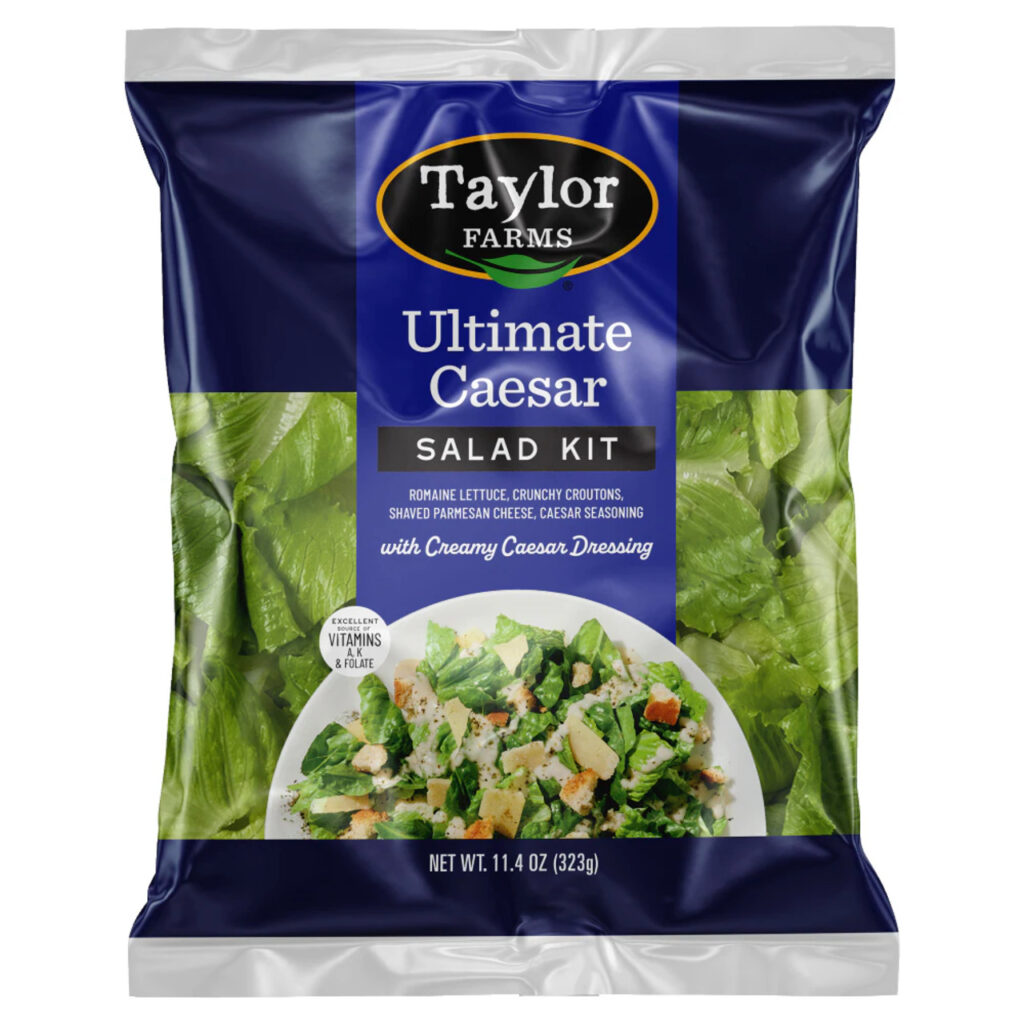
Large-scale salad processing centralizes washing and packaging in a few facilities. Greens from many farms are pooled together, cleaned, and sealed before being shipped across wide geographic regions. This model improves efficiency but concentrates exposure.
If contamination occurs at one stage, it can affect thousands of packages. Past recalls tied to pathogens such as E. coli and listeria demonstrate how quickly issues can spread through a centralized supply chain.
Food safety standards aim to reduce risk, yet scale magnifies consequences. Buying whole produce handled less extensively may limit reliance on high-volume systems that distribute problems widely when they occur.
9. Portion Waste
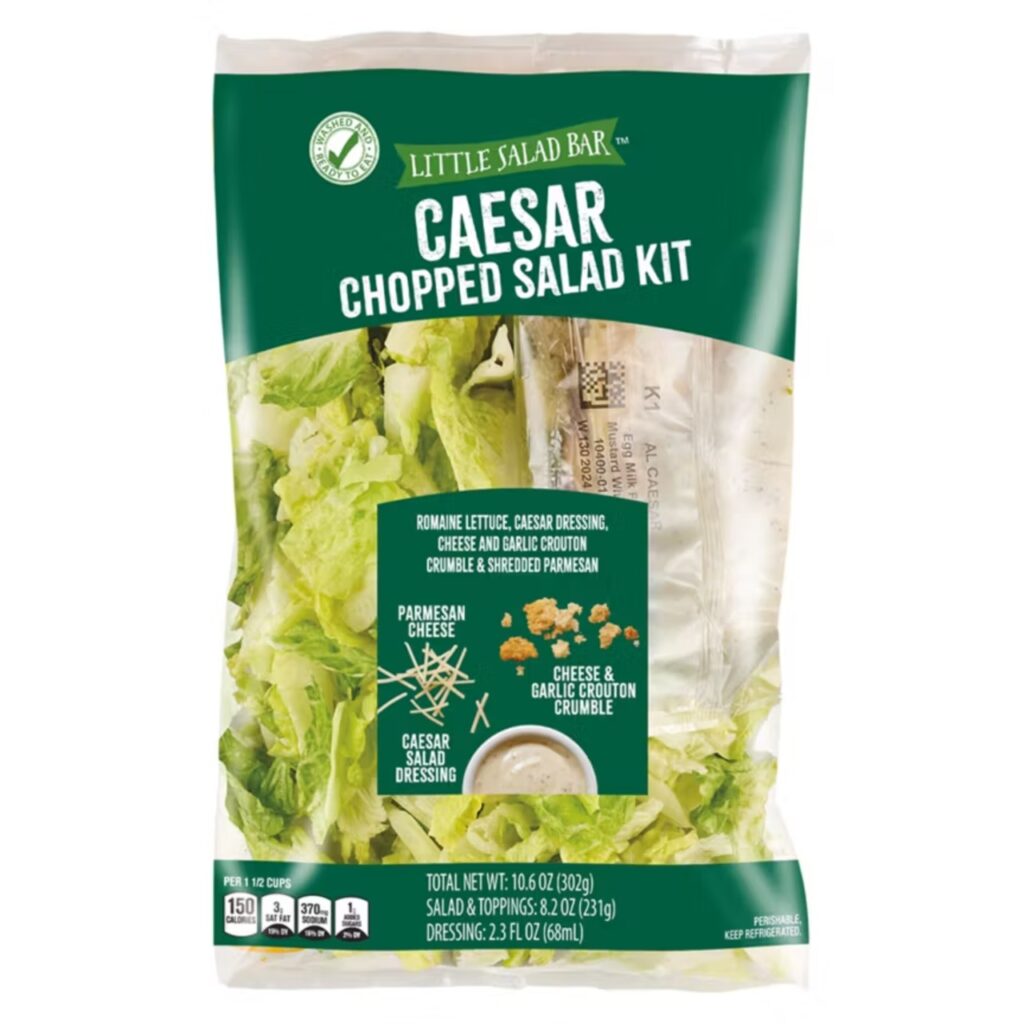
A full bag of salad often looks like a sensible purchase, yet many households do not use it quickly enough. Once opened, greens deteriorate faster as oxygen and moisture interact with already cut surfaces.
Even careful storage cannot undo the effects of prior processing. Leaves soften, edges darken, and texture declines within days, especially if the package is loosely resealed.
Buying whole heads or smaller quantities allows more flexible portion control. With bagged salad, the fixed size and short shelf life frequently turn convenience into repeated food waste and lost grocery dollars over time.