12 Grocery Staples Shrinking Again: The 2026 Shrinkflation Hall of Shame

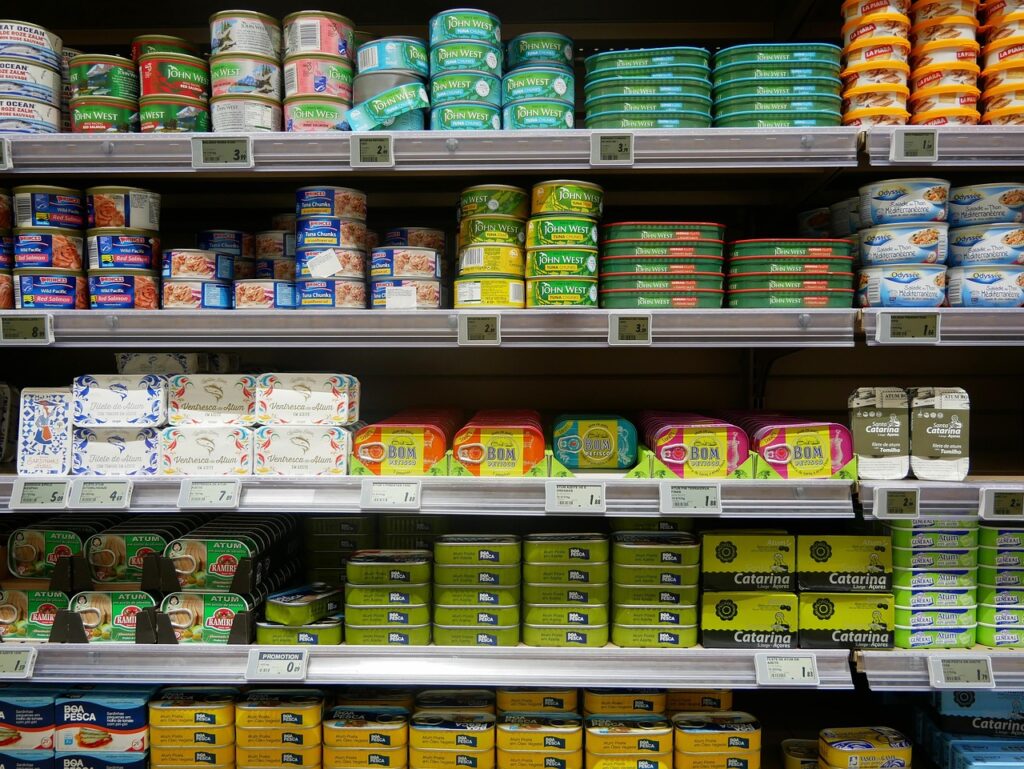
Grocery carts in 2026 tell a frustrating story as familiar staples quietly shrink while prices stay high or climb further, forcing households to buy replacements sooner than expected. Packages look the same, but cereal runs out quicker, rolls empty faster, and pantry basics no longer stretch across meals like they once did. These subtle reductions reveal how shrinkflation continues reshaping everyday shopping, leaving families paying more while receiving less with every routine trip to the store
1. Toilet Paper Rolls
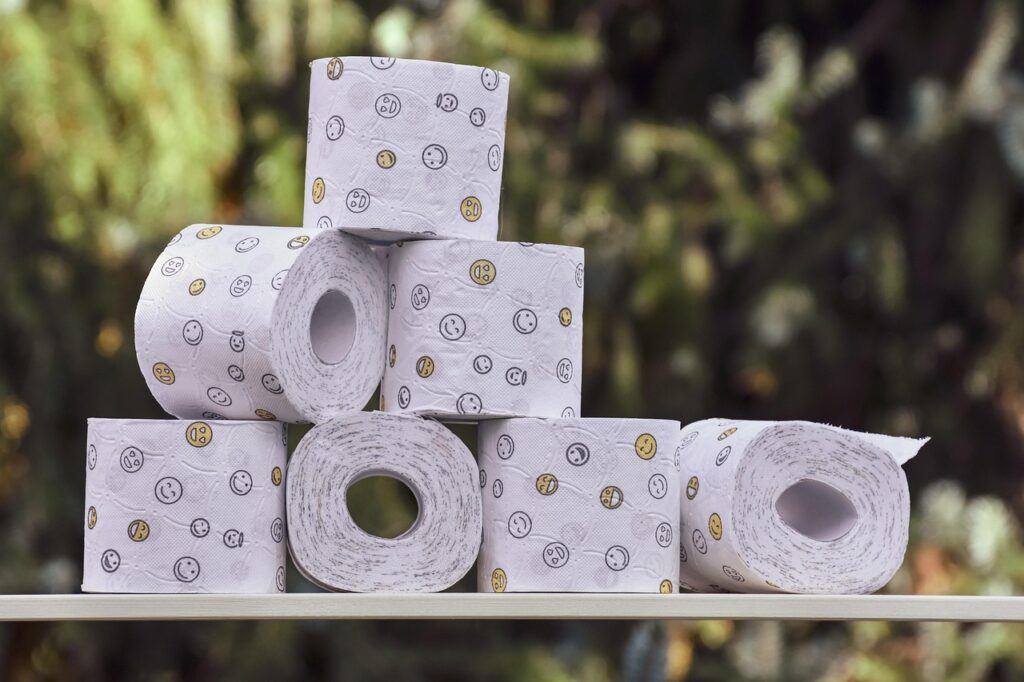
Many shoppers first notice shrinkflation in toilet paper because rolls run out faster, even though pack prices look unchanged. Consumers often assume they are buying the same amount until they compare numbers printed in small text.
Paper production costs, transportation expenses, and raw material prices have risen, pushing companies to reduce quantity instead of raising prices sharply. Smaller rolls allow brands to maintain shelf prices while protecting profit margins.
Households now replace packs more frequently, increasing annual spending without obvious price hikes. Comparing sheets per roll and total sheets per package has become more important for budget shoppers trying to avoid paying more for less product over time.
2. Cereal Boxes
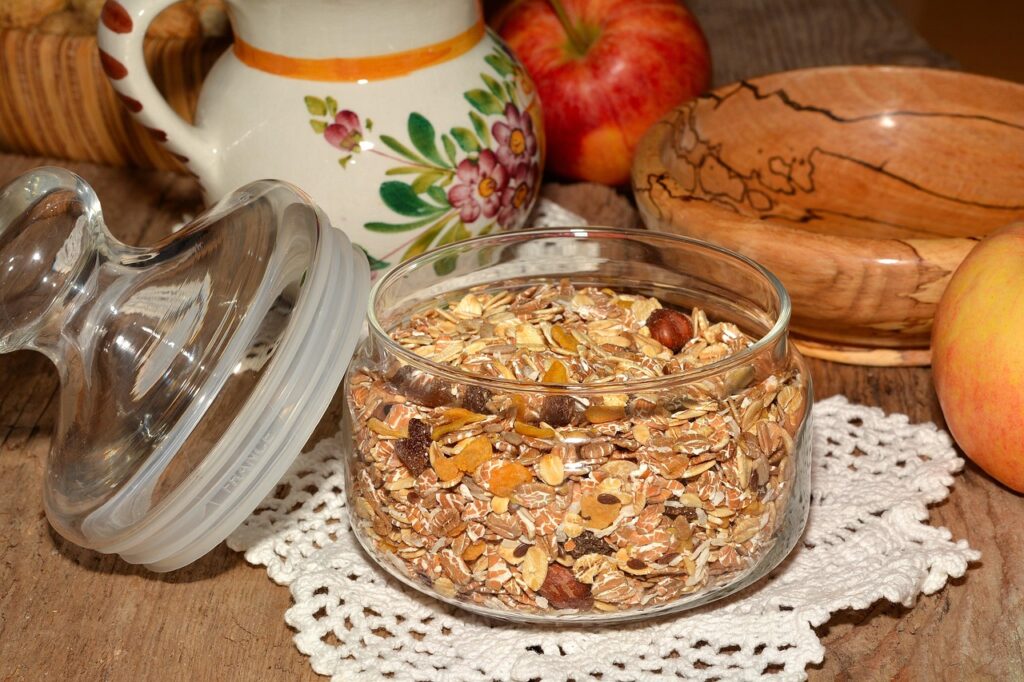
Cereal boxes still look large on grocery shelves, but the weight inside has steadily dropped across many brands. Consumers often buy familiar boxes without noticing ounce reductions that make servings run out sooner than expected at home.
Grain prices, packaging costs, and distribution expenses have pushed manufacturers to reduce fill weight instead of dramatically raising sticker prices. Keeping box dimensions similar helps avoid alarming customers while quietly raising the cost per serving.
Families who buy cereal weekly now find boxes empty sooner, increasing grocery expenses across the year. Checking weight labels instead of box size has become necessary for shoppers hoping to avoid paying more for shrinking breakfast portions.
3. Bagged Chips

Chip bags remain large and colorful, but many now contain fewer chips than they once did. Air inside bags protects chips during shipping, yet consumers increasingly notice lighter contents after opening what looks like a full package.
Snack companies face higher costs for potatoes, cooking oils, and transportation. Instead of sharply increasing prices, producers often reduce chip weight while keeping packaging nearly unchanged, so shelves still appear consistent to buyers.
Frequent snack buyers eventually realize bags empty faster, raising per-snack costs without clear warning signs. Comparing ounce counts rather than bag size now helps shoppers understand which brands deliver better value despite familiar packaging.
4. Ice Cream Tubs

Ice cream containers still resemble traditional pints or family tubs, yet many brands have reduced actual volume inside. Consumers expecting the same number of servings often discover containers empty sooner than before.
Dairy costs, refrigeration expenses, and packaging prices have increased, encouraging producers to trim contents while maintaining familiar packaging shapes. This allows price points to stay competitive without obvious jumps on store shelves.
Families purchasing ice cream regularly now need additional containers to serve gatherings or desserts. Reading container volume carefully helps shoppers understand real value, since packaging appearance often hides how much product has quietly disappeared.
5. Coffee Bags
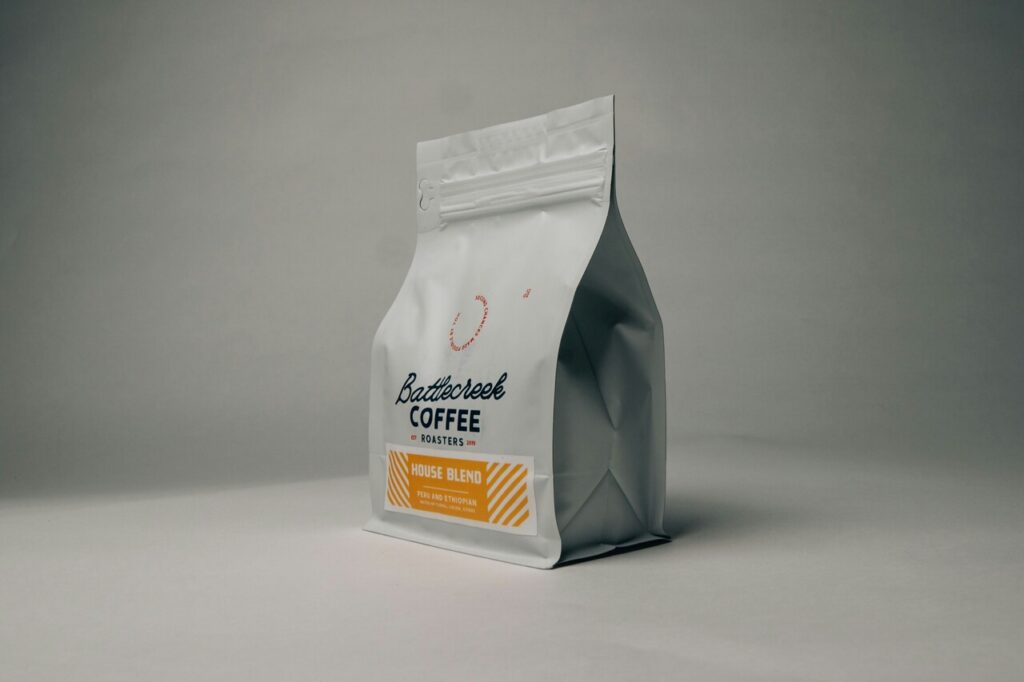
Coffee buyers have noticed bags finishing sooner, even though prices remain steady or higher. Manufacturers sometimes reduce ounces per bag or servings per container, leaving customers paying more per cup without noticing immediately.
Coffee bean prices fluctuate globally due to weather and supply conditions, increasing production costs. Instead of raising prices sharply, brands often reduce quantity while keeping bag designs familiar to maintain shelf appeal.
Daily coffee drinkers eventually notice purchases running out sooner, raising routine household costs. Comparing price per ounce or servings per package has become important for consumers trying to control grocery spending.
6. Pasta Sauce Jars
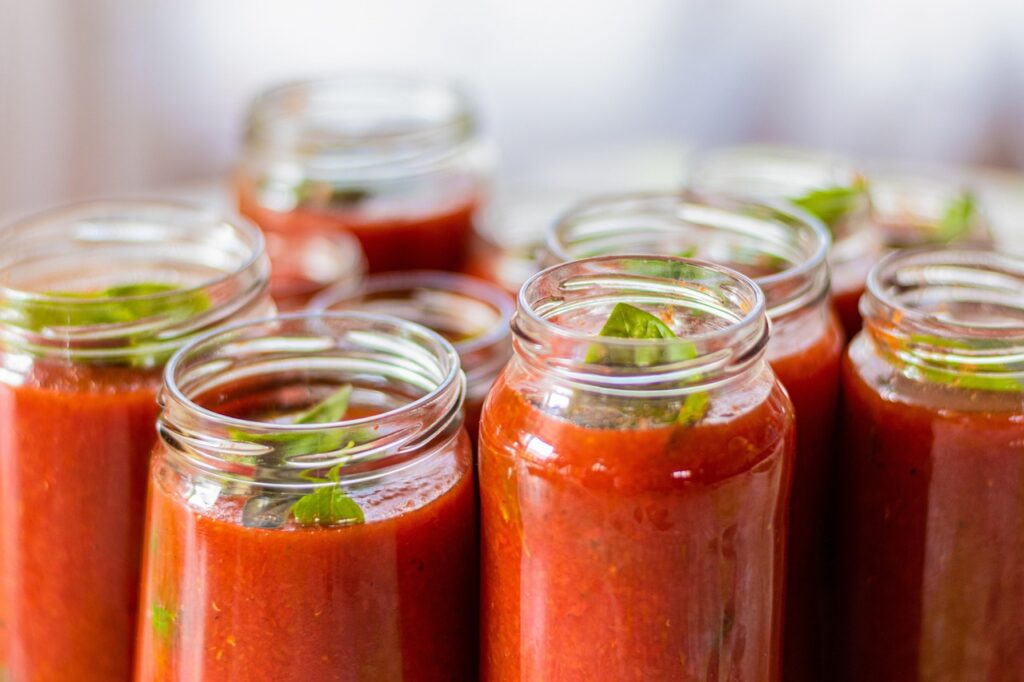
Pasta sauce jars still look familiar, yet some now hold slightly less sauce than earlier versions. Families cooking pasta regularly may discover they need extra jars to cover dishes that once needed only one container.
Tomato supply fluctuations and packaging costs have increased production expenses. Manufacturers sometimes reduce jar volume rather than raise prices suddenly, hoping consumers will not notice smaller differences at checkout.
Meal planning becomes trickier when sauce runs short, pushing shoppers to buy extra jars. Checking jar volume rather than trusting packaging appearance helps households avoid unexpected increases in cooking costs across repeated purchases.
7. Bread Loaves
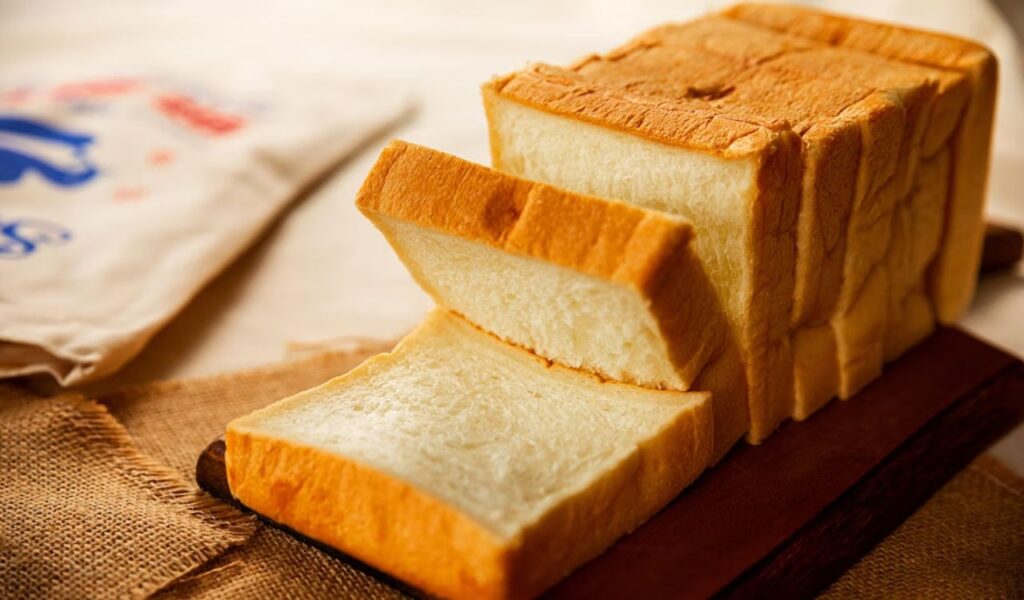
Bread loaves appear unchanged, but some brands now include fewer slices or lighter total weight. Consumers packing sandwiches or toast notice loaves disappearing faster despite similar prices at checkout.
Flour, energy, and transportation expenses have risen, encouraging bakeries to trim loaf weight rather than shock customers with sudden price increases. Packaging often remains identical, masking subtle portion changes.
Families relying on bread daily may need additional purchases each week, increasing spending without obvious warning signs. Reading net weight or slice counts helps shoppers compare brands and choose options offering better value per loaf.
8. Salad Dressing Bottles
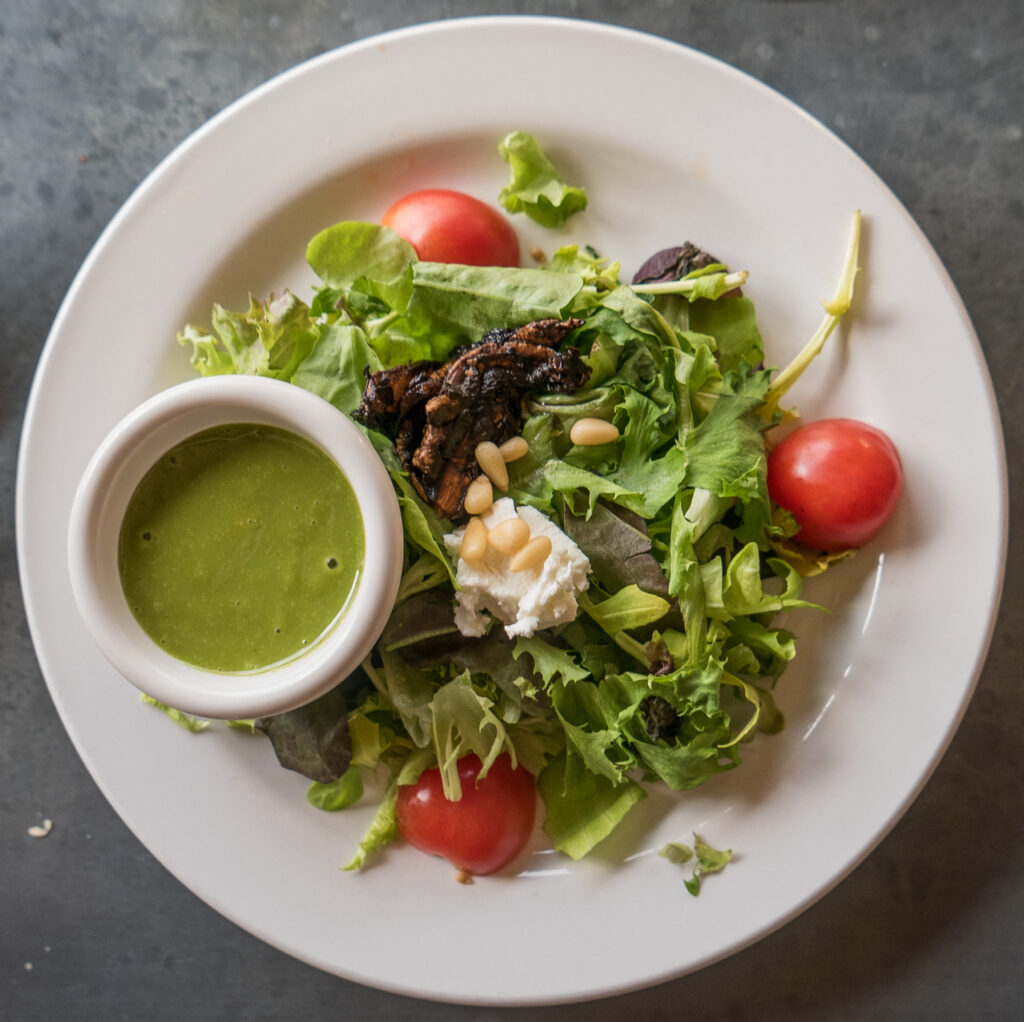
Salad dressing bottles often maintain familiar shapes while quietly containing fewer ounces than before. Shoppers may not notice until bottles empty faster despite paying similar prices during weekly grocery runs.
Ingredient costs such as oils and flavorings have increased, prompting producers to reduce bottle volume instead of raising shelf prices sharply. Packaging remains visually consistent, making quantity reductions easy to overlook.
Regular salad eaters now replace bottles sooner, slowly raising household grocery costs. Comparing ounces per bottle across brands helps buyers recognize shrinkflation and choose products offering better value for repeated meal preparation.
9. Canned Beans
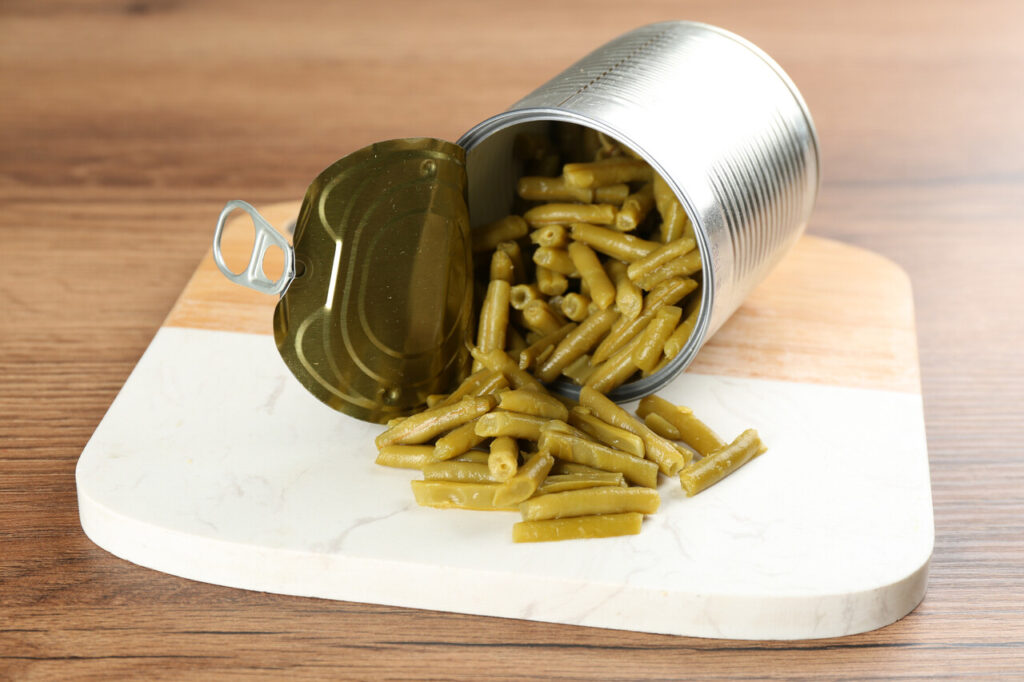
Canned beans remain pantry staples, yet some cans now contain less product than earlier versions. Shoppers preparing soups or stews sometimes find quantities insufficient compared with past cooking expectations.
Rising farming and packaging costs encourage producers to lower net weights while keeping the can size visually similar. These minor reductions seem small individually, but they accumulate across multiple purchases throughout the year.
Households depending on canned goods may unknowingly spend more over time as quantities shrink. Checking drained weight on labels helps consumers understand actual food amounts rather than relying solely on familiar can sizes.
10. Laundry Detergent Bottles

Laundry detergent bottles still resemble previous versions, but many now contain fewer ounces or promise fewer loads. Consumers often overlook changes until bottles empty sooner than expected between shopping trips.
Chemical ingredients and plastic packaging costs have risen, encouraging manufacturers to shrink product volumes instead of raising prices sharply. Bottles may appear unchanged, making reductions harder for shoppers to detect.
Families washing clothes frequently must replace detergent more often, increasing annual household expenses. Comparing cost per load instead of bottle size helps buyers find better value and avoid paying more for shrinking cleaning supplies.
11. Salad Greens Bags
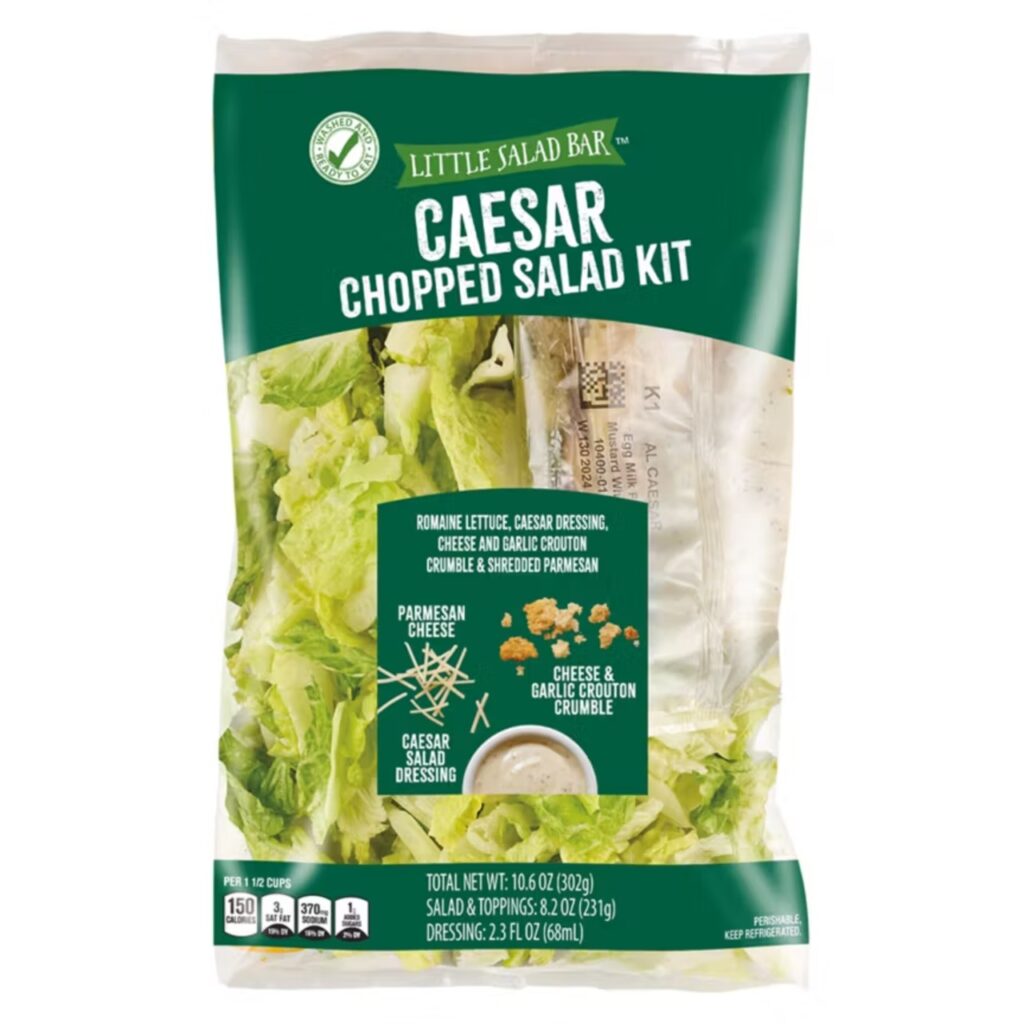
Bagged salad greens look similar in size, yet many now weigh less than earlier packages. Consumers may notice salads stretching less far despite purchasing familiar-looking bags during weekly grocery shopping.
Rising farming and distribution costs have pushed suppliers to reduce fill weight while keeping bag dimensions mostly unchanged. Packaging design stays consistent, making quantity reductions difficult to spot without checking labels.
Regular salad eaters now use multiple bags per week, where one once sufficed, slowly increasing food spending. Comparing net weight across brands helps shoppers identify which options still provide better value for fresh produce purchases.
12. Bottled Water Cases
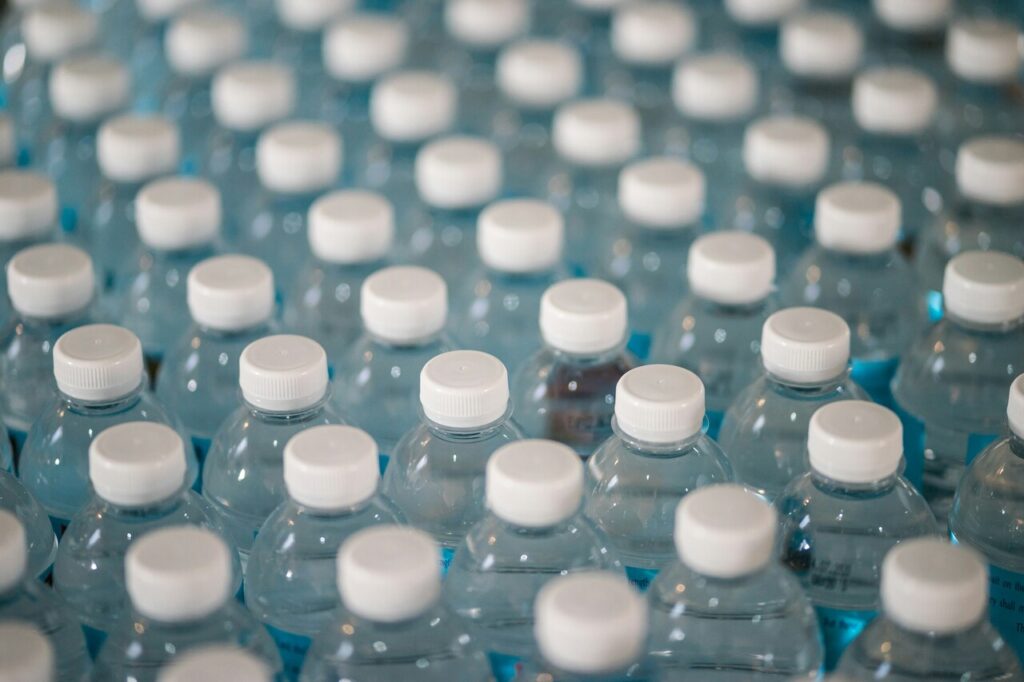
Bottled water cases often appear unchanged, yet some now contain fewer bottles or smaller bottle sizes. Shoppers grabbing cases quickly may not realize quantity differences until unpacking groceries at home.
Transportation and plastic production costs have increased, encouraging companies to reduce bottle counts while maintaining familiar packaging shapes. This keeps shelf prices stable but raises the cost per bottle quietly.
Families relying on bottled water now replace supplies sooner, increasing yearly spending without clear price warnings. Checking bottle counts and volume per case helps consumers avoid paying more for smaller hydration quantities.