7 Forbidden Toppings on a True Neapolitan Pizza

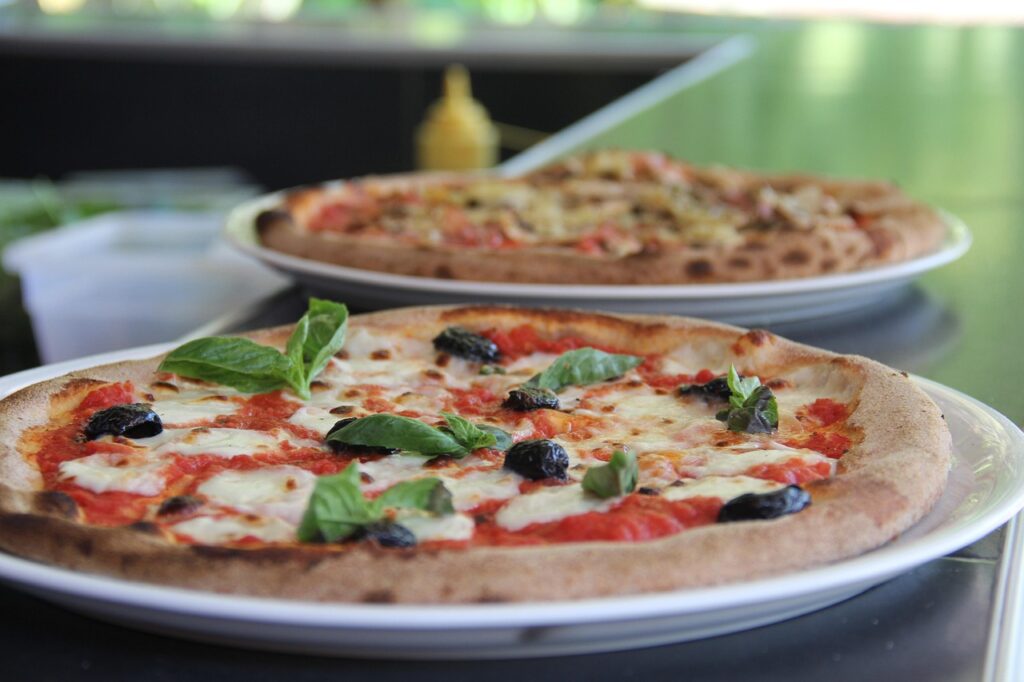
True Neapolitan pizza is defined as much by what it avoids as by what it includes. Born in Naples and protected by tradition, this style depends on balance, restraint, and ingredients that can withstand extreme oven heat. Every element on the pizza has a specific purpose, from the dough to the toppings, and even small deviations can disrupt the final result. Understanding which toppings are considered off-limits reveals why Neapolitan pizza remains one of the most disciplined and respected styles in the world.
1. Cheddar and Processed Cheeses Break the Balance
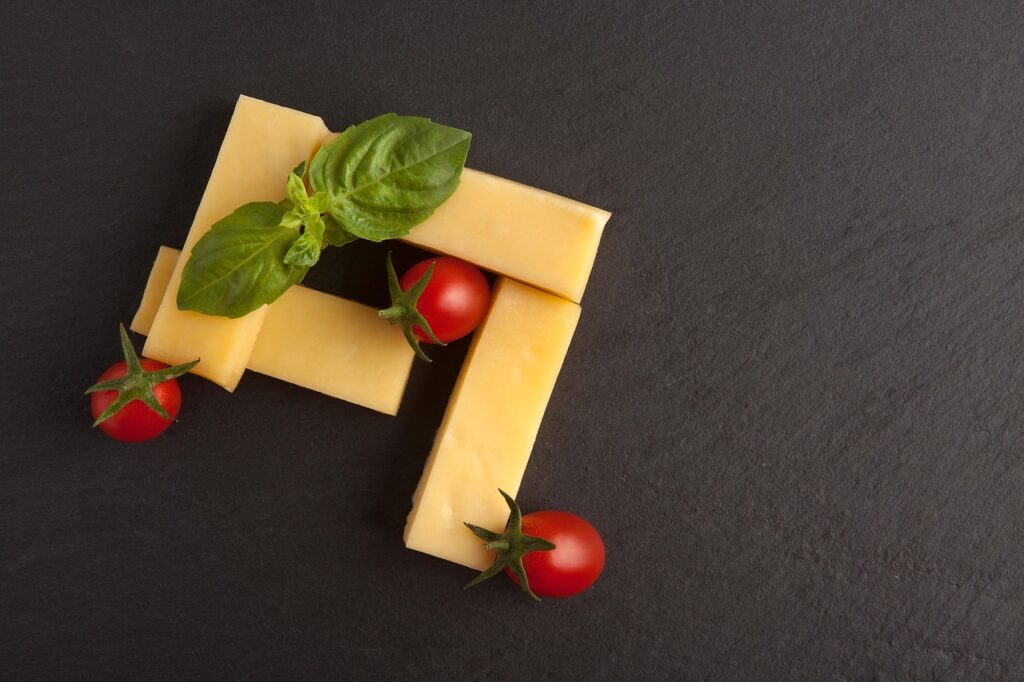
True Neapolitan pizza is built around balance, and cheese plays a precise role in that structure. Traditional mozzarella di bufala or fresh fior di latte melts gently, releasing moisture without overwhelming the dough. Cheddar and processed pizza cheeses behave very differently under extreme heat. They release excessive oil, scorch unevenly, and dominate the flavor of the crust and tomatoes. In a wood-fired oven that exceeds 800 degrees, these cheeses separate and burn instead of melting smoothly. The result is a greasy surface that masks the dough’s fermentation and the tomato’s acidity. Neapolitan pizza relies on restraint, where cheese supports rather than leads.
2. Greens Added Before Baking Cannot Survive the Oven
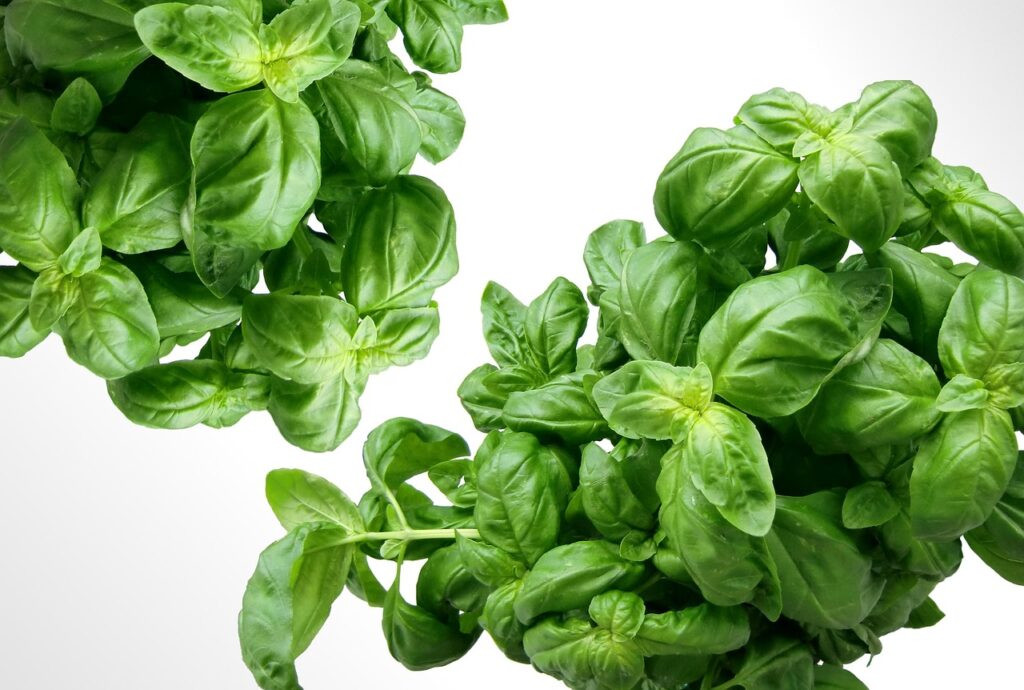
The Neapolitan oven is unforgiving, and that is intentional. Fresh greens like arugula, spinach, or mixed leaves are too delicate to withstand the intense heat and rapid bake time. When added before baking, they wilt instantly, burn at the edges, and release moisture that interferes with proper crust development. Traditional basil works because it is added sparingly and often placed under the mozzarella, where it is partially shielded. Most other greens lack that resilience. The goal is not to pile on freshness but to preserve it. Neapolitan pizza respects ingredient behavior under heat, and fragile greens simply do not belong inside the oven.
3. Mushrooms Release Too Much Moisture Too Fast
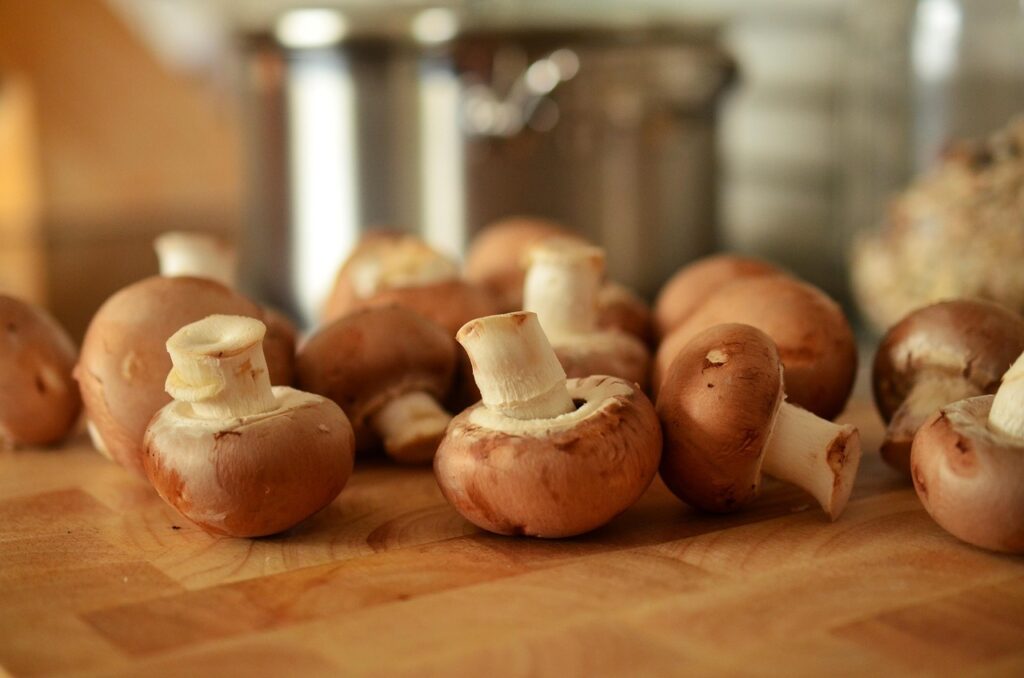
Mushrooms are commonly used on many pizza styles, but they are poorly suited to true Neapolitan pizza. Fresh mushrooms contain a high percentage of water, and in the extreme heat of a Neapolitan oven, that moisture releases almost instantly. Because the pizza cooks in under 90 seconds, there is no time for the liquid to evaporate properly. Instead, it pools on the surface and seeps into the dough, softening the center and preventing proper oven spring. Even thinly sliced mushrooms create steam that disrupts balance. Neapolitan pizza depends on dry heat and rapid cooking, not moisture-heavy toppings.
4. Pepperoni Has No Place in Neapolitan Tradition
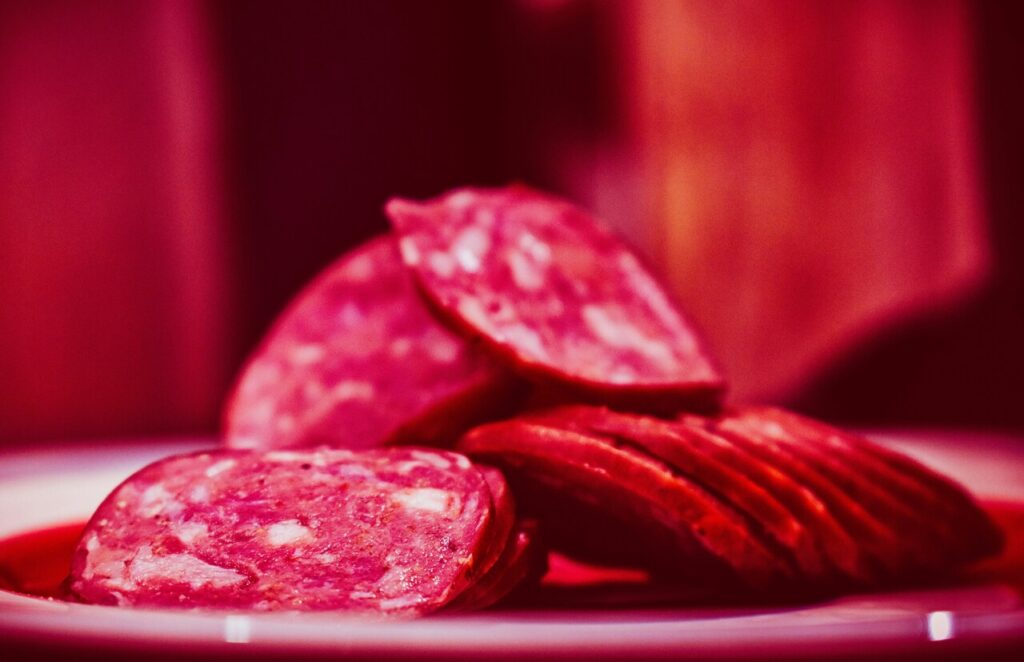
Pepperoni is closely associated with American-style pizza, not true Neapolitan pizza. Its heavily spiced profile, cured fat content, and thickness are incompatible with the delicate balance Neapolitan pizza requires. In the extreme heat of a wood-fired oven, pepperoni releases large amounts of oil, which spreads across the surface and overwhelms the dough and tomatoes. The spice blend also masks the subtle sweetness developed through fermentation. Neapolitan pizza favors restraint, where toppings enhance rather than dominate. Traditional cured meats, when used, are applied sparingly and sliced thin.
5. Non-Traditional Sauces Distract From the Core Ingredients
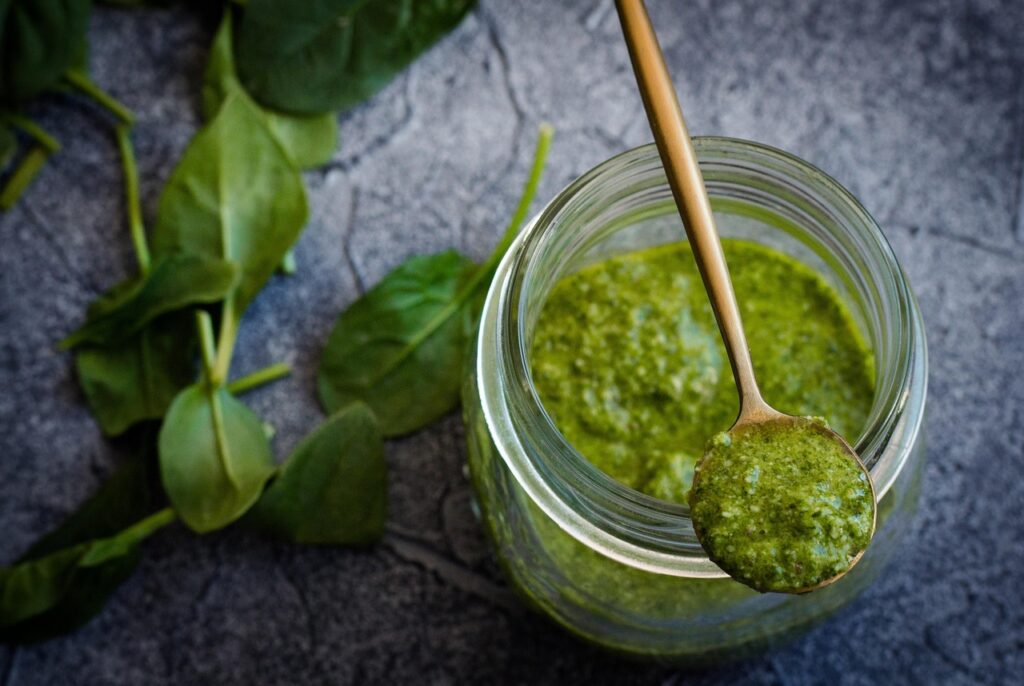
Neapolitan pizza traditionally relies on either crushed tomatoes or a simple olive oil base. Sauces like barbecue, Alfredo, or pesto introduce fats and sugars that burn quickly in high heat. These sauces also overpower the delicate acidity of San Marzano tomatoes and the subtle sweetness of the dough. Neapolitan pizza values clarity of flavor, where each component is recognizable. Heavy sauces blur those distinctions between components and shift the pizza toward other regional styles. While these sauces may work in lower-temperature ovens, they clash with the philosophy and technique of Neapolitan baking.
6. Sweet and Tropical Fruits Clash With Tradition
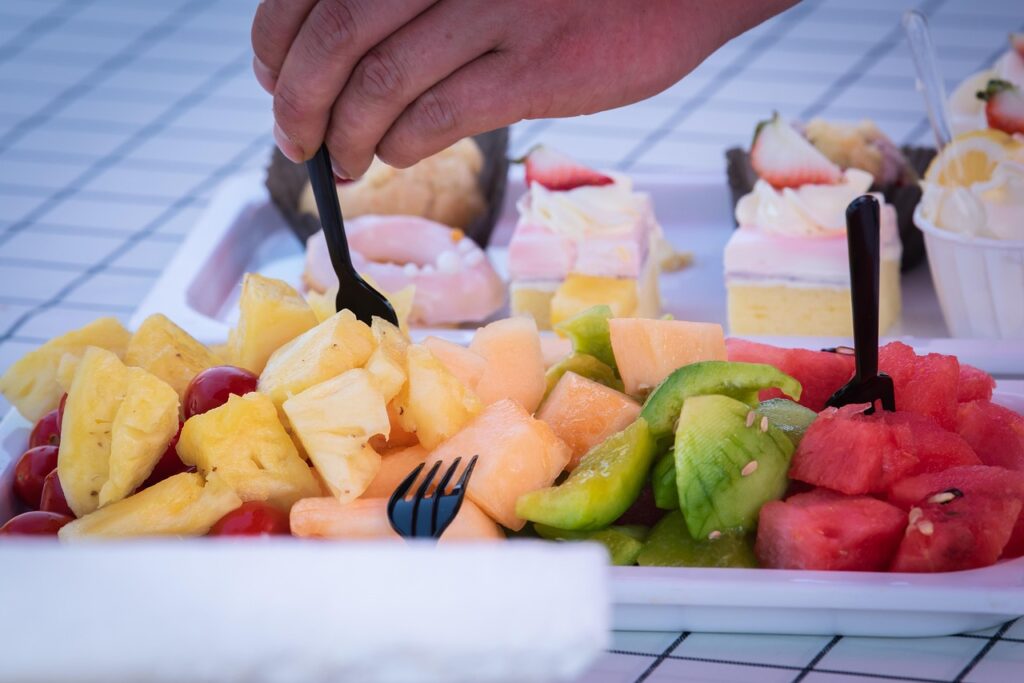
Fruit on pizza is controversial largely because it conflicts with the historical context of Neapolitan cuisine. Ingredients used traditionally reflect local availability and balance acidity, fat, and salt. Sweet or tropical fruits introduce sugar that caramelizes too quickly in a wood-fired oven. This leads to burning rather than gentle cooking. The sweetness also overwhelms the tomato and cheese, creating an imbalance. Neapolitan pizza is savory by design, with sweetness coming naturally from fermentation and tomatoes. Adding fruit shifts the flavor profile away from its roots and disrupts the intended contrast between ingredients.
7. Cooked Vegetables Compromise Texture and Timing
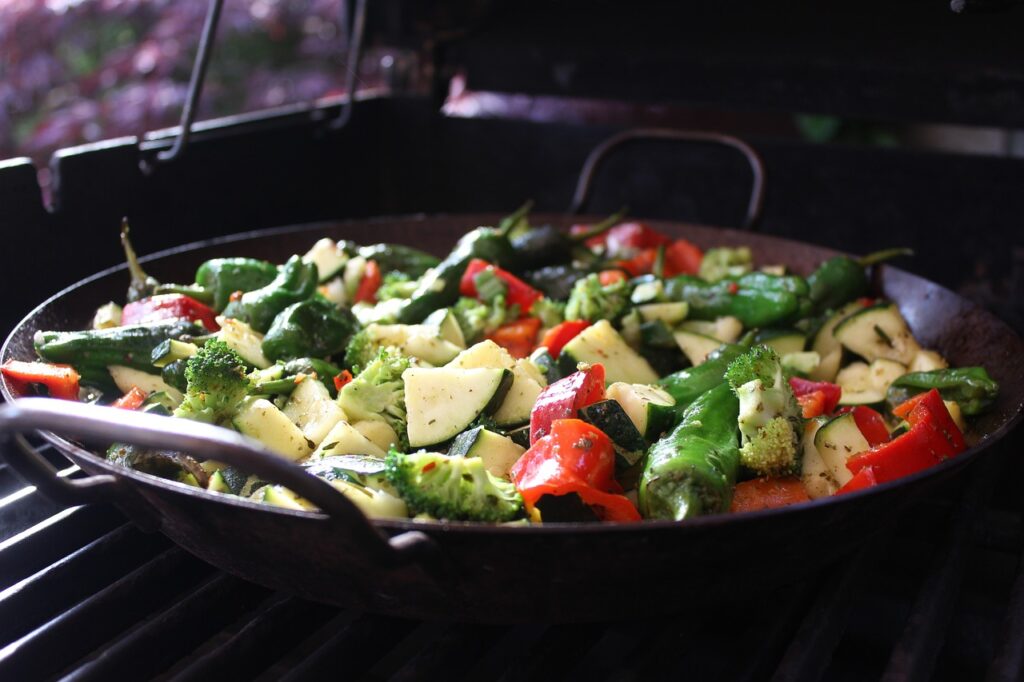
Neapolitan pizza is designed around raw or lightly handled ingredients that cook fully during the brief bake. Pre-cooked vegetables such as roasted peppers, sautéed onions, or grilled zucchini introduce multiple problems. They are already softened, so they break down further in the oven and release oil and moisture. This interferes with heat transfer and leads to uneven cooking. In Neapolitan tradition, ingredients should finish cooking in the oven, not arrive halfway done. Adding pre-cooked vegetables disrupts timing, texture, and balance, which is why they are generally excluded from authentic preparations.