7 Comfort Foods Americans Say No Longer Feel Worth the Price

Comfort foods once offered affordable pleasure during busy weeks or tight budgets, but rising grocery prices are changing how shoppers view these familiar favorites. Snacks, desserts, and everyday staples that once felt like small indulgences now demand closer scrutiny at checkout. As ingredient, transportation, and production costs increase, many households reconsider whether longtime comfort choices still justify their growing expense, reshaping buying habits across American grocery aisles.
1. Chips and Salty Snacks
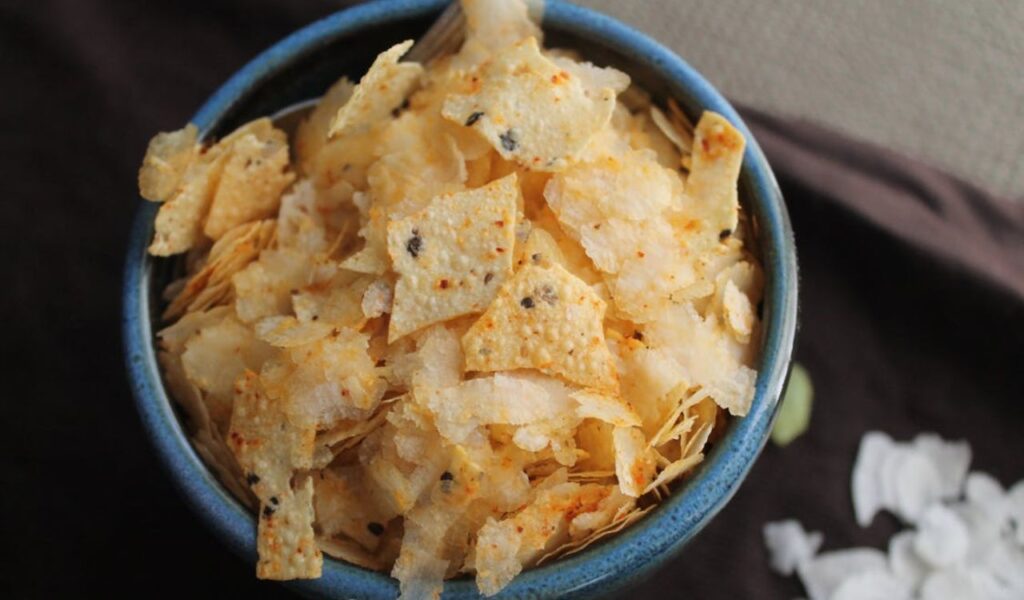
Chips and salty snacks have long served as quick comfort bites between meals or companions to social gatherings. Once priced as affordable everyday indulgences, many popular brands now carry price tags that prompt shoppers to pause at the snack aisle.
Potato chips, tortilla chips, and flavored snacks typically rely on relatively simple ingredients, but packaging, branding, and salt have increasingly become the value drivers rather than the substance.
Despite high prices, chips remain widely purchased because of their ingrained role in American eating habits and cultural rituals. The tension between habit and value defines why chips still fill carts, even as many voice that they no longer feel worth the price when budgets tighten.
2. Breakfast Cereal

Cereal once stood as an inexpensive morning staple offering convenience and familiarity to households across the country. Boxes of oats, flakes, or sweetened cereal provided a simple start to the day and could feed a family on a predictable budget.
Families facing higher grocery bills have started scrutinizing cereal prices more closely, especially when the cost per serving exceeds that of alternatives like oatmeal, eggs, or homemade pancakes. Many shoppers also note that heavily sweetened cereals lack nutritional balance.
Despite these critiques, cereal remains a cultural icon and continues to sell thanks to its convenience and strong brand loyalty. The category survives, yet its place as a go-to affordable breakfast has weakened in consumer minds.
3. Ice Cream

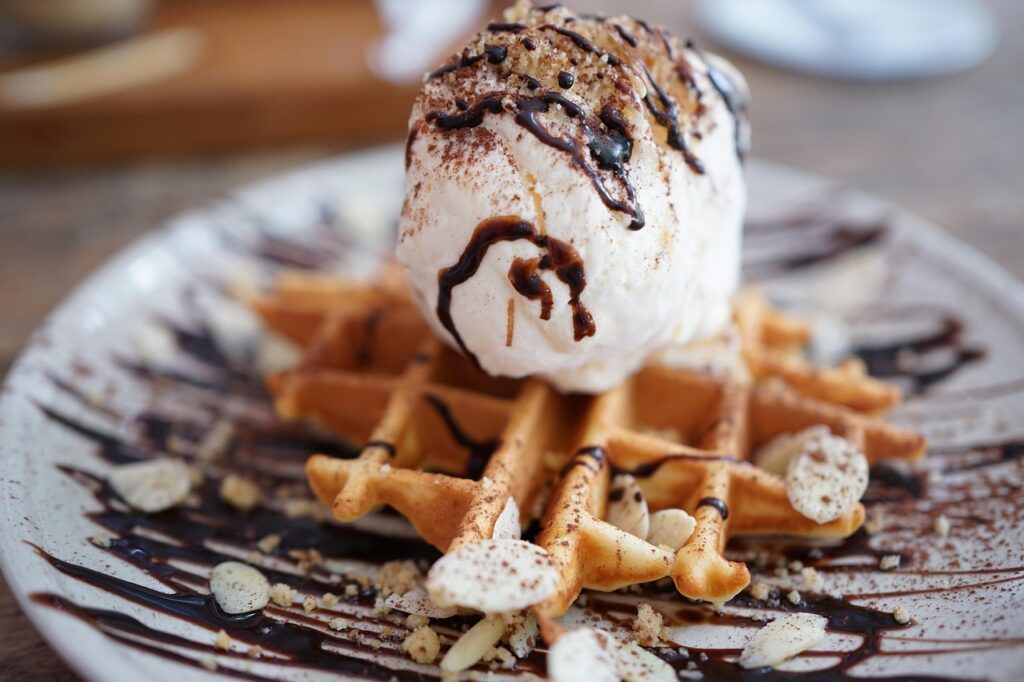
Ice cream conjures images of childhood summers and late-night indulgence, yet its place as an everyday comfort food has been challenged by increasingly steep prices. Premium pints from well-known brands now regularly carry price points that rival or exceed other dessert options.
Rising dairy costs, packaging expenses, and retailer pricing strategies have all contributed to higher ice cream prices. Consumers comparing cost per ounce find that a pint of ice cream often costs more than basic staples like bread or cereal.
Despite price resistance, ice cream remains deeply embedded in American food culture. Many now seek alternatives like homemade popsicles or frozen yogurt to capture the comfort while controlling costs.
4. Bakery Breads and Desserts
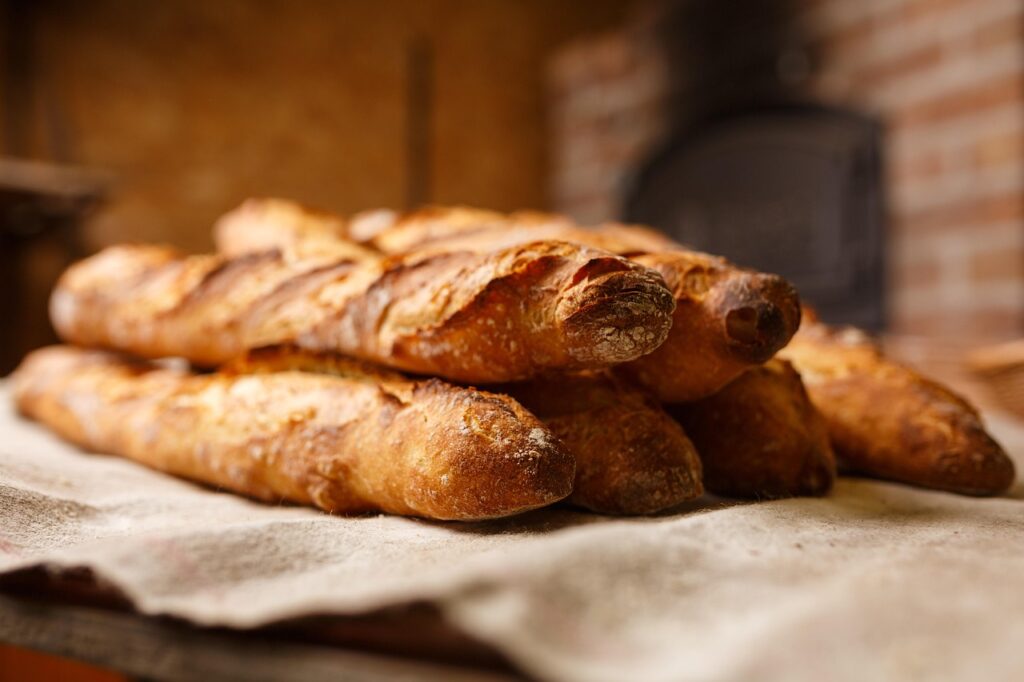
Bakery breads and desserts once felt like simple comforts that elevated everyday meals, but the cost of these items in grocery stores has risen enough to make shoppers rethink their value. Freshly baked loaves, muffins, cupcakes, and pastries today often carry higher prices due to ingredient costs and labor.
Demand for convenience has helped sustain bakery cases, yet the gap between perceived freshness and actual production methods has widened. Consumers comparing these costs with homemade baking find that making similar items at home using basic ingredients often costs less.
The shift in perception means that bakery comfort foods no longer feel like automatic purchases for many. Instead, shoppers evaluate whether the convenience outweighs the cost. What used to be a quick comfort treat now feels like a discretionary purchase that demands justification in tighter grocery budgets.
5. Chicken Wings
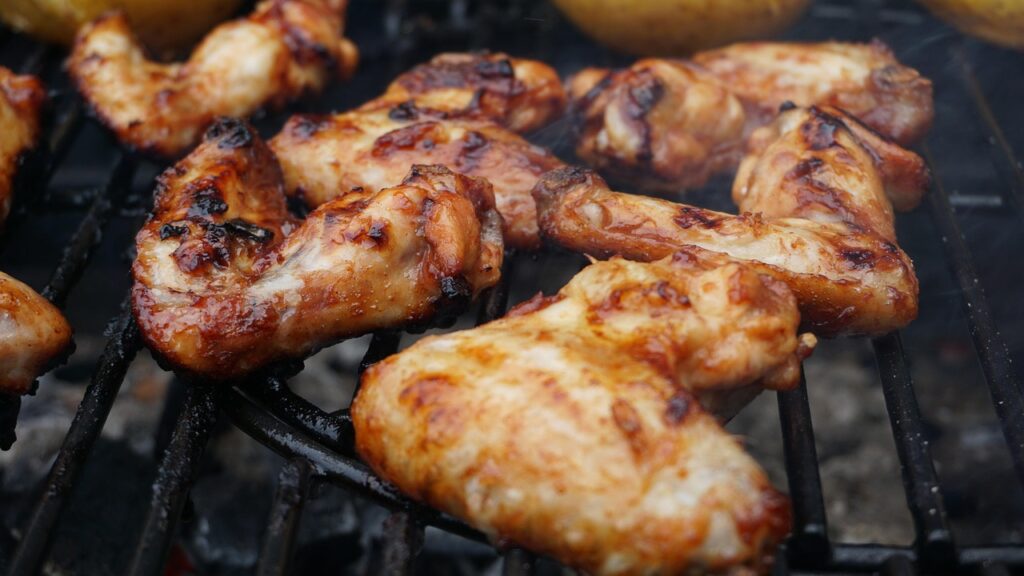
Chicken wings once represented an affordable comfort option for casual meals, game nights, and family dinners, combining protein with familiar flavors. In recent years, however, both grocery store packs and restaurant portions have climbed in price, making this comfort staple feel less accessible for regular meals.
Several factors contribute to wing price increases, including poultry supply constraints, higher feed costs, and strong demand during sporting seasons. The psychological shift from comfort staple to occasional treat reflects how cost factors into food choices.
Despite price concerns, many consumers still buy wings for social gatherings and special occasions. Yet for everyday comfort meals, wings increasingly feel like a budget stretch.
6. Candy Bars and Sweet Treats
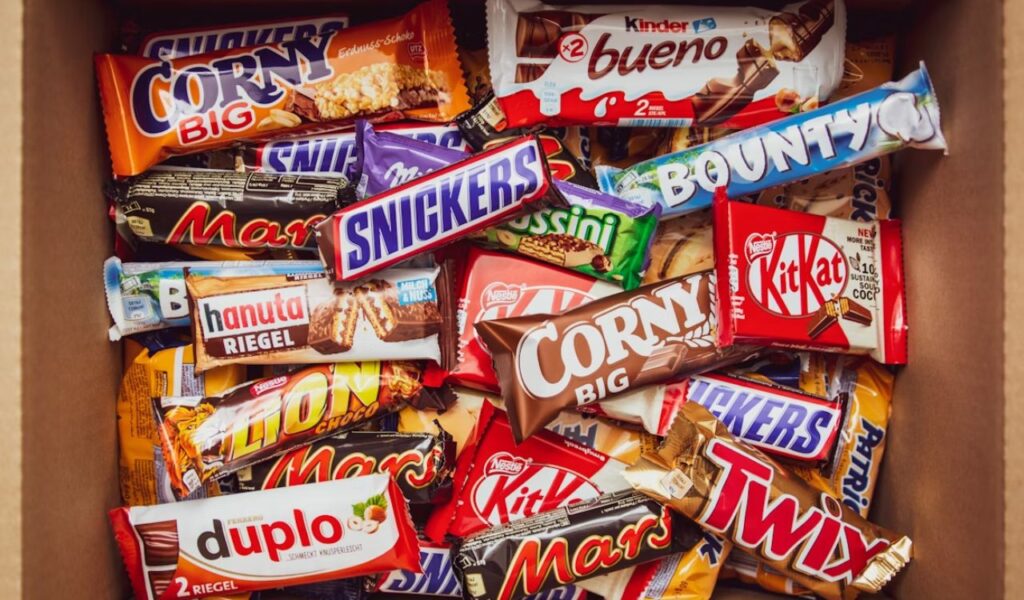
Candy bars and other sweet treats traditionally provided an inexpensive burst of comfort during stressful moments or as a quick pick-me-up. Their low price and wide availability made them easy indulgences. As costs have climbed, many shoppers now question whether the brief pleasure they offer justifies the increasing price at checkout.
Higher prices for sugar, cocoa, and related ingredients have contributed to the upward trend, as have packaging and distribution costs. As candy profit margins tighten, manufacturers pass expenses onto consumers.
Even as consumers voice concerns about value, candy bars remain fixtures in checkout aisles and as impulse buys. The cultural association between sweets and emotional comfort helps sustain demand.
7. Out-of-Season Produce
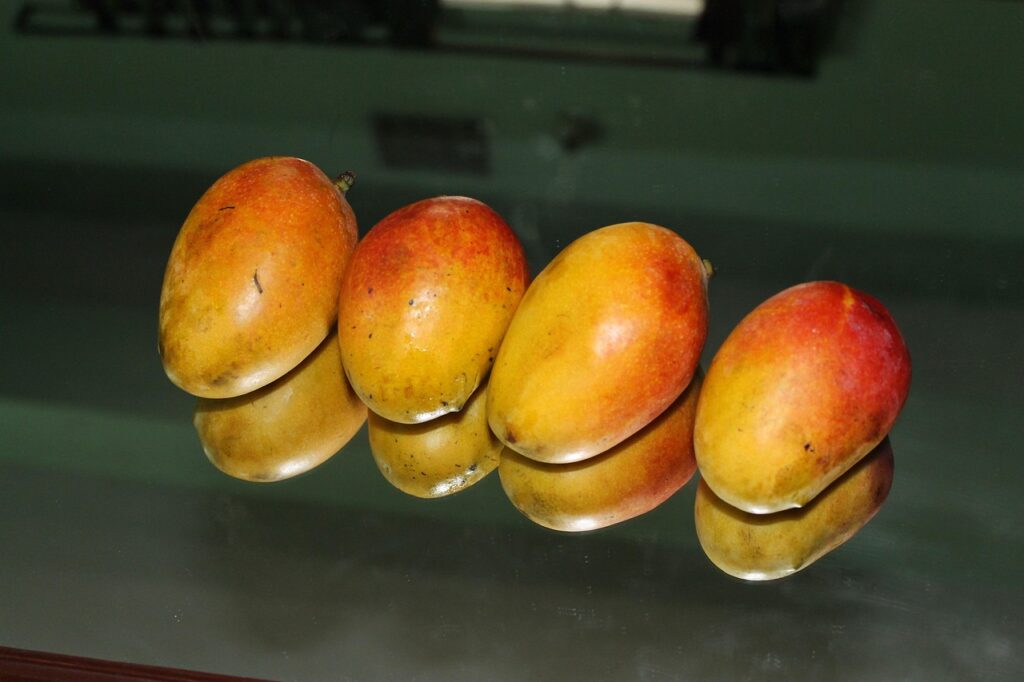
Produce that once felt like a refreshing comfort option in salads or smoothies now often carries a premium price when shipped from distant climates out of season. Items such as asparagus, berries, and certain stone fruits become expensive imports during local off-seasons, challenging expectations of affordability.
Consumers increasingly compare the cost of imported produce with seasonal alternatives. Cost consciousness drives many to seek seasonal, local produce that delivers comparable nutrients and flavor at a lower price, reshaping comfort food habits.
While imported produce remains available and often high quality, its place as a true comfort option has diminished for price-aware shoppers. Many households now structure meals around seasonal availability, allowing nature’s cycles to guide comfort eating without feeling penalized by off-season pricing.