Why Sauerkraut’s Tangy Flavor Keeps Showing Up in Modern Home Cooking

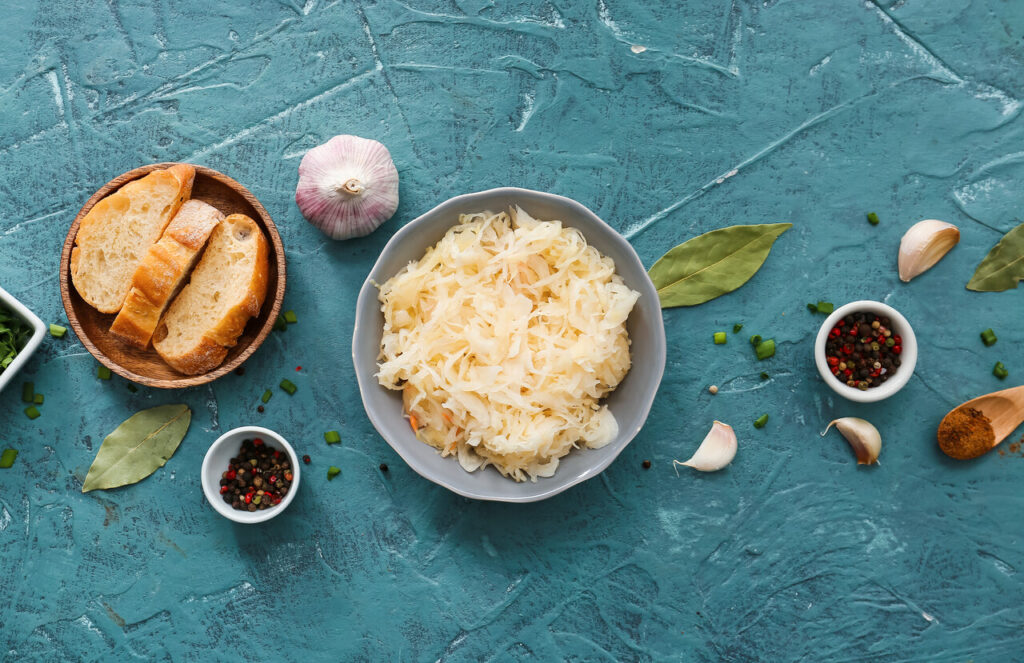
Sauerkraut is no longer just a side dish reserved for sausages and sandwiches. Its bright, tangy flavor is showing up in all kinds of modern home cooking, from grain bowls to roasted vegetables and even creamy sauces. What’s driving that comeback isn’t nostalgia alone. Fermentation gives sauerkraut a depth and balance that today’s cooks actively seek, especially as bold, clean flavors and gut-friendly foods gain popularity. With just a few simple ingredients and a little time, this centuries-old staple fits perfectly into how people cook and eat now.
The Tang That Chefs and Home Cooks Crave
There’s something unmistakable about sauerkraut’s tangy bite. It’s bright, sharp, and instantly wakes up any dish it’s paired with, whether that’s a simple sandwich or a complex grain bowl. What makes this flavor so compelling is how it interacts with other ingredients: it cuts through richness, balances sweetness, and adds depth to mild or fatty foods. That’s why modern chefs and home cooks alike are turning to sauerkraut not just as a traditional condiment, but as a versatile ingredient that lifts flavors across a wide range of cuisines. In an era where bold flavors are prized and simple umami no longer thrills the palate on its own, tanginess has become a cornerstone of contemporary cooking.
This craving for balanced acidity doesn’t come out of nowhere. Our taste buds are wired to notice contrasts: salty with sweet, bitter with sour, and sauerkraut delivers sour in a way that doesn’t overpower. Instead, it harmonizes. When you add a spoonful of kraut to roasted vegetables or mix it into a creamy salad, that sour element keeps everything from feeling flat. It adds dimension without needing heavy seasonings or fat. For cooks who want food to feel lively without relying solely on heat or sugar, sauerkraut’s tang is a simple, effective tool that delivers complexity with minimal effort.
The Science Behind Sauerkraut’s Flavor
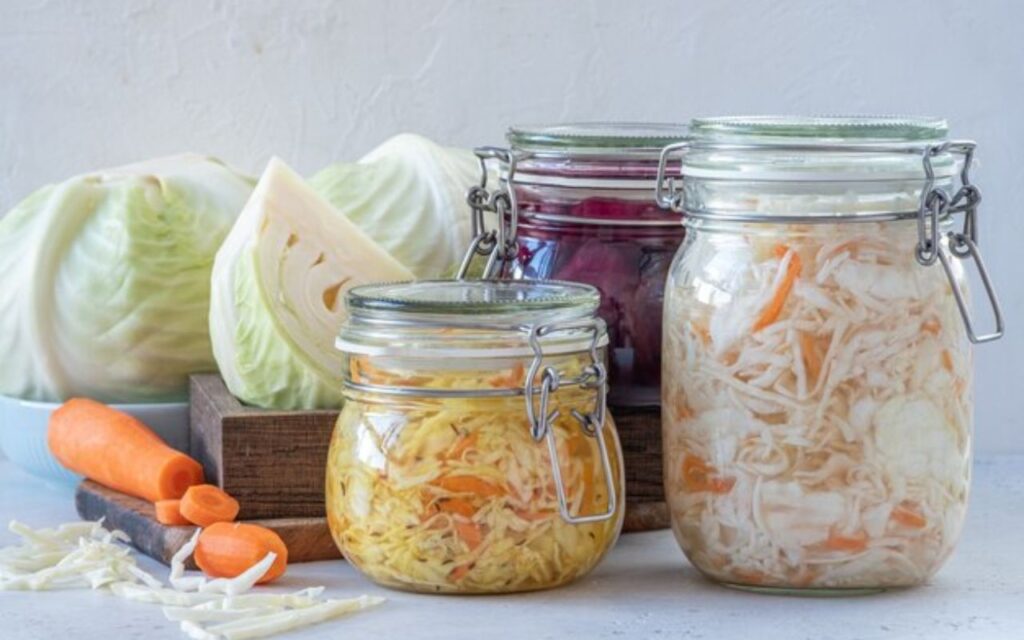
At its core, sauerkraut’s distinctive flavor comes from fermentation, the same biological process that makes yogurt tangy and sourdough bread nuanced. When cabbage is layered with salt and left to ferment, beneficial lactic acid bacteria begin to feed on the sugars in the cabbage. As they grow and multiply, these microbes produce lactic acid. That acid is what gives sauerkraut its signature sourness. More than a simple acidity, this lactic acid has a round, nuanced profile that feels refreshing rather than just sharp. It’s why sauerkraut tastes vibrant and clean, even in dishes that are otherwise rich.
Fermentation does more than just change the flavor. It alters the texture and aroma of the cabbage, making it softer and releasing compounds that wouldn’t be present in raw cabbage. These changes create a multidimensional taste experience that is both familiar and surprising. The tang you taste isn’t just one note; it’s a series of subtle, layered sour notes that interact with salt and inherent sweetness in the vegetable. Modern cooks appreciate this because it allows sauerkraut to play multiple roles at the table, as a condiment, a side dish, or even a main ingredient in creative recipes that leverage its complex flavor profile.
Health Benefits at the Heart of the Trend
Sauerkraut isn’t just trending because it tastes good. Its rise in home kitchens aligns with a broader interest in gut health and functional foods. As fermentation cultures the cabbage with live bacteria, many of those microbes remain viable until consumption. These probiotics can support digestive health by contributing beneficial bacteria to the gut microbiome. For people increasingly aware of how digestion affects everything from energy levels to immunity, that probiotic benefit is a major draw. It turns a simple cabbage dish into something that’s both flavorful and nutritionally meaningful.
Beyond probiotics, sauerkraut retains vitamins and minerals from the cabbage, including vitamin C and K, fiber, and antioxidants. The fermentation process can also increase the bioavailability of certain nutrients, making them easier for the body to absorb. When eating trends shift toward whole foods that “do more” than just satisfy hunger, sauerkraut fits neatly into that space. It’s not just a side dish. It’s something that can contribute to overall well-being, which makes it appealing to health-focused eaters and culinary explorers alike.
Making Sauerkraut at Home

Part of sauerkraut’s resurgence comes from its accessibility. You don’t need complicated equipment or exotic ingredients to make it at home. The basic recipe requires only cabbage, salt, and a jar or crock for fermenting. The salt draws water out of the cabbage, creating a brine, and the cabbage essentially ferments in its own juices. Because the process is entirely natural and doesn’t require heat, it’s safe and straightforward. The barrier to entry is low, so many home cooks find the experience rewarding on both a practical and sensory level.
Knowing when sauerkraut is properly fermented is part science and part intuition. In the early days, bubbles and a pleasantly sour aroma are good signs. A crisp, tangy taste signals a finished kraut that hasn’t gone too far. Over time, fermentation naturally slows as the acid level increases and the environment becomes less hospitable to bacteria. That means you can tailor the tanginess by adjusting how long you let it ferment before eating. This level of control lets home cooks experiment, discovering their preferred balance between crunchy and sour. As a result, making sauerkraut at home isn’t just about producing food; it’s about engaging with the process and shaping flavor through time and care.
How Sauerkraut Is Used Today
Once you’ve got sauerkraut in your kitchen, its uses extend far beyond the traditional bratwurst or Reuben sandwich. Today’s cooking landscape embraces tangy fermented foods as enhancers in unexpected places. Sauerkraut can be stirred into grain bowls, paired with roasted root vegetables, mixed into creamy dressings to balance richness, or even layered into tacos for a surprising twist. Its acidity brightens dishes that might otherwise feel heavy or monotonous. Modern recipe developers celebrate sauerkraut for its versatility because it doesn’t just add flavor; it sharpens and refines other components in a dish.
The popularity of sauerkraut also reflects a broader culinary pivot toward fermented foods. Kimchi, pickled beets, kombucha, and kefir all share roots in fermentation, and sauerkraut fits comfortably within this family. Contemporary palates crave complexity and depth, and fermented foods deliver that in ways simple seasoning cannot always achieve. Sauerkraut, with its deep tradition and modern adaptability, bridges old and new. It connects home cooks to centuries-old techniques while offering fresh potential on today’s plates, which is why its tang continues to show up in kitchens everywhere.
References
- Why Is Tangy Sauerkraut A Superior Fermented Food? – gustyferments.com.au
- Fermenting Sauerkraut at Home: Tips, Tools & Troubleshooting for Beginners – learntocook.com
- SALTY Cabbage to SOUR Sauerkraut: Fermentation Signs to Monitor – makesauerkraut.com