11 Leftovers Scientists Warn Can Turn Dangerous Overnight

Leftovers are part of everyday cooking, yet not all foods age as safely as people assume. Scientists continue to highlight dishes that can become hazardous overnight when handled or stored improperly. Moisture, dense textures, and protein-rich ingredients often allow bacteria to multiply quickly, especially when foods cool slowly or remain at room temperature longer than intended. Understanding why certain leftovers pose higher risks helps home cooks make safer decisions and avoid preventable foodborne illness.
1. Cooked Rice and Other Starchy Leftovers
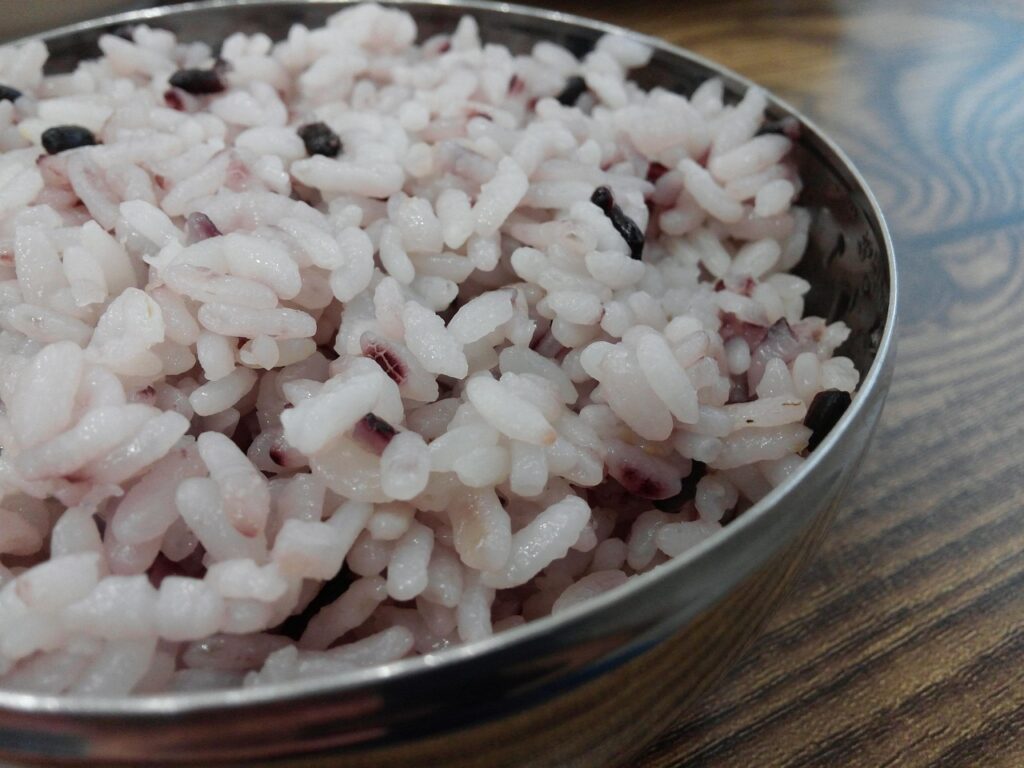
Cooked rice and similar starches may seem harmless, yet they are some of the most scientifically documented high-risk leftovers when not cooled or stored correctly. Rice naturally contains heat-resistant spores that survive cooking and can begin producing toxins if the food sits out while cooling slowly. These toxins are not destroyed by reheating, which is why improperly handled rice can cause sudden illness even when warmed thoroughly. The risk increases in large batches where heat dissipates unevenly. Understanding how starchy grains behave helps explain why experts emphasize quick refrigeration and shallow storage containers.
2. Gravy and Pan Drippings
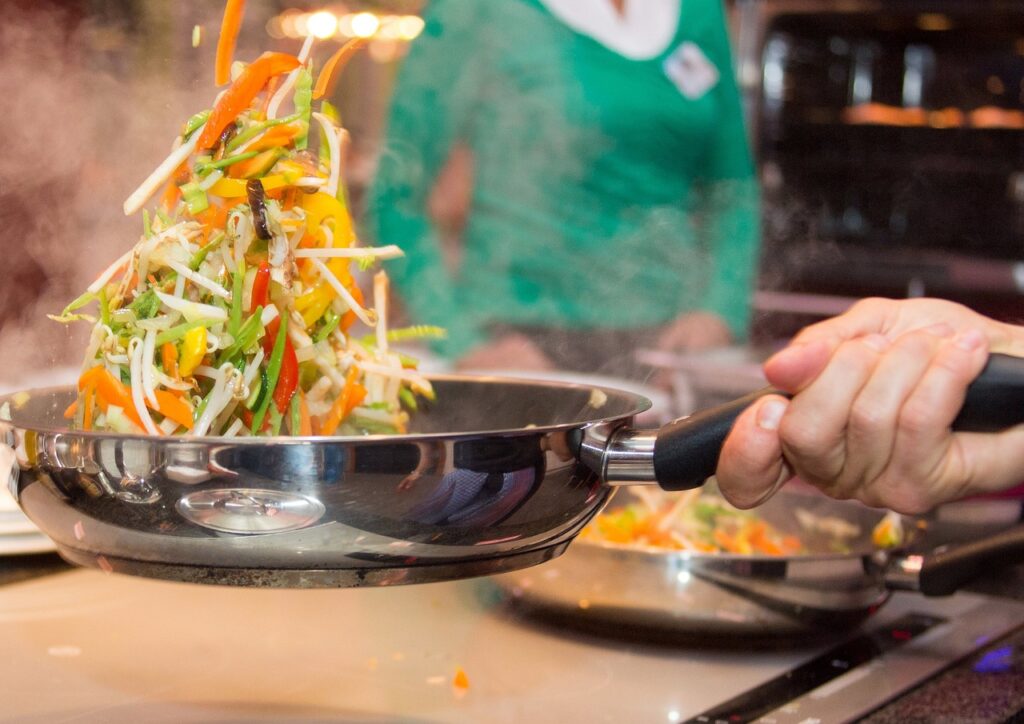
Gravy and pan drippings feel like the ultimate comfort food, but their combination of moisture and protein makes them extremely perishable once removed from the heat. As these liquids cool, they create an ideal environment for bacteria to multiply rapidly, especially when left on the stove or counter for extended periods. Thickened sauces cool slowly, which leaves them in the temperature danger zone long enough for harmful growth to occur. Even refrigeration cannot always reverse early contamination. While gravy elevates many meals, its safety depends entirely on how fast it is cooled and stored.
3. Egg-Based Dishes like Quiches and Salads
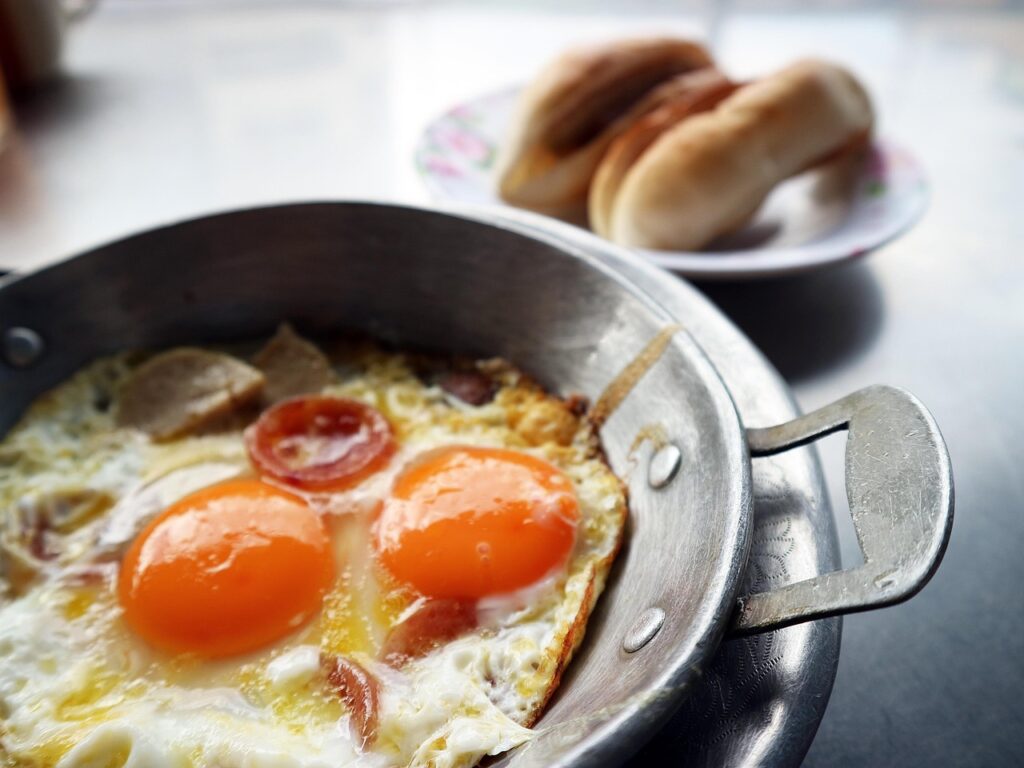
Egg-based dishes carry unique risks because eggs can harbor bacteria before cooking, and even after baking or preparing a salad, lingering moisture enables pathogens to grow if the dish is not chilled promptly. Quiches, custards, and mayonnaise-based egg salads cool unevenly, allowing warm pockets where bacteria thrive unnoticed. The proteins in eggs provide excellent nourishment for microbial growth, turning leftovers into potential hazards overnight. Although these dishes are beloved for their richness and taste, they demand strict handling practices to remain safe beyond their initial serving.
4. Cream-Based Soups and Sauces
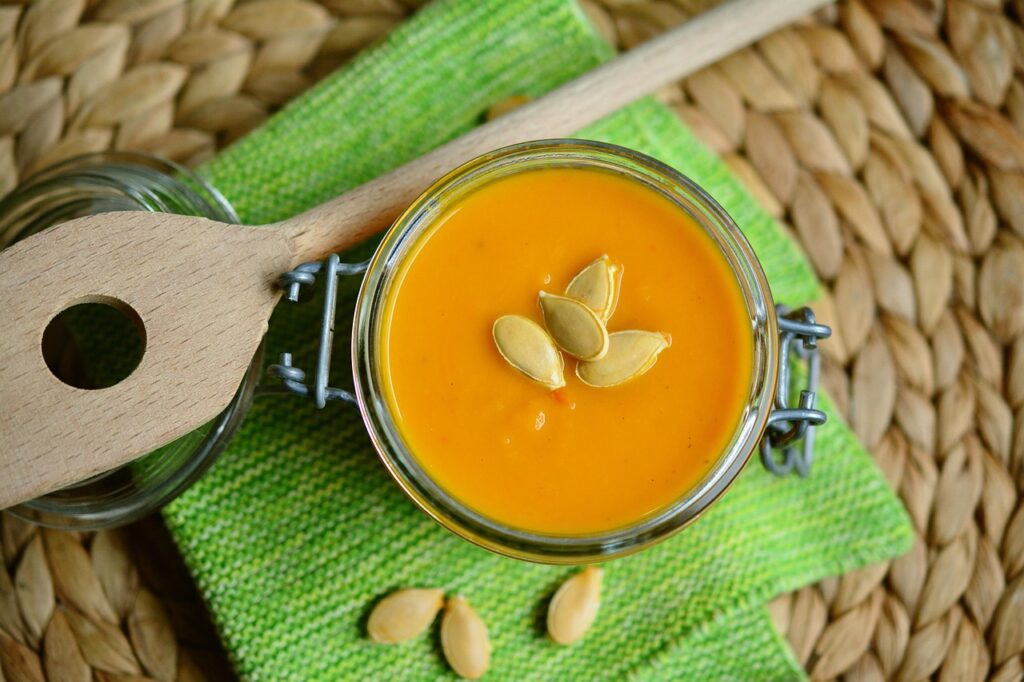
Cream-based soups and sauces have a luxurious texture, yet that same richness comes from dairy components that are quick to spoil under the wrong conditions. Their thickness slows cooling dramatically, creating a prolonged warm period where microbes flourish. Because dairy supports rapid bacterial growth, even a small delay in refrigeration can compromise the integrity of the entire batch. Reheating may restore flavor, but it cannot reverse toxin formation once established. These dishes highlight the delicate balance between comfort and proper storage technique. They require swift cooling, shallow containers, and careful handling to remain safe.
5. Seafood-Based Leftovers
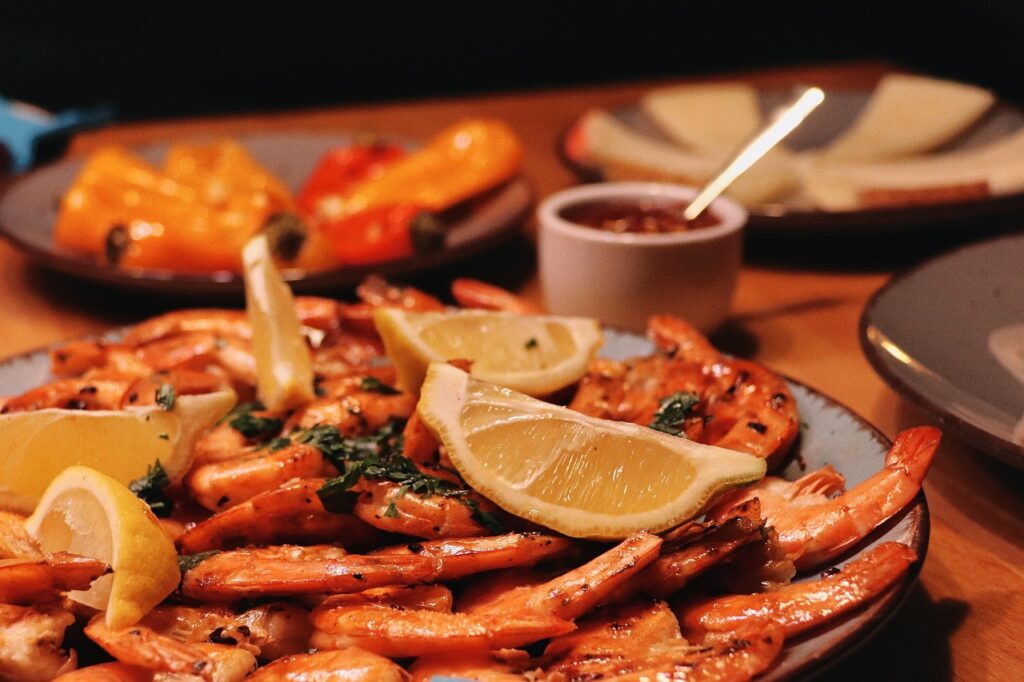
Seafood leftovers are notorious for their short safe window due to the delicate nature of fish proteins and the rapid rate at which marine foods spoil. Even when cooked thoroughly, seafood dishes can become unsafe within hours if not refrigerated promptly because bacteria and naturally occurring enzymes remain active at room temperature. Shellfish and fish-based broths are especially vulnerable, as their high moisture levels accelerate spoilage. Although seafood offers exceptional flavor and nutrition, its leftovers require prompt handling. For anyone storing cooked seafood, rapid cooling and strict time limits are essential to prevent illness.
6. Creamy or Mayo-Based Salads
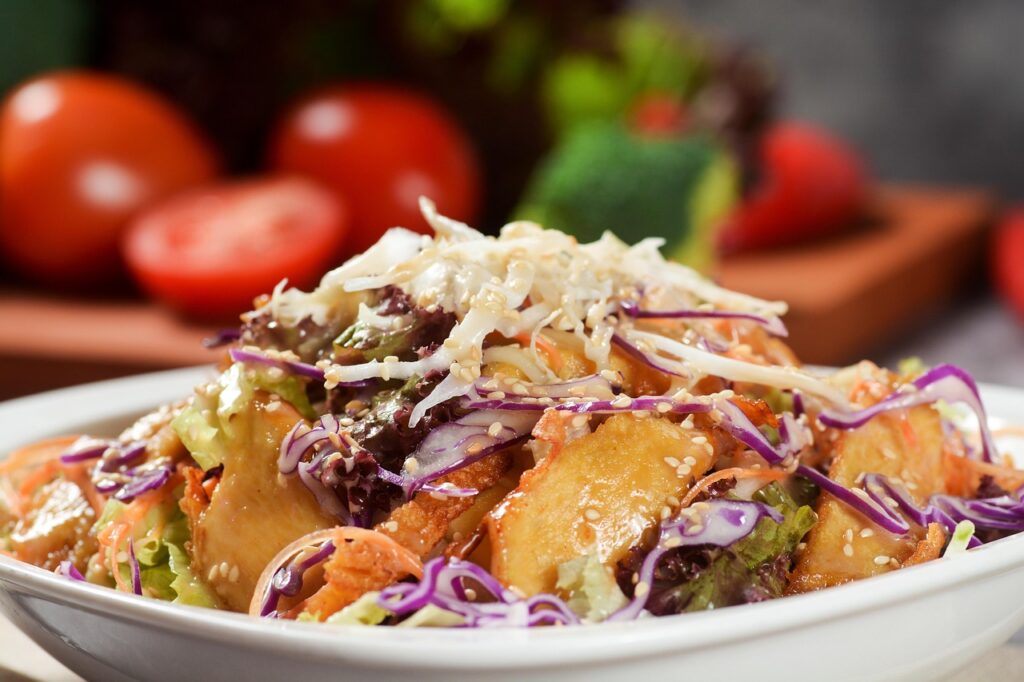
Potato salad, chicken salad, and coleslaw all share one trait that increases overnight danger: creamy dressings. Whether made with mayonnaise, sour cream, or yogurt, these mixtures trap moisture and proteins together, creating ideal conditions for bacterial growth. The risk intensifies when these salads are served outdoors or sit out during gatherings, allowing temperatures to rise unnoticed. Even brief exposure to warm conditions can encourage harmful microbes to multiply. These familiar dishes illustrate why proper chilling practices matter for foods that seem simple but behave unpredictably.
7. Cooked Pasta with Creamy or Oily Sauces
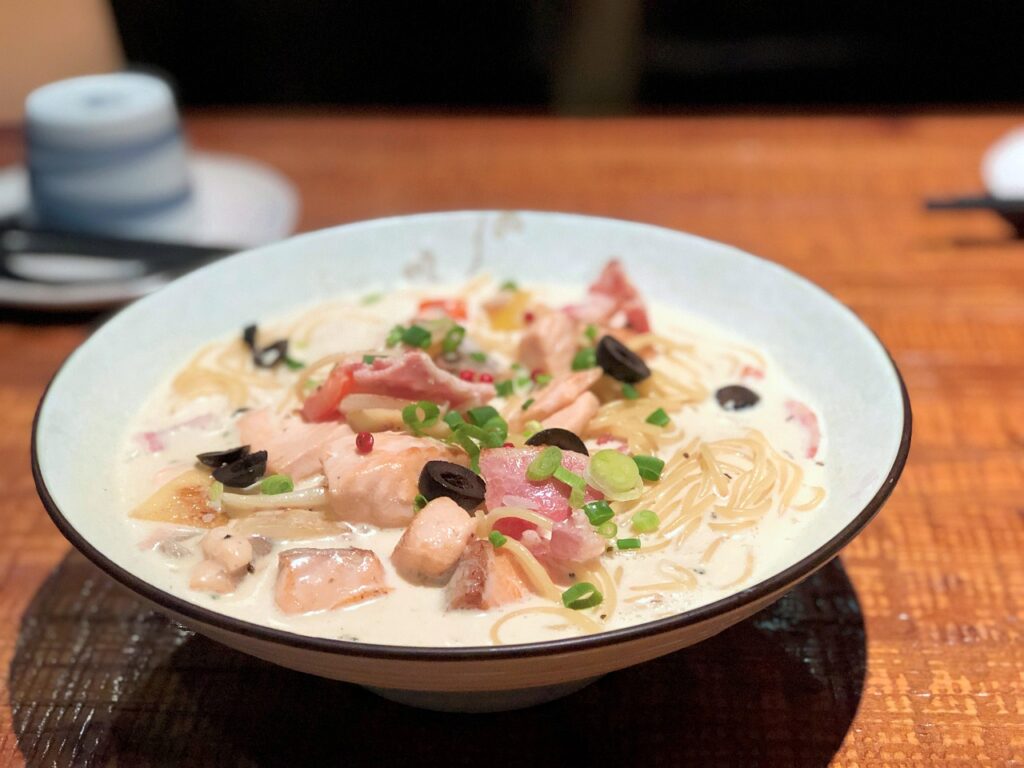
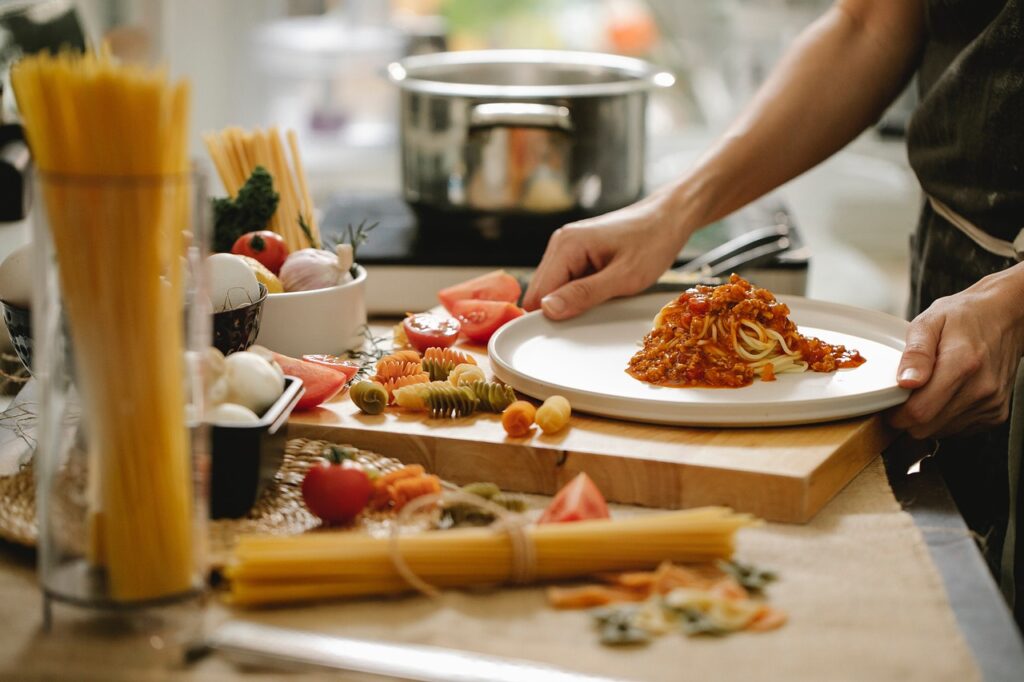
Cooked pasta may appear sturdy, but once combined with creamy or oil-based sauces, it becomes a high-risk leftover when mishandled. Pasta traps moisture, and rich sauces create a protective coating that insulates bacteria during cooling and reheating. Large portions often cool slowly, keeping them in unsafe temperatures long enough for contaminants to flourish. Because pasta dishes are often prepared in generous batches, leftovers are common, making awareness of their safety profile even more important. It is a classic example of how comfort food can become risky if stored casually, without taking enough precautions.
8. Mixed Seafood and Dairy Dishes
When seafood and dairy share the same dish, their spoilage risks compound. Seafood spoils quickly, and dairy accelerates bacterial growth, making combinations like creamy shrimp pasta or fish chowder far more sensitive to time and temperature. These dishes cool slowly and often contain thick liquids that warm internally long after being removed from the heat. Even refrigeration cannot undo toxin formation if the dish lingered at unsafe temperatures beforehand. The pairing of these ingredients requires heightened care when storing leftovers. Their richness also masks early signs of spoilage, reducing the chances of noticing a problem in time.
9. Mashed Potatoes and Potato Casseroles
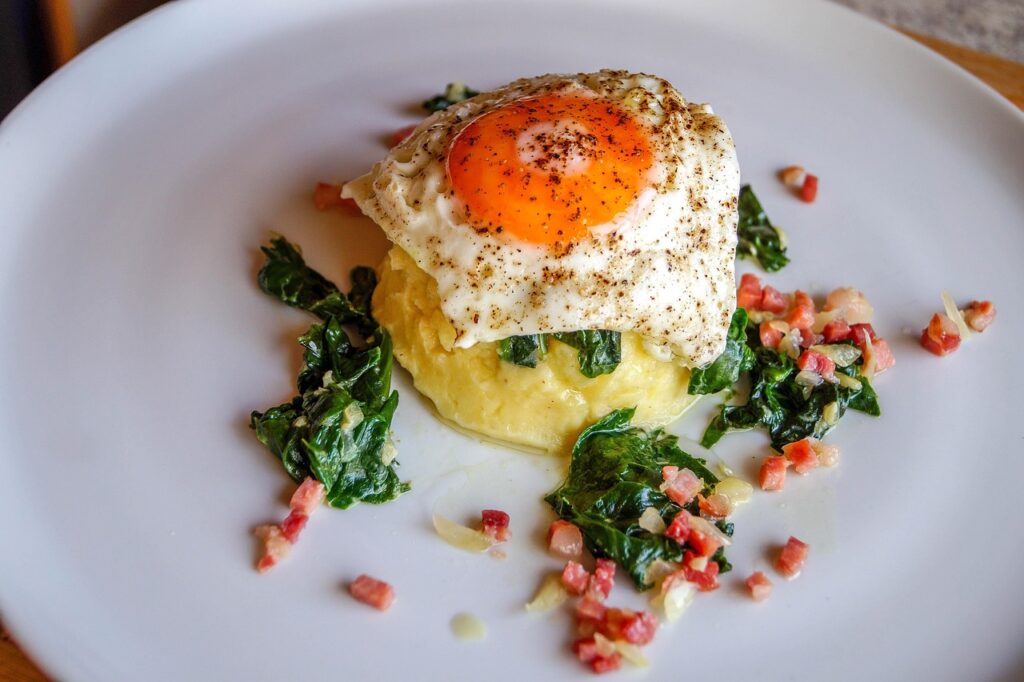
Mashed potatoes and potato casseroles seem stable, yet they are surprisingly prone to overnight spoilage. Potatoes retain heat and moisture, and when combined with dairy or butter, they offer an ideal environment for bacterial activity if cooling is delayed. Large casseroles cool slowly, allowing internal temperatures to remain warm long enough for contaminants to develop. Reheating may restore taste, but cannot neutralize toxins produced during improper storage. These dishes show how mildly flavored foods can hide significant food safety risks. Their dense texture can mask early spoilage indicators, making it harder to detect problems.
10. Bean and Legume-Based Soups and Stews
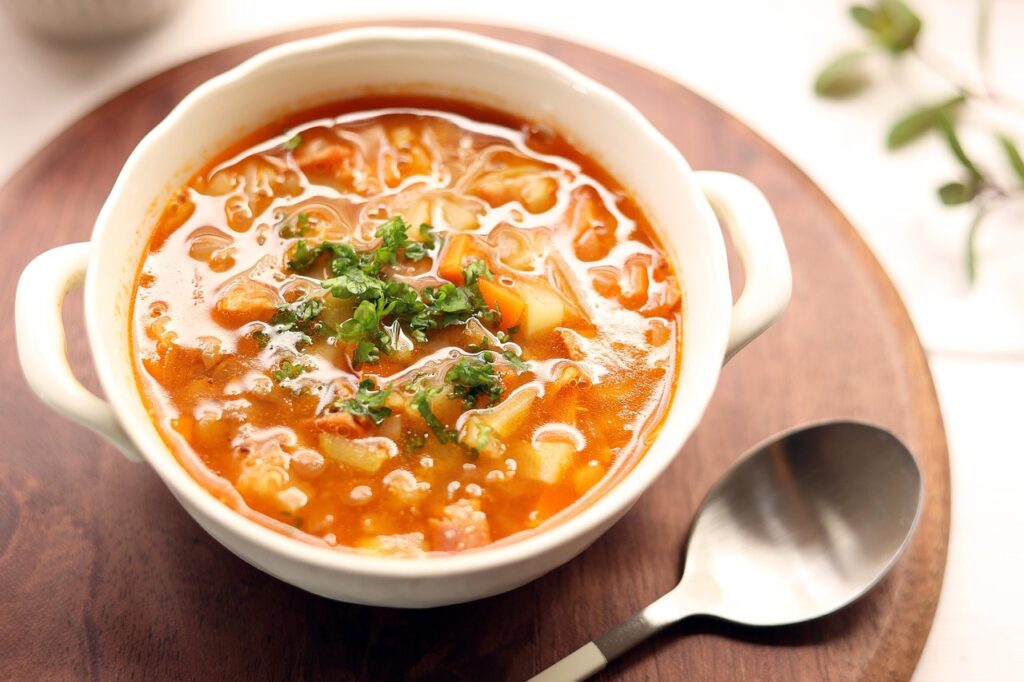
Bean-based soups and stews provide hearty nutrition, but their dense texture makes them slow to cool, trapping heat in a way that supports bacterial growth. Beans and legumes also contain proteins that encourage rapid spoilage once temperatures drop into the danger zone. Thick stews can take hours to chill fully, making storage in large containers particularly risky. Even leftovers that taste normal may harbor harmful microbes. Proper cooling techniques are essential to keep these satisfying dishes safe for later meals. Their thickness can also disguise early signs of deterioration, offering little visual warning.
11. Improperly Cooled Large Batches of Stews, Chili, or Curries
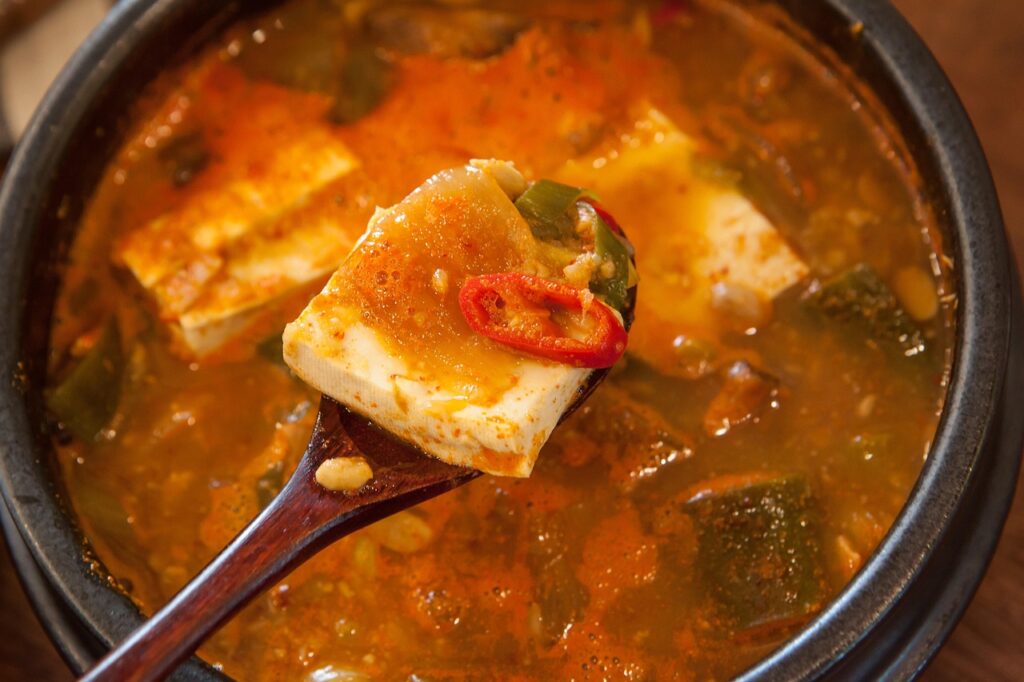
Large batches of stews, chili, and curries may seem ideal for leftovers, yet scientists warn that these dishes can turn dangerous overnight when not cooled correctly. Thick, dense foods retain heat for hours, keeping the center in the temperature danger zone long enough for bacteria to multiply rapidly. Even when the container feels cool on the outside, the middle may still be warm, allowing pathogens to grow unchecked. Because these dishes often contain protein-rich ingredients like beans, meat, or dairy, they provide an ideal environment for microbial activity. The risk intensifies when leftovers are stored in deep pots or large containers.