12 Restaurant Chains Whose Fried Fish Could Be a Health Risk

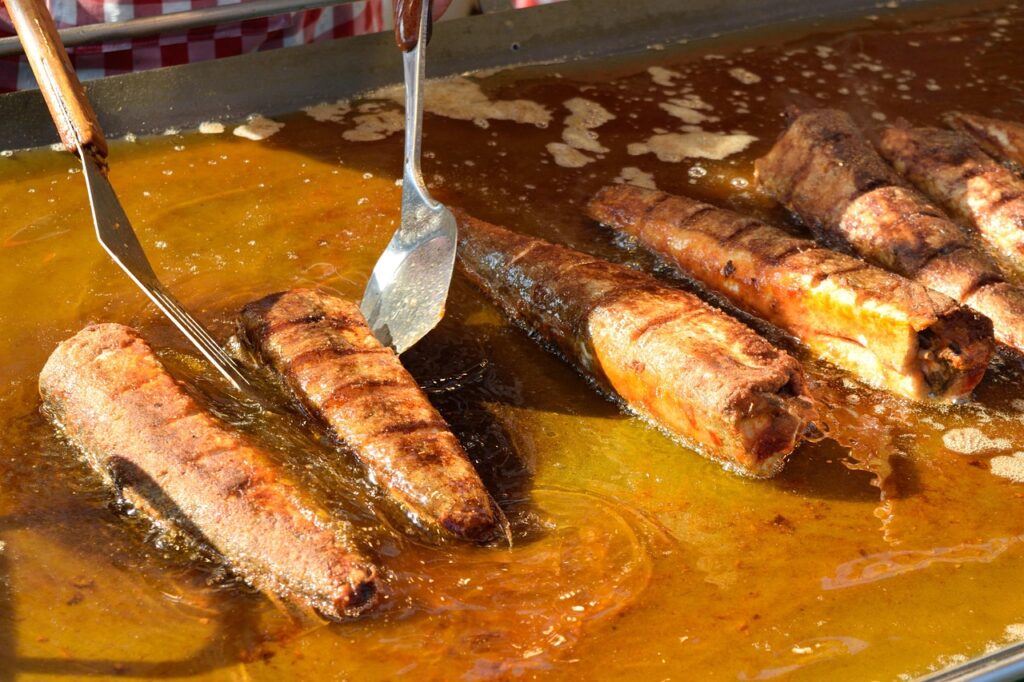
Fried fish remains a popular comfort choice at many restaurant chains, but not all versions deliver the balanced meal diners expect. Thick breading, heavy oil absorption, and high sodium levels often turn these dishes into far richer options than their simple appearance suggests. As portion sizes grow and seasoning blends intensify, some fried seafood plates pose real concerns for heart health and overall nutrition. Looking closely at how these meals are prepared reveals why certain chains draw recurring criticism.
1. Cracker Barrel’s Country Style Fish

Cracker Barrel’s country-style fish evokes a comforting, homey style of cooking, yet the preparation method brings significant nutritional drawbacks. The fillets are coated in a thick breading that absorbs oil readily, creating a dish much richer than diners may expect from a sit-down meal. Seasoning blends contribute additional sodium, which can quickly add up when paired with traditional sides like cornbread or mashed potatoes. While the flavor is undeniably satisfying, it reflects an older Southern frying tradition that prioritizes indulgence over balance. For guests, this nostalgic favorite can become a meaningful dietary challenge.
2. Dairy Queen’s Crispy Fish Sandwich

Dairy Queen’s fish sandwich seems like a lighter fast food option, yet its construction makes it surprisingly heavy. The fillet is fried in a batter designed to stay crisp beneath the bun, which means more oil remains locked inside. Add tartar sauce and a soft bun, and the sandwich’s fat and sodium numbers rise quickly. Because the portion size is modest, many customers pair it with fries or onion rings, compounding the overall impact. While convenient during seasonal offerings, the sandwich reflects fast food frying techniques that do little to reduce density or improve ingredient transparency.
3. Popeyes’ Cajun Flounder Sandwich
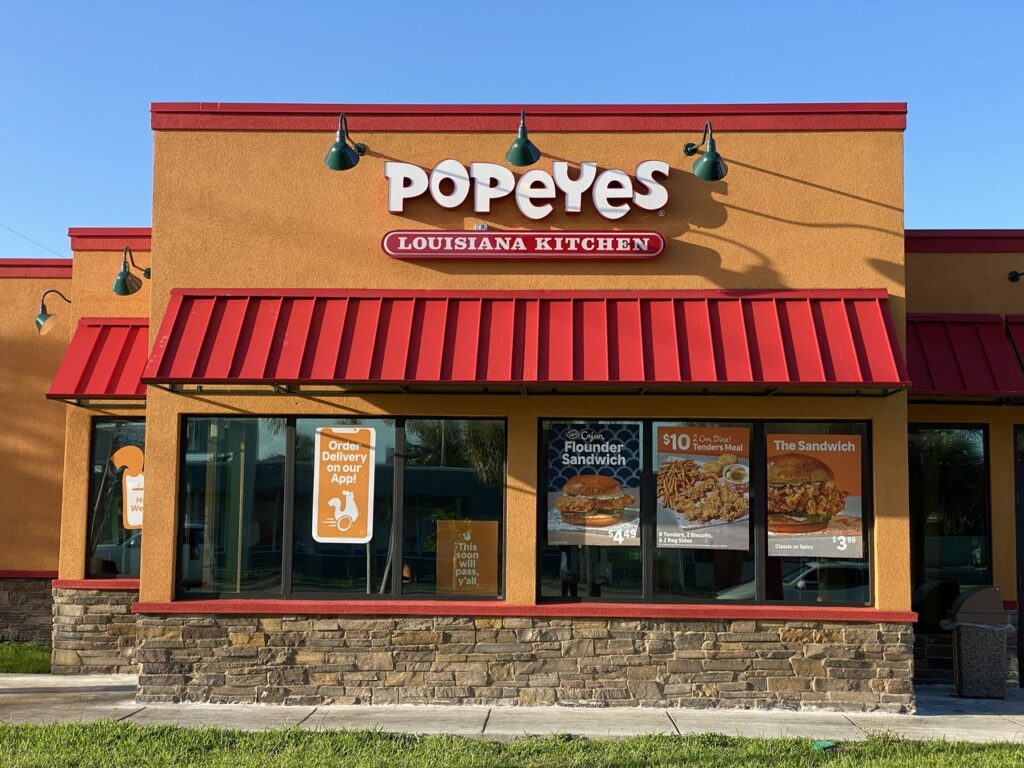
Popeyes built a reputation on bold flavors, and its Cajun flounder sandwich follows the same pattern with a heavily seasoned, deeply fried fillet. The spice blend adds significant sodium, and the thick crust traps oil that increases the caloric load. The fillet is generous and served on a buttery brioche-style bun, which enhances enjoyment while pushing the meal into indulgent territory. Although the sandwich has earned praise for taste, it mirrors the chain’s broader approach of prioritizing richness and crunch. For those watching heart health or salt intake, it is a meal best enjoyed infrequently.
4. White Castle’s Fish Sliders

White Castle’s small fish sliders seem harmless because of their miniature size, but people usually eat several at once, turning them into a far more caloric meal than expected. The fish is fried in a thick breading that absorbs oil quickly, and the soft, lightly sweetened buns add extra refined carbohydrates. When paired with sides, the sodium level climbs even higher. Though convenient and nostalgic, these sliders show how portion size can easily disguise the nutritional impact of fried seafood. Their mild flavor and easy snack-like format make it even simpler to overeat without realizing it.
5. Checkers and Rally’s Deep Fried Fish

Checkers and Rally’s lean heavily into hard-hitting flavor, and their fried fish reflects this with a crunchy coating and bold seasoning profile. The breading is thick and traps considerable oil, giving each fillet a high calorie count before any sauces or sides are added. Sodium also runs high, consistent with the chain’s approach to heavily seasoned menu items. Though the fish remains popular for its texture and satisfying bite, it is one of the more indulgent options in the fast-food seafood category. The portion size can also be deceptive, as the crisp exterior masks how dense the fillet truly is.
6. Hooters’ Fried Fish Platter
Hooters is known for frying heavy dishes, and its fried fish platter fits squarely into that tradition. The portion sizes are large, the batter is substantial, and the frying method results in a meal that is both rich and dense. Sodium levels are elevated due to seasoning blends, and the platter is typically served with sides that add more calories and fat. While the dish delivers on flavor, it represents the kind of restaurant meal that nutrition experts flag as challenging for regular consumption. Its appeal lies in its indulgence, which is also its primary health concern.
7. Applebee’s Hand Battered Fish
Applebee’s offers a hand-battered fish option that feels closer to pub fare, yet this style often means heavier breading and increased oil retention. The fillets are large and fried to achieve a deep golden crunch, which comes at the cost of higher fat content. Sodium levels escalate quickly, partly because of the batter and partly due to the standard pairing of seasoned sides. The dish showcases the casual dining comfort Applebee’s is known for, but the nutritional tradeoff is significant, making it a dish better suited to occasional cravings rather than routine meals.
8. Chili’s Crispy Fish Plates

Chili’s crispy fish plates mirror the chain’s broader emphasis on bold, full-bodied flavors. The breading is seasoned and substantial, designed to produce a satisfying crunch that inevitably holds more oil. Large fillet portions also contribute to a higher calorie count, particularly when combined with sauces or sides rich in salt or fat. While the dish is approachable and consistent, it does not align with modern trends toward lighter seafood preparations. This makes it a less ideal choice for diners seeking heart-healthy options or more balanced meals.
9. Culver’s North Atlantic Cod

Culver’s is admired for quality ingredients, yet its fried cod plates can be surprisingly dense from a health perspective. The fillets are large, heavily breaded, and cooked at high temperatures that encourage oil absorption, even when execution is consistent. This results in elevated calories and fat content, along with sodium levels that stack up quickly once sides are added. The appealing texture and rich flavor come from techniques that emphasize indulgence rather than balance, which is why health experts urge moderation. Culver’s fried cod remains a customer favorite, but its nutritional profile requires awareness, especially for routine dining.
10. Red Lobster’s Golden Fried Fish
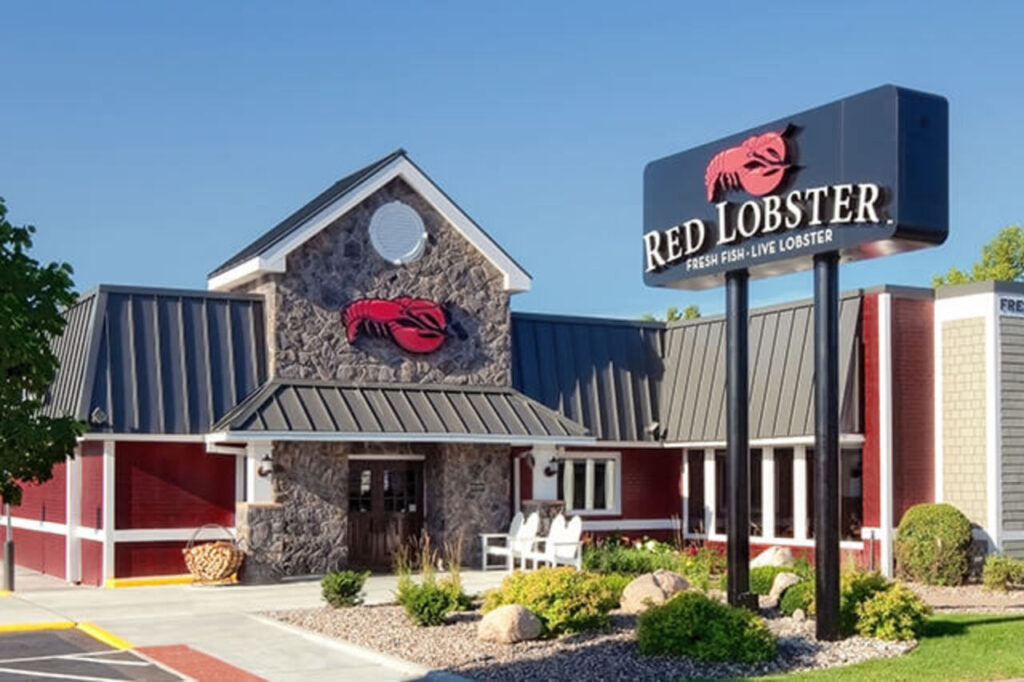
Red Lobster’s fried fish offerings may appear more refined than fast food counterparts, yet they often contain similar levels of oil and sodium. The breading is seasoned for pronounced flavor and crispness, which inherently increases salt content. Large portions and pairings like fries or biscuits amplify the meal’s overall impact. The dish showcases comfort-driven seafood cooking but runs counter to modern expectations for lighter, heart-friendly meals. Its popularity highlights the enduring appeal of fried seafood, but the numbers behind it remind diners to balance enjoyment with mindful choices.
11. The Cheesecake Factory’s Fried Fish Tacos

The Cheesecake Factory is known for abundant portions, and its fried fish tacos are no exception. Although the dish appears lighter than a classic fried platter, the fish is coated in a thick, seasoned batter that retains oil during frying. Once tucked into soft tortillas and topped with creamy sauces, the calorie load rises quickly, along with sodium levels that already run high in many of the chain’s menu items. The combination of fried protein and rich condiments can push the meal well beyond what diners might expect from something labeled as a taco.These tacos exemplify how even modern, trendy presentations of fried fish can carry risks.