How Meal Kits Are Adapting to Concerns About Packaging Waste

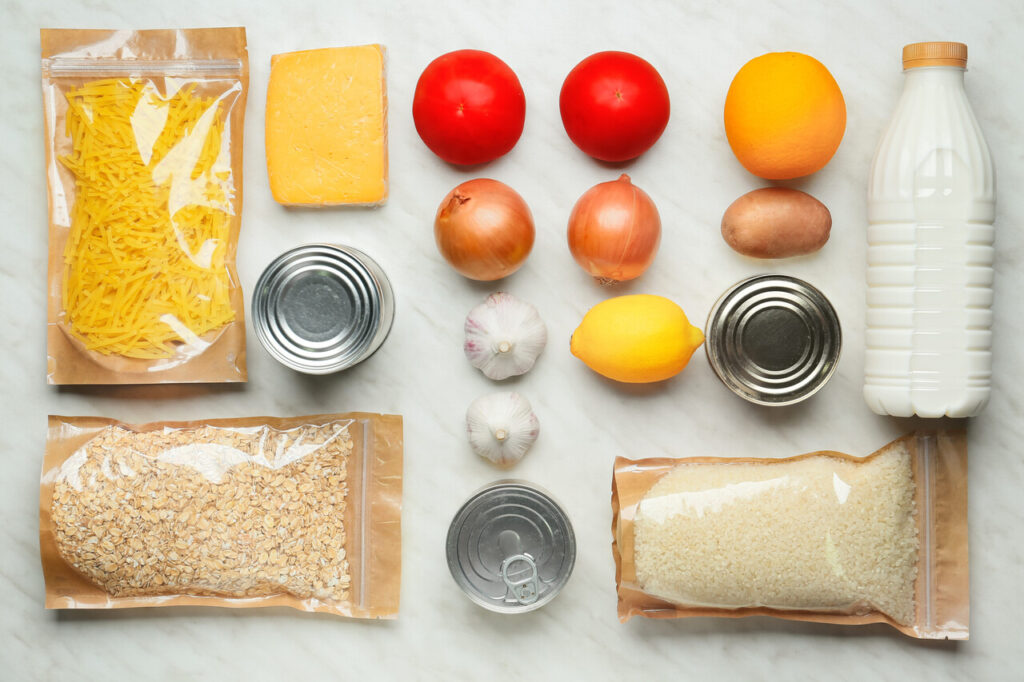
Meal kits promise convenience, precise ingredients, and restaurant-style recipes delivered straight to the door. Yet the industry has faced a growing wave of criticism over something customers notice the moment they open the box: packaging. Ice packs, insulation liners, plastic pouches, and cardboard containers can quickly pile up after a single meal delivery. At the same time, research shows that meal kits may reduce food waste significantly compared with traditional grocery shopping. This unusual balance has pushed meal kit companies to rethink how their boxes are designed. From recyclable insulation to reusable containers and smarter logistics, the industry is steadily experimenting with ways to keep the convenience customers love while reducing the environmental footprint that comes with it.
The Packaging Problem That Meal Kits Cannot Ignore
The rise of meal kit delivery has changed how many people cook at home, but it has also sparked criticism about packaging waste. A typical meal kit box contains insulated liners, ice packs, cardboard containers, plastic bags, and small packets for each ingredient. For customers opening their first delivery, the amount of packaging can feel overwhelming. Environmental advocates quickly pointed out that convenience comes with a visible downside. Each meal arrives neatly portioned and protected for shipping, yet the packaging required to keep ingredients fresh often creates a large amount of material that must be recycled or thrown away.
Research examining meal kit systems confirms that packaging is one of the category’s most visible environmental challenges. Studies comparing meal kits to traditional grocery shopping show that while meal kits often generate more packaging waste per meal, this is only one piece of the environmental picture. The packaging used in these boxes is designed to preserve food quality during transportation and prevent spoilage, which means companies must balance safety, freshness, and sustainability when designing delivery systems. The growing public attention around plastic pollution and waste has pushed meal kit companies to rethink how these boxes are assembled and what materials they rely on.
Why Meal Kits Still Reduce Food Waste
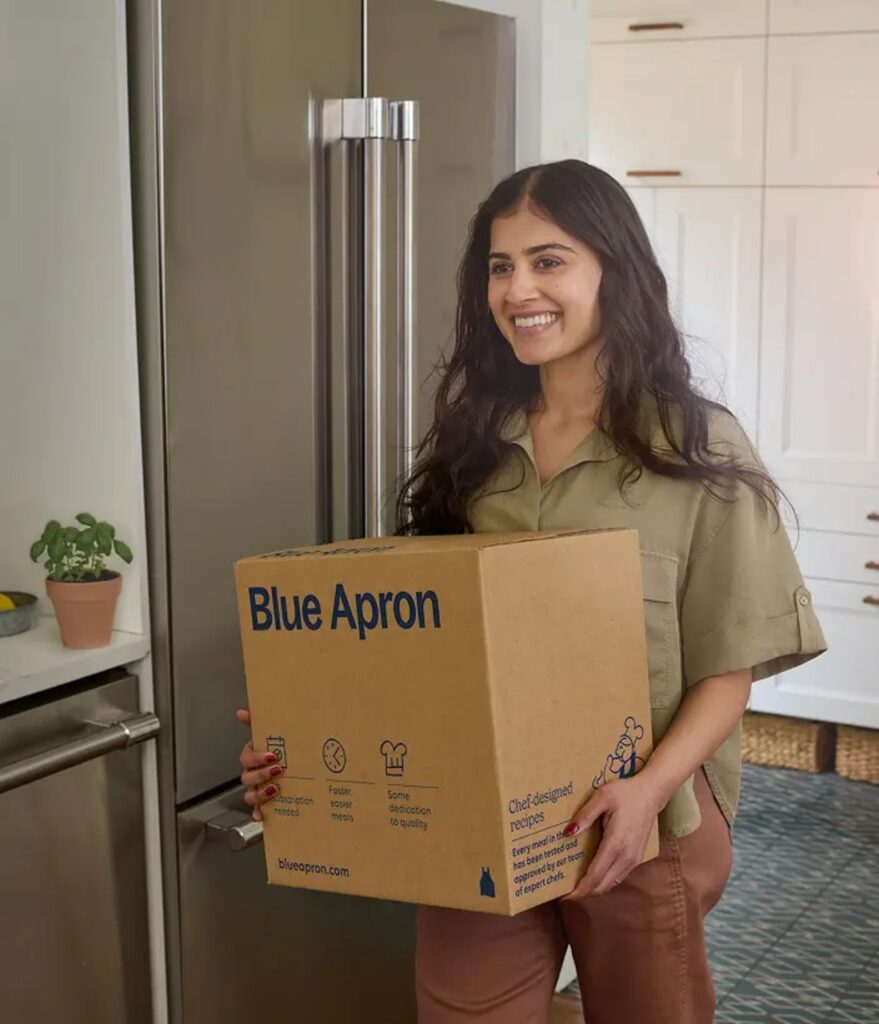
Despite concerns about packaging, meal kits have one major environmental advantage that researchers repeatedly highlight: they significantly reduce food waste in the home. Traditional grocery shopping often leads to unused ingredients sitting in refrigerators until they spoil. Meal kits avoid that problem by delivering exact quantities needed for a recipe. Each ingredient is measured and packaged for a specific dish, leaving little excess that might otherwise end up in the trash. Studies have shown that this system can dramatically reduce household food waste compared with conventional cooking.
Food waste plays a surprisingly large role in environmental impact. Producing food requires water, energy, fertilizer, and transportation. When unused ingredients are thrown away, all those resources are wasted as well. Researchers analyzing the environmental footprint of meal kits found that the reduction in food waste often offsets the negative impact of additional packaging. In some comparisons, meals prepared through meal kits produced fewer overall greenhouse gas emissions than similar meals purchased from grocery stores. This insight has reshaped the conversation around meal kit sustainability by showing that packaging is only one part of a much larger system.
New Packaging Innovations in the Industry
Recognizing customer concerns, meal kit companies have begun experimenting with new packaging materials and designs. One major shift involves replacing traditional foam insulation with recyclable or biodegradable alternatives. Some companies have introduced liners made from paper fibers, recycled textiles, or plant-based materials that can be recycled or composted after use. These changes help reduce reliance on petroleum-based plastics while still maintaining the temperature control needed to protect perishable ingredients during shipping.
Another innovation involves redesigning packaging so that more of it can enter standard recycling systems. Researchers have found that consumers feel more comfortable ordering meal kits when all packaging components can be recycled. In response, companies have redesigned ice packs, shipping boxes, and insulation materials to be curbside recyclable or easier to dispose of responsibly. Some packaging manufacturers are even developing materials that dissolve in water or break down naturally after disposal, which could further reduce the environmental footprint of meal kit deliveries.
How Companies Are Rethinking Delivery and Logistics
Packaging improvements are only one part of the solution. Many companies are also rethinking how their supply chains operate in order to reduce waste before the box even reaches the customer. For example, better forecasting systems allow companies to prepare only the ingredients needed for upcoming orders, minimizing surplus inventory. By tightly controlling supply chains and shipping ingredients directly from suppliers to packaging facilities, companies can reduce both packaging materials and food losses during transportation.
Logistics innovations are also playing a role. Some companies have begun consolidating ingredients into fewer containers or grouping multiple components within recyclable paper bags rather than individual plastic packets. Others are reducing the size of shipping boxes so that trucks carry more meals per delivery route. Smaller packages require less insulation and fewer protective materials. These adjustments may seem subtle, but across thousands of weekly deliveries, they can significantly reduce the overall volume of packaging entering the waste stream.
The Future of Sustainable Meal Kit Delivery
The next stage of meal kit sustainability may involve circular packaging systems that eliminate single-use materials. Some companies and researchers are testing reusable containers that customers return after each delivery. Once collected, these containers are cleaned, sanitized, and used again for future shipments. Early studies suggest that reusable packaging systems could dramatically reduce environmental impact compared with disposable alternatives if implemented at scale.
Consumer expectations are also shaping the future of the industry. Surveys consistently show that shoppers prefer packaging that is clearly recyclable or environmentally friendly, and many are even willing to pay more for those options. As sustainability becomes a larger factor in purchasing decisions, meal kit companies are under increasing pressure to innovate quickly. The companies that succeed will likely be the ones that combine convenience with responsible packaging design, proving that home-delivered meals can be both practical and environmentally conscious.