9 Reasons Old School Diner Coffee Was Actually Just Burnt Water

For decades, diner coffee symbolized endless refills and comforting late-night meals, yet many remember those cups tasting oddly bitter or weak. Behind the nostalgia lay brewing practices shaped by speed, cost control, and equipment limitations rather than flavor quality. From overroasted beans to coffee sitting too long on the heat, several factors dulled the freshness before it reached the table. Looking back shows how convenience often outweighed taste, creating the burnt, watery coffee many diners quietly accepted.
1. Overroasted Beans Created Bitter Coffee
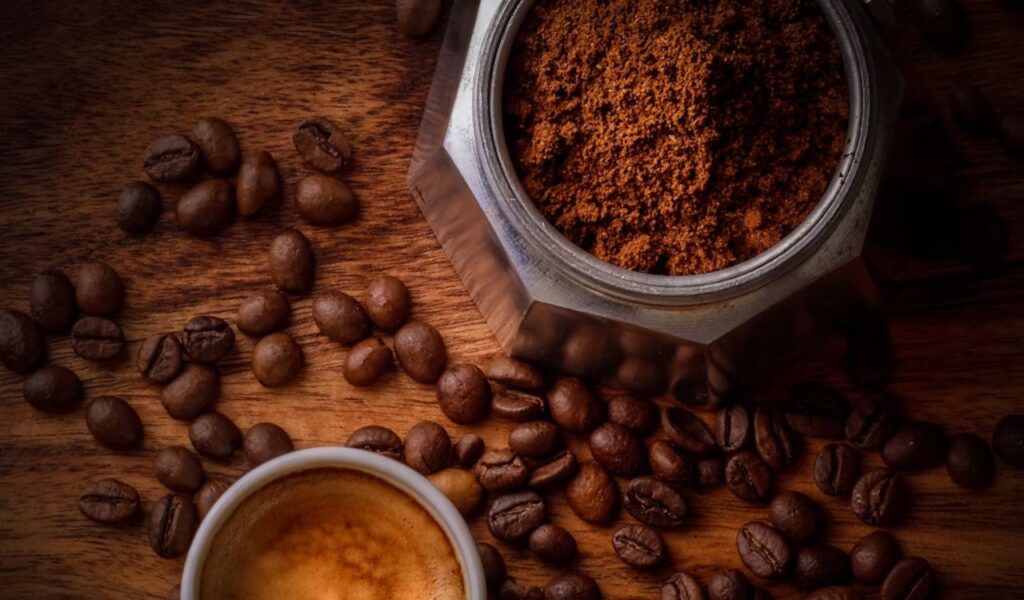
Old diners often relied on heavily roasted coffee beans because darker roasting masked inconsistencies found in cheaper coffee supplies. Dark roasting produced a uniform flavor, making large-scale purchasing easier for restaurants serving countless cups daily.
However, extreme roasting also destroyed delicate flavor compounds, replacing them with smoky, charred notes. When brewed, these beans delivered coffee that tasted burnt rather than rich, leaving drinkers with bitterness instead of complexity.
Customers became accustomed to this flavor because it appeared everywhere. Only later did lighter roasts reveal how much sweetness and nuance disappeared in earlier diner brews, exposing why so many cups once tasted harsh and scorched.
2. Weak Coffee Ratios Produced Watery Cups
Busy diners stretched coffee supplies by using less ground coffee per pot, ensuring steady service throughout the day without constantly replacing expensive ingredients. This practice helped keep refills flowing cheaply.
Unfortunately, weak brewing allowed bitter compounds to dominate flavor. Instead of balanced strength, customers received thin, watery coffee where unpleasant flavors became more noticeable than satisfying body.
Drinkers often added sugar or cream to compensate, masking poor brewing. The result felt less like robust coffee and more like dark-colored water, reinforcing the long-standing reputation of diner coffee as disappointing.
3. Coffee Sat on Heat Burners for Hours
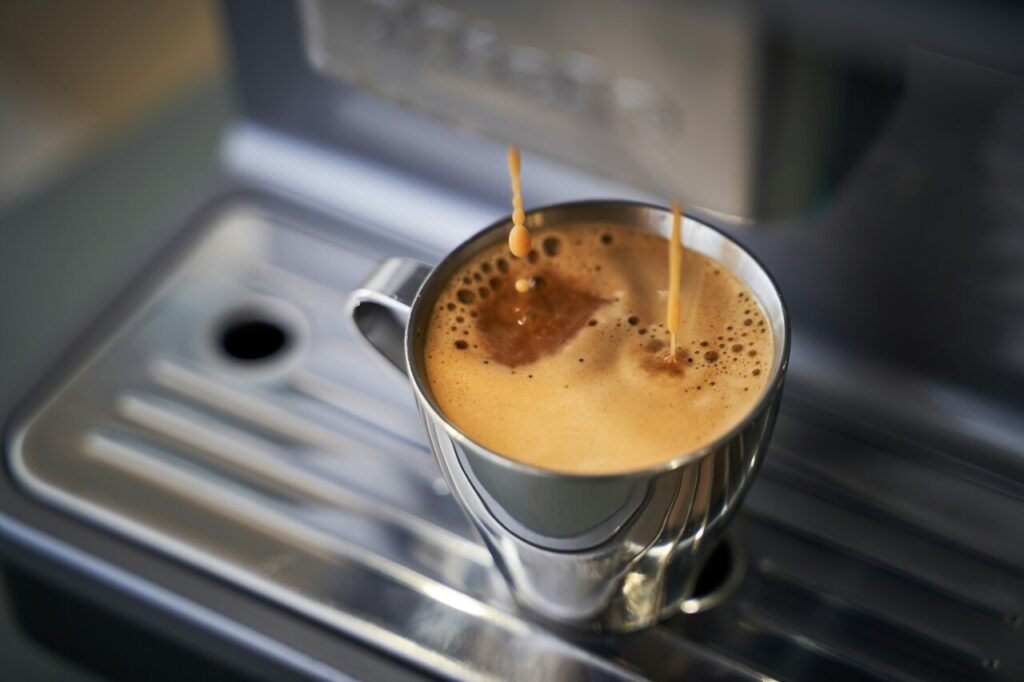
Classic diner coffee pots rarely stopped brewing, often sitting on warming burners for extended periods. Continuous heat kept the coffee hot, but gradually degraded the flavor as the liquid slowly evaporated.
As the moisture reduced, bitterness intensified, and fresh aromas disappeared. Prolonged heating essentially cooked the coffee repeatedly, creating stale, burnt notes that lingered long after brewing.
Customers arriving during slower hours frequently received cups brewed long before. Though convenient for service speed, constant reheating transformed fresh coffee into the burnt flavor many diners remember.
4. Robusta Beans Increased Harshness
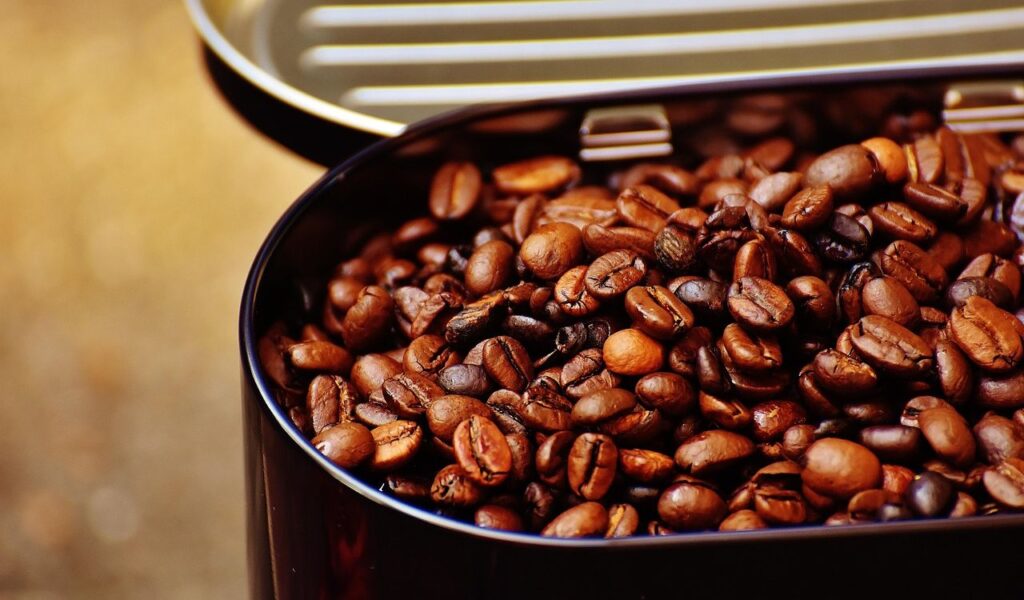
Many older diners relied on robusta beans because they cost less and produced stronger caffeine levels, making them attractive for establishments serving large customer volumes.
However, robusta coffee naturally contains harsher flavor compounds than smoother arabica beans. When brewed in bulk with minimal quality control, bitterness became even more pronounced.
Customers seeking quick caffeine fixes tolerated the taste, but flavor rarely impressed. Modern preferences for smoother blends reveal how robusta-heavy diner coffee often contributed to the burnt or unpleasant flavor memories.
5. Stale Grounds Damaged Flavor Before Brewing
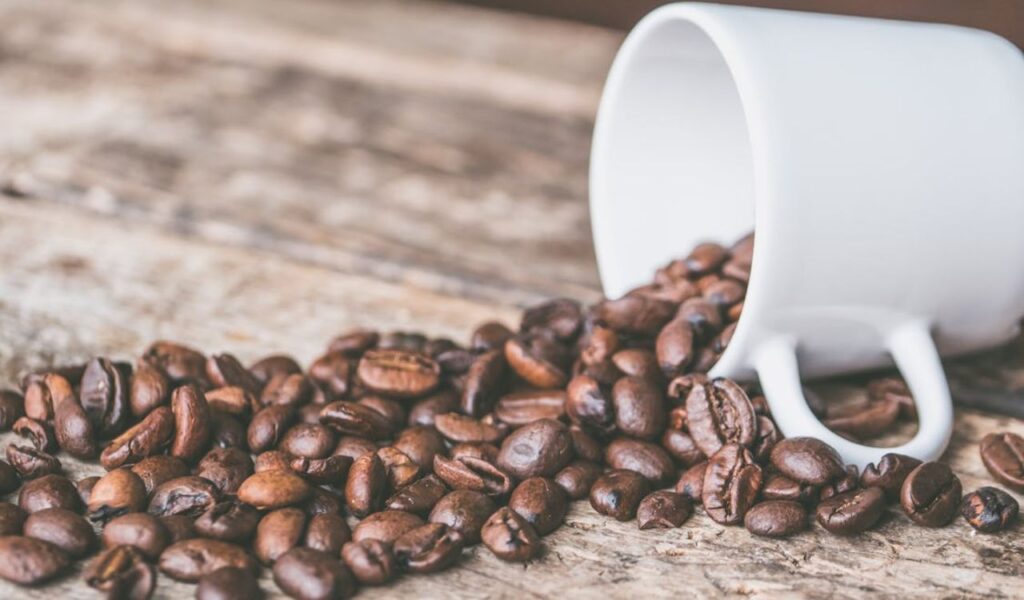
In busy kitchens, coffee grounds sometimes remained stored for extended periods without airtight protection. Exposure to air and moisture gradually degraded the freshness before brewing even began.
Once grounds stale, oils oxidize and flavor dulls, producing flat or bitter cups regardless of brewing technique. Coffee brewed from aging grounds often tastes lifeless and slightly burnt.
Because diners focused on speed rather than specialty preparation, freshness checks rarely took priority. Many customers, therefore, drank coffee whose flavor deteriorated before hot water ever touched the grounds.
6. Brewing Temperatures Sometimes Ran Too Hot
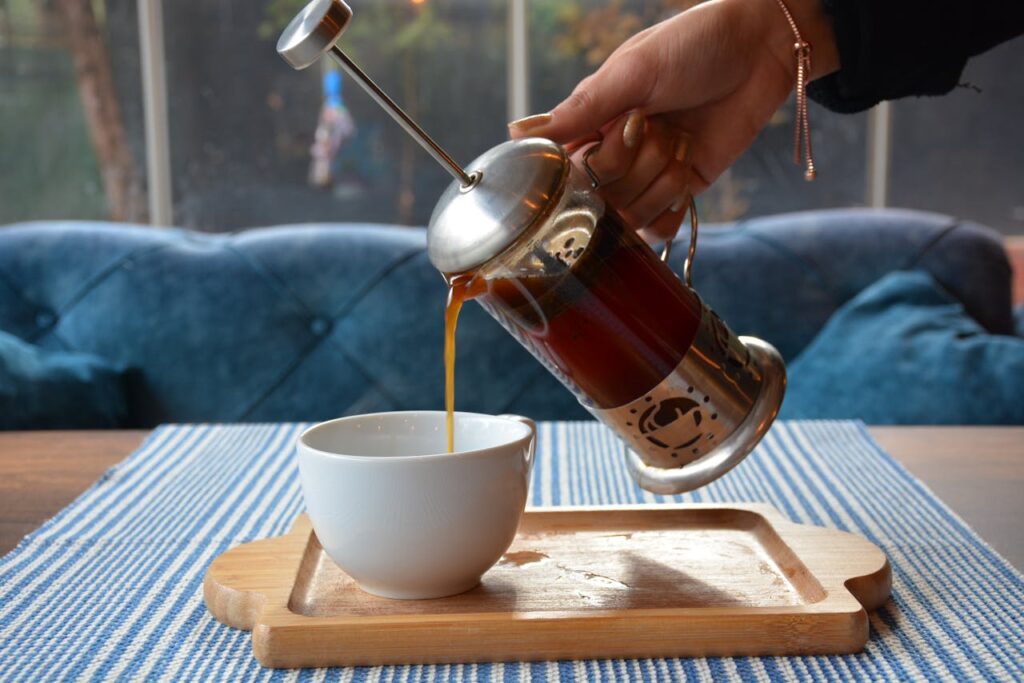
Coffee machines in older diners often lacked precise temperature control. Water sometimes exceeded recommended brewing temperatures, scalding grounds instead of gently extracting flavor.
Excessively hot water released unwanted compounds, producing harsh bitterness that many drinkers described as a burnt taste. Flavor complexity vanished under overly aggressive extraction. Temperature control plays a critical role in preserving sweetness and nuanced aromas.
Modern coffee standards emphasize precise temperature ranges, but earlier machines often prioritized speed and volume. Without temperature control, many diners’ brews unintentionally developed scorched flavors.
7. Over-Extraction Pulled Out Bitter Compounds
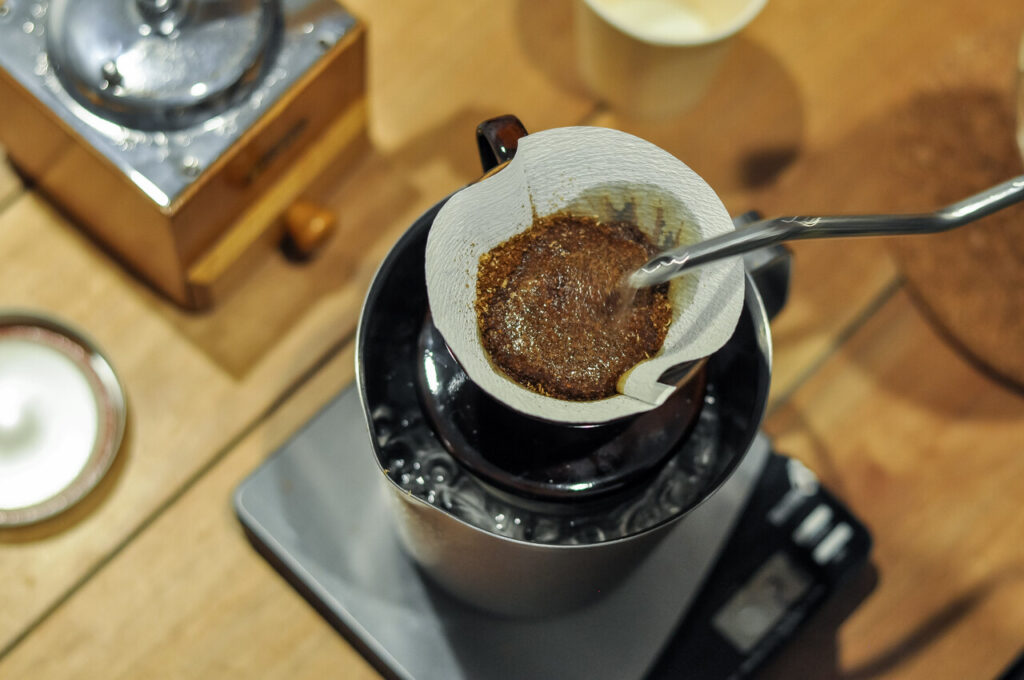
Coffee flavor depends on careful timing, yet diner brewing systems frequently allow water to stay in contact with grounds longer than ideal. This prolonged extraction pulled excessive bitterness into the final cup.
Instead of balanced flavor, coffee developed sharp edges and lingering unpleasant aftertastes. Drinkers interpreted this bitterness as a burnt flavor even though it stemmed from a brewing imbalance.
High-volume environments are rarely monitored for extraction closely. The need for a constant supply overshadowed fine control, leaving many cups tasting harsh compared with carefully brewed coffee served today.
8. Dirty Coffee Equipment Ruined Fresh Brews
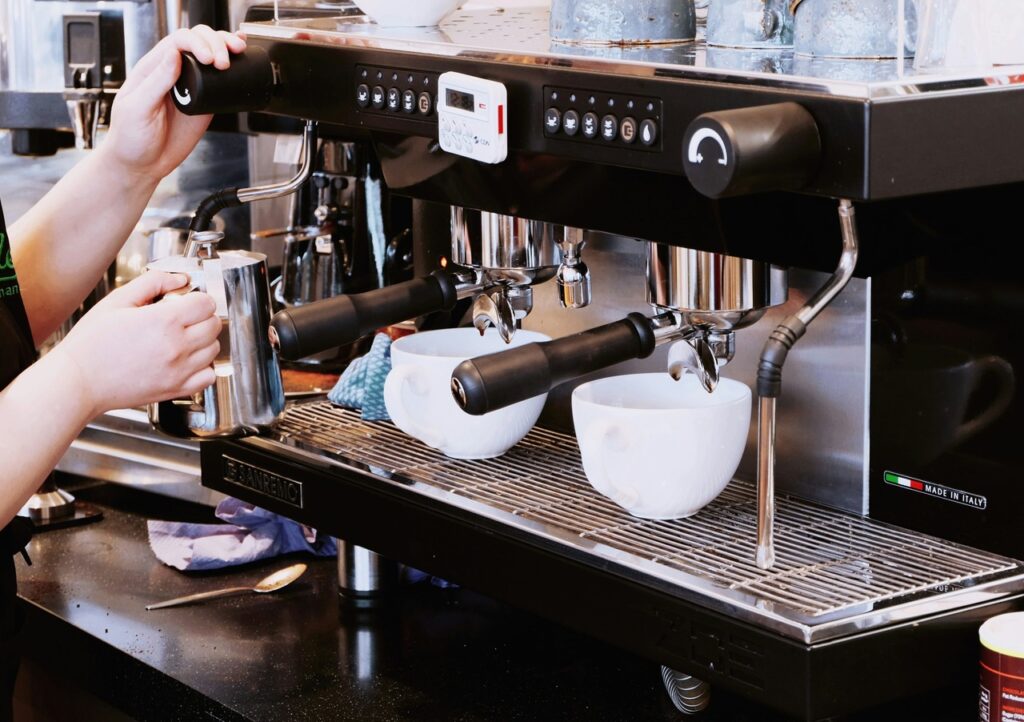
Coffee oils and residue accumulate inside pots and brewing equipment over time. Without regular deep cleaning, these deposits begin affecting flavor in subsequent batches.
In many diners, cleaning schedules focused on visible surfaces while internal components accumulated buildup. Residue inside spray heads and warmers also altered the extraction consistency over time. Regular deep cleaning restores flavor clarity and prevents old oils from tainting fresh batches.
Customers might never see the issue, yet taste reveals lingering contamination. Modern cleaning standards improved dramatically, but older diner routines sometimes allowed equipment residue to spoil otherwise fresh coffee.
9. Poor Water Quality Hurts Coffee Taste
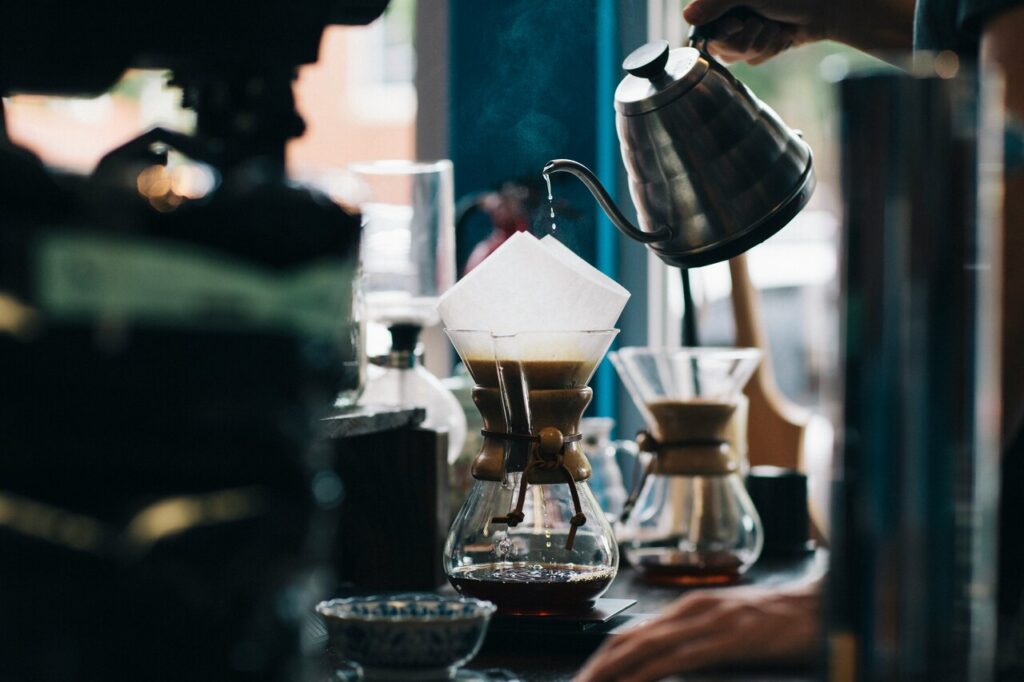
Water quality significantly influences coffee flavor, yet many diners rely on untreated tap water. Minerals and impurities interfered with extraction, exaggerating bitterness and muting desirable flavors.
Hard or chlorinated water often created unpleasant aftertastes, contributing to dull or burnt impressions even when coffee grounds remained acceptable. Improper filtration systems allowed mineral imbalances to interfere with extraction quality.
Only later did filtration systems become common in commercial kitchens. Earlier reliance on inconsistent water quality quietly worsened flavor, helping cement the reputation of diner coffee as burnt or bland.