10 Classic Midwest Dishes That Look Like a Horror Movie

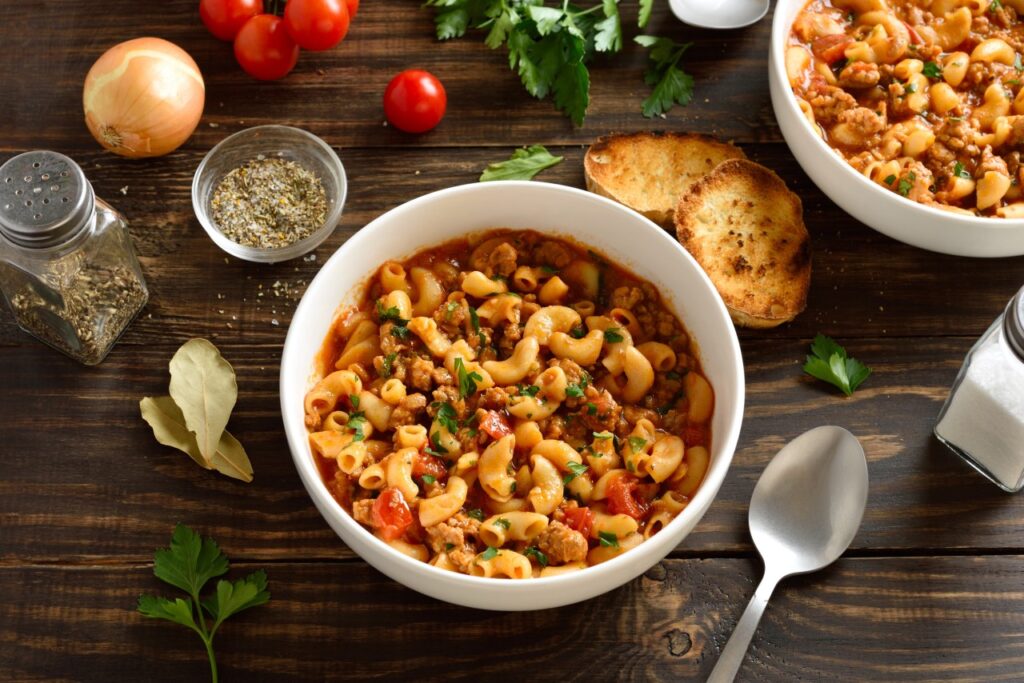
Midwestern comfort food has never chased glamour. It was built for church basements, family reunions, and long winters, where practicality mattered more than presentation. Many of these dishes were designed to stretch ingredients, travel well, and feed a crowd without fuss.
That practicality, however, can create appearances that surprise modern eyes. Glossy gels, creamy casseroles, and pale gravies do not always photograph like restaurant plates. Their textures and colors can look unusual at first glance.
Yet behind every odd cross-section or muted tone is history. These recipes reflect immigration patterns, pantry staples, and a culture of resourcefulness. What may look unsettling often tells a story of survival, thrift, and community.
1. Tuna Noodle Casserole
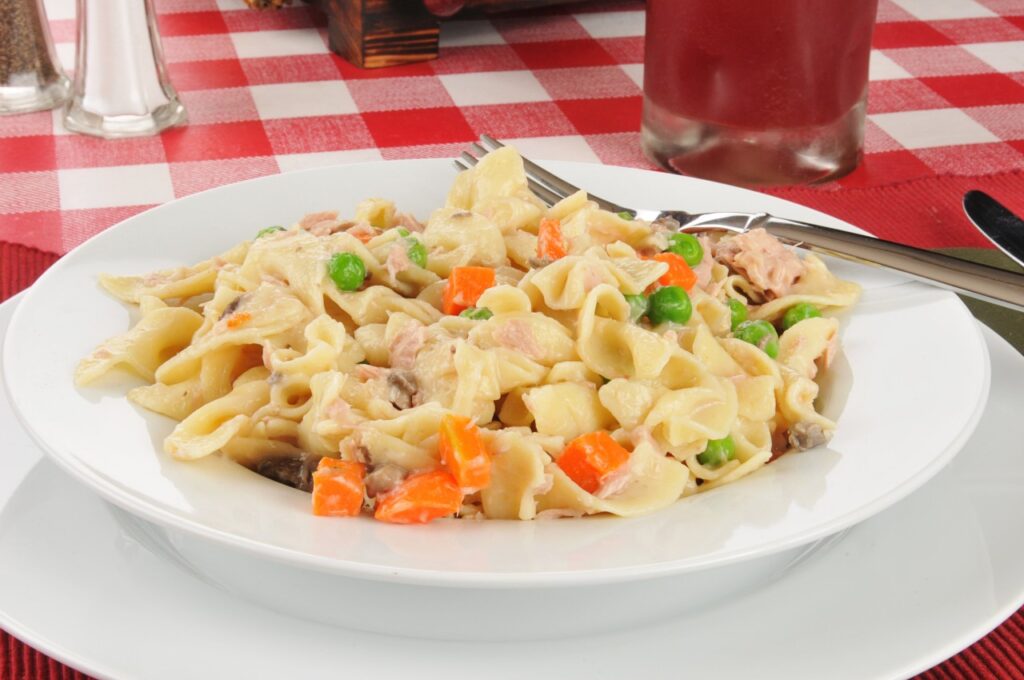
At first glance, tuna noodle casserole appears muted and monochrome. Egg noodles, canned tuna, and condensed soup blend into a creamy mixture that bakes into soft layers. The beige color does not offer much visual contrast.
Inside, the texture is thick and cohesive. Peas or mushrooms may add small pops of color, but overall the dish leans toward uniformity. The topping of crushed crackers or chips provides a golden crust that breaks the surface.
Its appearance reflects postwar efficiency. Pantry staples combined into one dish created a filling meal at low cost. While it may not look dramatic, it represents resourcefulness and comfort rather than visual appeal.
2. Ambrosia Salad
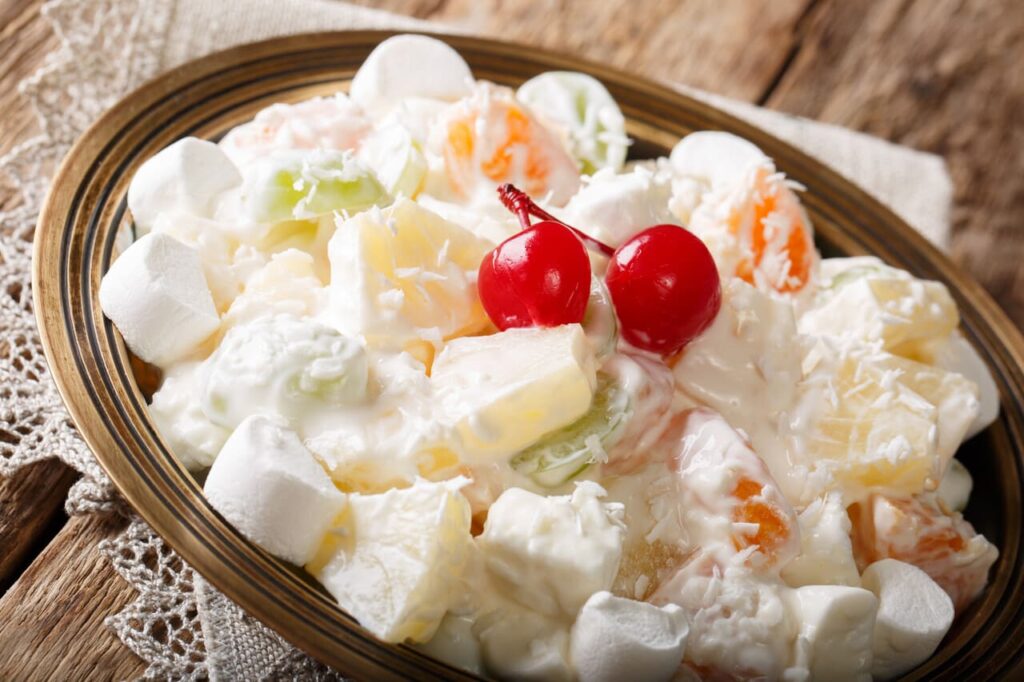
Ambrosia salad looks more like dessert than side dish. Fluffy whipped topping binds together canned pineapple, mandarin oranges, shredded coconut, and pastel mini marshmallows. The mixture is soft, airy, and pale.
The texture is creamy and studded with fruit pieces that glisten under light. Its pastel tones and sweetness can seem out of place alongside savory foods. Yet in many Midwestern homes, it appears at holiday tables without question.
The dish grew popular when canned fruit and packaged marshmallows became widely available. Its bright sweetness and soft texture offered contrast to heavier fare, even if its appearance feels whimsical to modern eyes.
3. Tater Tot Hotdish
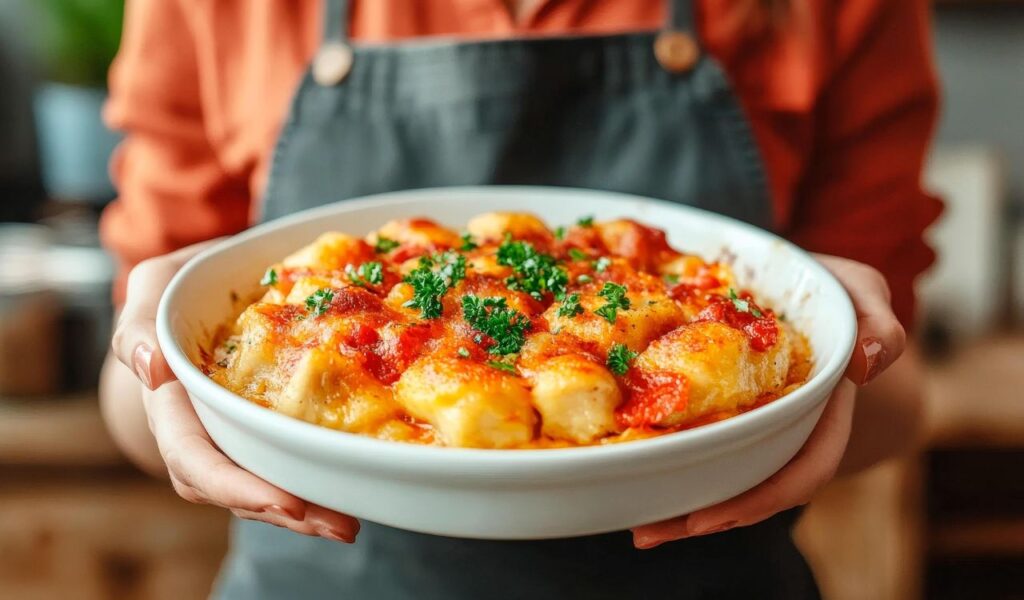
Hotdish is built in layers, and its top tells the story first. Frozen tater tots line the surface in neat rows, baking into a golden crust. Underneath, ground beef, vegetables, and cream soup form a dense interior.
When scooped, the inside reveals a soft, blended mixture that can look chaotic compared to the crisp top. The contrast between crunchy potatoes and creamy filling defines the experience.
Its look reflects practicality. Everything bakes together in one pan, conserving time and dishes. While the interior may appear heavy, it delivers warmth and familiarity that explains its enduring popularity.
4. Pickle Roll-Ups
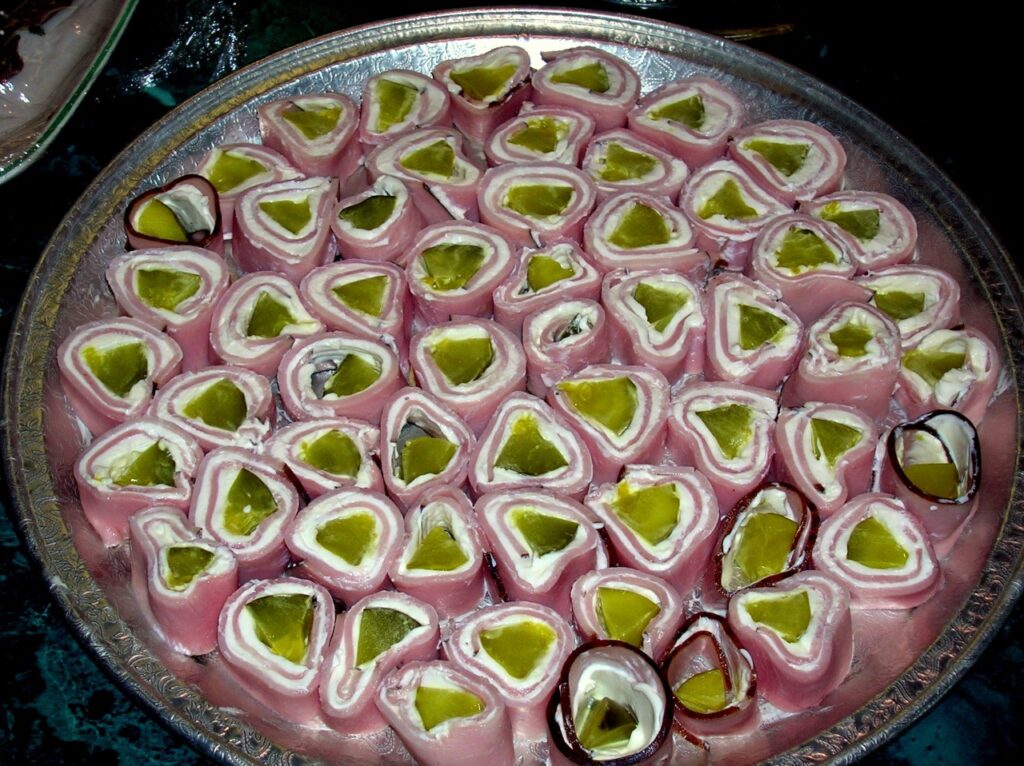
Few appetizers reveal their structure as clearly as pickle roll-ups. A whole dill pickle forms the core, wrapped in a thick layer of cream cheese and sealed inside a slice of deli ham. When sliced into rounds, each piece displays a bright green center framed by pale filling and pink meat.
The visual contrast can look dramatic, especially arranged tightly on a platter. The glossy pickle surface catches the light, while the creamy layer creates a sharp color boundary that feels almost graphic.
Despite the bold appearance, the ingredients are simple and practical. The combination balances salt, tang, and fat. What looks unusual is really just clean layering, creating a snack that is visually striking but straightforward in flavor.
5. Snickers Salad
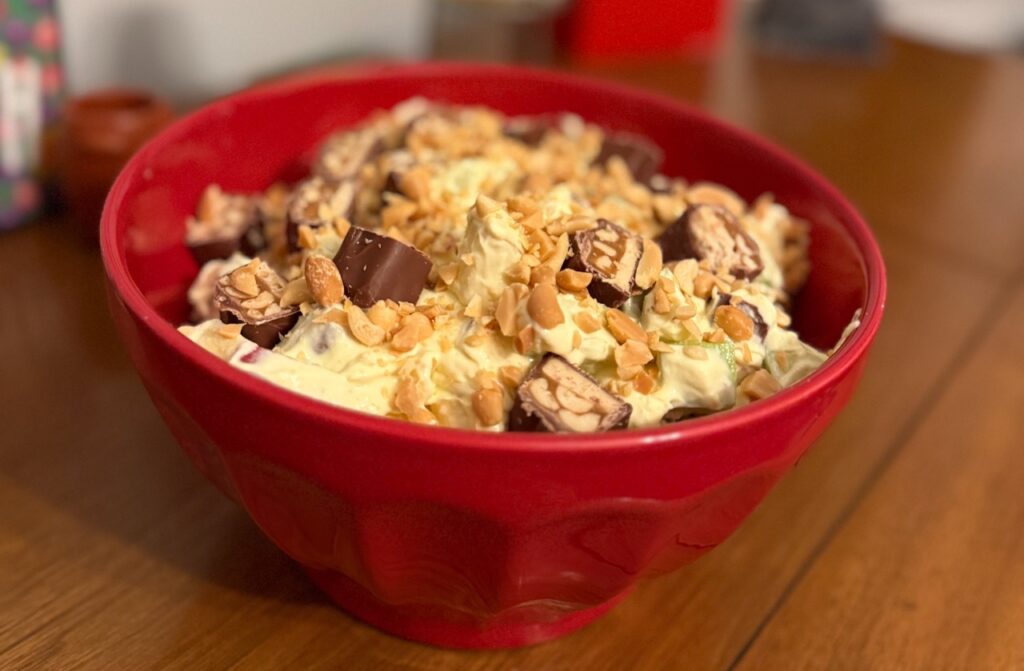
Snickers salad blurs the line between dessert and side dish. Chopped candy bars are folded with sliced apples and whipped topping, forming a chunky mixture that looks playful and slightly chaotic in the bowl.
Caramel streaks and chocolate pieces interrupt the pale cream base, while apple slices add texture and subtle freshness. The uneven mix gives it a busy appearance that can surprise first time diners.
Its roots lie in potluck creativity. Affordable candy and fruit combined into a sweet treat that could feed many people. The look may seem unconventional, but the flavors rely on familiar sweetness and contrast.
6. Lutefisk
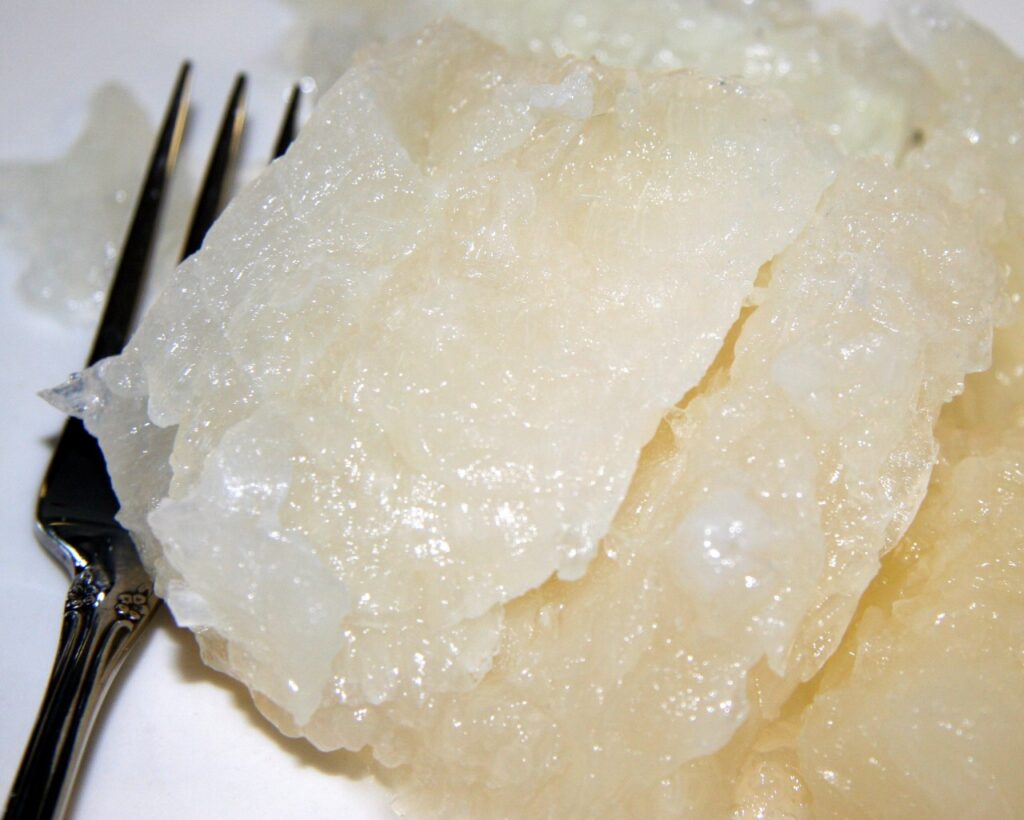
Lutefisk carries an appearance that often prompts hesitation. The fish, made from dried cod rehydrated and treated with lye, develops a soft, gelatinous texture once cooked. Its surface can look glossy and slightly translucent.
When served, the flesh appears delicate and pale, breaking apart easily under a fork. The texture differs from baked or fried fish, creating a visual that feels unfamiliar to those unaccustomed to it.
Yet lutefisk reflects preservation traditions from Scandinavian communities. Treating and drying fish allowed storage through long winters. Its distinctive look is the result of that method, shaped by climate and history rather than novelty.
7. Head Cheese
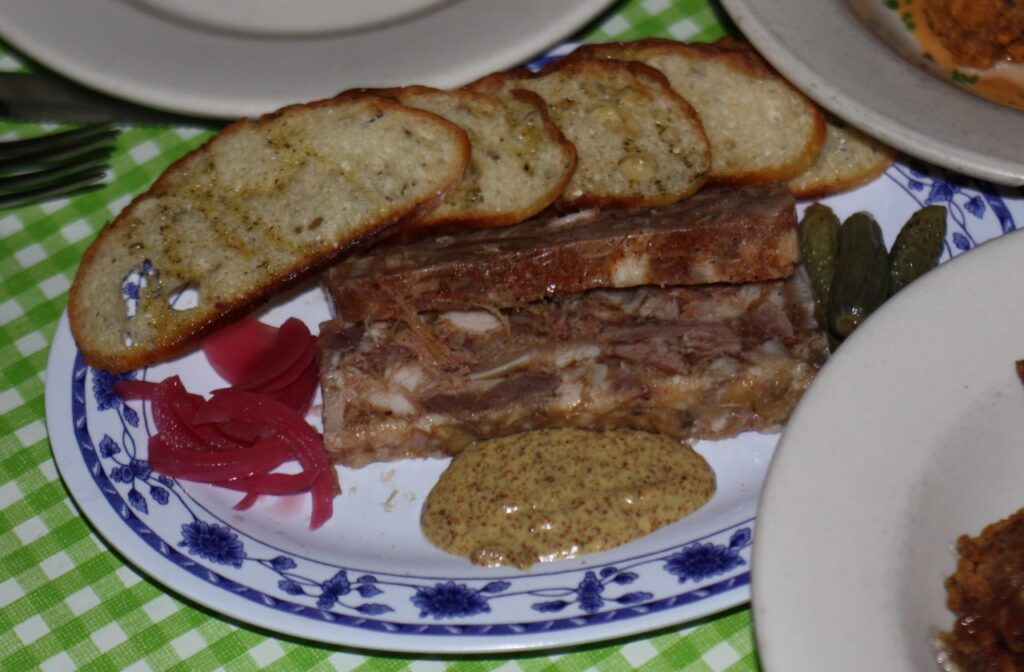
Head cheese is a study in structure. Pork cuts rich in collagen are simmered until natural gelatin releases into the broth. Once cooled, the mixture sets into a firm loaf, holding pieces of meat in suspended clarity.
When sliced, the cross section reveals distinct shapes embedded in clear aspic. The glossy finish and visible components can look intricate and slightly startling at first glance.
The preparation reflects resourcefulness. Using collagen rich parts ensured nothing was wasted. The firm texture and preserved form were practical advantages. Its striking appearance is simply the visible result of traditional preservation techniques.
8. Sauerkraut Balls
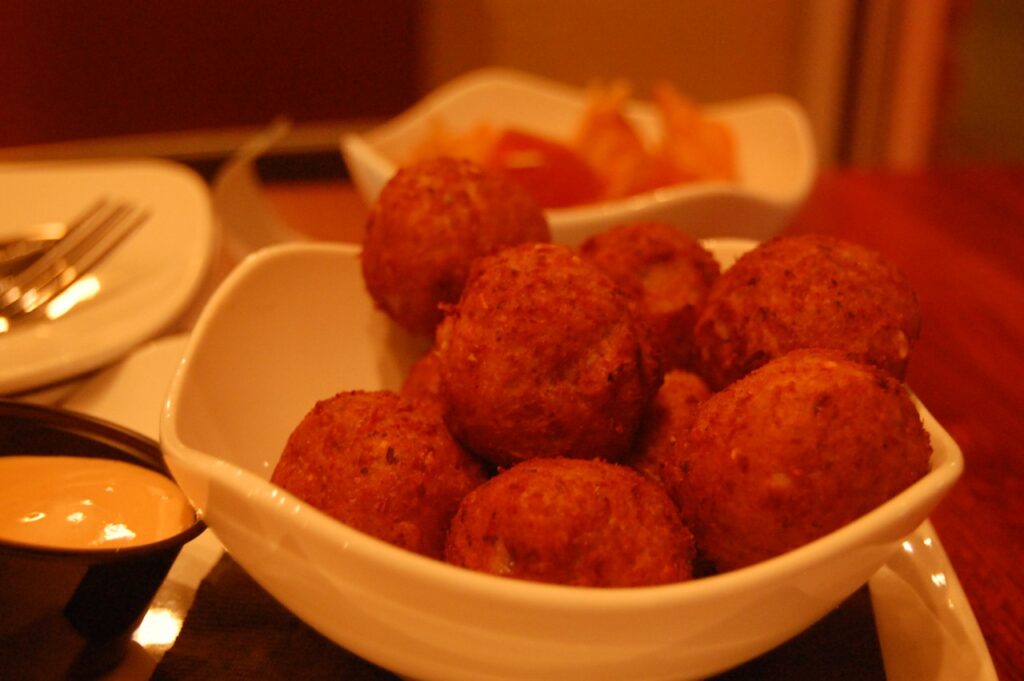
Sauerkraut balls appear simple on the outside. Their crisp, golden coating resembles many other fried appetizers. The surprise comes after the first bite, when the pale filling of sauerkraut and meat is revealed.
Inside, the texture is soft and tangy, contrasting sharply with the crunchy shell. The light colored interior can seem dense against the crisp exterior.
These bites reflect German and Eastern European influence in Midwestern cooking. Fermented cabbage provided flavor and preservation. The unusual interior look is a direct result of that heritage, shaped by necessity rather than spectacle.
9. Swedish Meatballs in Cream Sauce
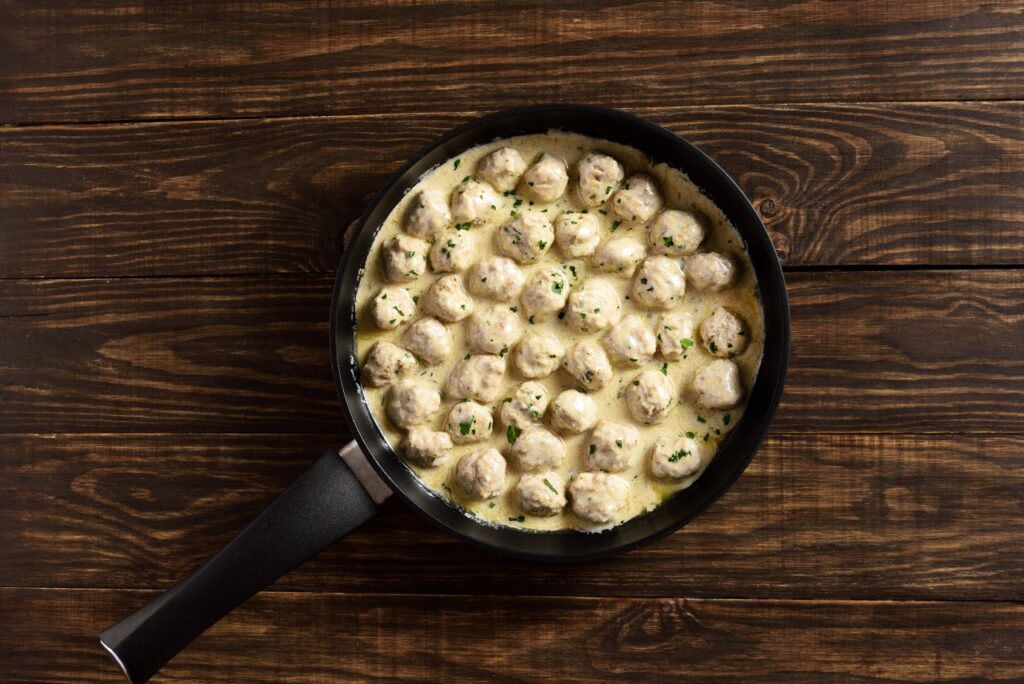
At first glance, Swedish meatballs in cream sauce can seem visually restrained. Small, evenly browned meatballs sit in a thick, pale gravy that leans beige rather than vibrant. Without herbs or colorful vegetables on top, the plate can look monochromatic and soft in tone.
The sauce clings closely to each meatball, smoothing over texture and creating a uniform surface. Light reflects gently off the creamy coating, giving the dish a muted appearance that lacks sharp contrast.
That subdued look reflects its composition. The sauce is built from broth and cream, thickened to highlight richness rather than color. The visual simplicity mirrors the flavor profile, which focuses on warmth, balance, and subtle seasoning instead of bold presentation.
10. American Goulash
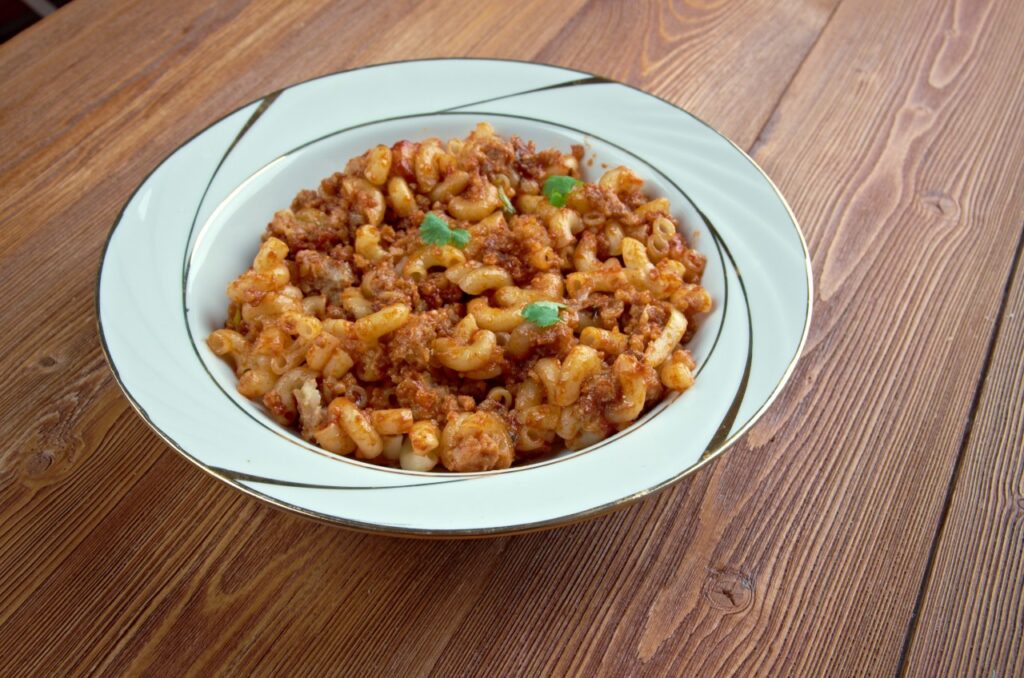
American goulash does not attempt visual drama. Elbow macaroni, ground beef, and tomato sauce cook together in one pot, blending into a thick, cohesive mixture. The dominant red tone gives the dish a solid, almost uniform appearance.
As it rests, the pasta absorbs more sauce and settles into a dense texture. Individual components become less distinct, creating a hearty scoop that looks compact rather than layered or airy.
Its appearance is tied to its function. Designed to stretch pantry staples into a filling meal, the dish prioritizes substance over style. The heavy, unified look reflects its role as practical comfort food built for families rather than display.