8 TikTok Swicy Dishes You’re Cooking All Wrong in 2026

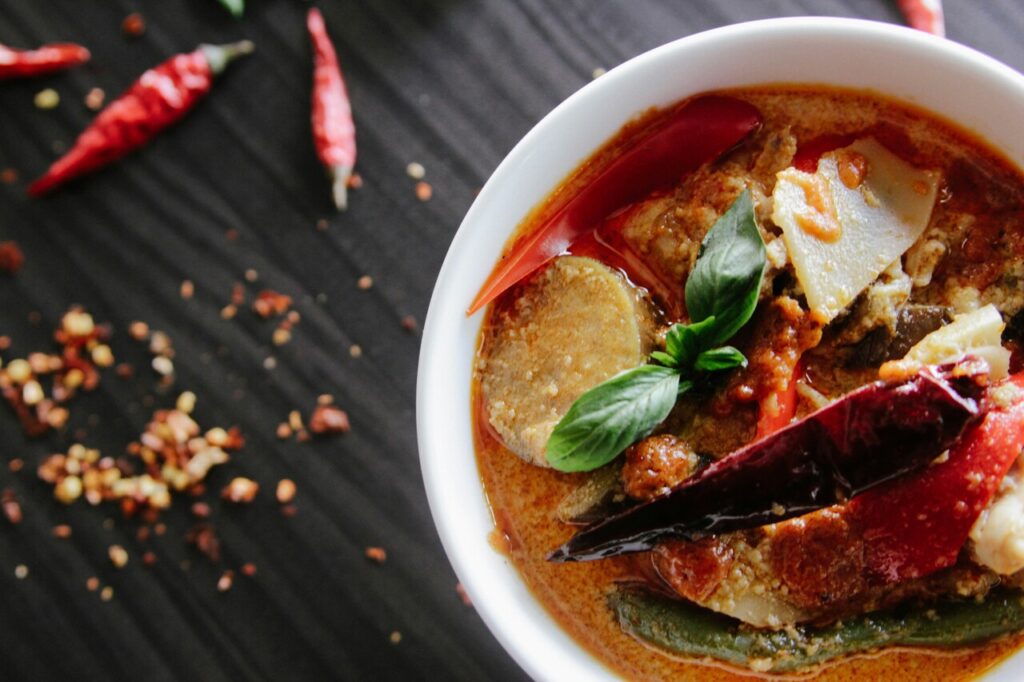
Swicy dishes dominate TikTok feeds, promising bold flavors and easy recipes anyone can recreate at home, yet many viral versions skip details that make the difference between delicious and disappointing. Small mistakes with heat balance, cooking timing, and sauce preparation often leave dishes too spicy, soggy, or flat instead of crave-worthy. As these recipes continue trending into 2026, understanding technique matters more than copying clips, helping home cooks turn viral ideas into meals that actually taste great.
1. Spicy Ramen Lasagna
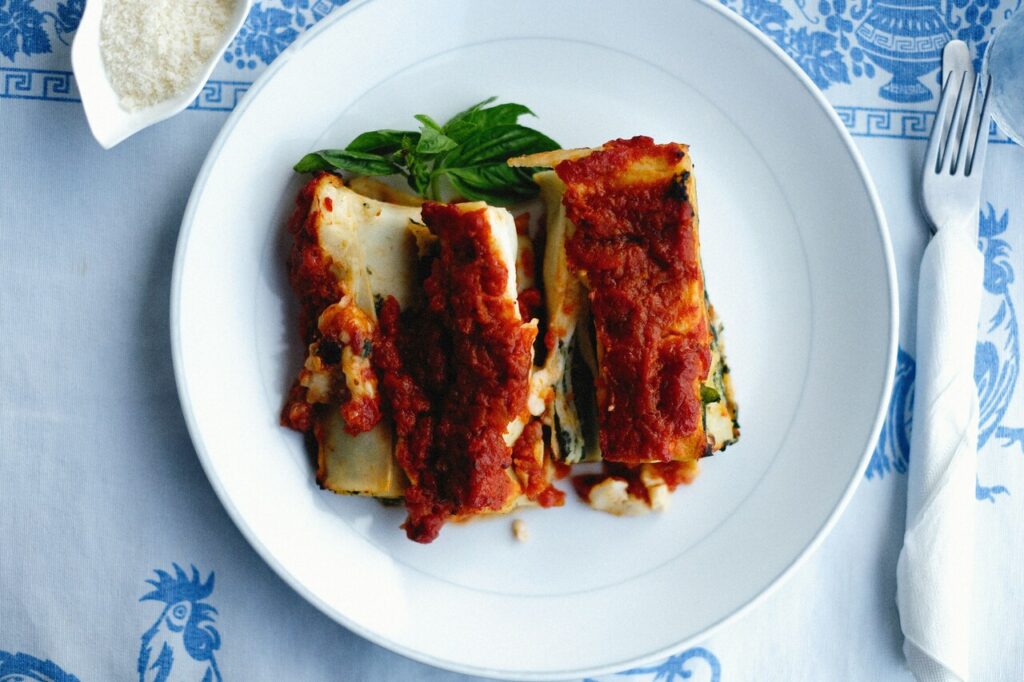
Ramen lasagna became popular because it combines comfort food with viral creativity, swapping traditional pasta sheets for instant noodles layered with spicy sauces and cheese. The idea looks dramatic online, yet many home cooks overlook how the ramen texture changes once baked.
Instant noodles cook quickly and can turn mushy if layered without adjustment. Successful versions usually partially cook noodles or reduce sauce moisture so layers remain distinct instead of collapsing into a soft mass that lacks structure.
Many recipes overload chili sauce without considering the salt already present in ramen seasoning packets. Proper versions control both spice and salt, allowing flavors to stay bold without becoming overwhelming or one-dimensional.
2. Hot Honey Glazed Chicken
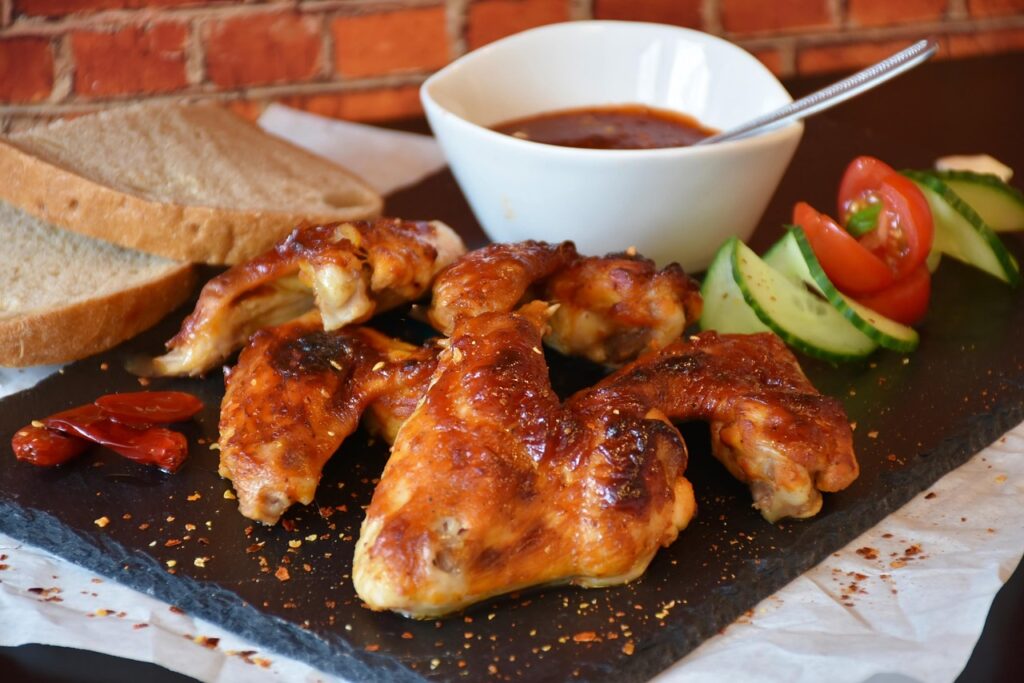
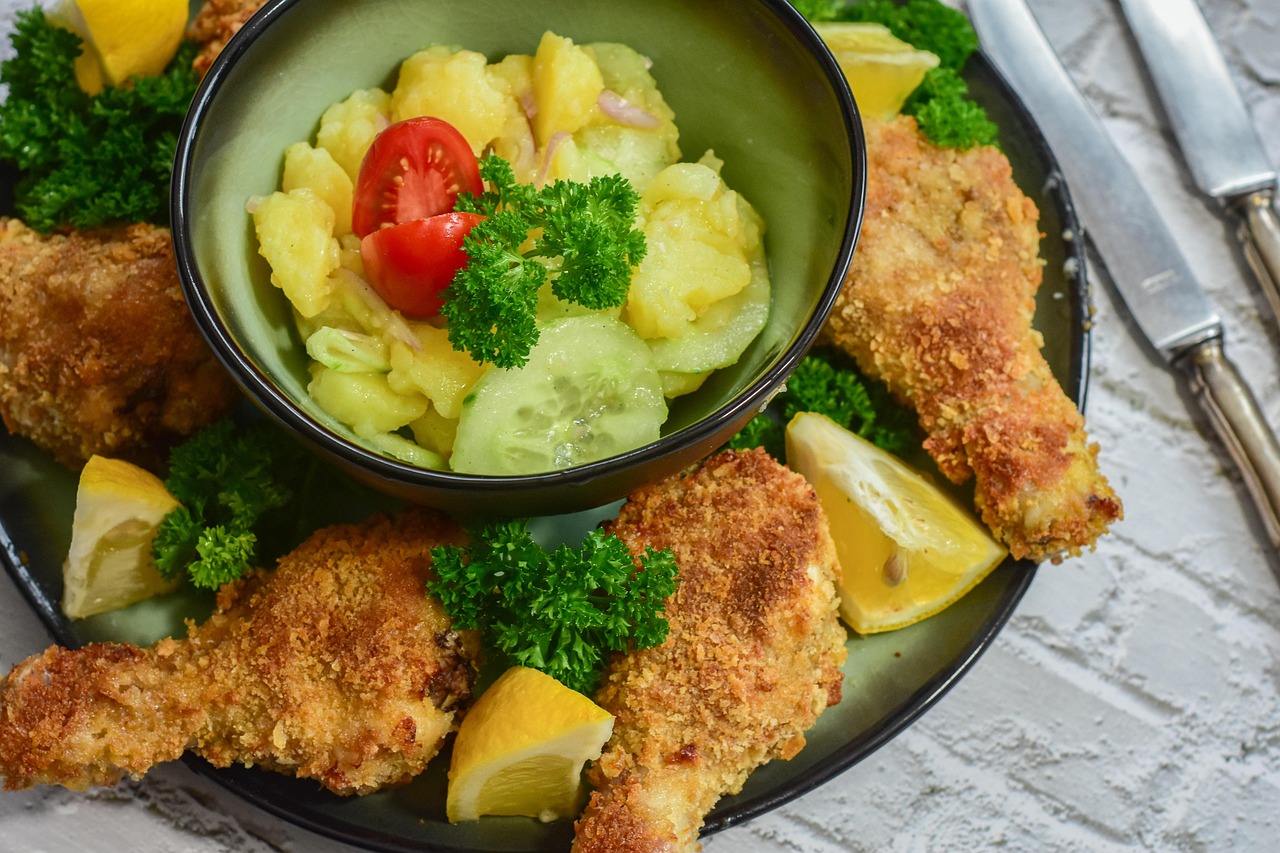
Hot honey chicken thrives on the contrast between crispy skin and sweet heat, yet viral recipes often rush technique in favor of speed. Many cooks coat chicken too early, causing sugars in honey to burn before the meat cooks properly.
Proper preparation requires glazing near the end of cooking, allowing sugars to caramelize rather than scorch, and applying sauce too soon results in a darkened coating with bitter notes instead of sticky sweetness.
Another issue involves spice control. Simply mixing honey with hot sauce lacks depth, while better versions infuse chili flakes or fresh peppers into honey. Balanced heat enhances flavor rather than masking the chicken beneath sticky sweetness.
3. Buldak Fire Chicken
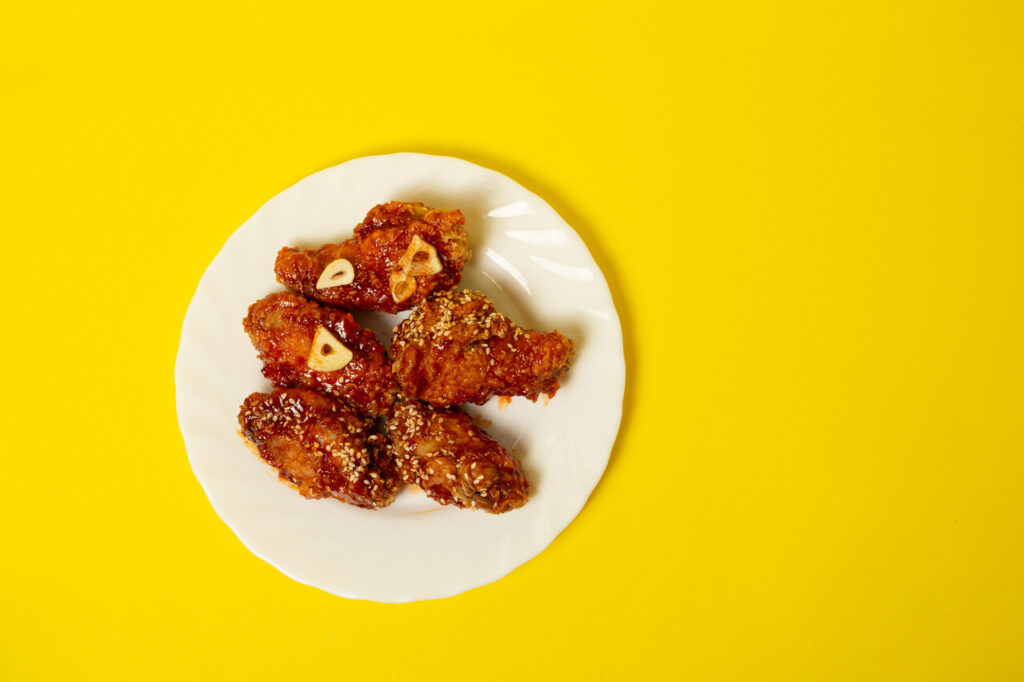
Buldak gained worldwide fame through Korean spicy food challenges, yet its appeal lies not only in heat but in careful seasoning and texture. Many recreations miss this balance by focusing purely on spice intensity.
Authentic preparation marinates chicken in spicy sauce before cooking, allowing flavor to penetrate rather than sit on the surface. Overcooking dries meat, making spice feel harsher without a juicy texture to balance it.
Heat alone does not define buldak. Proper versions combine sweetness, garlic, and soy alongside chili paste, creating layered flavor. Viral recreations sometimes forget these elements, leaving dishes tasting flat despite impressive spice levels.
4. Spicy Pickled Garlic
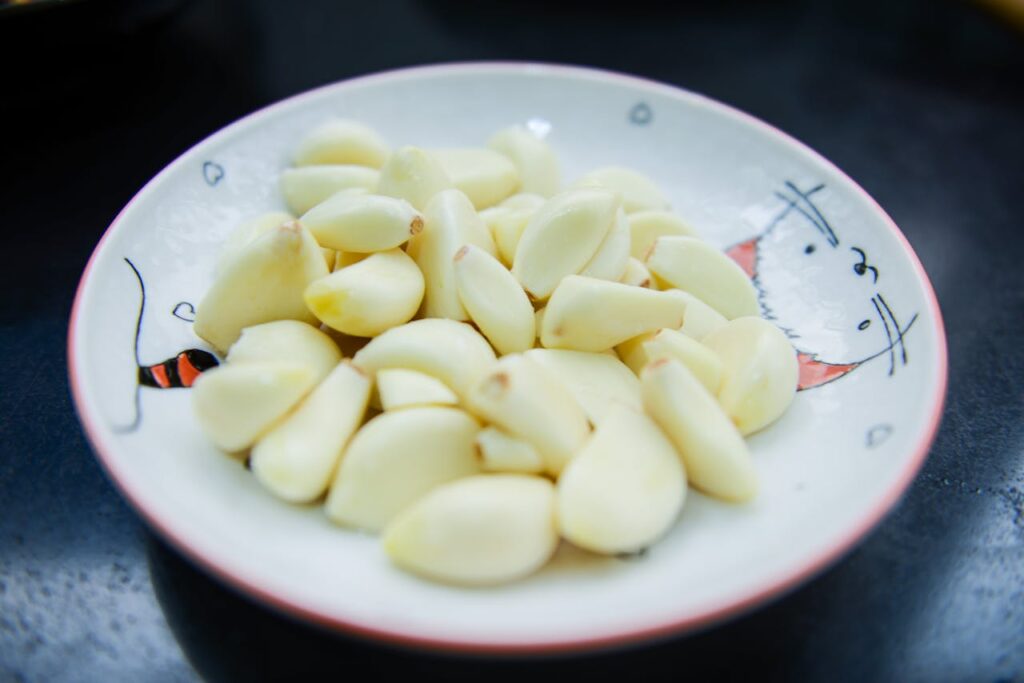
Spicy pickled garlic jars became viral due to dramatic color changes and crunchy textures, yet home attempts often misjudge acidity levels, leaving cloves either harshly sour or unpleasantly sharp.
Correct pickling requires balanced vinegar, sugar, and salt ratios so garlic mellows while still retaining bite. Too little acidity risks spoilage, while excessive vinegar overwhelms natural sweetness.
Time also matters. Freshly pickled garlic tastes aggressive, while resting periods allow flavors to settle. Viral videos rarely emphasize patience, yet proper pickling produces balanced heat and tang rather than overwhelming pungency.
5. Spicy Hot Honey Pizza
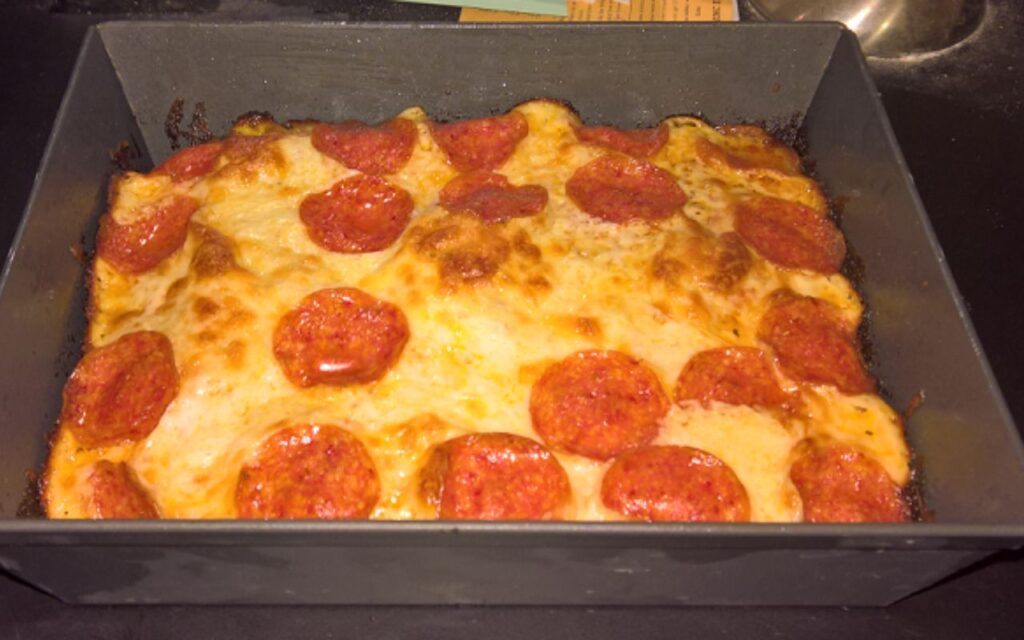
Sweet and spicy pizza toppings dominate online food trends, yet home cooks often misuse hot honey by drenching slices before baking. Heat breaks down sweetness, leaving flavors muted rather than balanced.
Professional kitchens drizzle honey after baking, preserving sweetness while allowing spice to accent salty cheese and cured meats. Timing ensures flavor contrast rather than sticky oversaturation.
Distribution matters as well. Uneven drizzle creates bites alternating between bland and overwhelming. Controlled application ensures each slice carries balanced sweetness and heat, allowing toppings and crust to remain the main attraction.
6. Chamoy-Style Spicy Snacks
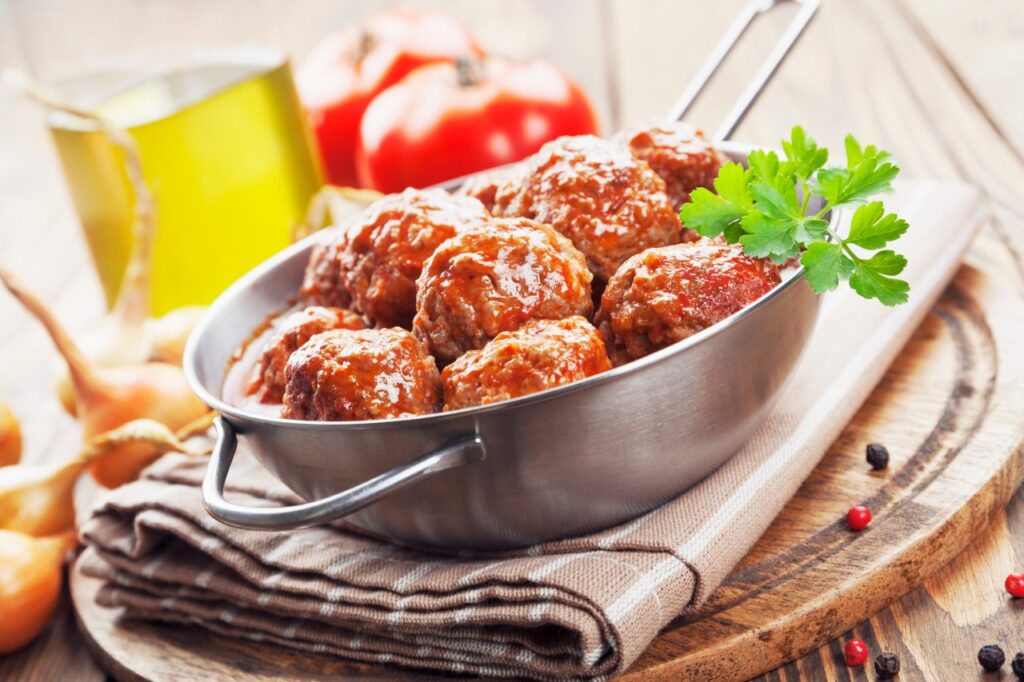
Chamoy-coated snacks appear everywhere on social media, yet recreations often ignore the sauce’s complex flavor. Many focus only on chili powder while skipping the sweet and sour components that define chamoy.
Authentic chamoy blends fruit, acidity, salt, and chili, producing a layered flavor. Simply adding hot sauce or chili powder to chips results in one-note heat without the tangy sweetness fans expect.
Texture also matters. Over-saucing makes snacks soggy rather than crunchy. Proper versions coat lightly, allowing crispness to remain while delivering balanced sweet, sour, and spicy notes in every bite.
7. Spicy Mayo Rice Bowls
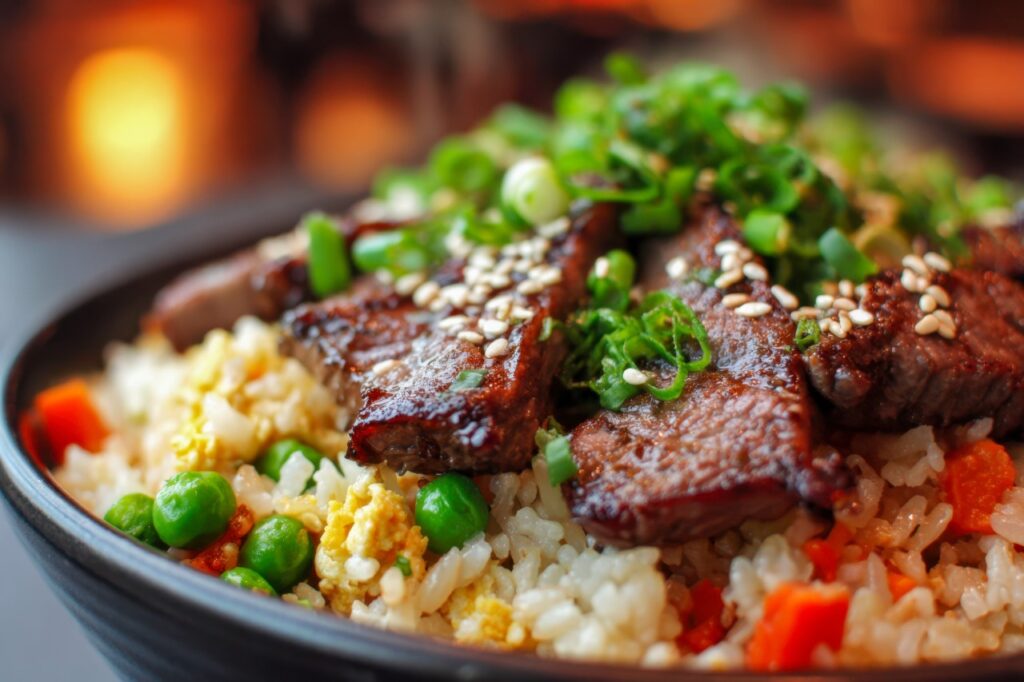
Spicy mayo bowls gained traction because they feel customizable and easy, yet sauce preparation often goes wrong. Many cooks thin mayonnaise excessively, creating watery sauces that slide off rice instead of coating ingredients.
Balanced versions mix chili sauce, acid, and mayo carefully, producing creamy heat without overpowering seafood or vegetables. Ratio mistakes lead either to bland creaminess or harsh spice lacking richness.
Ingredient temperature also affects results. Hot rice melts sauce too quickly, making dishes greasy rather than creamy. Slight cooling preserves texture, allowing spicy mayo to remain silky and evenly distributed across bowls.
8. Spicy Wine Infusions

Spicy wine trends shocked many drinkers, yet improper preparation leads to harsh, vegetal flavors rather than gentle warmth. Simply dropping chili peppers into wine overwhelms delicate aromas.
Proper infusion requires brief steeping or controlled infusion, allowing mild heat to complement fruit notes instead of dominating. Removing peppers early prevents bitterness and excessive spice buildup.
Balance remains crucial. Wines already high in acidity pair best with subtle chili warmth, while heavy heat masks flavors entirely. Successful spicy wine versions treat heat as an accent rather than a spectacle, preserving drinkability while adding novelty.