7 Reasons New York Tap Water Is Not the Magic Ingredient

Few culinary myths travel as far as the claim that New York tap water is the secret behind its legendary bagels and pizza. The story is simple and satisfying. Soft water flows from protected reservoirs, and somehow that alone creates perfect chew and crust.
It is an appealing idea. A city known for its food must have a hidden advantage, and water feels elemental enough to carry that weight. The narrative blends science with pride, turning infrastructure into folklore.
But dough is shaped by far more than geography. Mineral content, fermentation time, flour quality, and technique all work together. When you separate chemistry from nostalgia, the role of water becomes clearer and far less mystical.
1. It’s Filtered and Treated Like Other Municipal Water
New York City’s water earns praise for clarity and taste, but it is not raw spring water poured straight into dough. Like other major urban systems, it is treated, filtered, and disinfected to meet health standards. Chlorine or chloramine is added to control bacteria as water travels through pipes before reaching a faucet.
That treatment influences chemistry. Even in low amounts, disinfectants interact with minerals and trace organic matter. Bakers using municipal water often filter or adjust it before mixing dough to maintain steady results.
The strength of NYC water lies in careful management and infrastructure, not mystique. Its reliability matters, but it is not magical, nor does it transform flour into exceptional bread on its own.
2. Mineral Content Varies by Location
The idea of a single perfect New York water profile overlooks natural variation. The city draws from the Catskill and Delaware watersheds, and mineral levels shift with rainfall, reservoir conditions, and seasonal change. Calcium and magnesium levels are measurable but not fixed.
These minerals affect hardness, which influences gluten development. Harder water can tighten gluten strands, while softer water allows a looser structure. Even across boroughs, subtle mineral differences can appear.
Serious bakers track these changes instead of assuming uniform perfection. Filtration and mineral adjustments are common. The belief that every tap in New York delivers identical, flawless water belongs more to folklore than chemistry.
3. Many Cities Have Similar Water Profiles
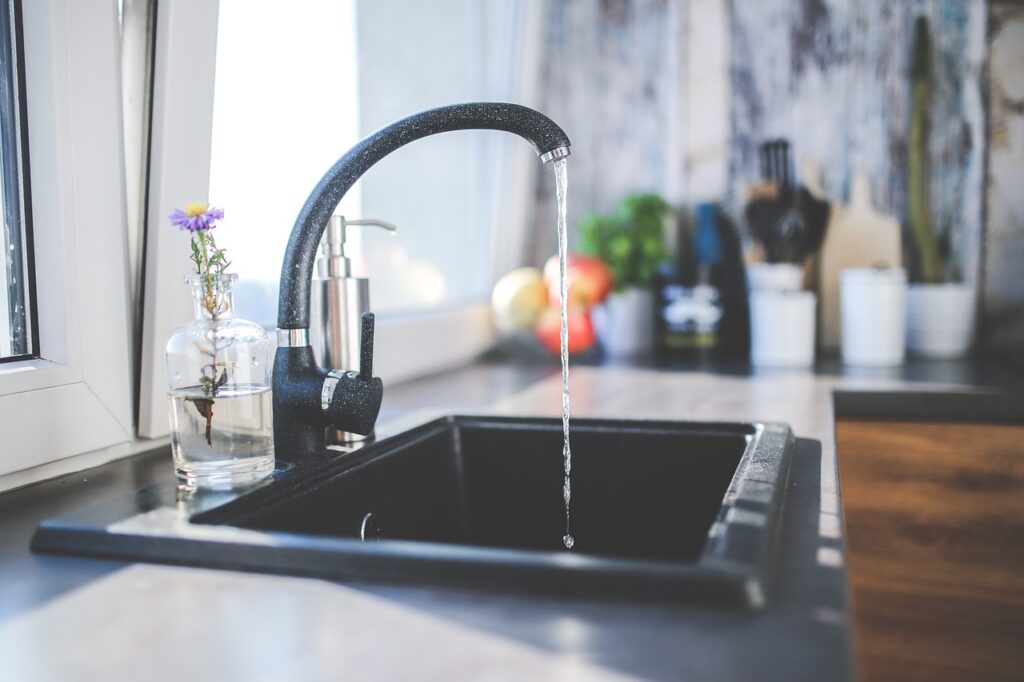
New York’s water often gets singled out, but it is not the only city with soft to moderately soft water that can support good dough texture. Cities like Seattle, Denver, and parts of the Midwest have water with comparable mineral balances, depending on treatment and source.
What matters most to bakers are factors like consistent pH, moderate mineral content, and the absence of high levels of contaminants, all of which improve fermentation predictability.
Because other municipal systems can and do produce similar profiles, skilled bakers outside New York can replicate those conditions with filtration and mineral adjustments. This shows that excellent bagels or pizza do not require geography, just careful water management.
4. Baking Depends More on Technique Than Water Alone
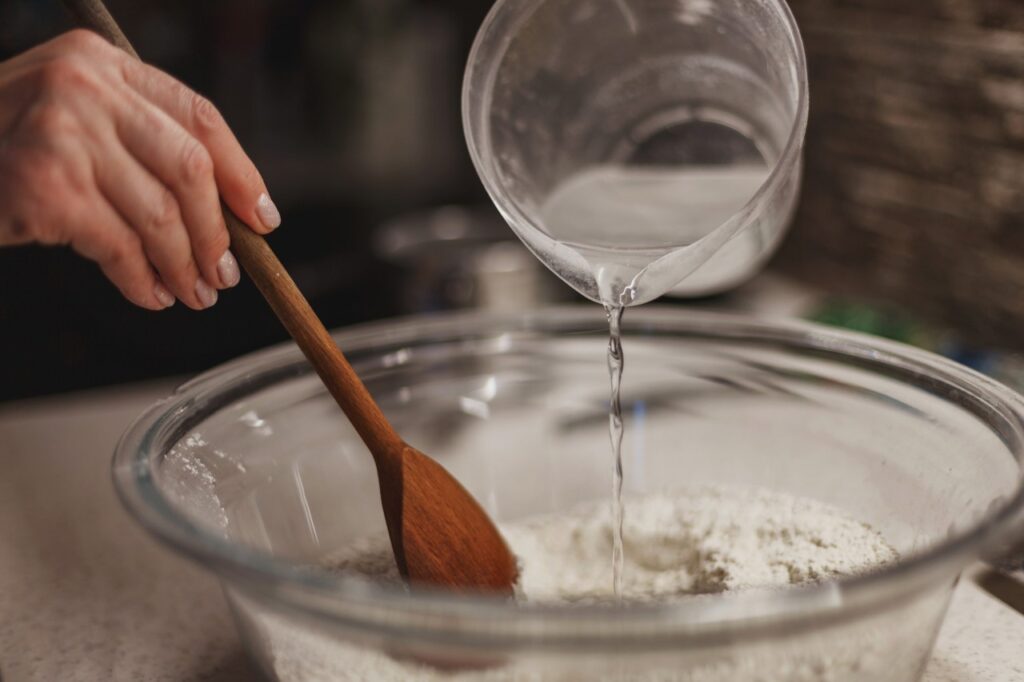
The myth of water as the defining secret overlooks the much greater impact of technique. Dough texture and flavor develop through gluten formation, fermentation time, temperature control, and handling. Water plays a role in these processes, but it is only one variable among many.
Long, slow fermentation improves flavor complexity and structure. Precise mixing and resting build gluten strength. Temperature control during proofing and baking shapes final crumb texture.
Even with water that is slightly different from New York’s, bakers can achieve classic chew and crust by mastering these fundamentals. Technique and consistency outweigh the marginal effects of water mineral content alone.
5. Professional Bakers Adjust Water Anyway
In commercial bakeries, New York included, professionals do not simply rely on whatever comes from the tap. Many use filtration systems or monitor mineral content regularly. Hard water may be softened, and certain minerals may be added intentionally to achieve target gluten behavior.
This proactive management is not unique to NYC, nor is it mysterious. It is part of understanding how water chemistry interacts with flour quality and fermentation.
By treating water as an ingredient to be measured and adjusted, bakers can maintain consistency. This practical approach undermines the idea that unmodified New York tap water alone is a culinary secret.
6. Taste Perception Is Influenced by Tradition
The belief in New York water’s magic is as much cultural as culinary. Bagels, pizza, and bread from New York have deep roots in immigrant communities and decades of refined technique. Nostalgia, identity, and memory all shape how people describe taste and texture.
When someone from another region tastes bread made with NYC water, part of their perception may be shaped by the reputation rather than a measurable chemical advantage.
This psychological layer does not diminish the genuine quality many find in New York baked goods, but it highlights that expectation and tradition influence how water is credited. Flavor perception is a blend of experience, memory, and context, not water alone.
7. Replication Has Been Proven Possible
Experts and artisan bakers around the world have tested the idea that New York water is uniquely superior. Many have successfully recreated similar dough characteristics by adjusting mineral content and fermentation methods, even without New York water.
By using filtered water, carefully balancing hardness, and focusing on fermentation and handling, bakers can achieve chew and crust similar to New York style. These results underscore that water is a factor, but not a gatekeeper to great bread.
This practical replication points to skill and science as the real drivers of quality, not geography. Great bagels and pizza are about technique, consistency, and control more than the origin of water alone.