8 Southern BBQ Traditions That Are Actually Just Laziness

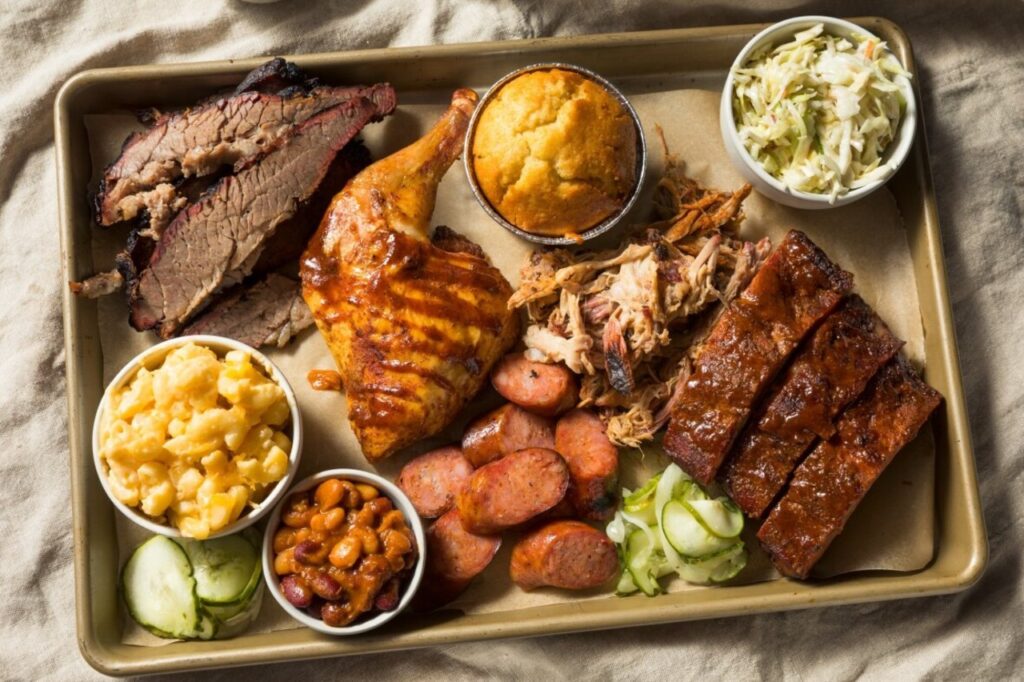
Southern barbecue carries deep history, regional pride, and generations of technique passed from pit to pit. Slow smoke, steady heat, and patience define the craft. When done well, it produces meat that is tender, balanced, and rich with clean wood flavor.
Yet not every plate that calls itself barbecue honors that discipline. Shortcuts, rushed timing, and heavy handed seasoning can blur the line between tradition and convenience. What looks rustic can sometimes mask avoidable missteps.
Understanding the difference requires looking closely at fire management, texture, and balance. When you separate time tested practice from modern shortcuts, the debate becomes less about style and more about skill.
1. Relying on Heavy Sauce to Cover the Meat
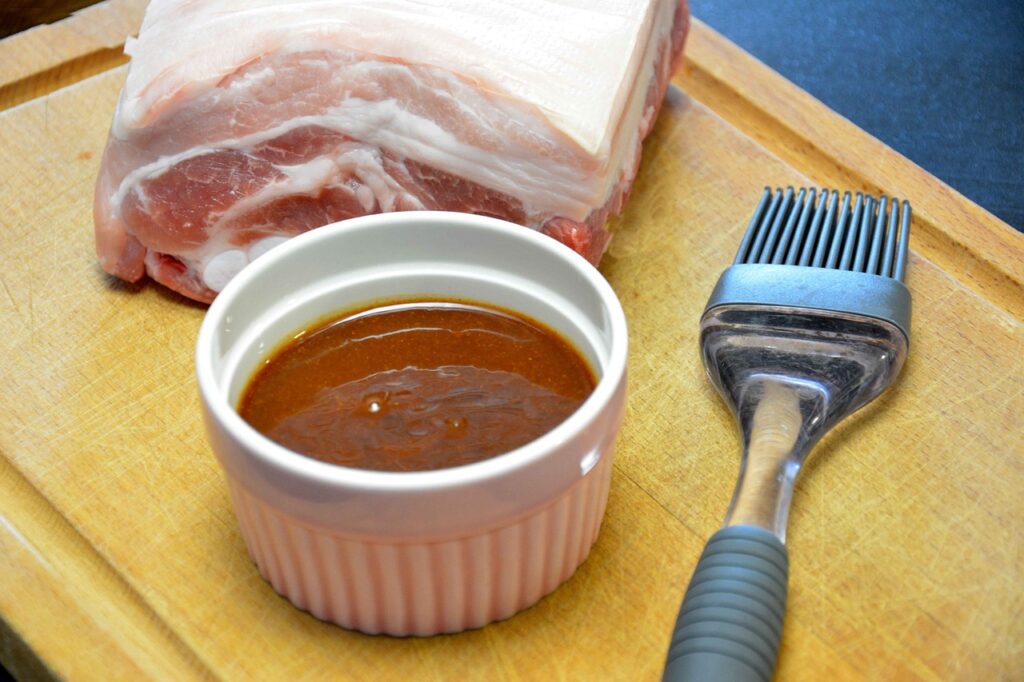
Sauce should complement barbecue, not rescue it. In traditional smoking, flavor develops slowly from wood combustion, rendered fat, and carefully balanced seasoning. When brisket or pulled pork is properly cooked, it carries its own depth before any sauce is added.
Drenching meat in thick, sweet sauce can overpower that natural character. High sugar sauces caramelize quickly and dominate the palate, masking subtle smoke notes and spice balance.
Critics argue that heavy saucing sometimes hides dryness or uneven cooking. If the meat needs a thick coating to taste complete, it may signal flaws in technique rather than a celebration of regional style.
2. Skipping Long Resting Times
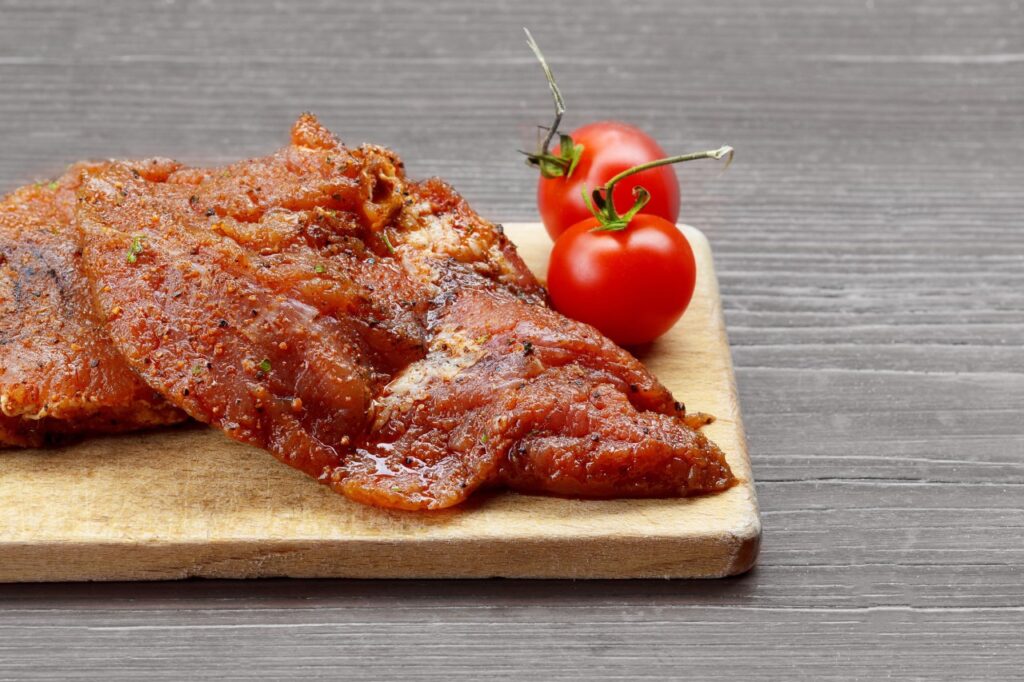
Patience is one of barbecue’s quiet disciplines. After hours in the smoker, large cuts like brisket or pork shoulder hold concentrated heat and internal pressure. Resting allows those juices to redistribute evenly through the meat.
If sliced too soon, steam and moisture escape rapidly. What looks like flavorful juice on the cutting board is actually lost tenderness from the final product.
Proper resting can take 30 minutes or more, depending on size. Critics say rushing this step undermines hours of careful smoking, turning a potentially succulent cut into something drier than it needs to be.
3. Using Pre-Made Rubs Instead of Custom Blends
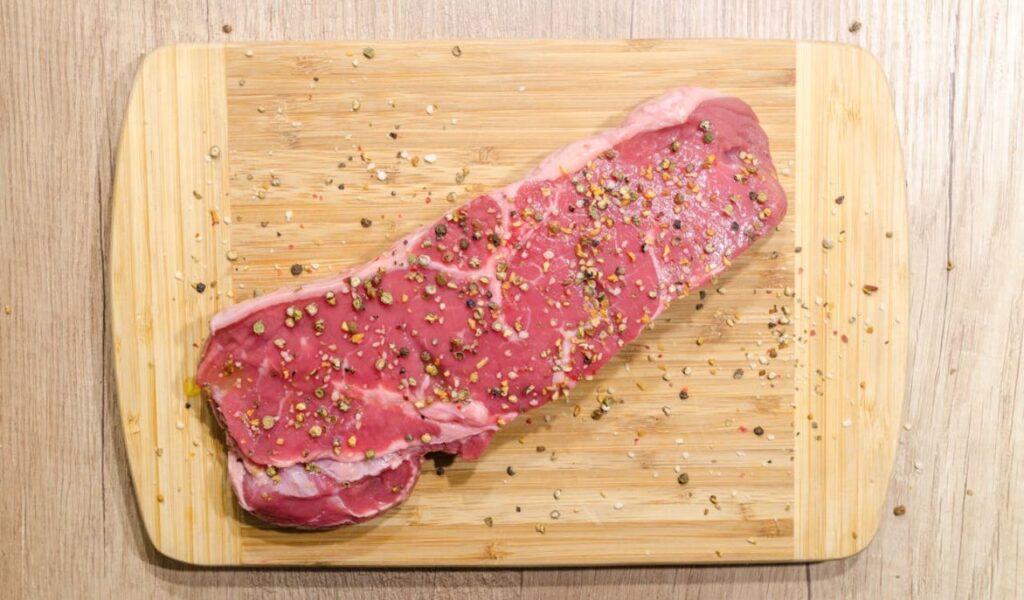
Seasoning is where barbecue begins to define itself. A well-built rub controls salt, sweetness, heat, and aromatics in careful proportion. Experienced pitmasters adjust those ratios depending on the cut, fat content, and cook time, knowing that brisket and ribs do not behave the same over hours of smoke.
Commercial rubs offer speed and consistency, but many lean heavily on salt and sugar. High sugar levels can darken too quickly during long cooks, and excess salt can draw out moisture or overpower natural beef or pork flavor.
Critics argue that relying only on pre-made blends removes nuance. Crafting a rub from scratch allows control over texture, spice balance, and bark formation, ensuring the seasoning supports smoke instead of dominating it.
4. Cooking at Inconsistent Temperatures
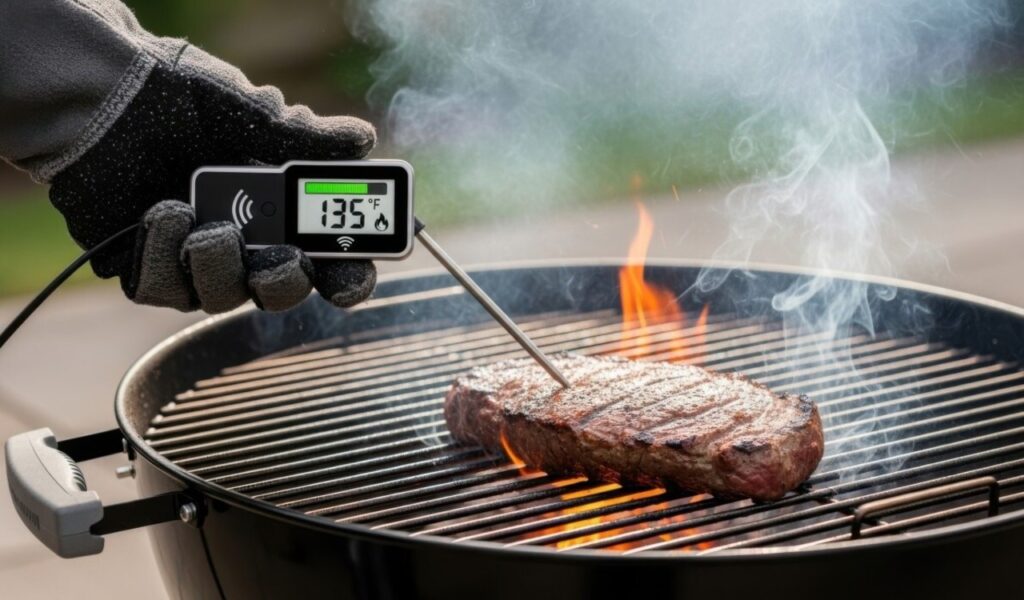
Barbecue is built on steady heat. Maintaining a consistent pit temperature allows collagen to break down gradually and fat to render at a controlled pace. This slow transformation is what turns tough cuts tender without drying them out.
When temperatures spike, muscle fibers tighten rapidly and expel moisture. If heat drops too low for extended periods, cooking can stall and texture may become uneven. The result is often dry edges paired with underdeveloped interiors.
Managing airflow, fuel, and ventilation requires attention and patience. Critics view wide temperature swings as avoidable. Precision in heat control is not about perfection, but about understanding how steady fire shapes texture and flavor over time.
5. Over-Smoking the Meat
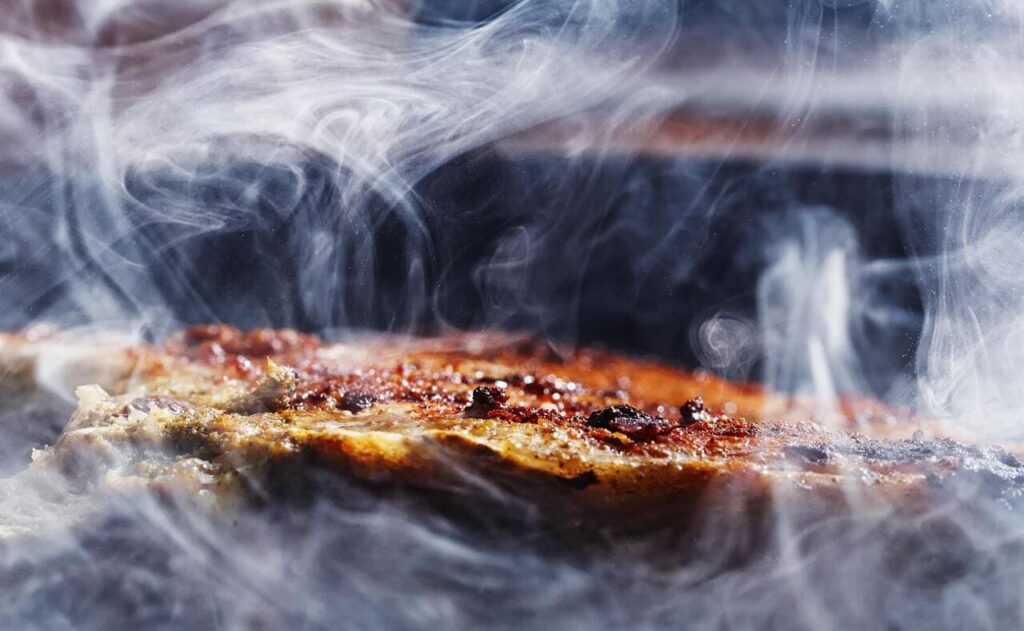
Smoke should add depth, not overwhelm the palate. Clean burning wood produces thin, blue smoke that carries subtle aromatic compounds. Thick white smoke often indicates incomplete combustion and can deposit bitter residues on the meat’s surface.
Using excessive wood or restricting airflow can intensify harsh flavors. The bark may darken too aggressively, and the interior can develop an acrid edge that lingers unpleasantly.
Skilled pitmasters monitor the fire as carefully as the meat. Critics argue that more smoke does not equal better barbecue. Balanced combustion creates complexity, while over-smoking often reflects poor fire management rather than dedication.
6. Leaning on Shortcuts Like Liquid Smoke
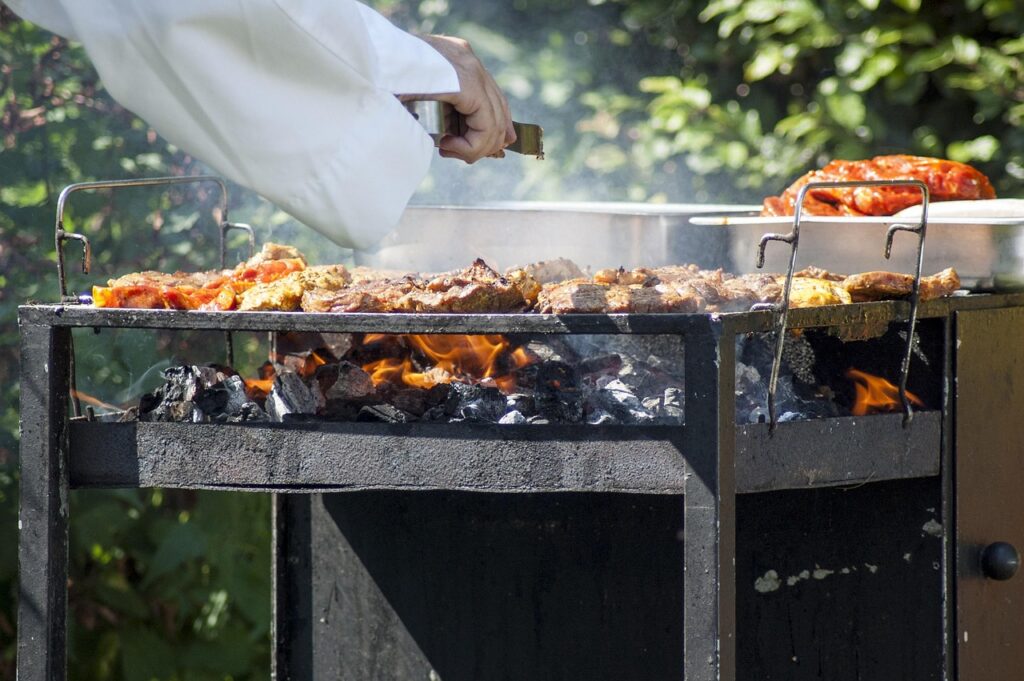
Liquid smoke is produced by capturing and condensing real wood smoke into a concentrated form. It contains many of the same aromatic compounds found in traditional smoking, but it lacks the gradual interaction between fire, airflow, and meat.
In live fire cooking, smoke adheres slowly as moisture evaporates and fat renders. This layered exposure builds complexity over hours, influenced by temperature and wood type.
Critics argue that heavy reliance on liquid smoke bypasses the craft of managing a pit. While it can add aroma in certain applications, it cannot replicate the depth created by sustained, controlled combustion.
7. Overcooking for “Fall-Off-the-Bone” Texture
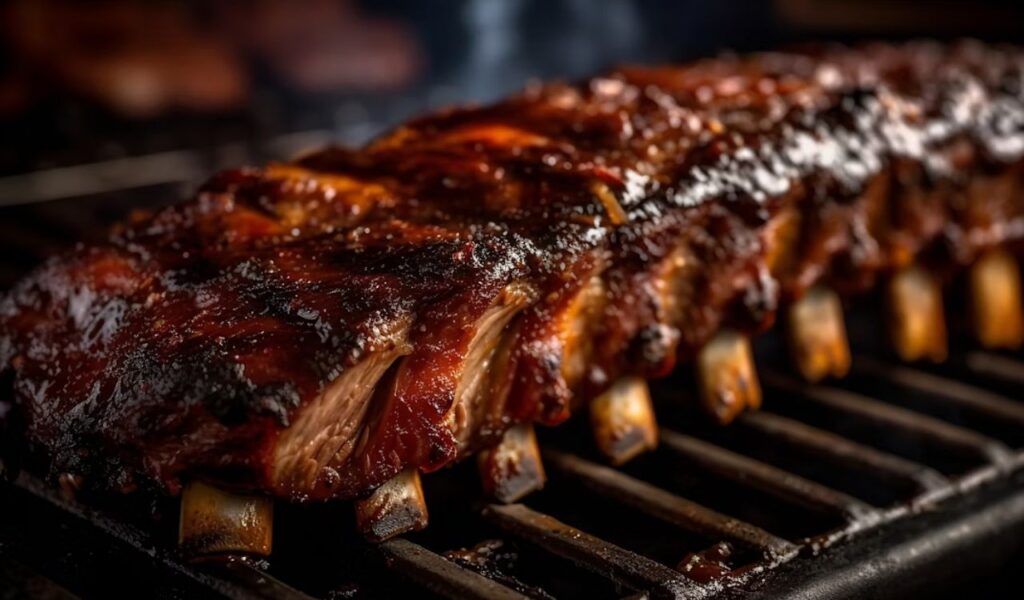
Tender barbecue should yield easily but still retain structure. In properly cooked ribs or brisket, connective tissue breaks down while muscle fibers remain intact enough to slice cleanly.
When meat falls apart at the slightest touch, it may have passed the ideal point of collagen conversion. Extended heat can drive out moisture and soften texture beyond balance, creating a mushy consistency.
Competition standards often favor a clean bite rather than total collapse. Critics argue that extreme softness is sometimes mistaken for mastery, when in fact it can signal that the meat has been cooked too long.
8. Treating Side Dishes as Afterthoughts
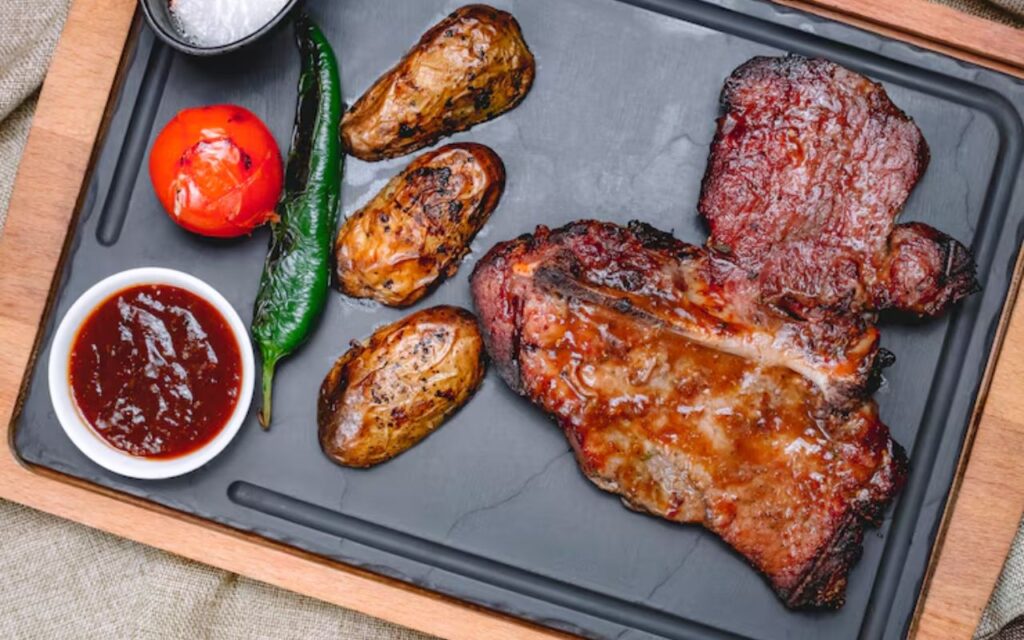
A true barbecue plate has never been only about the meat. Traditional spreads pair smoked brisket or pulled pork with slaw, beans, pickles, and bread to create contrast and balance. Each element plays a role. Acidity cuts through rendered fat, starch absorbs juices, and subtle sweetness offsets smoke.
When sides are rushed, that balance disappears. Overly sweet beans or bland coleslaw can flatten the experience. Without brightness or texture contrast, rich meat quickly feels heavy on the palate.
Critics argue that thoughtful sides reflect discipline. Preparing slaw with proper seasoning or simmering beans slowly requires as much care as tending a fire. When these components are treated casually, the meal feels incomplete rather than composed.