9 Reasons West Coast Bagels Will Never Be Good

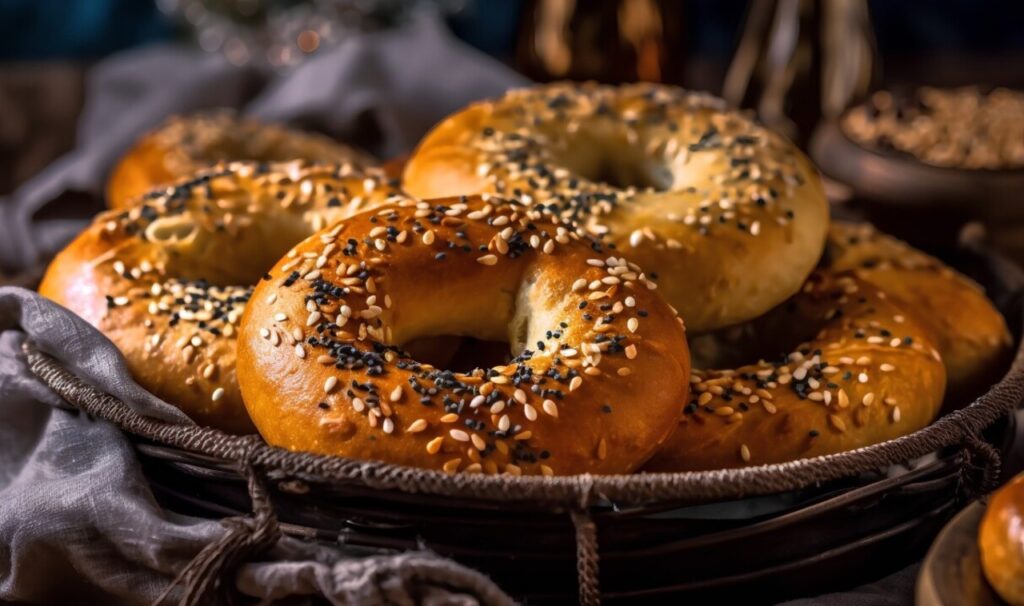
Few foods inspire loyalty quite like a good bagel. For many, the benchmark is clear: a glossy crust with a gentle snap, a dense and chewy interior, and just enough malt to keep the flavor balanced. That standard was shaped over generations in East Coast bakeries.
Move west, and the conversation shifts. New shops experiment with size, sweetness, and softer textures, often appealing to a broader audience. Some diners welcome the change, while others argue that something essential gets lost along the way.
This debate is less about geography and more about technique, tradition, and chemistry. When you look closely at water, fermentation, and baking methods, the reasons behind the divide become surprisingly precise.
1. The Water Mineral Content Is Different
Water seems simple, yet its mineral makeup affects dough in measurable ways. Calcium and magnesium levels influence gluten strength and yeast activity. New York City water is often described as moderately soft, which supports balanced gluten development and steady fermentation.
On the West Coast, municipal water sources vary widely in hardness and mineral composition. Harder water can tighten gluten, while very soft water may weaken structure. Bakers often adjust with filtration or mineral blends, but not all shops do so precisely.
Even small shifts in mineral balance can change chew and crust texture. Critics argue that without careful control, the finished bagel may lack the elasticity and bite associated with classic East Coast versions.
2. The Dough Often Lacks Long Fermentation
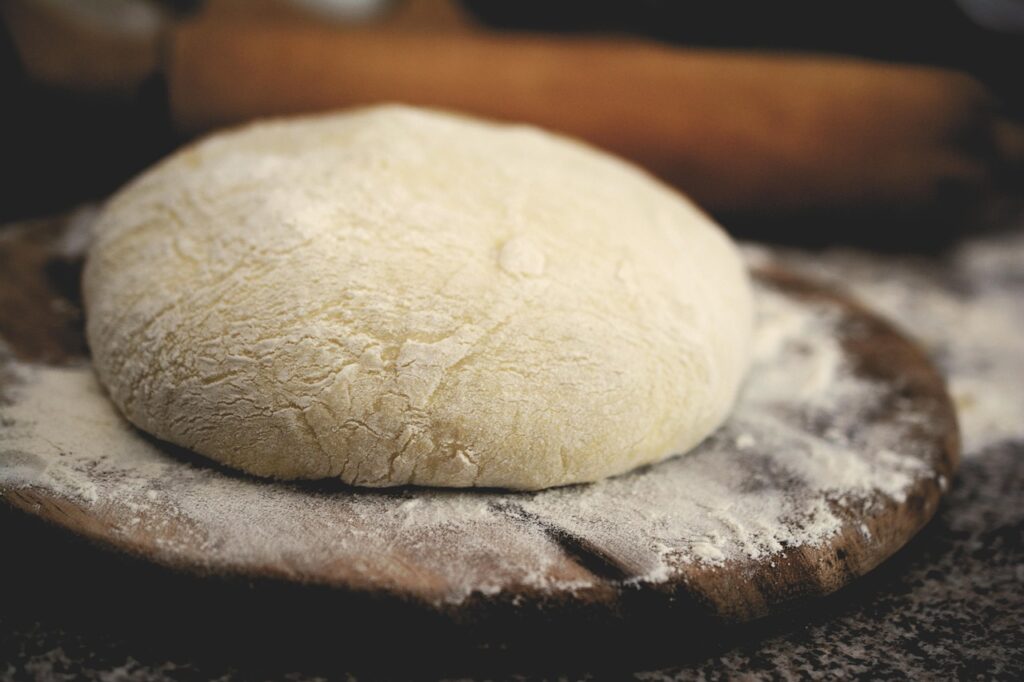
Time is one of the most important ingredients in bagel making. Traditional methods rely on slow, cold fermentation, sometimes overnight. This extended rest allows yeast to produce organic acids and gases that deepen flavor and strengthen gluten.
When fermentation is shortened to increase production speed, the dough may not develop the same complexity. The crumb can taste flatter, and the internal structure may feel less resilient.
Cold proofing also helps create the dense chew that defines a proper bagel. Without sufficient time, the result can resemble enriched bread rather than the tight, structured interior many purists expect.
3. The Boil Is Sometimes Skipped or Shortened
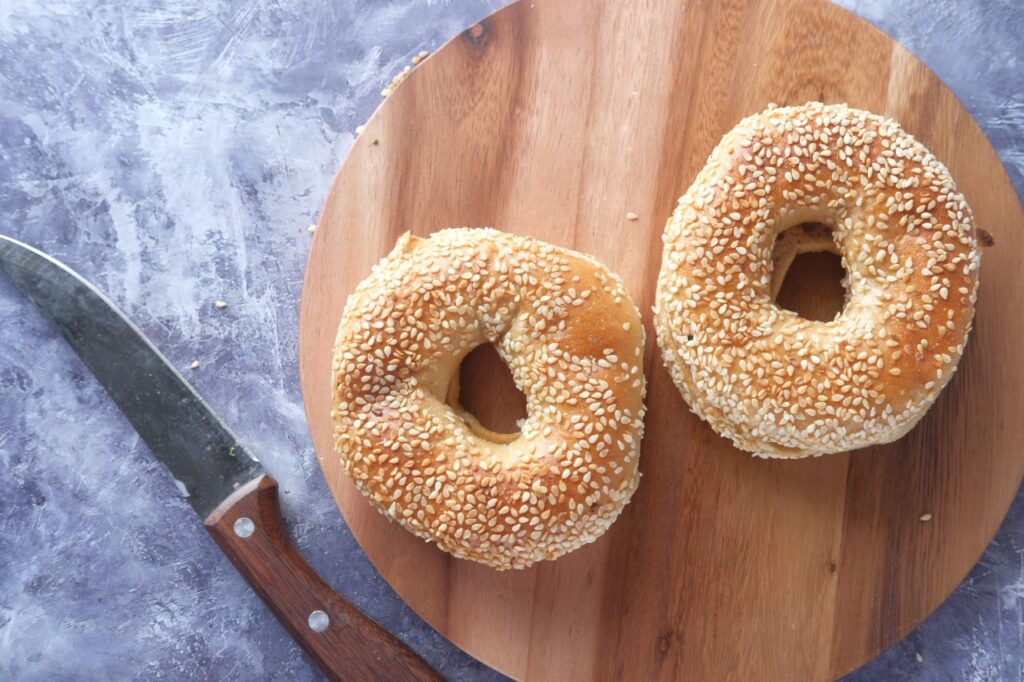
Boiling is the defining step that separates a bagel from ordinary bread. When shaped dough is submerged in simmering water, the surface starches gelatinize. This process sets the exterior and limits how much the dough can expand in the oven, helping preserve density and chew.
If the boil is shortened or replaced with steam, that surface reaction changes. The crust may form without the same sheen or structure, and the interior can rise more than intended, creating a lighter crumb.
Traditional methods rely on a full boil to lock in shape before baking. When that step is rushed, the finished bagel often loses the tight texture and resistance that purists expect from the style.
4. They’re Often Too Soft
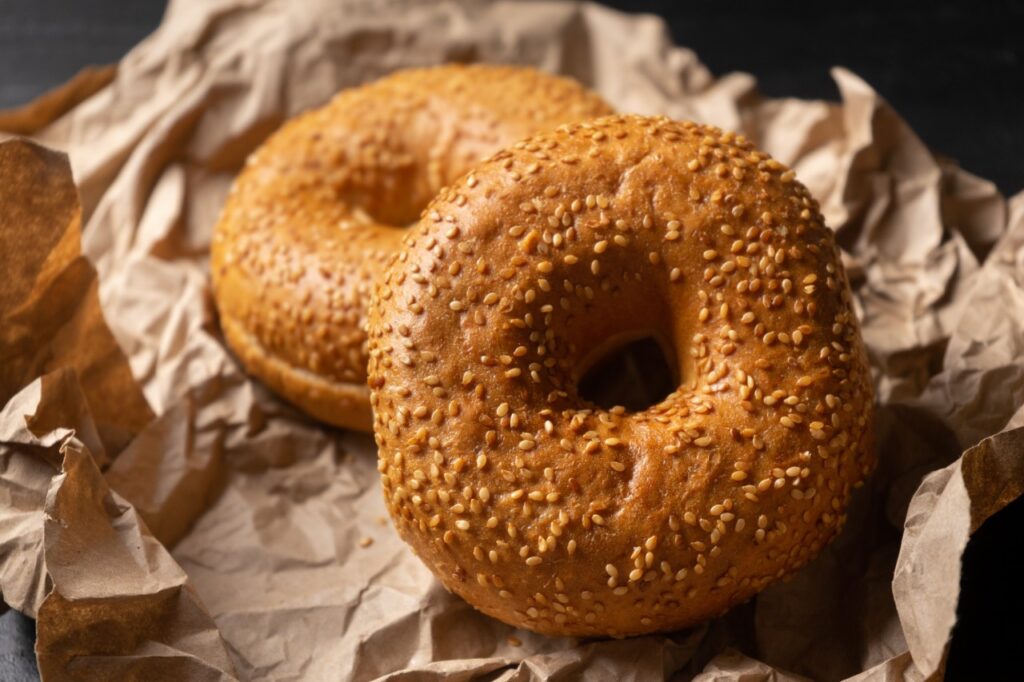
A proper bagel should feel substantial in the hand. The exterior offers firmness, and the interior provides a compact chew that requires effort without being tough. That balance is part of its identity.
Some West Coast bakeries lean toward a softer profile. The crumb may be more open, and the crust less pronounced. While this texture can appeal to customers who prefer a lighter bite, it shifts the experience closer to that of a bread roll.
Softness changes how the bagel performs when sliced and toasted. Instead of maintaining structure under spreads or fillings, it compresses more easily. For traditionalists, that difference signals a departure from classic technique.
5. The Crust Lacks Snap
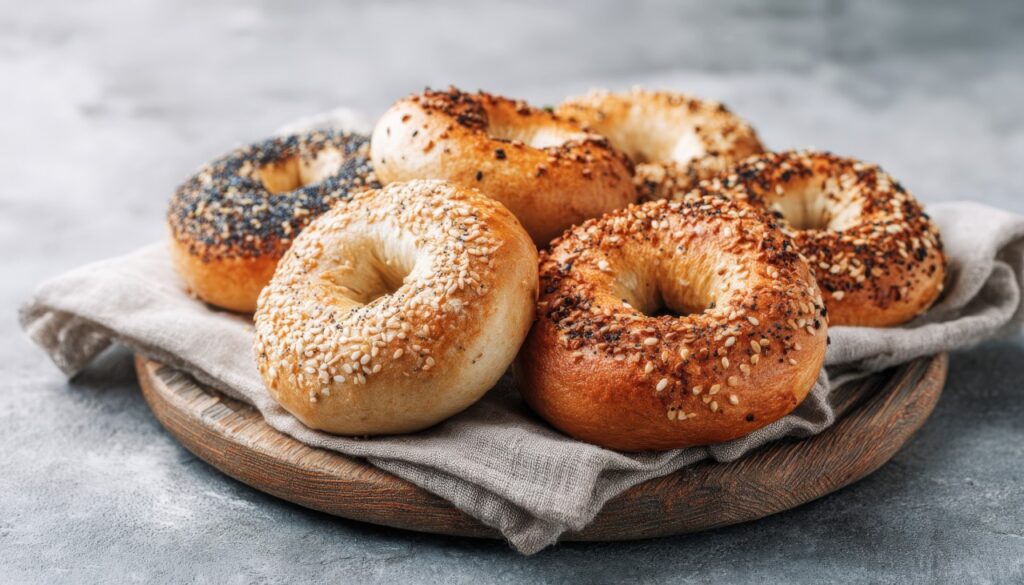
The first bite of a well made bagel should offer a subtle snap. That brief resistance comes from a properly gelatinized surface and sufficient oven heat. It creates contrast with the dense interior.
When boiling time is reduced or baking temperatures are too low, the crust may turn thin and pale. Without enough structure, it bends instead of resisting slightly under pressure.
That missing snap affects more than texture. It changes the rhythm of the bite. The interplay between crust and crumb defines the eating experience, and when that balance is off, the bagel feels incomplete to those who value tradition.
6. Toppings Are Sometimes Added Incorrectly
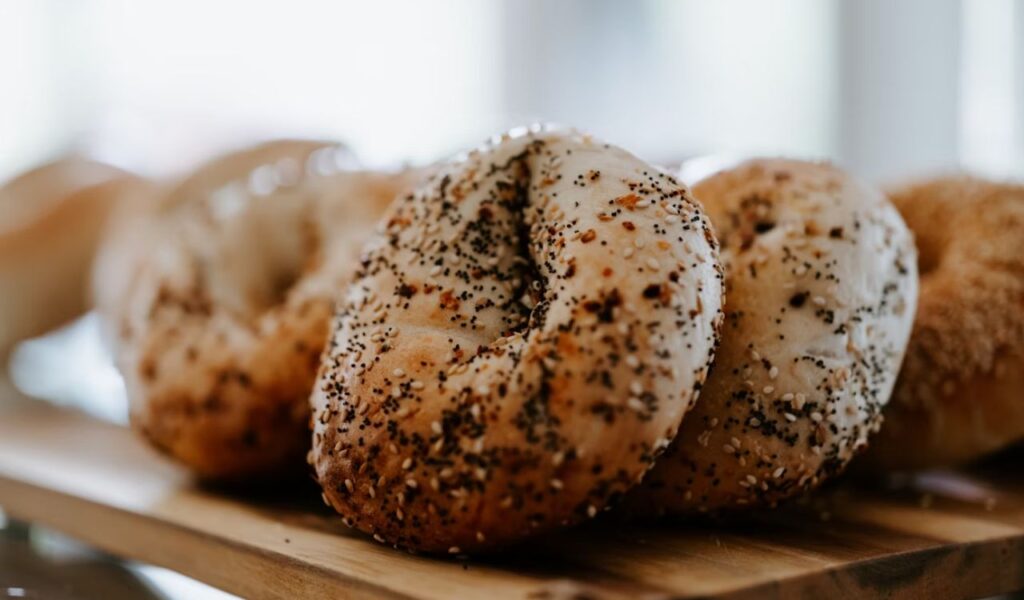
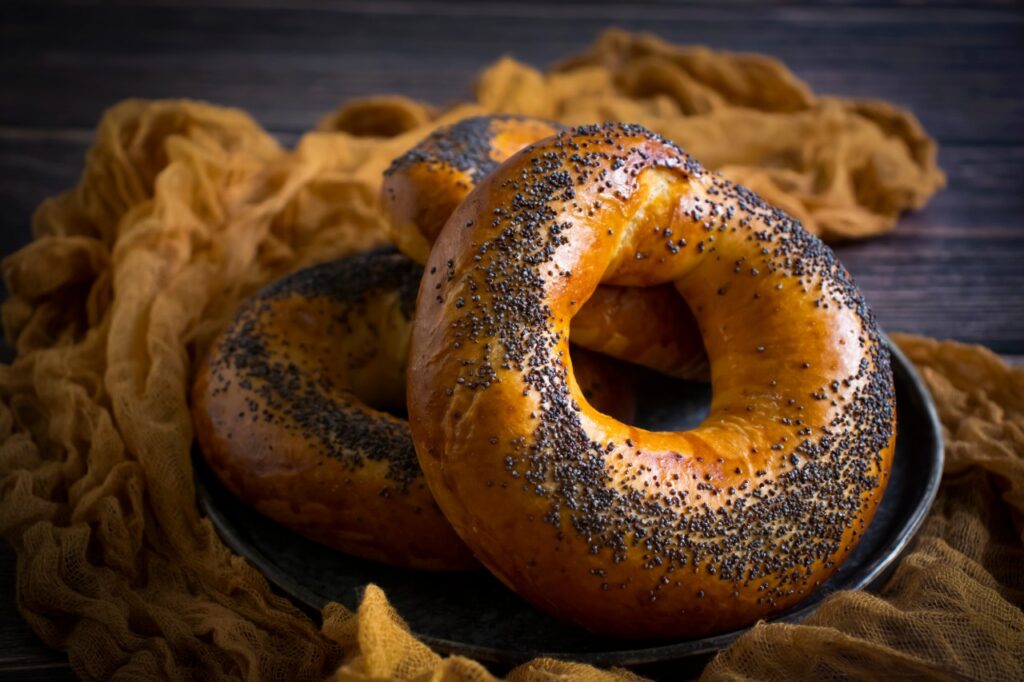
Seeds and seasonings are not just decoration on a bagel. They are meant to bond with the crust during a very specific window of time. Traditionally, toppings are applied immediately after boiling, when the surface starches are gelatinized and slightly tacky, allowing sesame or poppy seeds to adhere firmly.
If that timing is missed, adhesion weakens. A dry or cooled surface will not grip seeds properly, and they can fall off during baking or slicing. This leads to uneven flavor and a patchy appearance.
Proper technique ensures toppings stay in place through toasting and spreading. When they scatter easily, it often reflects rushed handling rather than regional difference. Small process details create noticeable changes in the final bite.
7. They’re Oversized
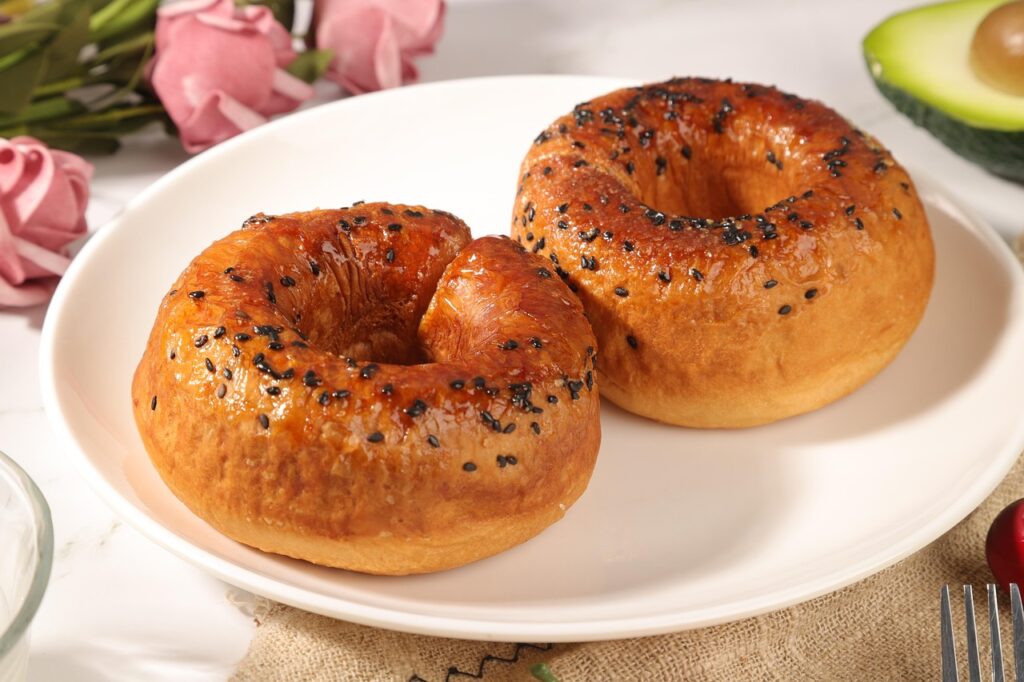
Scale affects structure more than many customers realize. Traditional bagels are compact and moderately sized, which supports a dense crumb and a strong crust to crumb ratio. That proportion is essential to achieving the characteristic chew.
When bagels grow larger and puffier, the interior expands. More crumb means less concentrated resistance per bite. The texture shifts toward airy bread rather than tight, structured dough.
Bigger bagels also require careful baking adjustments. If heat does not penetrate evenly, the inside can remain overly soft. Without precise control, increasing size can unintentionally reduce the very chew that defines a classic bagel.
8. Flavor Profiles Can Be Too Sweet
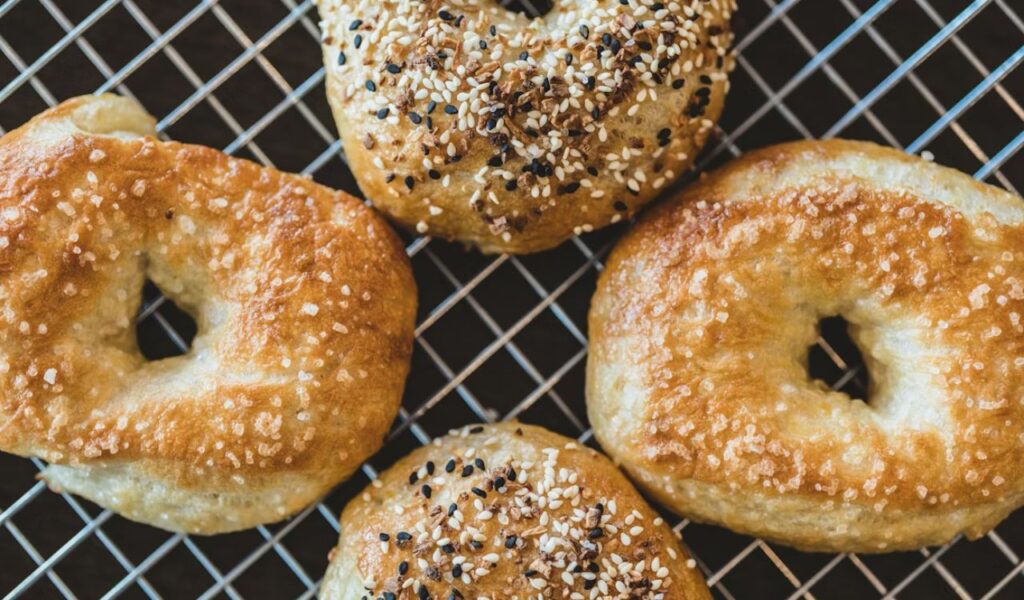
Classic bagel flavor is subtle and savory. Barley malt syrup is often added to the dough and sometimes the boiling water to encourage browning and add depth. The sweetness is mild and balanced, not dominant.
Some modern recipes increase sugar to appeal to broader tastes. Even small increases can make plain bagels noticeably sweet, especially once toasted. That sweetness can overshadow the gentle malt notes traditionalists expect.
When the base becomes sweeter, pairings shift. Bagels were historically paired with savory spreads and smoked fish. A sweeter crumb changes how those toppings taste and interact, altering the overall balance of the meal.
9. The Cultural Tradition Is Different

Bagels originated within Eastern European Jewish communities and were refined over generations in cities like New York. Techniques were passed down through apprenticeships, preserving specific standards of texture and flavor.
The West Coast bagel scene developed later, influenced by broader artisan bread movements. Experimentation and adaptation are more common, blending classic methods with modern baking trends.
For critics, the debate centers on continuity. When long standing methods are adjusted, even slightly, expectations shift. The conversation is not only about ingredients, but about preserving a culinary tradition shaped over decades.