Why Chefs Say This One Common Mistake Ruins Kitchen Knives

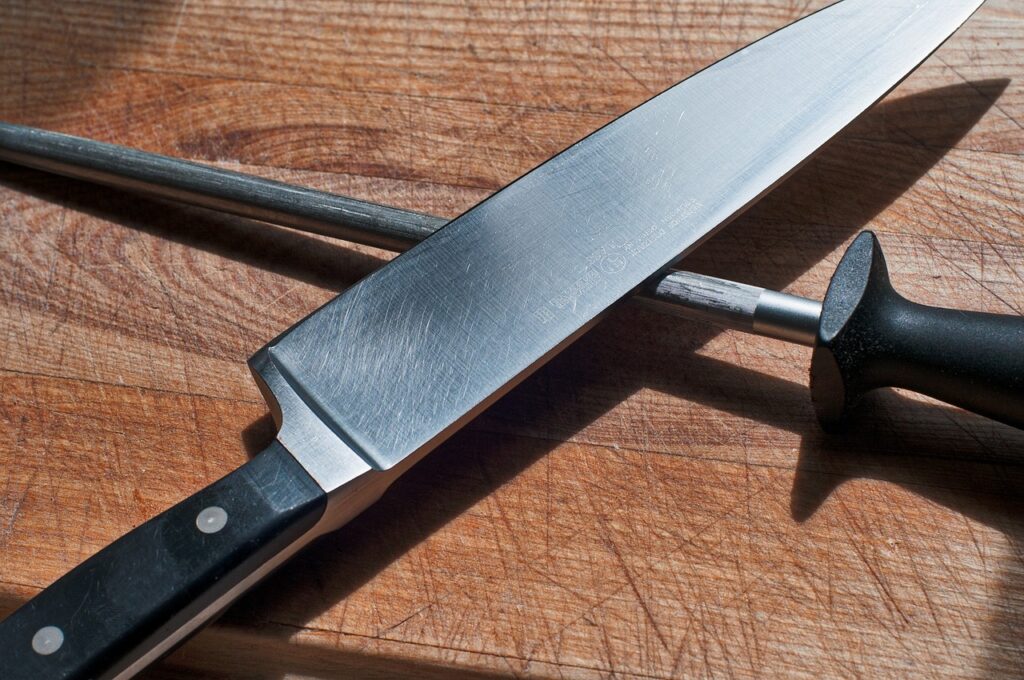
Even the sharpest chef’s knife can become dull and damaged quickly if it is used on surfaces that are too hard. The most common mistake cooks make is cutting on glass, granite, or ceramic. These hard surfaces literally batter the edge of the blade every time it makes contact. Professional chefs often emphasize that a sharp blade is a tool’s most valuable attribute. When that edge is compromised early and often, the knife loses its ability to slice cleanly, making food prep harder and less precise. Over time, this damage accumulates silently, leaving many home cooks confused about why their knives fail so quickly.
This mistake happens because the nature of a blade’s edge is inherently delicate. Knife edges are tapered to a fine angle, allowing them to bite into food with minimal effort. When these edges repeatedly hit unforgiving surfaces, tiny microchips form along the edge. At first, these chips are invisible to the eye, but they destroy the smoothness of the cut and increase resistance during slicing, causing more wear and tear. As the damage builds, sharpening becomes less effective because the edge itself is no longer uniform. Eventually, the blade begins to feel inconsistent, sharp in some spots and dull in others.
This mistake has downstream effects beyond dulling. A blunt knife requires more force to cut through ingredients. More force means the cook is more likely to slip, increasing the risk of injury. A damaged blade can also crush delicate foods instead of slicing them cleanly, which hurts the texture and release of flavor. Chefs repeatedly point out that preserving the edge through simple practices like using the right cutting board profoundly affects both kitchen safety and food quality, especially during frequent daily use. Over time, these small choices influence confidence and efficiency in the kitchen.
How Knife Damage Shows Up Over Time
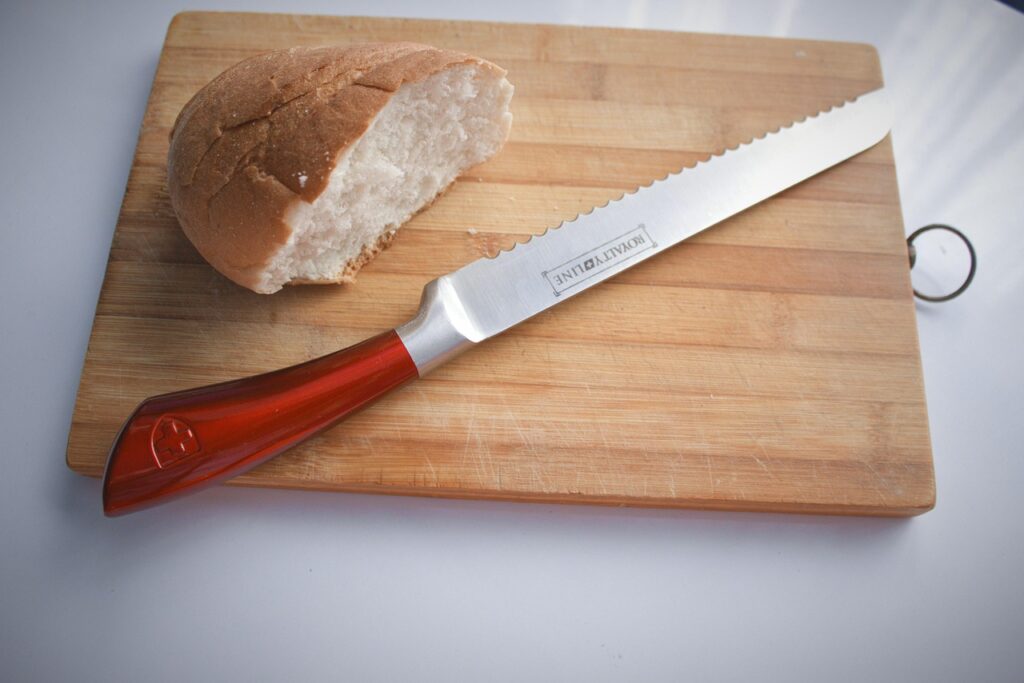
A knife that has been repeatedly used on hard surfaces doesn’t just wear down gradually. The first noticeable impact is a loss of sharpness. Instead of cleanly slicing through a tomato or an onion, the blade may tear or drag. Over time, small chips can transform into larger notches. This alters the shape of the blade and creates uneven cutting performance along its length, making some areas feel sharp while others feel dull. These changes often go unnoticed until cutting becomes frustrating. The edge may still look intact, which makes the damage easy to ignore. Continued use in this state accelerates wear and further degrades cutting consistency.
Loss of sharpness has consequences for both performance and safety. With a dull edge, cooks tend to apply greater force to push through food. This extra force increases the chance of slips and accidents. A properly sharp knife glides through ingredients with minimal pressure, reducing hand fatigue and improving control. Over-extended prep sessions, this difference becomes especially noticeable and can affect comfort and confidence. Fatigue caused by dull tools often leads to rushed or careless movements. Over time, this strain can reduce overall efficiency in the kitchen and make routine prep feel unnecessarily stressful.
Another form of long-term damage is metal fatigue. This occurs when the blade is overstressed by conditions it was not designed for, such as contact with metal cookware rims or grinding against stone. Over time, metal fatigue can cause the blade to warp or lose its rigidity, undermining performance and shortening the life of an otherwise excellent knife. Once this happens, even professional sharpening may not fully restore the blade. At that point, replacement often becomes the only option. Proper surface choice plays a major role in preventing this type of irreversible damage. Consistent misuse quietly compounds stress within the metal structure.
Surfaces That Protect Blades
Using the right cutting surface is one of the simplest ways to prolong a knife’s life. The ideal material combines firmness with a slight give, supporting the blade without battering its edge. Wood and certain types of plastic are widely preferred because they provide enough tension to allow the knife to penetrate food easily without dulling quickly. These surfaces work with the blade rather than against it. Over months and years, this cooperation dramatically slows edge wear. It also helps preserve the blade’s original profile, reducing how often sharpening is required. This long-term protection keeps performance stable.
A cutting board made of soft hardwood, such as maple or beech, is particularly effective. These woods are dense enough to be durable but still gentle on blades. Plastic boards with a slight flexibility also cushion the edge effectively. When the blade strikes these surfaces, the material presses back gently instead of forcing the metal to bend or chip. Over time, this significantly slows edge degradation. It also makes cutting feel smoother and quieter. This subtle feedback improves control and reduces unnecessary stress on both the knife and the user. Boards that absorb impact evenly also help maintain consistent cutting accuracy over time.
Cutting Boards That Preserve Sharpness
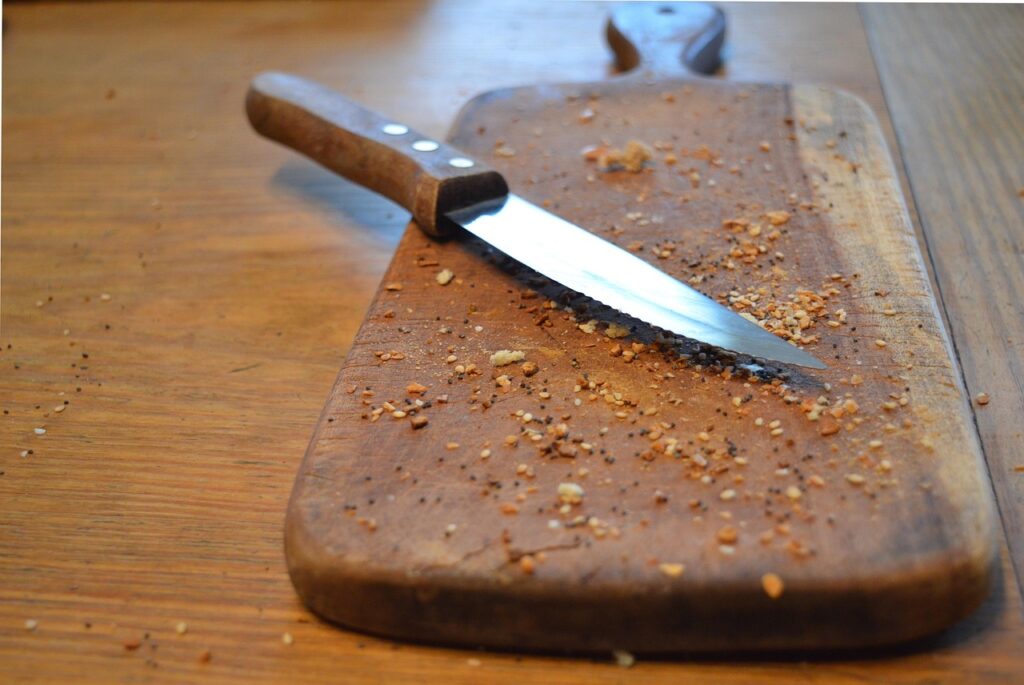
Boards made from bamboo combine eco-friendliness with a forgiving surface that resists knife wear. Though slightly firmer than traditional hardwood, bamboo still protects the edge better than stone or glass. Flexible cutting mats also serve well for quick tasks and can be rotated or replaced easily when worn. These options provide convenience without sacrificing blade health. Their portability also encourages better habits in small kitchens. Bamboo boards also recover well from shallow knife marks, helping maintain a flatter cutting surface over time. This reduces repeated stress on specific edge points during everyday chopping.
Regular maintenance of cutting boards, such as oiling wooden boards and avoiding excessive moisture, further protects both the board and knife. A well-cared-for board keeps its surface smooth and prevents deep grooves that can catch the blade and create uneven pressure during cutting. This consistency supports cleaner, more controlled knife work. Boards that dry properly are less likely to warp or crack, which helps preserve an even cutting plane. Maintaining surface integrity also reduces bacterial buildup, improving kitchen hygiene. Over time, these small care habits directly contribute to safer handling and better cutting performance.
Materials That Do More Harm Than Good
Heavy granite, ceramic tile, and glass look attractive and easy to clean but are too hard for knife edges. These surfaces provide no give, meaning every cut pushes the metal into absolute resistance. The result is minute flaking or chipping along the edge every time the knife contacts the surface. Even occasional use of these materials can undo weeks of careful knife care. The visual appeal of these surfaces hides the damage they cause. Repeated contact accelerates edge breakdown and forces more frequent sharpening. Over time, the blade loses its original geometry, making precise cutting increasingly difficult and inconsistent.
Because damage occurs at a microscopic level, many cooks do not connect the surface to the problem. By the time dullness is obvious, the blade may already be compromised beyond simple honing. This delayed effect makes the mistake especially costly over time. Users often blame poor steel quality or sharpening technique instead of the cutting surface itself. Continued use under these conditions shortens the knife’s lifespan and reduces overall reliability. What seems like a minor choice gradually turns into a long-term performance issue that is hard to reverse. Once the edge structure weakens, even careful maintenance delivers diminishing returns.
Care Practices That Make Knives Last
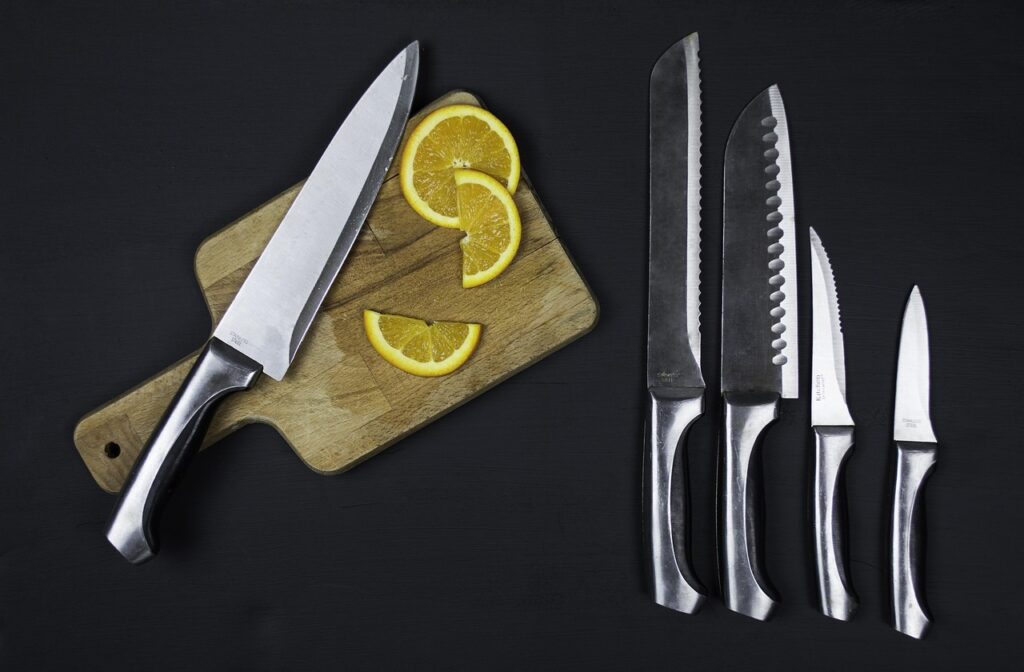
Proper care extends a knife’s life well beyond cutting surface selection. How knives are washed, dried, and stored influences performance more than many home cooks realize. A knife that is rinsed immediately after use and dried with a soft cloth resists corrosion and staining. Leaving knives wet or in the sink invites oxidation and edge damage. These habits matter just as much as sharpening. Consistent care prevents surface pitting that can interfere with smooth cutting. Over time, cleanliness directly affects how evenly the blade interacts with food. Proper storage also limits accidental edge contact with other utensils.
Chefs often stress the importance of gentle cleaning. Rather than forcing a knife under hot water or putting it in the dishwasher, hand washing with mild detergent preserves protective finishes and prevents heat or detergent from degrading the metal. Small daily habits like this compound into long-term durability. Over time, they help maintain both appearance and performance. Avoiding abrasive sponges also reduces micro-scratches that weaken the blade surface. Thoughtful handling after each use quietly adds years to a knife’s working life. This attention also improves safety by keeping the edge predictable and responsive.
Proper Washing and Drying Routines
After each use, wipe food particles away before washing. This prevents acid or salt from lingering on the edge and causing pit marks. Rinse under warm water with mild soap, then dry thoroughly. Moisture left on the blade can accelerate rusting, especially on high-carbon steel knives. Immediate drying also prevents water spots that dull the blade visually and structurally. This routine becomes second nature with repetition. Consistency matters more than perfection. Even basic care done every time dramatically extends the knife’s lifespan. Skipping care occasionally is far less damaging than neglecting it routinely.
Storage Habits That Prevent Damage
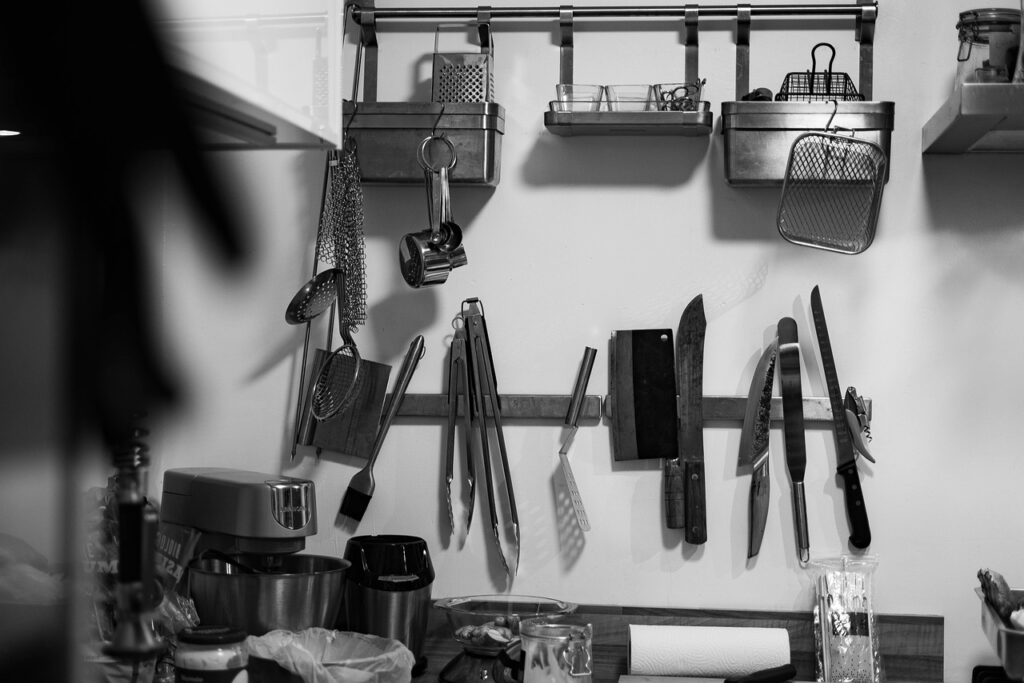
Where knives live matters. Tossing them loosely into a drawer invites nicking from metal or accidental dulling against other utensils. Proper storage, such as knife blocks, magnetic strips, or protective sheaths, prevents the edges from rubbing against other surfaces. Safe storage also reduces accidental hand injuries when reaching into drawers. The organization supports longevity. Good storage keeps knives sharp between uses and reinforces mindful handling. It also encourages cooks to treat knives as tools rather than disposable items. Knives stored correctly are easier to access, safer to handle, and less likely to suffer unnoticed damage.
How to Sharpen and Maintain Blades
Even with excellent habits, blades eventually require maintenance. Understanding when and how to sharpen helps keep knives performing at their best. There is a difference between honing and sharpening. Honing realigns the edge, while sharpening grinds away a tiny amount of metal to recreate a new edge. Knowing this difference prevents unnecessary wear and extends the life of the knife. Many cooks sharpen far too often, removing usable metal before it is truly needed. Proper timing preserves blade thickness and maintains consistent cutting performance. Informed maintenance decisions help knives age gradually instead of wearing out prematurely.
When to Hone vs When to Sharpen
Honing should be done frequently, especially for knives used daily. It preserves the edge’s alignment and restores performance without removing metal. Sharpening is necessary when honing no longer produces clean cuts through soft foods. Recognizing this moment avoids frustration and poor cutting results. Timing sharpening correctly preserves blade thickness. Over-sharpening shortens a knife’s lifespan, so restraint is just as important as technique. Patience plays a role in proper maintenance. Developing awareness through feel and sound during cutting helps signal when sharpening is truly required.
Tools That Do the Job Right
Choosing the right sharpening tool matters. Ceramic rods are good for light maintenance, while whetstones offer precision and control for deeper sharpening. Electric sharpeners can be convenient, but should be used sparingly to avoid excessive metal removal. Using the correct tool for the task maintains blade integrity. Each tool serves a specific purpose. How a knife is used influences how long it stays sharp. Techniques like rocking cuts, controlled slicing, and avoiding bone or frozen foods with delicate blades preserve edges. Using a blade beyond its intended purpose accelerates wear. Respecting the tool preserves its performance.
How Cutting Habits Affect Knife Lifespan
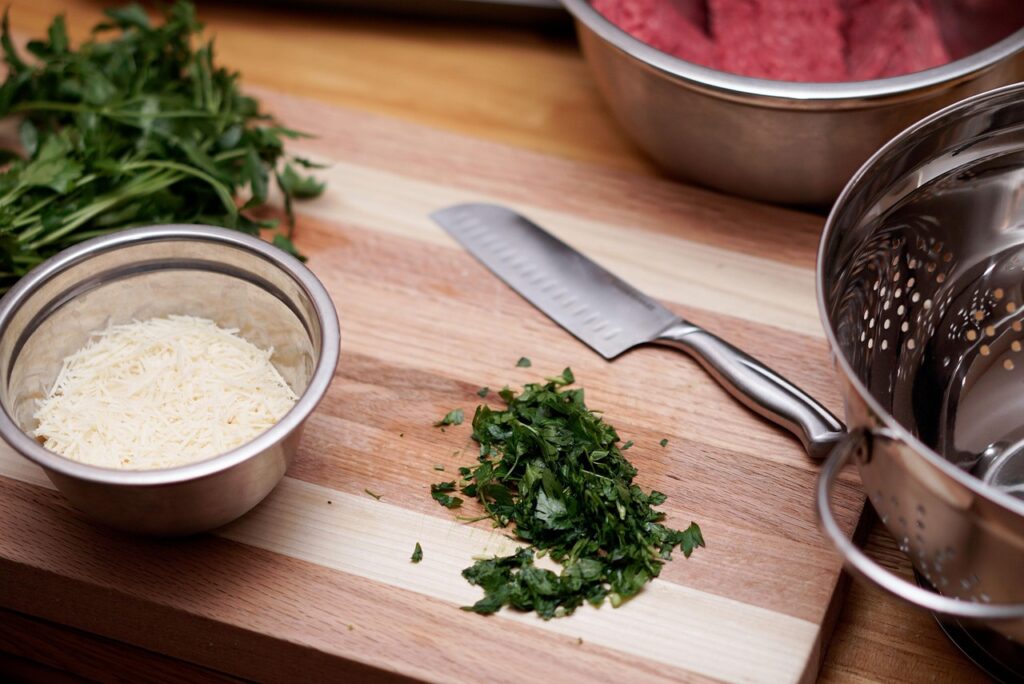
Consistently using proper technique reduces stress on the edge. Smooth slicing motions distribute pressure evenly, while twisting or prying motions damage the blade. Over time, good habits reduce the need for frequent sharpening, keeping knives feeling reliable and predictable. Technique directly affects longevity. Simple changes such as wiping the blade between cuts, choosing the right knife for each ingredient, and slowing down during prep significantly reduce wear. These habits prevent food residue from acting as an abrasive against the edge. Small, thoughtful adjustments add up to years of extended knife life and better kitchen performance.
References
Maintain and handle knives- National Occupational Standards