7 Restaurants That Shrunk Portions Without Warning

Restaurants thrive on familiarity. We return expecting the same portions, the same satisfaction, and the same sense of value we remember. Lately, though, many diners have noticed something quietly changing. Plates arrive looking slightly lighter, boxes feel less full, and signature items no longer hit quite the same. Prices often stay put, menus look unchanged, yet the food itself tells a different story. This subtle shift, often unnoticed at first, has reshaped how people experience their favorite chains. What feels like a single off day slowly reveals a pattern that sparks frustration and mistrust. These restaurants didn’t announce the change, but loyal customers felt it immediately.
1. Subway
Subway quietly shifted how customers perceive value by subtly trimming what once felt like generous helpings and by leaning into smaller-format menu options. Rather than a single dramatic change, the shift has been gradual. Sandwiches sometimes arrive with thinner meat slices, fewer toppings, or lighter sauce application. These changes are easy to miss on a single visit but become obvious over time. Such adjustments help franchisees manage ingredient costs without raising headline prices, but the tradeoff is trust. Customers expect consistency when ordering a familiar sandwich, and even minor reductions feel personal.
2. Burger King
Burger King’s portion changes stand out because they are measurable rather than abstract. In several franchise markets, the familiar 10-piece nugget order was reduced to eight pieces during periods of rising costs. That type of reduction is easy for customers to spot, yet it often arrives without prominent menu messaging. Beyond nuggets, diners have also reported less generous sandwich fillings and smaller sides in certain locations. These shifts reflect a broader strategy of protecting margins while avoiding visible price hikes. For customers, however, the result feels like paying the same for less food.
3. McDonald’s
McDonald’s frequently appears in discussions about shrinking portions because of its long history and standardized reputation. Customers share comparisons showing thinner burger patties, lighter fry cartons, or breakfast items that feel smaller than remembered. While some variation comes from location differences or preparation errors, chains also adjust portion standards, yields, and ingredient sizing to offset higher costs. For diners, this is unsettling because McDonald’s built its brand on predictability. When a product no longer feels the same from visit to visit, the change becomes both economic and emotional.
4. Arby’s

Arby’s portion concerns gained attention after legal complaints alleged that servings were reduced while prices remained unchanged. The claims focused on combo meals and sides appearing smaller than advertised, creating tension between customer expectations and in-store reality. Whether or not such cases succeed, they illustrate the reputational risk tied to silent portion reductions. When menu images and marketing suggest one size, and the actual product delivers another, customers interpret it as deception rather than cost management. Even justified operational changes can backfire if they are not communicated clearly, especially in a category where portion size is central to value.
5. Five Guys
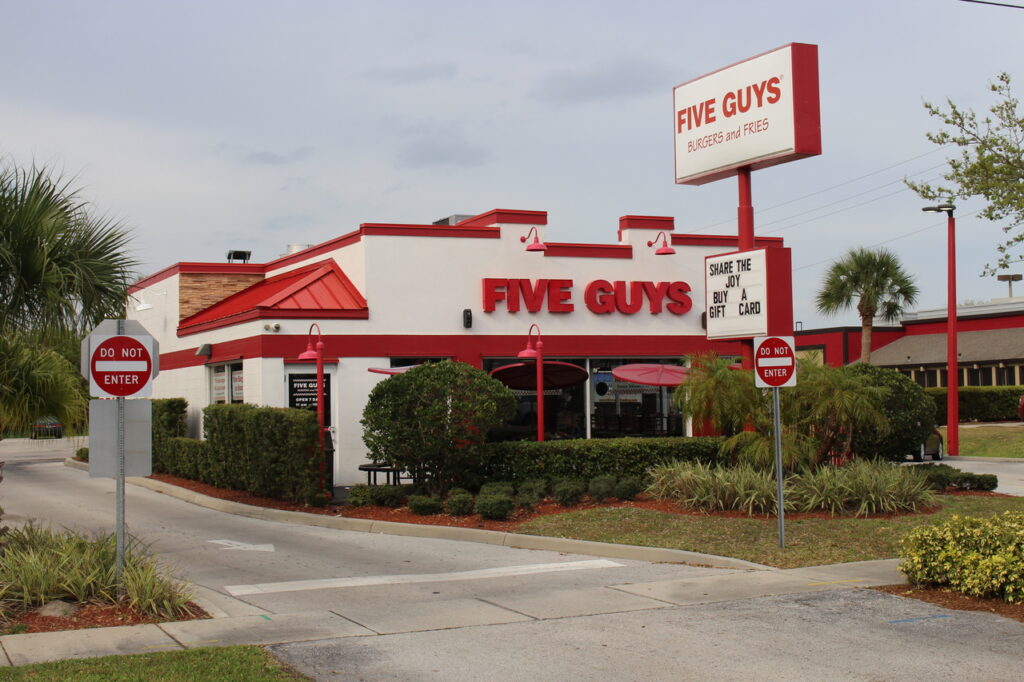
Five Guys built its identity around abundance, particularly its famously overflowing fries. That reputation makes any perceived reduction especially noticeable. Customers have pointed out bags that no longer feel as full, patties that seem thinner, or portions that vary widely by location. Much of this inconsistency comes from franchise-level portioning decisions and efforts to reduce waste. Still, when longtime customers notice a pattern, it becomes a value question. People are willing to pay premium prices when quantity feels reliable. When it does not, loyalty weakens. The brand’s challenge lies in maintaining its generous image while managing rising food and labor costs.
6. Panera Bread
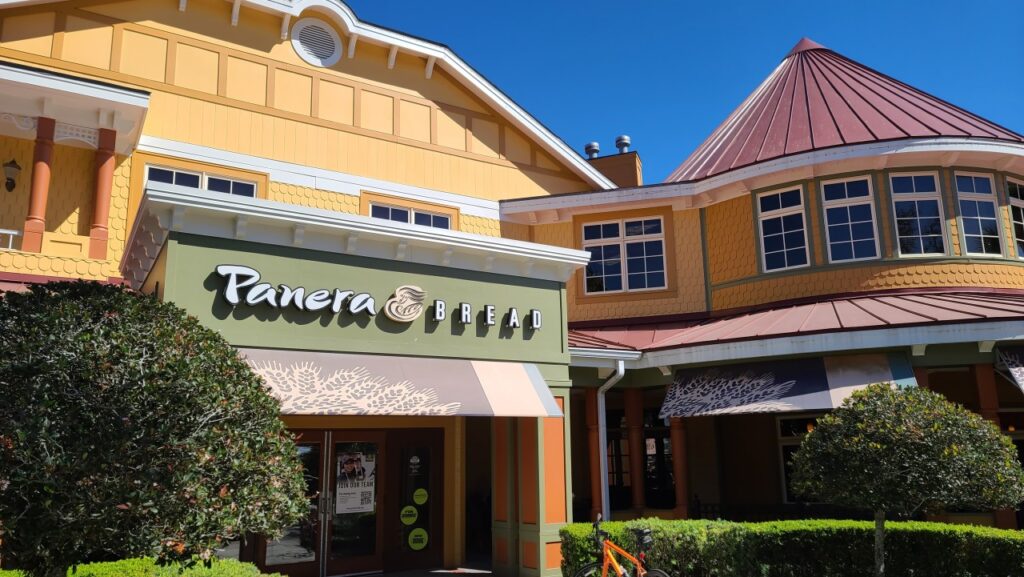
Panera customers have been vocal about bowls that feel shallower, salads that look lighter, and sandwiches with thinner protein layers. These changes matter more because Panera positions itself as a premium casual dining, where portion satisfaction influences value perception. Even small reductions stand out when prices reflect higher-quality ingredients. As Panera evolved its menu and operations, diners increasingly linked these adjustments to shrinkflation rather than recipe refinement. The result is frustration among loyal customers who expect meals that feel substantial. For many regulars, the experience no longer matches the price.
7. Chick-fil-A
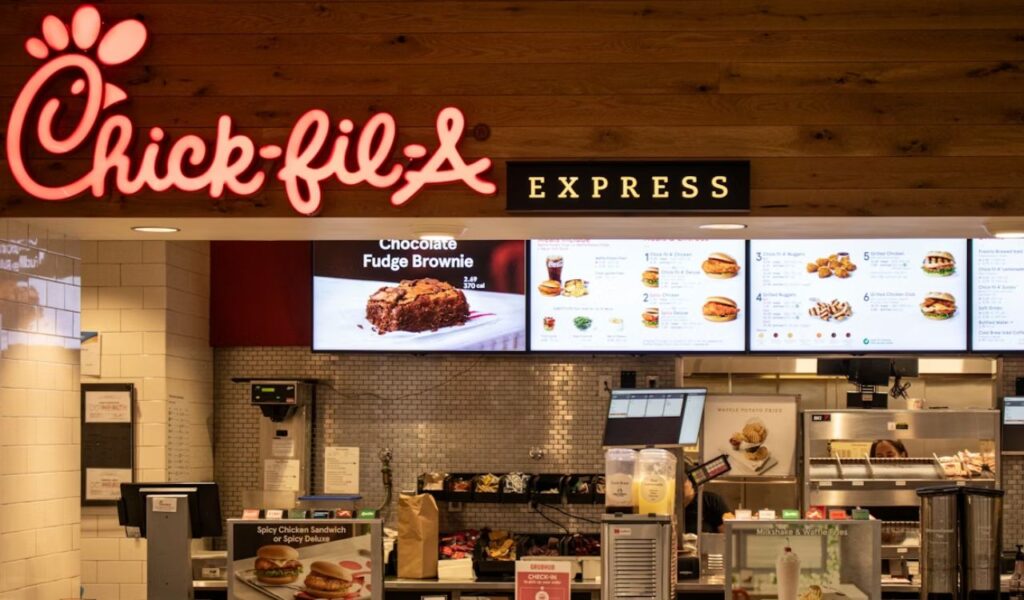
Chick-fil-A’s popularity rests heavily on its signature chicken sandwich, making portion consistency critical. Customers have shared comparisons suggesting thinner fillets or smaller waffle fry portions at some locations. While individual variation is inevitable in a franchise system, repeated reports create the perception of a broader shift. When a chain relies on one iconic item, even minor size changes can feel significant. The emotional connection customers have with that familiar bite magnifies the reaction. If that moment feels diminished, dissatisfaction spreads quickly through social media, placing pressure on the brand to reinforce standards and reassure diners.