Fast Food Chains Are Shrinking Portions Without Most Customers Noticing

Shrinkflation Is Quietly Entering Fast Food
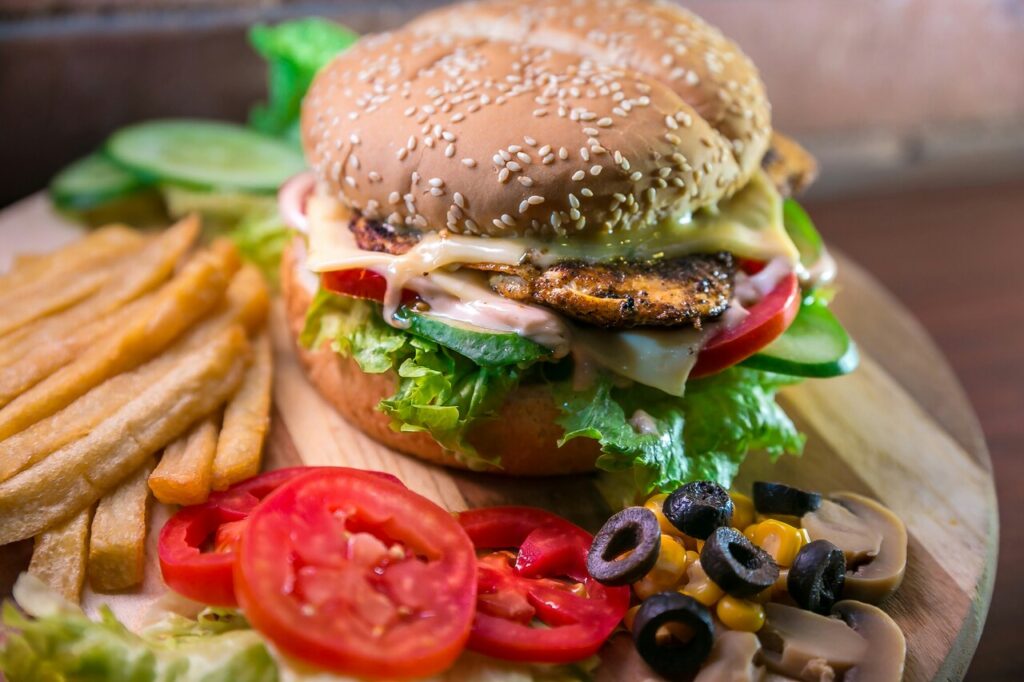
A subtle shift is occurring across many fast-food restaurants, and most customers notice it only after repeated visits. The portions that once defined American fast-food culture are slowly shrinking. Instead of large fries overflowing from cartons or thick burgers stacked with ingredients, many meals now appear slightly more modest. These changes often happen gradually, which makes them harder for diners to immediately recognize. Fast food chains rarely announce such adjustments publicly, choosing instead to introduce smaller portions quietly over time. This strategy allows companies to manage costs without drawing too much attention to the changes.
The phenomenon is closely tied to the concept known as shrinkflation, where companies reduce the size or quantity of a product while maintaining the same price. This tactic allows businesses to protect their profit margins during periods of rising costs. Burgers may contain slightly thinner patties, fries may fill the carton a bit less generously, or toppings may be reduced by small amounts. Each change may seem insignificant, but together they reshape the overall portion size customers receive. Over time, these quiet adjustments can significantly alter the amount of food served in a typical meal.
Another reason shrinkflation works effectively in fast food is the speed at which customers consume their meals. Fast food dining is designed to be quick and convenient, which means diners rarely analyze portion sizes closely. Many customers focus more on the overall experience, such as taste, convenience, and price, rather than the exact quantity of ingredients. As a result, small reductions can go unnoticed for long periods. Restaurants rely on this dynamic to maintain customer satisfaction while adapting to economic pressures behind the scenes. Most diners simply expect their order to look roughly the same as before.
Rising Costs Are Driving Portion Changes
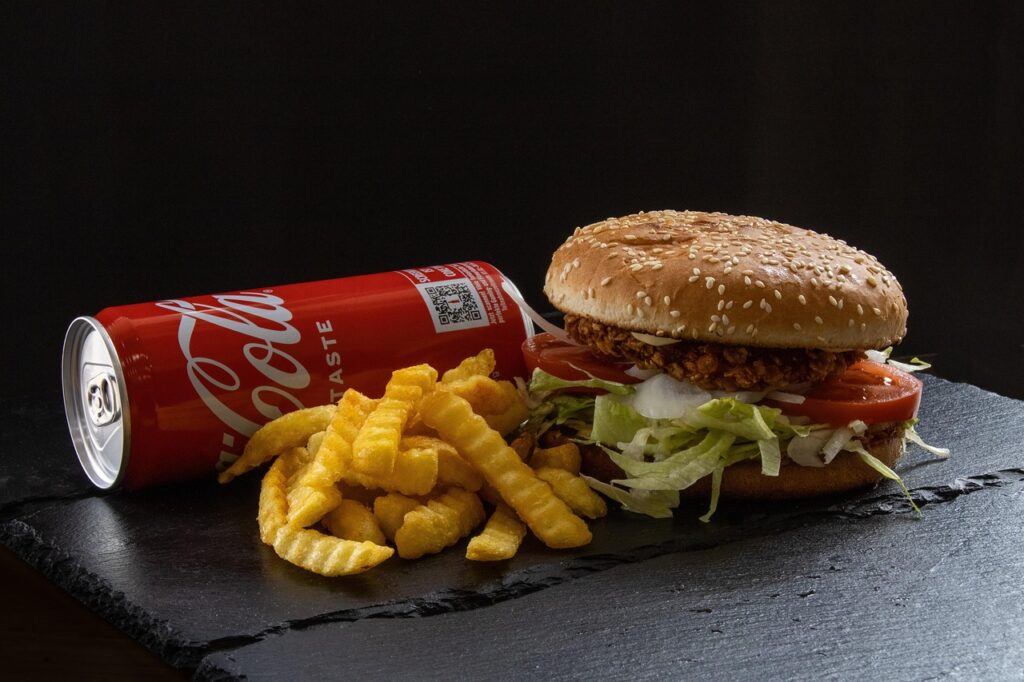
One of the primary forces behind shrinking portions is the rising cost of running a fast food business. Ingredients such as beef, chicken, cooking oil, and potatoes have all become more expensive in recent years. At the same time, labor costs, transportation expenses, and energy prices have also increased. These combined pressures place significant financial strain on restaurant chains that operate on relatively tight margins. Instead of raising prices dramatically, many companies look for quieter ways to control expenses. Reducing portion sizes is one of the most practical strategies available.
Reducing portion sizes is one of the most practical strategies available. Even a small decrease in the amount of food served in each meal can produce significant savings when multiplied across thousands of locations. For example, using slightly thinner slices of cheese or smaller scoops of fries may seem minor to customers. However, across millions of meals sold each year, these small adjustments can result in substantial reductions in ingredient costs. This allows fast food chains to maintain familiar menu prices while still protecting their profitability. Small operational changes can have a large cumulative impact over time.
Another factor contributing to these decisions is the intense competition within the fast food industry. Chains constantly compete for customers who are sensitive to price changes. If one brand increases menu prices too quickly, diners may simply switch to another restaurant offering cheaper options. By reducing portions instead of raising prices, restaurants can maintain the appearance of affordability. This balancing act allows companies to manage rising expenses without risking a loss of customer traffic. Customers often compare menu prices before deciding where to eat. Restaurants, therefore, try to avoid noticeable price jumps whenever possible.
Portion Changes Often Happen in Small Ways
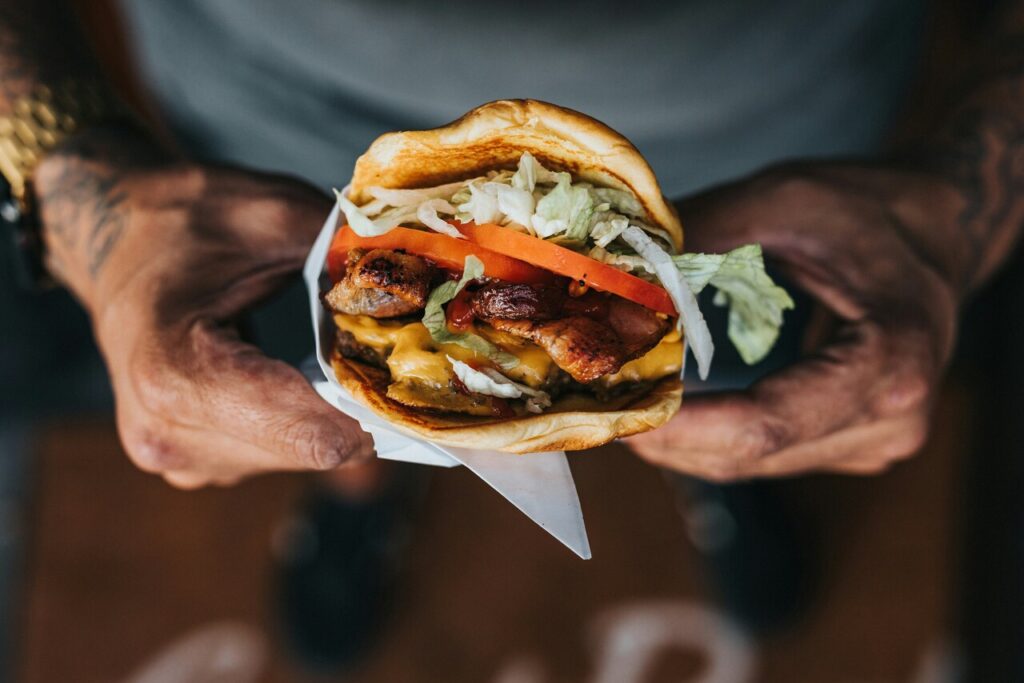
Fast food chains rarely make dramatic changes to portion sizes all at once. Instead, they introduce subtle adjustments that are difficult for customers to detect. A burger patty might be slightly thinner than before, or a slice of cheese might be cut just a bit smaller. These differences are often so minor that diners do not notice them during a single visit. These adjustments are carefully calculated to avoid altering the visual appearance of the meal. Maintaining the same look helps prevent customers from immediately recognizing the change. The goal is to reduce costs while preserving the overall impression of value.
Another common method involves adjusting the ratios of ingredients within a product. For example, a sandwich might contain the same bun and toppings but slightly less meat. This allows restaurants to reduce costs while maintaining the visual appearance of the meal. Because the overall structure of the item remains unchanged, customers may assume that nothing has been altered. In reality, the quantity of key ingredients may have been carefully reduced. These adjustments often happen during routine menu updates. Restaurants frequently review recipes to improve efficiency and consistency. Ingredient ratios can therefore change gradually without attracting much attention.
Restaurants may also modify the packaging used to serve food. A fries container might be redesigned to hold slightly less food while still appearing full. Similarly, drink cups or wrappers can be adjusted to create the impression of generous portions even when the contents are smaller. These design choices help maintain the visual appeal of fast food meals while allowing companies to subtly reduce serving sizes. Packaging plays an important role in shaping customer perception. This visual strategy supports the overall effort to reduce ingredient usage without compromising the customer experience.
Major Chains Are Facing Customer Scrutiny

Although shrinkflation often goes unnoticed at first, some customers eventually begin to question the changes. Social media platforms have become a common place for diners to compare photos of meals and discuss whether portions appear smaller than before. When these conversations gain attention, they can place pressure on fast food brands to explain their decisions. Some customers express frustration when they feel that the amount of food no longer matches the price they are paying. These discussions can spread quickly when viral posts highlight noticeable portion differences. Customers sometimes share side-by-side comparisons of older meals and newer ones.
Reports have surfaced about several major fast food chains quietly reducing portion sizes. Customers have pointed to smaller fries servings, thinner burger patties, and fewer toppings in certain menu items. While restaurants rarely confirm specific changes, the pattern has fueled ongoing discussions about the growing presence of shrinkflation in the industry. In some cases, former employees or insiders have described how restaurants implement these adjustments gradually. These accounts add credibility to customer observations. They also reveal how carefully restaurants plan these changes to avoid sudden reactions.
Despite these concerns, many chains continue using this strategy because it remains an effective way to control costs. As long as the overall meal experience remains enjoyable, many customers are willing to accept minor changes in portion size. Restaurants, therefore, attempt to strike a careful balance between maintaining value and protecting their business margins. When handled carefully, shrinkflation allows companies to adapt without dramatically altering their brand image. Maintaining customer satisfaction remains a top priority. This helps keep the dining experience familiar for returning customers.
Value Menus Are Being Restructured
Fast food restaurants are also adjusting their value menus as part of the broader shift in portion sizes. Value menus have traditionally been designed to attract customers looking for affordable meals. However, maintaining these low price points has become increasingly challenging as ingredient costs rise. In response, restaurants often redesign value menu items to include slightly smaller portions. These changes help businesses keep advertised prices appealing. Customers may still see familiar prices even when portion sizes are adjusted. The strategy allows restaurants to maintain their reputation for affordability.
Smaller burgers, reduced serving sizes, and simplified ingredient combinations allow restaurants to keep prices low while still offering appealing menu choices. These changes help maintain the perception that fast food remains an affordable dining option. Customers may still see familiar prices on the menu, even though the quantity of food associated with those prices may have changed. For many diners, the price remains the most visible factor when choosing a meal. Restaurants understand that affordability strongly influences purchasing decisions. As a result, maintaining attractive price points becomes a major priority.
In some cases, restaurants also introduce entirely new items designed specifically for value menus. These items often feature fewer ingredients or smaller serving sizes compared with traditional menu options. By creating new menu categories around smaller portions, chains can continue marketing affordable meals while managing rising costs more effectively. These new menu items often highlight convenience and simplicity. Restaurants may emphasize portability and quick preparation as additional benefits. This allows value menu offerings to remain competitive even with smaller portions. Simplified assembly also helps kitchens maintain speed during busy periods.
Customers Often Notice Only Over Time
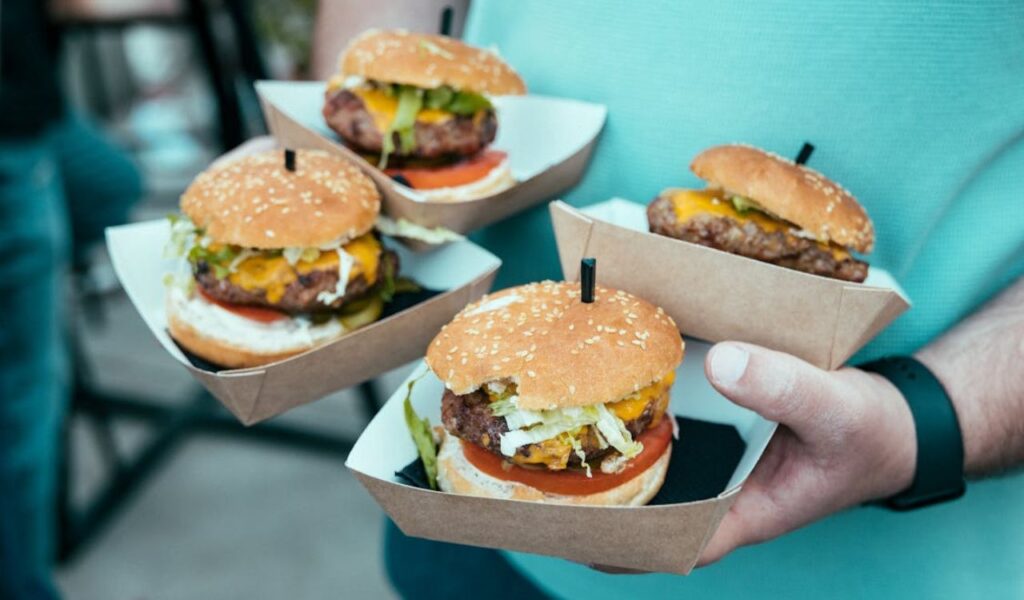
Many customers do not immediately recognize shrinking portions because the changes occur gradually. A slightly smaller burger or a few fewer fries may not stand out during a single visit. However, frequent diners who visit the same restaurant regularly may eventually begin to notice subtle differences in their meals. Over time, these observations can lead to broader discussions about shrinkflation. People often compare current meals with past experiences rather than measuring exact quantities. These comparisons gradually reveal the changes in portion size. The realization often happens only after repeated visits.
Human perception also plays a role in why these changes go unnoticed. When people order a familiar meal, they often rely on memory rather than precise measurement to judge portion sizes. If the food looks similar to what they remember, they may assume the portion is unchanged. Restaurants understand this psychological tendency and design meals that maintain the same visual impression even when ingredient quantities are slightly reduced. When packaging and presentation remain the same, diners rarely question the portion size. This allows restaurants to implement changes without disrupting the dining routine.
As awareness grows, customers may become more attentive to portion sizes and value. Some diners respond by comparing menu options more carefully or exploring alternative restaurants. Others simply accept the changes as part of the broader economic environment. Regardless of individual reactions, the gradual nature of shrinkflation makes it one of the most difficult trends for customers to detect immediately. For many people, convenience still outweighs concerns about portion size. Fast food continues to offer quick and accessible meals. This combination keeps customers returning even as portions evolve.
Fast Food Dining Is Entering a New Phase
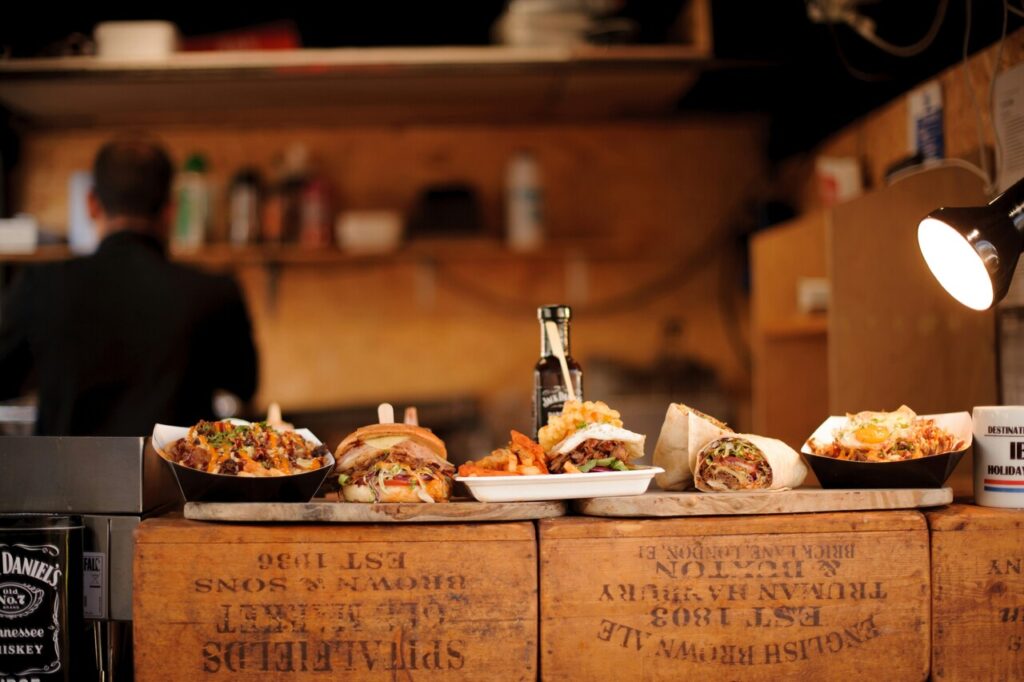
The gradual reduction of portion sizes reflects a broader transformation in the fast food industry. Restaurants are adapting to economic pressures, evolving customer preferences, and rising operational costs. Instead of relying on oversized meals as the primary selling point, many chains are focusing on efficiency, consistency, and price stability. This shift represents a significant change from the era when large portions were central to fast food marketing. Businesses now prioritize sustainability and operational efficiency. The focus is shifting from sheer quantity to the overall experience.
At the same time, customer expectations are evolving. Some diners are more health-conscious and may welcome slightly smaller portions that align with their dietary goals. Others remain focused on value and may feel disappointed when portions shrink without price changes. Restaurants must therefore balance these competing expectations while maintaining profitability. Chains often conduct surveys and research to monitor consumer reactions. These insights guide future menu decisions and portion strategies. Balancing satisfaction and cost control has become a constant challenge for restaurant operators.
Looking ahead, the trend toward smaller portions may continue as long as economic pressures remain strong. Fast food chains will likely keep experimenting with menu designs, ingredient adjustments, and portion sizes to find the right balance. While the changes may be subtle, they are reshaping the fast food experience in ways that many customers are only beginning to notice. Restaurants will continue adapting as market conditions evolve. Innovation and flexibility will remain important for long-term success. The future of fast food may depend on how well companies balance cost control with customer satisfaction.