Classic American Comfort Foods Are Slowly Vanishing From Restaurant Menus


Nostalgic Dishes Are Fading From Dining Rooms
Step into a classic American diner from decades past, and the menu would have been filled with hearty, familiar comfort foods. These dishes represented a particular era of dining where rich sauces, casseroles, and home-style cooking dominated restaurant tables. Restaurants that once proudly served retro comfort food are gradually replacing those items with newer concepts designed to attract modern diners. The shift is not always dramatic, but over time it has reshaped what customers see when they open a menu. Many restaurants now focus on seasonal ingredients or globally inspired dishes that feel more contemporary.
Part of the reason these nostalgic dishes are fading lies in how restaurant culture has evolved. Modern dining spaces tend to prioritize freshness, lighter preparations, and globally inspired flavors. Heavier meals that rely on cream sauces or long cooking processes are often viewed as outdated compared with contemporary offerings. Restaurants that compete for attention must regularly update their menus to keep customers interested. As a result, traditional comfort dishes that once defined American dining are quietly disappearing from everyday restaurant menus. Menu development now focuses heavily on trends that generate excitement on social media and food publications.
Even so, the emotional connection to these foods remains strong. Many diners remember eating these dishes with parents or grandparents during family outings. The disappearance of these meals, therefore, represents more than just a menu change. It reflects a broader shift in how restaurants balance nostalgia with the demand for new culinary trends. Comfort foods often carry personal memories that go beyond their ingredients. They remind people of specific moments, places, and family traditions. When those dishes disappear from restaurant menus, diners sometimes feel that a small part of culinary history has faded as well.
Changing Tastes Are Rewriting American Menus

One of the biggest forces shaping restaurant menus is the changing taste of diners themselves. Modern customers often look for meals that feel lighter, fresher, and more aligned with current nutrition awareness. This shift has gradually reduced demand for traditional comfort foods that rely heavily on butter, cream, and starch. While these dishes remain deeply comforting, they no longer match the everyday preferences of many restaurant guests. Diners increasingly prefer meals that feel energizing rather than overly rich. Restaurants respond by offering dishes that emphasize balance and freshness.
Health awareness has played a particularly important role in this transition. Diners today frequently consider calories, portion size, and ingredient quality when choosing a meal. Classic dishes built around rich sauces and heavy portions can feel excessive compared with lighter alternatives. Restaurants, therefore, adjust their menus to include more salads, grilled items, and vegetable-focused options. These changes naturally push older comfort foods further down the list of featured menu items. Many restaurants now highlight plant-forward dishes or lean proteins as central menu items. This approach aligns with broader wellness trends influencing food culture.
Culinary trends also influence how restaurants design their offerings. Many establishments now highlight international flavors, seasonal ingredients, and innovative presentations. These trends encourage creativity and experimentation but leave less space for traditional American classics. As chefs introduce new ideas to attract curious diners, older dishes sometimes disappear simply because they no longer fit the modern dining narrative. Restaurants often rotate menus frequently to maintain excitement and novelty. In this environment, longstanding dishes can struggle to compete with newer culinary concepts.
Old School Diner Favorites Are Disappearing

Some of the most recognizable casualties of changing menus are the old diner classics that once defined American comfort food. Dishes such as liver and onions or ham steak with pineapple were once common across diners and family restaurants. These meals represented a time when hearty cooking and simple ingredients dominated the dining scene. Today, they appear far less frequently, especially in urban restaurants catering to younger customers. Many modern diners simply are not familiar with these dishes anymore. Without strong customer demand, restaurants often remove them to make room for more popular options.
The decline of these dishes is partly generational. Younger diners often did not grow up eating these meals at home, which reduces the demand for them in restaurants. Without that sense of familiarity, the dishes can feel unusual or even intimidating to modern customers. Restaurants naturally respond to this shift by prioritizing items that resonate with a wider audience. Menu space is limited, so chefs must carefully choose which dishes remain. When a classic meal receives fewer orders, it becomes harder to justify keeping it on the menu. Changing tastes gradually reshape restaurant offerings over time. Familiarity strongly influences ordering decisions.
Operational efficiency also plays a role in the disappearance of these diner staples. Many classic dishes require careful preparation and specific ingredients that may not be used in other menu items. Maintaining those ingredients for a single dish can increase food waste and complicate kitchen operations. Restaurants, therefore, streamline menus by focusing on versatile ingredients that can be used across multiple dishes. This approach simplifies purchasing and storage for the kitchen. It also allows chefs to maintain consistency while managing costs effectively. Streamlined menus reduce preparation errors during busy service hours.
Vintage Restaurant Classics Are Being Replaced
Many elegant restaurant dishes that once symbolized mid-century dining have also faded from menus. Meals such as chicken à la king, tuna noodle casserole, or chicken divan were once served in restaurants across the United States. These dishes combined comfort and refinement, often appearing in both home kitchens and upscale dining rooms. Over time, however, their popularity declined as dining preferences evolved. Many modern restaurants rarely feature these dishes anymore because diners increasingly seek something that feels new or contemporary. Menus now tend to emphasize ingredients that sound fresh, seasonal, or globally inspired. As a result, dishes associated with earlier decades are often left behind.
One reason for this shift involves how diners perceive sophistication in food. Modern restaurant culture often celebrates bold flavors, seasonal produce, and minimalist presentation. Creamy casseroles and sauce-heavy dishes may feel less exciting compared with these newer styles. As a result, chefs sometimes replace them with lighter dishes that highlight fresh ingredients or international influences. Restaurants often aim to create menus that feel innovative rather than nostalgic. This emphasis on novelty means that even well-loved classics may disappear if they do not align with modern culinary aesthetics.
Another factor is the widespread availability of packaged versions of these meals. When frozen or canned versions became popular in grocery stores, some diners began associating the dishes with convenience food rather than restaurant-quality cooking. This perception gradually reduced their appeal in professional kitchens. Over time, many restaurants removed these classics from their menus in favor of dishes that felt more distinctive. Restaurants prefer to serve items that feel unique to their brand rather than something customers could easily make at home. This shift further accelerates the disappearance of vintage menu staples.
Regional Specialties Are Losing Their Spotlight
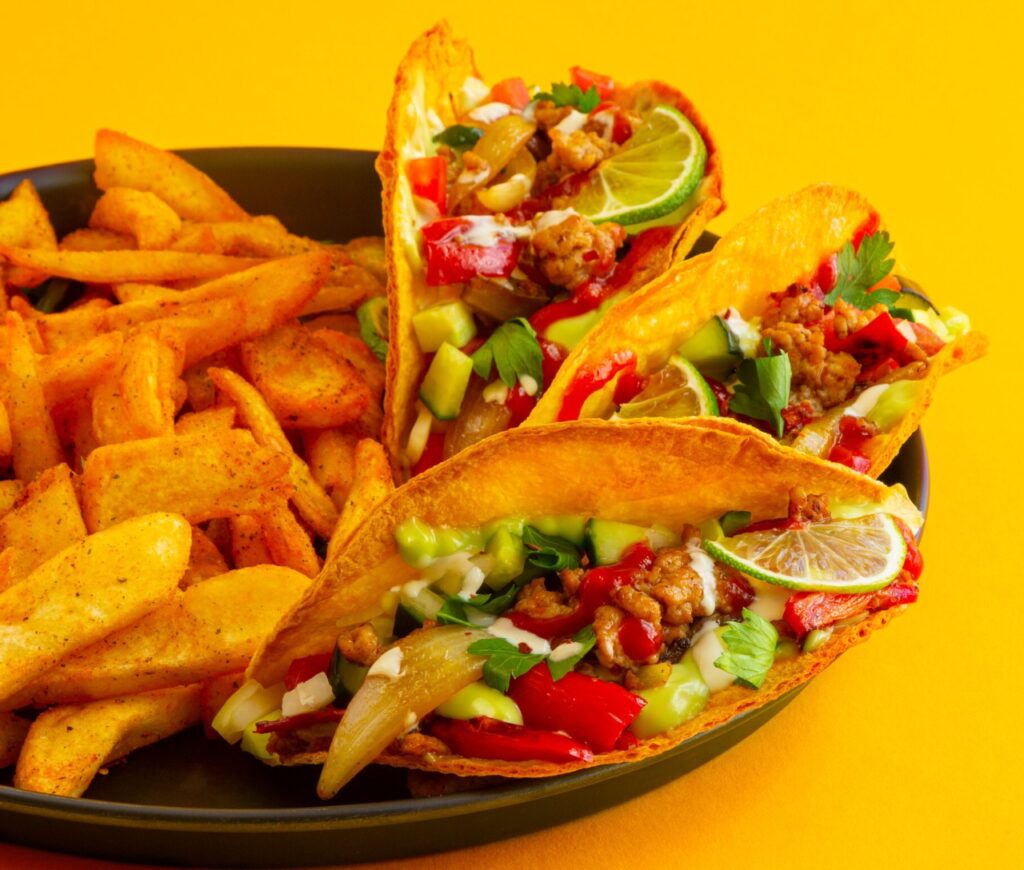
Some classic American comfort foods are tied closely to specific regions, yet even these local specialties are gradually becoming less visible in restaurants. Certain seafood preparations, historic soups, and traditional casseroles once represented the culinary identity of particular areas. As restaurant culture becomes more global and trend-driven, these regional dishes sometimes struggle to compete for attention. Diners traveling between cities often encounter similar menus regardless of location. The widespread influence of national dining trends has also played a role in this change. Restaurants often adopt popular concepts that appeal to a broader audience.
Changing ingredient availability has also contributed to the decline of certain traditional recipes. Some dishes relied on ingredients that have become harder to source or more expensive to prepare. When restaurants must balance ingredient costs with menu pricing, they may decide to remove less profitable dishes. This financial reality can gradually push regional specialties out of everyday dining. Restaurants must constantly evaluate which items remain sustainable for their kitchens. Over time, these economic decisions reshape the menu in subtle ways. Ingredients that once defined local cuisine may slowly disappear from restaurant supply chains.
Despite these challenges, many regional foods still survive through community traditions and local restaurants. Some chefs actively work to preserve these recipes by adapting them for modern tastes. By adjusting ingredients or presentation, they keep the spirit of the original dish alive while making it appealing to contemporary diners. Instead, it evolves in ways that reflect both tradition and modern expectations. Local food festivals and specialty restaurants often play an important role in this preservation. These events celebrate regional cooking and introduce it to new audiences.
Labor Intensive Comfort Foods Are Hard to Sustain
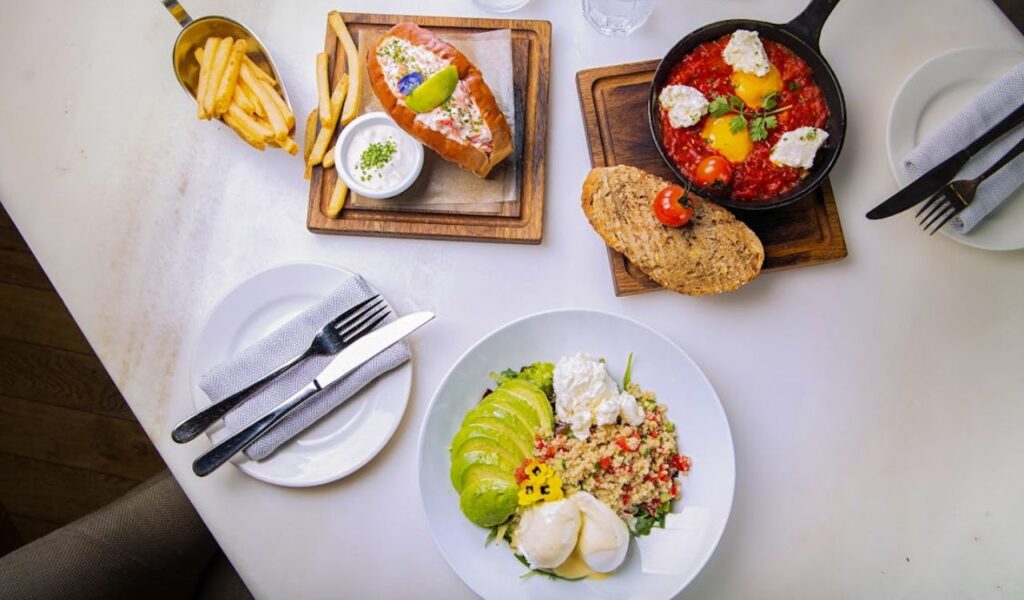
Another reason classic comfort foods disappear from menus is the amount of time and labor required to prepare them properly. Many traditional recipes involve multiple steps, long cooking times, or careful sauce preparation. In a busy restaurant environment where speed and efficiency are essential, these requirements can create practical challenges. Restaurants must serve many customers quickly, especially during peak dining hours. Dishes that slow down the kitchen can disrupt service and increase operational stress. Kitchens must balance quality with efficiency to maintain smooth operations. This balance often favors dishes that can be prepared quickly.
Modern kitchens often operate with smaller teams and tighter schedules than restaurants did in the past. Chefs must design menus that can be executed quickly and consistently during peak hours. Dishes that require extensive preparation may slow down service and increase labor costs. Restaurants, therefore, favor meals that can be prepared efficiently without sacrificing quality. Streamlined menus allow kitchens to operate smoothly during busy periods. This efficiency becomes especially important for restaurants managing high customer volumes. Faster preparation also improves the overall dining experience for customers.
Menu simplification has become a common strategy across the industry. Restaurants streamline their offerings to focus on items that sell well and can be prepared reliably. This process naturally removes dishes that are complicated to produce or rarely ordered. Over time, many traditional comfort foods disappear not because they lack flavor but because they do not fit the operational needs of modern kitchens. Efficiency has become a defining factor in menu planning. Restaurants must balance tradition with practicality to remain successful. In many cases, simpler recipes provide a better fit for today’s fast-paced dining environment.
Nostalgia Keeps These Dishes Alive at Home
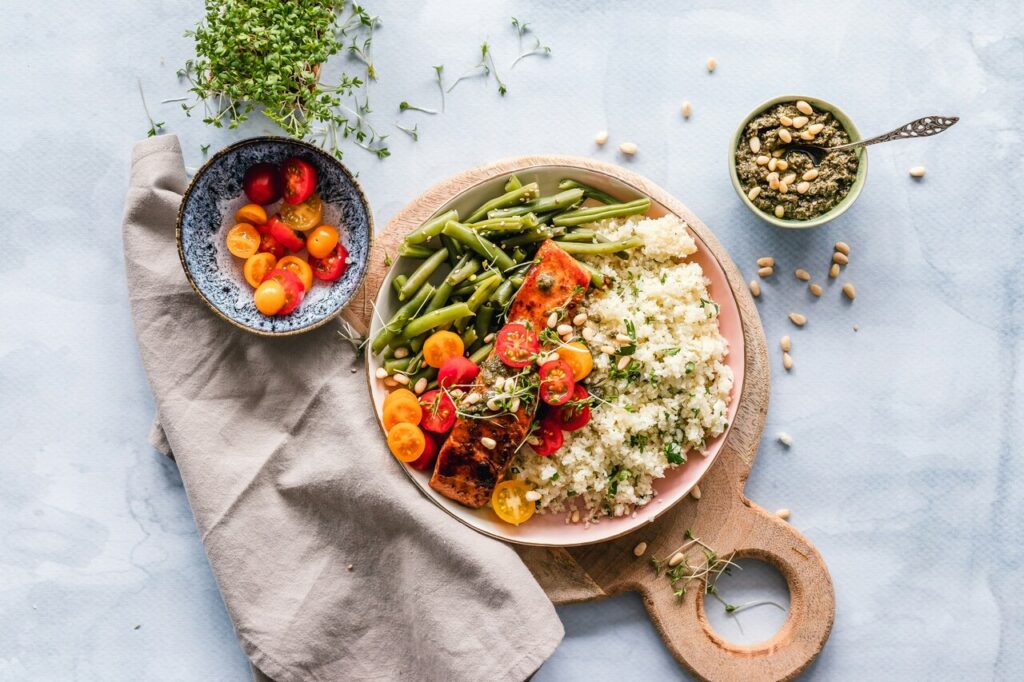
Even as these comfort foods fade from restaurant menus, they continue to live on in home kitchens across the country. Many families still prepare classic recipes passed down through generations. Cooking these meals at home allows people to preserve culinary traditions that might otherwise be forgotten. The familiarity and warmth associated with these dishes remain powerful emotional connections. Families often revisit these recipes during holidays or special gatherings. These moments help keep traditional flavors alive. Preparing these dishes also creates opportunities to pass cooking knowledge to younger family members.
Food media and cookbooks have also played a role in keeping these recipes alive. Chefs and writers frequently revisit retro dishes, exploring their history and offering updated versions for modern cooks. This renewed interest introduces classic meals to younger audiences who may not have encountered them before. Cooking shows and social media have also sparked curiosity about vintage recipes. As a result, many people rediscover these dishes through new channels. These platforms make it easier for traditional recipes to reach a wider audience. Modern adaptations often adjust ingredients or techniques while preserving the spirit of the original dish.
Restaurants occasionally bring these dishes back through limited-time specials or themed events. Retro menus and nostalgia-inspired dining experiences allow chefs to celebrate the past while attracting curious diners. These moments remind people that even if classic comfort foods are less common today, their cultural significance remains deeply rooted in American dining history. Nostalgia often inspires diners to reconnect with the meals they grew up loving. This connection ensures that these dishes remain part of the culinary conversation. Even when they disappear from everyday menus, their legacy continues through memory and tradition.