7 Filthy Reasons You Should Never Use Restaurant Lemon Wedges

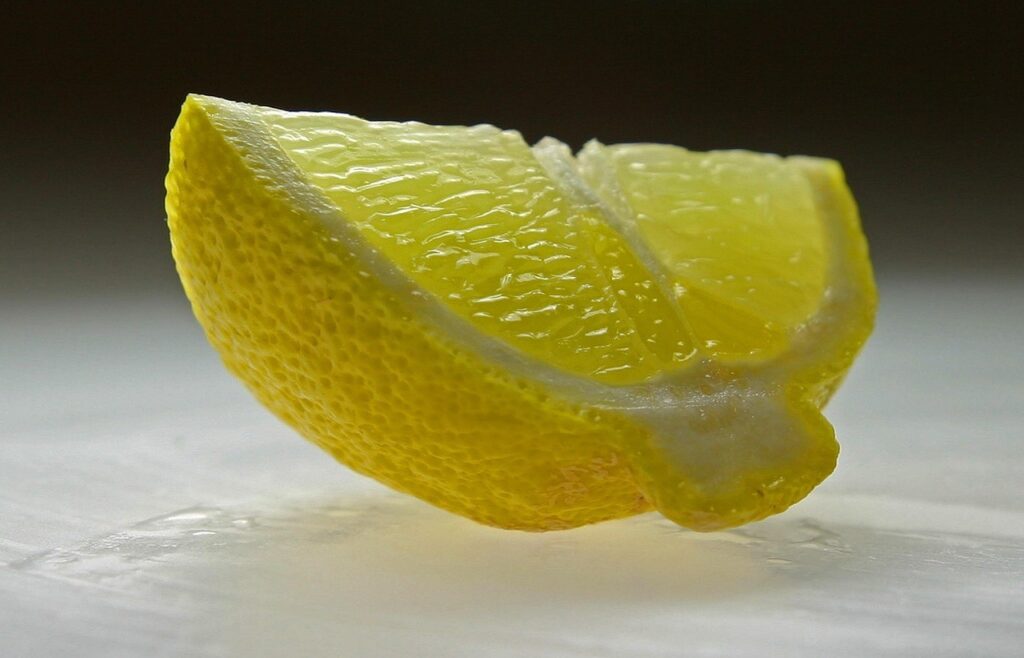
That bright lemon wedge balancing on the rim of your glass looks harmless, even refreshing. It promises a clean burst of citrus, a small upgrade to plain water or soda. Most of us never question it.
Yet behind that simple garnish is a chain of handling, storage, and preparation that rarely crosses a diner’s mind. From shipping crates to cutting boards to busy bar counters, lemons pass through more contact points than you might expect.
This guide takes a closer look at what really happens before that slice hits your drink. The details may change the way you see one of the most common restaurant add-ons.
1. The Rind Carries More Than Just Citrus Oil
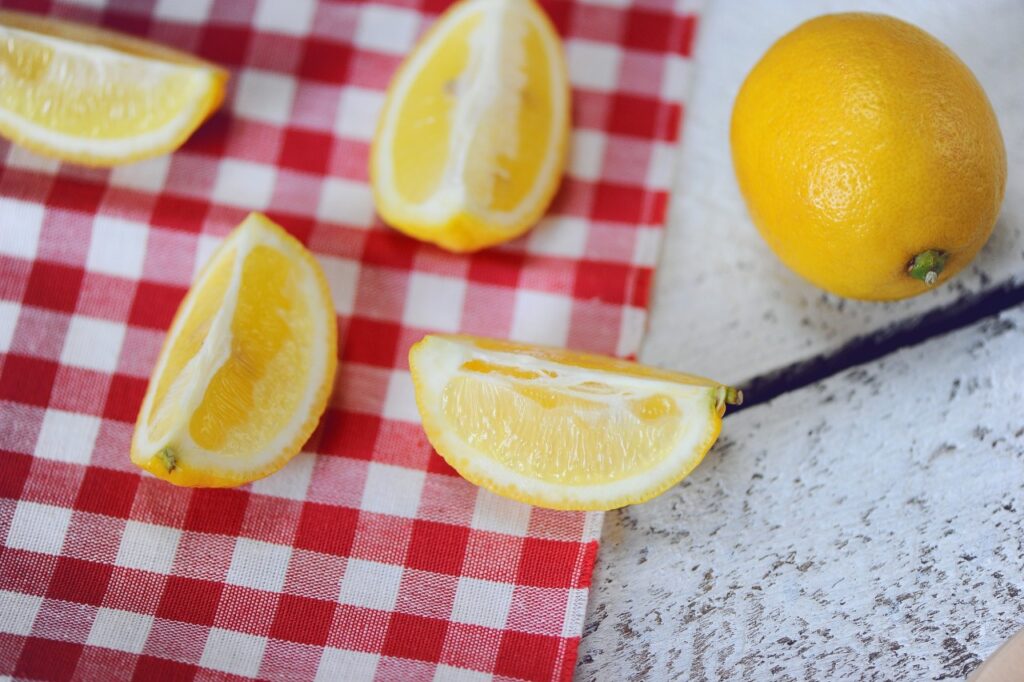
That glossy lemon wedge perched on your glass may look clean, but its peel has traveled far before reaching your drink. Lemons are handled during harvesting, sorting, packing, and transport. Along the way, they collect dirt, pesticide residue, and bacteria from multiple surfaces.
Unlike fruits meant to be peeled at home, restaurant lemons are often sliced with the rind intact. If the outer skin is not scrubbed under running water, contaminants remain. Once cut, that rind rests against the rim of your glass or drops into your beverage.
Food safety experts stress washing produce before cutting, not after. When that step is rushed or skipped in a busy kitchen, anything on the peel can transfer into your drink.
2. A Garnish Touched by Many Hands
Before a lemon wedge reaches your table, it usually passes through several sets of hands. A prep cook slices it, a bartender arranges it, and a server may grab it during service. In high-traffic shifts, gloves are not always used, and handwashing may not happen between every task.
Hand contact is one of the most common pathways for bacterial spread in food environments. Employees handle menus, utensils, door handles, and electronic screens throughout a shift. Each contact point adds risk if proper hygiene is not maintained.
Because lemon wedges are typically handled individually, not with utensils, they become a direct bridge between hands and your drink. That small slice can quietly collect more exposure than you might expect.
3. Open-Air Storage Invites Contamination
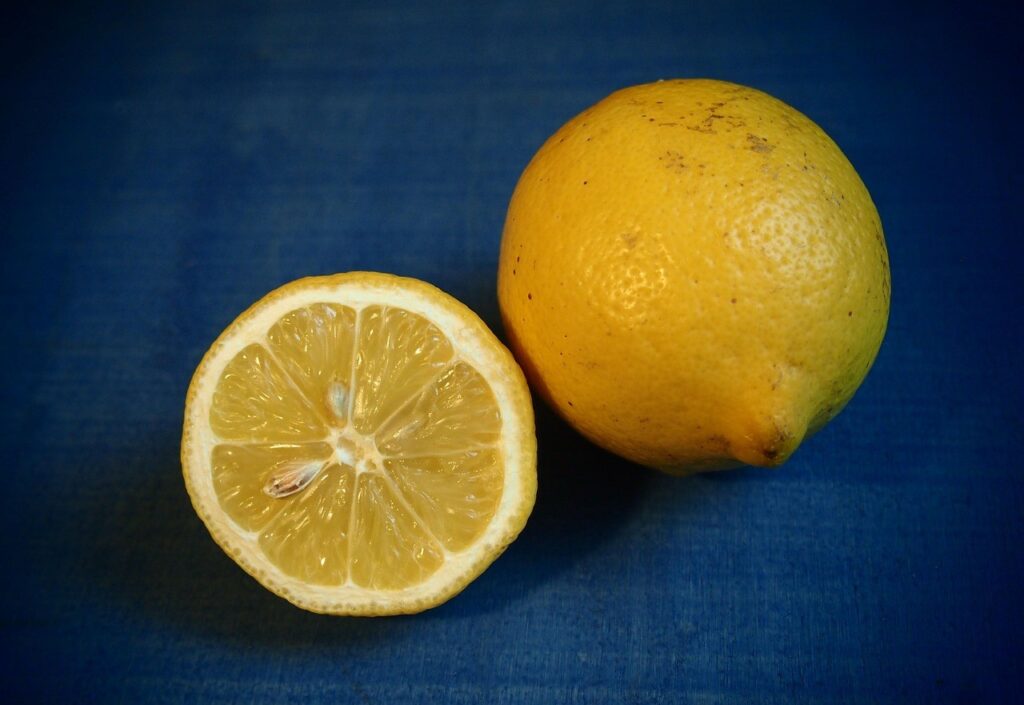
Step behind many bar counters and you will see trays of citrus sitting uncovered for easy access. These wedges are often cut in batches to save time and placed within arm’s reach during busy hours. Convenience, however, comes at a cost.
Open containers allow airborne particles to settle on exposed fruit. Talking, coughing, or even general movement can release droplets into the air. Without lids or consistent refrigeration, lemon wedges may sit at room temperature for extended periods.
Although citrus is acidic, it does not create a sterile surface. Bacteria can survive on moist fruit surfaces, especially when left out for hours. The longer the exposure, the greater the opportunity for contamination.
4. Prep Surfaces Can Spread Germs
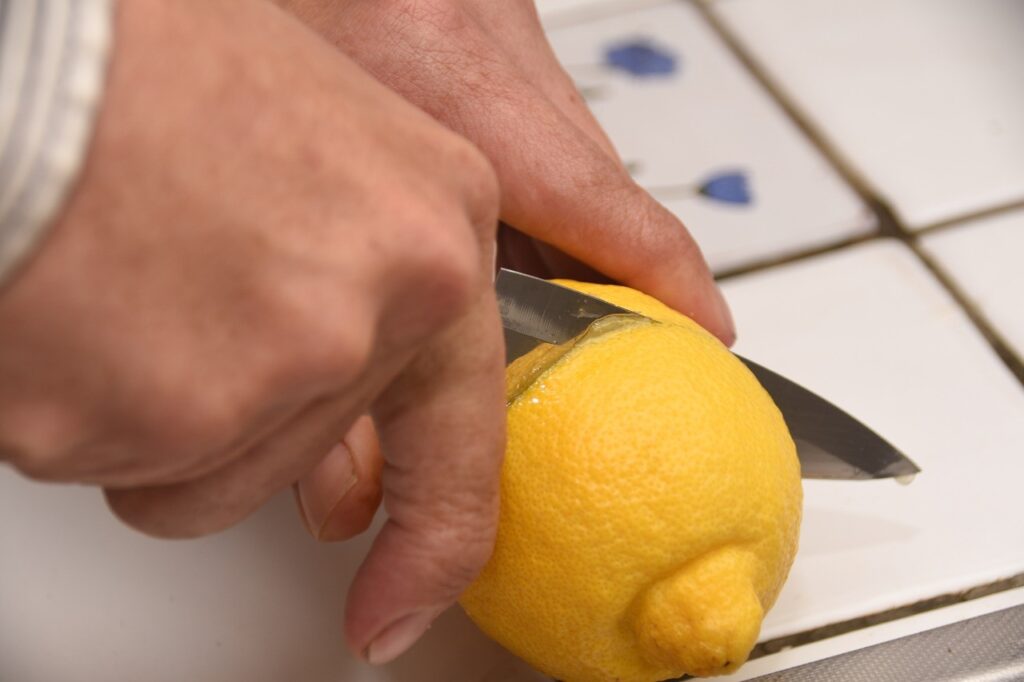
In fast-paced kitchens, cutting boards and prep stations are used repeatedly throughout the day. Health codes require cleaning and sanitizing between tasks, but real-world pressure can lead to shortcuts. If citrus is sliced on a surface previously used for raw meat or seafood, cross-contamination becomes possible.
Raw proteins can carry pathogens such as Salmonella or E. coli. When those microbes transfer to ready-to-eat foods, there is no cooking step to eliminate them. Lemon wedges are served exactly as they are cut.
Even small lapses in sanitation can have consequences. Because garnishes are considered minor items, they may not receive the same attention as main dishes, yet they are placed directly into beverages.
5. High-Touch Surfaces Increase the Risk

Restaurant staff move constantly between tasks. They swipe credit cards, handle cash, tap touchscreens, carry plates, and open doors. Each of these surfaces can harbor bacteria. If hands are not washed frequently and thoroughly, microbes travel with them.
Studies examining restaurant hygiene have found significant bacterial presence on payment terminals and menus. When a server grabs a lemon wedge after handling these items, contamination can transfer easily.
Since garnishes are typically picked up by hand rather than with tongs, the risk becomes more direct. The wedge that freshens your water may also carry traces from surfaces you would never want near your drink.
6. Cold Drinks Do Not Make It Safe
Many people assume that ice or the acidity of lemon juice neutralizes germs. In reality, cold temperatures slow bacterial growth but do not kill most pathogens. Ice is not a disinfectant. It simply lowers the temperature.
While lemon juice is acidic, the peel itself does not instantly become sterile when submerged. Bacteria present on the rind can survive long enough to enter the beverage. Some microbes tolerate acidic environments better than expected.
Relying on the chill of your drink as protection creates a false sense of security. If contamination has already occurred, cold soda or water will not undo it.
7. Research Has Found Contaminated Wedges

Independent testing of restaurant lemon wedges has revealed measurable bacterial contamination on a notable percentage of samples. Some studies detected microbes linked to inadequate hand hygiene, including strains associated with fecal matter.
These findings do not mean every lemon slice is dangerous. They do highlight inconsistency in food handling practices across establishments. Garnishes are small items, but they often receive less oversight than primary dishes.
When research repeatedly shows contamination on ready-to-serve citrus, it becomes reasonable to reconsider the garnish. Declining a lemon wedge is a simple way to reduce exposure without changing the rest of your meal.