12 Bitter Flavor Trends Dividing American Diners


Bitterness was once the flavor many Americans avoided. Sweet and salty shaped menus and everyday cravings. Today, that balance is changing. From leafy greens to bold drinks, bitter notes are no longer hidden. They are now featured and even celebrated.
This shift goes beyond passing trends. Chefs are reworking familiar ingredients, and diners are exploring flavors that feel deeper and more complex. Health awareness and global influences have helped push bitterness into the spotlight.
Still, not everyone agrees. Some see these sharp edges as refined and authentic, while others find them too intense. That divide reveals how quickly American tastes are evolving.
1. Kale Everything
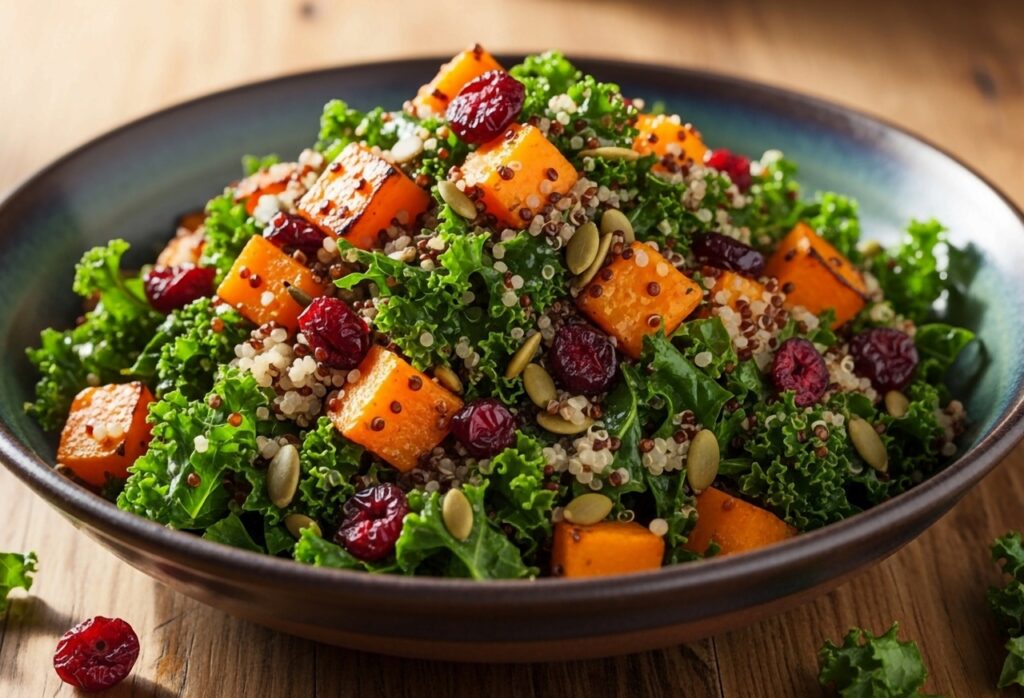
Few greens have experienced a makeover quite like kale. Once used mostly as a plate garnish, it became a symbol of clean eating and modern wellness. Its firm texture and slightly bitter flavor come from natural compounds called glucosinolates, which also appear in broccoli and cabbage.
When served raw, kale’s bitterness can be pronounced. That is why chefs often massage it with olive oil or pair it with sweet elements like dried fruit. Cooking softens its edge and brings out a nuttier tone.
For some diners, that assertive bite signals nutrition and depth. For others, especially those raised on milder lettuces, it feels harsh. Kale’s popularity shows how health trends can reshape taste preferences across the country.
2. Craft IPA Beers

Bitterness found a loud voice in the craft beer boom. India Pale Ales rely on hops, which contain alpha acids that create a sharp, sometimes citrusy bitterness measured in IBUs. As American breweries pushed those numbers higher, flavors grew bolder.
Fans describe notes of pine, grapefruit, and resin. They appreciate the complexity and aroma that dry hopping brings. Critics, however, say some IPAs overwhelm the palate and mask the malt backbone.
The divide often comes down to exposure. Drinkers who grew up on light lagers may find IPAs intense, while craft enthusiasts see them as layered and expressive. The IPA trend reflects how American beer culture has shifted toward adventurous taste.
3. Dark Chocolate (70% and Above)
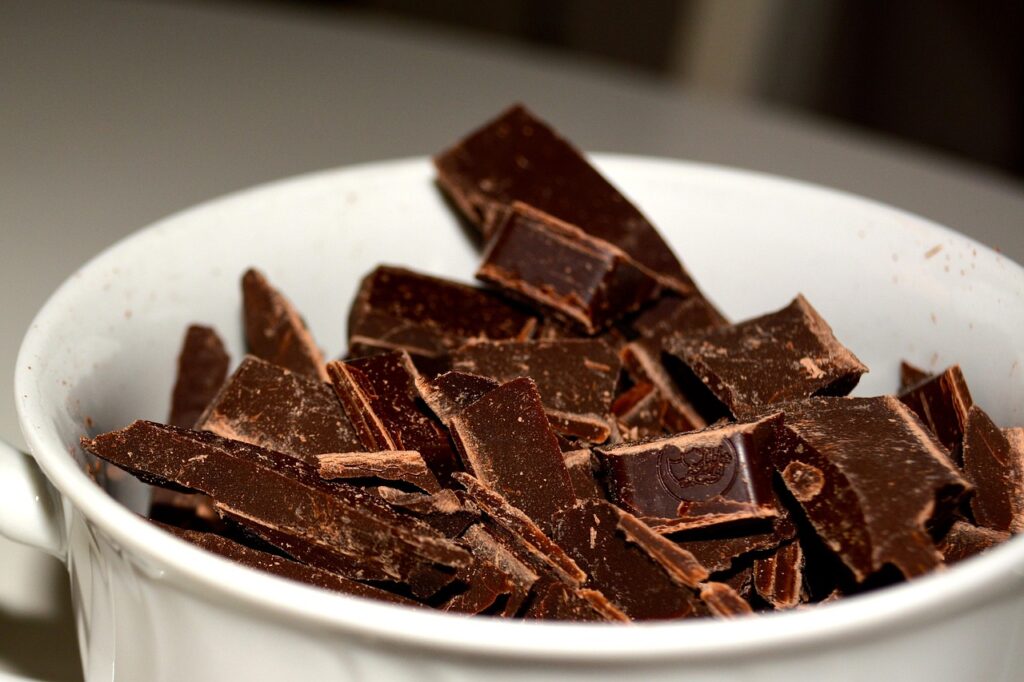
Chocolate is not always sweet. Bars labeled 70 percent cacao or higher contain less sugar and more cocoa solids, which naturally carry bitter and roasted notes. That intensity is part of their appeal.
Higher cacao levels also reveal subtle flavors shaped by origin and fermentation, much like coffee or wine. Tasting notes may include earthiness, fruit, or even floral hints. For many, this complexity feels refined.
Others miss the creamy sweetness of milk chocolate and find high percentage bars too sharp. As consumers become more interested in ingredient transparency and reduced sugar, dark chocolate continues to win converts while still challenging traditional sweet expectations.
4. Arugula on Everything
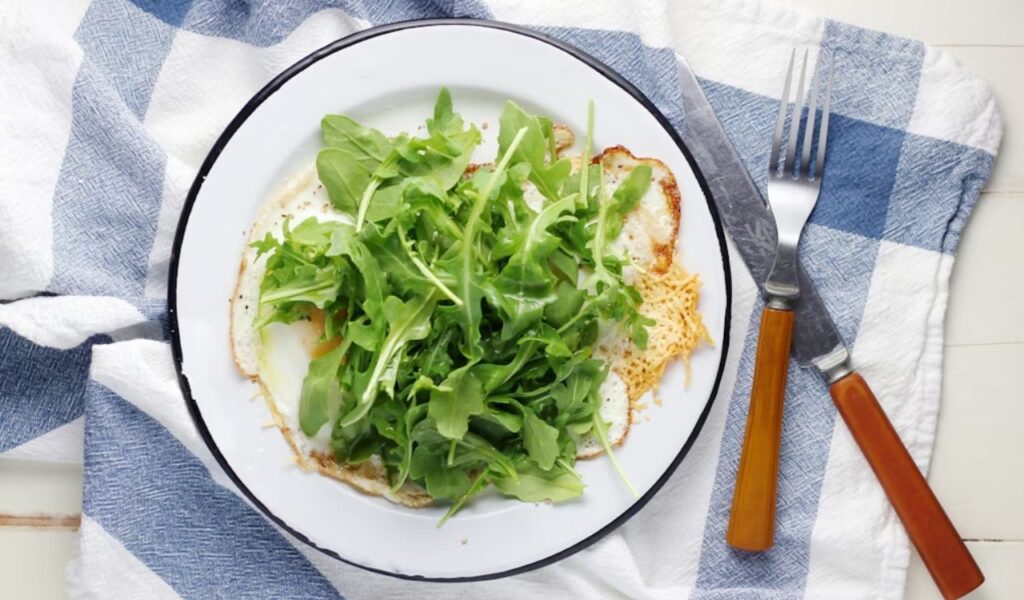
Arugula makes its presence known. Unlike iceberg or romaine, it delivers a peppery bitterness caused by natural plant compounds that intensify as the leaves mature. That boldness is exactly why chefs use it to balance rich foods.
Scattered over pizza or tucked into sandwiches, arugula cuts through cheese and fatty meats. Its bite adds contrast and brightness. In salads, it often pairs with citrus or shaved parmesan to round out the flavor.
Some diners welcome the lively kick. Others feel it overpowers delicate ingredients. The debate around arugula highlights how a single leafy green can transform an entire dish’s personality.
5. Grapefruit-Forward Cocktails

A squeeze of grapefruit can reshape a drink’s character. Its bitterness comes from natural compounds concentrated in the peel and pith, giving cocktails a tart, slightly sharp finish. That clean edge has grown popular in modern bars that favor balance over heavy sweetness.
Drinks such as the Paloma depend on grapefruit to offset alcohol and reduce the need for sugary mixers. Bartenders often highlight fresh juice and restrained syrups, creating a profile that feels bright and layered rather than sticky or overly sweet.
Still, that bitterness is not universally loved. Some drinkers prefer smoother, fruitier cocktails that feel easy and familiar. As menus lean toward fresher and drier styles, grapefruit remains refreshing and quietly polarizing.
6. Brussels Sprouts Revival

Few vegetables have staged a comeback as dramatic as Brussels sprouts. For years they were boiled until soft, a method that intensified sulfur compounds and made their bitterness stand out. That reputation lingered, shaping how many Americans viewed them.
Modern kitchens changed the narrative. Roasting at high heat caramelizes sugars and creates crisp edges, drawing out nutty notes. Chefs often add balsamic glaze or citrus to balance flavor and add depth. Technique plays a key role in perception.
Even so, the vegetable’s inherent bite has not disappeared. Some diners appreciate the complexity it brings to rich meals. Others still associate it with strong flavors. The divide shows how preparation can transform, but not fully erase character.
7. Matcha Mania
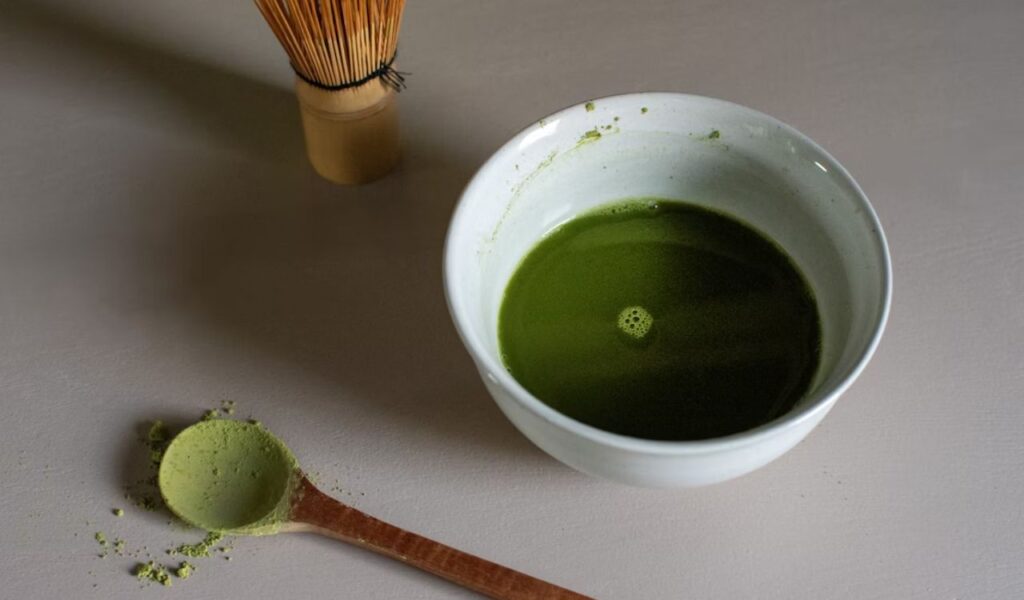
Matcha announces itself before the first sip. Its vivid green color signals freshness, while its flavor delivers a grassy bitterness rooted in concentrated tea leaves. Because the entire leaf is consumed in powdered form, the taste is fuller and more intense than steeped green tea.
In cafés, matcha appears in lattes, pastries, and frozen desserts. Milk and sweeteners soften its sharp edge, creating a smoother profile that appeals to newcomers. Many fans value its steady caffeine release and the layered, earthy notes it brings.
Yet that vegetal bitterness remains unmistakable. For some, it feels clean and grounding. For others, it clashes with expectations of sweetness. Matcha’s popularity reflects a growing curiosity for bold, less sugary drinks.
8. Tonic Water and Bitter Mixers
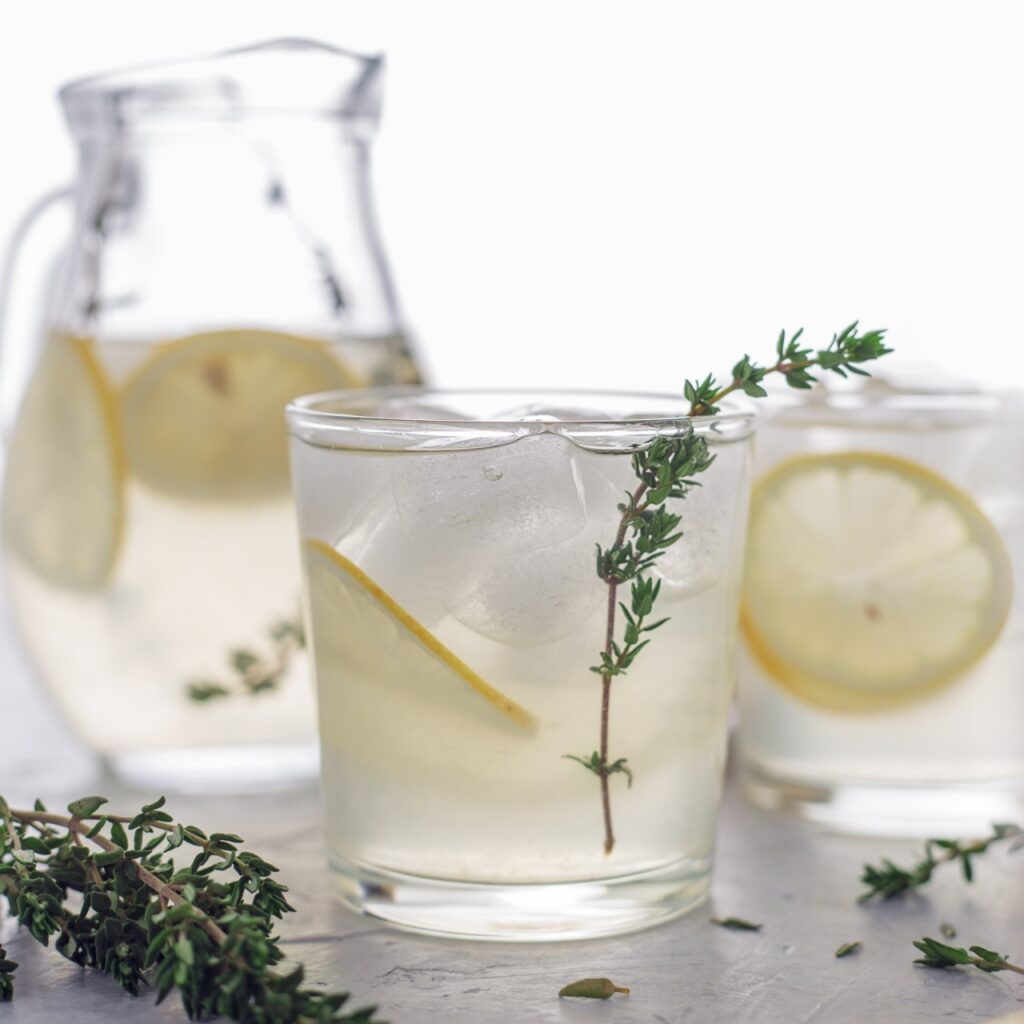
Tonic water carries a distinct bitterness from quinine, a compound historically used for medicinal purposes. In beverages, that sharp note creates a dry, crisp finish that defines drinks like the Gin and Tonic. Its bite is deliberate, not accidental.
As premium mixers gained traction, brands began lowering sugar levels and highlighting botanical ingredients. This shift makes the bitterness more pronounced and less masked. Many drinkers now seek that cleaner, less syrupy profile.
Still, tonic’s edge can feel medicinal to some palates. Those accustomed to sweeter sodas may find it stark. The renewed interest in bitter mixers reflects changing preferences toward drier, more restrained flavors.
9. Radicchio and Chicories
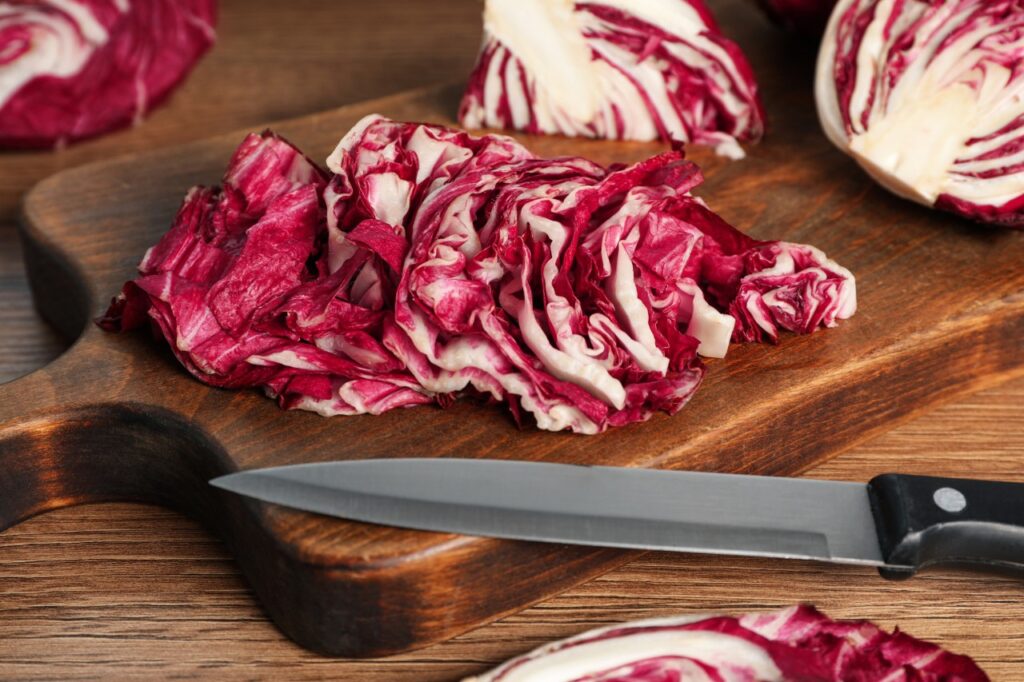
Radicchio stands out with its deep purple leaves and unmistakable bite. Its bitterness comes from naturally occurring compounds that are strongest when the leaves are raw. That intensity gives salads structure and contrast.
Cooking techniques such as grilling or roasting can mellow the sharpness and coax out subtle sweetness. Pairing radicchio with creamy cheeses, nuts, or fruit helps balance its assertive flavor. Thoughtful combinations make it more approachable.
Even with careful preparation, its bold profile remains. Some diners admire the depth and visual appeal it brings to a plate. Others feel it overwhelms gentler ingredients. Chicories challenge the expectation that greens should taste mild.
10. Black Coffee Culture

Drinking coffee black reveals its true character. Without milk or sugar, the natural bitterness from roasted beans becomes more pronounced. These flavors develop during roasting, when heat transforms sugars and acids into deeper, darker notes.
Specialty coffee culture has emphasized origin, altitude, and roast style. Lighter roasts may highlight acidity and fruit tones, while darker roasts intensify bitterness and body. Brewing methods further shape the final cup.
For many enthusiasts, this unfiltered experience feels authentic and nuanced. Others prefer the smoothing effect of cream and sweetness. The divide reflects a broader appreciation for bold flavors that are not softened or disguised.
11. Fermented and Pickled Foods
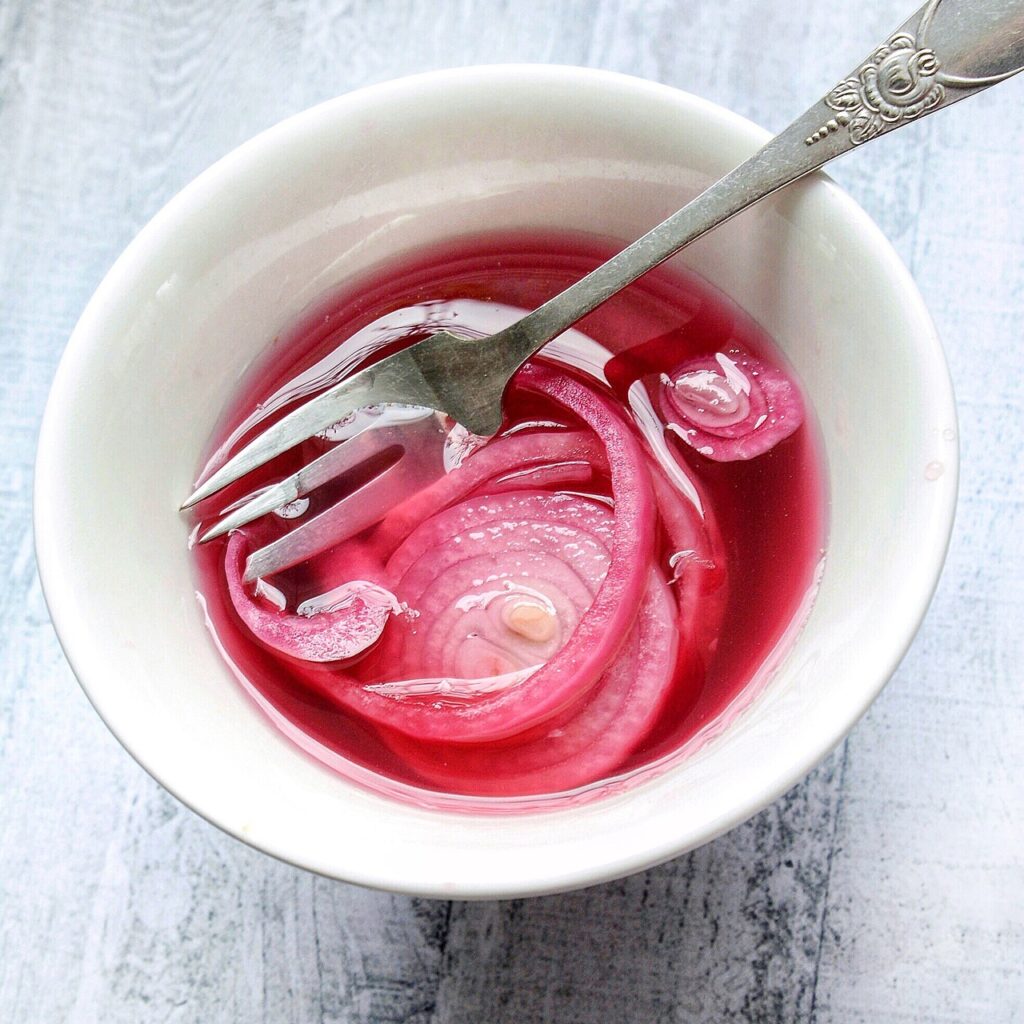
Fermentation changes both flavor and texture. As beneficial bacteria convert sugars into acids, vegetables develop tangy and occasionally bitter notes. This process adds complexity that simple seasoning cannot replicate.
Items like kimchi and assorted pickles now appear far beyond traditional cuisines. They top sandwiches, fill grain bowls, and anchor appetizer boards. Many diners value them for both flavor and perceived digestive benefits.
Still, the sharp intensity can surprise those used to milder sides. The expanding presence of fermented foods shows a willingness to explore stronger tastes, even if they do not appeal to everyone.
12. Charred and Burnt Finishes
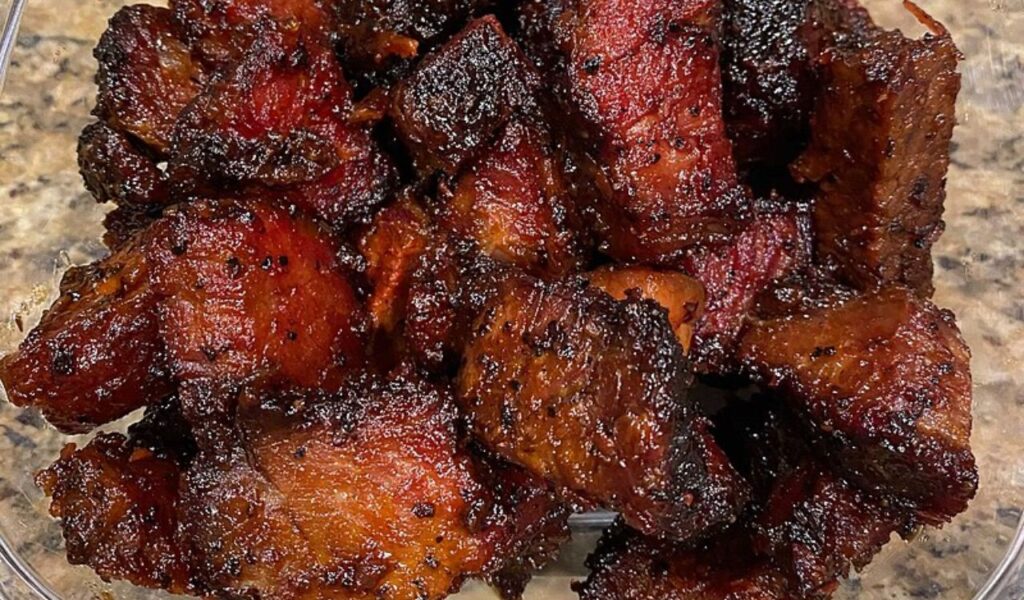
High heat leaves a visible mark on food. When vegetables, meats, or even fruit are exposed to direct flame or intense roasting, natural sugars caramelize and proteins react, producing smoky notes alongside slight bitterness. This balance is intentional.
Chefs use charring to create contrast in both flavor and appearance. A blackened edge can add depth to otherwise sweet or mild ingredients. The technique brings complexity without adding extra seasoning.
Yet the margin for error is slim. What one diner calls pleasantly charred, another may call burnt. The popularity of this finish highlights how bitterness, when carefully controlled, can elevate rather than overpower a dish.