9 Fruit Salad Mistakes You Should Avoid


Fruit salad looks simple, but small missteps can quietly ruin its flavor, texture, and freshness. From cutting fruit too early to unbalanced combinations, many common habits work against what fruit naturally does best. When prepared with care, fruit salad becomes bright, juicy, and satisfying rather than watery or dull. Understanding how ripeness, timing, and balance affect each ingredient helps transform a basic bowl of fruit into something that feels intentional and refreshing. These mistakes are easy to avoid once you know what to watch for, and fixing them can completely change how your fruit salad tastes and holds up.
1. Using Fruits at Different Ripeness Levels
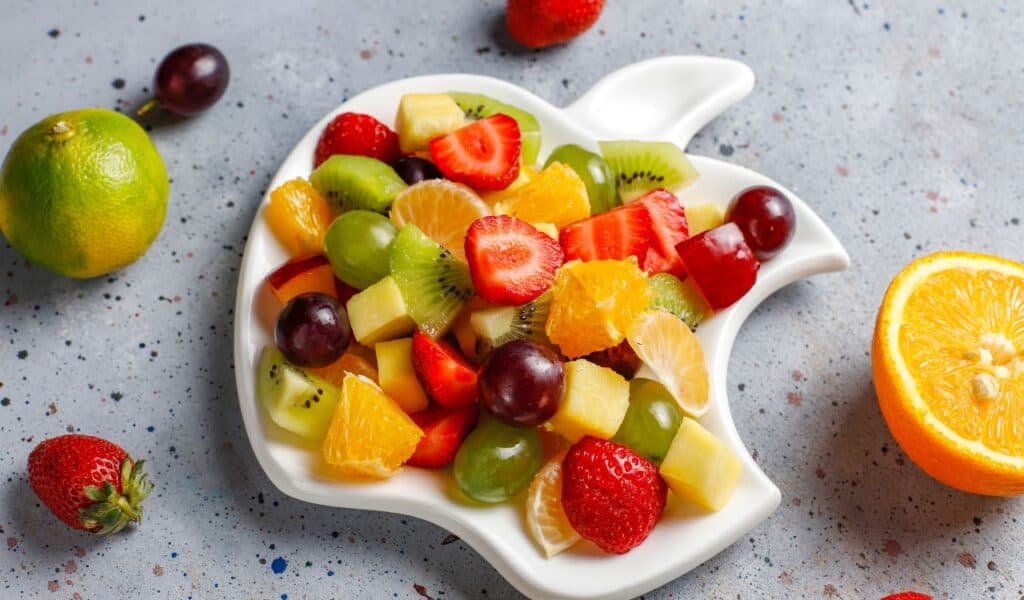
A good fruit salad begins long before the cutting board, and ripeness is where most people go wrong. When fruits are mixed at very different stages, the salad loses balance fast. Underripe fruit stays hard and sour, while overripe pieces soften too quickly and release excess juice. This creates a bowl where some bites feel crunchy and sharp while others feel mushy and overly sweet. Ripeness also affects how fruit holds up after cutting. Softer fruits break down faster, especially once mixed with acidic juices. For the best result, choose fruits that are ripe but still firm, with natural sweetness and structure. This keeps textures consistent and flavors clean.
2. Cutting Fruit Too Far in Advance

Fruit may look sturdy, but once it is cut, the clock starts ticking. Exposed flesh reacts with air, causing oxidation that leads to browning, dull flavor, and nutrient loss. Apples, pears, and bananas are especially sensitive, while berries begin to soften and leak juice. Cutting fruit hours ahead also disrupts cell structure, which encourages moisture release and turns the salad watery. Even refrigeration only slows this process; it does not stop it. Ideally, fruit salad should be prepared close to serving time, with only minimal holding. This preserves natural color, keeps textures intact, and ensures the salad tastes fresh rather than tired.
3. Overloading on Watery Fruits

Juicy fruits are refreshing, but too many can ruin the structure of a fruit salad. Watermelon, pineapple, oranges, and grapes release liquid quickly once cut. When used in excess, they flood the bowl and dilute the natural sweetness of other fruits. The result is often a pool of juice at the bottom and fruit that tastes washed out. Watery fruits also soften nearby ingredients faster, especially berries and bananas. Balance is key. Pair high-water fruits with firmer, less juicy options like apples, mangoes, or berries. This keeps the salad cohesive and flavorful instead of soupy. A good fruit salad should feel juicy, not drowned.
4. Skipping Acid Balance
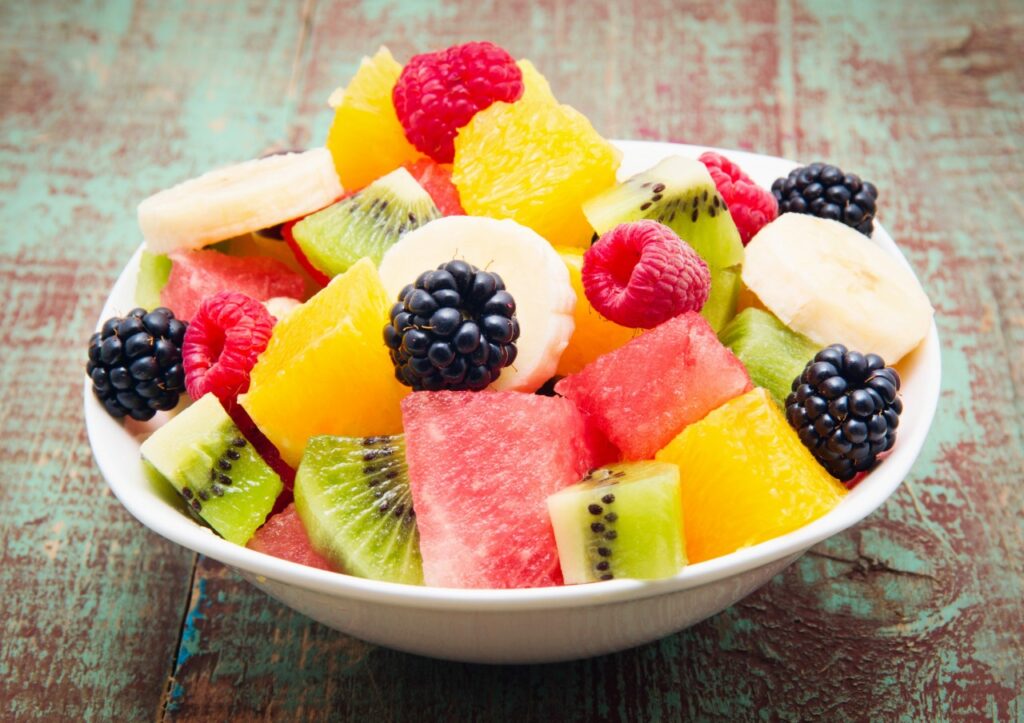
Fruit salad relies on natural sugars, but without acidity, those sugars can taste flat. A small amount of acid, usually from citrus, brightens flavor and creates contrast. Lemon, lime, or even orange zest enhances sweetness without making the salad taste sour. Acid also slows enzymatic browning, which helps fruits like apples and bananas stay visually appealing. Skipping this step often leads to a salad that tastes heavy and overly sweet, especially when ripe fruits dominate. The key is restraint. A light squeeze or gentle toss with citrus juice is enough. When balanced correctly, acidity makes fruit taste more like itself, not less.
5. Adding Sugar Too Soon

Sugar seems harmless, but timing matters more than most people realize. When sugar is added early, it pulls moisture out of fruit through osmosis. This causes fruit to soften faster and releases excess liquid, which collects at the bottom of the bowl. The texture suffers, and the flavors become muddled instead of fresh. Many fruits are naturally sweet when ripe and do not need added sugar at all. If sweetening is necessary, it should be done just before serving and in small amounts. Honey, maple syrup, or a splash of fruit juice can work better than granulated sugar. Let the fruit lead, not the sweetener.
6. Mixing Strong and Delicate Flavors

Not all fruits play nicely together. Strongly flavored fruits like pineapple, kiwi, and grapefruit can overpower more delicate ones such as strawberries, peaches, or blueberries. This imbalance causes subtle fruits to disappear rather than contribute. Some strong fruits also contain enzymes that affect texture. Pineapple and kiwi can soften other fruits if left together too long. Thoughtful pairing is essential. Group bold flavors with fruits that can hold their own, and keep delicate fruits with gentle companions. This approach allows every bite to taste intentional instead of chaotic, creating a salad where no single fruit dominates the rest.
7. Ignoring Texture Variety
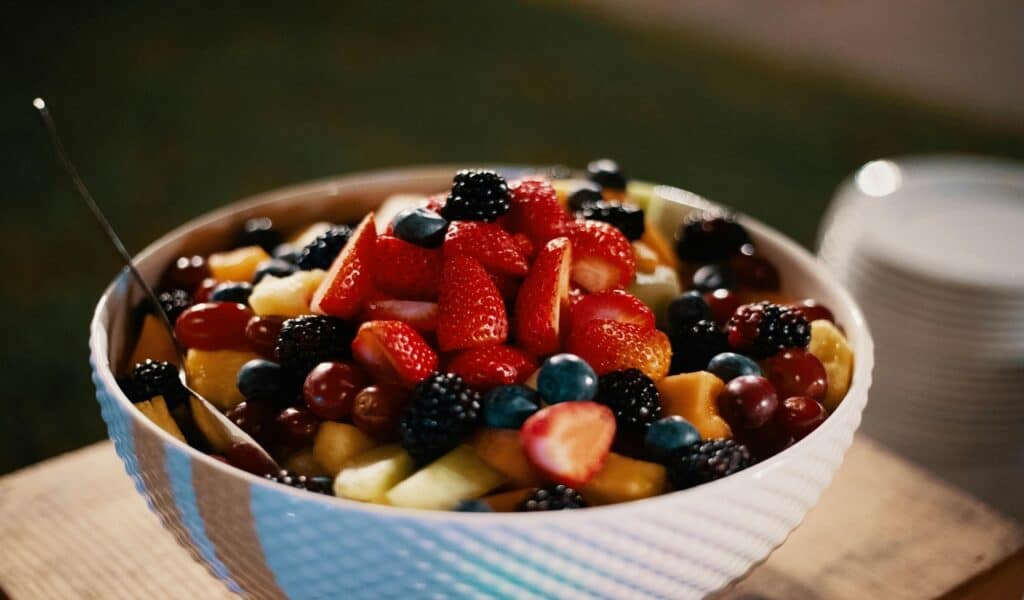
Flavor matters, but texture is what keeps a fruit salad interesting from the first bite to the last. A bowl filled only with soft fruits quickly feels monotonous. Without contrast, even great flavors can feel dull. Crisp apples, firm grapes, and juicy berries create a more satisfying experience when paired with tender fruits like mango or ripe peach. Texture variety also helps the salad hold up better over time. Firmer fruits provide structure, while softer ones add juiciness. A thoughtful mix keeps the salad appealing visually and physically, making it feel fresh rather than sloppy, and texture contrast makes each bite feel intentional instead of blending into a single soft mouthful.
8. Overmixing the Salad
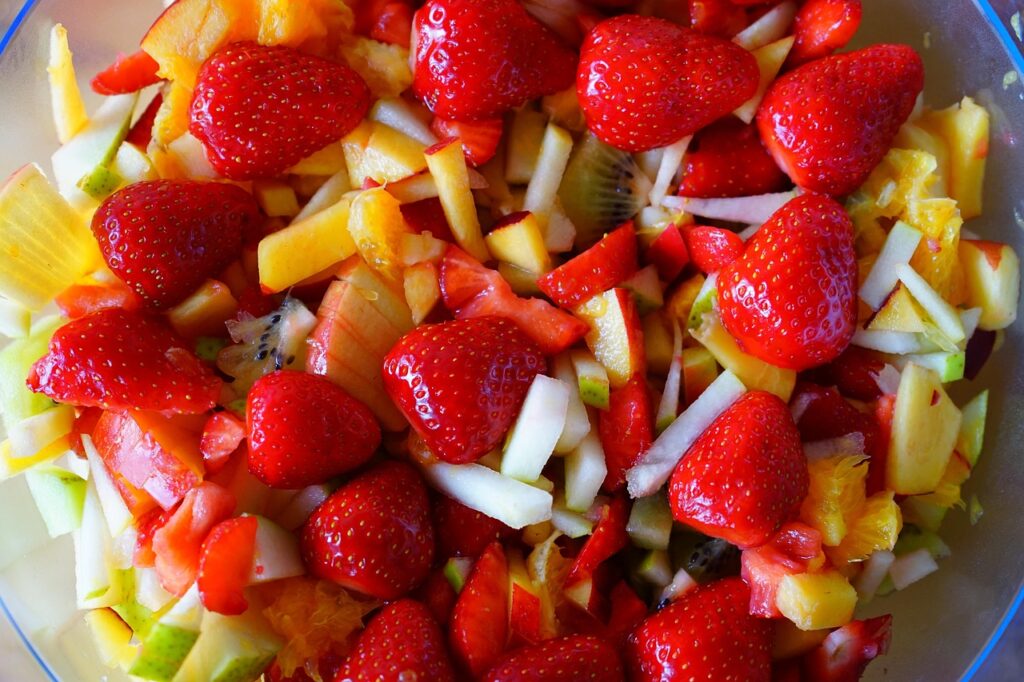
Fruit is delicate, and rough handling shows fast. Overmixing bruises soft fruits, releases juice, and breaks pieces into uneven fragments. This not only affects appearance but also speeds up breakdown and moisture loss. A fruit salad should be folded gently, not stirred aggressively. Using a large bowl and a soft utensil helps distribute ingredients without crushing them. Mixing should be minimal, just enough to combine. The goal is to keep each piece recognizable and intact. When fruit is treated gently, the salad looks brighter, holds its shape longer, and tastes cleaner, since less movement preserves both visual appeal and natural structure.
9. Serving It Ice Cold
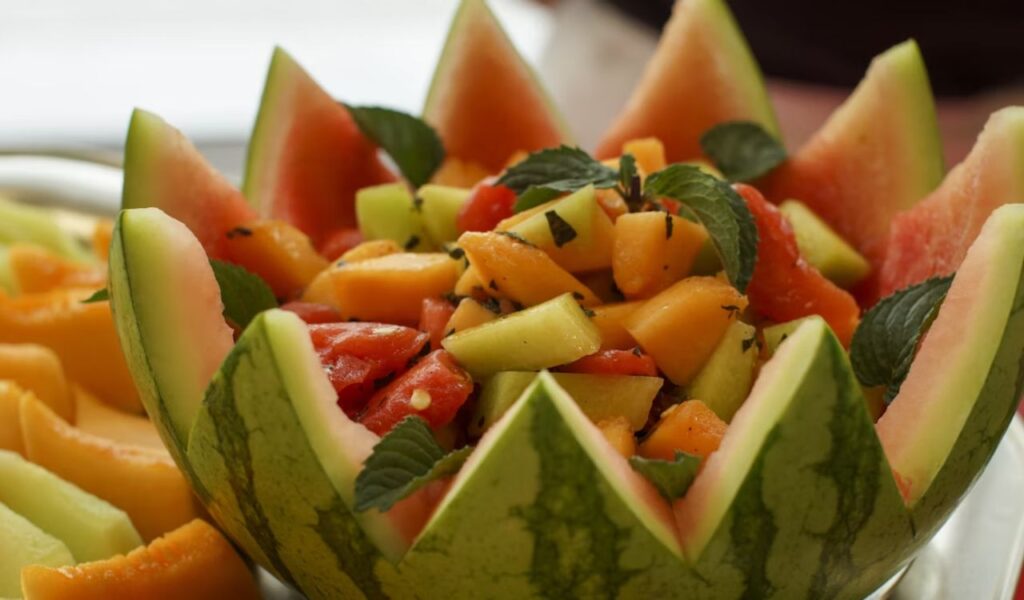
Cold temperatures dull flavor, especially sweetness. When fruit salad is served straight from the coldest part of the fridge, it can taste bland even if the fruit is ripe. Extreme cold also firms up textures unnaturally, making fruit less juicy on the palate. Slight chilling is ideal. It keeps the salad refreshing while allowing natural aromas and sugars to come through. Letting the fruit sit at cool room temperature for a few minutes before serving can make a noticeable difference. The goal is freshness, not numbness, because a brief rest helps flavors open up and feel more vibrant on the tongue.